
FILLER GUIDE
How Fillers Work · Cheongdam & Apgujeong, Seoul
✦ DESIGNED 1:1 BY DR. BYUN JEIK
Seoul National University College of Medicine · Surgery specialist & fellow, SNU Hospital · Merz Golden Record Award 2024 · One of Korea's 22 filler experts (Medical Times)
Key facts
| What a filler is | An injectable gel (most commonly hyaluronic acid, 히알루론산 필러) placed under the skin to add volume or support |
|---|---|
| What it can do | Replace lost volume, support sagging structures from below, soften folds and refine contours |
| What it cannot do | Tighten loose skin on its own or reverse significant sagging — that usually needs lifting |
| Key variables | Product firmness (soft vs structural), depth, injection point and total amount |
| Typical onset | Visible immediately; settles over roughly two to four weeks as swelling resolves |
| Longevity | Varies by product, area, metabolism and movement — often months to over a year |
| Where | Doje Clinic, Apgujeong Rodeo Station Exit 5, Cheongdam/Apgujeong, Seoul |
What a filler actually is
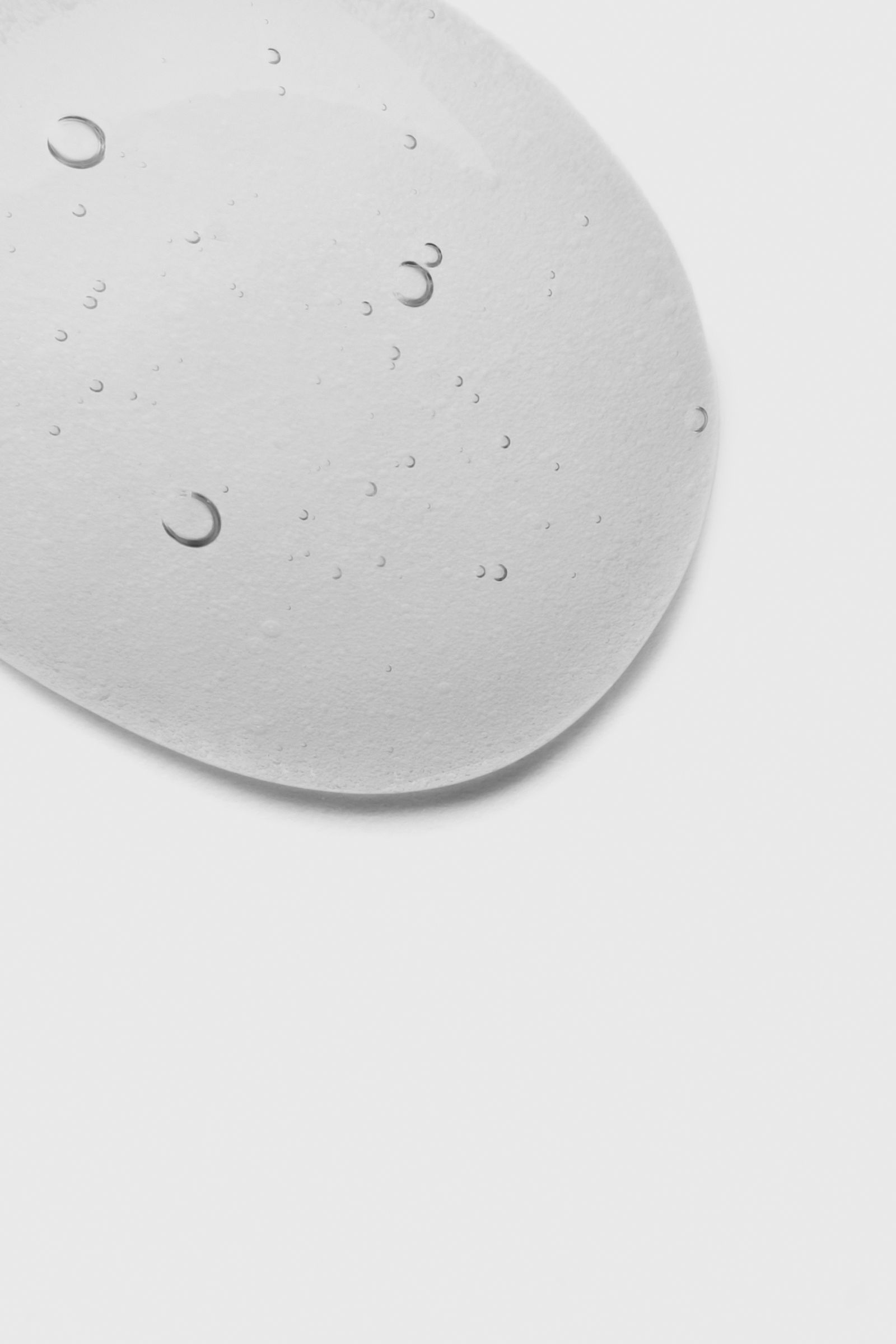
Most modern fillers are made of hyaluronic acid (HA), a sugar molecule your skin already contains. On its own, HA is broken down within days, so manufacturers link the molecules together (cross-linking) to form a gel that stays in the tissue for months. How tightly the gel is cross-linked, and how the particles are sized, decides whether it behaves like a soft, spreading cushion or a firm, shape-holding support.
That is why "filler" is not one treatment. A soft gel that blends invisibly into thin under-eye skin would be far too weak to support a cheekbone, and a firm structural gel that props up the mid-face would feel lumpy near the lips. Choosing the right gel for the right layer is most of the skill.
A smaller group of fillers work differently. Radiesse, for example, is a calcium-based filler that gives some immediate support and is also used for its collagen-stimulating effect. Collagen boosters such as GOURI sit in a separate category again: they aim to improve skin firmness gradually rather than add visible volume.
How filler behaves once it is injected
HA gels attract and hold water. After injection the gel integrates with the surrounding tissue, and for the first days there is also some swelling from the injection itself, so the face often looks slightly fuller than the final result. Over roughly two to four weeks the swelling settles and the gel reaches equilibrium — this is the point at which a result should be judged.
Over the following months the body slowly breaks the gel down. Areas that move a lot, such as around the mouth, tend to clear filler faster than deep, static areas such as the cheekbone or chin. Metabolism, product type and how much was used all add to the variation, which is why honest clinics talk in ranges rather than promises.
One practical advantage of HA is that it can be dissolved with an enzyme called hyaluronidase if a correction or emergency reversal is needed. Calcium-based and collagen-stimulating products cannot be dissolved in the same way, which is one reason they are reserved for carefully chosen areas.
✦ PRIVATE 1:1 CONSULTATION
Find out what your face actually needs
✔ Your plan is designed by Dr. Byun Jeik himself, trained at Seoul National University
✔ Only what your face needs, never a device package
✔ Written plan and quote at consultation
✔ 6 min from Apgujeong Rodeo Station, Exit 5
Mon, Tue, Thu, Fri 10:00–19:00 · Sat 10:00–17:00
Closed Wed, Sun & holidays ·
+82 2-6380-2110
Two faces, same treatment, different results.
The difference is the design. Tell us your goals and dates; in your 1:1 consultation Dr. Byun Jeik shows you what your face needs, and what it doesn't.
Soft versus structural filler
At Doje Clinic, single filler treatments are grouped into soft filler and structural filler, because the two serve different jobs:
| Soft filler | Structural filler | |
|---|---|---|
| Gel character | Flexible, spreads and blends | Firmer, holds shape and projection |
| Typical layer | Superficial to mid layers | Deep, often close to bone or ligament support points |
| Common uses | Under-eye hollows, fine folds, marionette softening, lips | Cheek and mid-face support, chin, jawline, temples |
| Main risk if mis-chosen | Too weak to lift; can migrate if overused | Visible ridges or heaviness if placed too shallow |
Why depth and placement matter more than volume
The face is built in layers — bone, deep fat pads, retaining ligaments, muscle, superficial fat and skin (see facial ageing layers). With age, deep support is lost first and the layers above slide downward. Injecting filler straight into a fold treats the shadow, not the cause, and repeated "line filling" is a common route to a heavy, puffy look.
A structural approach places small amounts at support points — for example along the retaining ligaments of the mid-face — so the soft tissue above is held up and the fold softens indirectly. Dr. Byun Jeik, who sits on the Merz Advisory Board and Belotero Expert Committee and was named one of Korea's "22 filler experts" by Medical Times, plans filler this way: structure first, surface refinement second.
When filler is the wrong tool
- Loose, descended skin: adding volume to lift heavy tissue tends to make the face larger. A thread lift or energy-based lifting is usually more appropriate, sometimes combined with a little filler.
- Thin, crepey skin: skin quality treatments such as skin boosters often help more than volume.
- Muscle-driven lines: frown lines and crow's feet are mainly caused by movement and generally respond to Botox first.
Safety in plain terms
Common, usually temporary effects include swelling, tenderness, redness and bruising. Rarer but important risks include infection, nodules and — most seriously — filler entering or compressing a blood vessel (vascular occlusion), which needs immediate treatment. Anatomical knowledge, cautious technique, appropriate product choice and a clinic prepared to act quickly are the main safeguards. Read more in our safety and side-effects guide.
Cost
Filler is quoted after a 1:1 consultation because the product, the number of areas and the total amount vary from face to face. Korean non-covered (비급여) aesthetic fees are set per plan, so ask for a written quote before treatment.
WHY PATIENTS CHOOSE DOJE
Seoul National University
College of Medicine graduate; surgery specialist and fellow at SNU Hospital.
Award-winning injector
Merz Golden Record Award 2024 (Ultherapy) and 2023 (Belotero); one of Korea's 22 filler experts.
17 years of thread lifting
Accumulated experience behind the Doje signature lift, designed to each face.
Calm, private, personalised
A private clinic in Apgujeong Rodeo. One doctor, one patient, one plan.
Frequently asked questions
Is hyaluronic acid filler permanent?
No. HA filler is gradually broken down by the body; how long it lasts varies with the product, the area treated and individual metabolism.
How soon will I see the result?
The change is visible immediately, but swelling usually settles over two to four weeks, which is when the result is properly assessed.
Can filler be removed?
Hyaluronic acid filler can usually be dissolved with hyaluronidase if needed; calcium-based fillers such as Radiesse cannot be dissolved the same way.
Will filler lift sagging skin?
Filler can support tissue from below, but it does not tighten loose skin; significant sagging is usually better addressed with thread lifting or energy-based lifting.
Why does placement matter more than amount?
Small amounts at deep support points often lift and soften more naturally than larger amounts injected directly into folds.
Does Doje Clinic use one filler for every area?
No. Dr. Byun Jeik selects soft or structural filler by area, depth and skin thickness after a 1:1 assessment.
Related at Doje Clinic
- Hyaluronic acid filler — products and placement
- Soft vs structural filler
- Radiesse vs HA filler
- Facial retaining ligaments explained
- Avoiding the overfilled look
- Filler aftercare guide
- Filler in Seoul: complete guide
Visit Doje Clinic in Apgujeong & Cheongdam
Address
2F Dolce Vita Building, 18-6 Dosan-daero 45-gil, Sinsa-dong, Gangnam-gu, Seoul
서울 강남구 도산대로45길 18-6 돌체비타빌딩 2층
Subway
Apgujeong Rodeo Station (Suin-Bundang Line), Exit 5
About a 6-minute walk
Hours
Mon, Tue, Thu, Fri 10:00–19:00
Lunch 13:00–14:00
Sat 10:00–17:00
Closed Wed, Sun & public holidays
Phone
Medical information on this page is general education, not a diagnosis. Suitability, risks and the final plan are confirmed in a 1:1 consultation with Dr. Byun Jeik. Last updated 17 October 2026.
Plan your visit with Dr. Byun Jeik
Private 1:1 consultation in Apgujeong & Cheongdam, Seoul · 6 min from Apgujeong Rodeo Station Exit 5 · Mon, Tue, Thu, Fri 10:00–19:00 · Sat 10:00–17:00