I Have Only Three Days in Seoul. Which Laser Treatment Makes Sense?
Introduction
A three-day trip to Seoul can be enough time for a dermatology consultation and, in some cases, a laser treatment. However, a short trip changes how you should think about treatment. The procedure needs to match not only your skin concern but also your recovery time, sightseeing plans, and flight home.
If you have only three days, a treatment with a manageable recovery period may make more practical sense than an aggressive procedure that leaves your skin significantly irritated for much of the trip. The right choice still depends on your skin and the specific concern you want to address.
What Laser Treatment Makes Sense During a Three-Day Seoul Trip?
There is no single laser that is appropriate for every three-day visitor.
For a short trip, the most practical options are generally treatments that:
- Address one clearly defined concern
- Have a predictable recovery period
- Do not require several treatment sessions in Korea
- Fit your flight schedule
- Have aftercare that you can realistically follow
- Are appropriate for your skin type
Depending on the concern, this could include a relatively gentle laser protocol for selected pigmentation, tone, or texture concerns. Stronger resurfacing may also be appropriate for some patients, but the recovery needs to be considered carefully.
Start With One Main Skin Concern
Three days is not the ideal time to attempt to correct every skin concern at once.
Before booking a treatment, identify your highest-priority problem.
For example:
- “I have several brown spots.”
- “My skin looks uneven and dull.”
- “I have mild textural irregularities.”
- “I have acne scars on my cheeks.”
- “I have persistent facial redness.”
- “I want smoother-looking skin with minimal downtime.”
A specific goal makes it easier for the dermatologist to determine whether laser treatment is appropriate.
What If I Mainly Want Brighter, Smoother-Looking Skin?
If your concern is generally dull or uneven-looking skin rather than a major structural problem, a lower-intensity approach may be worth discussing.
Depending on your skin, a dermatologist may consider a treatment designed to improve selected aspects of:
- Uneven tone
- Mild texture irregularities
- Pigmentation
- Overall skin appearance
The important point is to have realistic expectations.
A single treatment may improve the appearance of your skin, but it is unlikely to completely transform every aspect of skin quality within three days.
What If I Have Pigmentation?
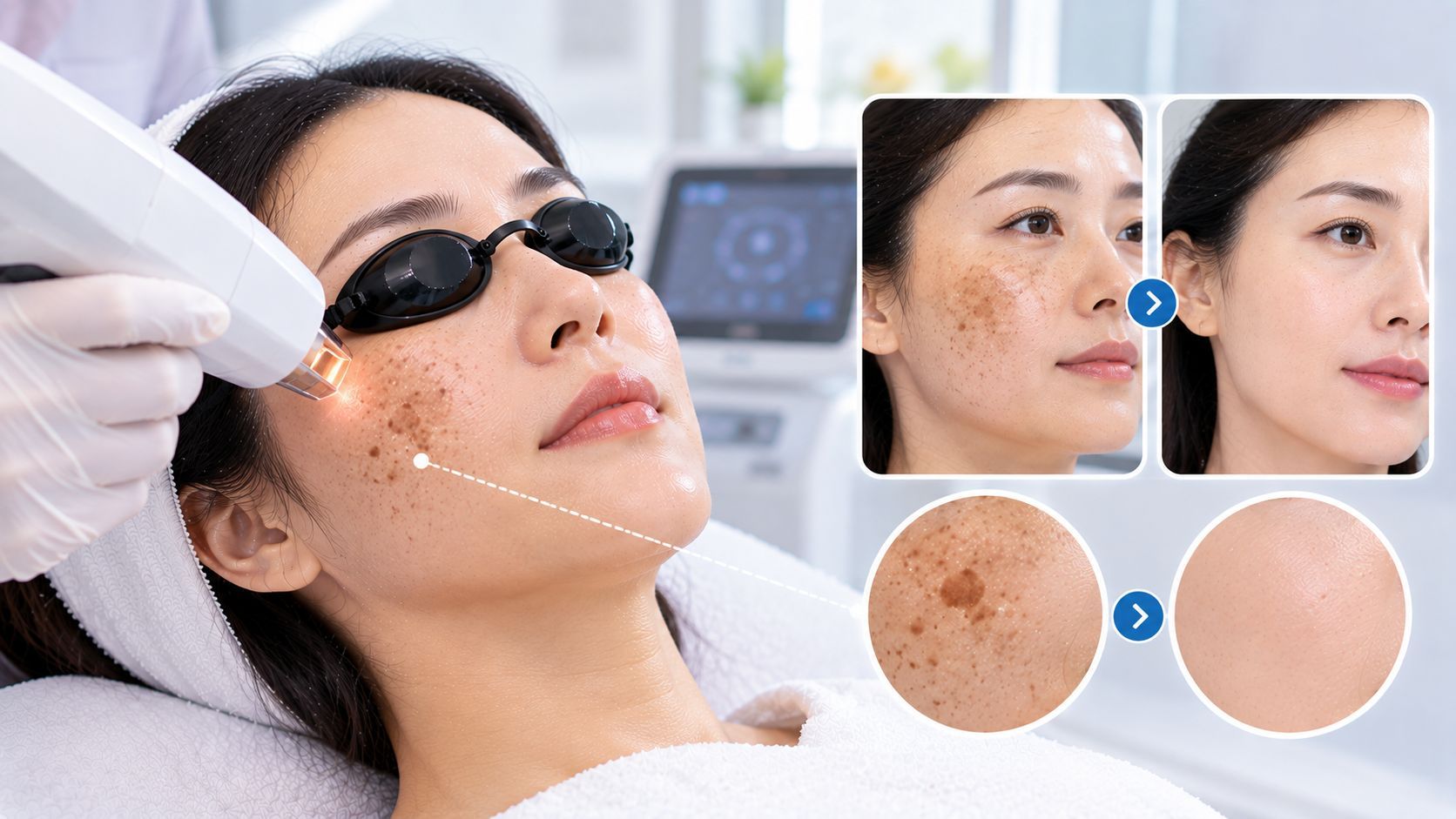
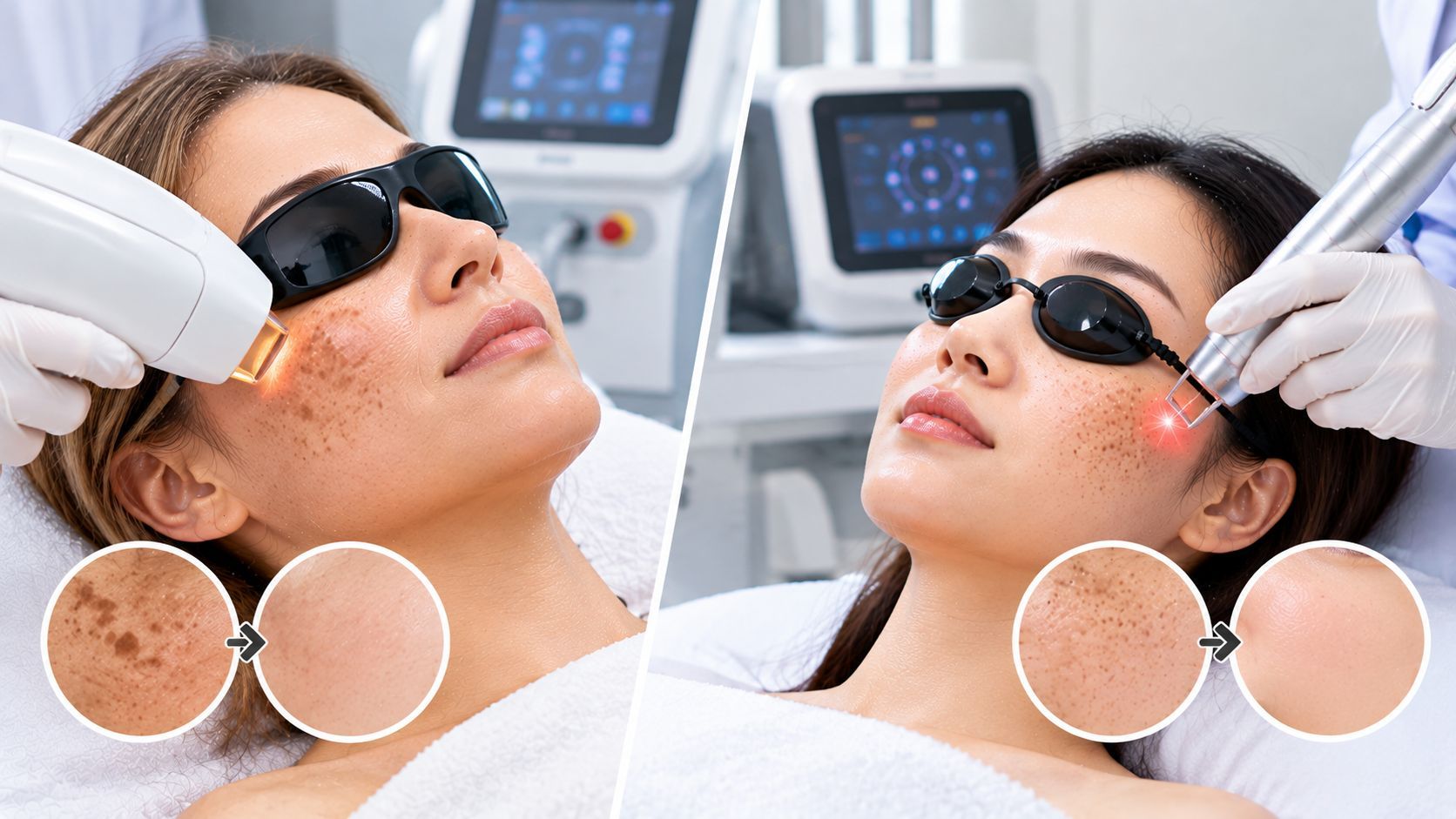
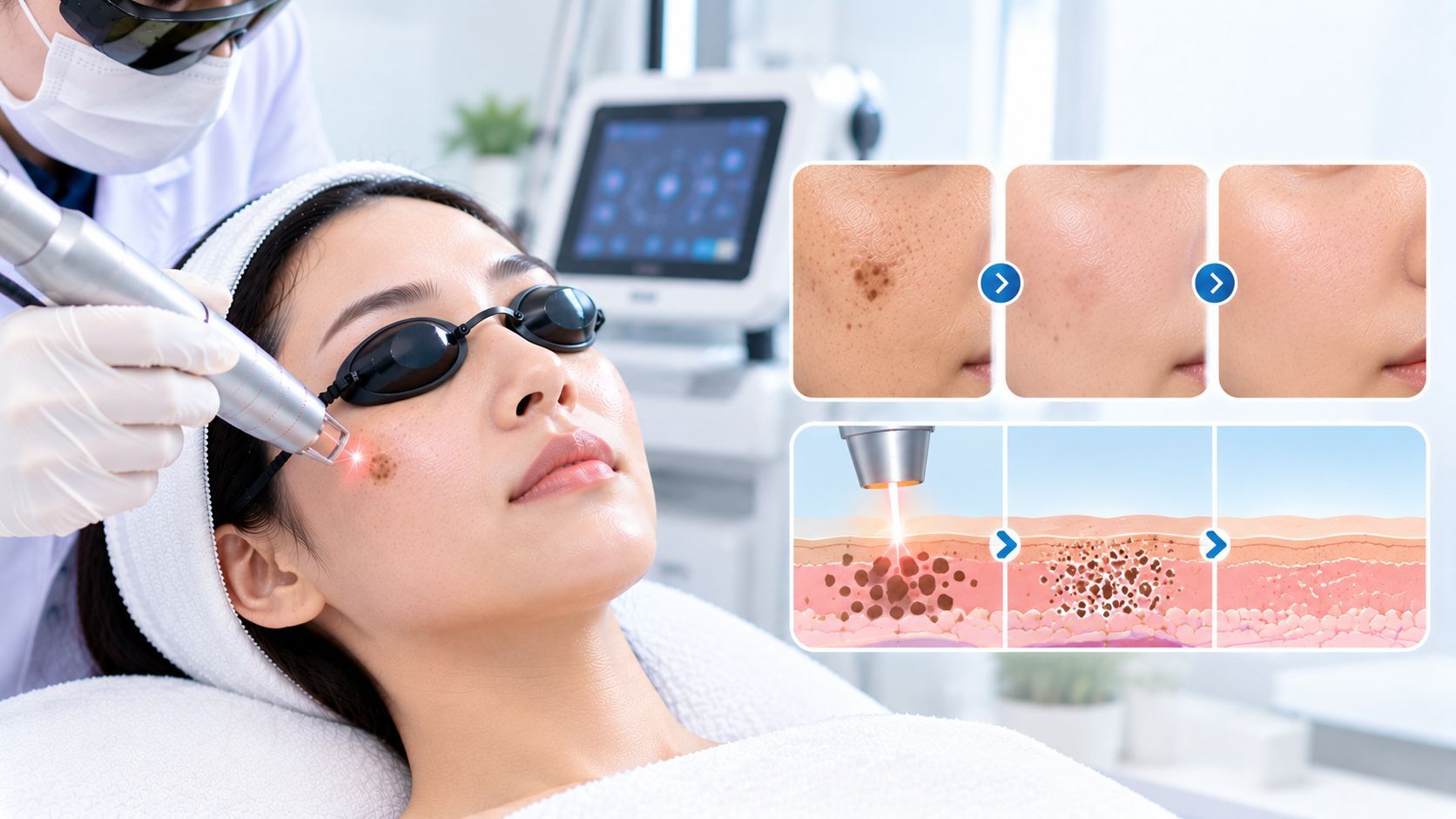
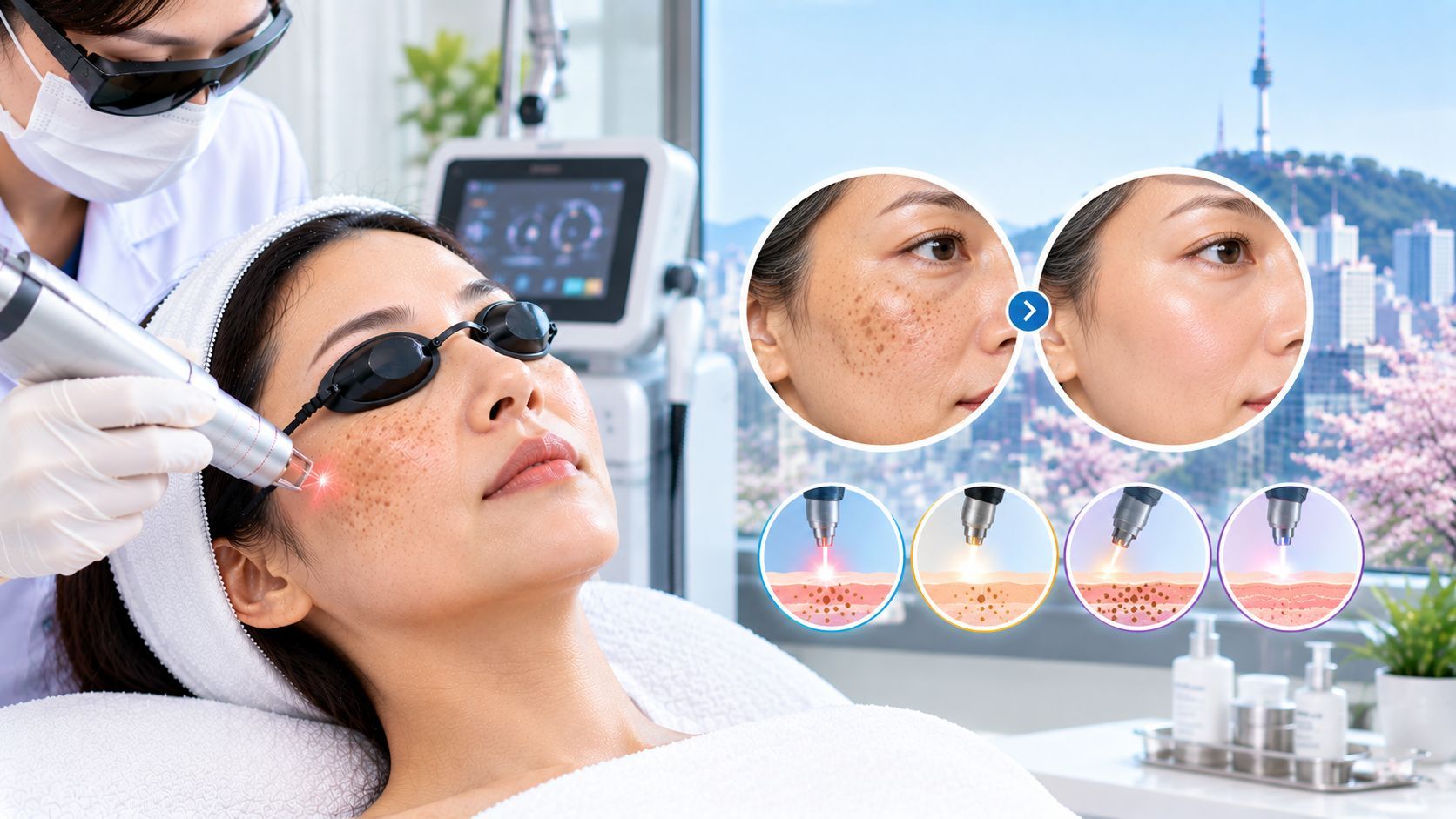
Some localized pigmentation concerns may be treated with laser or light-based technologies.
However, the type of pigmentation matters.
Localized Brown Spots
Certain superficial or localized pigment concerns can sometimes show noticeable changes after treatment.
Temporary darkening, redness, or other changes may occur during recovery.
Melasma
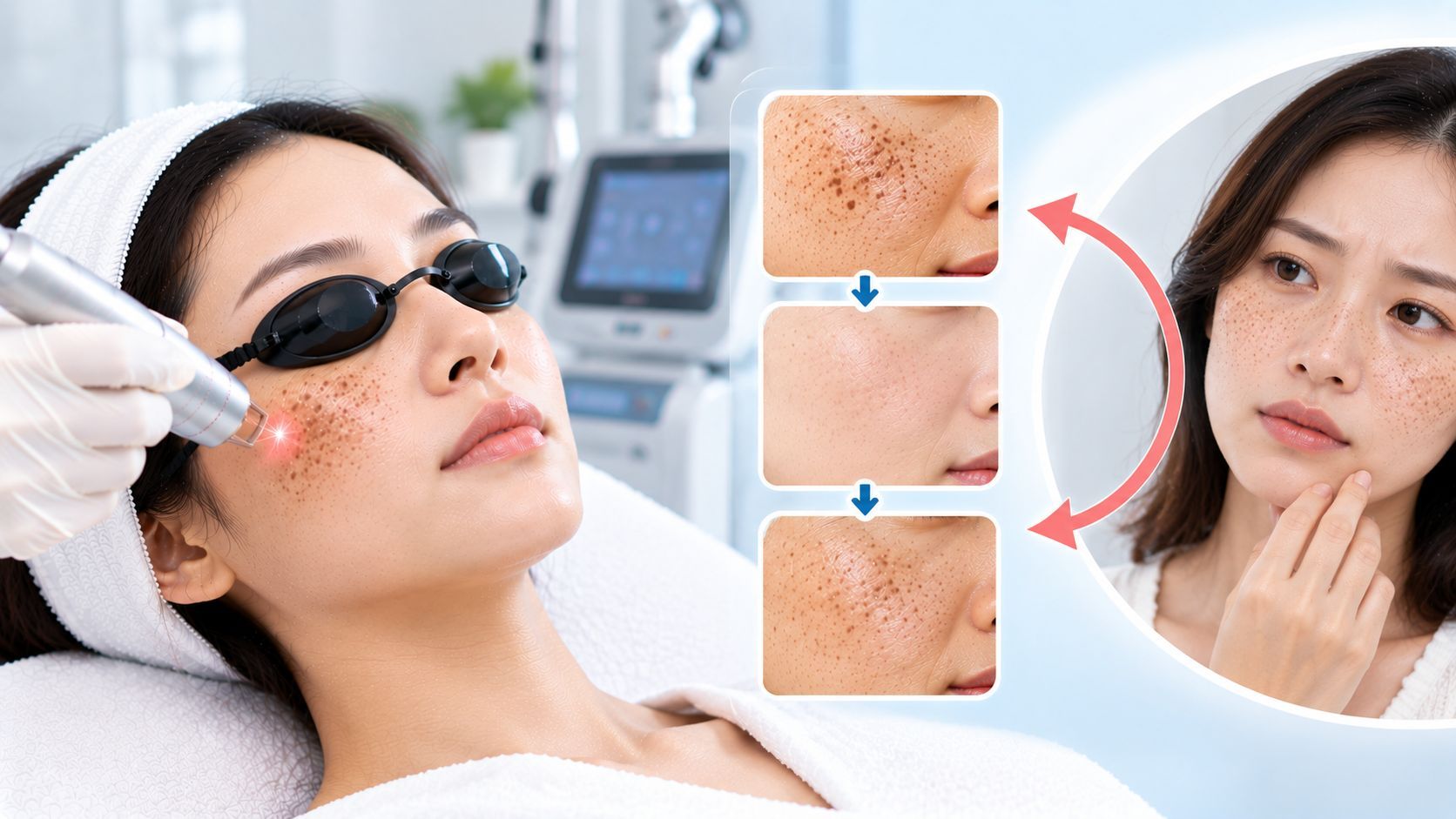
Melasma requires more caution.
It can be persistent and recurrent, and treatment may need to focus on controlling the condition rather than simply trying to remove visible pigment quickly.
If you have suspected melasma, a three-day trip should not automatically be treated as an opportunity for aggressive pigment removal.
Post-Acne Dark Marks
Post-inflammatory pigmentation may respond differently from other pigment problems. Preventing additional inflammation is important because irritation can contribute to further darkening.
What If I Have Acne Scars?
Acne scars are more complicated than pigmentation.
A dermatologist may determine that fractional laser resurfacing is appropriate for certain textural scars. However, significant acne scars generally cannot be expected to disappear after one session.
Some scars may also have deeper structural components that are not adequately addressed by resurfacing alone.
If you only have three days in Seoul, ask whether the expected recovery is compatible with your schedule.
What If I Want Minimal Downtime?
Downtime should be one of your first considerations.
Depending on the technology and settings, laser treatment may cause:
- Redness
- Warmth
- Swelling
- Dryness
- Peeling
- Sensitivity
- Temporary pigmentation changes
A gentler treatment may involve less visible recovery, but it may also provide more gradual or subtle improvement.
There is therefore a balance between treatment intensity and recovery time.
Should I Get a Strong Laser Because I Only Have One Chance?
Not necessarily.
A short trip can create the temptation to choose the strongest treatment available. However, stronger treatment can mean more recovery and a greater risk of irritation or complications.
The fact that you are only in Seoul for three days does not make aggressive treatment automatically more appropriate.
Your dermatologist should determine the treatment intensity based on your skin and the condition being treated.
A Practical Three-Day Treatment Schedule
Day 1: Consultation and Assessment
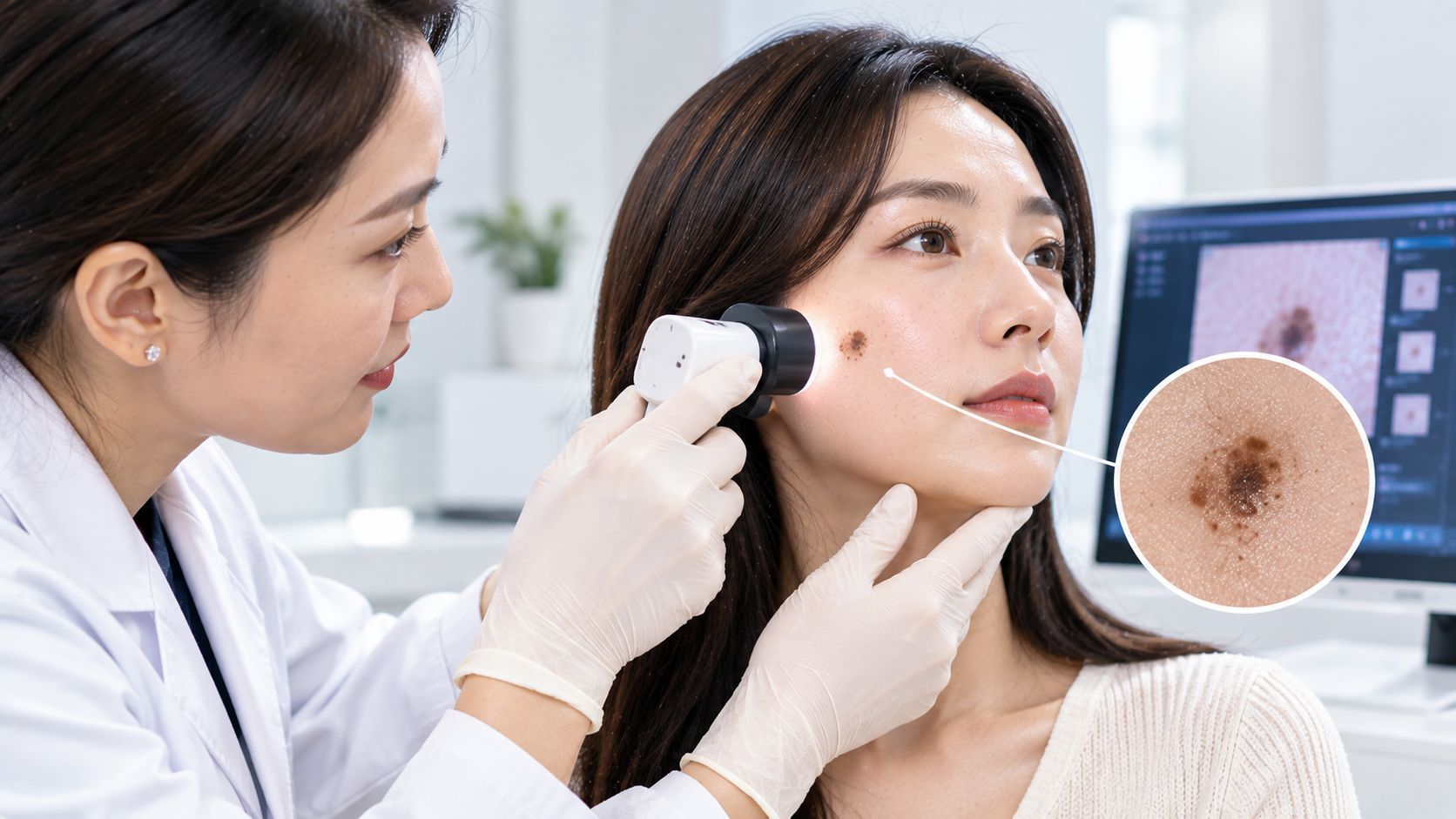
If possible, make your first priority a proper consultation.
Discuss:
- Your main concern
- Skin type
- Previous treatments
- Previous reactions
- Current skincare
- Medications
- Recent sun exposure
- Your flight home
If treatment is recommended and the recovery fits your schedule, you may be able to proceed.
Day 2: Recovery and Monitoring
Give your skin time to recover.
Follow the clinic's aftercare instructions and avoid activities that the provider tells you to avoid.
Depending on the treatment, this may include limiting sun exposure, heat, strenuous exercise, or irritating skincare.
Day 3: Final Day in Seoul
Your skin may still show temporary redness, dryness, swelling, or sensitivity depending on the procedure.
Do not expect every laser result to be fully visible by this point. Some treatments produce gradual changes that continue after you return home.
Should You Have Laser Treatment on the Day You Arrive?
It may be possible, but immediate treatment after a long flight is not automatically ideal.
You should tell the clinic about:
- Recent travel
- Recent sun exposure
- Current skin irritation
- Previous cosmetic procedures
- Any changes in your skin since leaving home
A consultation before treatment allows the provider to determine whether your skin is suitable for the planned procedure.
What About Laser Treatment on the Day Before Flying Home?
This depends heavily on the procedure.
Even treatments marketed as low-downtime can cause temporary redness or sensitivity.
More intensive procedures may have a longer recovery period.
Ask the provider specifically:
“How is my skin likely to look on the day I fly home?”
Also ask what symptoms would require contacting the clinic after you return home.
Can I Sightsee After Laser Treatment?
Possibly, but your itinerary should account for recovery.
Outdoor sightseeing can expose recently treated skin to sunlight. Walking for long periods, exercising, visiting hot environments, or using a sauna may also be inappropriate after certain procedures.
If you want to spend your three days visiting outdoor attractions, tell the dermatologist before choosing the treatment.
What About Saunas, Swimming, and Exercise?
After some laser procedures, the skin may temporarily be more sensitive.
Depending on the treatment, your provider may recommend avoiding:
- Saunas
- Very hot environments
- Swimming
- Strenuous exercise
- Direct sun exposure
- Aggressive skincare
The restrictions vary by procedure, so follow the specific instructions provided after treatment.
What If I Have Darker Skin?
Skin pigmentation should be part of the treatment discussion.
People with darker or more melanin-rich skin may have an increased risk of post-inflammatory hyperpigmentation after some laser procedures.
This does not mean that laser treatment cannot be performed. It means that treatment selection, settings, and aftercare may require particular care.
Tell the dermatologist if you have previously developed dark marks after acne, irritation, burns, peels, or laser procedures.
Should I Combine Several Treatments During Three Days?
Generally, you should not assume that more treatments will produce better results.
Combining multiple procedures can increase:
- Irritation
- Recovery time
- Cost
- Complexity
- Difficulty identifying the cause of an adverse reaction
If you have multiple concerns, ask the dermatologist which one should be prioritized and whether combination treatment is actually appropriate.
What Should International Patients Bring to the Consultation?
If possible, prepare information about:
- Previous laser treatments
- Previous reactions
- Current skincare products
- Prescription medications
- Recent cosmetic procedures
- Allergies or relevant medical history
- Your flight date
- Your main treatment goal
Photos showing your skin before a recent treatment can also be useful if the appearance has changed.
Questions to Ask Before Getting a Laser During a Three-Day Trip
Ask the clinic:
- Is this treatment appropriate for my specific skin concern?
- How much downtime should I expect?
- How will my skin likely look tomorrow?
- Can I safely continue sightseeing?
- What activities should I avoid?
- When can I exercise or use a sauna?
- How should I protect my skin from sunlight?
- When will the actual result become visible?
- Could I develop temporary pigmentation?
- Is my flight schedule compatible with this procedure?
- What should I do if I develop an unexpected reaction after returning home?
When a Laser May Not Make Sense for a Three-Day Trip
Consider postponing treatment if:
- Your skin is currently irritated or inflamed.
- The diagnosis is uncertain.
- The recommended procedure requires longer recovery than your trip allows.
- You have an important event immediately after returning home.
- You cannot follow the required aftercare.
- You are expecting dramatic permanent improvement from one session.
- You have recently undergone another procedure and have not recovered.
Sometimes the safest option is to have a consultation and return for treatment when you have more time.
The Bottom Line
With only three days in Seoul, laser treatment can make sense when the treatment target is clear and the recovery period fits your itinerary. Lower-downtime approaches may be more convenient for some short-trip patients, while stronger resurfacing treatments may require more careful scheduling.
There is no universal “three-day Seoul laser.” The appropriate choice depends on your skin concern, skin type, treatment history, expected result, recovery tolerance, and flight schedule.
Rather than choosing a laser because it promises fast results, ask a dermatologist whether the treatment can realistically address your main concern while allowing enough time for your skin to recover.
FAQs About Laser Treatment During a Three-Day Seoul Trip
Can I get laser treatment if I am only in Seoul for three days?
In some cases, yes. A suitable treatment may be possible if your skin is appropriate for the procedure and the expected recovery fits your itinerary and flight schedule.
Which laser is suitable for a short trip to Seoul?
There is no single option for everyone. Treatments with relatively limited recovery may be considered for selected concerns, but the appropriate choice depends on your skin and the specific problem being treated.
Can I go sightseeing after laser treatment?
Some procedures allow normal activities, while others require restrictions on sunlight, heat, exercise, or friction. Ask the provider about the specific treatment before planning your itinerary.
Should I get laser treatment on the last day before flying home?
This depends on the treatment. Even low-downtime procedures can cause temporary reactions. More intensive procedures may require longer recovery, so discuss your flight date before treatment.
Can one laser session fix my skin during a three-day trip?
A single session may produce a visible improvement in some concerns, but results vary and many treatments develop gradually. Complete correction of multiple skin problems should not be expected from one session.
Should I combine multiple lasers during a short Korea trip?
Not automatically. Combining treatments can increase irritation and recovery requirements. A dermatologist should determine whether combination treatment is appropriate for your skin.
Conclusion
Three days in Seoul can be enough for a carefully selected laser treatment, but the short timeframe makes realistic planning especially important. Your treatment should be chosen around the specific skin concern, expected downtime, skin type, treatment history, and flight schedule.
A consultation is particularly valuable because it can help determine whether a low-downtime treatment is appropriate, whether a stronger procedure should be postponed, or whether another treatment approach would better suit your goals.