I Have One Week in Korea. Which Device Treatments Could I Realistically Do?
If you have one week in Korea, you have more flexibility than someone staying for only two or three days, but that does not mean you should schedule several device treatments back-to-back. The most realistic plan is usually to have a consultation first, choose treatments based on your actual skin concerns, allow enough recovery time, and keep your final days relatively flexible.
Laser, radiofrequency (RF), ultrasound or HIFU, RF microneedling, and fractional resurfacing treatments can have very different effects and recovery periods. The right schedule depends on the device, treatment intensity, your skin condition, previous treatments, skin tone, and how soon you need to fly home.
The key point: One week in Korea can provide enough time for consultation, one substantial device treatment, and potentially an additional treatment or reassessment in selected cases. However, combining multiple aggressive treatments simply because you have time available can increase irritation and make recovery harder to manage.
What Can You Realistically Do in One Week?
A one-week trip gives you several possible approaches.
You could use the trip for:
- One primary laser treatment
- One skin-tightening treatment such as RF or ultrasound-based treatment
- A lower-downtime treatment followed by a separate procedure later in the week
- Consultation and treatment early in the trip, followed by monitoring
- A staged treatment plan if a dermatologist considers multiple procedures appropriate
The important distinction is between having enough calendar days and having enough recovery time.
For example, a non-ablative treatment may produce relatively mild redness, while fractional resurfacing or RF microneedling can create more noticeable redness, swelling, sensitivity, or temporary texture changes. Two treatments may technically fit into seven days but still be inappropriate to combine.
Start With Your Main Skin Concern
A one-week treatment plan should begin with the problem you actually want to address.
Pigmentation and Uneven Skin Tone
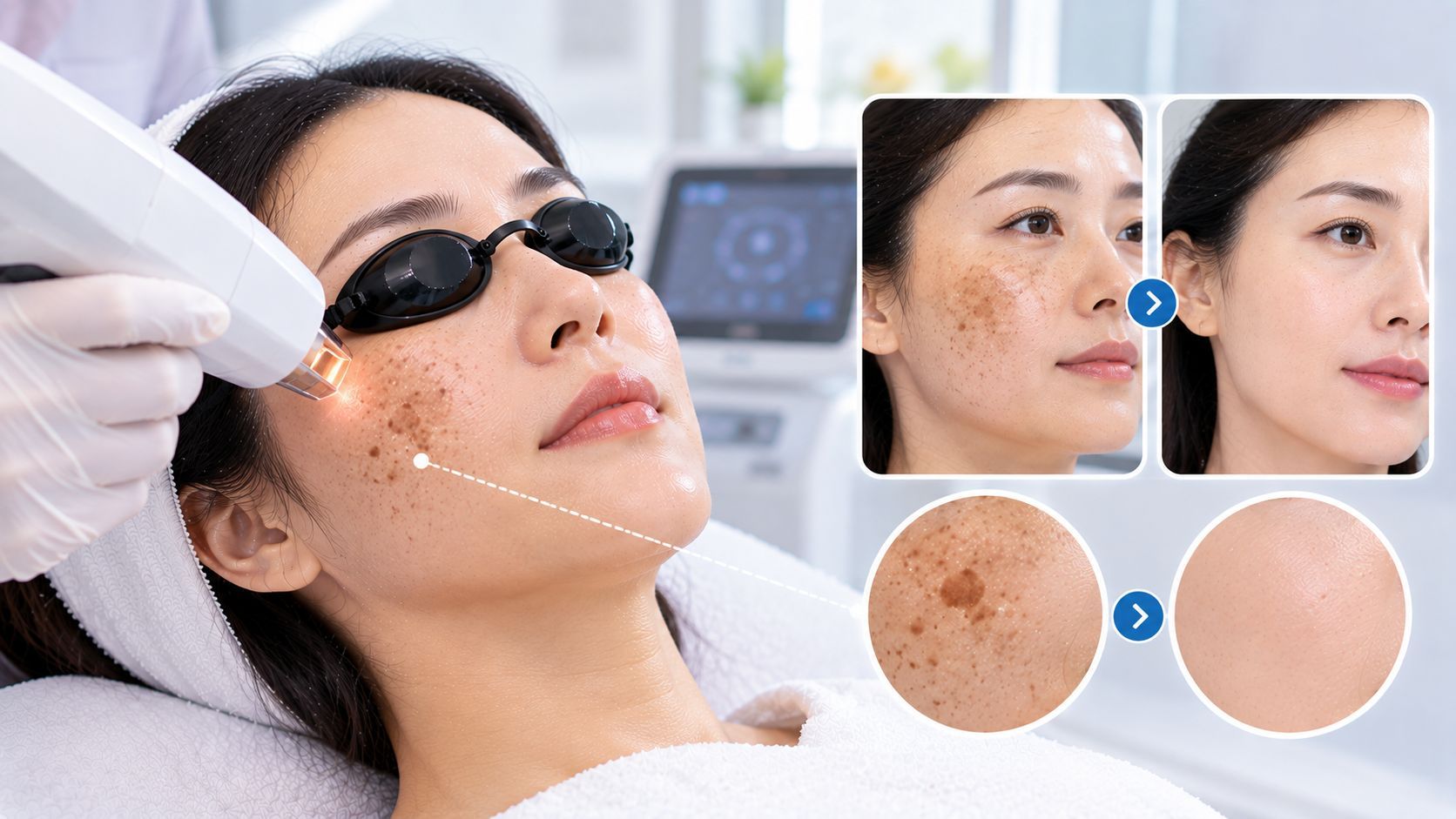
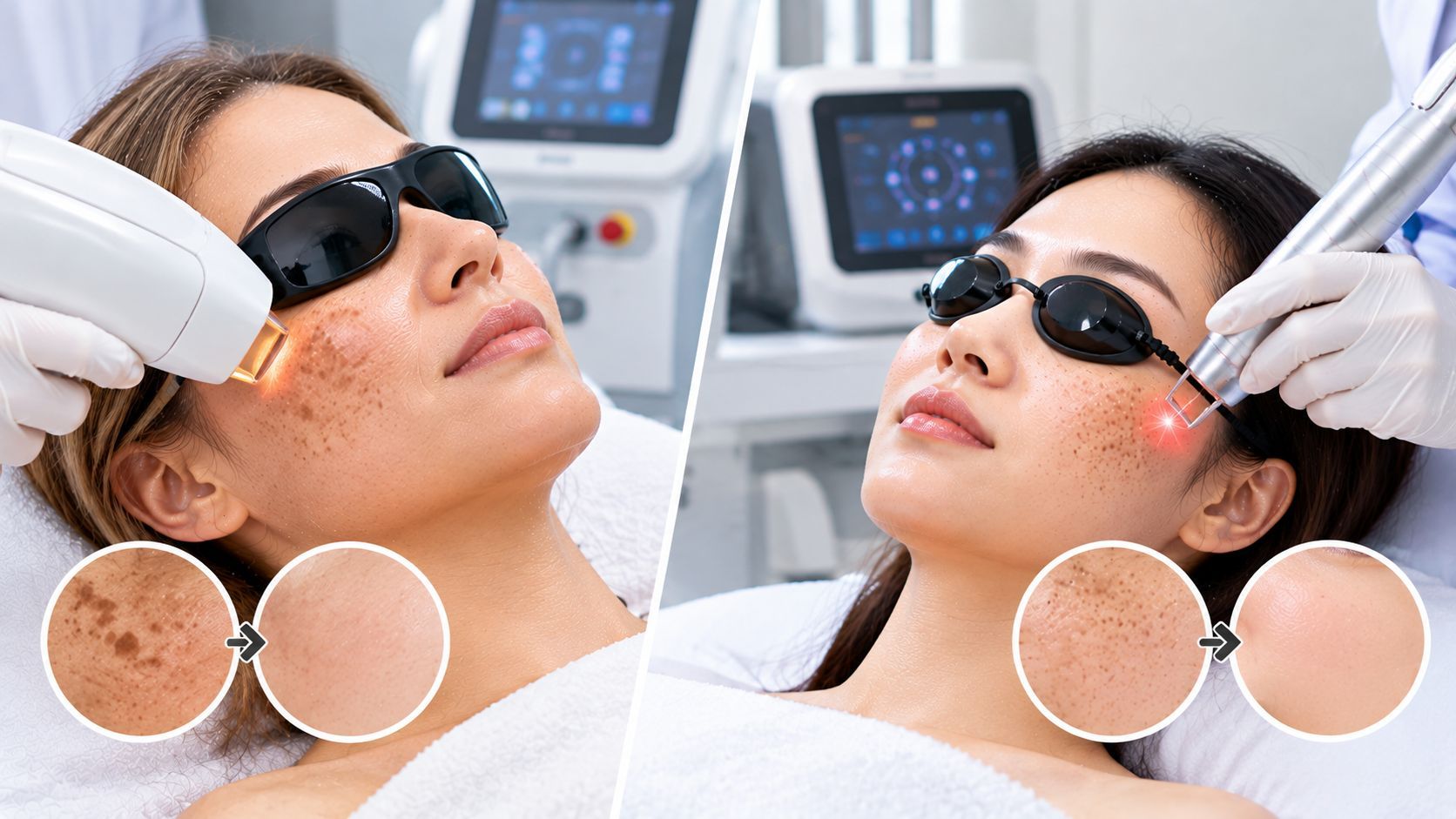
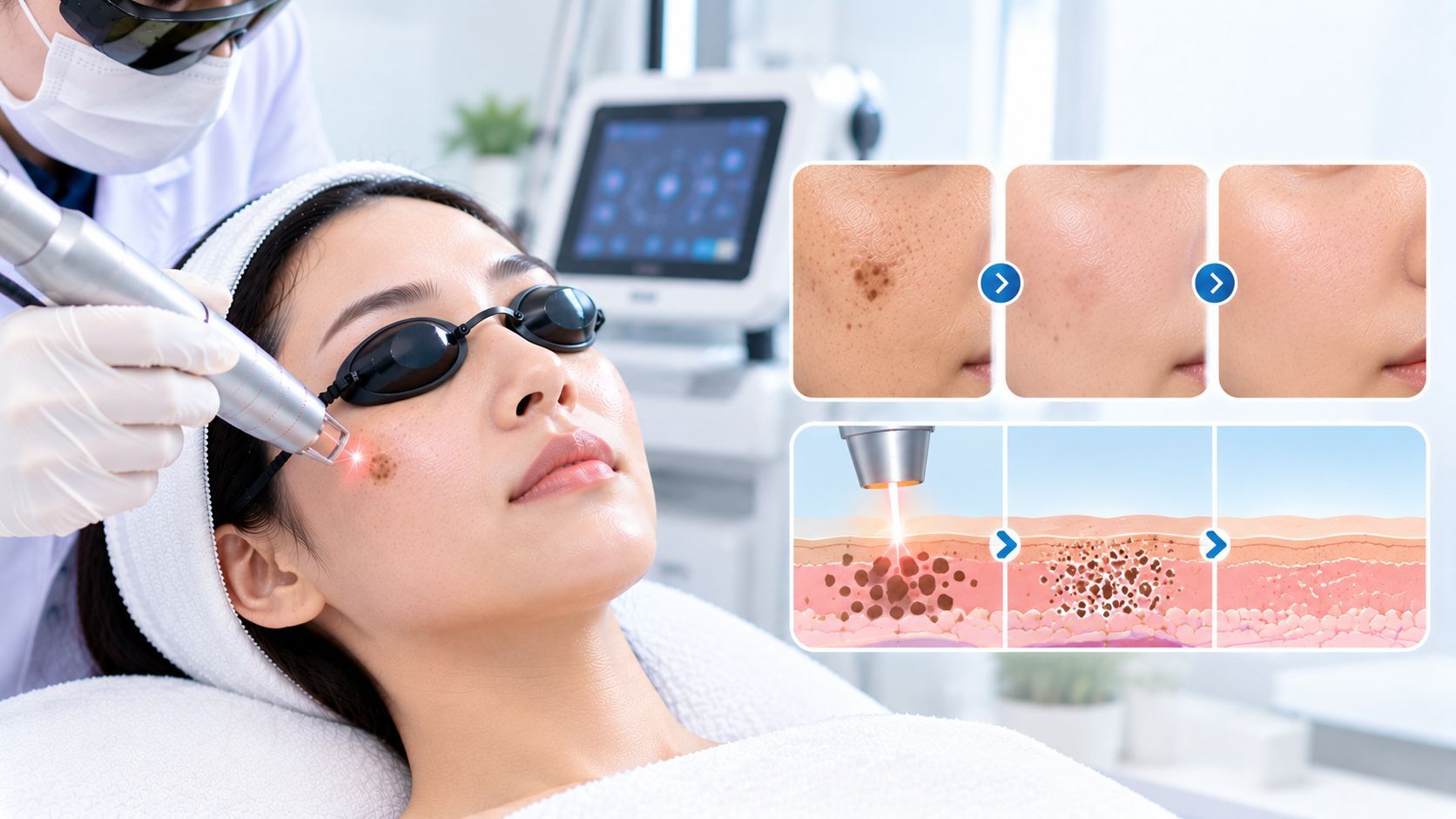
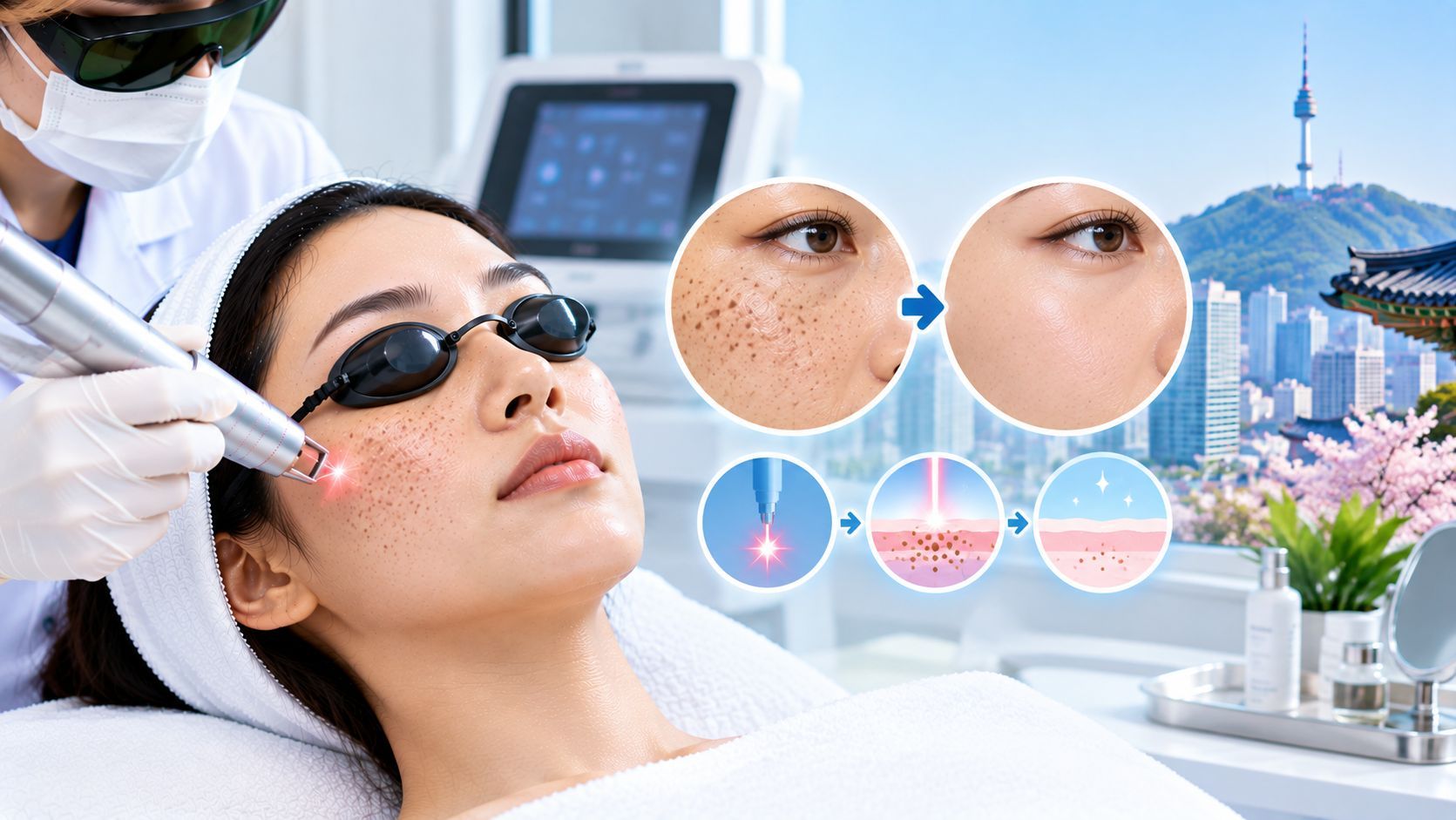
Laser or light-based treatments may be considered for certain types of pigmentation, freckles, sun-related spots, or uneven tone.
However, pigmentation is not one single condition. Melasma, post-inflammatory hyperpigmentation, freckles, and other pigmentary problems can behave differently.
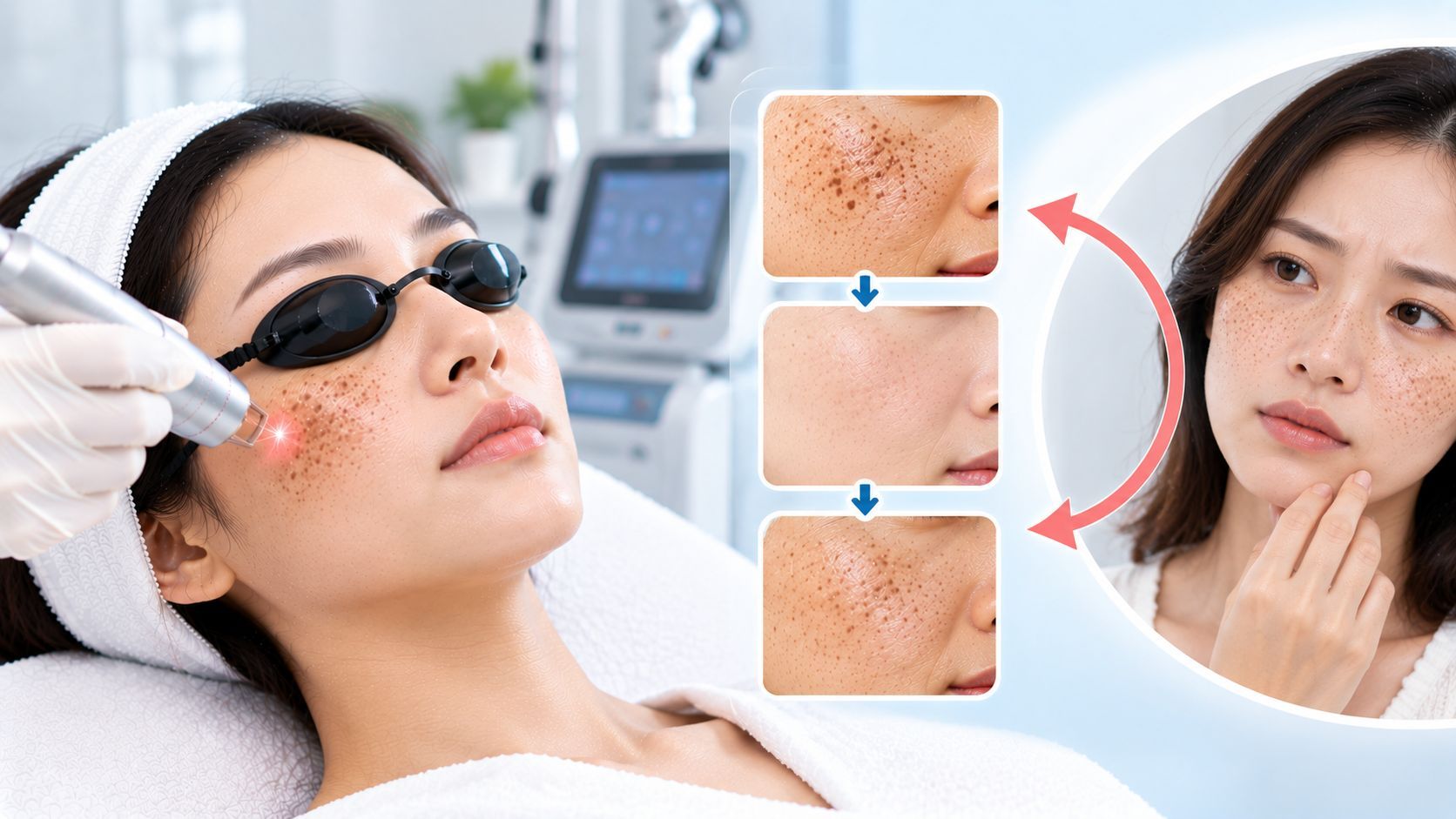
If you have a darker or melanin-rich skin type, the risk of post-inflammatory hyperpigmentation or other pigmentary changes can be an especially important consideration. A dermatologist may therefore recommend a more conservative approach rather than simply choosing the strongest available laser.
Acne Scars and Uneven Texture
Acne scars generally require more careful treatment planning than a simple “glow” treatment.
Depending on the scar type, options can include fractional laser, RF microneedling, subcision, or other procedures. These treatments are not interchangeable, and some acne scars require combination approaches over multiple sessions rather than one procedure during a single trip.
If you have only one week, consultation is particularly important because the dermatologist can determine whether the proposed treatment is realistic for the available recovery period.
Skin Firmness and Mild Sagging
If your primary concern is laxity rather than pigmentation or texture, energy-based tightening treatments may be considered.
These can include:
- Radiofrequency tightening
- Ultrasound or HIFU-based treatments
- Other non-invasive energy devices
These procedures generally have a different purpose from resurfacing lasers. They should not automatically be added to a laser treatment simply because they use a device.
Overall Skin Quality
Some visitors want smoother-looking skin, improved firmness, more even texture, or a fresher appearance without significant resurfacing.
In these cases, a lower-downtime device-based treatment may sometimes fit more easily into a one-week itinerary. The appropriate option depends on whether the main issue is pigmentation, texture, pores, redness, laxity, or another concern.
A Realistic One-Week Korea Treatment Schedule
There is no universal itinerary, but a staged schedule can help illustrate how a seven-day trip might work.
Day 1: Consultation and Skin Assessment
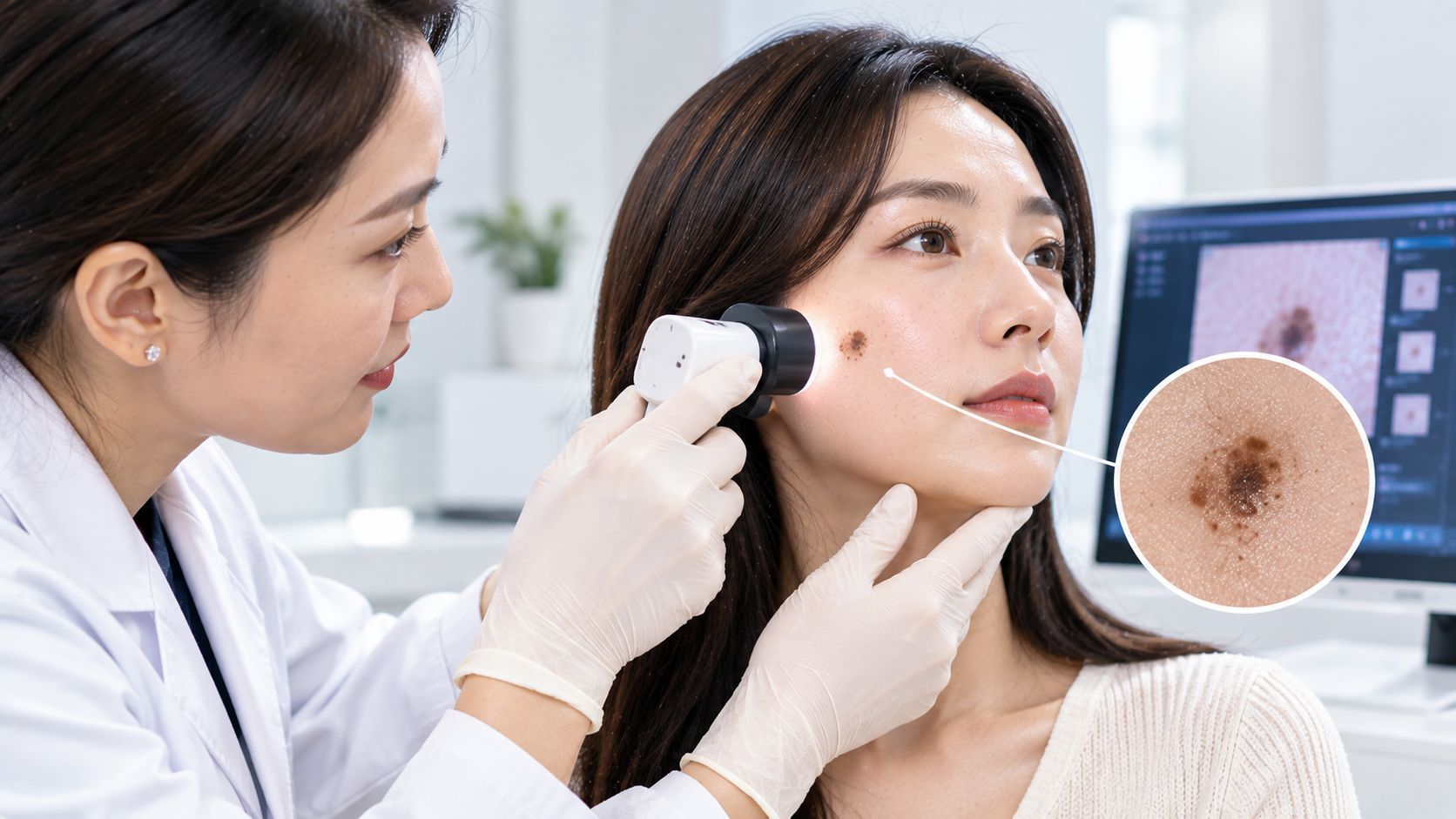
Rather than treating immediately after landing, consider leaving time for consultation if your schedule allows.
The provider can assess:
- Your main concern
- Skin sensitivity
- Existing pigmentation
- Acne or inflammation
- Skin tone and PIH risk
- Previous procedures
- Current skincare
- Desired recovery time
- Your departure date
This is also when you can determine whether your original treatment idea is appropriate.
Day 2: Primary Treatment
If the dermatologist considers treatment appropriate, the main procedure could be performed after consultation.
Depending on the device, this might be a laser, RF treatment, ultrasound-based treatment, RF microneedling, or another procedure.
The treatment intensity matters as much as the device name.
Days 3–4: Recovery
Use these days to follow the provider's aftercare instructions and monitor your skin.
Depending on the treatment, temporary effects may include:
- Redness
- Swelling
- Warmth or sensitivity
- Dryness
- Peeling
- Temporary roughness
- Small crusts or pinpoint marks
The amount and duration vary considerably between procedures.
These days can also be useful for lighter sightseeing rather than planning demanding activities.
Day 5–6: Reassessment or Additional Treatment
If your skin has recovered appropriately, a follow-up assessment may be useful.
In some situations, a dermatologist may consider another lower-intensity procedure. In others, they may recommend not doing anything else.
This distinction is important. Having an open appointment does not mean another treatment is medically necessary.
Day 7: Departure
Your final day should ideally allow enough time for your skin to be stable before flying.
If you have had a more intensive treatment, discuss the appropriate interval between treatment and air travel with your provider. You should also know what symptoms would require medical attention after you return home.
Which Treatments May Be Easier to Fit Into a One-Week Trip?
Treatments with relatively limited downtime can sometimes fit more conveniently into short medical trips.
Examples may include certain:
- Non-ablative lasers
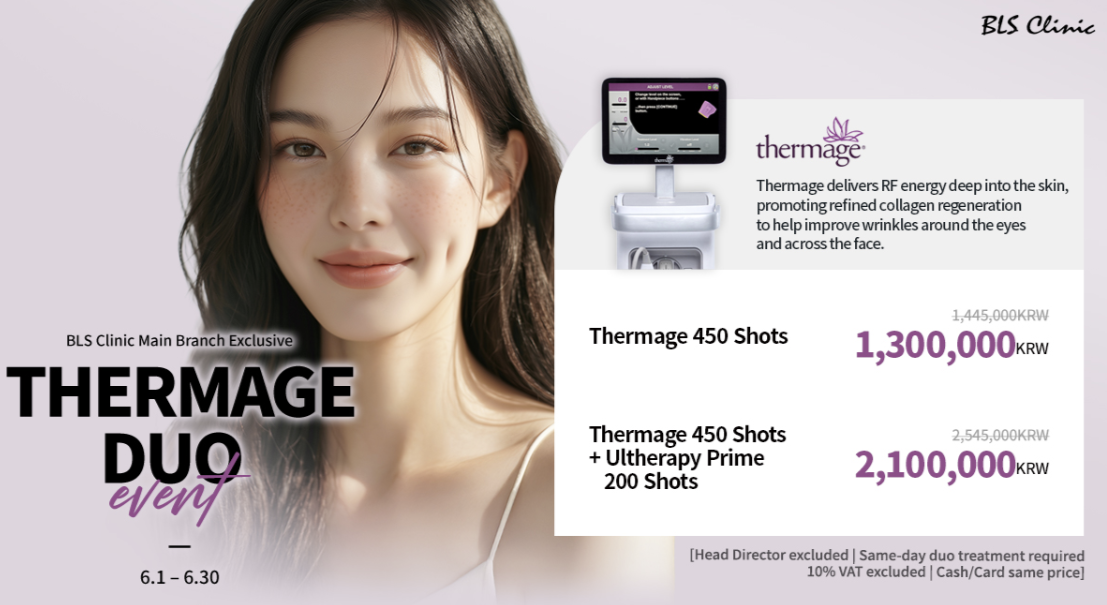
- RF skin-tightening treatments
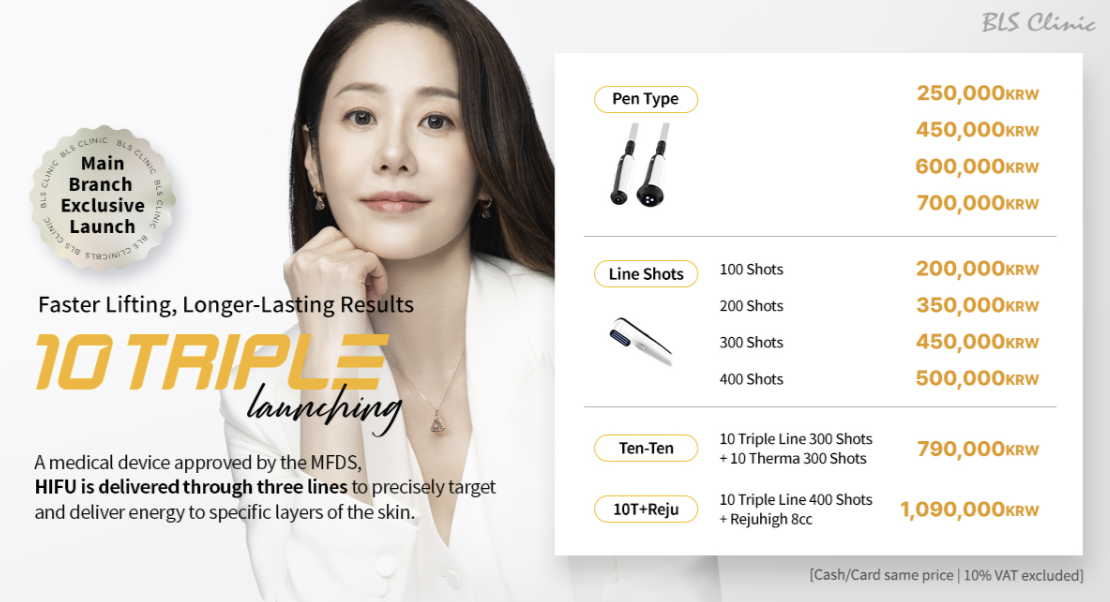
- Ultrasound-based tightening treatments
- Lower-intensity light or laser procedures
More intensive procedures require greater caution.
For example, fractional resurfacing and RF microneedling can produce more visible recovery effects depending on treatment settings. More aggressive resurfacing may therefore leave less time for sightseeing and may be less convenient immediately before a return flight.
“Low downtime” also does not mean “no recovery.” Even a treatment marketed as gentle can cause temporary redness, sensitivity, swelling, or other changes.
Should You Combine Laser, RF, and HIFU in One Week?
Not automatically.
Different energy devices affect tissue in different ways and at different depths. Combining them may sometimes be part of a medically planned treatment strategy, but the decision should be based on your skin and treatment goals rather than the number of days available.
For example, someone seeking pigmentation correction may not need an ultrasound tightening treatment. Someone concerned primarily about laxity may not benefit from adding an aggressive resurfacing laser.
A dermatologist may also recommend spacing procedures apart or completing only one treatment during the trip.
Consider Your Skin Tone and Pigmentation Risk
International patients should tell the provider their usual skin behavior, especially if they tend to develop dark marks after acne, irritation, burns, or previous procedures.
Laser and light-based treatments can carry different risks depending on the device, settings, skin type, and indication.
If you have previously developed post-inflammatory hyperpigmentation, tell the dermatologist before treatment. A conservative treatment plan may be more appropriate than pursuing maximum intensity.
Plan Around Your Korea Activities
Your treatment schedule should account for more than clinic appointments.
Depending on your procedure and provider's instructions, you may need to temporarily modify activities involving:
- Strong sun exposure
- Swimming
- Saunas or jjimjilbangs
- Intense exercise
- Heat
- Alcohol
- Active skincare ingredients
Do not assume these restrictions are identical for every device. Follow the specific aftercare instructions provided for your treatment.
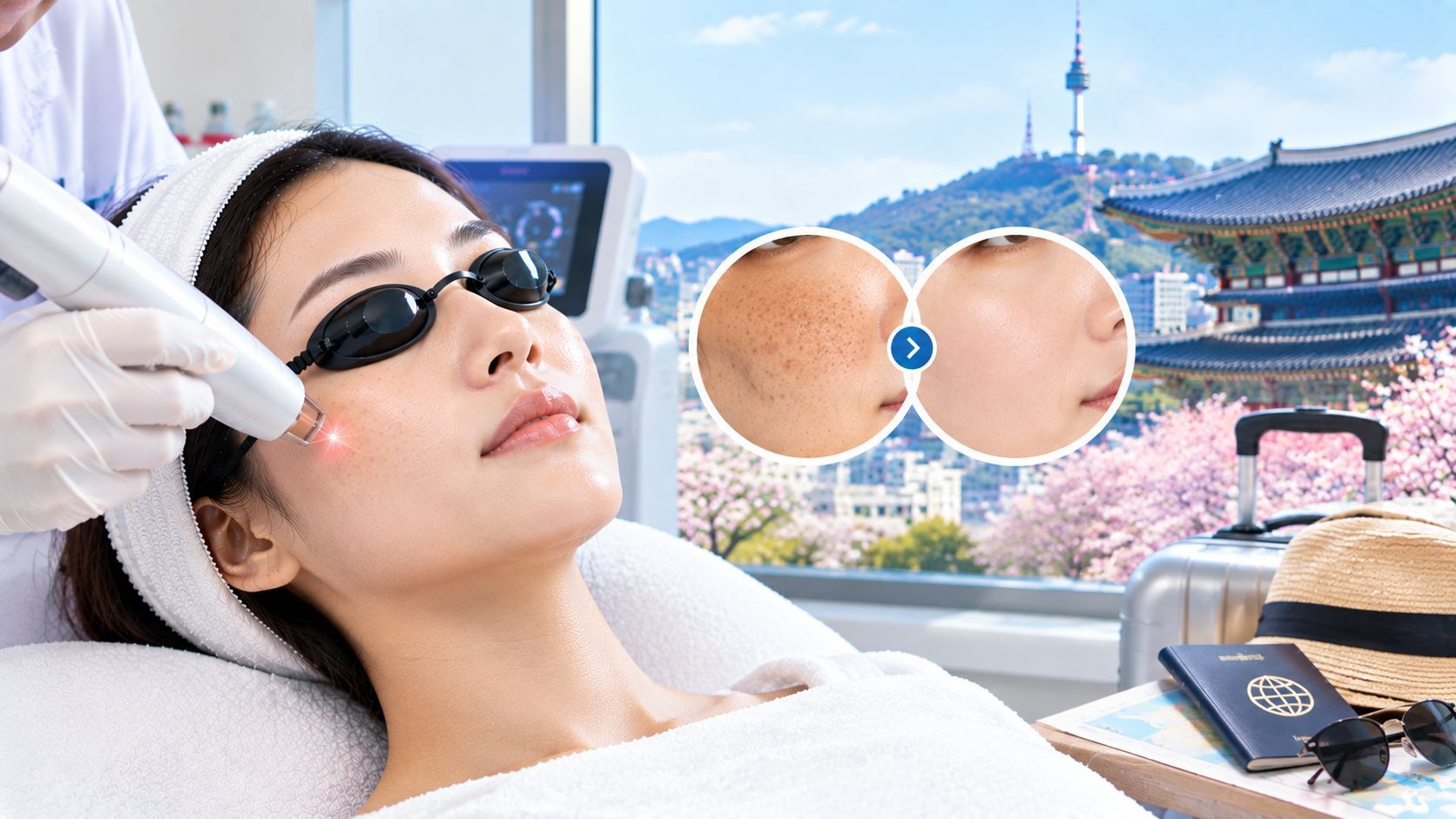
If sightseeing is a major part of your trip, scheduling a treatment immediately before a full day outdoors may be inconvenient even when the procedure technically has “minimal downtime.”
Questions to Ask Before Booking
Before committing to a device treatment in Korea, ask:
- What specific skin problem is this treatment intended to address?
- How much downtime should I realistically expect?
- When should my skin look relatively normal again?
- Is this treatment appropriate for my skin tone?
- What is the risk of pigmentation or other temporary changes?
- Should I avoid combining it with another device?
- How long should I wait before flying?
- What follow-up will I need after leaving Korea?
- What symptoms would require medical attention?
- Would one treatment be enough for my goal, or is a series normally required?
These questions can help you avoid choosing a procedure based solely on its popularity or the equipment available at a clinic.
When One Week Is Not Enough
A seven-day trip does not guarantee that a complex treatment plan can be completed safely.
You may need more time if you are considering:
- Intensive resurfacing
- Multiple aggressive procedures
- Treatments requiring several sessions
- Complicated acne scars
- Significant pigmentation problems
- A treatment requiring prolonged monitoring
- A combination plan involving several different technologies
In these situations, the consultation may be more valuable than trying to fit everything into one visit.
Bottom Line
One week in Korea can provide enough time for a thoughtful device-based treatment plan, but the goal should not be to maximize the number of procedures.
A practical approach is to identify your main concern, have a proper consultation, choose an appropriate treatment intensity, allow recovery time, and keep your final days flexible. Depending on your skin and the procedure, you may be able to have one primary treatment and a follow-up or additional lower-downtime procedure. Other situations may call for only one treatment during the trip.
For international patients, the best schedule is one that considers both the treatment itself and everything surrounding it—including sightseeing, aftercare, and your flight home.
Frequently Asked Questions
Can I have multiple laser treatments during one week in Korea?
Possibly, but it depends on the treatments, intensity, treatment areas, and your skin's recovery. Multiple procedures should not be scheduled together simply because they fit into the itinerary.
Is one week enough for acne scar treatment in Korea?
It can be enough for an initial procedure in selected cases, but acne scars often require multiple sessions or combination treatment. A dermatologist should determine whether the proposed procedure matches your scar type and recovery schedule.
Can I do HIFU and laser in the same Korea trip?
Potentially, but they address different concerns and should not automatically be combined. The provider should consider your skin condition, treatment intensity, and recovery requirements before scheduling both.
How many days before flying should I have a laser treatment?
There is no single interval that applies to every laser. Recovery varies by device and intensity, so ask the treating provider specifically about your planned flight.
Can I go sightseeing after a device treatment in Seoul?
Often, some light activities may be possible, but this depends on the procedure. Sun, heat, exercise, swimming, and other activities may need temporary modification according to your provider's instructions.
Should I book my treatment before arriving in Korea?
You can arrange an appointment in advance, but it is useful to keep the treatment plan flexible until you have been assessed. The treatment you initially research may not be the most appropriate option after a skin evaluation.