IPL vs Pico Laser for Sun Damage: Which Is Better?
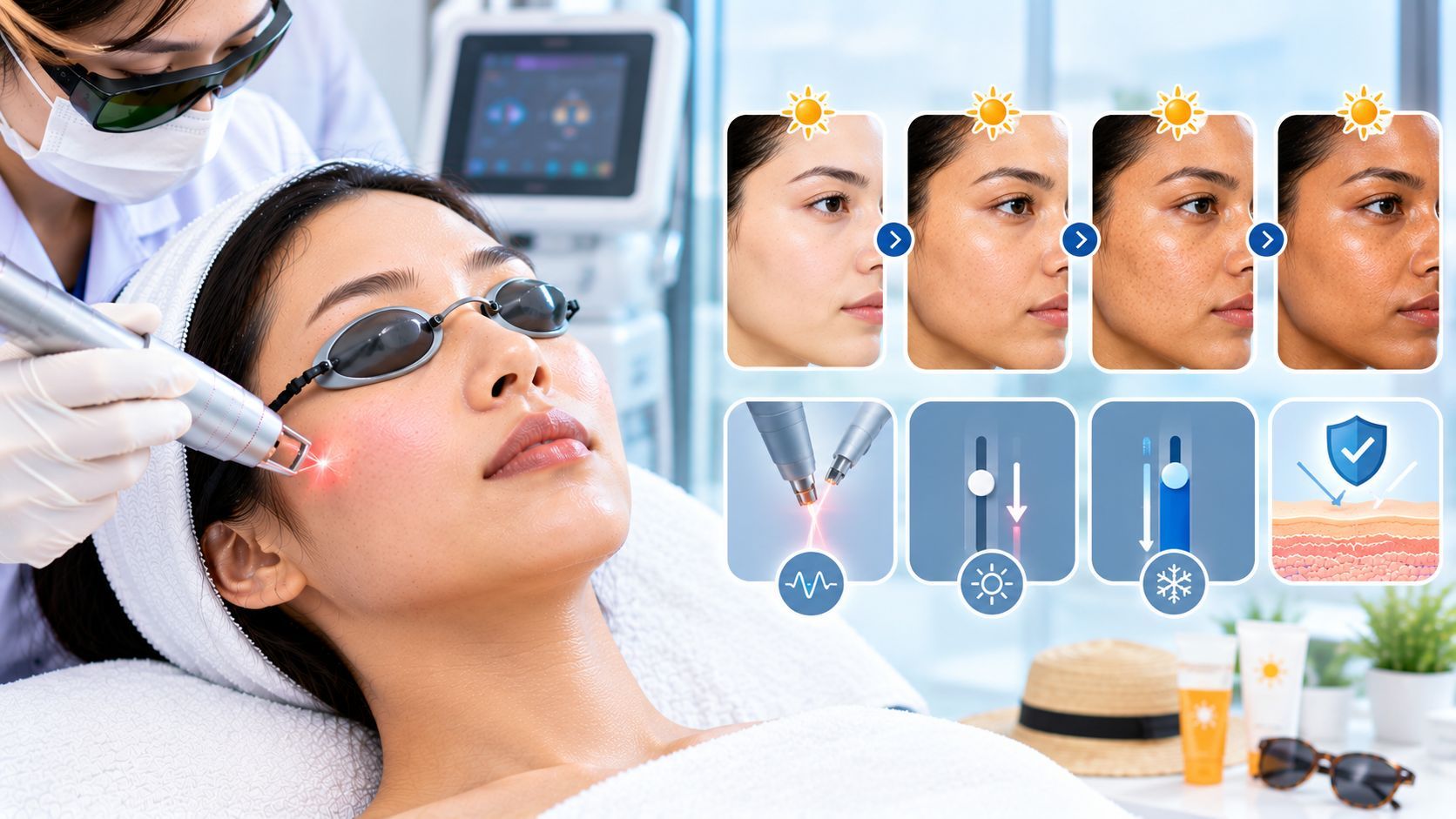
If you are comparing IPL and Pico laser for sun damage, there is no single treatment that is universally better. IPL and Pico laser work differently and may be selected for different types of pigmentation and photodamage. The appropriate option depends on whether you have discrete sun spots, freckles, diffuse pigmentation, redness, uneven tone, or a combination of concerns.
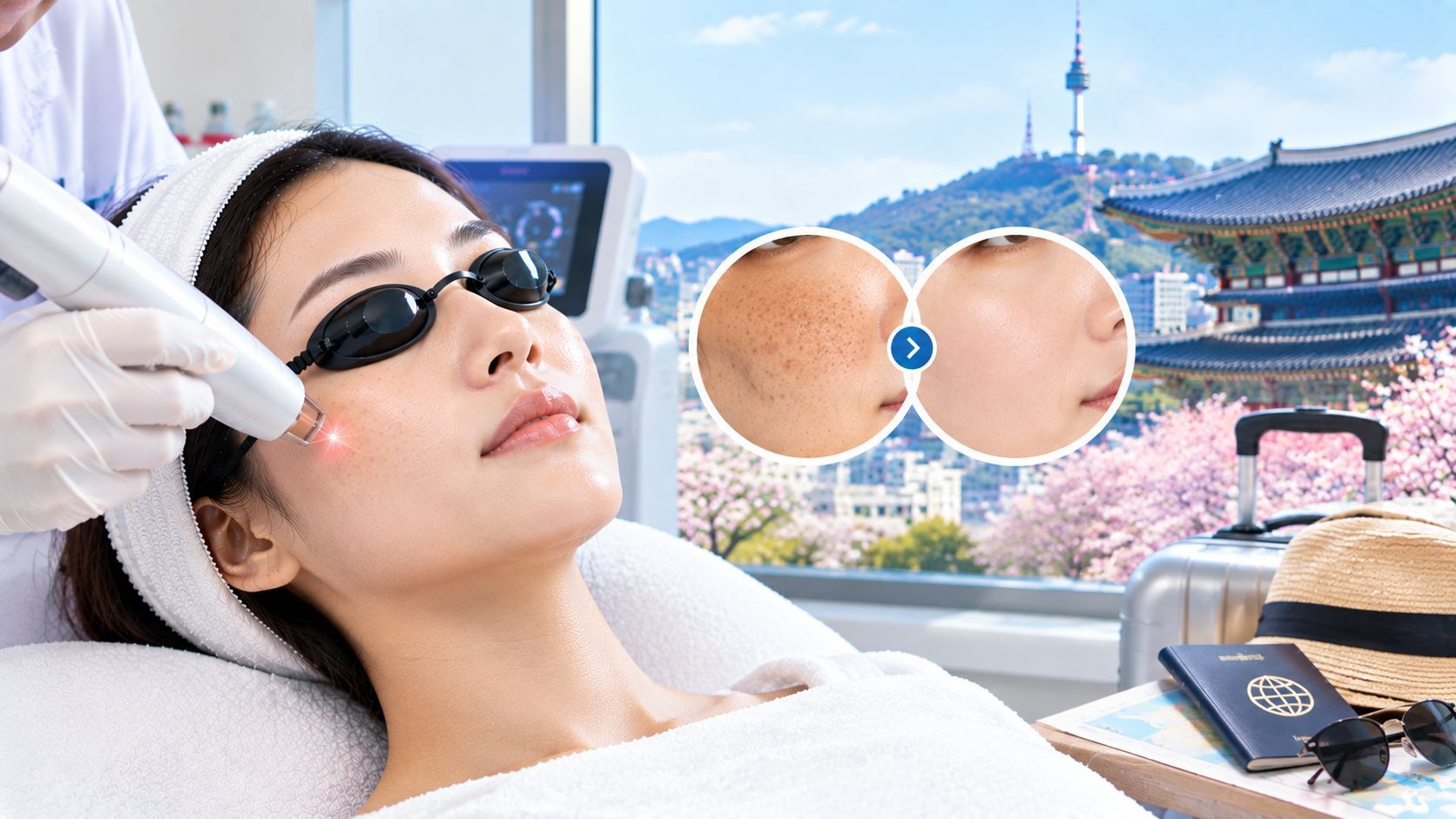
For international patients considering treatment in Seoul, it is especially important to have the pigmentation assessed before choosing a device. Skin tone, recent tanning, previous post-inflammatory hyperpigmentation (PIH), and the amount of downtime you can accept can all affect treatment planning.
What Is the Difference Between IPL and Pico Laser?
IPL stands for intense pulsed light. Although it is often discussed alongside lasers, IPL is technically a broad-spectrum light treatment rather than a laser.
Pico laser uses extremely short laser pulses at specific wavelengths. Different Pico devices and wavelengths can be used for different pigment concerns.
The distinction matters because the treatments deliver energy differently.
IPL
IPL can target selected pigmentation and other signs associated with photodamage. Depending on the device and settings, it may be considered when a patient has a combination of uneven pigmentation and other visible signs of sun exposure.
Pico Laser
Pico laser is a platform using very short pulses of laser energy. Selected wavelengths can target pigment, making Pico treatment an option for certain localized or diffuse pigmentation concerns.
However, “Pico laser” does not describe one identical treatment. Device type, wavelength, settings, and technique all influence the treatment.
IPL vs Pico Laser for Sun Spots
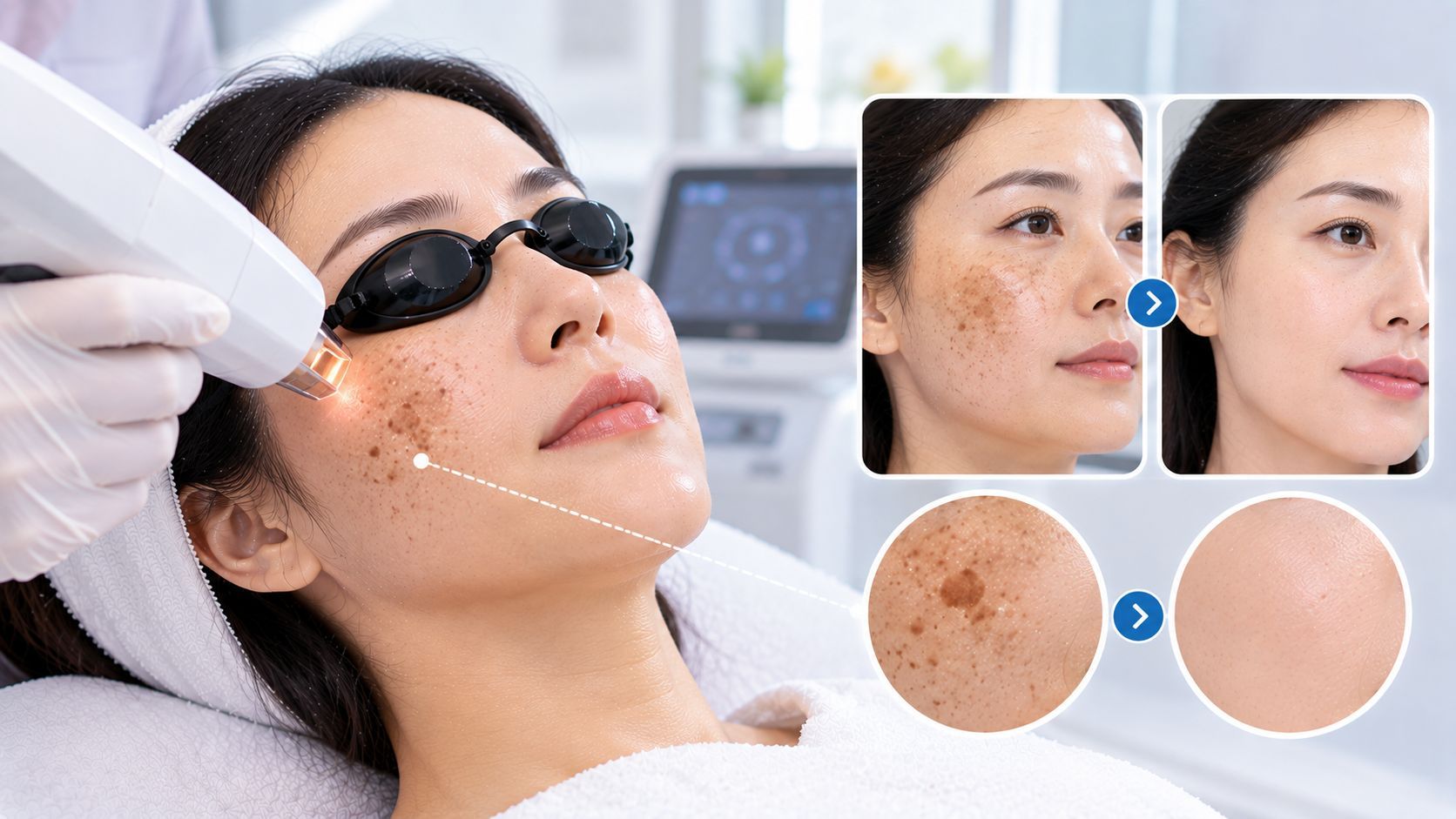
For clearly defined sun spots, both technologies may be considered in appropriately selected patients.
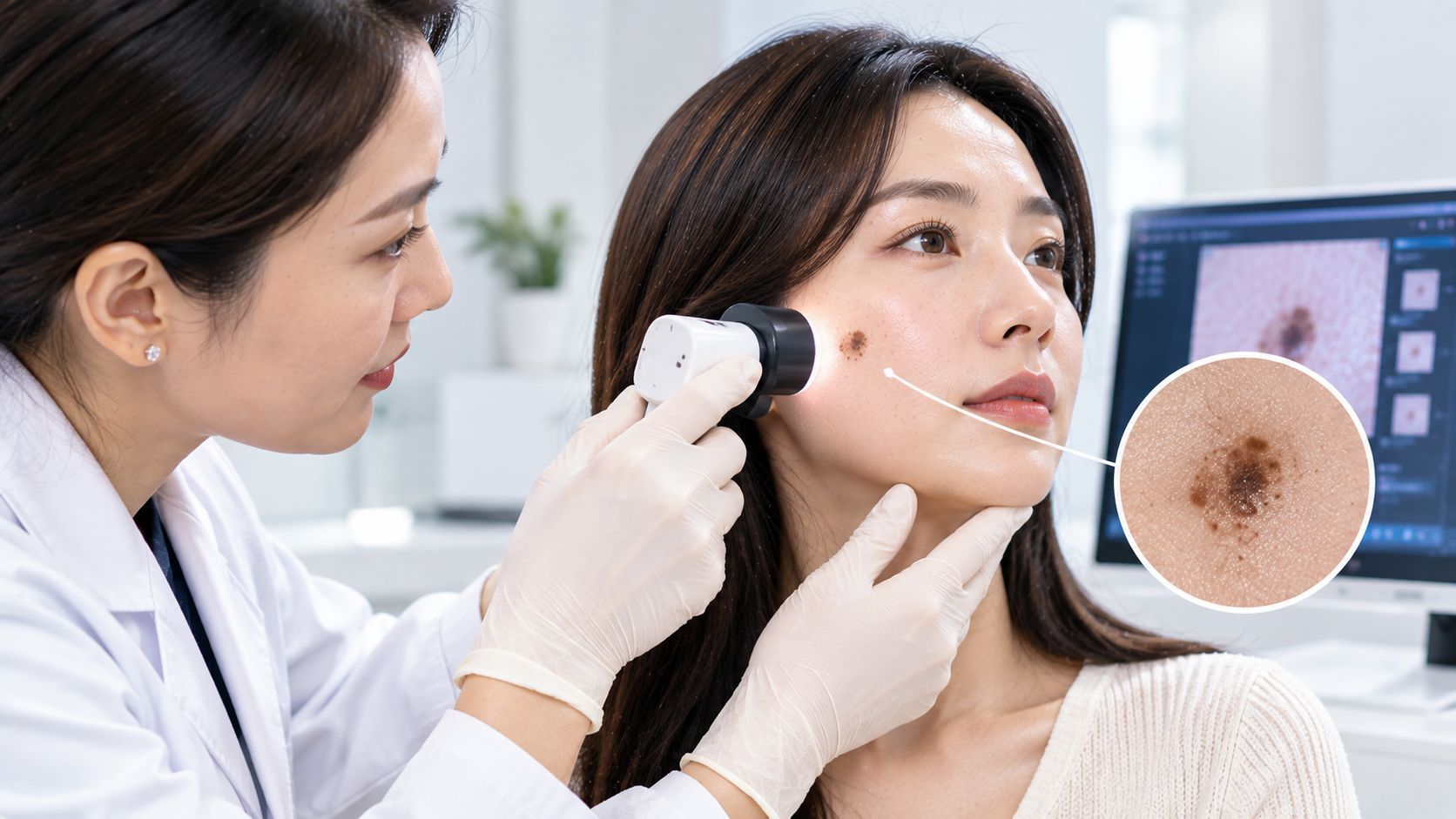
A dermatologist may evaluate:
- How sharply defined the spots are
- Their color
- Their location
- Skin tone
- Degree of tanning
- Previous treatment history
- PIH tendency
- Whether there are other pigmentation concerns
A discrete solar lentigo may be approached differently from widespread uneven pigmentation.
Therefore, asking “Which is better?” without identifying the type of sun damage can be misleading.
Which May Be Considered for Individual Sun Spots?
Individual, well-defined sun spots may sometimes be treated with a pigment-targeting laser such as Pico or another appropriate pigment laser.
IPL can also be used for selected superficial sun-related pigmentation, but suitability depends strongly on the patient's skin and the treatment settings.
If you have only a few isolated spots, the dermatologist may consider targeted treatment rather than treating the entire face.
The goal is not necessarily to use the most powerful treatment available. The goal is to select an approach that appropriately addresses the pigment while limiting unnecessary skin inflammation.
Which May Be Considered for Broader Sun Damage?
Sun damage is not limited to brown spots.
Some patients have a combination of:
- Uneven pigmentation
- Freckles
- Redness
- Visible small blood vessels
- Dullness
- Uneven skin tone
- Fine lines
- Texture changes
IPL may sometimes be considered when several light-related concerns are present because it can address selected pigmentation and vascular components.
Pico laser may be considered when pigment is the primary concern.
However, neither treatment automatically addresses every component of photodamage. A dermatologist may recommend different treatments for different concerns.
Does Skin Tone Change the Choice?
Yes.
Skin tone is an important consideration when selecting any light- or laser-based pigmentation treatment.
People with darker or more melanin-rich skin can have a higher tendency toward PIH after inflammatory procedures. This does not automatically rule out either Pico laser or IPL, but it can influence treatment selection and settings.
A dermatologist may consider:
- More conservative treatment parameters
- Different wavelengths
- Treating a smaller area
- A test spot in selected circumstances
- Longer recovery periods
- Alternative treatment approaches
Recent tanning is also important. If you have recently spent significant time in the sun, tell the provider before treatment.
Is IPL More Risky for Darker Skin?
IPL requires particular care in darker skin because its broad-spectrum light interacts with melanin as well as the intended target.
That does not mean IPL is unsuitable for every person with darker skin. Rather, the patient's skin tone, treatment indication, device, settings, and tanning history need to be considered.
If you have a history of developing dark marks after acne, burns, waxing, or previous laser treatment, mention this during your consultation.
Can Pico Laser Also Cause PIH?
Yes.
Pico laser is not automatically free from pigmentation complications.
Any procedure that causes inflammation can potentially trigger PIH in susceptible individuals.
Risk may be affected by:
- Skin tone
- Recent tanning
- Energy settings
- Treatment technique
- Existing inflammation
- Previous PIH
- Sun exposure after treatment
This is why “Pico” should not be treated as a guarantee of safety for every pigmentation concern.
IPL vs Pico Laser: A Practical Comparison
FactorIPLPico LaserTechnologyBroad-spectrum intense pulsed lightShort-pulse laser technologyTypical pigmentation useSelected pigmentation and photodamageSelected pigment concernsIndividual sun spotsMay be appropriate in selected casesMay be appropriate in selected casesBroader photodamageCan address selected pigment and vascular concernsDepends on device and treatment approachDarker skinRequires careful assessmentRequires careful assessmentRecent tanningImportant considerationImportant considerationPIH riskPossiblePossibleTreatment choiceDepends on diagnosis and skin characteristicsDepends on diagnosis, wavelength and settings
The table illustrates why neither technology can simply be labeled the universally better option.
What If I Have Melasma Instead of Sun Damage?
This is a particularly important distinction.
Melasma can resemble sun-related pigmentation but behaves differently. It commonly presents as larger or irregular patches rather than isolated spots.
If the pigmentation is actually melasma, simply choosing IPL or Pico based on the assumption that it is sun damage may not be appropriate.
Some patients with melasma can experience worsening pigmentation after irritation or excessive treatment. A proper assessment should therefore come before selecting a device.
Can One Treatment Remove Years of Sun Damage?
Usually, it is unrealistic to think of one IPL or Pico session as removing all accumulated sun damage.
A treatment may improve selected pigmentation, but sun damage can involve several layers of skin appearance and different types of changes.
You may need separate approaches for:
- Pigmentation
- Texture
- Fine lines
- Redness
- Skin laxity
- Overall skin quality
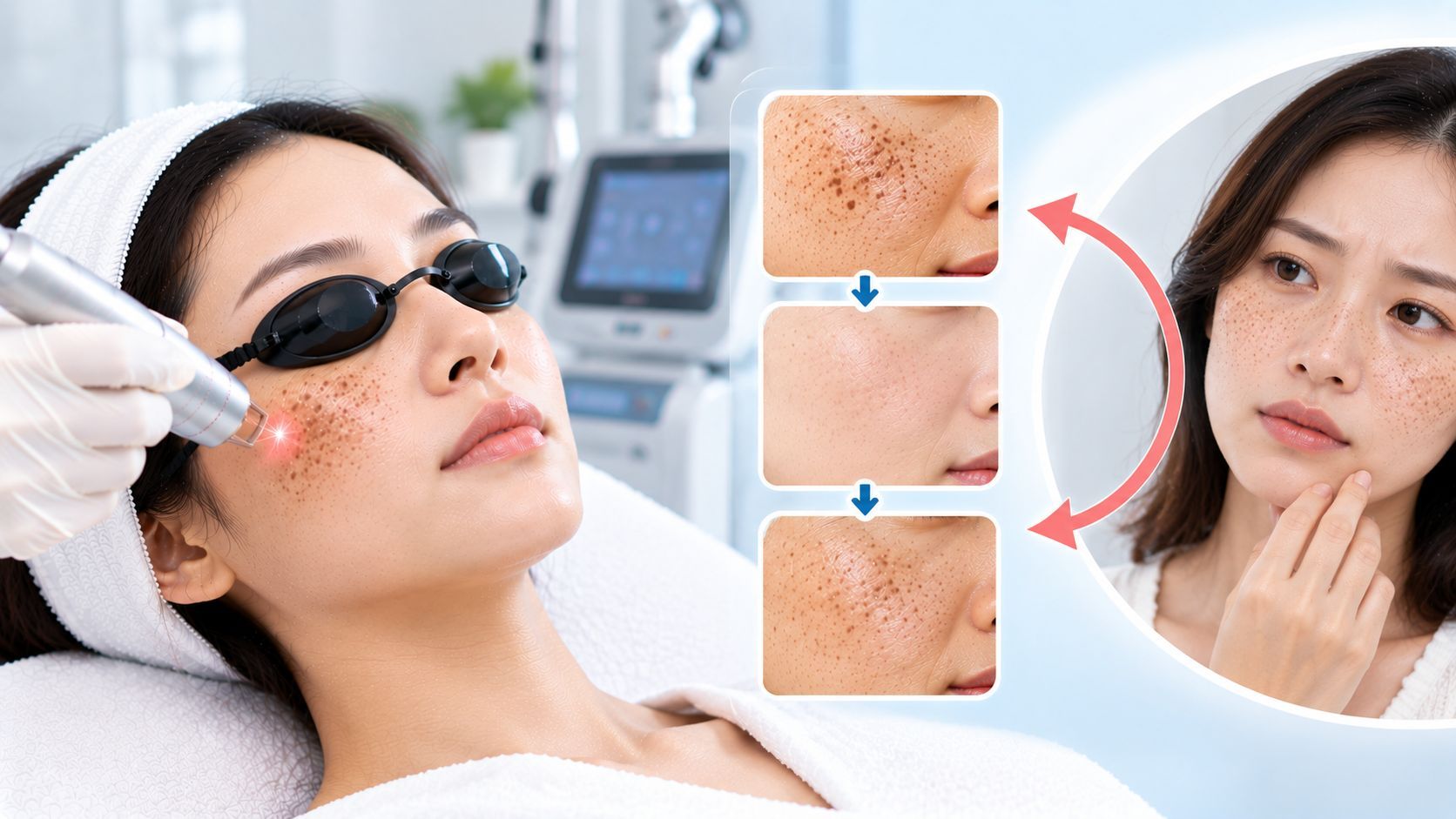
Even when individual spots respond well, new pigmentation can develop with continued UV exposure.
What About Downtime?
Downtime depends on the treatment settings, area treated, pigmentation, and individual response.
After IPL or Pico treatment, some patients may experience:
- Redness
- Warmth
- Mild swelling
- Temporary darkening
- Peeling
- Crusting
- Sensitivity
Not every patient experiences all of these effects.
If you are traveling to Seoul, ask specifically what recovery is expected from the treatment being proposed rather than assuming that every IPL or Pico procedure has minimal downtime.
Which Should You Choose in Seoul?
Instead of selecting IPL or Pico based solely on popularity, ask the dermatologist to explain the reasoning behind the recommendation.
Useful questions include:
- Is my pigmentation actually sun damage?
- Could it be melasma, freckles, or PIH instead?
- Would IPL or Pico be more appropriate for my specific concern?
- What wavelength or settings will be used?
- What is my PIH risk?
- Does my recent tanning affect treatment?
- How much downtime should I expect?
- How many treatments might be needed?
- Can I continue sightseeing outdoors afterward?
- What sun protection will I need during recovery?
These questions are particularly useful for international patients who have limited time in Seoul.
How Should You Plan Treatment During a Korea Trip?
If your Seoul trip includes sightseeing, outdoor activities, or day trips, treatment timing matters.
Sun exposure after pigmentation treatment can complicate recovery and may contribute to recurrent or new pigmentation.
Consider scheduling treatment around your itinerary and allowing enough recovery time before:
- Extensive outdoor sightseeing
- Hiking
- Swimming
- Sauna visits
- Beach trips
- Long outdoor excursions
- Your flight home
Your dermatologist should provide specific aftercare instructions based on the treatment performed.
Conclusion
There is no universal winner between IPL and Pico laser for sun damage. IPL may be considered for selected pigmentation and broader photodamage, while Pico laser may be useful for selected pigment concerns, including some individual sun spots.
The right choice depends on the diagnosis, skin tone, tanning history, PIH tendency, treatment area, and desired outcome.
If you are considering treatment in Seoul, start with a pigmentation assessment rather than choosing a device simply because it is newer, more expensive, or marketed as stronger. Correct diagnosis and individualized settings are more important than the technology name alone.
Frequently Asked Questions
Is Pico laser better than IPL for sun spots?
Neither is universally better. Both may be appropriate for selected patients, but the choice depends on the type of pigmentation, skin tone, tanning history, and treatment goals.
Can IPL remove individual sun spots?
IPL can be used for selected superficial sun-related pigmentation. Whether it is appropriate depends on the individual spot and the patient's skin characteristics.
Is Pico laser safer than IPL for darker skin?
Pico laser is not automatically safer for every person with darker skin. Both treatments require individualized assessment and appropriate settings, and both can potentially cause PIH.
Can IPL or Pico laser remove all sun damage?
No. These treatments may improve selected pigmentation, but sun damage can include pigmentation, redness, texture changes, and other concerns that may require different approaches.
How many IPL or Pico sessions will I need?
There is no universal number. The required treatment course depends on the type and extent of pigmentation, treatment settings, skin response, and the goals of treatment.
Can sun spots return after IPL or Pico laser?
Yes. Existing pigmentation may recur in some cases, and new spots can develop with continued UV exposure. Consistent sun protection is important after treatment.