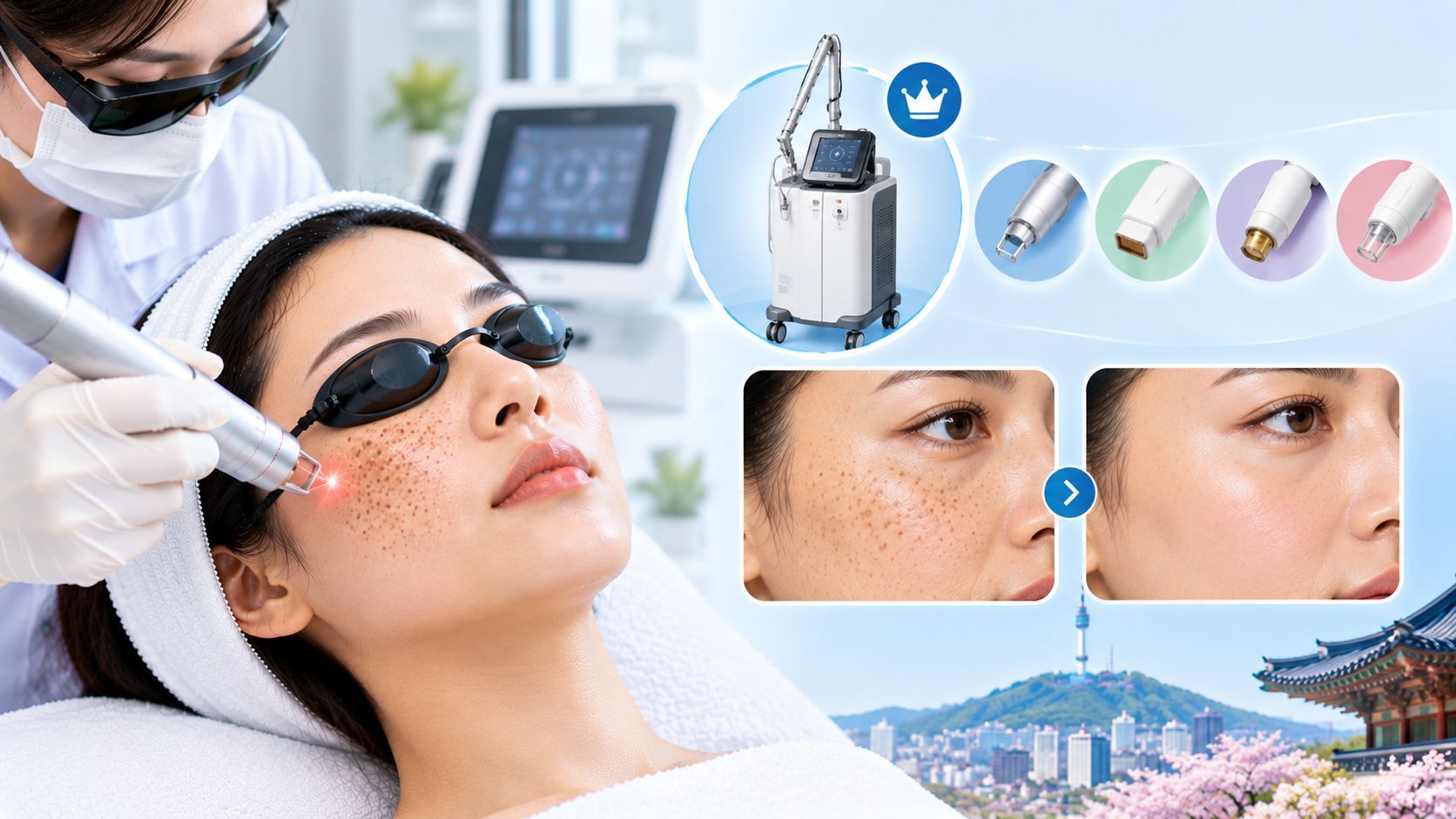
Should a Dermatologist Check a New Dark Spot Before Treating It With Laser?
A new dark spot may look like ordinary pigmentation, a sun spot, or an age spot, but appearance alone cannot always tell you what it is. Yes, a dermatologist or qualified medical professional should assess a new, changing, unusual, or unexplained dark spot before cosmetic laser treatment.
Most dark spots are not dangerous, but some pigmented lesions require medical evaluation rather than cosmetic treatment. Laser should not be used as a way to test whether an unexplained spot will disappear.
Why Should a New Dark Spot Be Checked Before Laser?
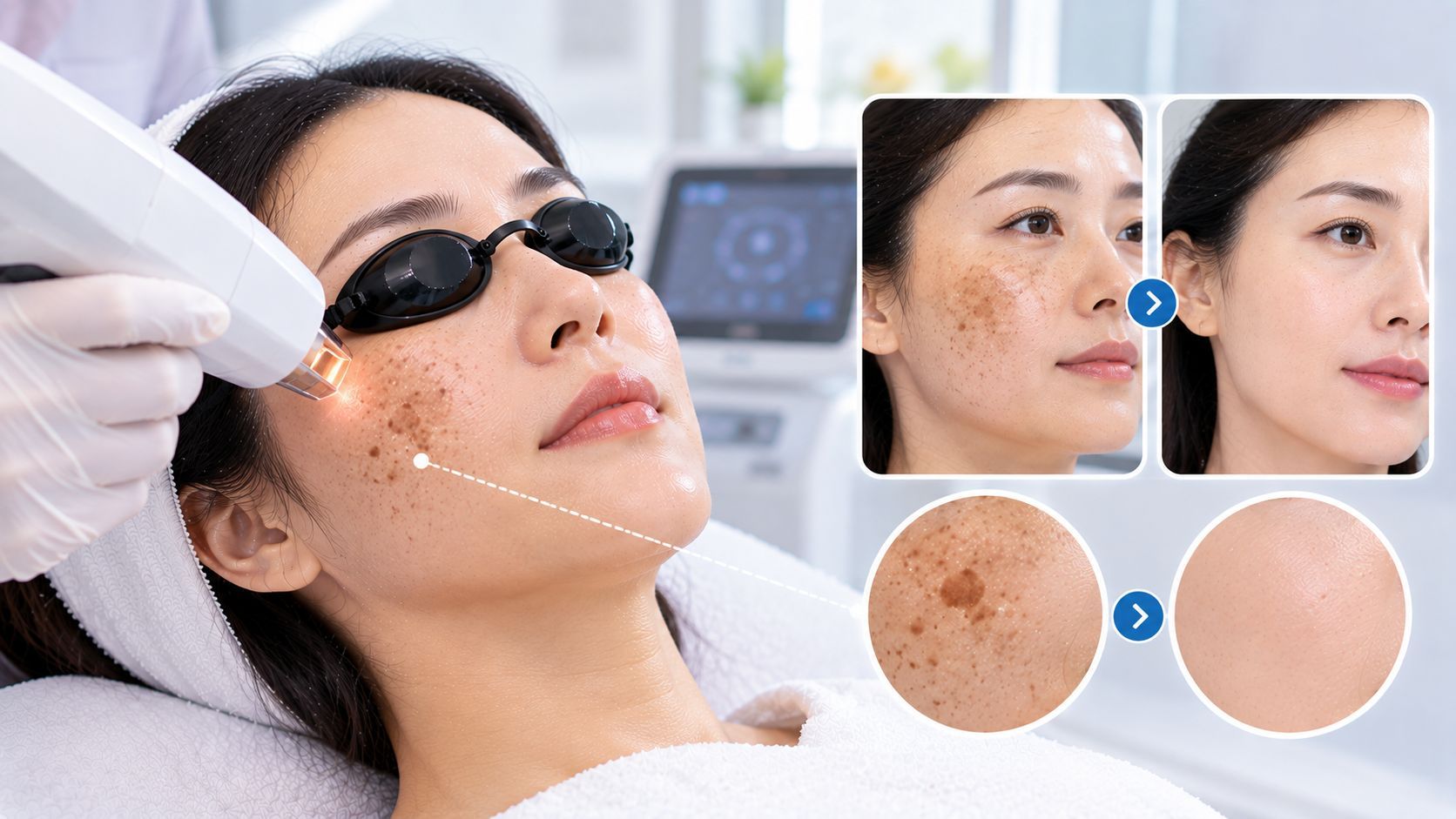
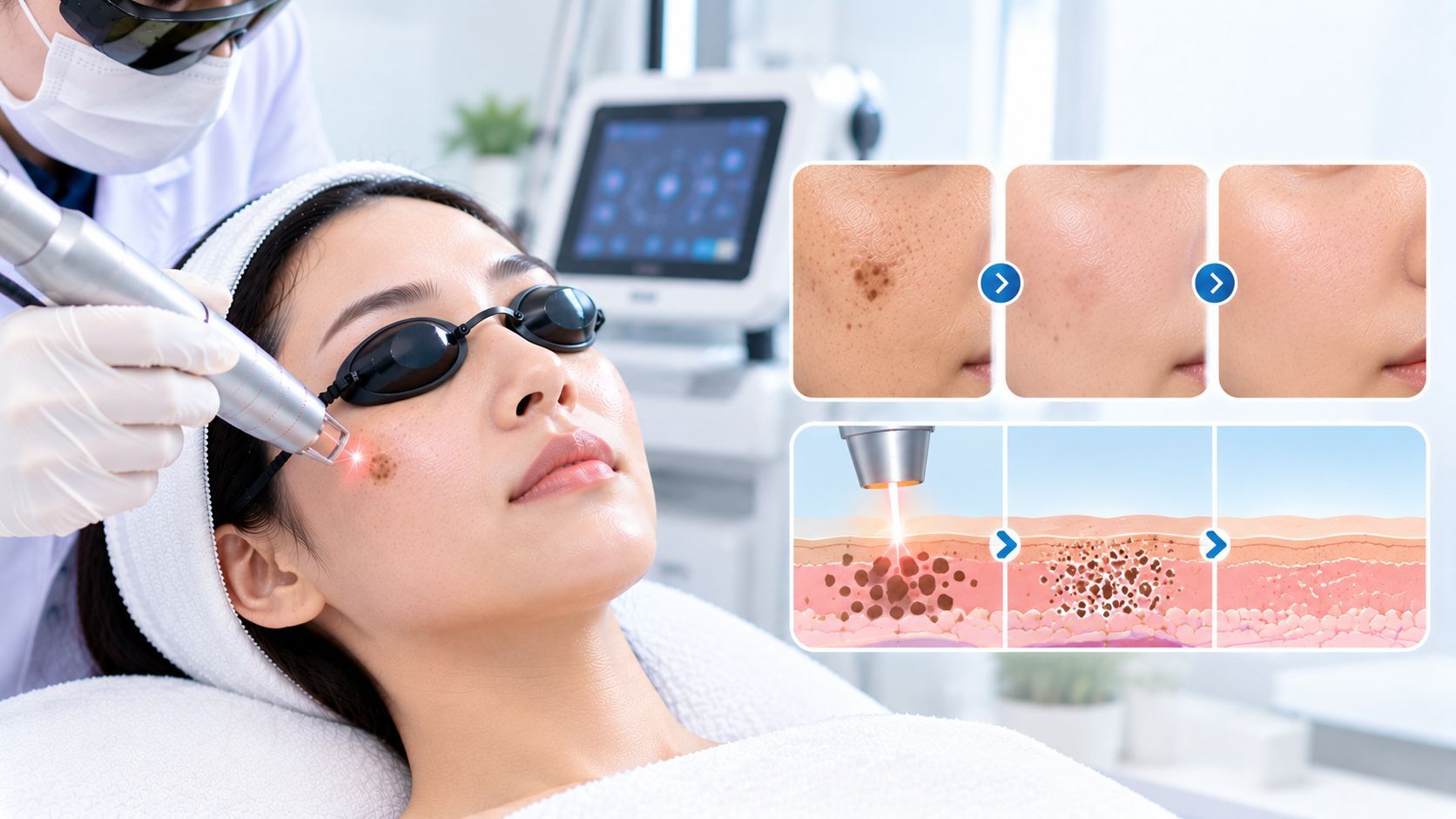
Cosmetic lasers are designed to target pigment, improve discoloration, or resurface the skin. However, not every dark lesion is simply excess melanin that should be removed.
A new spot could represent several different conditions, including:
- Solar lentigo or sun spot
- Freckle
- Post-inflammatory hyperpigmentation
- Melasma
- Seborrheic keratosis
- A benign mole or nevus
- Another type of pigmented skin lesion
Some lesions can also require further medical assessment. A dermatologist may need to determine whether the spot is appropriate for cosmetic treatment before any laser is performed.
This is particularly important when the spot is new, changing, unusual, or different from your other marks.
What Dark Spots Should Be Checked Before Laser?
A dermatologist may recommend evaluation when a lesion has features such as:
FeatureWhy it deserves assessmentNew or recently appearedIts cause may not be obvious from appearance aloneRapidly changingChanges in size, shape, or color should be evaluatedAsymmetricalUneven shape can be a reason for closer examinationIrregular borderAn unusual or poorly defined border may warrant assessmentMultiple colorsDifferent shades within one lesion can require evaluationVery dark or blackEspecially important when the color is new or changingGrowingContinued enlargement should not simply be treated cosmeticallyBleeding or crustingRequires medical assessment rather than routine cosmetic treatmentPersistent itching or painSymptoms can be a reason to have the lesion examinedDoes not healA persistent abnormal area should be evaluatedLooks noticeably different from other spotsSometimes called the “ugly duckling” sign
These features do not mean that a lesion is cancerous. They are reasons to have it assessed rather than assuming it is ordinary pigmentation.
Can Laser Make a Suspicious Dark Spot Harder to Evaluate?
Potentially, yes.
Laser treatment can alter the appearance of a pigmented lesion. Changes in color, surface, or inflammation afterward can make it more difficult to compare the lesion with its original appearance.
For this reason, an unexplained lesion should generally be assessed before cosmetic laser treatment rather than after.
A laser should not be used as an experiment such as, “Let's treat it and see if it disappears.”
If a dermatologist believes that a lesion needs additional investigation, cosmetic laser treatment should wait until the medical assessment is complete.
What Does a Dermatologist Check?
A consultation does not necessarily mean that every dark spot needs a biopsy.
A dermatologist may consider:
- When the spot first appeared
- Whether it has changed
- Previous photographs
- Sun exposure and tanning history
- Previous laser or skin treatments
- Your overall pattern of pigmentation
- The location and appearance of the lesion
- Other spots on the skin
The doctor may also examine the area with a dermoscope, which provides magnified and illuminated views of skin structures that are not easily visible to the naked eye.
If a lesion appears concerning, the dermatologist may recommend further investigation, potentially including a biopsy and laboratory examination. The appropriate approach depends on the individual lesion.
What If the Dark Spot Is Just an Age Spot or Sun Spot?
If a dermatologist determines that the lesion is consistent with a benign condition that is suitable for cosmetic treatment, laser may be considered.
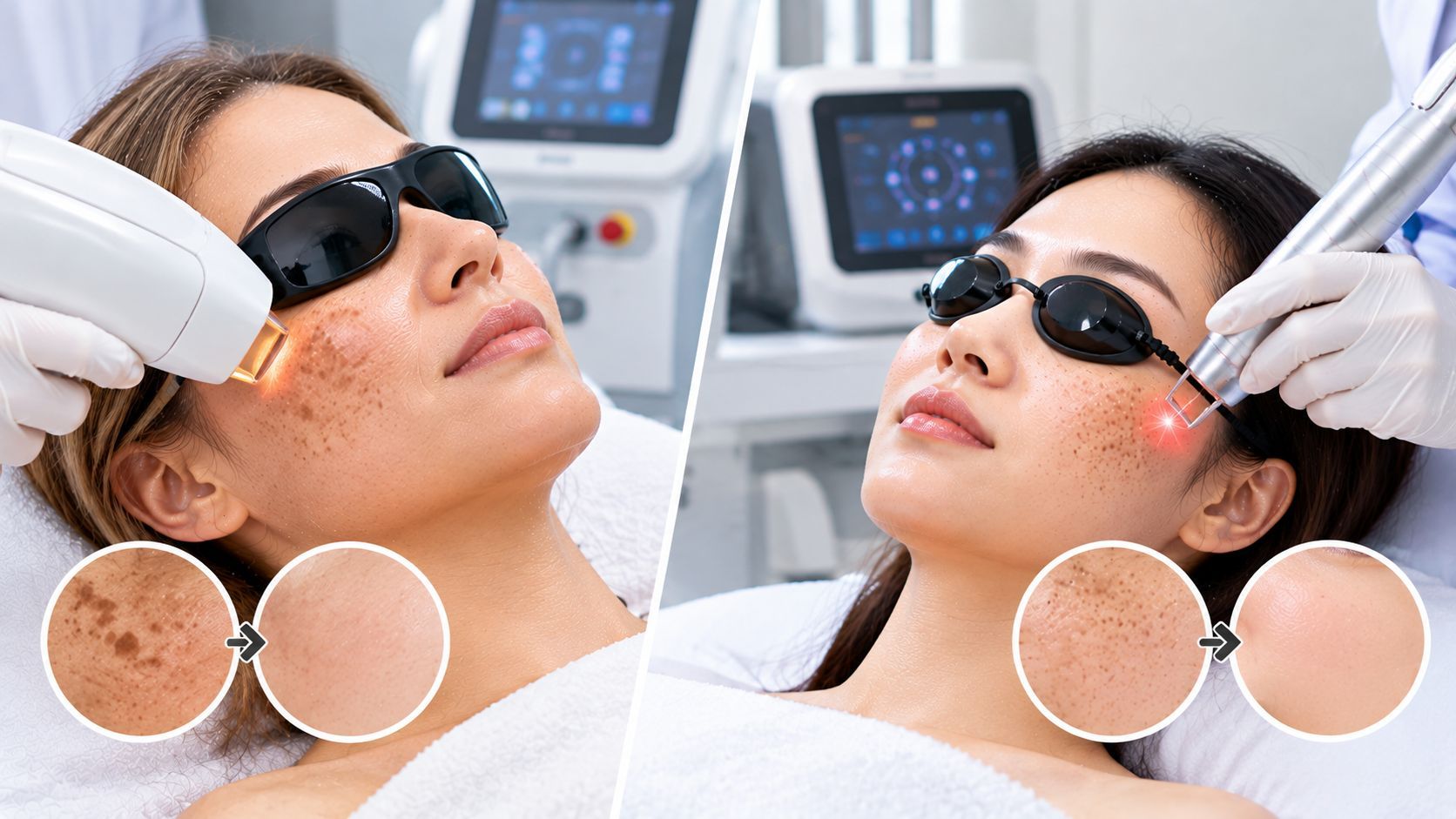
For selected superficial pigmentation, clinicians may use technologies such as:
- Pico laser
- Q-switched laser
- IPL
- Other pigment-targeting devices
The appropriate option depends on the diagnosis, depth and type of pigment, skin tone, history of tanning, and risk of post-inflammatory hyperpigmentation.
This is why asking for “the strongest laser for a dark spot” is usually less useful than first determining what the dark spot actually is.
What If the Spot Appeared After Previous Laser Treatment?
A new dark area after laser should not automatically be assumed to be pigmentation caused by the procedure.
Post-inflammatory hyperpigmentation can occur after skin treatments, particularly when the skin becomes inflamed. However, a new or unusual lesion may have another explanation.
If a spot is:
- Persistently changing
- Unusually dark
- Growing
- Bleeding
- Crusting
- Different from your usual pigmentation
it is reasonable to have it medically assessed instead of repeatedly treating it with another laser session.
Taking photographs before and after treatment can also help your doctor understand how the area has changed over time.
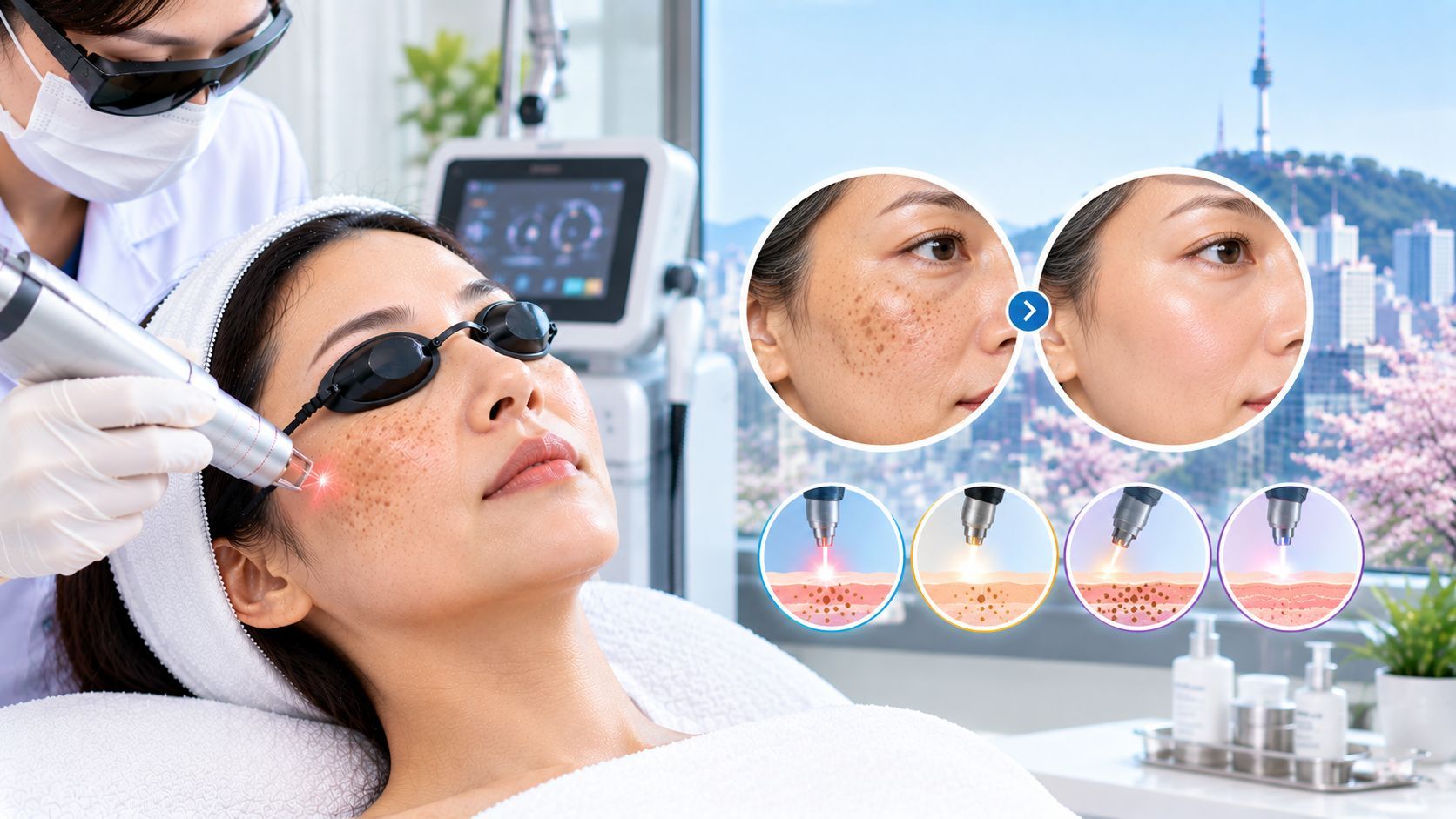
Why Is Diagnosis Especially Important for International Patients Visiting Seoul?
Patients traveling to Seoul for pigmentation treatment sometimes have a limited schedule and may want to complete laser treatment during a short trip.
That makes planning particularly important.
If you have a new or unexplained dark spot, consider arranging a medical consultation early in your trip rather than scheduling cosmetic laser treatment immediately.
During your consultation, ask:
- What do you think this dark spot is?
- Does it need dermoscopic examination?
- Is it appropriate for cosmetic laser treatment?
- Would you recommend monitoring it first?
- Could treatment make future evaluation more difficult?
- What changes should make me return for another assessment?
- Would my skin type increase the risk of post-inflammatory hyperpigmentation?
If you have previous photographs of the spot, bring them with you. They can be useful when determining whether the lesion has changed.
What Should You Avoid Before a New Dark Spot Is Evaluated?
Avoid trying to remove an unexplained lesion yourself.
In particular, do not repeatedly:
- Laser the area without a diagnosis
- Use aggressive chemical treatments
- Pick or scratch the lesion
- Apply unverified bleaching products
- Cover up changes without monitoring them
- Assume that every dark spot is sun damage
If the spot is changing, documenting it and obtaining a professional assessment is more useful than repeatedly treating it cosmetically.
When Is It Reasonable to Proceed With Cosmetic Laser?
Cosmetic laser treatment is more appropriate when a qualified clinician has assessed the spot and determined that it is suitable for cosmetic treatment.
The treatment plan should consider:
- The likely type of pigmentation
- Skin tone and tendency toward post-inflammatory hyperpigmentation
- Recent sun exposure or tanning
- Previous laser treatments
- The device being used
- Expected downtime
- Sun protection after treatment
- Whether more than one session may be needed
Even when a spot is suitable for treatment, laser cannot guarantee permanent removal. Pigmentation can recur or new spots can develop with continued ultraviolet exposure and other factors.
New Dark Spot vs. Ordinary Pigmentation: The Key Difference
The most important distinction is not simply whether a spot is dark.
It is whether the spot has been properly identified and considered appropriate for cosmetic treatment.
A longstanding, stable spot that has already been medically assessed is different from a new lesion that appeared recently and has not been evaluated.
This distinction is particularly important when considering targeted treatments such as Pico laser, because treating a visually similar but medically different lesion can be inappropriate.
Conclusion
A new, changing, or unexplained dark spot should be checked by a dermatologist before cosmetic laser treatment. Most pigmentation is benign, but a visual examination alone may not always be enough to determine what a lesion represents.
A dermatologist can assess the spot, use dermoscopy when appropriate, and decide whether cosmetic treatment is reasonable or whether additional evaluation is needed.
For patients visiting Seoul specifically for pigmentation treatment, building time for consultation before laser treatment can help prevent an unexplained lesion from being treated simply because it looks like an ordinary sun spot or age spot.
If the lesion is confirmed to be suitable for cosmetic treatment, the next step is choosing an appropriate technology and treatment intensity based on the diagnosis and your individual skin characteristics.
Frequently Asked Questions
Can I laser a dark spot if it looks like an age spot?
It is better to have a new or unexplained spot assessed first. An age spot can resemble other pigmented lesions, so diagnosis should come before cosmetic treatment.
Does every dark spot need a biopsy before laser?
No. A biopsy is not automatically required for every pigmented spot. A dermatologist can determine whether examination, monitoring, dermoscopy, or further investigation is appropriate.
Can Pico laser be used on a suspicious mole?
A suspicious lesion should not be treated as ordinary cosmetic pigmentation without appropriate medical assessment. If a lesion requires investigation, that evaluation should come first.
Should I see a dermatologist if a spot becomes darker after laser?
If the area is unexpectedly changing, persistent, growing, bleeding, crusting, or otherwise unusual, seek medical assessment rather than assuming it is simply post-laser pigmentation.
Can I have a dark spot checked and treated during the same Seoul trip?
Potentially. If the lesion is assessed and considered appropriate for cosmetic treatment, treatment may be planned during the trip. However, some findings may require monitoring or additional evaluation, so it is wise not to schedule your entire trip around immediate laser treatment.
Is every new dark spot dangerous?
No. Many new skin marks are benign. The reason for medical assessment is that appearance alone cannot reliably establish the cause of every new or changing pigmented lesion.