What Laser Is Best for an Uneven, Sun-Damaged Complexion?
If your complexion looks uneven because of years of sun exposure, there is no single laser that is automatically the best for everyone. The appropriate treatment depends on what is causing the uneven appearance—such as sun spots, freckles, diffuse pigmentation, redness, or texture changes—as well as your skin tone and tendency to develop post-inflammatory hyperpigmentation (PIH).
A dermatologist may consider Pico laser, Q-switched pigment lasers, IPL, or resurfacing treatments depending on the specific problem. The important first step is identifying what type of sun damage you actually have.
What Makes a Sun-Damaged Complexion Look Uneven?
“Uneven complexion” can describe several different changes.
Long-term UV exposure can contribute to:
- Brown sun spots
- Freckles
- Uneven pigmentation
- Redness
- Visible small blood vessels
- Rough texture
- Fine lines
- Dull-looking skin
- Uneven overall skin tone
These concerns may occur together, but they do not necessarily respond to the same treatment.
For example, a person with several sharply defined brown spots may need a pigment-targeting treatment, while someone with diffuse pigmentation and rough texture may require a broader treatment strategy.
Is Pico Laser Good for Sun-Damaged Skin?
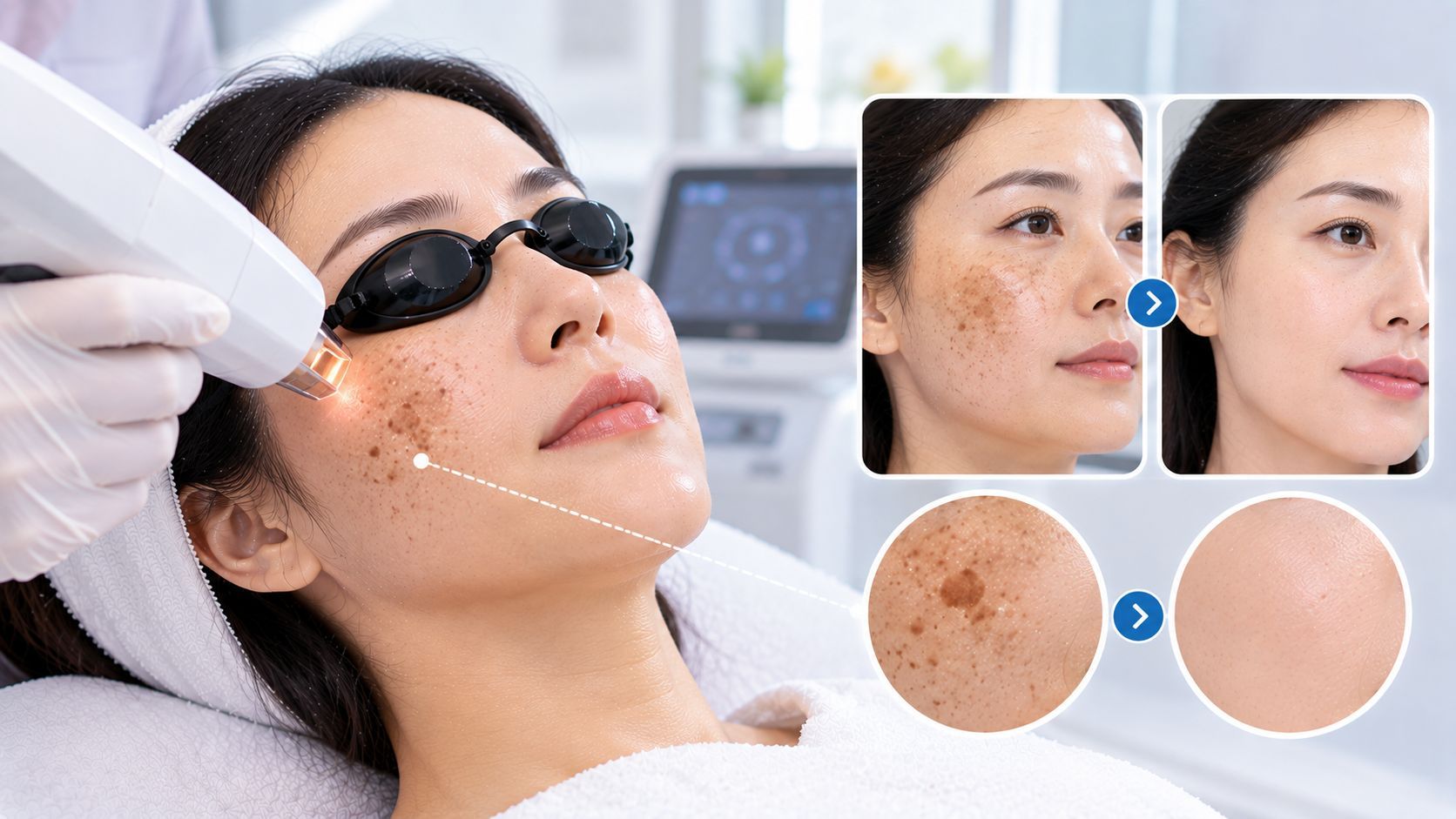
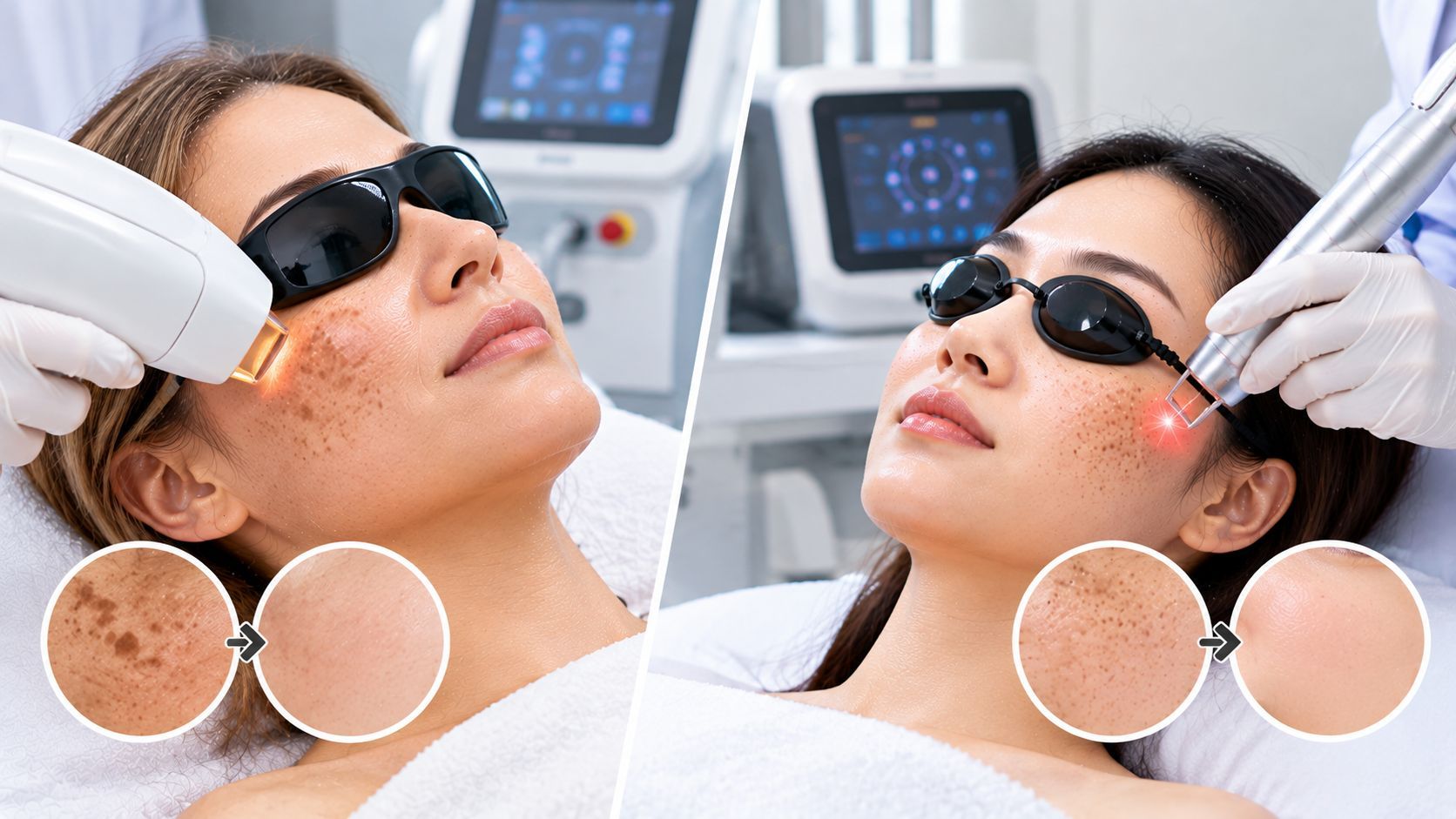
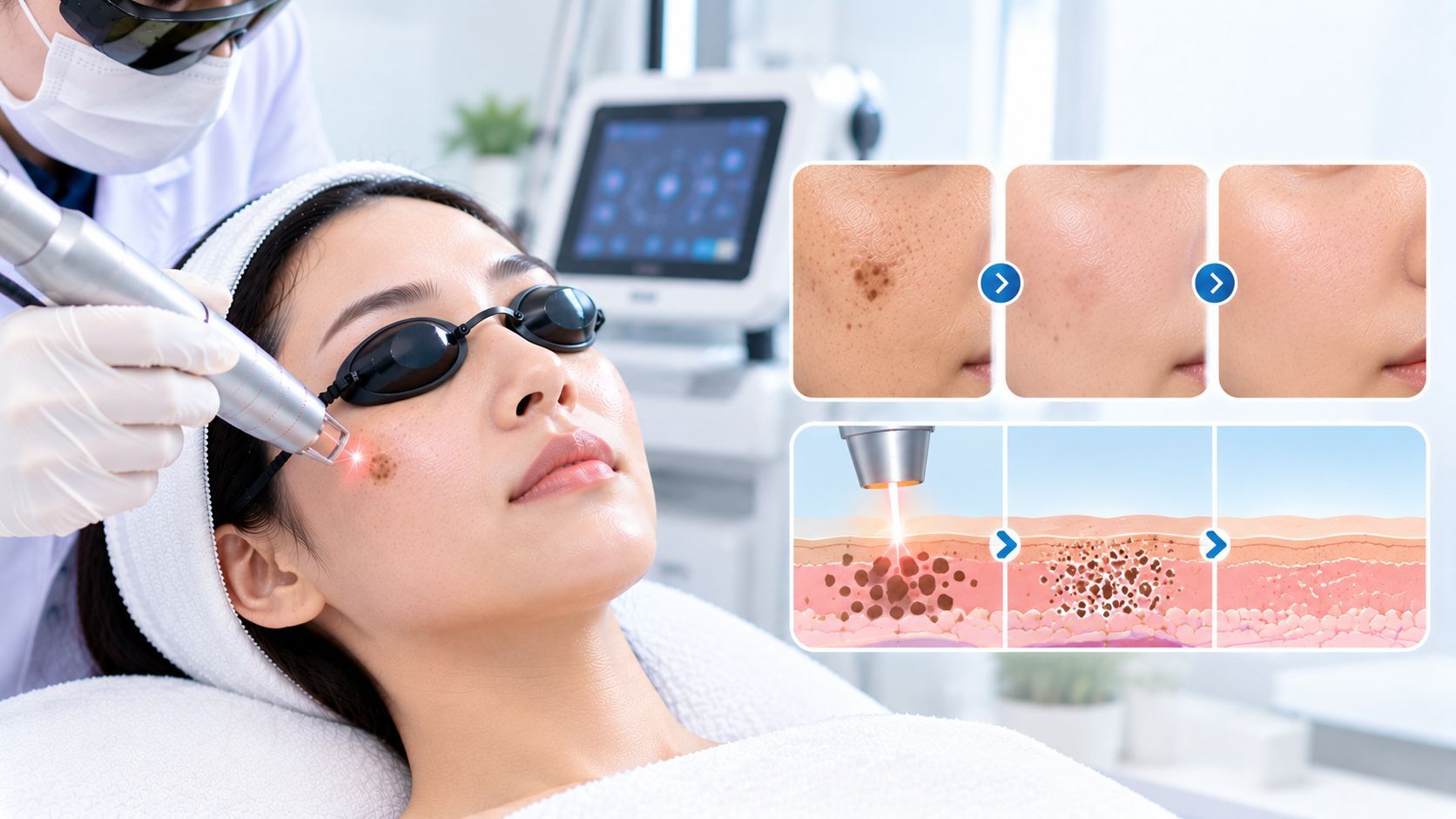
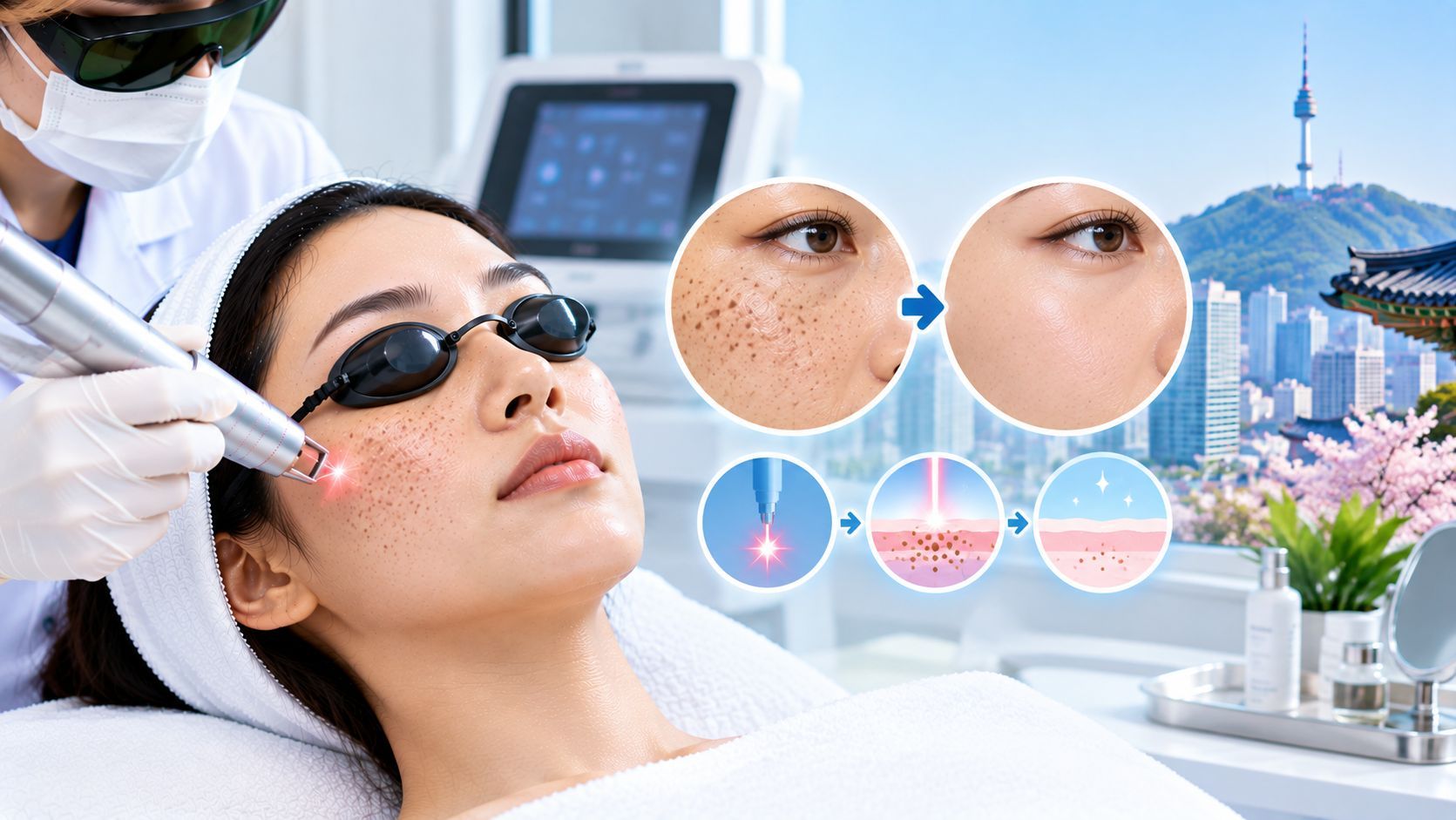
Pico laser may be useful for selected pigmentation concerns.
Depending on the device and wavelength, Pico laser can be used for certain:
- Sun spots
- Freckles
- Pigmented marks
- Uneven pigmentation
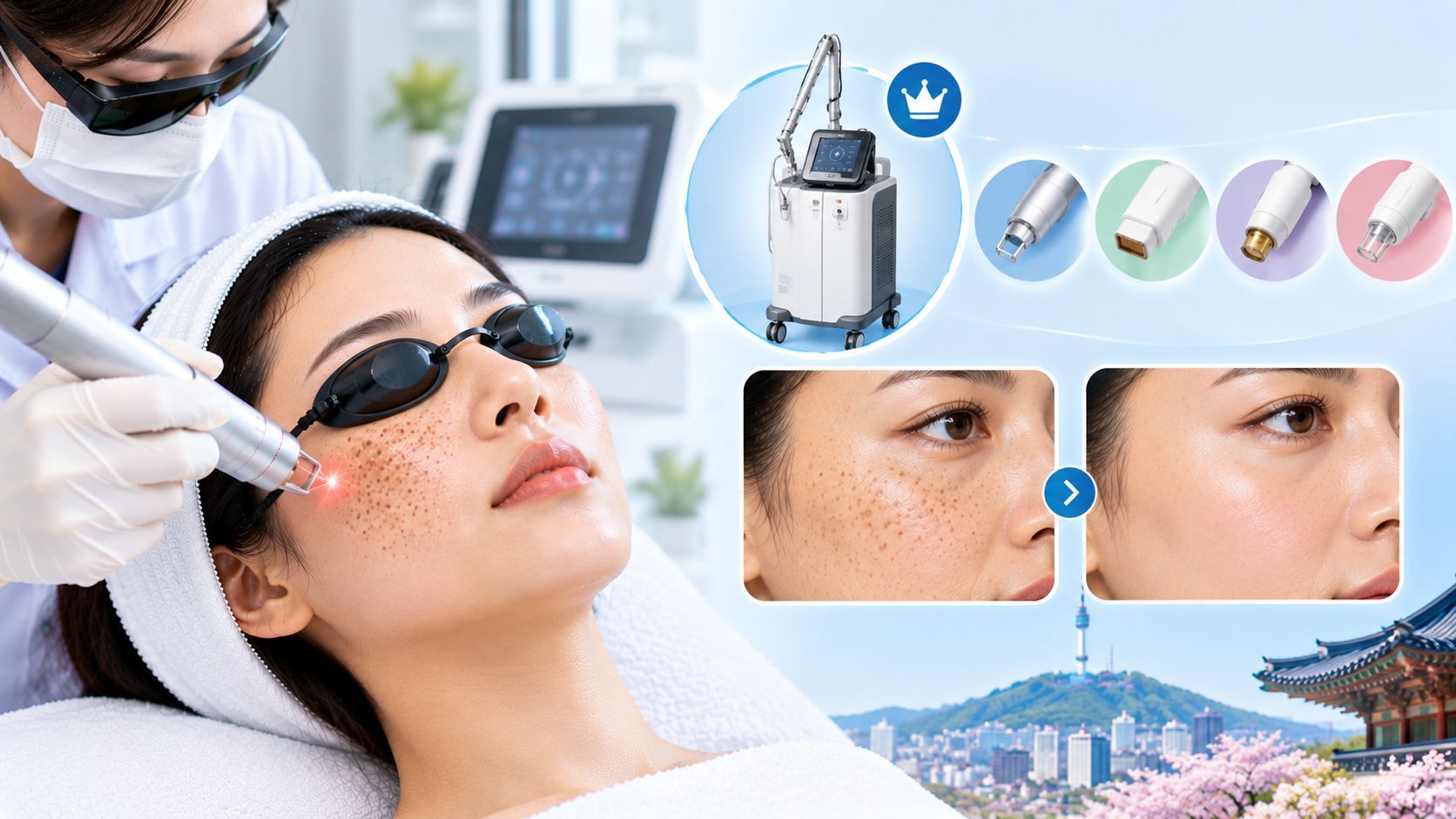
However, Pico laser is a technology platform, not one standardized treatment. Different devices, wavelengths, handpieces, energy levels, and techniques can produce different treatment approaches.
A dermatologist should therefore recommend a specific Pico treatment based on your pigmentation rather than simply recommending “Pico” because your skin looks sun-damaged.
What About Q-Switched Pigment Lasers?
Q-switched lasers have also been used for pigment-targeting treatments.
They may be considered for selected superficial pigmentation, including certain sun spots and freckles.
As with Pico laser, the wavelength and treatment settings matter. A Q-switched laser is not automatically appropriate for every type of brown mark.
Your dermatologist should first determine whether the pigmentation is consistent with sun damage or whether another condition, such as melasma or PIH, is involved.
Could IPL Be Better for a Broadly Uneven Complexion?
IPL, or intense pulsed light, is technically not a laser.
It can be considered for selected patients with sun-related pigmentation and some other visible signs of photodamage. Because IPL uses a broad spectrum of light, it may sometimes be considered when pigmentation occurs alongside certain vascular or redness-related concerns.
However, IPL is not appropriate for every skin tone or every pigmentation pattern.
People with darker skin, recent tanning, or a history of PIH may require particular caution.
What If the Problem Is Texture Rather Than Pigment?
Laser treatment for pigmentation is not necessarily the right answer if your complexion looks uneven mainly because of texture.
Sun exposure can contribute to:
- Roughness
- Fine lines
- Enlarged-looking pores
- Uneven surface texture
- Loss of smoothness
In such cases, a dermatologist may consider resurfacing treatments such as fractional laser or other energy-based procedures.
These treatments can produce more inflammation and downtime than some pigment-focused treatments.
Therefore, treating texture aggressively when the main concern is actually pigmentation may not provide the result you are expecting.
Pico vs IPL vs Resurfacing for Sun Damage
TreatmentMay be considered forImportant considerationsPico laserSelected pigmentation and sun spotsWavelength and settings matterQ-switched laserSelected pigment concernsDiagnosis and wavelength are importantIPLSelected pigmentation, photodamage and some rednessRequires careful skin-tone assessmentFractional laserTexture and resurfacing concernsMore inflammation and downtime may occur
There is no universal winner. The appropriate treatment depends on the dominant cause of the uneven appearance.
What If I Have Freckles and Sun Spots Together?
It is possible to have more than one type of pigmentation.
Freckles can become darker with UV exposure, while solar lentigines may become more noticeable with cumulative sun exposure.
Some pigment-targeting treatments may improve both, but the response can vary between lesions.
A dermatologist may also determine that not every pigmented area should receive identical treatment.
Could the Uneven Pigmentation Actually Be Melasma?
Yes.
Melasma can sometimes be mistaken for generalized sun damage.
It usually appears as broader, irregular patches of pigmentation rather than isolated spots. UV exposure can worsen melasma, and heat and other factors may also influence it.
This distinction matters because aggressive treatment of melasma may not produce the same outcome as treatment of isolated sun spots.
If your pigmentation is widespread or repeatedly returns despite treatment, ask whether melasma or another pigmentation disorder could be contributing.
What About Darker Skin?
Skin tone is particularly important when treating uneven pigmentation.
People with more melanin-rich skin may be more susceptible to PIH after inflammatory treatments. This does not mean laser treatment cannot be performed, but it means treatment should be carefully individualized.
Your dermatologist may consider:
- A different wavelength
- Conservative energy settings
- A smaller treatment area
- A test spot in selected cases
- Longer recovery periods
- Alternatives to aggressive resurfacing
Recent tanning should also be disclosed.
A treatment that is appropriate for one skin tone may not be appropriate at the same settings for another.
Can Laser Make an Uneven Complexion Worse?
It can.
Laser and light treatments intentionally create controlled energy exposure, but inflammation can sometimes trigger unwanted pigmentation.
Possible temporary or unwanted effects include:
- Increased pigmentation
- Hypopigmentation
- Redness
- Swelling
- Sensitivity
- Crusting
- Prolonged irritation
PIH is particularly relevant when treating pigmentation-prone skin.
This is why stronger treatment is not automatically better.
Can One Laser Session Fix an Uneven Sun-Damaged Complexion?
Usually, expectations should be more conservative.
A single treatment may produce visible improvement in selected pigmentation, but an uneven complexion caused by years of sun exposure can involve multiple changes.
For example, one treatment may lighten brown spots without completely correcting:
- Fine lines
- Texture
- Redness
- Other pigmentation
- Skin laxity
Multiple sessions may be recommended depending on the treatment and your goals.
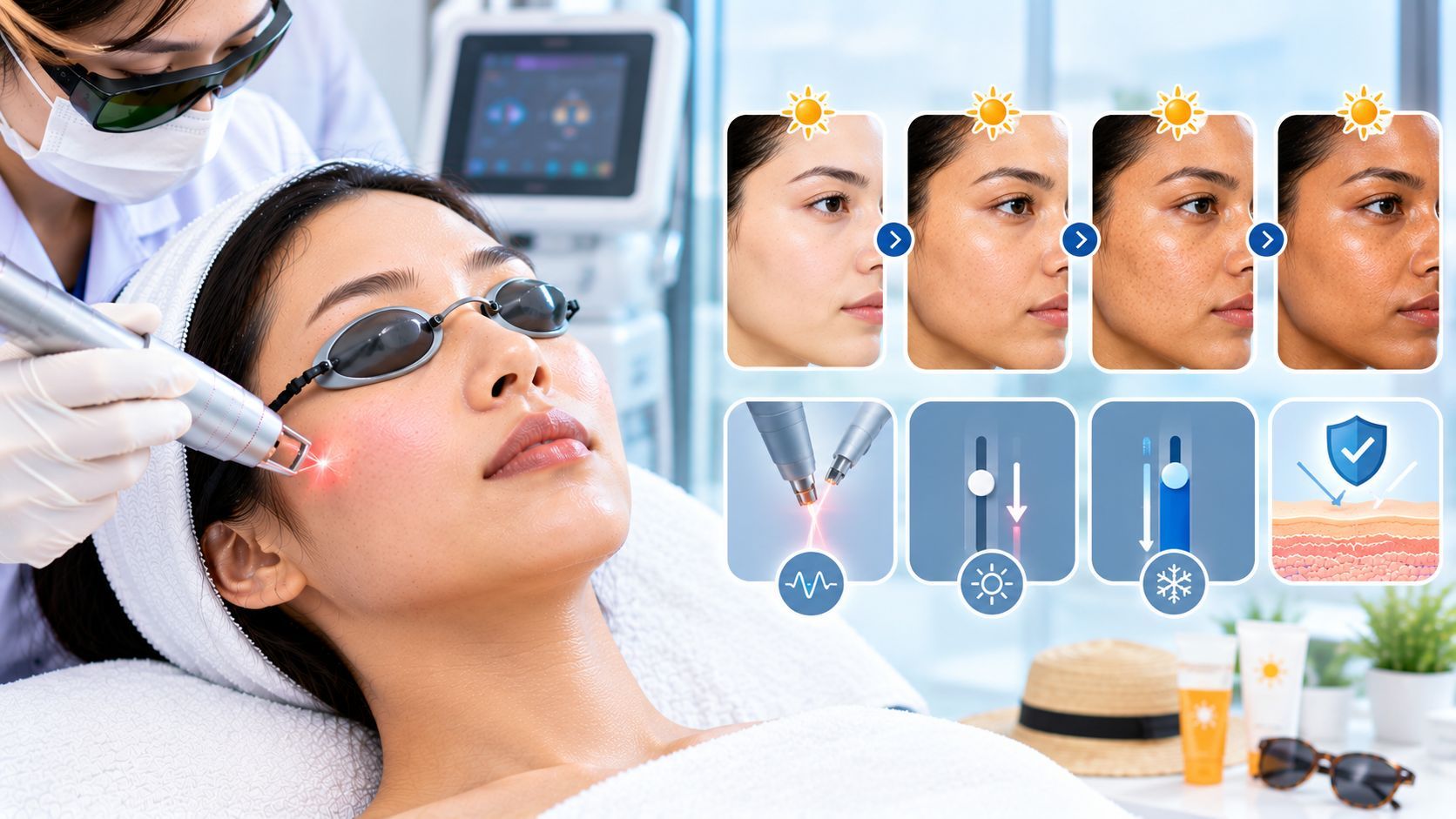
How Important Is Sun Protection After Treatment?
Extremely important.
Laser treatment can improve existing sun-related pigmentation, but it does not prevent future UV exposure from causing additional changes.
After treatment, follow your provider's instructions regarding:
- Sunscreen
- Reapplication
- Hats and physical protection
- Outdoor exposure
- Heat
- Swimming
- Exercise
If you continue significant sun exposure without adequate protection, pigmentation may recur or new spots may develop.
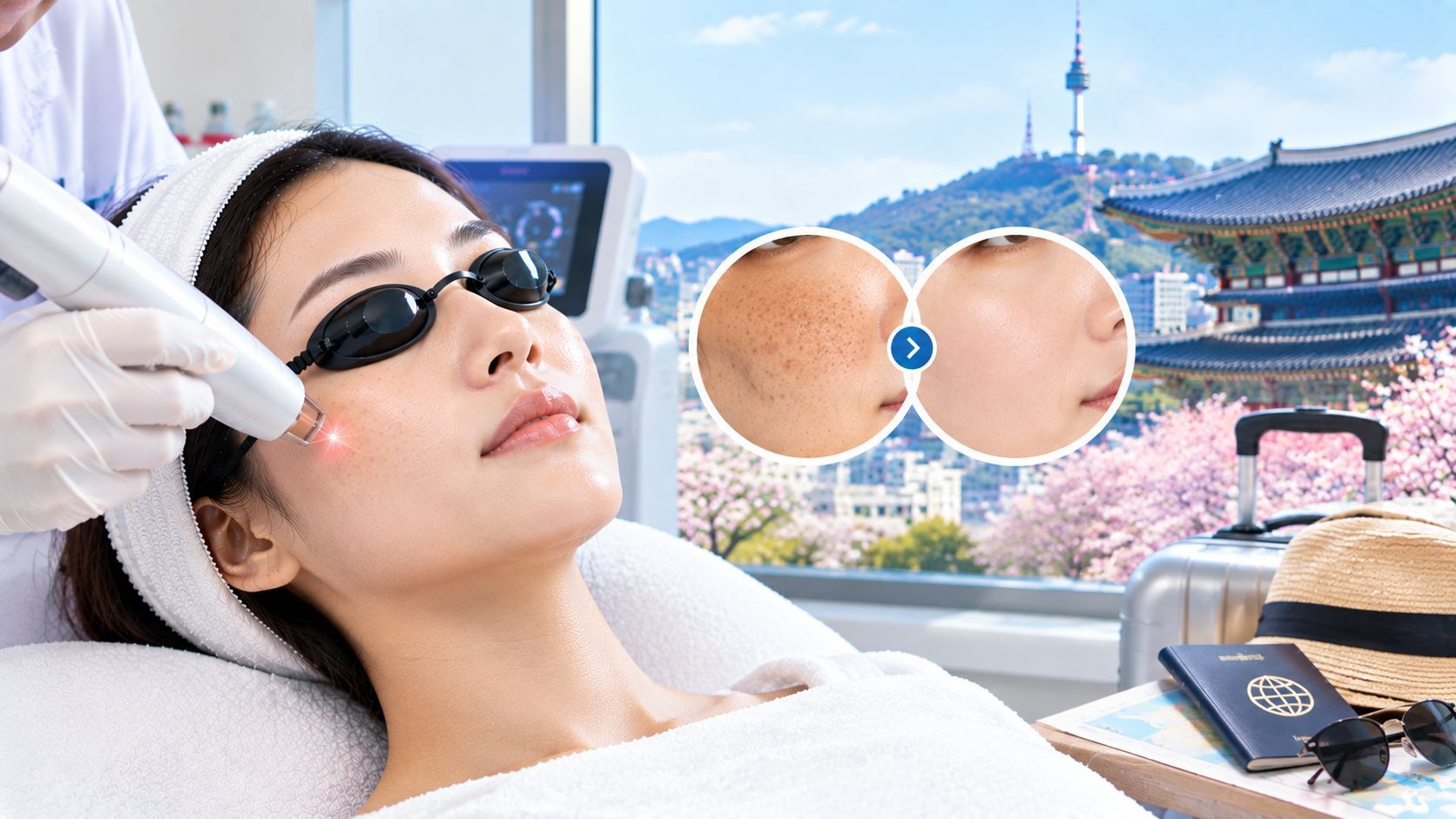
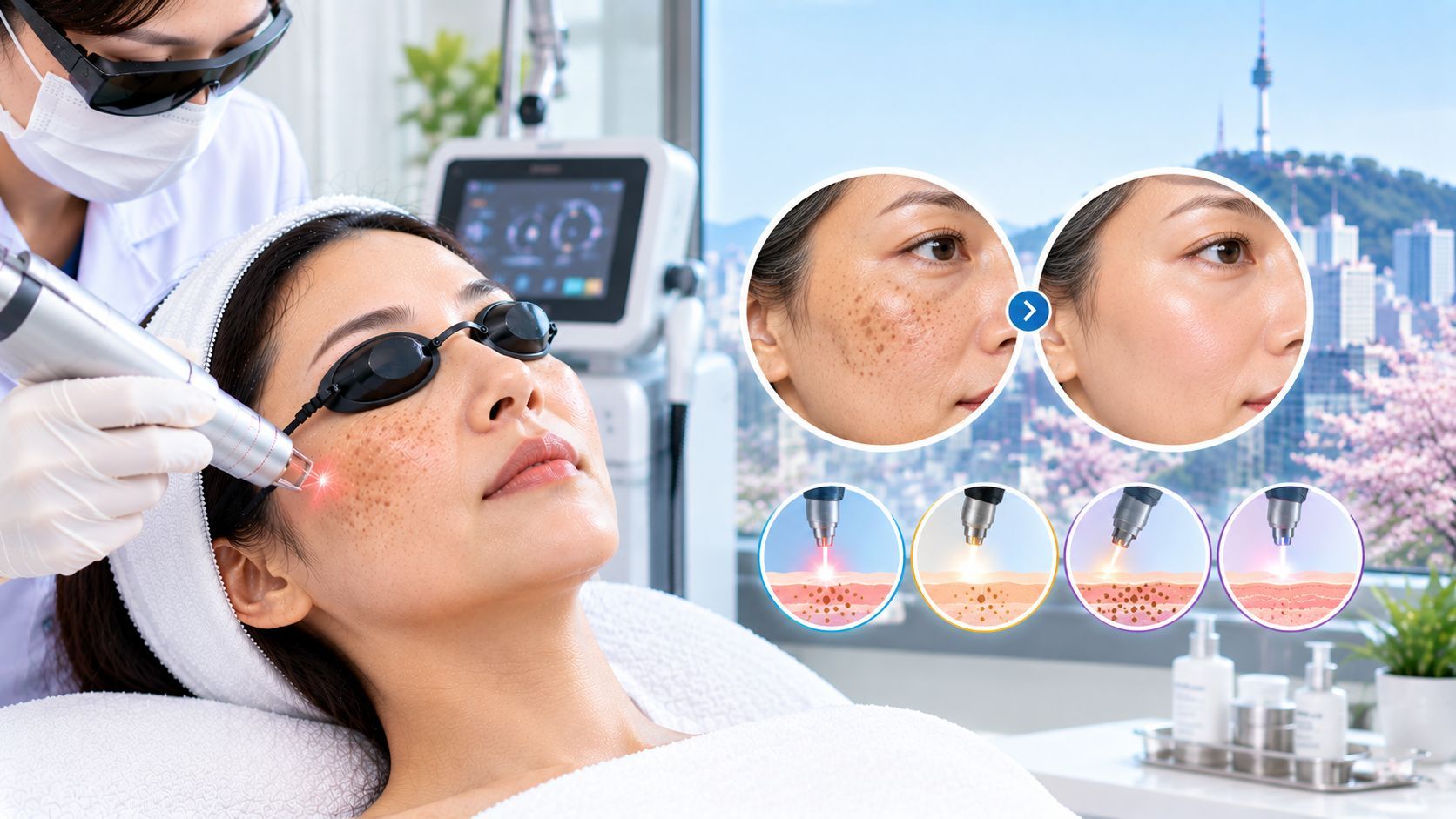
What If I Am Traveling to Seoul for Treatment?
International patients should consider the recovery period as part of the treatment plan.
If your Seoul trip includes extensive sightseeing, treatment timing matters.
Ask your dermatologist whether you should avoid or limit:
- Long outdoor walks
- Hiking
- Beach trips
- Swimming
- Sauna visits
- Intense exercise
- Prolonged heat exposure
You should also ask how soon after treatment it is appropriate to fly.
What Questions Should You Ask Before Choosing a Laser?
Before treatment, ask:
- What is causing my uneven complexion?
- Is the main issue pigmentation, redness, or texture?
- Could I have melasma rather than ordinary sun damage?
- Which treatment are you recommending and why?
- Which wavelength or device will be used?
- What is my PIH risk?
- How much downtime should I expect?
- How many treatments may be needed?
- What changes should I expect after one session?
- How should I protect my skin during and after my Seoul trip?
These questions can help you choose a treatment based on your actual skin rather than on the popularity of a particular device.
Should Every Brown Spot Be Laser Treated?
No.
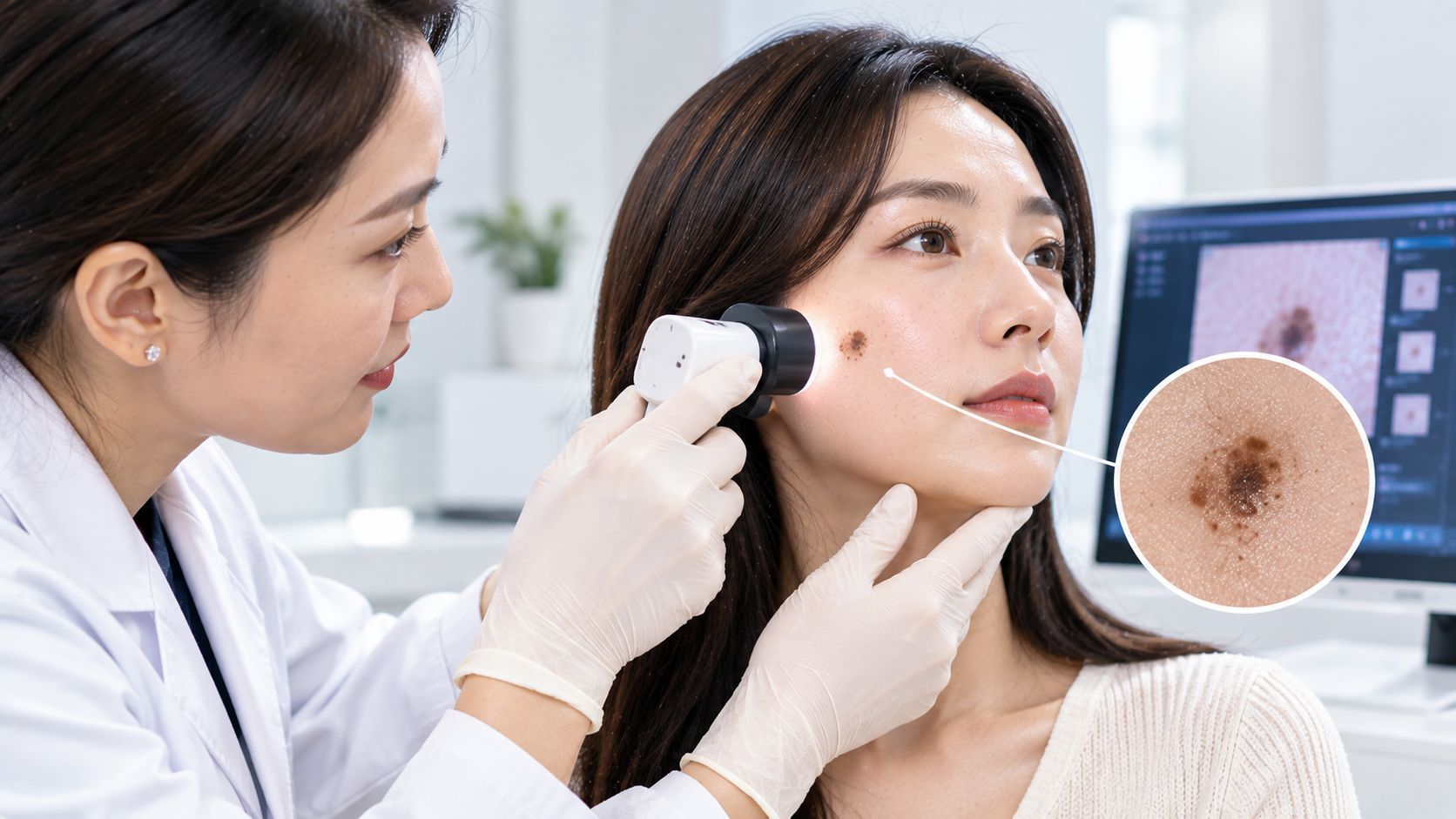
A new, changing, irregular, bleeding, crusting, itching, or growing dark spot should be medically assessed before cosmetic laser treatment.
Not every pigmented lesion is simply a sun spot.
If your dermatologist is uncertain about a particular lesion, diagnosis should come before cosmetic treatment.
Conclusion
There is no single laser that is best for every uneven, sun-damaged complexion. Pico laser and other pigment-targeting lasers may be useful for selected brown spots and pigmentation, IPL may be considered for certain broader photodamage patterns, and resurfacing treatments may be more relevant when texture is the primary concern.
The best treatment depends on the actual cause of the uneven appearance, your skin tone, tanning history, PIH tendency, and treatment goals.
If you are considering treatment in Seoul, start with a professional assessment rather than choosing a laser solely because it is marketed as powerful or advanced. Treating the correct problem with appropriately selected settings is more important than choosing a particular technology by name.
Frequently Asked Questions
What is the best laser for an uneven sun-damaged complexion?
There is no universally best laser. Pico, Q-switched lasers, IPL, and resurfacing treatments may have different roles depending on whether your main problem is pigmentation, redness, or texture.
Is Pico laser good for overall sun damage?
Pico laser can be useful for selected pigmentation concerns, but it does not necessarily address every aspect of sun damage, such as significant texture changes or fine lines.
Is IPL good for uneven skin tone caused by the sun?
IPL may help selected patients with sun-related pigmentation and certain other photodamage concerns. Skin tone and tanning history are important when determining suitability.
Can laser treatment worsen pigmentation?
Yes. PIH is a possible complication of laser and light-based treatments, particularly in people who are prone to pigmentation.
How many laser treatments are needed for sun damage?
There is no universal number. The treatment course depends on the type and extent of sun damage, treatment technology, skin response, and the desired degree of improvement.
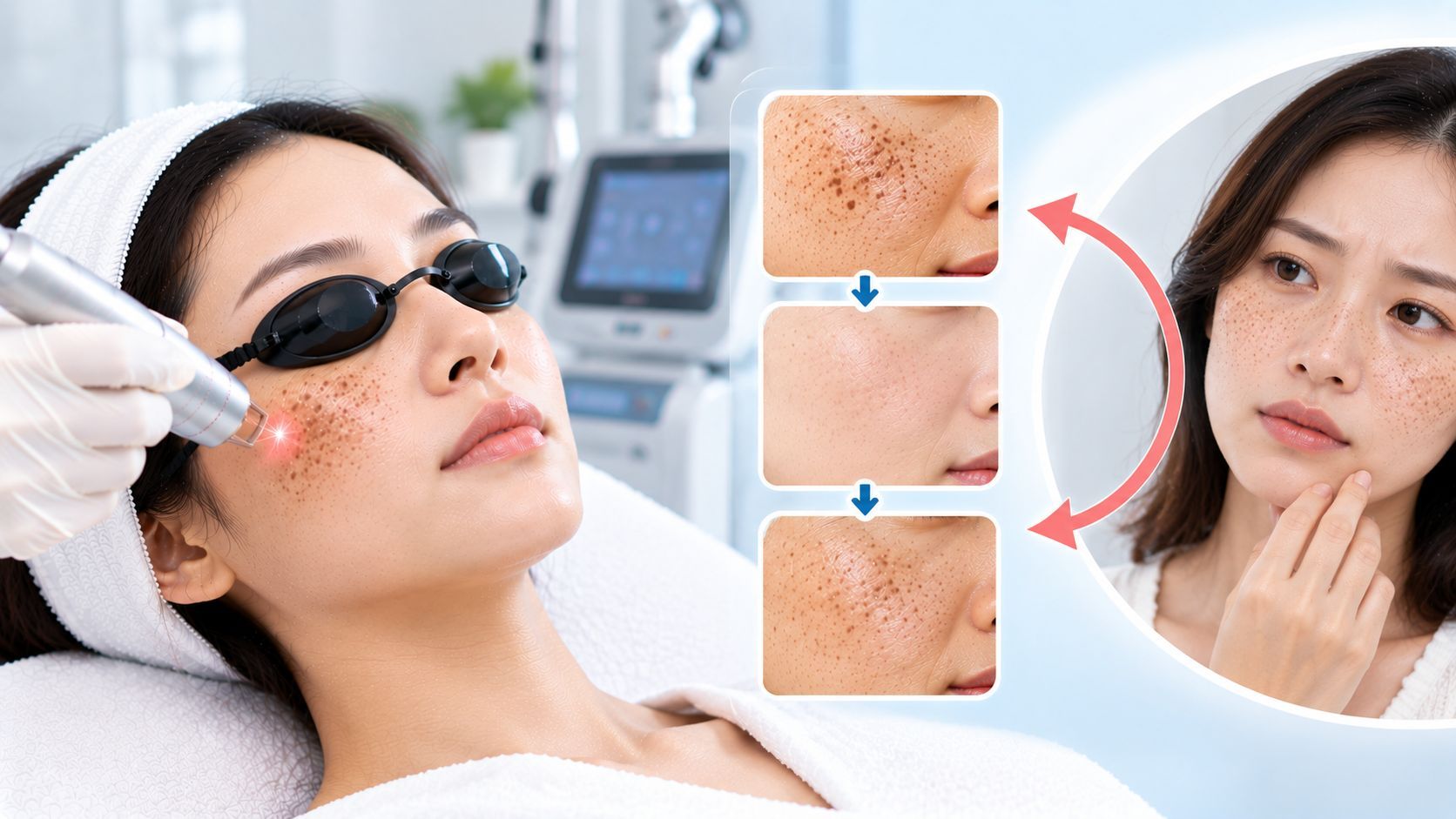
Can sun damage return after laser treatment?
Yes. New pigmentation and other signs of photoaging can develop with continued UV exposure. Sun protection is important for maintaining improvements.