Can Laser Remove Age Spots Permanently?
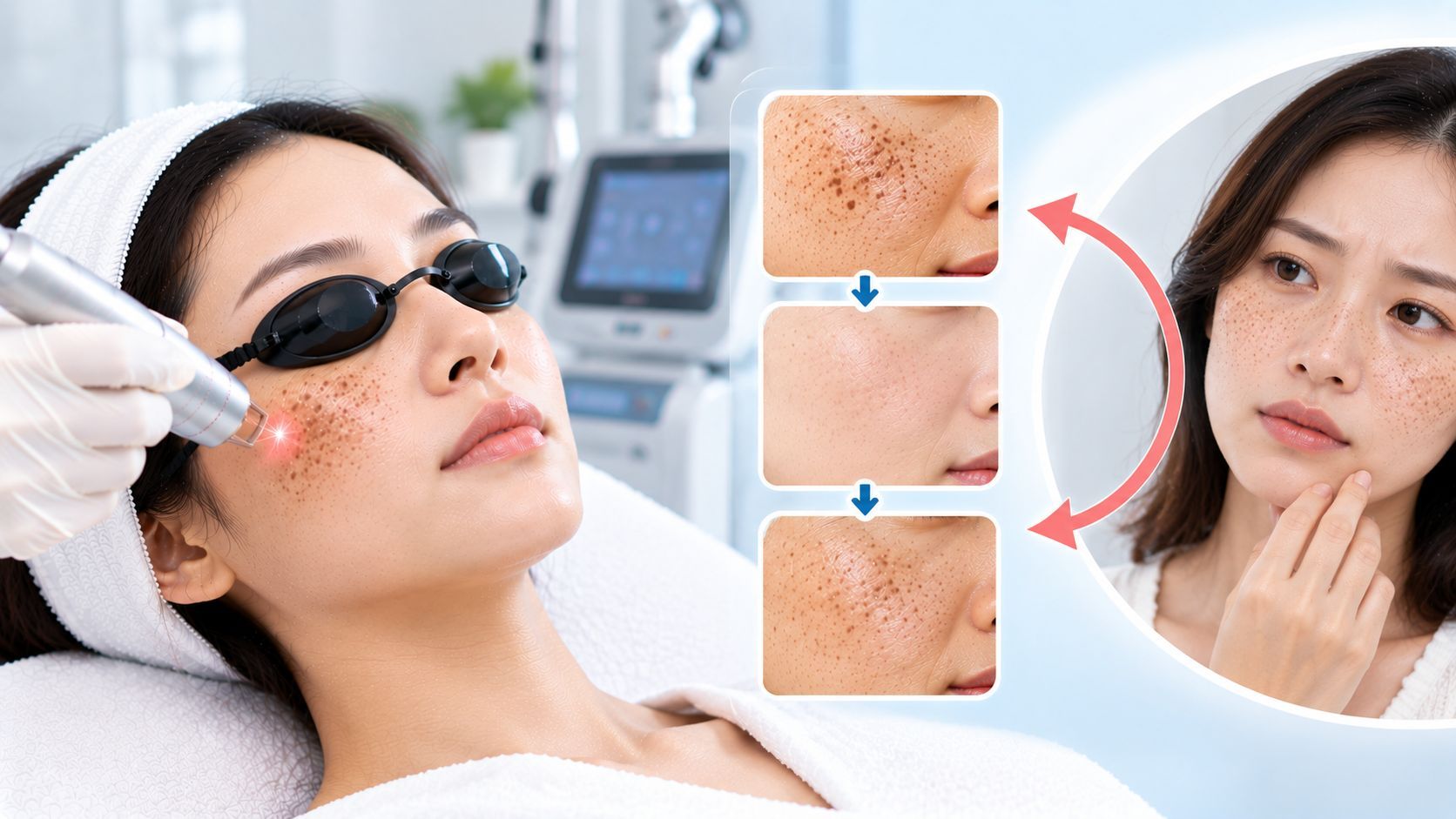
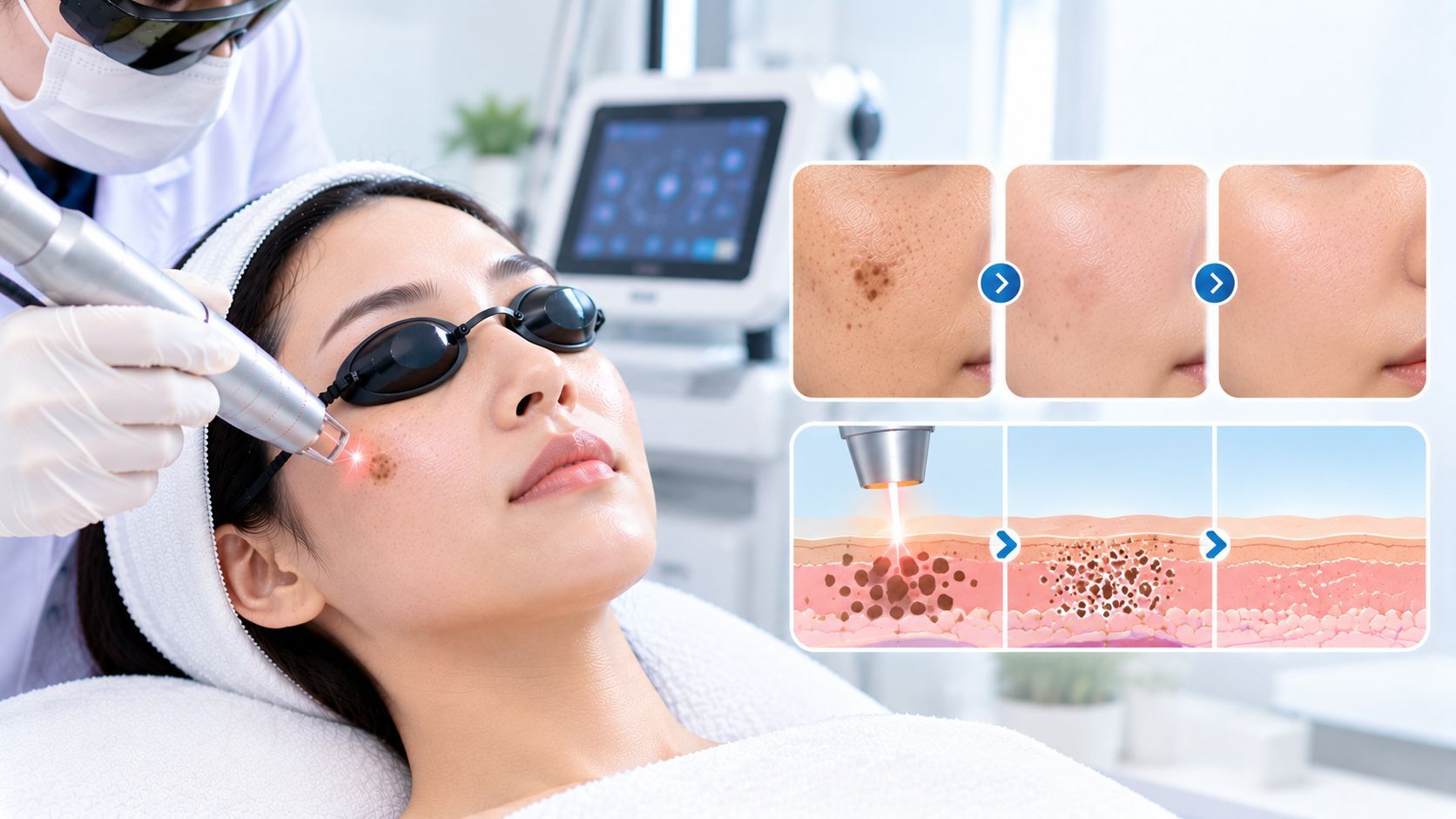
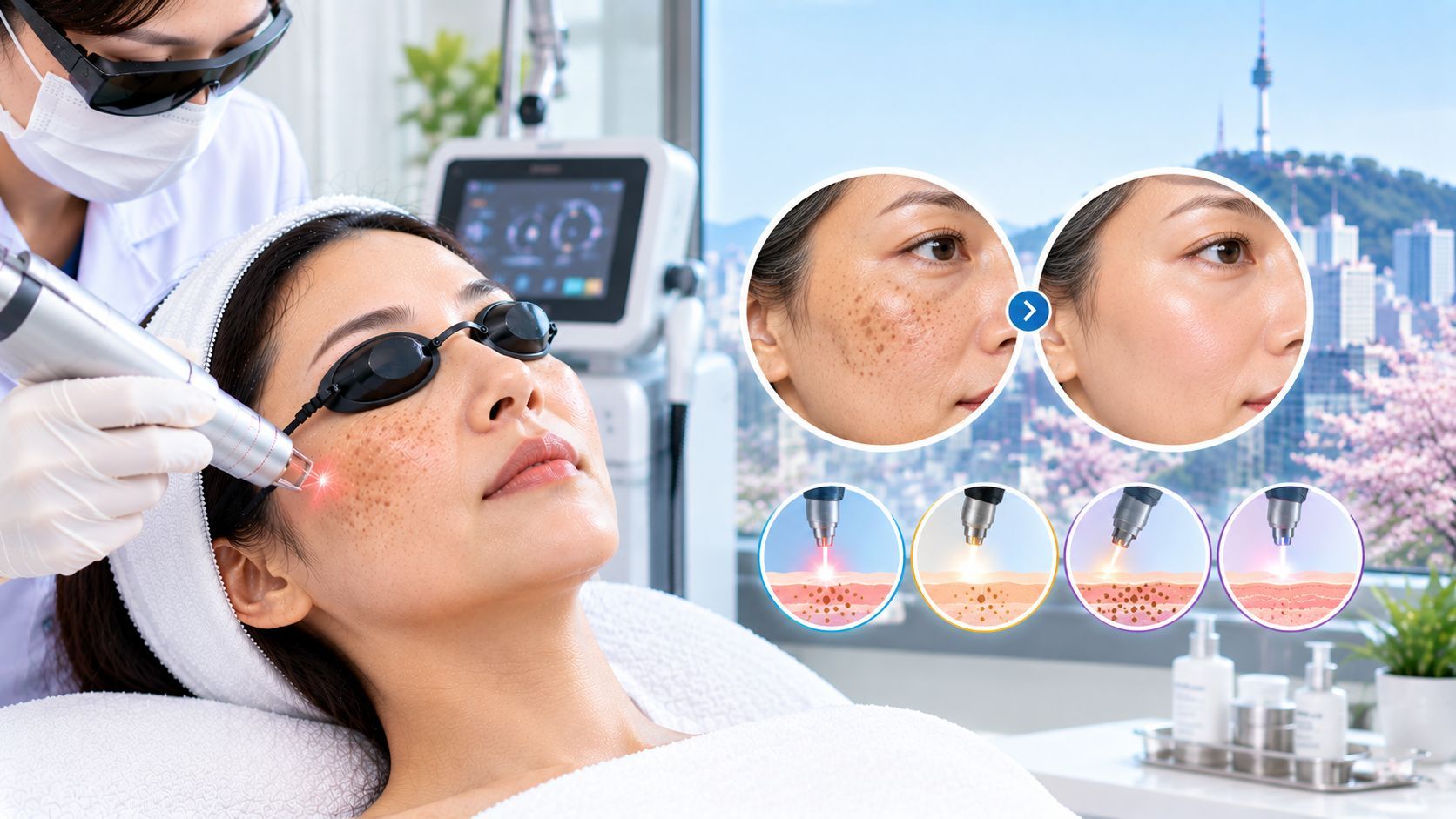
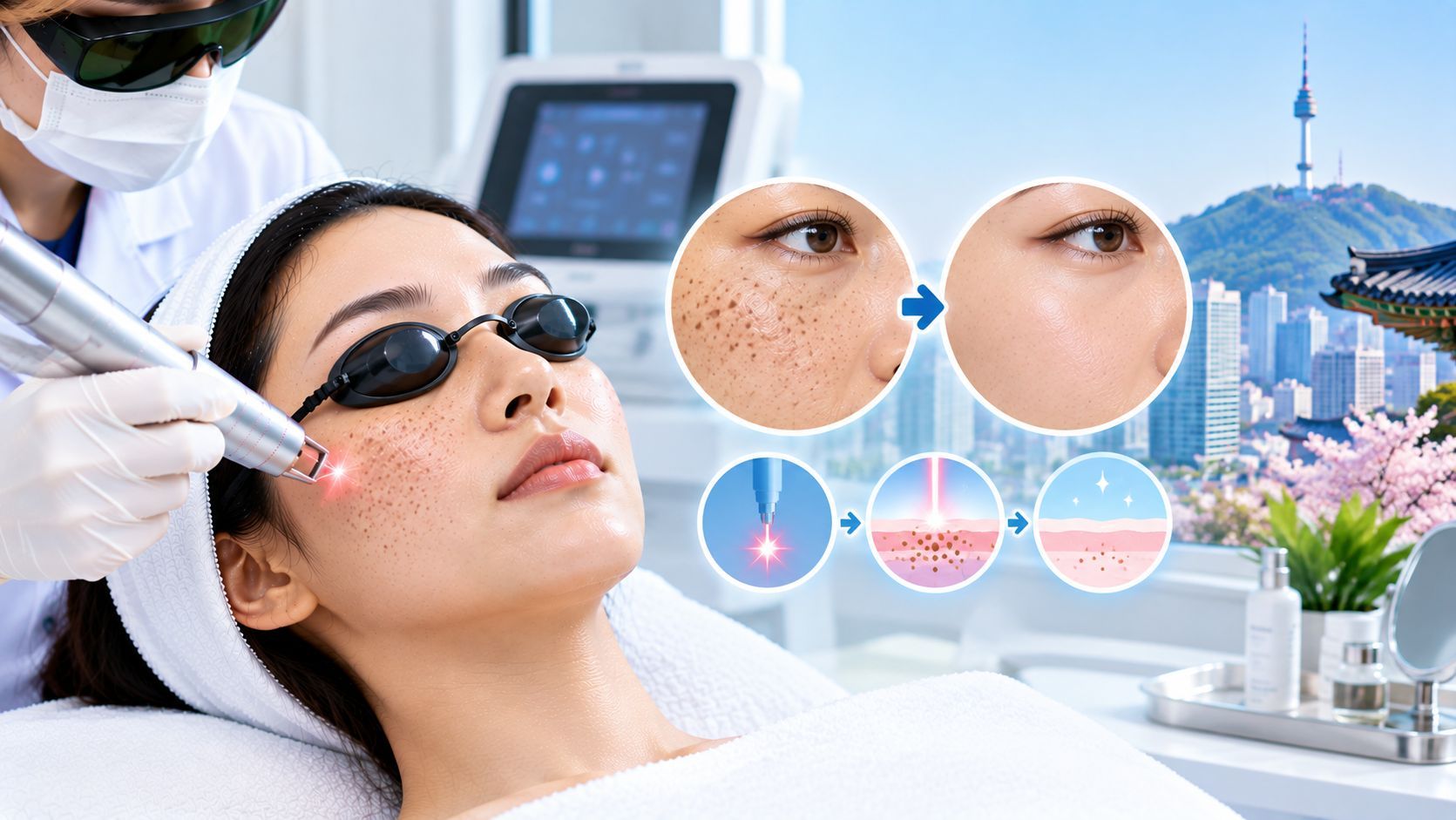
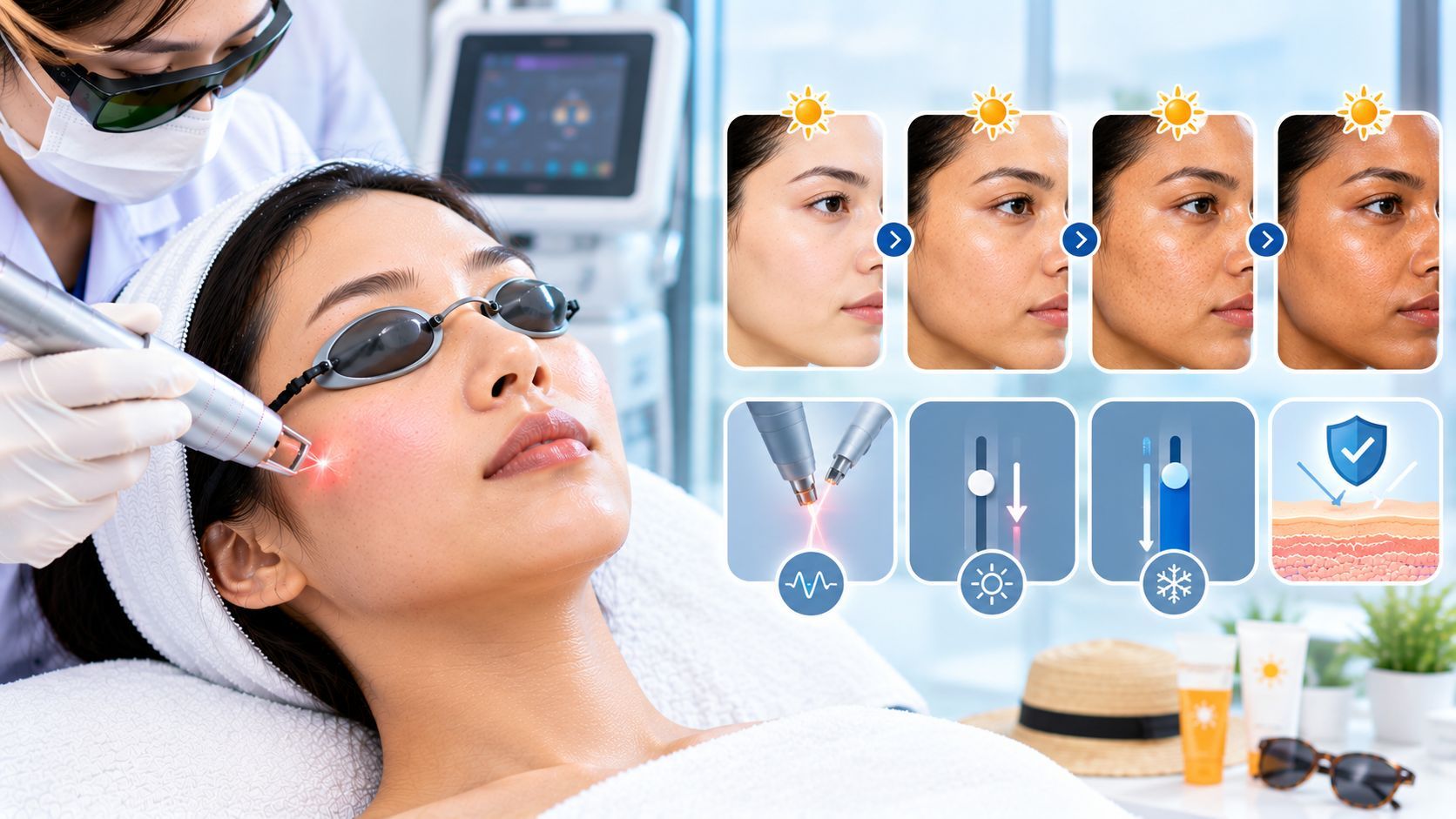
Laser treatment can make some age spots, also called solar lentigines, significantly lighter or even difficult to see. However, laser treatment cannot guarantee permanent removal of age spots or prevent new ones from developing.
Age spots are associated with cumulative ultraviolet (UV) exposure, and your skin can continue producing pigmentation after treatment. Some treated spots may also recur. The type of pigmentation, treatment method, skin tone, sun exposure, and aftercare all affect the long-term result.
If you are considering laser treatment in Seoul, the first step should be confirming that the spot is actually an age spot rather than another type of pigmented lesion.
What Are Age Spots?
“Age spots” commonly refers to solar lentigines, flat areas of brown, tan, or sometimes darker pigmentation associated with cumulative sun exposure.
They commonly appear on areas that receive significant UV exposure, such as:
- Face
- Cheeks
- Forehead
- Temples
- Hands
- Shoulders
- Upper chest
They become more common with increasing cumulative sun exposure, which is why they may become more noticeable later in adulthood.
Despite the name, age spots are not simply caused by getting older. UV exposure is an important contributing factor.
Can Laser Permanently Remove an Existing Age Spot?
A treated age spot may become dramatically lighter and sometimes appear to disappear after laser treatment.
However, “permanent removal” is too strong a promise.
Laser treatment targets existing pigmentation. It does not permanently eliminate your skin's ability to produce pigment in response to UV exposure.
Even after successful treatment:
- A treated spot may become visible again.
- New age spots can develop.
- Nearby untreated pigmentation can become noticeable.
- Continued sun exposure can contribute to further pigmentation.
Therefore, the realistic goal is long-term improvement rather than a guarantee that age spots will never return.
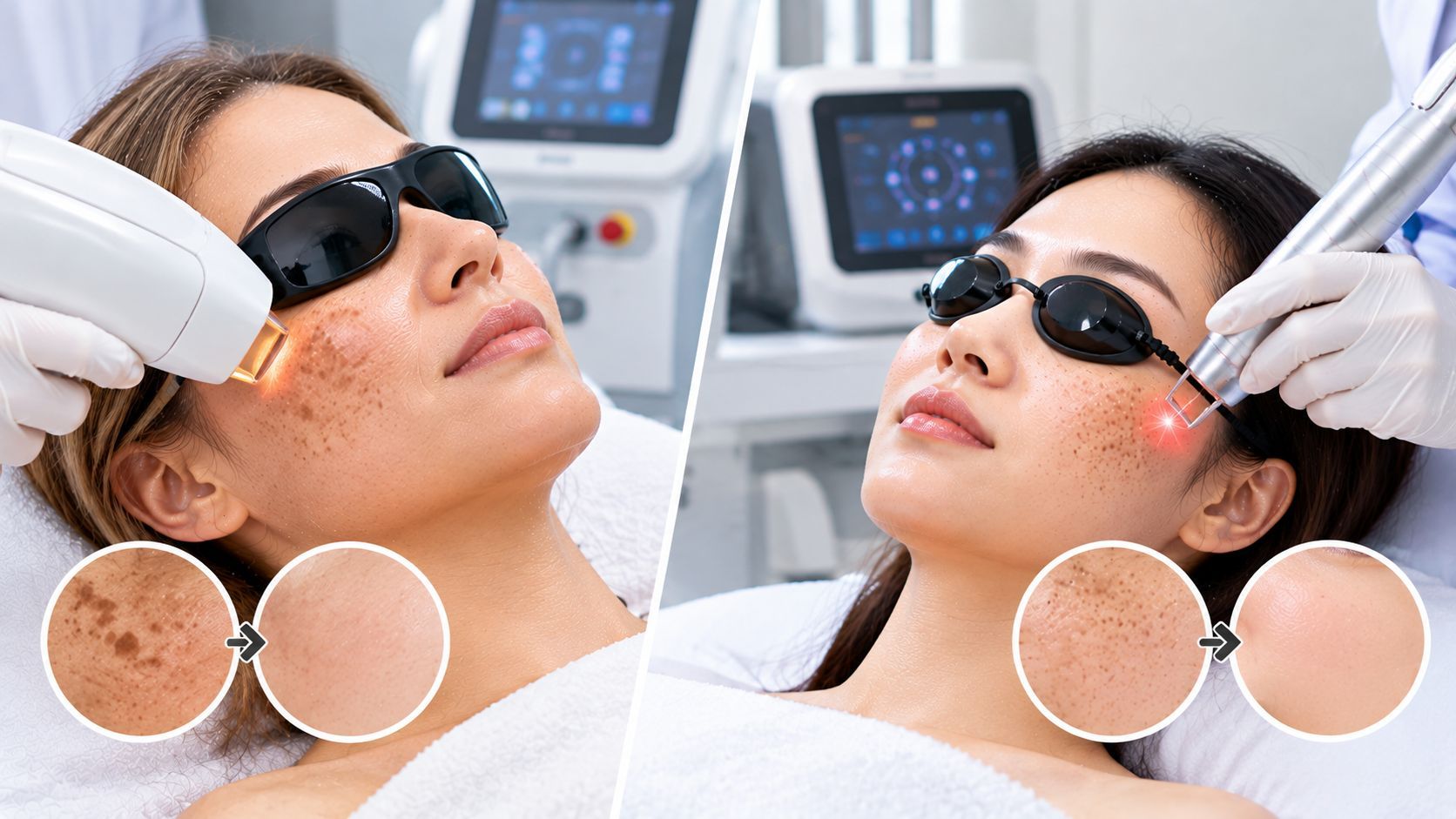
Which Lasers May Be Used for Age Spots?
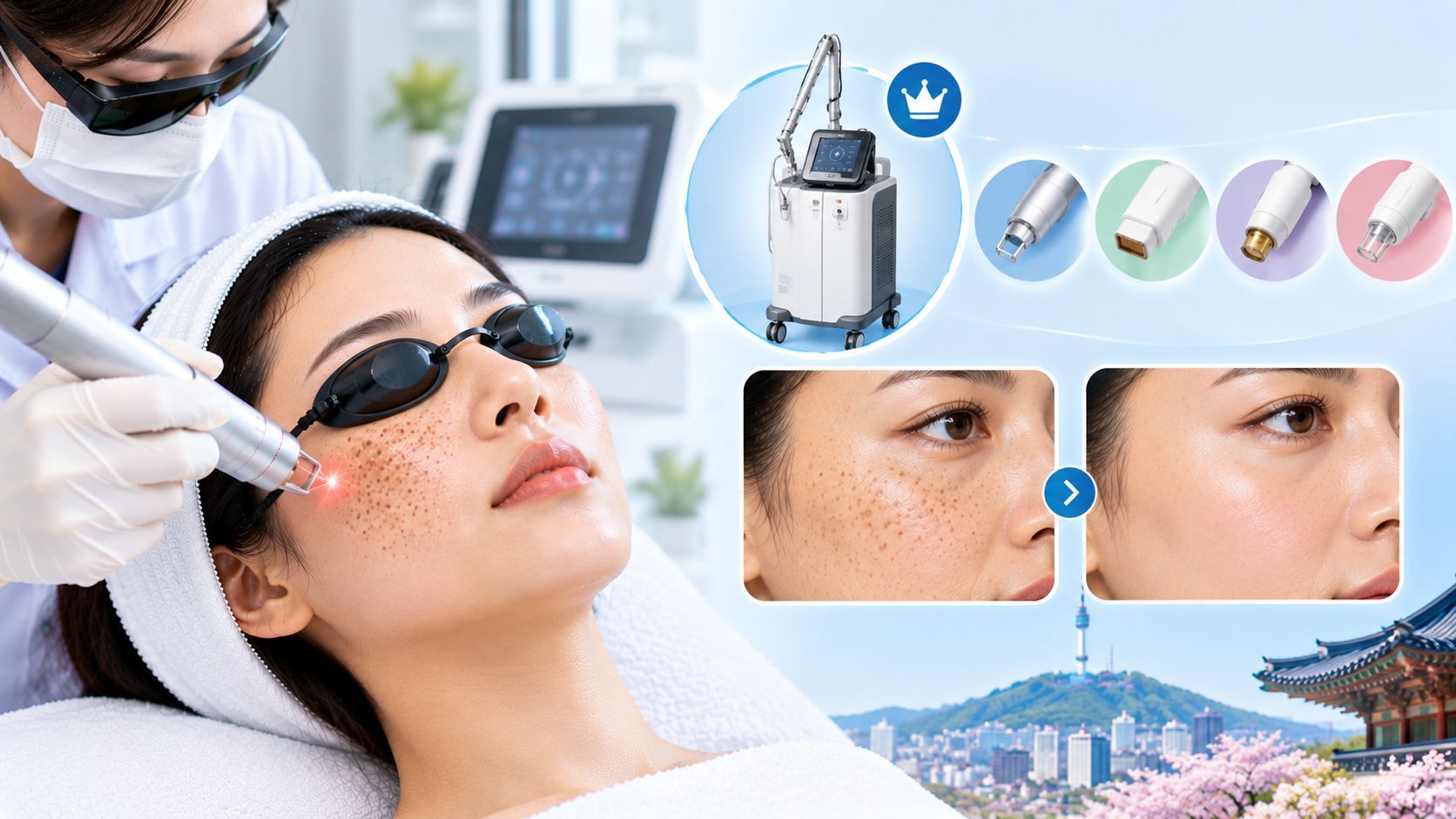
Several pigment-targeting technologies may be considered depending on the individual lesion and skin characteristics.
Pico Laser
Pico laser uses extremely short pulses and may be used for selected pigmented lesions.
Different Pico devices use different wavelengths and treatment approaches, so “Pico laser” does not represent one identical treatment.
A dermatologist may choose a specific wavelength and setting based on the appearance and characteristics of the pigmentation.
Q-Switched Pigment Lasers
Q-switched lasers have also been used to target selected pigmented lesions.
They may be considered for certain solar lentigines, but treatment choice depends on diagnosis, wavelength, skin tone, and other factors.
IPL
IPL, or intense pulsed light, is not technically a laser. It may be considered for selected sun-related pigmentation and broader photodamage.
However, IPL is not appropriate for everyone, particularly when skin tone, recent tanning, or PIH risk makes treatment more complicated.
Does One Session Permanently Remove an Age Spot?
Not necessarily.
Some individual age spots can respond substantially to one treatment session. The spot may become darker temporarily before gradually becoming lighter.
Other patients may need additional sessions.
The response depends on:
- Depth of pigment
- Type of lesion
- Treatment wavelength
- Energy settings
- Skin tone
- Previous treatments
- Individual healing response
A dermatologist should provide an individualized estimate rather than promising that one session will permanently remove a spot.
Why Can Age Spots Come Back?
There are several possible explanations.
The Original Pigmentation May Recur
A treated spot can become visible again in some patients.
New Age Spots May Develop
Laser treatment does not prevent future sun-related pigmentation. New spots can therefore appear on previously untreated skin.
UV Exposure Can Increase Pigmentation
Repeated sun exposure can encourage additional pigmentation and make existing discoloration more noticeable.
The Original Spot May Have Been Misidentified
Not every brown spot is a solar lentigo. If a lesion does not respond as expected, reassessment may be appropriate.
Can Sun Protection Make the Results Last Longer?
Yes.
Sun protection is an important part of maintaining improvements after treatment.
Consider:
- Regular broad-spectrum sunscreen use
- Reapplication when appropriate
- Hats and physical sun protection
- Seeking shade during prolonged outdoor exposure
- Avoiding intentional tanning
Sun protection is particularly important if you are naturally prone to pigmentation.
It cannot guarantee that new age spots will never appear, but it can reduce avoidable UV exposure.
What If I Have Darker Skin?
Skin tone should be considered carefully before treating pigmentation.
People with darker or more melanin-rich skin may have a greater tendency toward PIH after inflammatory procedures. This does not automatically mean laser treatment is inappropriate.
Instead, the dermatologist may consider:
- A suitable wavelength
- Conservative treatment settings
- A smaller treatment area
- A test spot in selected cases
- Longer recovery
- Alternative treatment options
Recent tanning is also important. Tell your provider if you have recently spent significant time in strong sunlight.
Can Laser Cause New Dark Spots?
Laser treatment can cause temporary or, in some cases, longer-lasting pigment changes.
Potential effects include:
- Temporary darkening
- PIH
- Lightening of the treated skin
- Redness
- Swelling
- Sensitivity
- Crusting or peeling
The risk depends on the treatment and the individual.
This is one reason the strongest possible setting is not automatically the best choice.
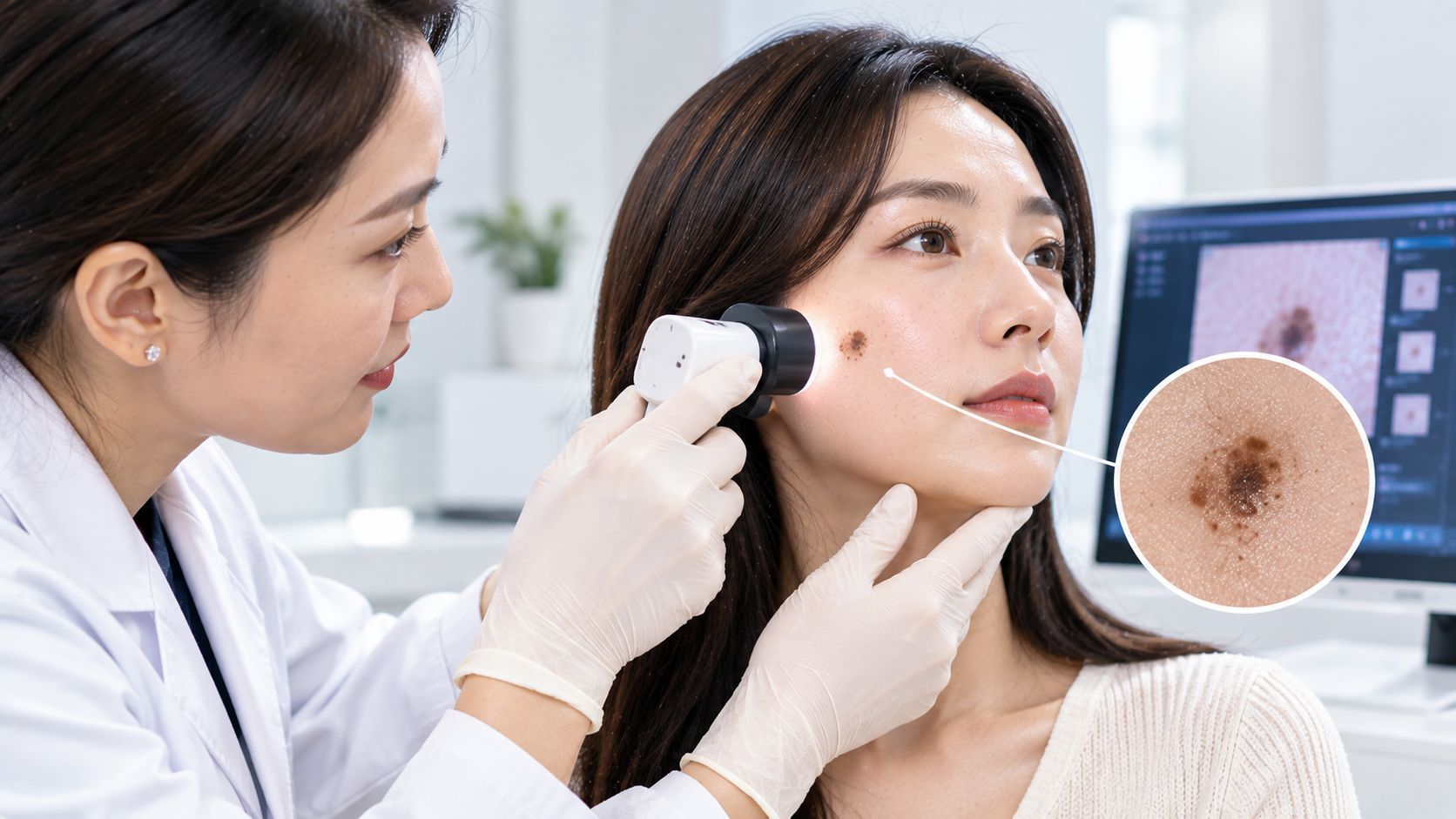
Should a New Age Spot Be Checked Before Laser?
Yes.
A spot should not simply be labeled an age spot because it is brown and appears after 40.
A new, changing, irregular, bleeding, crusting, itching, or growing lesion should be medically assessed before cosmetic laser treatment.
This is especially important when a lesion looks noticeably different from your other spots.
Cosmetic laser should not be used to make an undiagnosed lesion disappear.
How Are Age Spots Different From Melasma?
Age spots and melasma can both cause brown pigmentation, but they are different conditions.
Solar lentigines are typically discrete spots associated with cumulative UV exposure.
Melasma more commonly produces broader patches of pigmentation and can be influenced by UV exposure, visible light, hormones, heat, and other factors.
The treatment approach can therefore be different.
If you have diffuse pigmentation rather than a few clearly defined spots, ask whether melasma or another pigmentation disorder could be contributing.
Can Laser Remove All Signs of Sun Damage?
No.
Age spots are only one possible visible sign of photoaging.
Long-term sun exposure can also contribute to:
- Fine lines
- Rough texture
- Uneven skin tone
- Redness
- Visible blood vessels
- Loss of elasticity
A pigment-targeting laser may improve brown spots without correcting all other signs of sun damage.
If your goal is broader rejuvenation, a dermatologist may discuss separate approaches for pigmentation, texture, or other concerns.
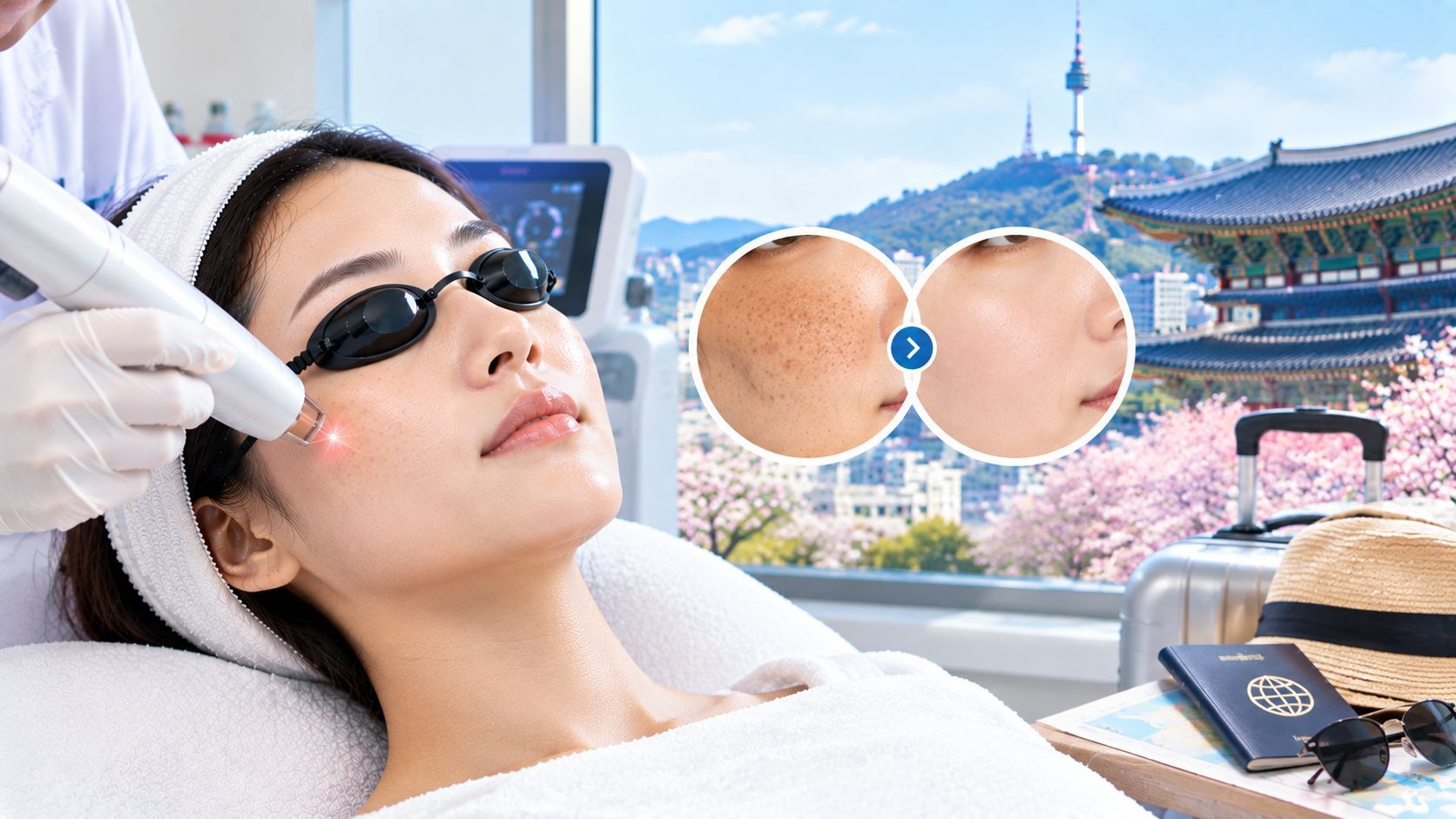
What Should International Patients Know About Age Spot Laser in Seoul?
If you are traveling to Seoul for treatment, plan around recovery rather than scheduling the procedure immediately before extensive outdoor activities.
Ask your clinic about:
- Expected darkening after treatment
- Crusting or peeling
- Sun restrictions
- Makeup
- Exercise
- Sauna use
- Swimming
- Outdoor sightseeing
- Flight timing
- Follow-up requirements
If you have only a few days in Korea, knowing the expected recovery before treatment can help you plan your itinerary more realistically.
What Questions Should You Ask Before Treatment?
Before treating an age spot, consider asking:
- Is this definitely a solar lentigo?
- Does it need medical evaluation before cosmetic treatment?
- Which laser or light treatment are you recommending?
- Why is it appropriate for my skin?
- Could one session be enough?
- What is my risk of PIH?
- Could the spot temporarily become darker?
- How long will the treated area take to recover?
- Can the spot return?
- What should I do to reduce new sun damage?
These questions are particularly useful when choosing treatment during a short medical trip.
Is Repeat Laser Treatment Safe If an Age Spot Returns?
It may be possible, but recurrence does not automatically mean you should immediately repeat the same procedure.
The dermatologist should first determine whether:
- The original pigmentation returned
- A new spot developed
- The lesion was correctly identified
- The skin has fully recovered
- Another pigmentation condition is present
Treating too frequently can increase inflammation and may increase the risk of unwanted pigmentation in susceptible skin.
Conclusion
Laser treatment can significantly lighten some age spots and may make individual solar lentigines much less noticeable. However, no laser can guarantee permanent removal of age spots or prevent new ones from developing.
Pico laser, Q-switched pigment lasers, and IPL may have roles in appropriately selected patients, but the correct treatment depends on the lesion, skin tone, pigmentation history, and treatment goals.
If you are considering age spot treatment in Seoul, focus on confirming the diagnosis first, choosing an appropriate treatment, understanding the possibility of recurrence, and protecting your skin from further UV exposure.
Frequently Asked Questions
Can laser permanently remove age spots?
Laser can significantly lighten or clear selected age spots, but permanent removal cannot be guaranteed. Treated pigmentation may recur, and new spots can develop.
How many laser sessions are needed for age spots?
Some individual spots may improve substantially after one session, while others require additional treatments. The number varies according to the lesion and treatment approach.
Can age spots come back after laser?
Yes. A treated spot may recur, and new sun-related pigmentation can appear because laser treatment does not prevent future UV-related skin changes.
Is Pico laser effective for age spots?
Pico laser may be effective for selected solar lentigines, but suitability depends on the diagnosis, wavelength, settings, skin tone, and individual response.
Can laser cause darker age spots?
Temporary darkening and PIH are possible after laser treatment. Risk may be higher in people who are prone to pigmentation or have recently tanned.
Should I have a new brown spot checked before laser?
Yes. A new, changing, irregular, bleeding, itching, crusting, or growing spot should be medically assessed before cosmetic laser treatment.