What Skin Problems Can Actually Be Improved With Lasers?
Introduction
Laser treatments are widely used in dermatology for concerns ranging from pigmentation and acne scars to redness, uneven texture, and some signs of skin aging. However, lasers are not a universal solution for every skin problem. Different devices target different tissues, and the results depend on the condition being treated, the laser technology, treatment settings, and the individual patient's skin.
For anyone considering laser skin treatment in Korea, the most important question is not simply which laser is available. It is whether the specific skin problem is actually suitable for laser treatment and what level of improvement can realistically be expected.
What Skin Problems Can Lasers Improve?
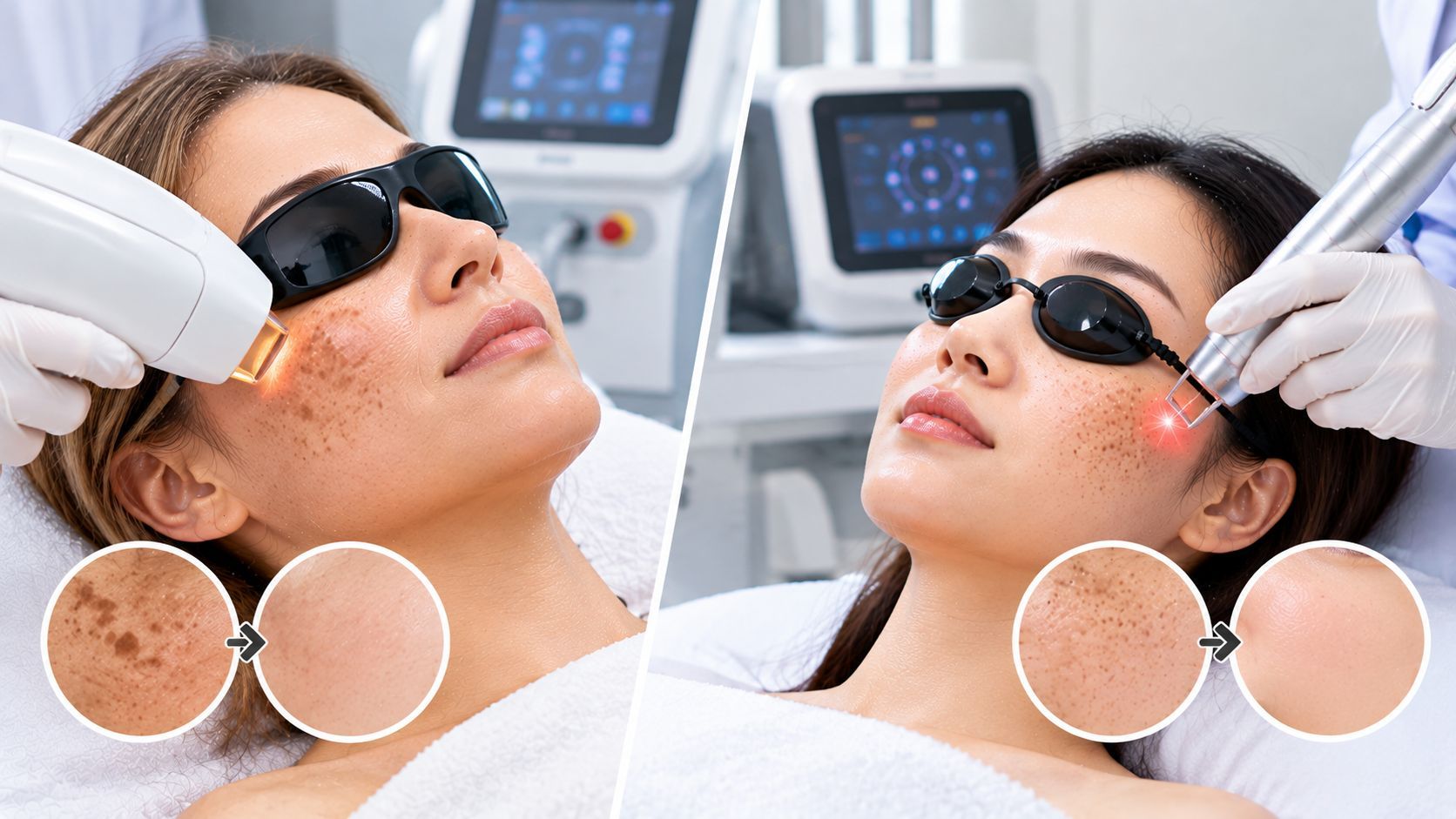
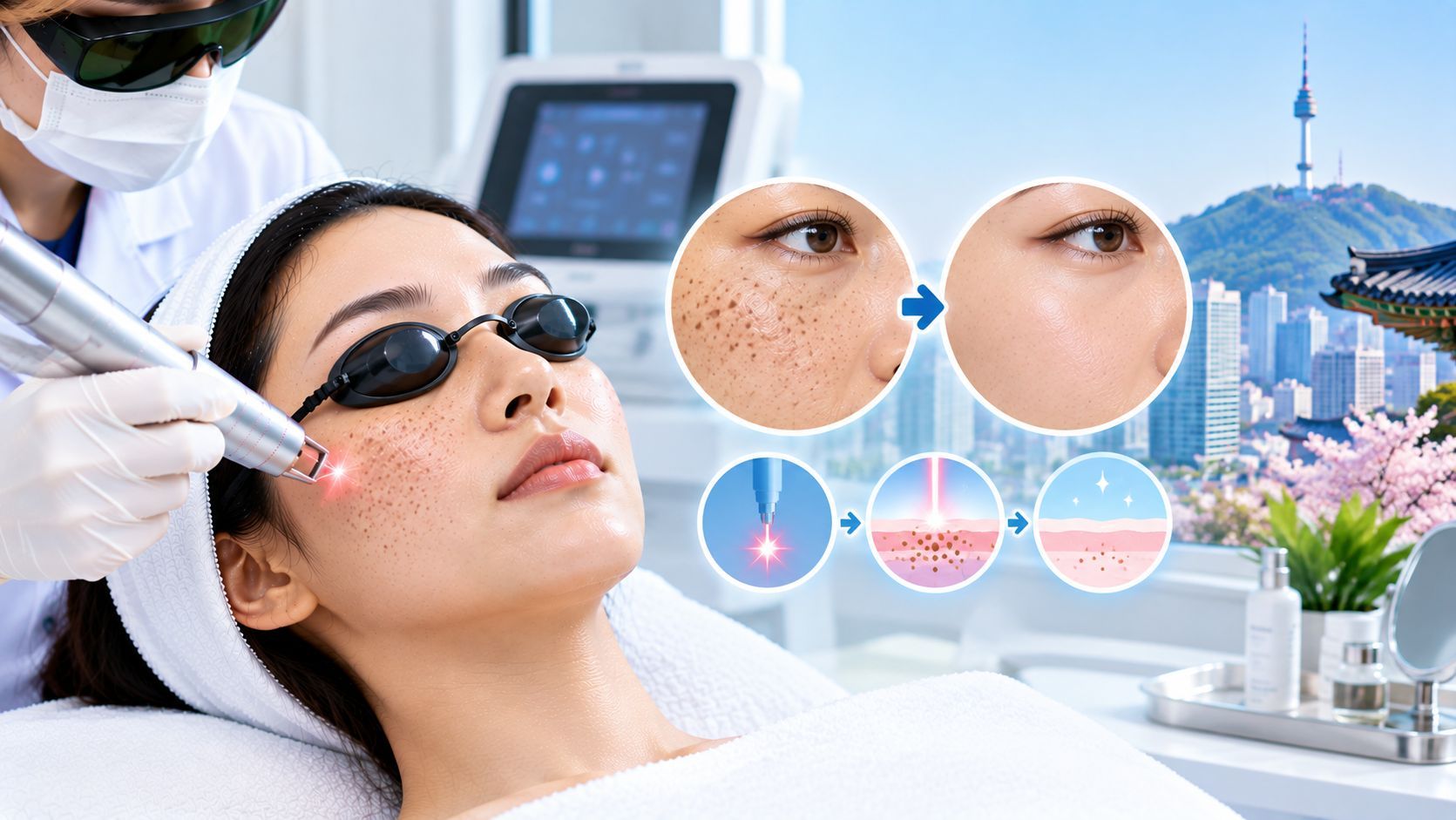
Lasers may help improve several types of skin concerns, particularly pigmentation, certain acne scars, uneven texture, selected vascular or redness-related concerns, and some signs of photoaging.
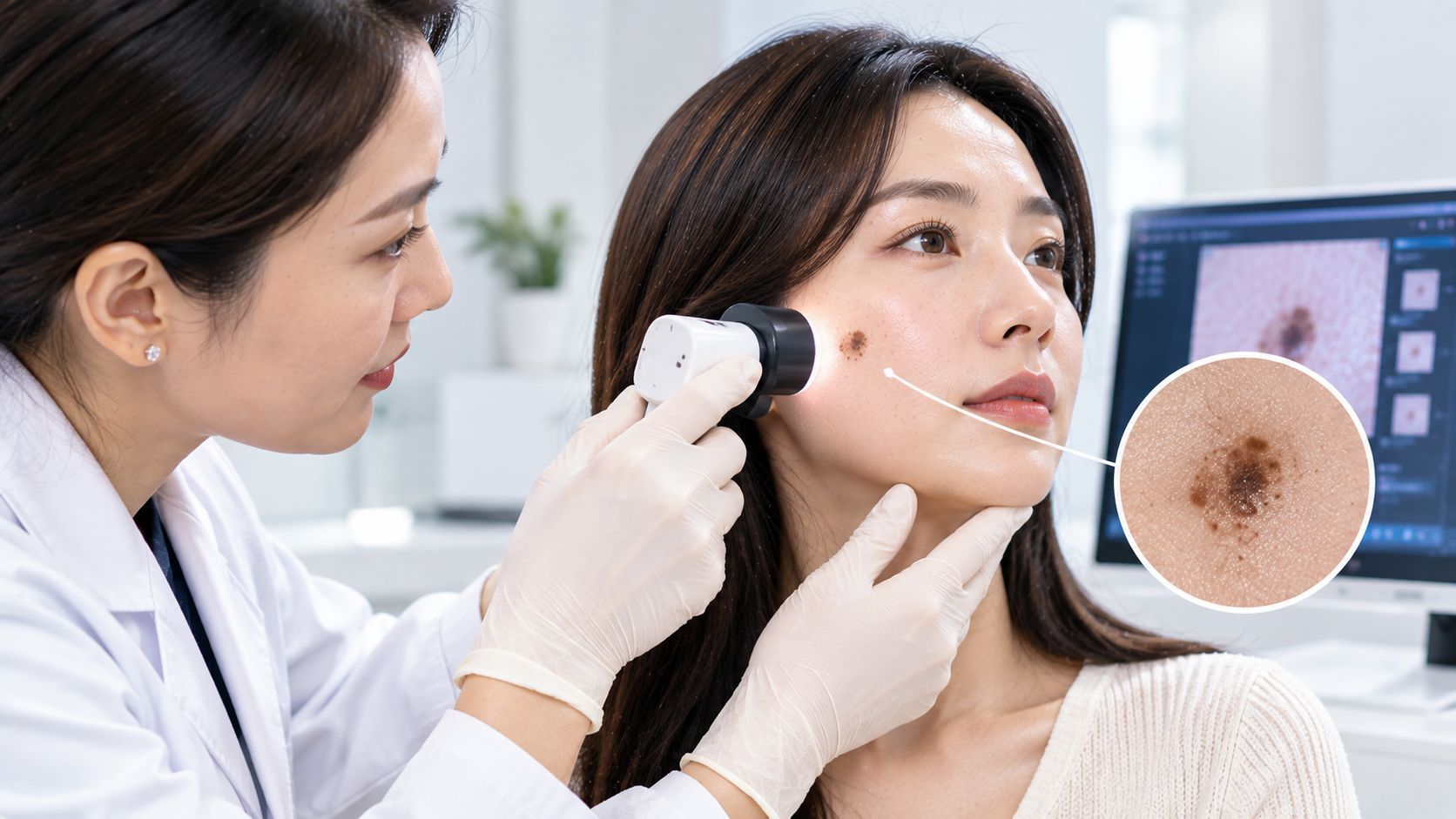
However, the same-looking skin problem can have different causes. A dermatologist needs to identify what is producing the visible change before choosing a laser.
Pigmentation and Uneven Skin Tone
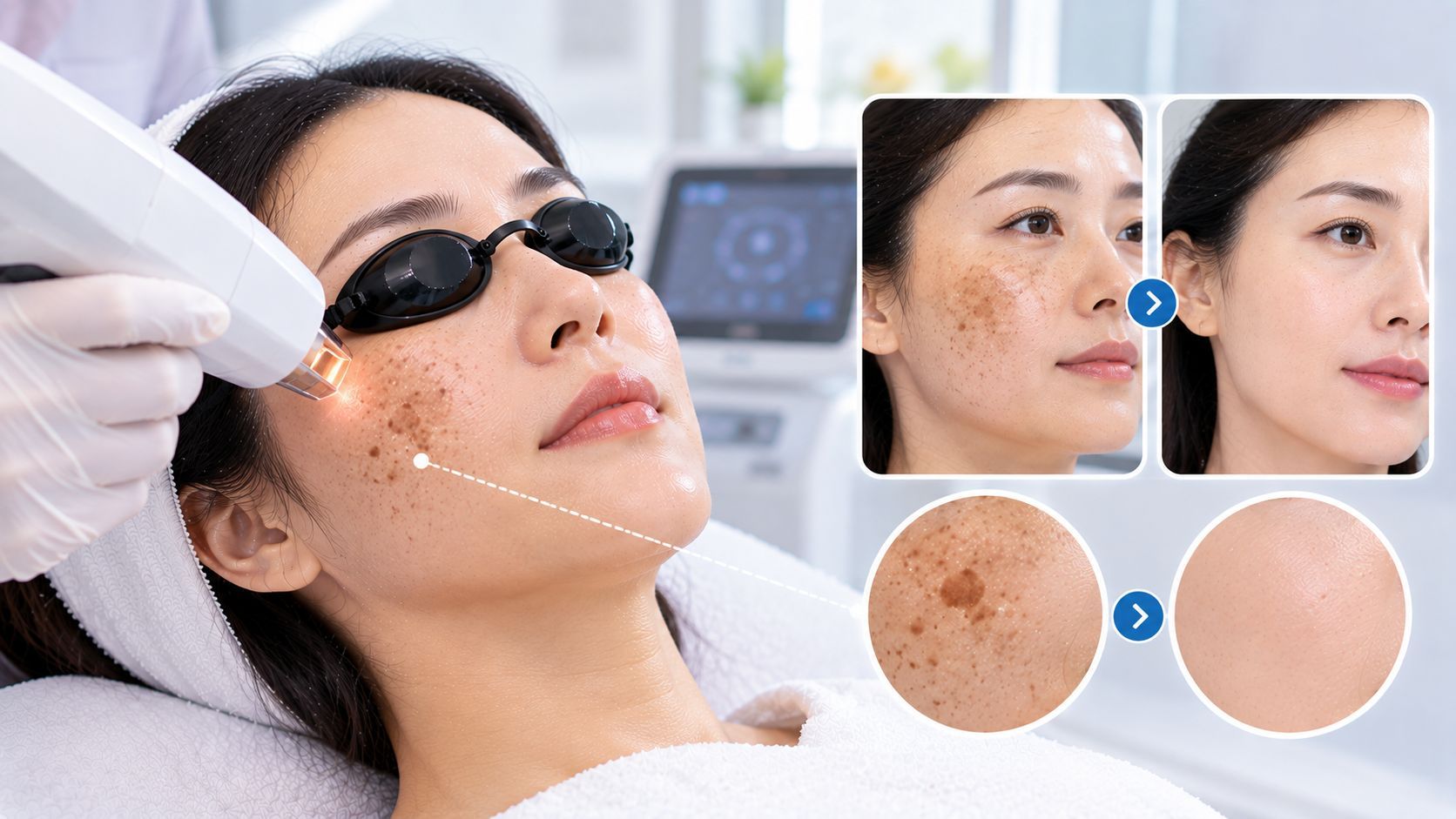
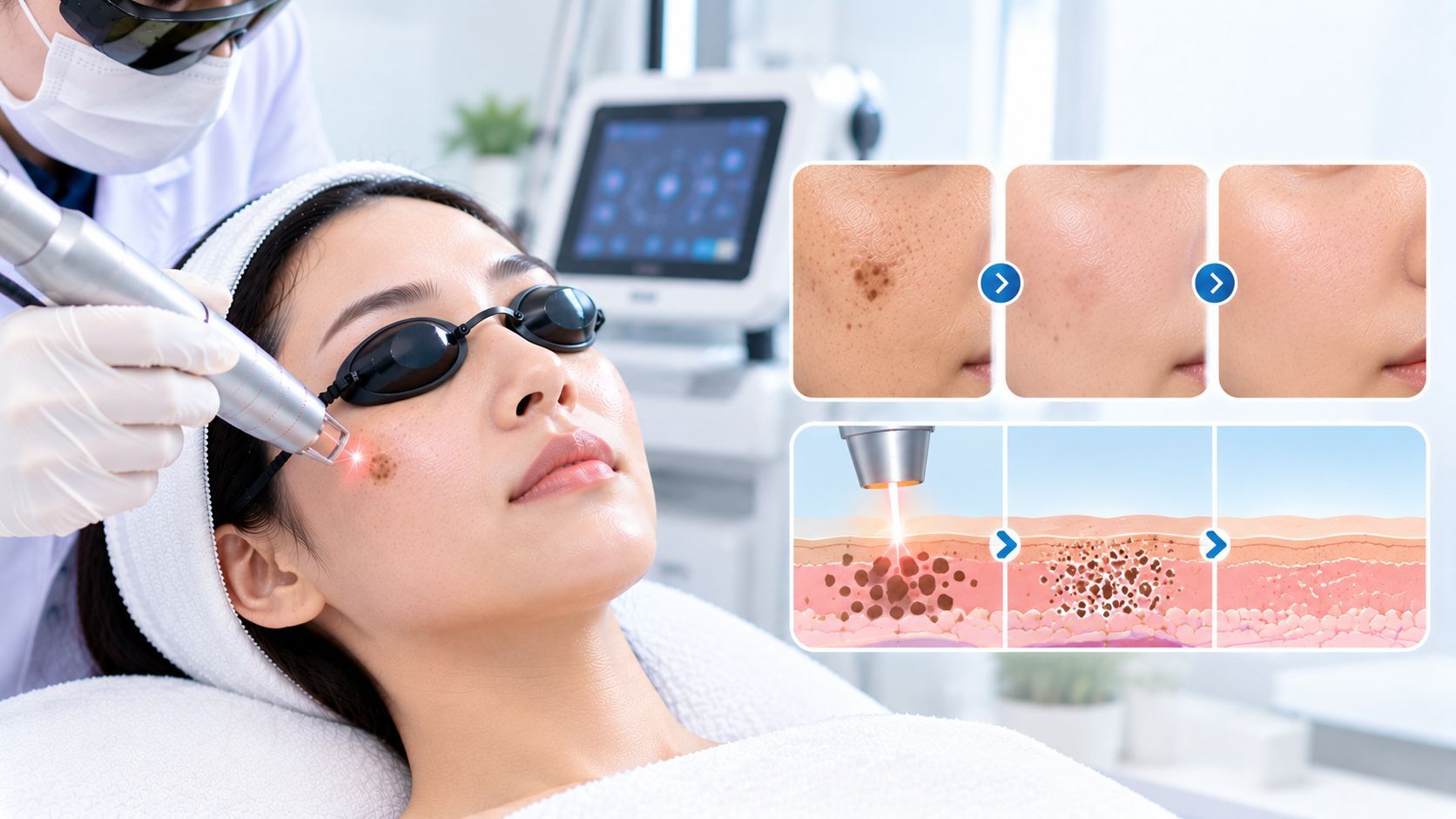
Pigmentation is one of the most common reasons people seek laser treatment.
Depending on the diagnosis, laser or light-based treatments may be considered for concerns such as:
- Freckles
- Certain sun-related pigmentation
- Some brown spots
- Post-inflammatory hyperpigmentation
- Uneven skin tone
- Some other localized pigment problems
Not All Pigmentation Should Be Treated the Same Way
This is an important distinction.
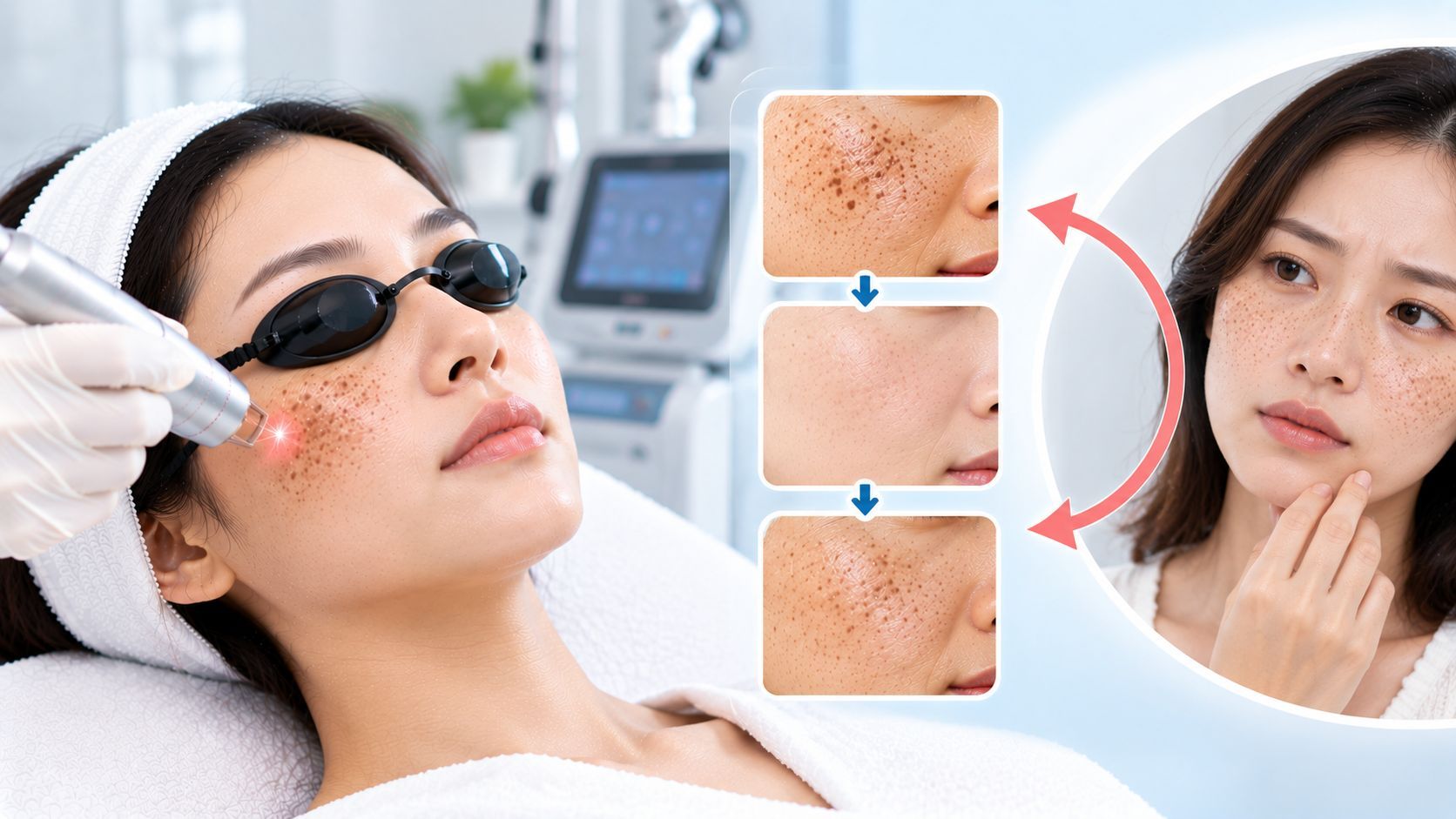
Melasma, for example, can behave differently from an isolated sun spot. Some pigmentation can also return after treatment because the underlying triggers remain.
Aggressive laser treatment is therefore not automatically the best approach. In some people, inflammation from treatment can contribute to additional pigmentation.
Patients with darker skin tones or a history of developing dark marks after irritation may require particularly careful treatment planning.
Acne Scars
Certain acne scars can improve with laser resurfacing.
Fractional laser technologies are commonly used to create controlled treatment zones in the skin, encouraging a remodeling response. Depending on the scar type and treatment intensity, this may improve the appearance of uneven texture and some depressed scars.
Different Acne Scars Need Different Approaches
Acne scars can include:
- Rolling scars
- Boxcar scars
- Ice-pick scars
- Raised scars
- Mixed scar patterns
A resurfacing laser may be useful for some scar types but may not adequately address deeper structural attachment or very narrow scars.
This means that repeatedly treating acne scars with a general resurfacing laser without assessing their structure may produce limited improvement.
Uneven Skin Texture
Lasers can sometimes improve rough or irregular skin texture.
Depending on the technology, treatment may target the skin surface or stimulate remodeling within deeper layers.
Potential targets can include:
- Rough texture
- Mild surface irregularities
- Fine lines
- Certain acne-related textural changes
- Some signs of photoaging
Results generally depend on how significant the underlying problem is and how aggressively the skin can safely be treated.
Enlarged-Looking Pores
Some laser and energy-based treatments are used to improve the appearance of enlarged pores.
However, pores cannot simply be permanently “deleted.”
Their appearance can be influenced by:
- Sebum production
- Skin elasticity
- Hair follicles
- Age-related changes
- Acne history
- Skin texture
Laser treatment may improve the surrounding texture and make pores appear less prominent, but expectations should remain realistic.
Redness and Visible Blood Vessels
Certain laser technologies can target blood vessels and may be considered for selected vascular concerns.
They may be used in appropriate cases involving:
- Visible small blood vessels
- Certain vascular lesions
- Some forms of persistent facial redness
However, redness is not a diagnosis by itself.
If your face frequently flushes, burns, stings, or remains persistently red, a dermatologist should determine the cause before treatment.
Laser treatment may not be appropriate for every type of redness.
Fine Lines and Some Signs of Photoaging
Some resurfacing and non-ablative laser treatments may improve the appearance of fine lines and photoaged skin.
Depending on the treatment, the goal may include:
- Smoother skin texture
- Reduced appearance of fine lines
- Improved overall skin appearance
- Skin remodeling
The extent of improvement varies considerably.
Lasers do not stop the biological aging process, so maintenance may be needed and results should not be viewed as permanent.
Sun-Damaged Skin
Chronic sun exposure can contribute to pigmentation, rough texture, uneven tone, and other visible signs of photoaging.
Some laser treatments can address selected components of sun damage.
However, laser treatment does not replace daily sun protection. Continued ultraviolet exposure can contribute to recurrence of pigmentation and additional skin damage.
What Skin Problems Do Lasers Not Automatically Fix?
One of the most important parts of choosing laser treatment is understanding its limitations.
Lasers are not necessarily the appropriate solution for:
- Deep facial volume loss
- Significant skin laxity
- Substantial excess fat
- Severe acne requiring medical treatment
- Every type of scar
- Every form of pigmentation
- All causes of facial redness
- Structural facial changes
For these concerns, other treatments or medical approaches may be more appropriate.
Volume Loss Is Different From Surface Skin Damage
If your face appears more hollow because of loss of soft-tissue volume, a surface laser may not correct the underlying issue.
Likewise, significant sagging caused by changes in deeper facial structures cannot necessarily be corrected by treating only the skin surface.
This distinction is particularly important when people describe their concern generally as “aging skin.”
Why the Diagnosis Matters More Than the Laser
A common mistake is choosing a laser based on a symptom such as “dark skin,” “large pores,” or “acne scars.”
The visible symptom does not always identify the underlying cause.
For example, dark marks could represent different forms of pigmentation. A rough area could be caused by acne scarring, dryness, inflammation, or another skin condition.
The treatment should therefore be selected after identifying the target.
How Skin Type Affects Laser Treatment
Skin type is an important part of laser planning.
Factors that may influence treatment include:
- Natural skin pigmentation
- Sensitivity
- History of post-inflammatory pigmentation
- Recent sun exposure
- Active inflammation
- Previous laser reactions
- Current skincare and medications
The same device can be used with different settings for different patients.
A treatment that produces a particular result in one person's before-and-after photograph should not be assumed to produce the same result for another person.
What Results Should You Expect?
Laser treatment usually produces improvement rather than perfection.
Some patients may notice changes relatively quickly, while other treatments rely on gradual skin remodeling.
Results can depend on:
- The condition being treated
- Severity
- Laser type
- Treatment settings
- Number of sessions
- Skin characteristics
- Aftercare
- Sun exposure
- Whether other treatments are required
Some concerns may need several sessions rather than a single procedure.
What Are the Possible Side Effects?
Depending on the laser and intensity, temporary effects can include:
- Redness
- Swelling
- Warmth
- Sensitivity
- Dryness
- Peeling
- Crusting
- Temporary darkening or lightening of the skin
Less commonly, unwanted pigmentation changes, burns, scarring, infection, or prolonged inflammation can occur.
The specific risks depend on the treatment and individual circumstances. Your provider should explain the relevant risks before treatment.
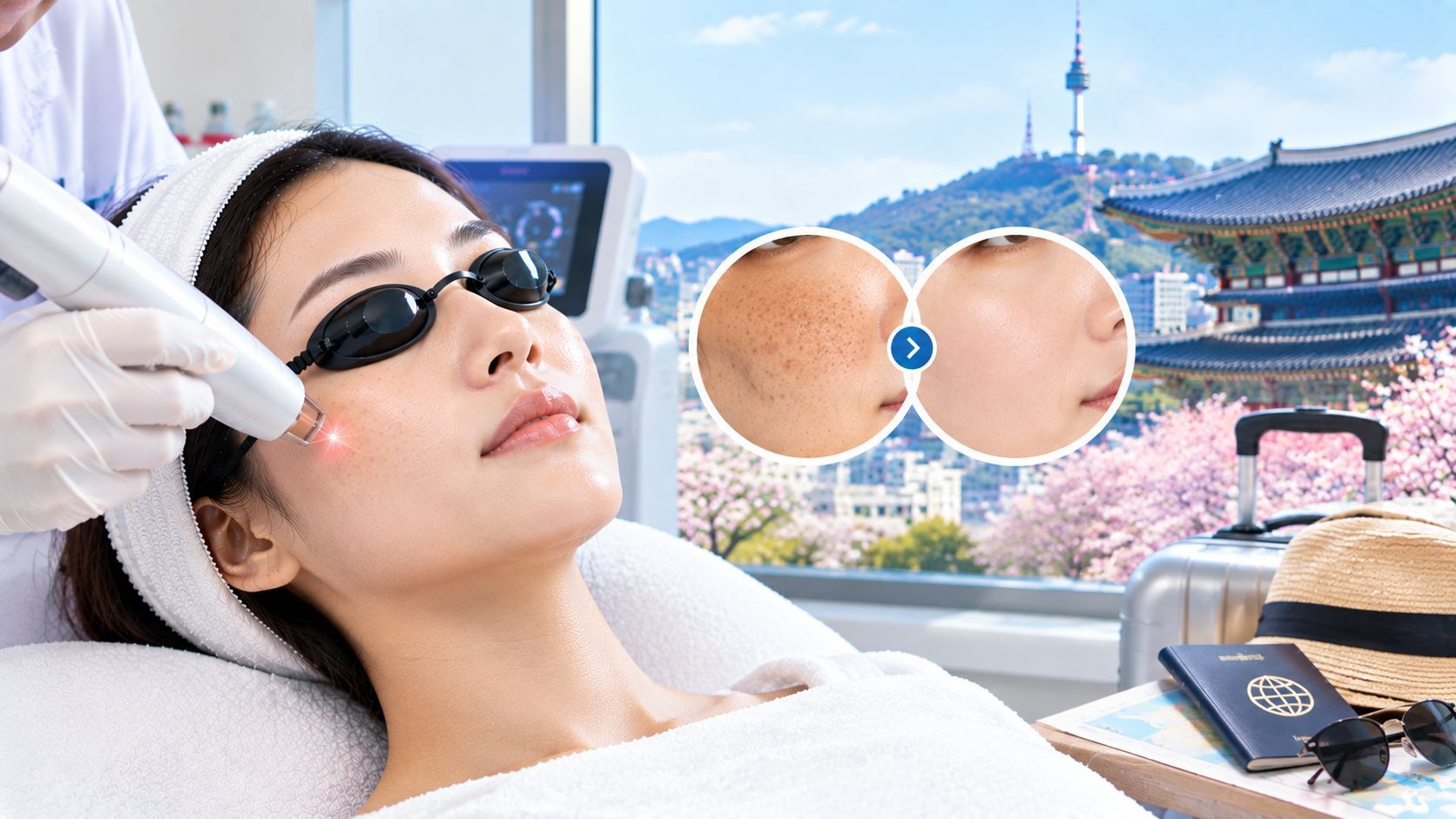
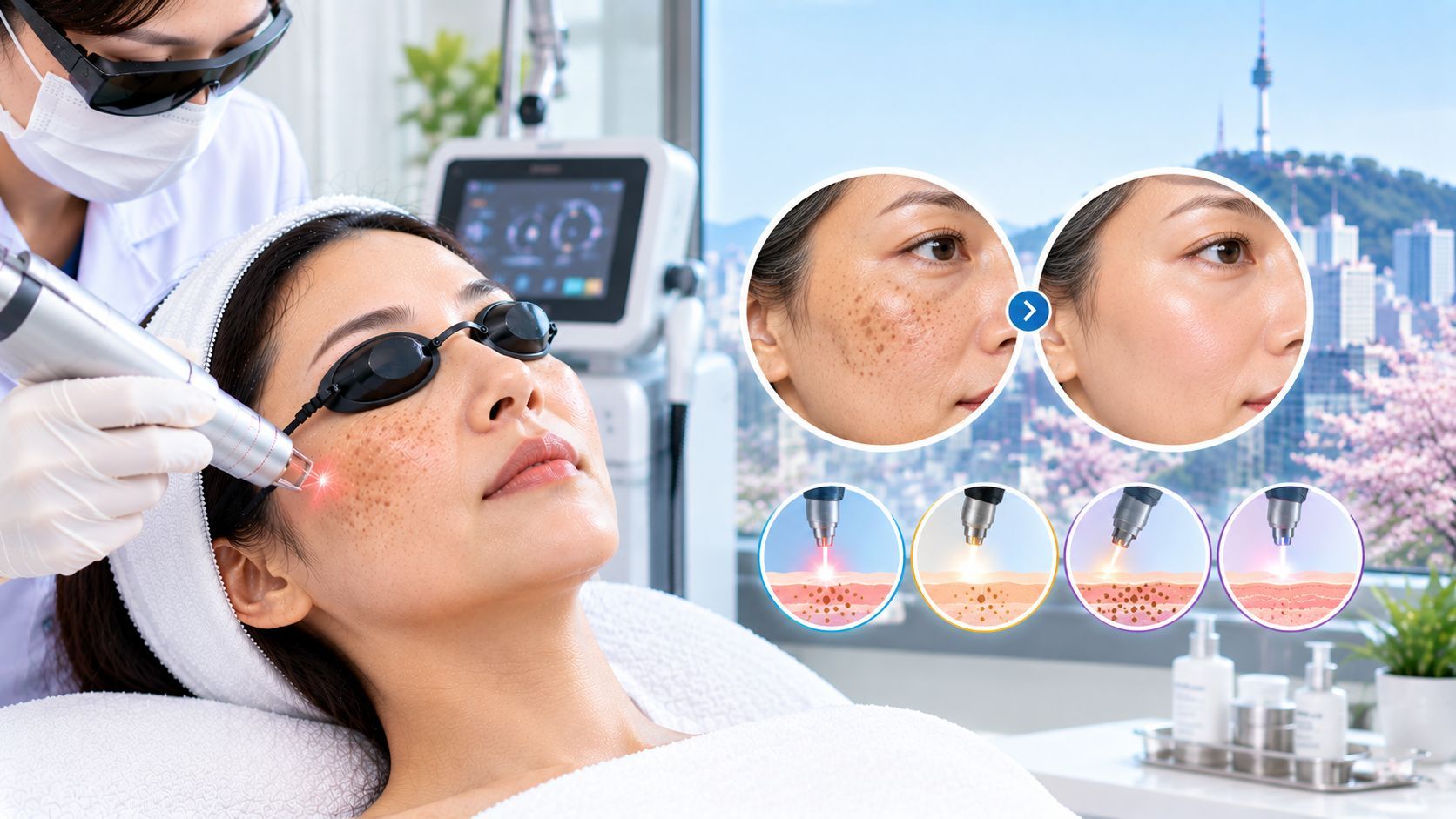
What About Laser Treatments During a Short Trip to Korea?
International patients often have limited time in Seoul, which makes treatment planning particularly important.
Before scheduling a laser, consider:
- How many days you have in Korea
- Whether you have an important event
- Whether you need to take photographs
- When you are flying home
- How much recovery time you can manage
- Whether follow-up will be available
A procedure that requires significant peeling or redness may not fit comfortably into a three-day trip, even if the treatment itself is technically possible.
For short visits, discussing the recovery period before treatment can be just as important as discussing the expected results.
Questions to Ask a Dermatologist Before Laser Treatment
Before proceeding, ask:
- What exactly is causing my skin problem?
- Is laser treatment appropriate for it?
- What type of laser are you recommending and why?
- What alternatives do I have?
- How much improvement is realistic?
- How many sessions might be required?
- What side effects are relevant to my skin type?
- How long will my skin take to recover?
- Could this treatment make my pigmentation or redness worse?
- Can I safely travel home after the procedure?
These questions help ensure that the treatment is based on your actual skin concern rather than simply the availability of a particular device.
The Bottom Line
Lasers can improve several skin concerns, particularly certain pigmentation problems, some acne scars, uneven texture, selected vascular concerns, enlarged-looking pores, fine lines, and signs of photoaging.
But not every skin problem responds to lasers, and similar-looking concerns can have very different causes. Diagnosis, skin type, treatment settings, recovery time, and realistic expectations all matter.
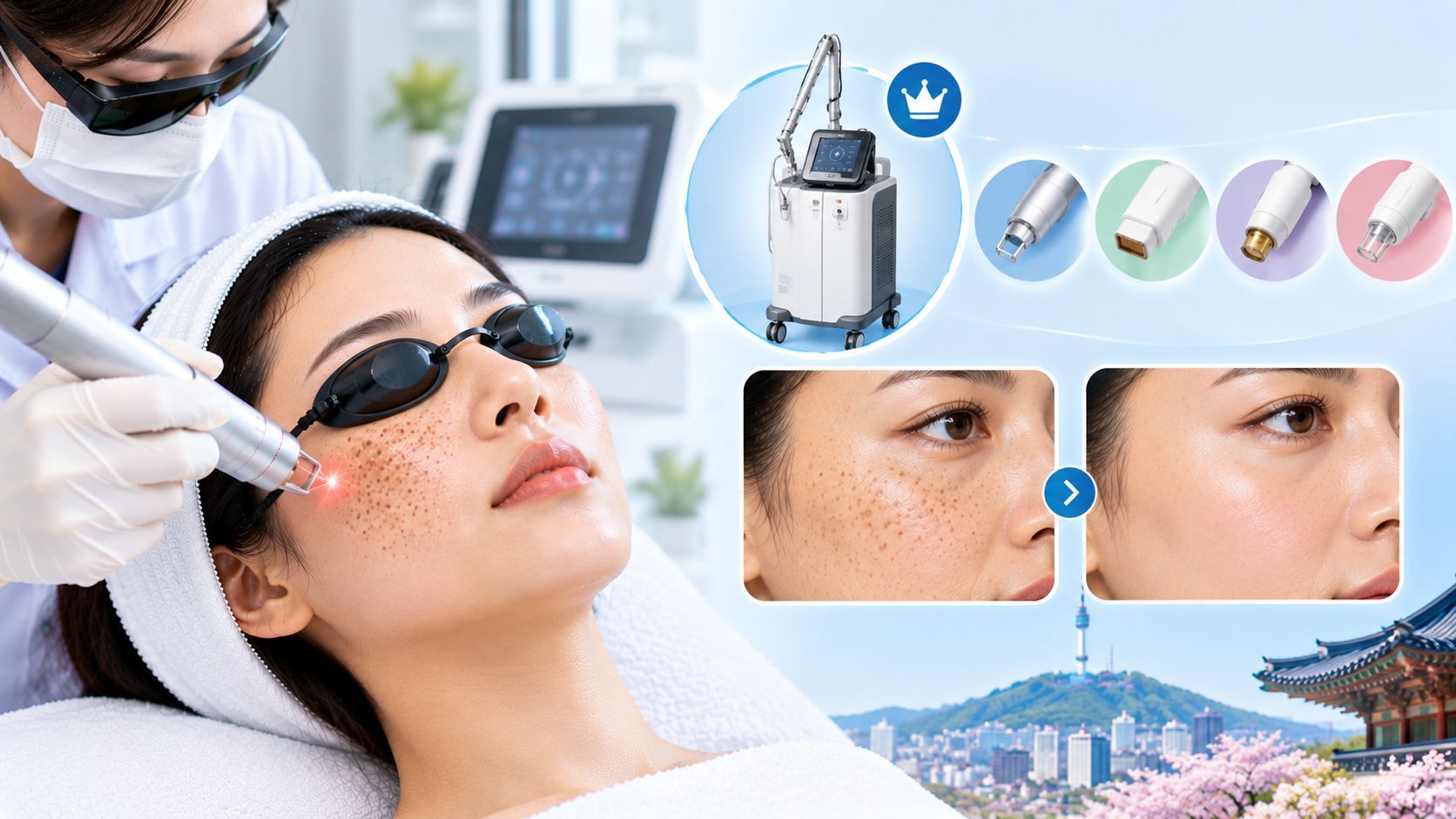
If you are considering laser treatment in Korea, start with the problem you want to improve. Then discuss whether laser treatment is appropriate, what type of technology is being considered, what alternatives exist, and what degree of improvement is realistic.
FAQs About Skin Problems Treated With Lasers
What skin problems can laser treatment improve?
Depending on the technology, lasers may improve certain pigmentation concerns, acne scars, uneven texture, visible blood vessels, some redness, enlarged-looking pores, fine lines, and selected signs of photoaging.
Can lasers completely remove acne scars?
Usually, the goal is improvement rather than complete removal. Results depend on scar type, depth, skin characteristics, treatment technology, and the number of sessions.
Can laser treatment remove pores?
No. Pores are normal skin structures. Certain treatments may make them appear less noticeable by improving surrounding texture or other contributing factors.
Can lasers treat melasma?
Some laser approaches may be considered for melasma in selected patients, but melasma can be persistent and recurrent. Treatment needs to be carefully selected because inflammation can sometimes worsen pigmentation.
Are lasers suitable for darker skin?
Some laser treatments can be used on darker skin, but the risk of pigmentation changes varies by treatment and individual skin characteristics. Careful assessment and treatment settings are important.
Can lasers fix sagging or facial volume loss?
Lasers primarily address selected skin-related concerns. Significant laxity or volume loss may involve deeper tissues and may require a different treatment approach.
Conclusion
Laser technology can be useful for many dermatological and cosmetic concerns, but the important question is whether your particular problem is suitable for laser treatment. Pigmentation, acne scars, pores, redness, and aging-related texture changes can all have different causes and therefore require different strategies.
Rather than choosing a laser because it is popular in Seoul, identify the specific problem, have your skin assessed, and discuss the expected benefits, risks, alternatives, and recovery time before proceeding.