How Do I Know Which Korean Laser Is Right for My Skin?
Introduction
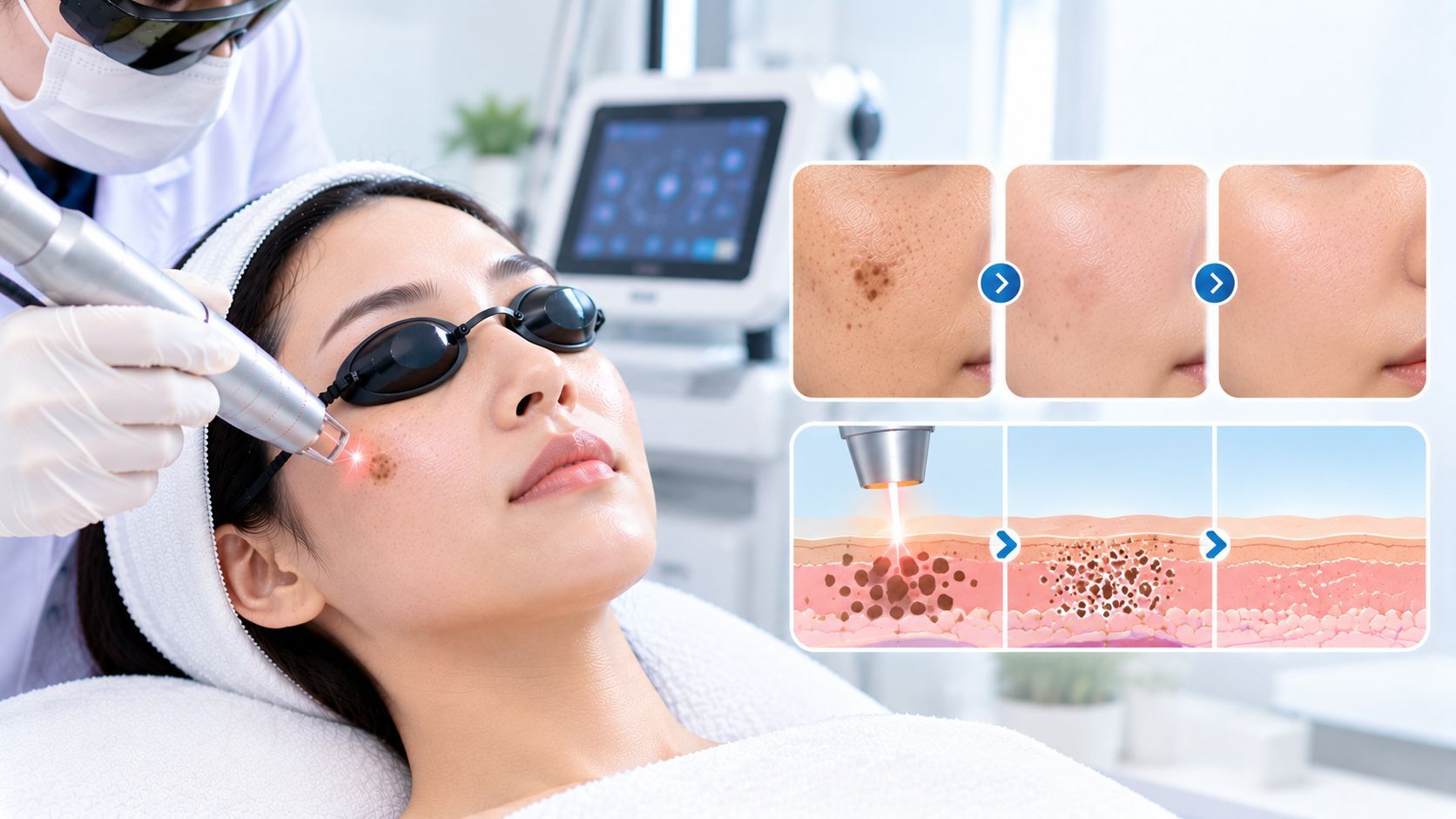
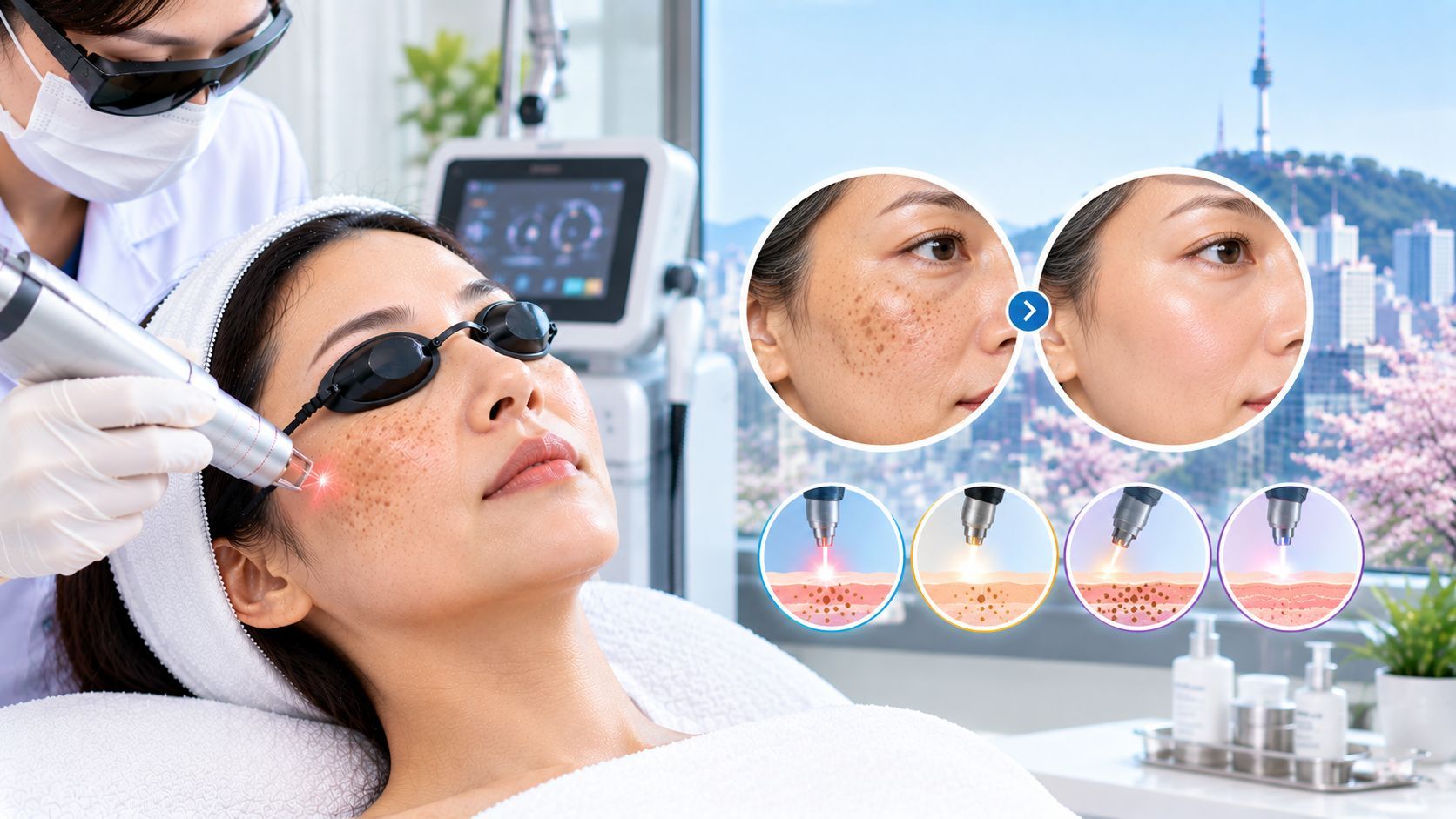
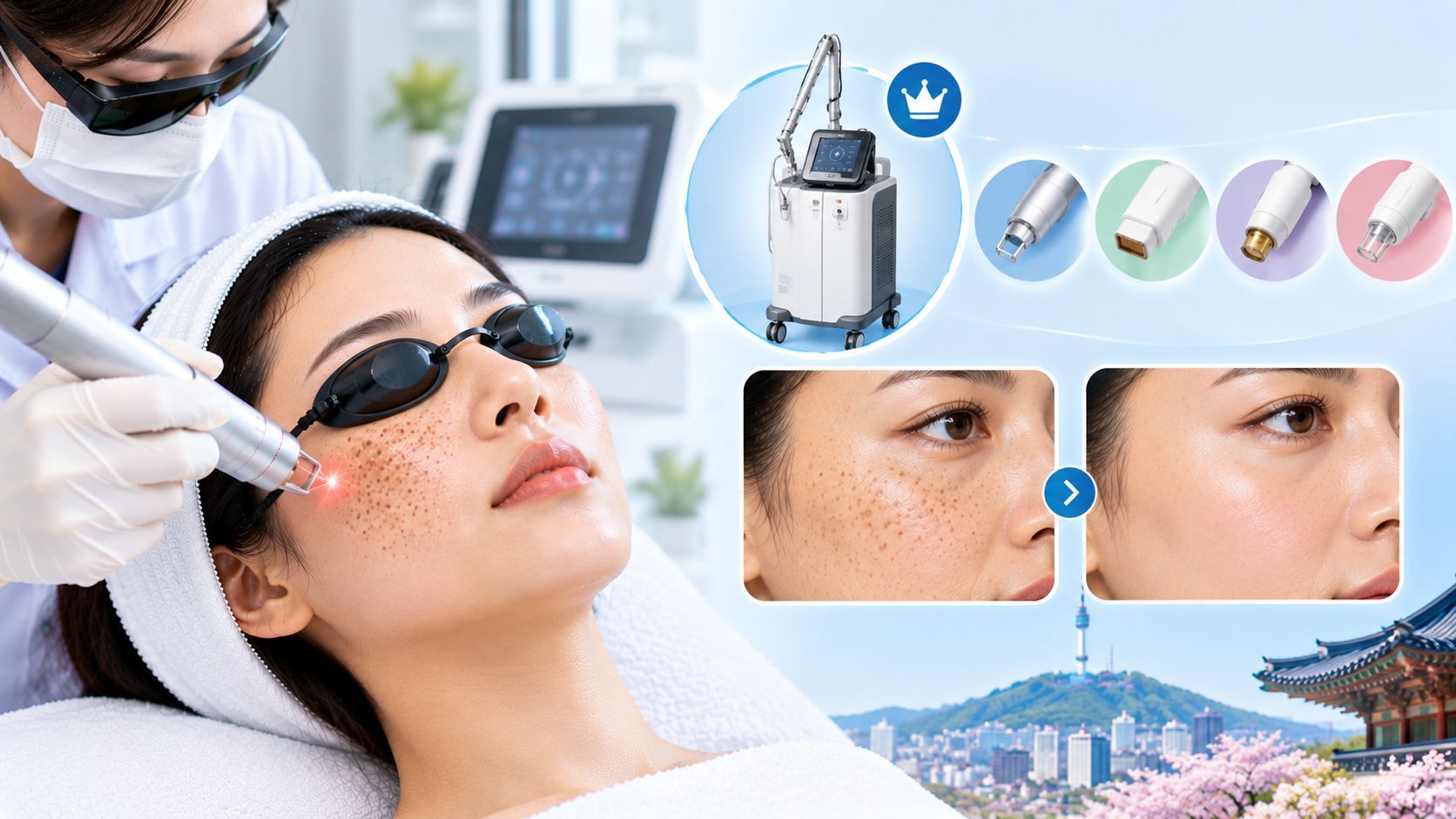
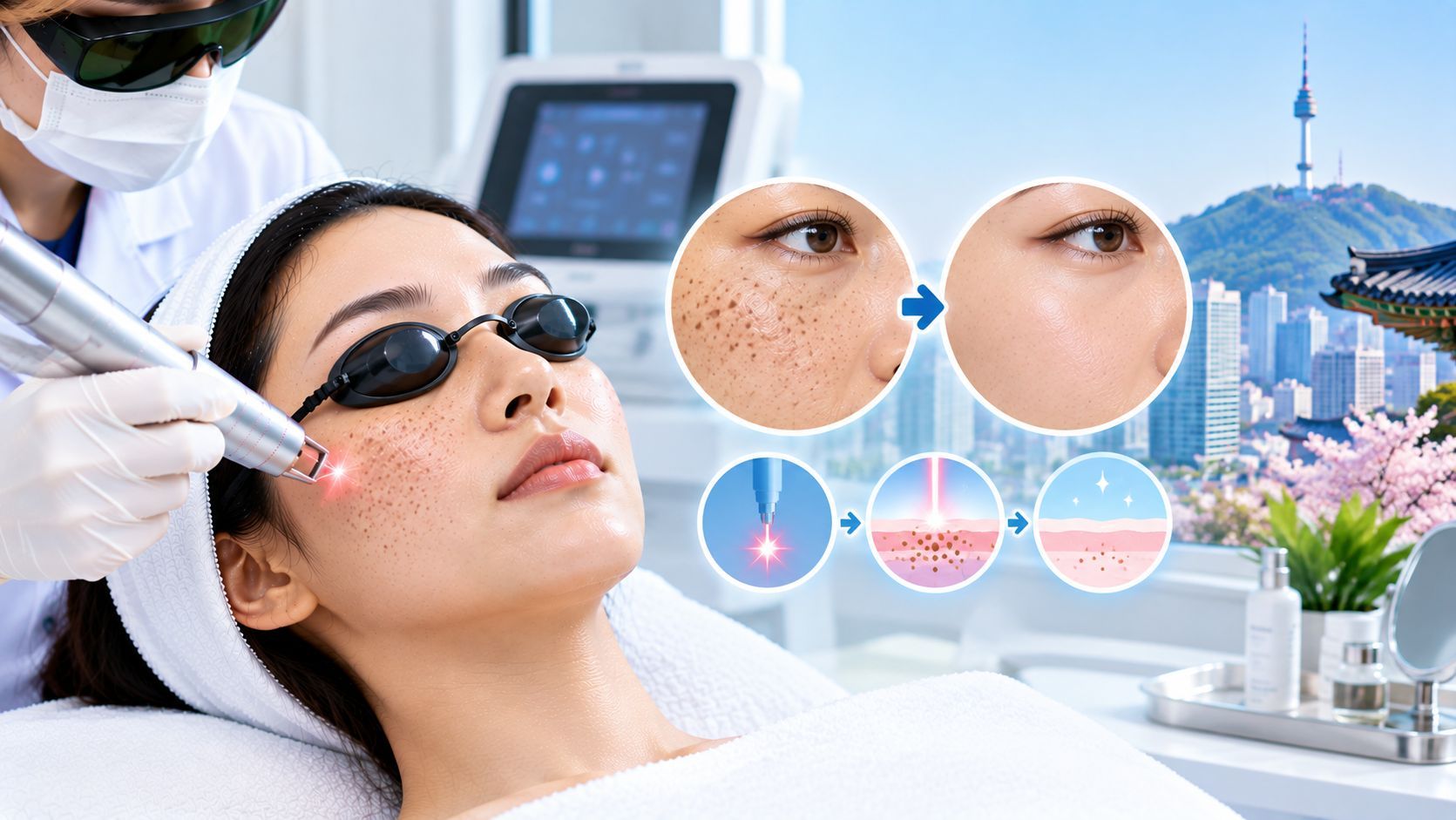
Choosing a laser treatment in Korea can be confusing because Seoul clinics offer many different lasers and energy-based devices. Two treatments may appear to target the same concern while working at different depths or producing different levels of recovery.
The best way to choose is not to start with the name of a laser. Start with your skin concern, skin type, treatment history, desired level of improvement, and how much downtime you can manage. A dermatologist can then determine whether a particular laser is appropriate or whether another treatment would make more sense.
How Do I Know Which Korean Laser Is Right for My Skin?
The right treatment depends on what you want to improve and how your skin is likely to respond. A dermatologist will generally consider factors such as pigmentation, acne scars, redness, texture, pores, skin sensitivity, previous treatments, and your recovery schedule.
A laser that works well for one person may be inappropriate for another, even when they have similar-looking skin concerns.
Start With the Skin Problem, Not the Laser Name
Before researching individual Korean laser brands, identify your main concern.
You might be dealing with:
- Brown spots or freckles
- Melasma or recurring pigmentation
- Post-acne marks
- Acne scars
- Enlarged-looking pores
- Rough texture
- Fine lines
- Facial redness
- Sun-related skin changes
- General uneven skin appearance
These concerns can require very different treatment approaches.
Pigmentation
Pigmentation is particularly important to classify correctly.
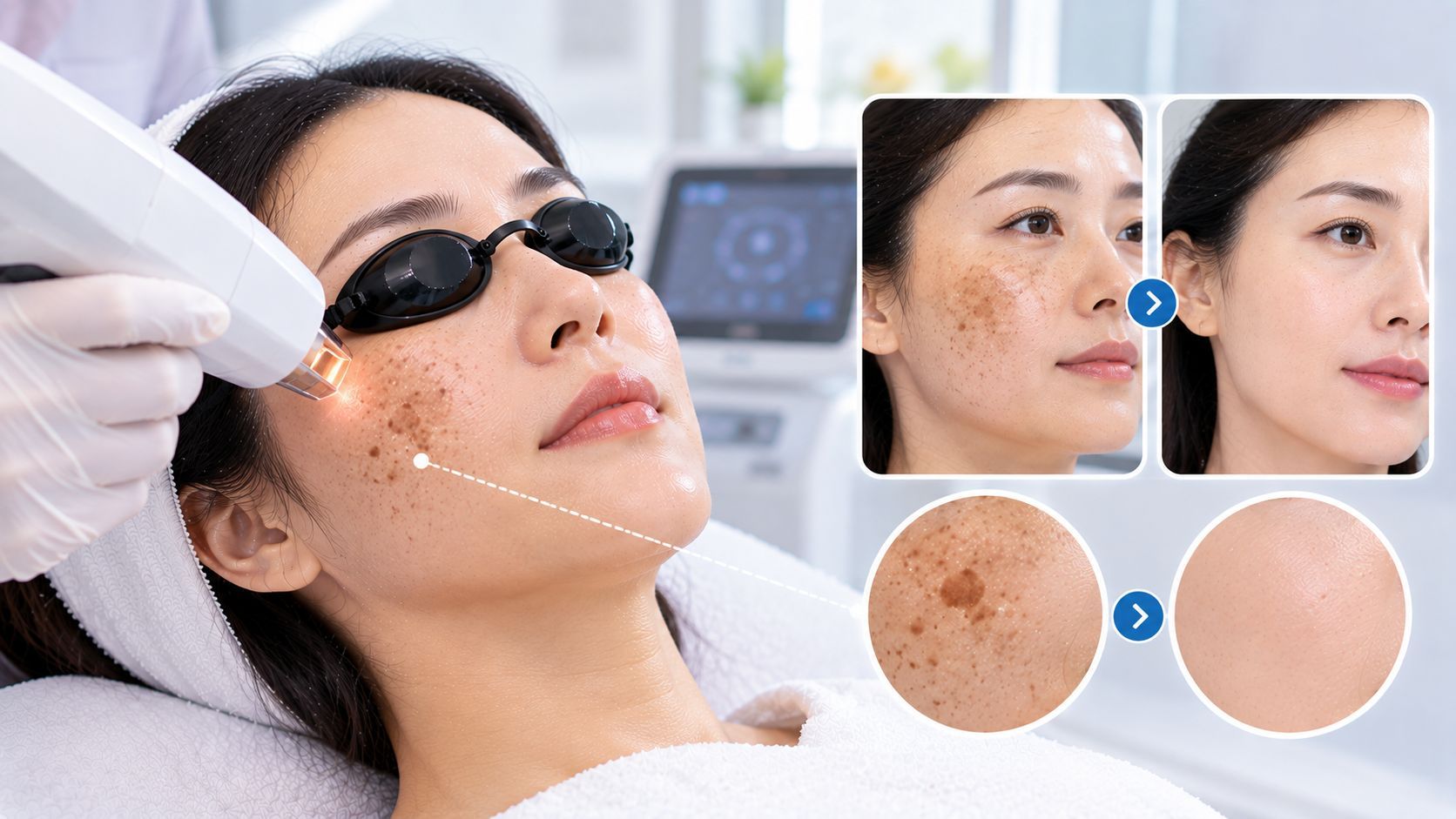
Freckles, sun spots, post-inflammatory hyperpigmentation, and melasma may look similar in photographs but can behave differently.
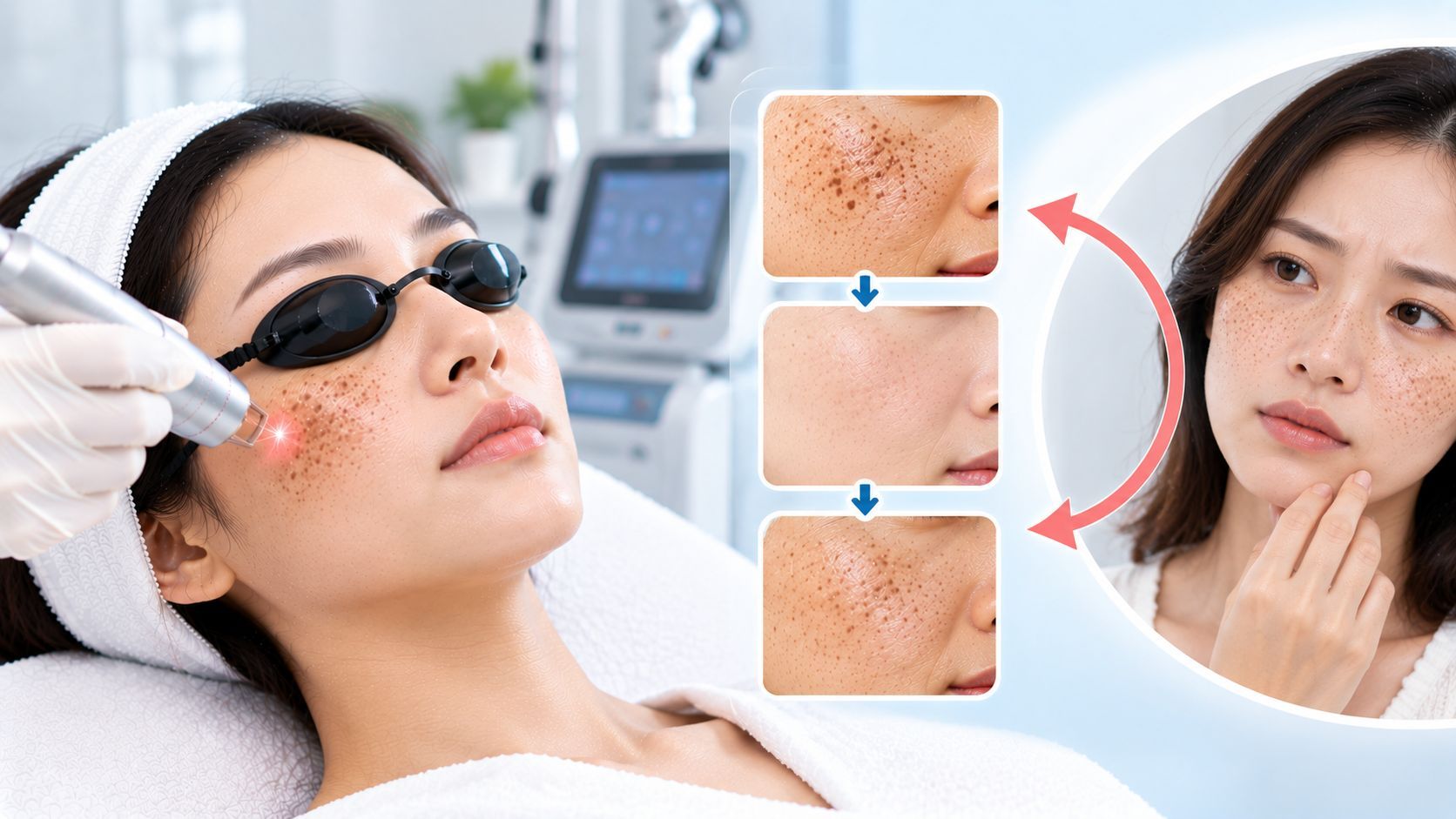
For example, aggressive treatment of a pigmentation problem without identifying its underlying pattern can sometimes lead to additional inflammation or worsening pigmentation.
This is one reason a consultation should come before selecting a laser based solely on an online recommendation.
Acne Scars
Acne scars are also not one condition.
Some scars are shallow and mainly affect surface texture. Others are depressed and structurally attached to deeper tissue. Raised scars are different again.
A resurfacing laser may be useful for certain types of acne scars, while other scars may require a different procedure or combination approach.
Therefore, asking for the “best Korean laser for acne scars” without identifying the scar type may not provide a useful answer.
Redness
Facial redness can have several causes, including visible blood vessels, irritation, inflammation, or skin conditions.
A laser designed to target vascular structures may be considered in some situations, but persistent redness should be assessed rather than automatically treated as a cosmetic pigmentation problem.
Consider Your Skin Type
Skin tone and pigmentation characteristics can influence laser selection and treatment settings.
People with more melanin in their skin can have a greater risk of post-inflammatory hyperpigmentation after certain procedures. This does not mean laser treatment is impossible, but it can make conservative treatment planning particularly important.
Your dermatologist may consider:
- Natural skin pigmentation
- History of dark marks after irritation
- Previous reactions to lasers or peels
- Current inflammation
- Recent sun exposure
- Current skincare or medication use
Do not assume that a treatment advertised as suitable for “all skin types” will have identical settings or risks for every patient.
Think About Downtime Before Choosing a Treatment
The treatment with the strongest resurfacing effect may also require more recovery.
Depending on the technology and settings, laser treatment can cause:
- Temporary redness
- Swelling
- Warmth or sensitivity
- Peeling
- Crusting
- Temporary darkening of treated pigment
- Dryness
- Increased sensitivity to sunlight
More superficial treatments may involve little visible recovery, while stronger resurfacing procedures can require substantially more downtime.
If you are visiting Seoul for only a few days, your schedule matters.
If You Have a Short Trip
Someone staying in Seoul for three days may prioritize minimal visible recovery.
Someone staying for two weeks may have more flexibility for treatments that involve peeling or prolonged redness.
Your flight home also matters. Ask the clinic how the expected recovery fits your departure date rather than assuming that a procedure with “minimal downtime” will have no visible effects.
What About the Newest Korean Laser?
Newer does not automatically mean more appropriate.
A recently introduced device may have updated technology or different treatment capabilities, but suitability still depends on what you are trying to treat.
When a clinic recommends a newer device, ask:
- What is it specifically treating?
- How does it work?
- Why is it appropriate for my skin?
- What alternatives are available?
- What recovery should I expect?
- What risks are relevant to my skin type?
This keeps the decision focused on your treatment objective rather than the age or popularity of the device.
What About Popular Korean Laser Treatments?
Popularity can be useful for understanding what treatments are commonly requested, but it does not establish that a particular laser is appropriate for you.
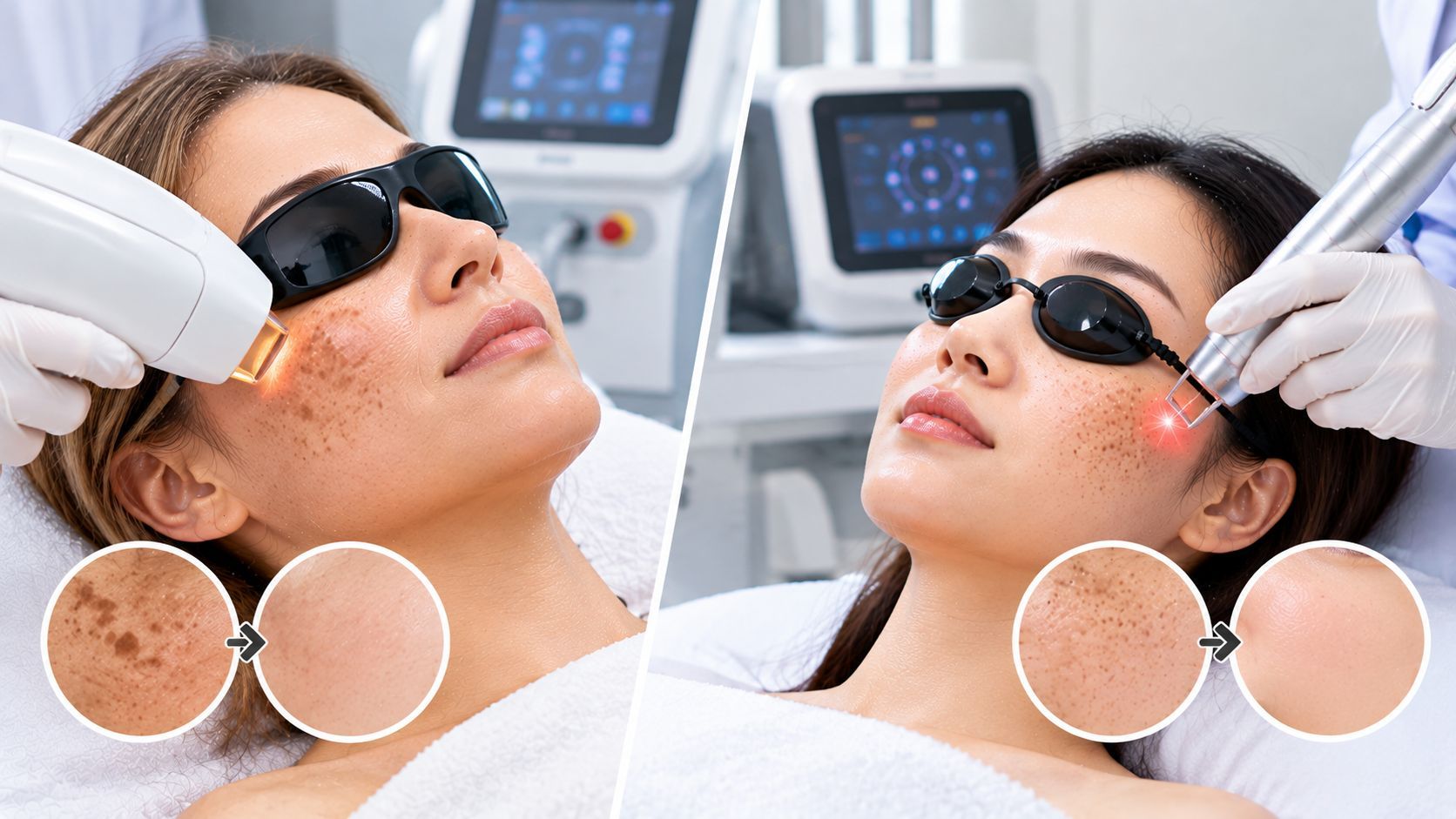
Online videos and social media may also show dramatic before-and-after photographs. However, photographs can be affected by lighting, camera settings, skincare, makeup, treatment combinations, and time between images.
Your own skin may respond differently.
How Previous Treatments Affect Laser Selection
Your treatment history is important, especially if you frequently undergo aesthetic procedures.
Tell your provider about recent:
- Laser treatments
- Chemical peels
- Microneedling
- RF treatments
- Botox
- Dermal fillers
- Skin boosters
- Acne treatments
- Pigmentation treatments
Recently treated skin may need additional recovery before another procedure.
If you have experienced prolonged redness, burns, pigmentation changes, or other unexpected reactions after previous treatments, mention them during your consultation.
How a Seoul Dermatologist Can Select the Treatment
A useful consultation should go beyond asking which laser is available.
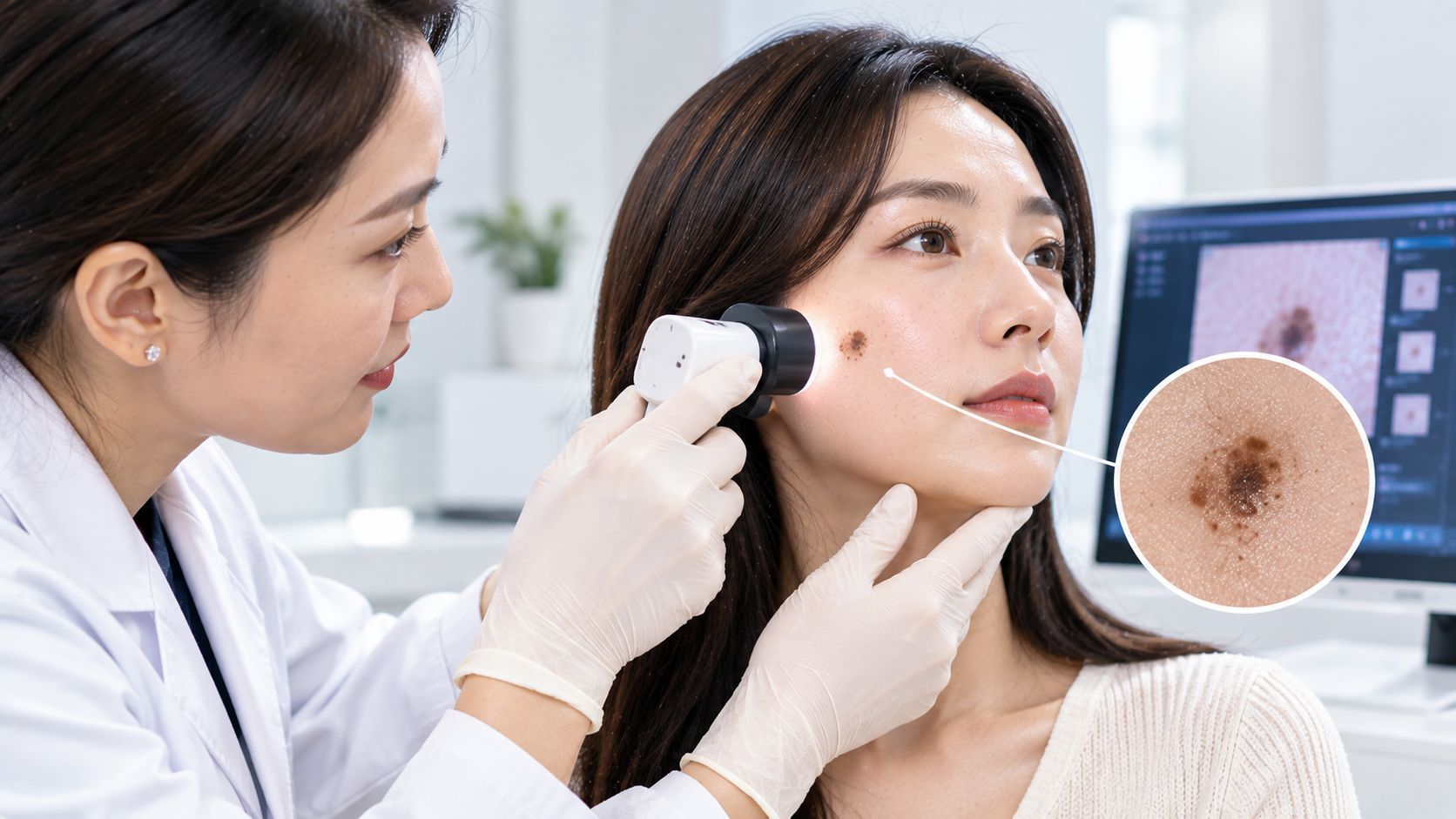
Step 1: Assess the Skin
The provider evaluates your main concerns and overall skin condition.
Step 2: Identify the Treatment Target
The dermatologist determines what is actually being targeted—pigment, blood vessels, surface texture, deeper remodeling, or another feature.
Step 3: Consider Your Risk Factors
Skin type, sensitivity, previous reactions, sun exposure, medications, and recent procedures may affect the treatment plan.
Step 4: Discuss Alternatives
There may be several possible approaches, including lasers, other energy-based treatments, injectables, topical treatment, or no procedure at that time.
Step 5: Set Realistic Expectations
Ask how much improvement is reasonably expected, how many sessions may be needed, and whether results are gradual or temporary.
Should You Choose One Laser or a Combination?
A combination can sometimes address different concerns, but combining several procedures is not automatically better.
For example, a patient may have both pigmentation and acne scarring. Those concerns may require different approaches, but performing everything during one short trip could increase irritation and recovery.
The decision should consider:
- Treatment intensity
- Skin sensitivity
- Recovery time
- Timing between procedures
- Previous treatment history
- Risk of pigmentation
- Time available in Korea
For international patients, a simpler treatment plan can sometimes be easier to monitor, particularly when there is limited time for follow-up.
When a Korean Laser May Not Be the Right Choice
A laser may not be appropriate if:
- The diagnosis is uncertain.
- The skin is significantly irritated or inflamed.
- You recently had another procedure and have not recovered.
- Your expectations are unrealistic.
- You cannot follow aftercare instructions.
- You have insufficient recovery time before an important event or flight.
- A different treatment would address the underlying problem more directly.
Sometimes the correct decision is to postpone treatment or choose a non-laser option.
Questions to Ask Before Getting a Laser in Korea
Before consenting to treatment, ask:
- What exactly are we treating?
- Why is this laser appropriate for my skin?
- Is there another treatment that could achieve a similar goal?
- What side effects are possible?
- How much downtime should I expect?
- Could I develop temporary or persistent pigmentation?
- When should I expect to see improvement?
- How many sessions might be required?
- Can I safely travel home after the procedure?
- What should I avoid during recovery?
These questions can help you understand the reasoning behind the recommendation.
The Bottom Line
Choosing the right Korean laser starts with your skin concern rather than the device name. Pigmentation, acne scars, redness, pores, texture, and signs of aging can require different treatment strategies.
Your skin tone, sensitivity, previous procedures, desired results, downtime, and travel schedule also matter. The newest or most popular laser is not automatically the right one.
For international patients visiting Seoul, the most useful approach is to explain exactly what you want to improve and ask the dermatologist to explain why a particular technology is being recommended, what alternatives exist, and what recovery you should expect.
FAQs About Choosing a Korean Laser
How do I choose the right Korean laser for my skin?
Start by identifying the specific skin concern you want to improve. A dermatologist can then consider your skin type, treatment history, sensitivity, desired results, and downtime before recommending an appropriate technology.
Is the most popular laser necessarily right for me?
No. Popularity does not determine individual suitability. Different patients can require different treatment approaches for the same general concern.
Which Korean laser is best for pigmentation?
There is no single laser appropriate for every pigmentation problem. The type and cause of pigmentation should first be assessed because different pigmentary conditions may require different approaches.
Can darker skin receive laser treatment in Korea?
Some laser treatments can be performed on darker skin, but treatment selection and settings may require particular care because the risk of post-inflammatory pigmentation can vary.
Should I get a laser before my flight home?
That depends on the procedure, treatment intensity, your individual response, and the time available for recovery. Always discuss your flight schedule with the provider before treatment.
Can I combine different Korean lasers during one trip?
Sometimes, but combining procedures can increase irritation and recovery requirements. A dermatologist should determine whether the treatments can be safely combined and whether spacing them apart is preferable.
Conclusion
Seoul's large selection of lasers gives patients many treatment options, but it also makes choosing based purely on device names difficult. Focus first on the problem you want to address, then consider the technology, treatment depth, skin type, risks, downtime, and alternatives.
A well-matched treatment is more impor