What’s the Safest Laser for Melasma in Korea?
There is no single laser that can be called the safest laser for melasma for every patient. Melasma is particularly sensitive to heat, inflammation, and pigmentation changes, so the safest approach depends on your skin type, the depth and pattern of pigmentation, previous treatment history, and how active your melasma is.
In Korea, patients may encounter treatments such as low-fluence laser toning, Pico-based treatments, and other laser or light-based procedures. The important question is not simply which machine is being used, but whether the treatment settings and overall plan are appropriate for your melasma and your risk of post-inflammatory hyperpigmentation (PIH).
For international patients, a careful consultation is especially important because aggressive treatment shortly before returning home can make unexpected pigmentation changes more difficult to manage.
Why Is Melasma Difficult to Treat With Lasers?
Melasma is not simply a collection of dark spots sitting on the surface of the skin.
It is a chronic pigmentation condition that can fluctuate over time. Sun exposure, visible light, heat, hormones, inflammation, and individual susceptibility can all influence its appearance.
This creates an important treatment challenge:
The goal is not necessarily to remove as much pigment as possible in one session.
Instead, treatment often aims to gradually reduce visible pigmentation while minimizing inflammation that could stimulate further discoloration.
This is why an aggressive laser approach that works for certain isolated pigmented lesions may not be appropriate for melasma.
Is Laser Toning One of the Safer Options for Melasma?
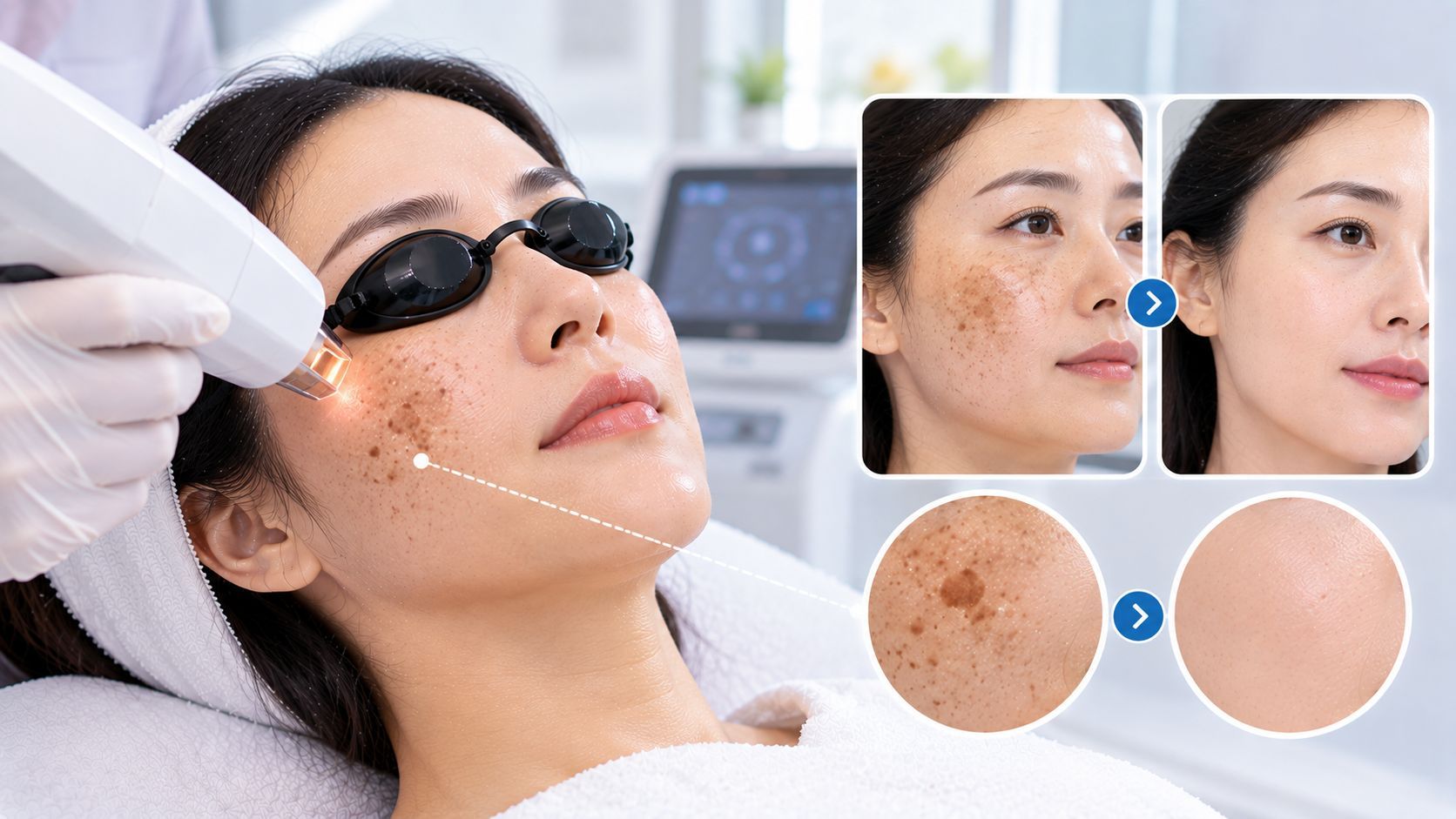
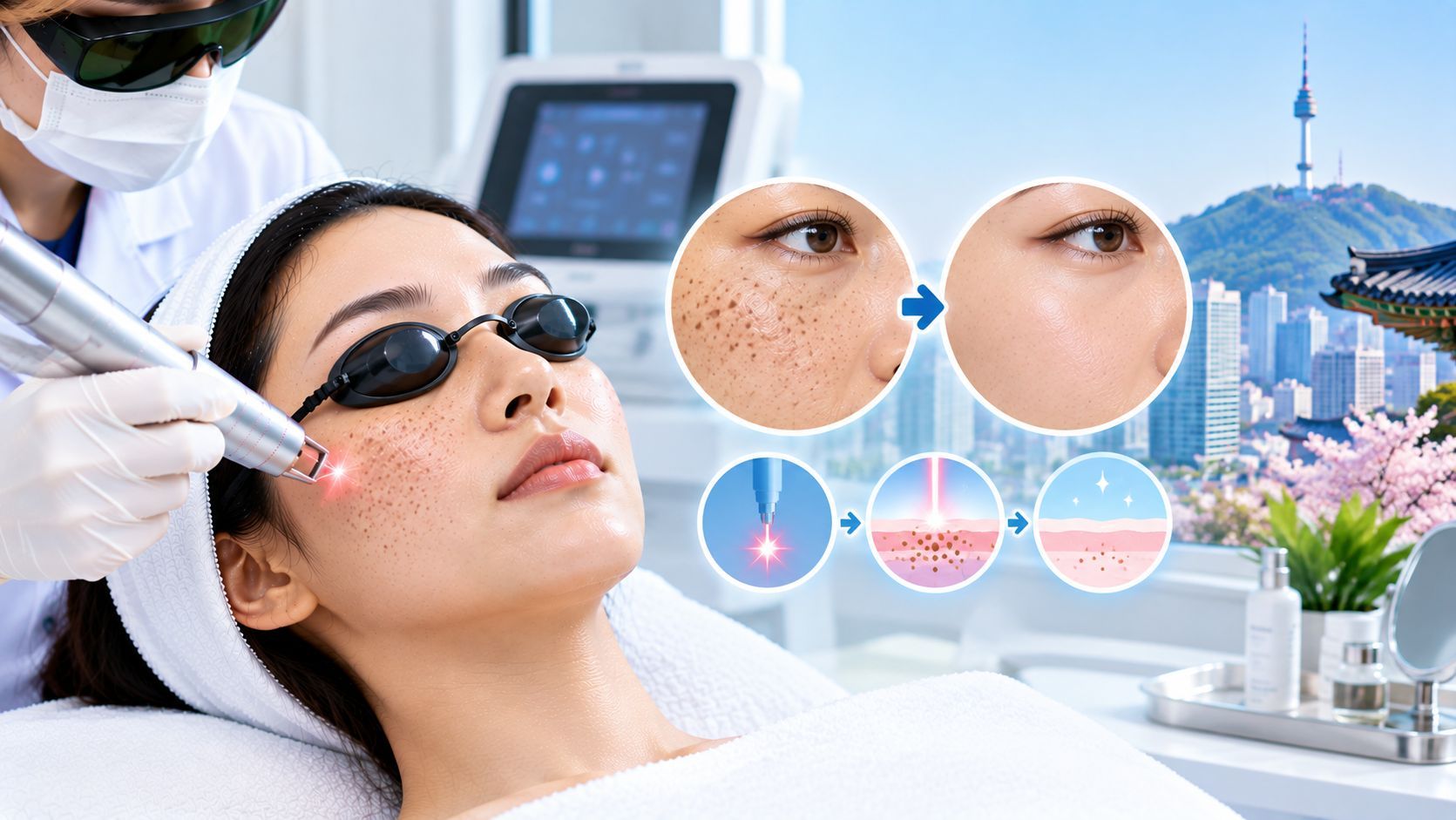
Laser toning is commonly discussed in Korea in connection with pigmentation and melasma.
It generally refers to a broader, relatively conservative treatment approach rather than aggressively targeting individual dark spots.
Potential advantages of a conservative approach include:
- Less aggressive treatment of the skin
- Gradual improvement rather than immediate pigment removal
- Potentially limited visible downtime
- Ability to adjust treatment based on the skin's response
However, laser toning is not automatically risk-free.
The treatment can still cause inflammation or pigmentary changes if the settings, frequency, or technique are inappropriate for the patient.
Repeated sessions should therefore be planned around your skin's response rather than assuming that more frequent treatment will produce faster improvement.
What About Pico Laser for Melasma?
Pico laser may be considered for selected pigmentation concerns, including some melasma cases, depending on the specific device, wavelength, settings, and treatment strategy.
But “Pico laser” describes a technology rather than one standardized procedure.
A consultation should clarify:
- Which Pico device is being used
- Which wavelength is planned
- Whether the treatment is targeted or diffuse
- Why that approach is being recommended
- How much inflammation is expected
- How your PIH risk is being considered
Pico technology should not automatically be considered safer than every other laser simply because it uses picosecond pulses.
For melasma, the treatment parameters and clinical reasoning matter as much as the machine name.
Can a Stronger Laser Give Faster Melasma Results?
Not necessarily.
Melasma creates a situation where aggressive treatment can sometimes work against the desired outcome.
If a treatment creates substantial inflammation, the resulting inflammatory response may contribute to additional pigmentation.
This is particularly relevant if you already develop dark marks easily after acne, burns, cuts, or cosmetic procedures.
For melasma, gradual improvement with controlled inflammation may be more appropriate than trying to achieve dramatic pigment reduction after one aggressive session.
Does Skin Tone Affect Which Laser Is Safest?
Yes, skin characteristics are an important part of treatment planning.
People with more melanin may have a greater tendency toward post-inflammatory hyperpigmentation after certain procedures, although individual risk varies.
This does not mean darker skin automatically rules out laser treatment.
Instead, your provider should consider:
- Your natural skin tone
- Previous PIH
- Previous laser reactions
- Current melasma activity
- Recent sun exposure
- Treatment wavelength
- Energy settings
- Expected inflammation
If you have a history of PIH, tell the clinic before treatment.
What Should You Ask a Korean Clinic About Melasma Laser?
Before booking, ask:
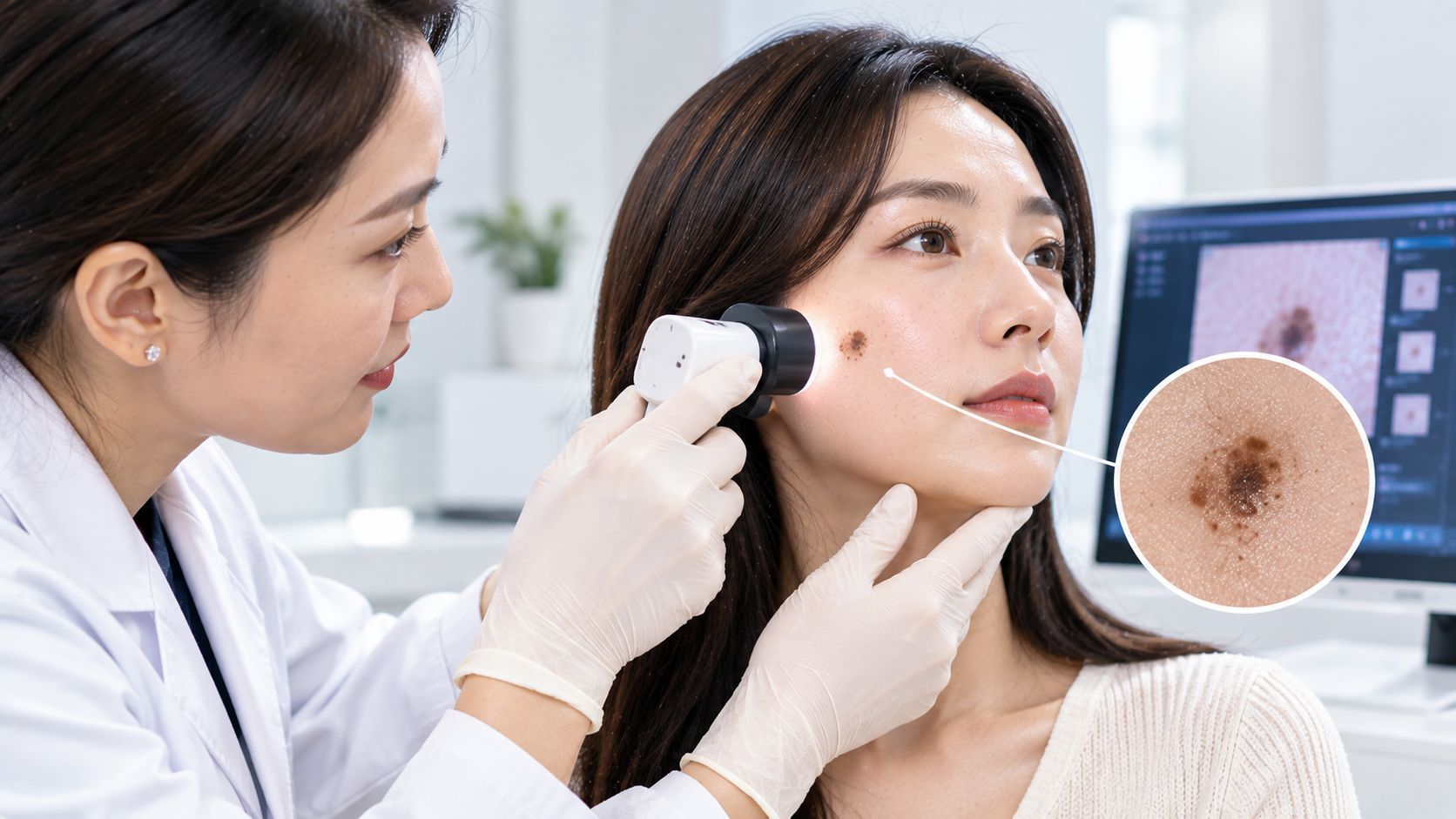
1. Are you sure this is melasma?
Brown pigmentation can have different causes. Make sure the provider has assessed the pattern rather than assuming every brown patch is melasma.
2. Which laser or light-based treatment are you recommending?
Ask for the exact treatment name and device.
3. Why is this treatment appropriate for my skin?
The clinic should be able to explain the reasoning rather than simply recommending a popular treatment.
4. What wavelength and settings will you use?
You do not need to understand every technical parameter, but knowing why the provider selected the approach can help you understand the treatment plan.
5. What is my risk of PIH?
This is particularly important if you have previously developed dark marks after skin procedures.
6. Could the treatment make my melasma darker?
The answer should acknowledge that pigmentary worsening can occur in some circumstances rather than promising that it cannot happen.
7. How many treatments do you expect me to need?
Melasma often requires ongoing management rather than a single permanent treatment.
8. What happens if my melasma becomes darker?
Ask what follow-up is available and who you should contact if your pigmentation worsens.
What Does “Safe” Actually Mean for Melasma?
When patients ask for the “safest laser,” they may mean several different things.
They may want:
- Minimal downtime
- Low PIH risk
- Little discomfort
- No worsening of melasma
- Fast improvement
- Long-lasting results
Unfortunately, no laser can guarantee all of these outcomes.
A treatment with minimal downtime can still cause pigmentation changes. A treatment that improves pigmentation can still have recurrence. A treatment that works for one person may not produce the same response in another.
Therefore, safety should be considered in relation to your individual treatment plan rather than as a ranking of laser machines.
Could Non-Laser Treatment Be More Appropriate?
Yes.
Laser treatment is not the only approach to melasma.
Depending on the individual, a dermatologist may consider combinations involving:
- Photoprotection
- Topical treatments
- Pigmentation-management strategies
- Conservative procedural treatments
- Other medical options
The appropriate approach depends on your skin, medical history, previous treatments, and the characteristics of your melasma.
If a clinic immediately recommends multiple procedures without discussing your history or alternatives, consider asking for a more detailed explanation before proceeding.
What About Combination Treatments?
Some clinics may propose combining laser with other procedures.
A combination approach may sometimes be appropriate, but more procedures do not automatically mean better results.
Each additional procedure can introduce another source of inflammation.
Ask:
“Why are these treatments being combined, and does each one have a specific purpose for my melasma?”
This is particularly important if you are traveling to Korea and have limited recovery time.
Should You Get a Test Spot?
A test spot may sometimes be considered when there is concern about how your skin will respond, particularly in patients with a history of pigmentary complications.
It is not a guarantee that a full treatment will be complication-free, but it can provide additional information about the skin's response in selected situations.
Ask the treating provider whether a test spot makes sense for your particular treatment.
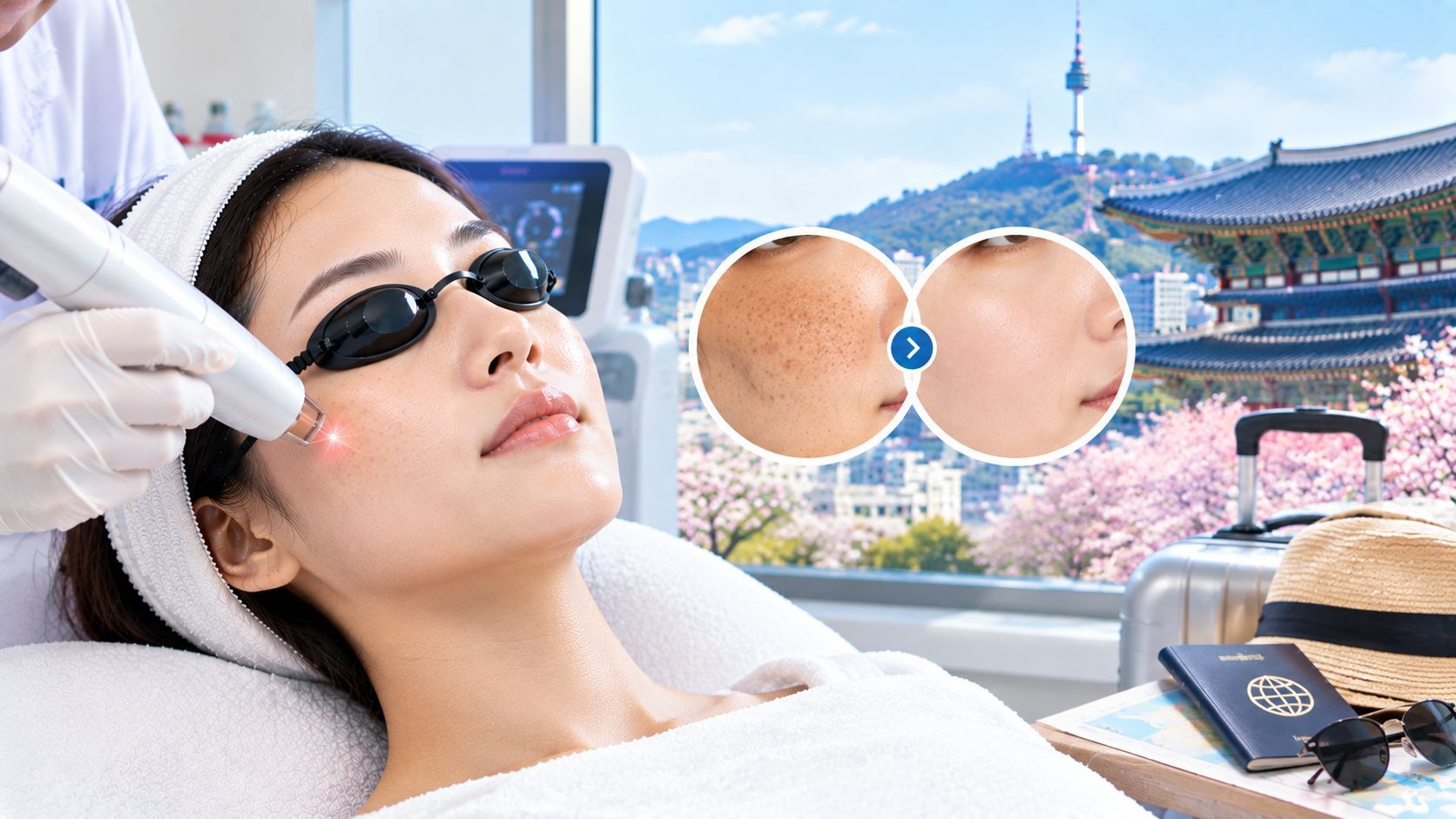
What About Melasma During a Seoul Trip?
Travel itself can introduce several potential triggers.
Depending on the season and itinerary, you may encounter:
- Strong sunlight
- Heat
- Outdoor sightseeing
- Sweating
- Humidity
- Frequent walking outdoors
If you are treating melasma during a Seoul trip, your treatment plan should take your travel schedule into account.
A laser procedure followed by several days of intense outdoor sightseeing may not be ideal for everyone.
Discuss sun protection and activity restrictions with the clinic before treatment.
How Long Does Melasma Laser Treatment Take to Work?
Melasma generally should not be approached with the expectation of instant permanent clearance.
Some patients may notice improvement relatively quickly, while others require a longer treatment plan.
Results can also fluctuate.
A realistic plan should explain:
- When early changes may become visible
- When results should be assessed
- Whether multiple sessions are expected
- What maintenance may involve
- What could cause the pigmentation to return
The absence of immediate dramatic improvement does not necessarily mean the treatment failed.
Can Melasma Return After Laser Treatment?
Yes.
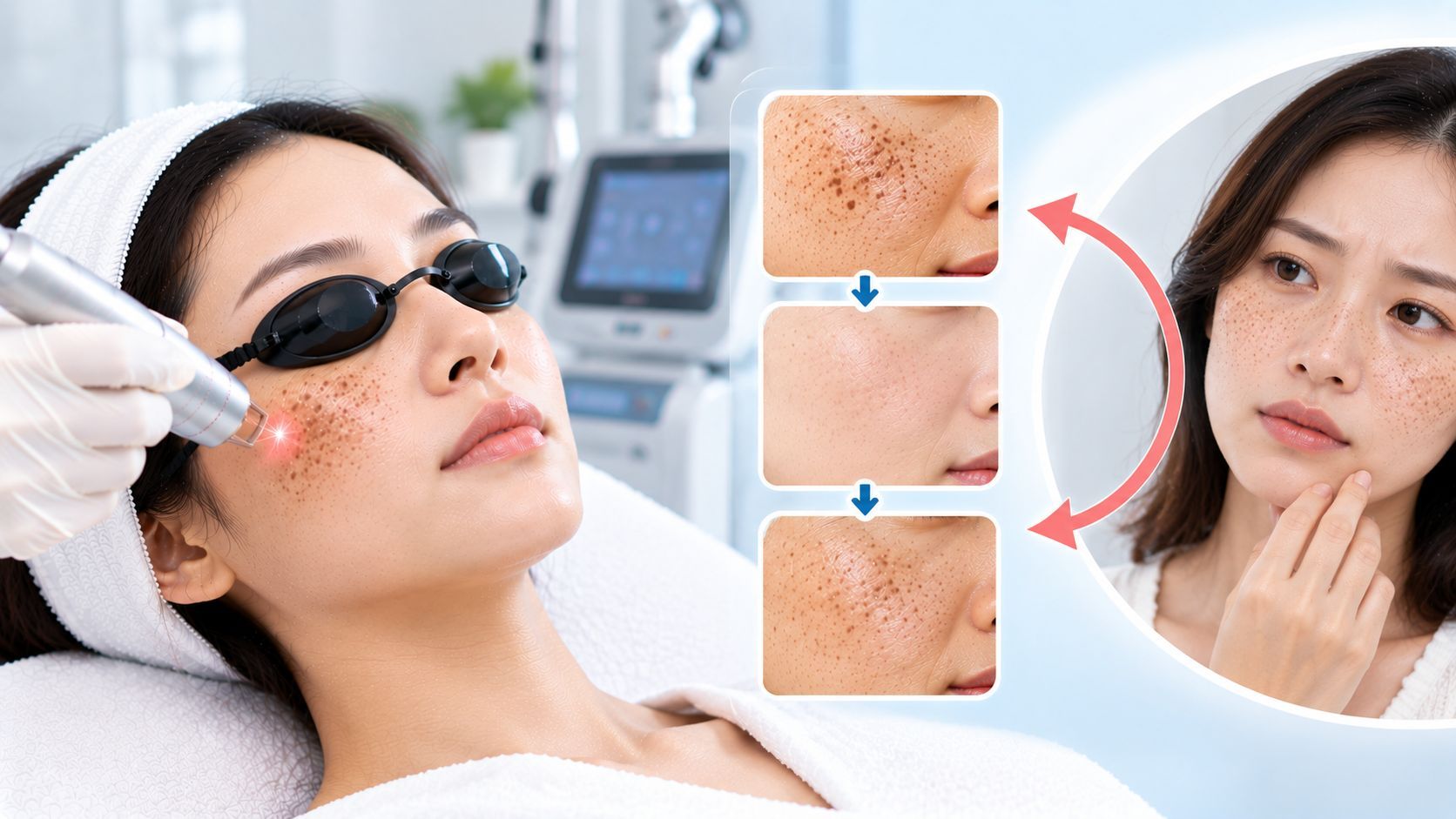
Even when pigmentation improves substantially, melasma can recur.
This is why long-term photoprotection is an important part of management.
A laser may reduce visible pigmentation without eliminating the underlying tendency to develop melasma.
Patients should therefore be cautious about clinics that describe a single treatment as a permanent cure.
What Is the Safest Way to Choose a Melasma Laser in Korea?
Rather than starting with a particular machine, start with your skin and diagnosis.
A practical process is:
Step 1: Confirm that the pigmentation is actually melasma.
Step 2: Tell the provider about your skin type and history of PIH.
Step 3: Explain previous laser or pigmentation treatments and how your skin reacted.
Step 4: Ask which treatment and wavelength are being recommended.
Step 5: Ask why the selected settings are appropriate for your skin.
Step 6: Discuss realistic improvement and the possibility of recurrence.
Step 7: Ask about downtime and aftercare.
Step 8: Make sure there is a follow-up plan if the pigmentation worsens.
This approach is more useful than simply searching for the clinic advertising the newest or most expensive laser.
Red Flags When Choosing Melasma Treatment in Korea
Be cautious if a clinic:
- Guarantees complete or permanent melasma removal
- Says a particular machine is universally safe
- Does not ask about previous pigmentation problems
- Ignores your history of PIH
- Recommends aggressive treatment without explaining why
- Pressures you into a large package immediately
- Cannot explain the treatment wavelength or general approach
- Does not provide meaningful aftercare instructions
- Treats every brown spot as though it were the same condition
A good consultation should explain both potential benefits and limitations.
Final Takeaway
There is no single laser that is universally the safest for melasma in Korea.
Conservative approaches such as carefully selected laser toning or Pico-based treatment may be considered for some patients, but neither is automatically appropriate for everyone. The device, wavelength, settings, treatment frequency, skin characteristics, PIH history, and diagnosis all matter.
For melasma, the safest treatment plan is generally one that prioritizes accurate diagnosis, controlled inflammation, realistic expectations, appropriate photoprotection, and individualized treatment settings.
If you are traveling to Seoul for melasma treatment, ask the clinic not just “Which laser do you use?” but “Why is this treatment appropriate for my melasma and my skin, and how will you reduce the risk of making it worse?”
Frequently Asked Questions
What is the safest laser for melasma?
There is no universally safest laser for everyone with melasma. Conservative laser or light-based approaches may be appropriate for selected patients, but treatment must be individualized.
Is Pico laser safe for melasma?
Pico laser may be used in some melasma treatment plans, but it is not automatically risk-free. The wavelength, settings, technique, and patient's skin characteristics are important.
Is laser toning safer than aggressive laser treatment for melasma?
Laser toning generally uses a more conservative approach, but it can still cause pigmentation problems if performed too aggressively or too frequently.
Can darker skin have laser treatment for melasma?
Potentially, yes. Skin with more melanin can have a greater risk of post-inflammatory pigmentation after some procedures, so treatment settings and technique should be selected carefully.
Can laser permanently remove melasma?
Laser treatment may improve visible pigmentation, but melasma can recur. Long-term management and photoprotection remain important.
Should I get a test spot before melasma laser treatment?
A provider may consider a test spot in selected patients, particularly when there are concerns about pigmentary reactions. Ask your dermatologist whether it is appropriate for your situation.