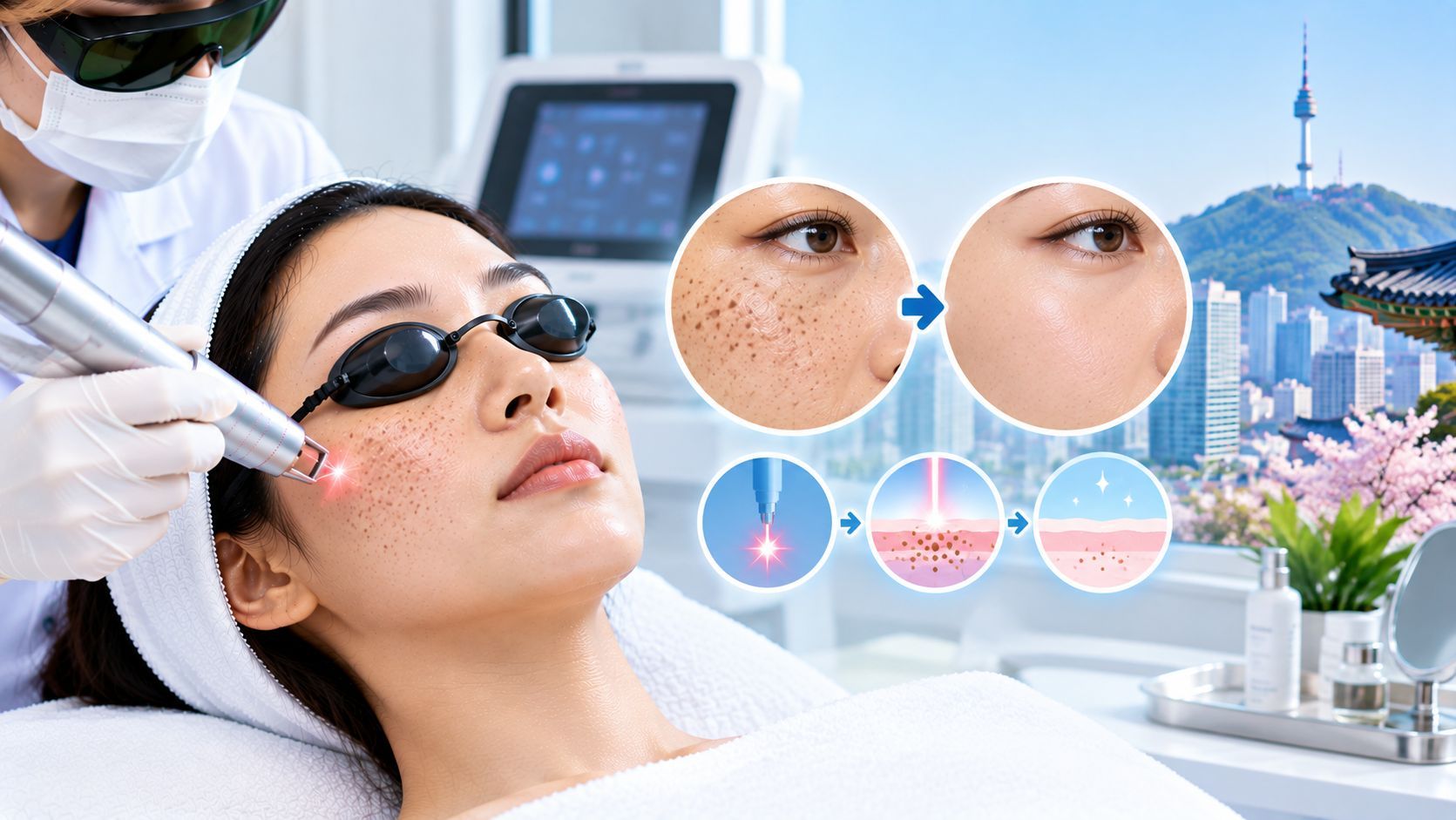
I Have Melasma. Which Laser Treatments Should I Avoid?
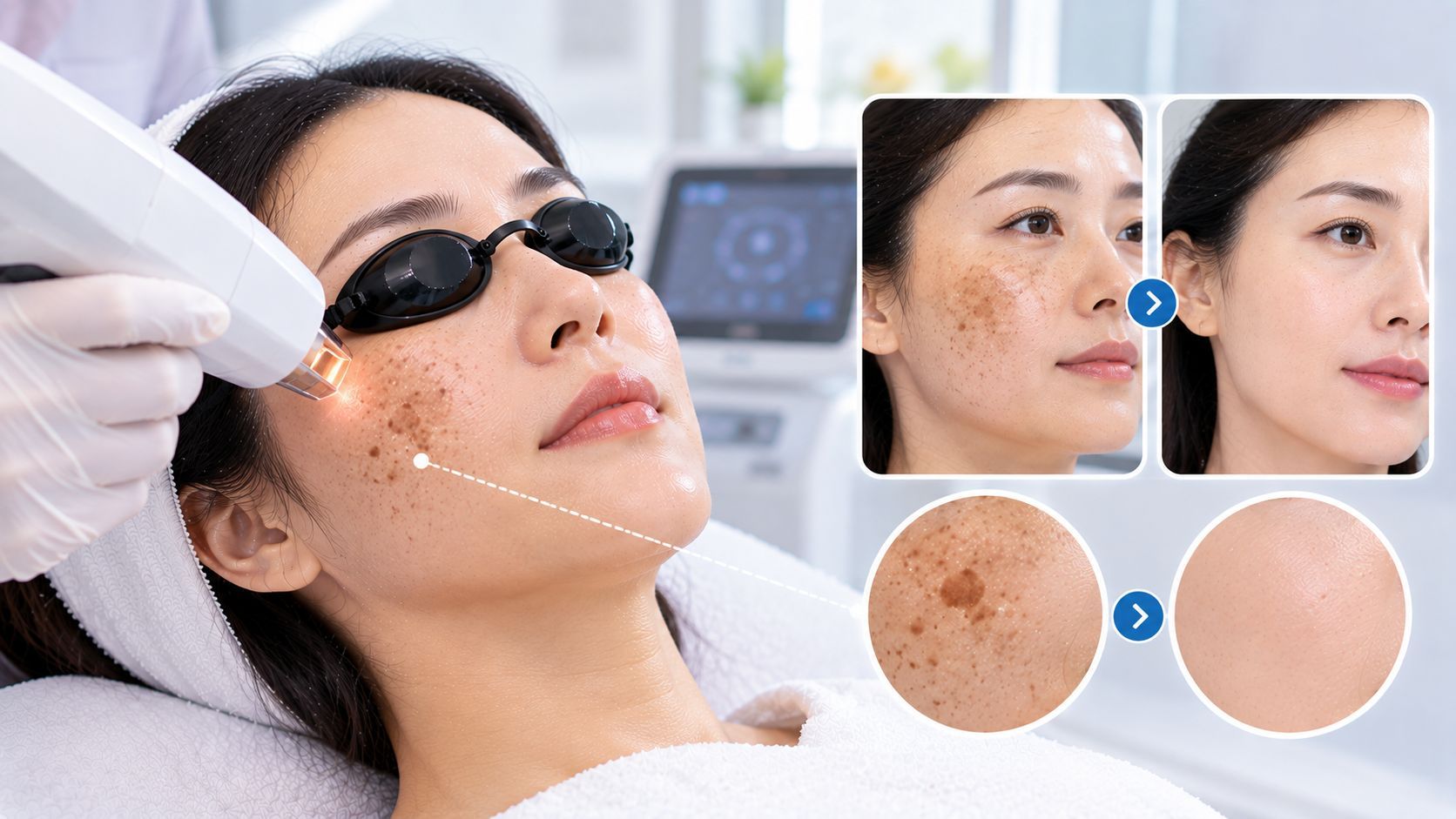
If you have melasma, the main laser treatments to approach cautiously are those that create substantial heat, inflammation, or skin injury without a clear reason for using them. Aggressive resurfacing, overly intense pigment-targeting treatments, and poorly selected settings can sometimes worsen pigmentation rather than improve it.
That does not mean people with melasma must avoid all lasers. Some laser-based approaches may be used in carefully selected patients, but melasma is different from a simple sun spot or isolated pigmentation. The treatment goal is usually controlled improvement with minimal irritation, rather than aggressively removing every visible brown area.
Why Is Melasma Different From Other Pigmentation?
Melasma is a chronic pigmentation condition that commonly appears as symmetrical brown or gray-brown patches, particularly on areas such as the cheeks, forehead, upper lip, and nose.
Several factors can contribute to melasma, including:
- Sun and visible-light exposure
- Hormonal influences
- Genetic susceptibility
- Heat and inflammation
- Skin irritation
- Individual pigmentation characteristics
Because melasma can be persistent and recurrent, simply destroying visible pigment does not necessarily address the factors that cause it to return.
This is why a treatment that works well for an isolated sun spot may not be appropriate for melasma.
Which Laser Treatments Should You Be Cautious About?
There is no universal list of lasers that every person with melasma must completely avoid. The risk depends on the device, wavelength, settings, treatment technique, skin type, and how active the melasma is.
However, several categories deserve particular caution.
1. Aggressive Ablative Laser Resurfacing
Ablative lasers intentionally remove or vaporize portions of the skin to stimulate remodeling.
They can have important applications for selected skin conditions, but aggressive resurfacing creates more substantial inflammation and recovery than many pigment-focused treatments.
For someone with melasma, unnecessary inflammation can potentially trigger additional pigmentation.
That does not mean ablative treatment is automatically forbidden. It means the expected benefit needs to justify the inflammatory response, and the diagnosis and treatment plan should be carefully considered.
2. High-Intensity Pigment Treatment
More energy is not automatically better for melasma.
It can be tempting to think that stronger laser treatment will remove more pigment and therefore produce a better result. With melasma, that approach can be counterproductive if it causes excessive inflammation.
Ask the clinic:
“Why are you choosing this treatment intensity for my melasma?”
The answer should relate to your skin, pigmentation pattern, previous treatment history, and risk of post-inflammatory hyperpigmentation.
3. Repeated Aggressive Treatments Without Adequate Recovery
Even if an individual laser session is tolerated well, repeatedly treating irritated skin too soon may create unnecessary inflammation.
If your skin is still red, sensitive, peeling, or otherwise recovering, ask whether another procedure should be delayed.
More treatments do not automatically mean faster improvement.
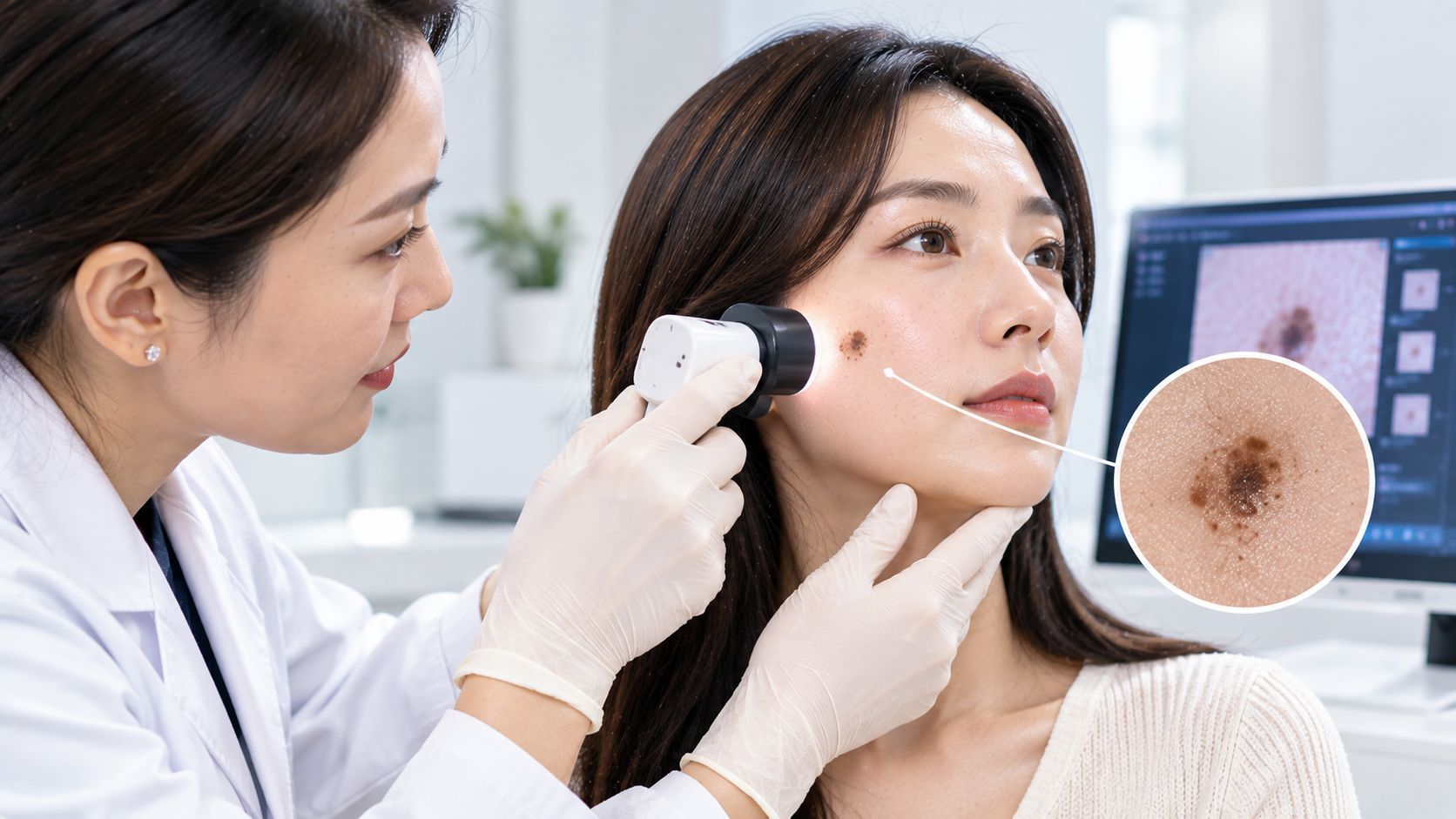
4. Laser Treatment Without Confirming the Diagnosis
Not every brown patch is melasma.
If the pigmentation is actually a sun spot, post-inflammatory hyperpigmentation, freckles, or another condition, the treatment strategy may be different.
Before choosing a laser, ask:
“Are you sure this is melasma rather than another type of pigmentation?”
A proper assessment is particularly important when pigmentation is unusual, asymmetric, rapidly changing, or difficult to classify.
Does Pico Laser Need to Be Avoided With Melasma?
Not necessarily.
Pico laser is a technology platform, and different Pico systems, wavelengths, and treatment approaches can be used for different purposes.
Some clinics use relatively conservative Pico-based approaches for pigmentation, but Pico does not automatically mean low risk for melasma.
The important questions are:
- Which wavelength is being used?
- What settings are planned?
- Is the treatment targeted or diffuse?
- How much inflammation is expected?
- Why is Pico being recommended for your particular melasma?
- What is the plan if the pigmentation becomes darker?
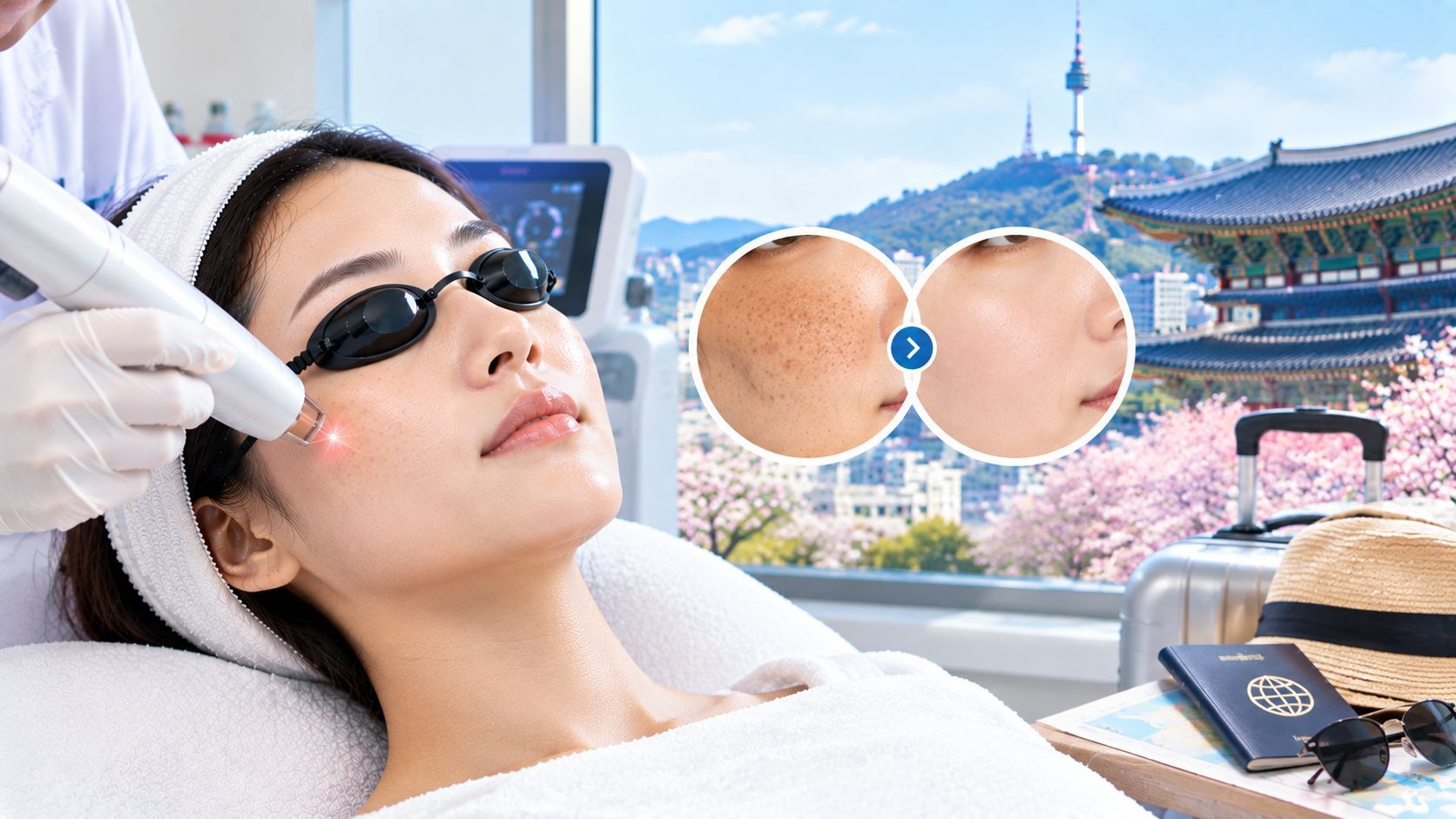
If you are considering Pico laser in Korea, ask these questions during the consultation rather than choosing a treatment based only on the word “Pico.”
What About Laser Toning?
Laser toning is another approach sometimes used for pigmentation and melasma.
It generally refers to repeated treatments using relatively conservative settings rather than aggressive removal of individual pigment spots.
However, laser toning is not automatically risk-free.
Repeated treatments can still cause irritation or pigmentary changes, particularly if the treatment is too frequent or too aggressive for the individual.
The goal should be an individualized treatment plan rather than simply booking the largest number of sessions possible.
What About IPL for Melasma?
IPL is technically a light-based treatment rather than a conventional laser.
It can be useful for certain pigmentation and vascular concerns, but melasma requires caution because heat and inflammation can potentially aggravate pigmentation in susceptible individuals.
Whether IPL is appropriate depends on the diagnosis, skin characteristics, pigmentation pattern, and treatment settings.
Do not assume that an IPL treatment marketed for “brightening” is automatically appropriate for melasma.
Why Can Aggressive Laser Treatment Make Melasma Worse?
The skin responds to injury and inflammation through multiple biological processes.
When treatment creates excessive inflammation, pigment-producing cells can become more active. In susceptible people, this can contribute to post-inflammatory hyperpigmentation or worsening of existing pigmentation.
This is one reason melasma treatment often focuses on controlling triggers and minimizing unnecessary inflammation.
A treatment that produces a dramatic immediate reaction is not necessarily producing a better long-term result.
What Should You Tell a Korean Clinic Before Treatment?
If you are visiting Seoul for melasma treatment, tell the clinic about:
- Previous laser treatments
- Previous worsening after laser
- A history of post-inflammatory hyperpigmentation
- Recent sun exposure
- Hormonal factors that may be relevant
- Current skincare treatments
- Recent chemical peels or other procedures
- How long you have had melasma
- Whether the pigmentation has recently become darker
Also show photographs of previous reactions if you have them.
This information can help the provider understand how your skin has responded to previous treatments.
What Questions Should You Ask Before a Melasma Laser?
Before agreeing to treatment, ask:
- Are you certain this pigmentation is melasma?
- Why is this laser appropriate for melasma?
- Which wavelength will you use?
- What settings will you use and why?
- How much inflammation should I expect?
- Could this treatment worsen my pigmentation?
- What is my PIH risk?
- Would a test spot be appropriate?
- How many sessions are you recommending?
- How much time should I allow between sessions?
- What should I do if my pigmentation becomes darker?
- What should I avoid after treatment?
A useful consultation should address both the potential benefits and the possibility that laser may not be the appropriate first step.
Should You Avoid Lasers Completely If You Have Melasma?
Not necessarily.
The more useful distinction is between appropriate, carefully selected treatment and aggressive treatment without adequate assessment.
Depending on the individual, a dermatologist may consider conservative laser or light-based treatment as part of a broader melasma strategy.
Other approaches may also be considered, including topical treatments, strict photoprotection, and other medical options. The appropriate combination depends on the patient's skin and medical circumstances.
Laser treatment should not be viewed as a guaranteed permanent solution because melasma commonly has a recurrent course.
What About Darker or Melanin-Rich Skin?
If you naturally have more melanin or have previously developed dark marks after procedures, discuss this specifically during your consultation.
The risk of unwanted pigmentation after inflammatory procedures can vary considerably between individuals.
Ask whether the provider routinely treats your skin type and how the treatment parameters will be adjusted to reduce unnecessary inflammation.
Your skin tone alone does not determine whether laser treatment is appropriate, but it is one factor that can influence treatment planning.
How Can You Reduce the Risk of Melasma Worsening?
Laser selection is only one part of melasma management.
Protecting the skin from light exposure is particularly important. Follow your dermatologist's recommendations for sunscreen and other photoprotection.
You should also avoid unnecessarily irritating your skin after treatment.
Depending on the procedure, your provider may advise you to temporarily avoid certain active skincare ingredients, excessive heat, intense exercise, saunas, or other potential irritants.
Do not restart strong products simply because your skin looks better on the surface. Follow the clinic's specific recovery instructions.
When Should You Postpone a Melasma Laser?
Ask the clinic whether treatment should be postponed if your skin is:
- Sunburned
- Recently heavily exposed to the sun
- Irritated
- Inflamed
- Recovering from another procedure
- Experiencing an unexplained flare
- Already significantly sensitized
Treating already irritated skin may create additional inflammation.
For international patients, this is especially relevant during summer trips to Seoul when outdoor activities may increase sun and heat exposure.
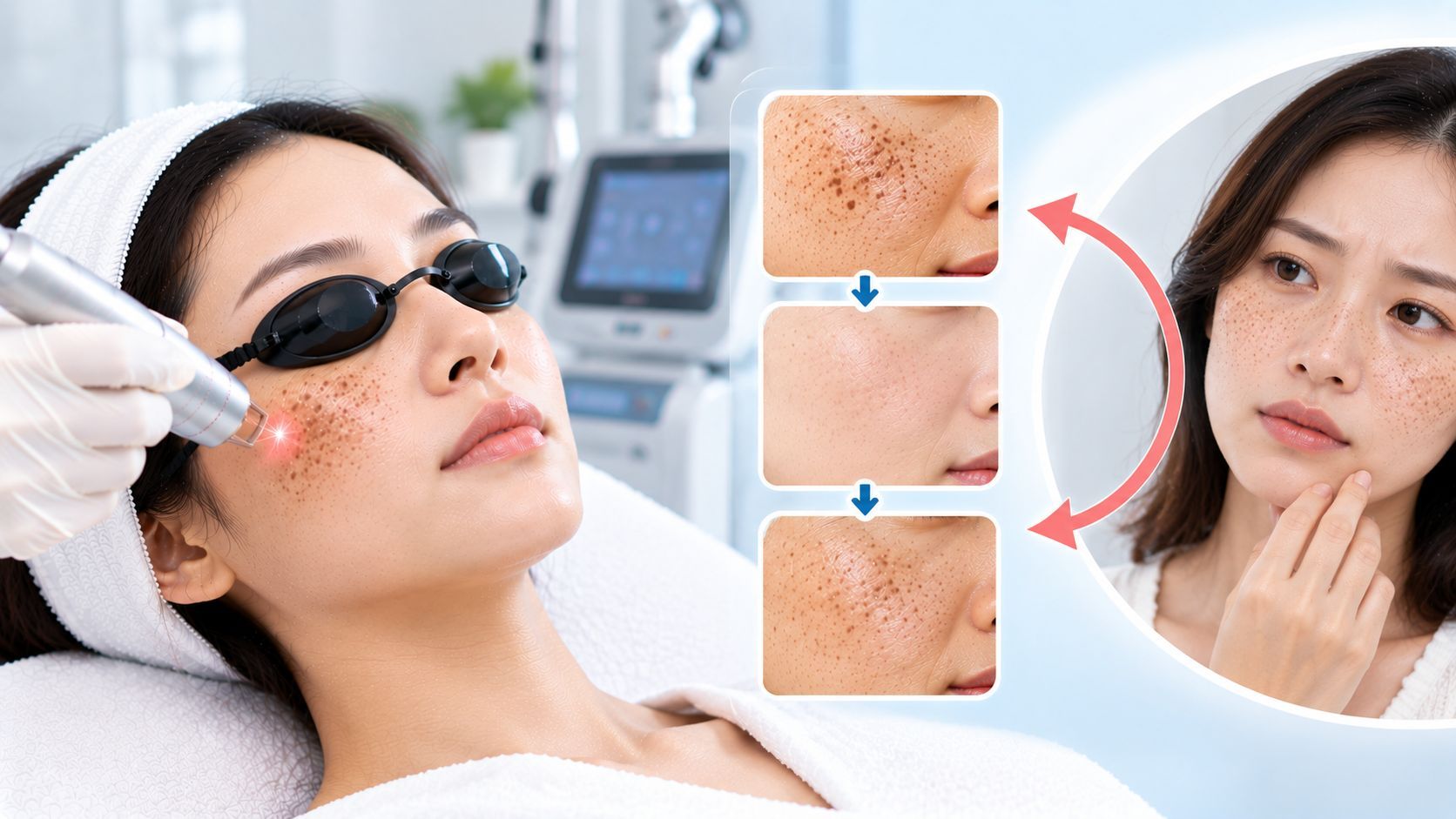
Can Melasma Return After Laser?
Yes.
Laser treatment may reduce the visible appearance of pigmentation without permanently eliminating the underlying tendency to develop melasma.
Pigmentation can return or fluctuate because of ongoing triggers such as UV exposure, visible light, hormonal influences, heat, and individual susceptibility.
This is why long-term management and photoprotection remain important even after successful improvement.
Final Takeaway
If you have melasma, the question is not simply “Which laser should I avoid?” It is “How much inflammation is this treatment likely to create, and is the expected benefit worth that risk for my particular melasma?”
Aggressive resurfacing, overly intense pigment treatments, unnecessarily frequent sessions, and treatment without a clear diagnosis deserve particular caution.
Pico laser, laser toning, and other light-based treatments are not automatically safe or unsafe simply because of their names. The wavelength, settings, technique, skin characteristics, diagnosis, and treatment plan all matter.
If you are considering melasma treatment in Korea, ask the clinic to explain why the proposed treatment is appropriate, how they will manage the risk of worsening pigmentation, and what alternatives are available before you proceed.
Frequently Asked Questions
Should I avoid all lasers if I have melasma?
No. Some people with melasma may be candidates for carefully selected laser or light-based treatments. However, the treatment needs to be individualized because inflammation can sometimes worsen pigmentation.
Is Pico laser safe for melasma?
Pico laser is not automatically safe or unsafe for melasma. The device, wavelength, settings, treatment technique, skin characteristics, and diagnosis all affect the risk and potential benefit.
Can laser toning make melasma worse?
It can. Although laser toning generally uses a more conservative approach than aggressive pigment treatment, excessive energy or overly frequent treatments may still cause inflammation and unwanted pigmentation.
Is IPL good for melasma?
IPL may be appropriate for some pigmentation problems but requires caution in melasma because heat and inflammation can potentially aggravate pigmentation in susceptible patients.
What is the biggest mistake to avoid with melasma laser treatment?
One common concern is treating melasma as though it were a simple isolated dark spot and assuming that stronger treatment will automatically produce a better result. Diagnosis, conservative treatment planning, and control of triggers are important.
Can melasma come back after laser treatment?
Yes. Improvement does not necessarily mean permanent clearance. Melasma can recur, so ongoing photoprotection and appropriate long-term management remain important.