What’s the Best Seoul Treatment for Post-Acne Pigmentation?
Post-acne pigmentation can remain long after the acne itself has disappeared. You may have clear skin but still notice flat brown, gray, or reddish marks where pimples used to be. If you are visiting Seoul and want to treat these marks, the main challenge is choosing a treatment that matches the type of pigmentation rather than simply selecting the strongest laser.
There is no single best Seoul treatment for every type of post-acne pigmentation. The appropriate option depends on whether your marks are brown or red, how deep the pigmentation is, your skin tone, your tendency toward post-inflammatory hyperpigmentation (PIH), whether you still have active acne, and whether you also have acne scars.
For many patients, treatment may involve a conservative pigment-targeting laser, Pico laser, or another approach selected after a skin assessment.
What Is Post-Acne Pigmentation?
Post-acne pigmentation refers to discoloration that remains after acne-related inflammation.
It is important to distinguish between different types.
Brown or Dark Acne Marks
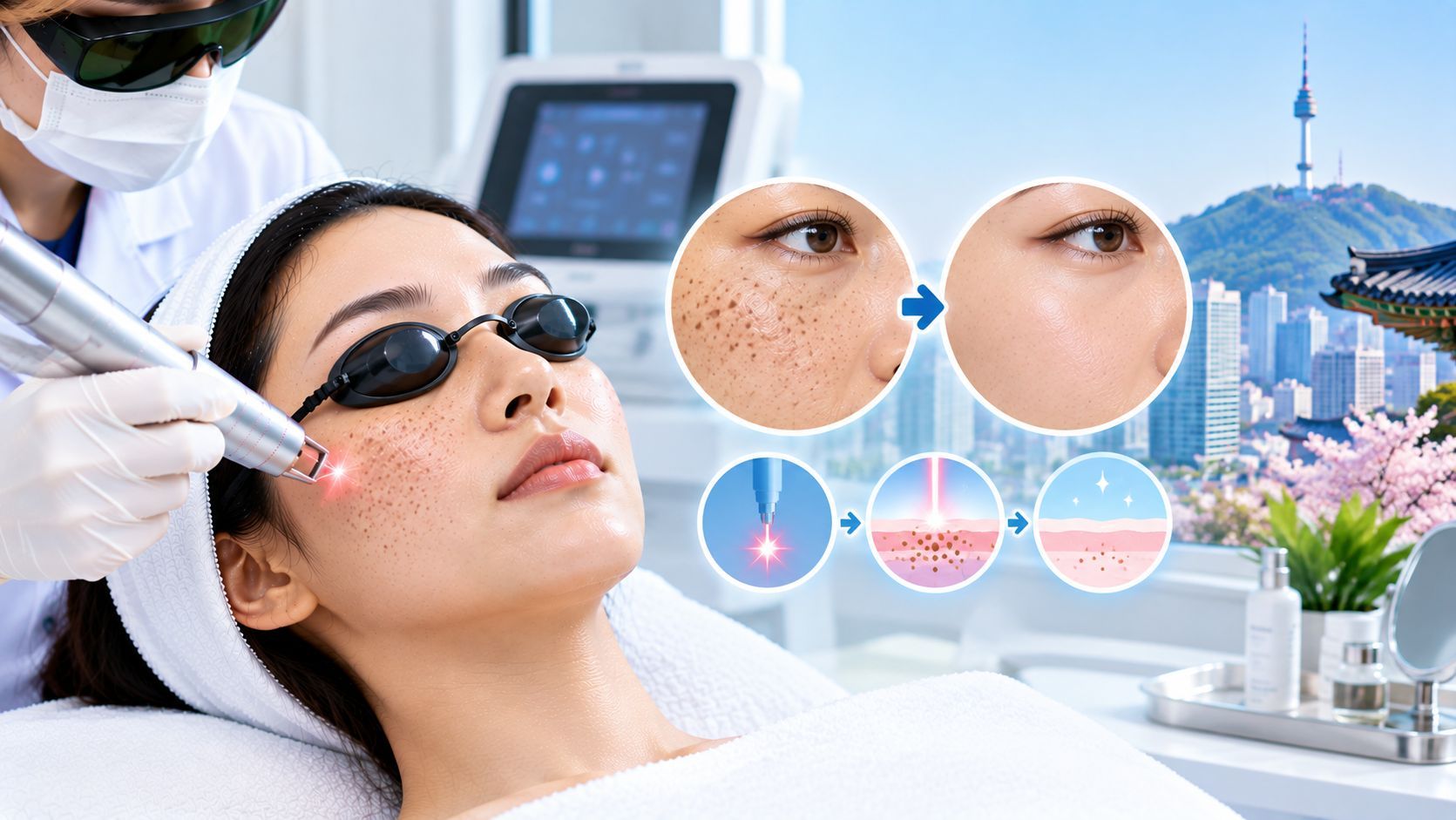
Brown marks are usually related to increased melanin following inflammation. This is commonly called post-inflammatory hyperpigmentation (PIH).
These marks can be especially noticeable in people with darker or more melanin-rich skin.
Red or Pink Acne Marks
Some people are left with red or pink areas rather than brown pigmentation. These are generally considered post-inflammatory erythema rather than hyperpigmentation.
The treatment approach can be different.
Indented Acne Scars
If the skin has pits, depressions, or changes in texture, the problem is no longer simply pigmentation.
Laser pigmentation treatment may improve color but will not necessarily correct an indented scar.
This distinction is important because someone may think they need a pigmentation laser when their main concern is actually acne scarring.
What Treatment Is Often Considered for Brown Acne Marks?
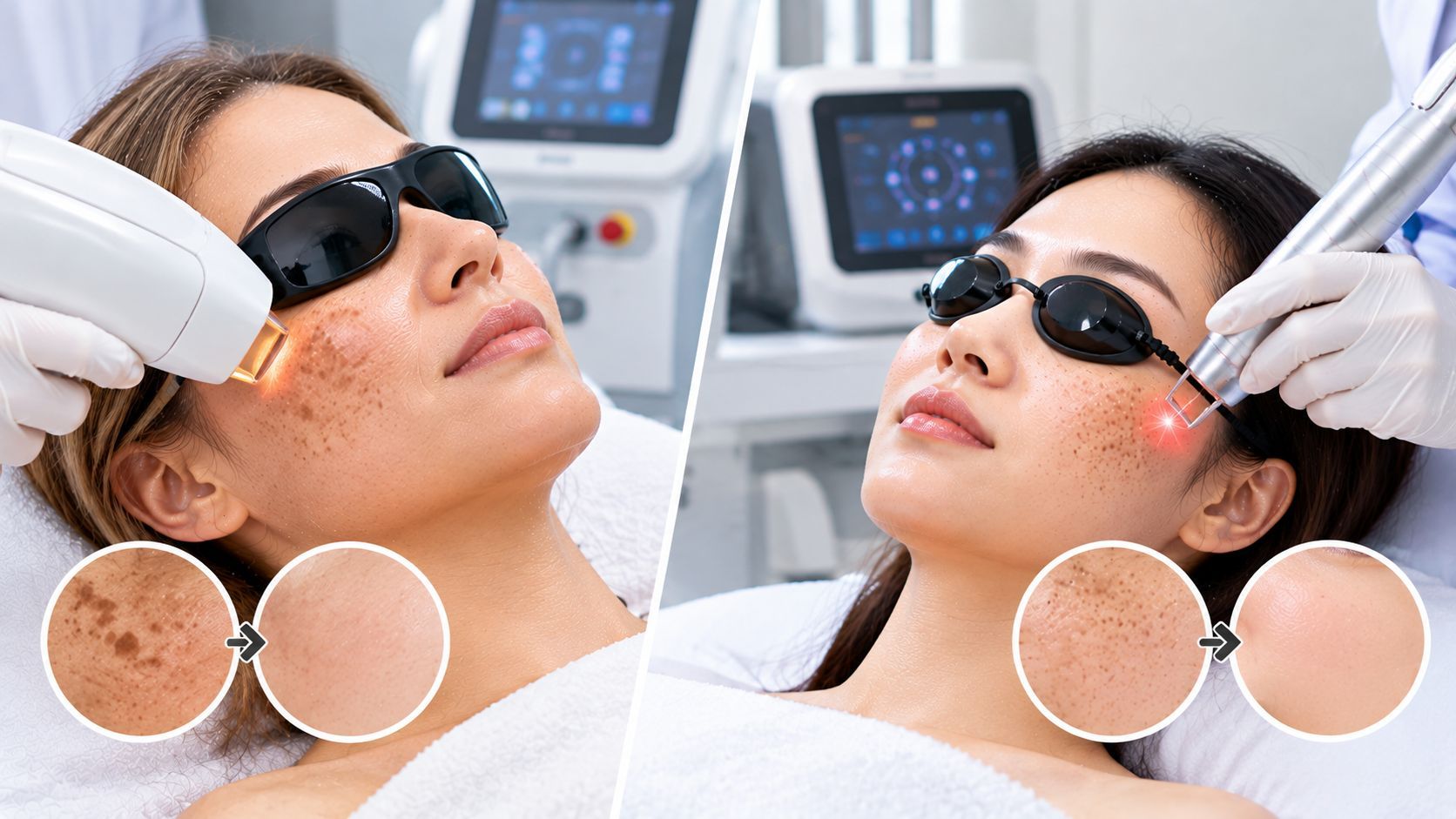
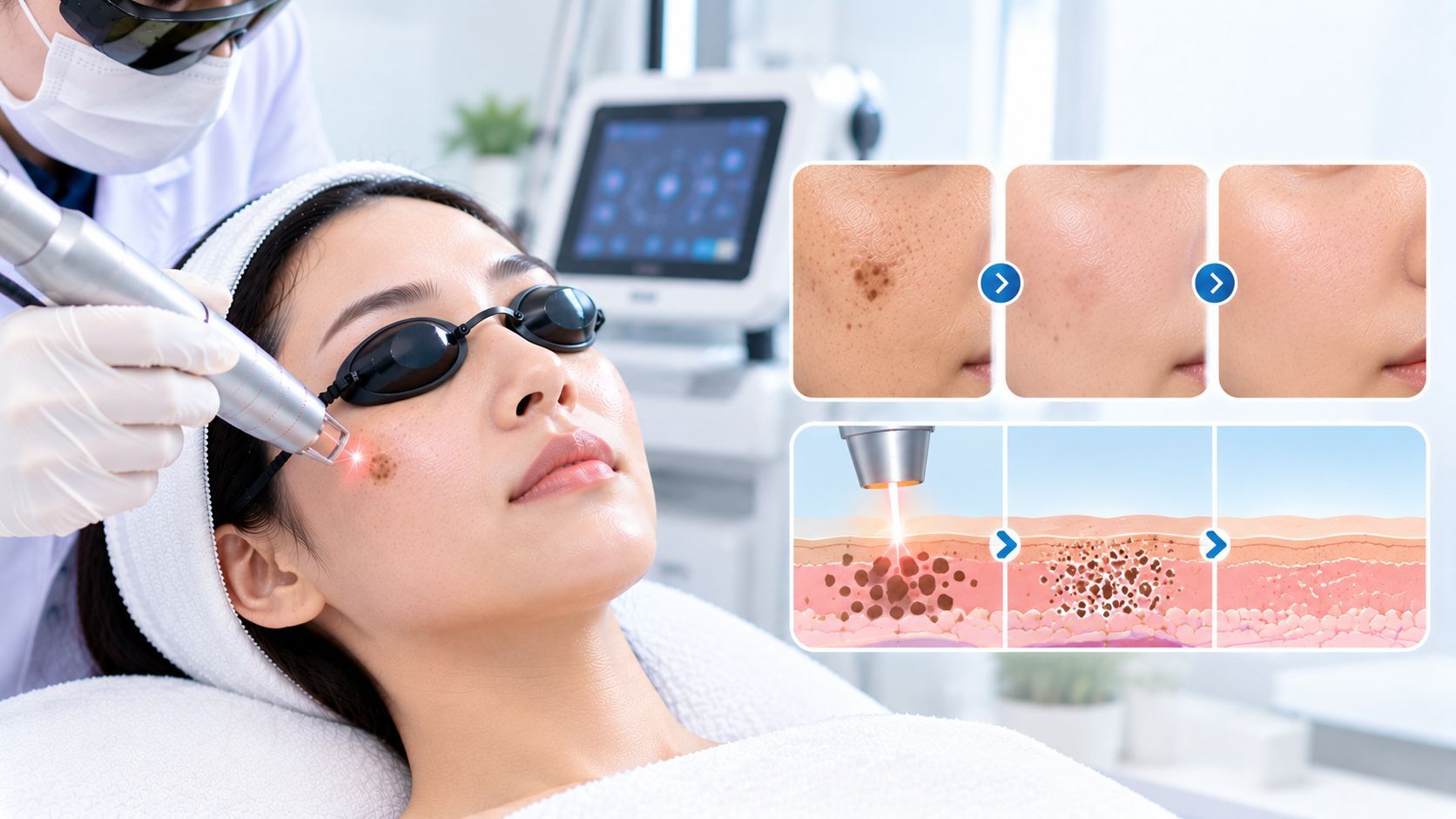
For flat brown post-acne marks, a dermatologist may consider pigment-focused treatments depending on the individual skin and pigmentation.
Potential options can include:
- Pico laser
- Other pigment-targeting lasers
- Conservative laser toning approaches
- Topical management
- Combination treatment
The appropriate option depends on the pigmentation depth, skin characteristics, and risk of PIH.
A stronger laser is not automatically more effective.
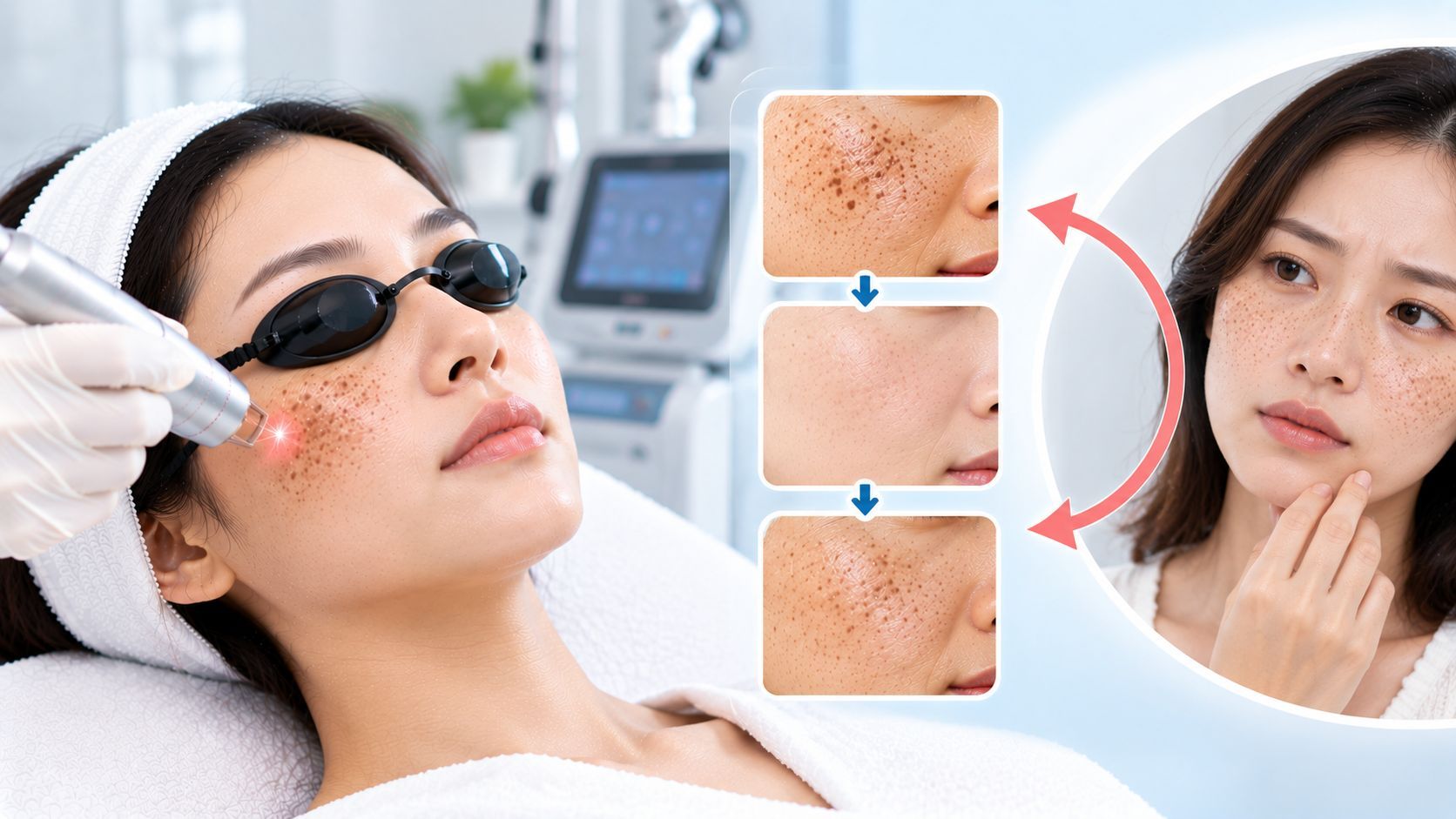
If treatment causes significant inflammation, the resulting PIH can potentially make the original problem more noticeable.
Could Pico Laser Help Post-Acne Pigmentation?
Pico laser is commonly discussed for pigmentation, but it is important to remember that Pico describes a laser technology rather than one standardized procedure.
Different Pico platforms can use different wavelengths and treatment configurations.
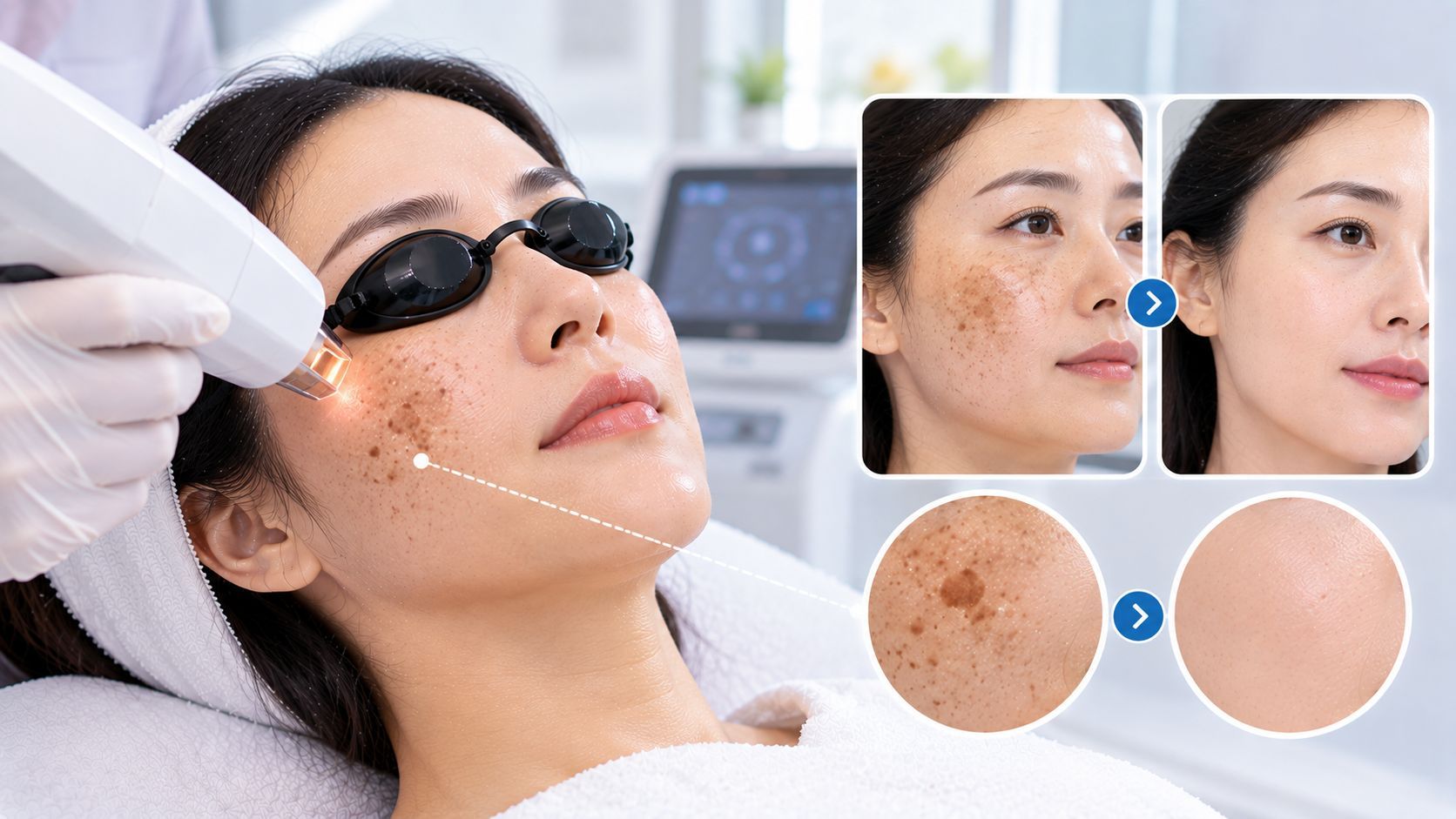
A dermatologist may consider Pico treatment for selected flat pigmented acne marks, depending on the patient's skin and the nature of the pigmentation.
Treatment can be targeted or broader.
For someone with multiple scattered marks, the approach may differ from treatment of a few clearly defined spots.
What About Pico Toning?
Pico technology can also be used in a broader, more conservative treatment approach sometimes referred to as Pico toning.
This may be considered when the goal involves overall uneven pigmentation rather than treating only individual spots.
However, Pico toning should not be viewed as completely risk-free.
Repeated treatments, excessive energy, inappropriate treatment intervals, or irritation can contribute to unwanted pigmentation changes.
If you are prone to PIH, ask the dermatologist how the treatment will be adjusted for your skin.
What About Laser Toning?
Laser toning is a treatment approach generally associated with gradual improvement of diffuse pigmentation.
It may be considered for selected patients with uneven skin tone and post-inflammatory pigmentation.
However, it is not necessarily the right treatment for every acne mark.
If you have only a few clearly defined dark spots, a dermatologist may consider whether targeted treatment makes more sense than treating the entire face.
Conversely, if pigmentation is diffuse, a broader approach may be considered.
What If My Acne Is Still Active?
Active acne changes the treatment plan.
If you are continuing to develop inflamed pimples, treating pigmentation without controlling the underlying acne may result in new marks appearing.
You could improve existing pigmentation while simultaneously developing new PIH.
For this reason, your dermatologist may recommend addressing active acne first or treating both problems as part of a broader plan.
Do not assume that every acne patient should immediately undergo a pigmentation laser.
How Does Skin Tone Affect Treatment?
Skin tone and pigmentation history are important considerations.
People with darker or more melanin-rich skin may have a greater tendency toward PIH after inflammation or certain procedures, although skin tone alone does not determine whether laser treatment is appropriate.
Tell your dermatologist if you have previously developed dark marks after:
- Acne
- Cuts or scratches
- Burns
- Waxing
- Chemical peels
- Laser treatment
- Other skin procedures
Your previous response can help the clinician understand how cautious the treatment strategy should be.
Could Laser Make Post-Acne Pigmentation Worse?
Yes, particularly if the skin develops significant inflammation after treatment.
Temporary darkening can occur after some pigment procedures, but persistent worsening may represent PIH or another pigmentary reaction.
This is why aggressive treatment should not be assumed to produce faster results.
If your skin becomes significantly darker after treatment, contact the treating clinic rather than immediately scheduling another laser session.
Additional irritation can potentially make the situation worse.
What If I Have Both Pigmentation and Acne Scars?
This is extremely common.
You might have:
- Brown marks
- Red marks
- Enlarged pores
- Rolling scars
- Ice-pick scars
- Boxcar scars
- Uneven texture
These concerns may require different treatments.
For example, a pigment laser may address color while another procedure may be considered for indented scarring.
Potential acne-scar treatments can include procedures such as microneedling, RF microneedling, fractional resurfacing, subcision, or other approaches depending on the scar type.
The important point is that one laser does not necessarily treat every consequence of acne.
Could Chemical Peels Be an Option?
Depending on your skin and pigmentation, a dermatologist may consider a chemical peel or topical treatment instead of—or alongside—a laser.
This can sometimes be useful when minimizing laser exposure is a priority.
However, peels can also cause irritation and PIH if poorly selected or aggressively performed.
The fact that a treatment is not a laser does not automatically make it risk-free for pigmentation-prone skin.
How Many Sessions Might You Need?
There is no universal number.
A small number of superficial marks may respond differently from widespread pigmentation.
Your treatment plan can depend on:
- Number of marks
- Pigmentation depth
- Skin tone
- PIH tendency
- Whether acne remains active
- Treatment settings
- Recovery between sessions
More sessions are not necessarily better.
The skin should have adequate time to recover, and the treatment plan may need to change depending on how your pigmentation responds.
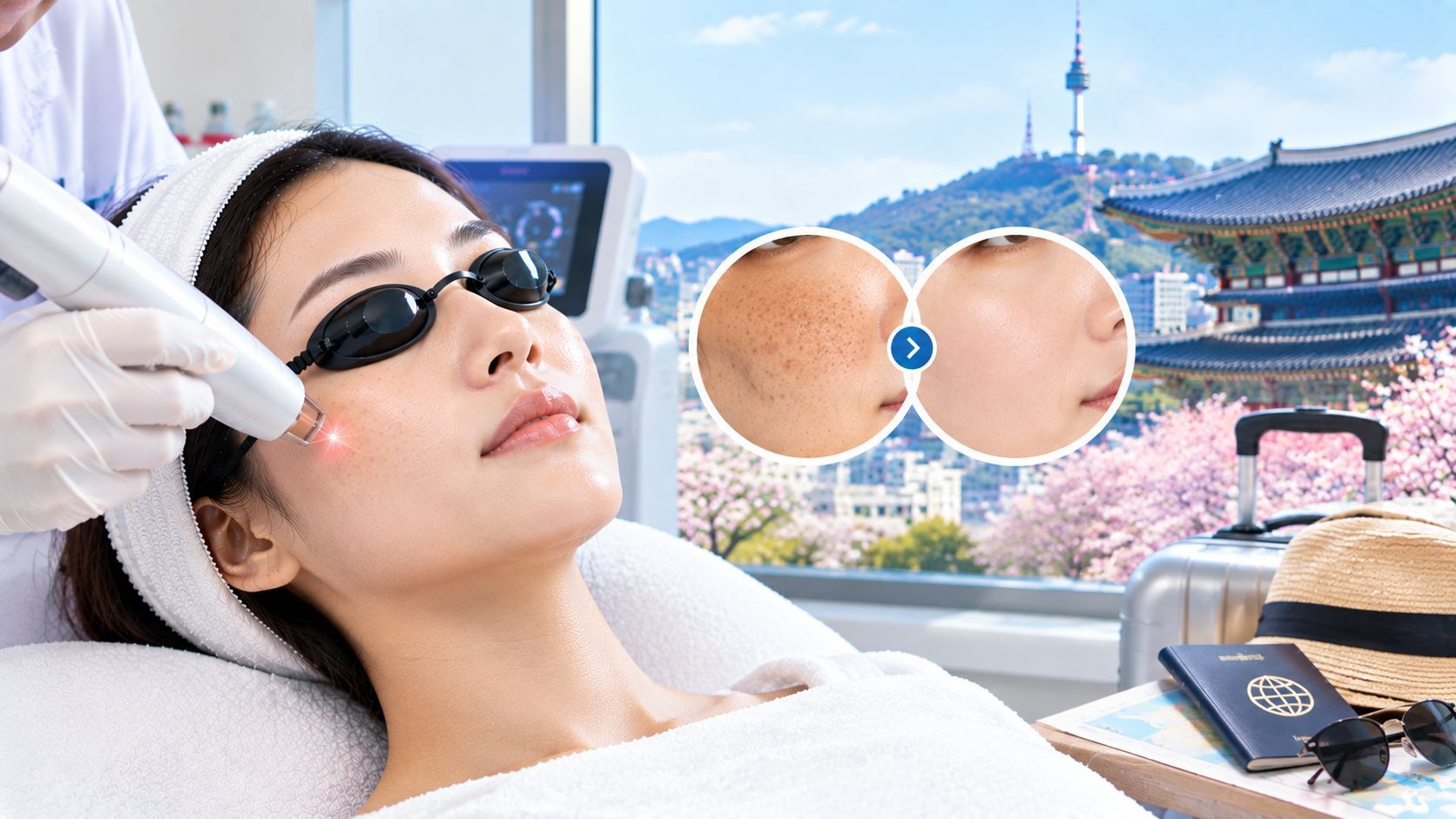
Can I Treat Post-Acne Pigmentation During a Short Seoul Trip?
Possibly, but expectations should be realistic.
If you are in Seoul for only a few days, you may be able to have a consultation and selected treatment, depending on the procedure.
However, pigmentation rarely needs to be treated as aggressively as possible simply because your trip is short.
Consider:
- Consultation time
- Possible redness or sensitivity
- Temporary darkening
- Sun exposure during sightseeing
- Skincare restrictions
- Follow-up after returning home
If you have a history of PIH, a conservative approach may be particularly important.
What Should I Ask a Seoul Dermatology Clinic?
Before treatment, ask:
- Are these definitely post-acne pigmentation?
- Are the marks brown, red, or a combination?
- Do I also have acne scars?
- Which laser or treatment are you recommending, and why?
- What wavelength will be used?
- What settings are appropriate for my skin tone?
- What is my PIH risk?
- Would a test spot be appropriate?
- How many sessions might I need?
- How long should I wait between treatments?
- What should I avoid after the procedure?
- What should I do if the pigmentation becomes darker?
These questions can help you understand the treatment plan instead of choosing a procedure solely because it is popular in Seoul.
How Important Is Sun Protection?
Very important.
UV exposure can make pigmentation more noticeable and may interfere with efforts to improve uneven tone.
After a pigmentation treatment, follow the clinic's specific instructions regarding sunscreen, sun avoidance, skincare, and activities.
If you are visiting Seoul during a sunny period, remember that sightseeing can involve substantial outdoor exposure.
Plan your treatment schedule around recovery rather than trying to fit treatment into the final hours of your trip.
Red Flags When Choosing a Pigmentation Treatment
Be cautious if a clinic:
- Guarantees complete removal of acne marks
- Promises results after one session
- Says stronger laser settings are always better
- Does not ask about PIH
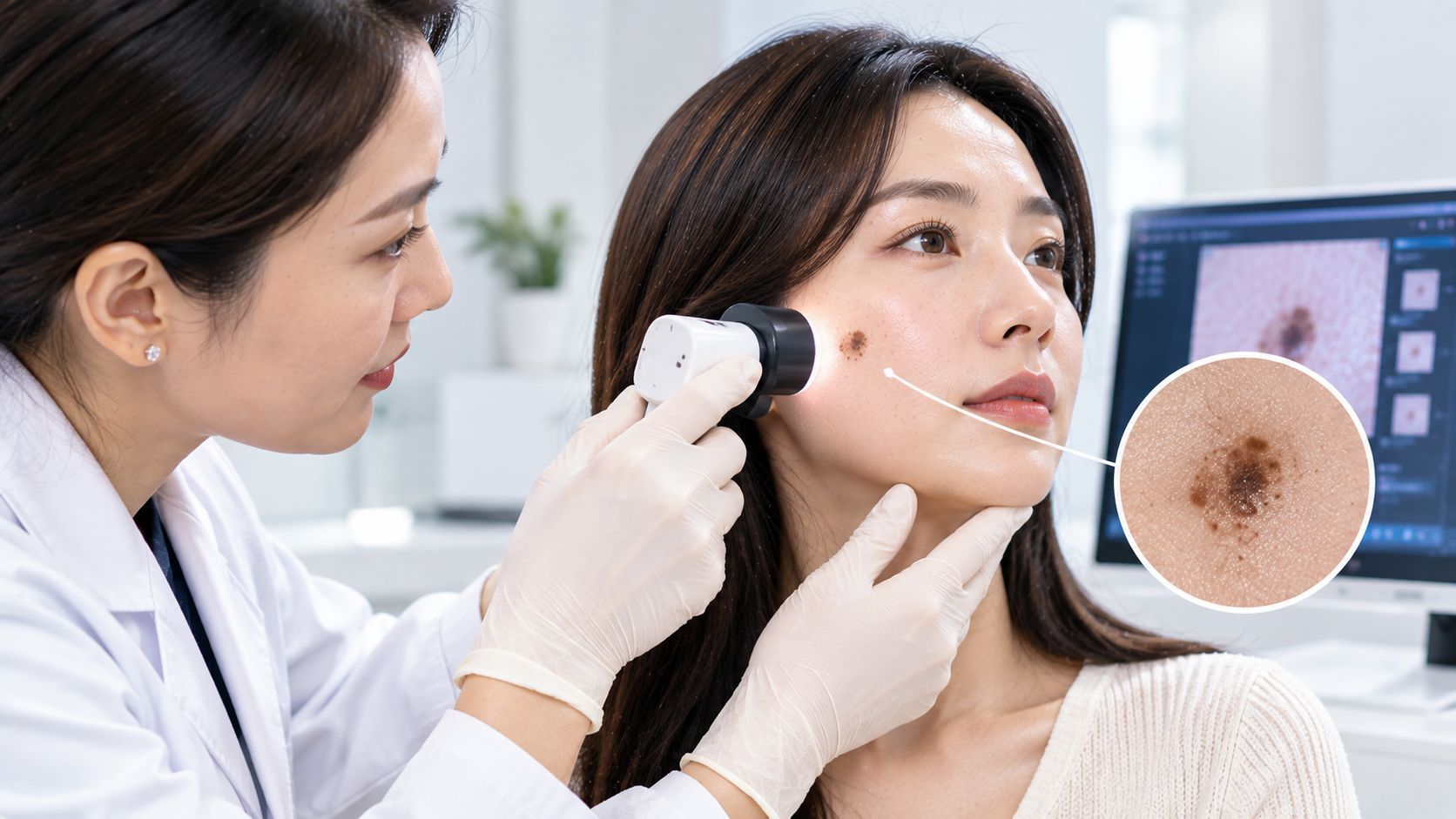
- Treats pigmentation without examining the skin
- Cannot explain what type of pigmentation you have
- Promises to treat acne, scars, pores, redness, and pigmentation with one procedure
- Pushes a large package before discussing your goals and risks
- Gives minimal aftercare instructions
A good consultation should explain what the treatment is intended to improve and what it may not address.
Conclusion
The best Seoul treatment for post-acne pigmentation depends on what type of marks you actually have and how your skin responds to treatment. Brown PIH, red post-acne marks, and indented acne scars are different problems and may require different approaches.
Pico laser, laser toning, other pigment-focused treatments, topical management, and combination approaches may all have a role in selected patients. The key is matching the treatment to the pigmentation rather than automatically choosing the strongest or newest device.
If you are traveling to Seoul for treatment, use the consultation to clarify your diagnosis, PIH risk, treatment settings, recovery requirements, and follow-up plan before proceeding.
FAQs
What is the most common laser considered for post-acne pigmentation in Seoul?
Pico laser and other pigment-focused laser approaches may be considered, but there is no single treatment appropriate for everyone. The choice depends on the type of pigmentation and individual skin characteristics.
Can Pico laser remove old acne marks?
Pico laser may improve selected flat pigmented acne marks. Results vary, and it does not necessarily correct red marks or indented acne scars.
Is laser toning good for acne pigmentation?
Laser toning may be considered for selected cases of diffuse pigmentation, but the appropriate treatment depends on the pigmentation pattern and PIH risk.
Can laser treatment cause more pigmentation after acne?
Yes. Treatment-related inflammation can potentially trigger PIH, particularly in people who are prone to pigmentation. Appropriate settings and aftercare are important.
Should I treat acne before pigmentation?
If you have ongoing active acne, controlling the acne can be important because new inflammation can create additional pigmentation while existing marks are being treated.
Can one treatment fix acne scars and pigmentation?
Not necessarily. Pigmentation and structural acne scars are different concerns and may require different treatment approaches.