Which Korean Laser Works for Pigmentation Without Much Downtime?
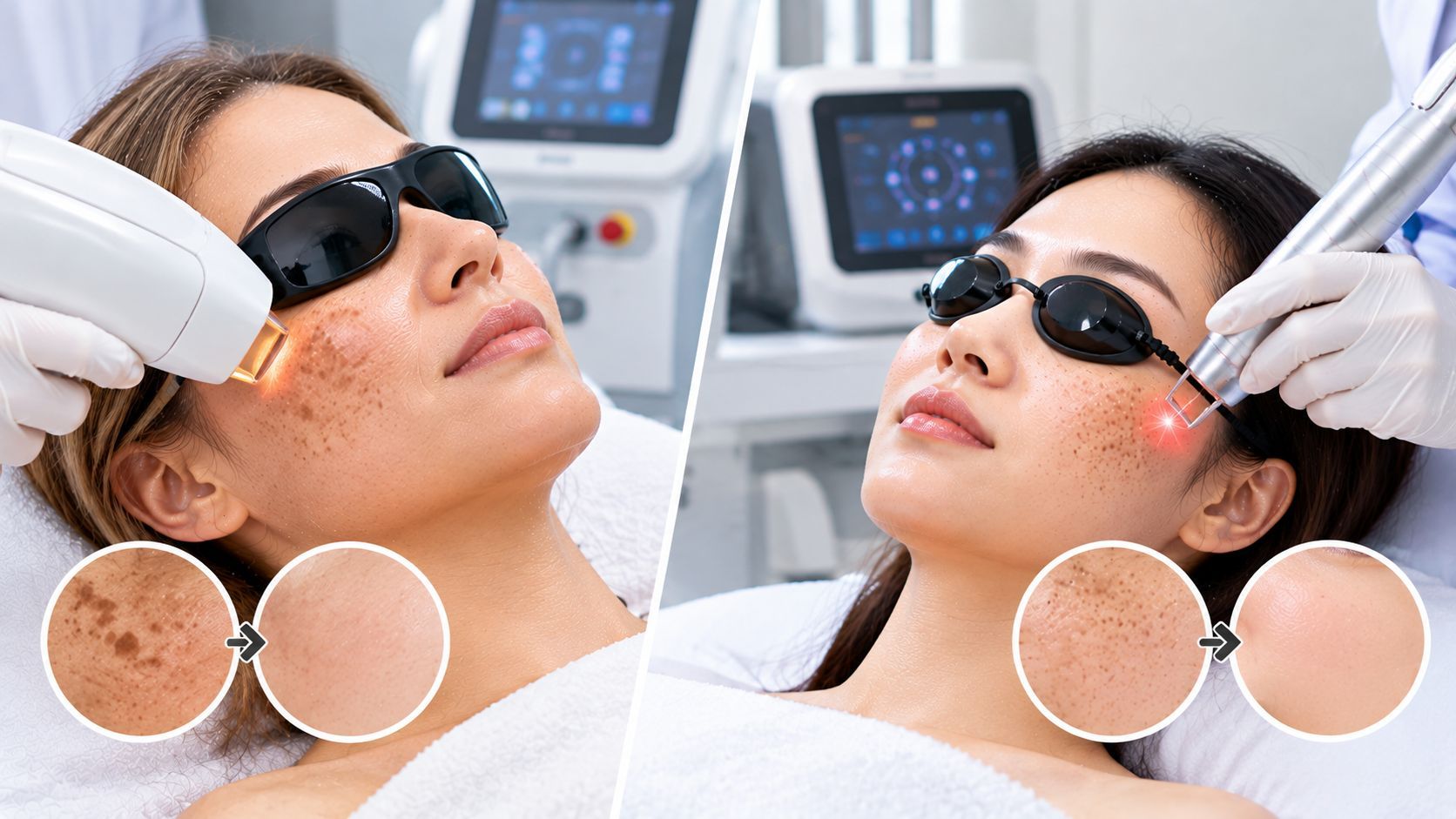
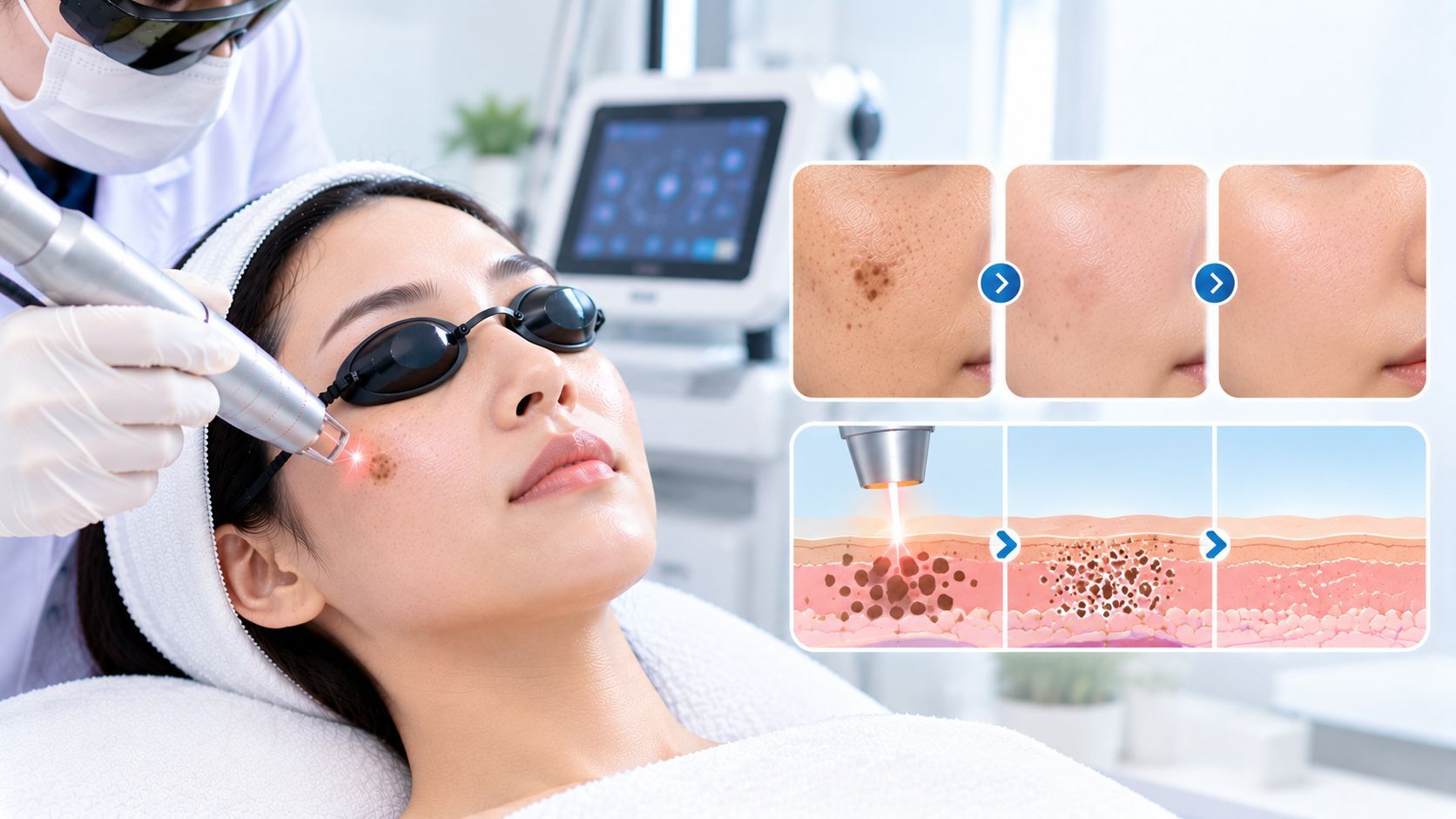
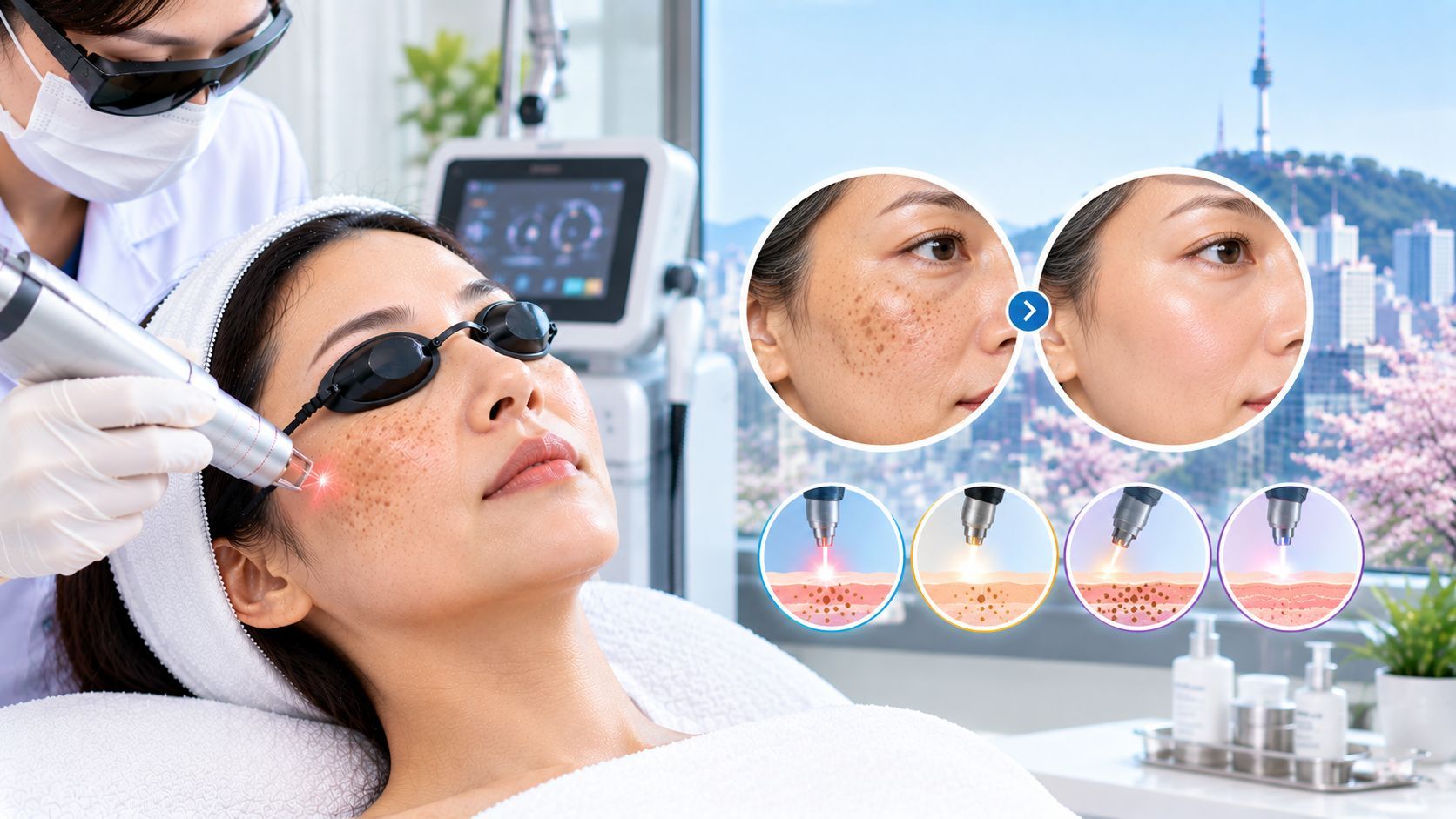
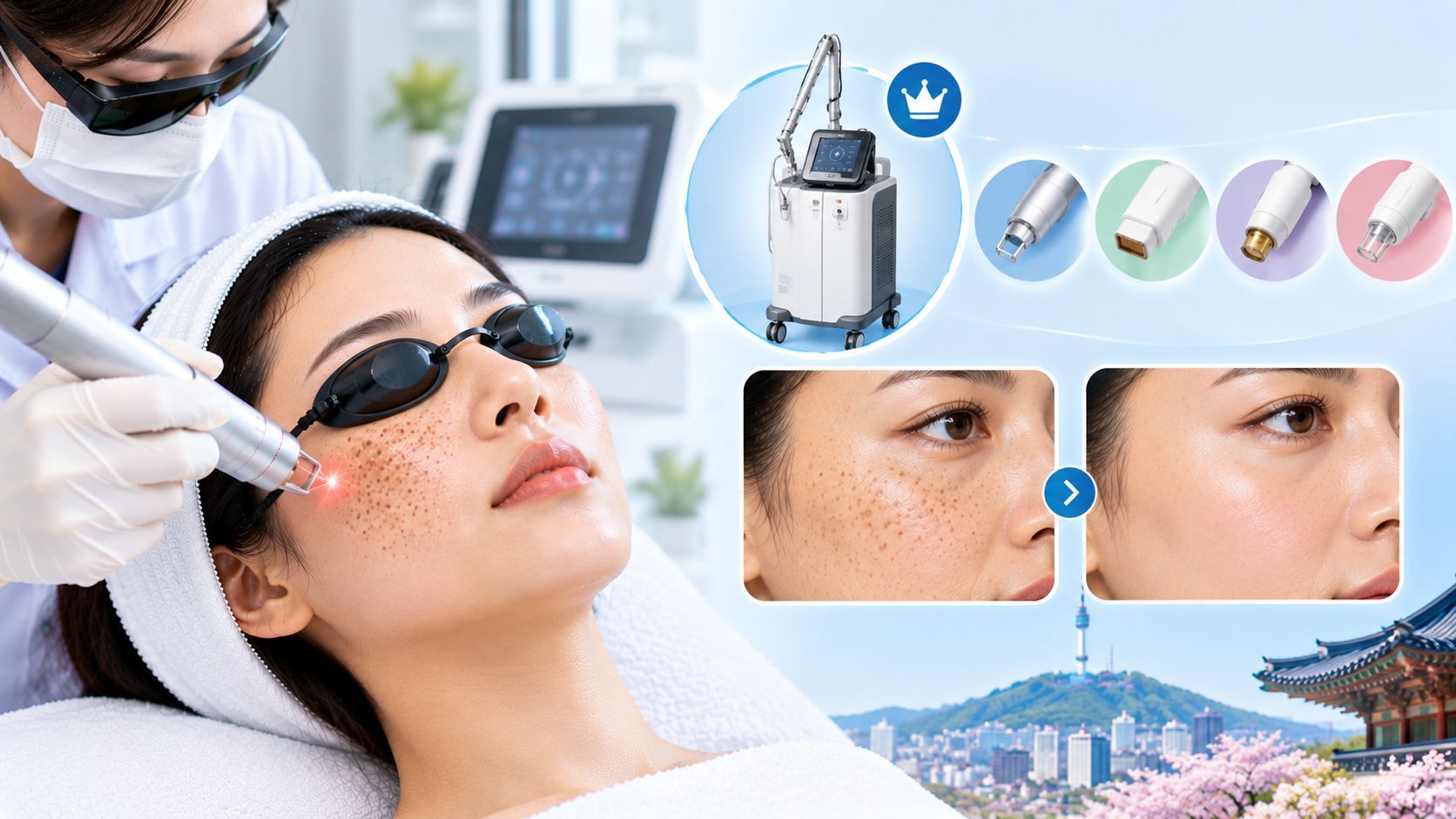
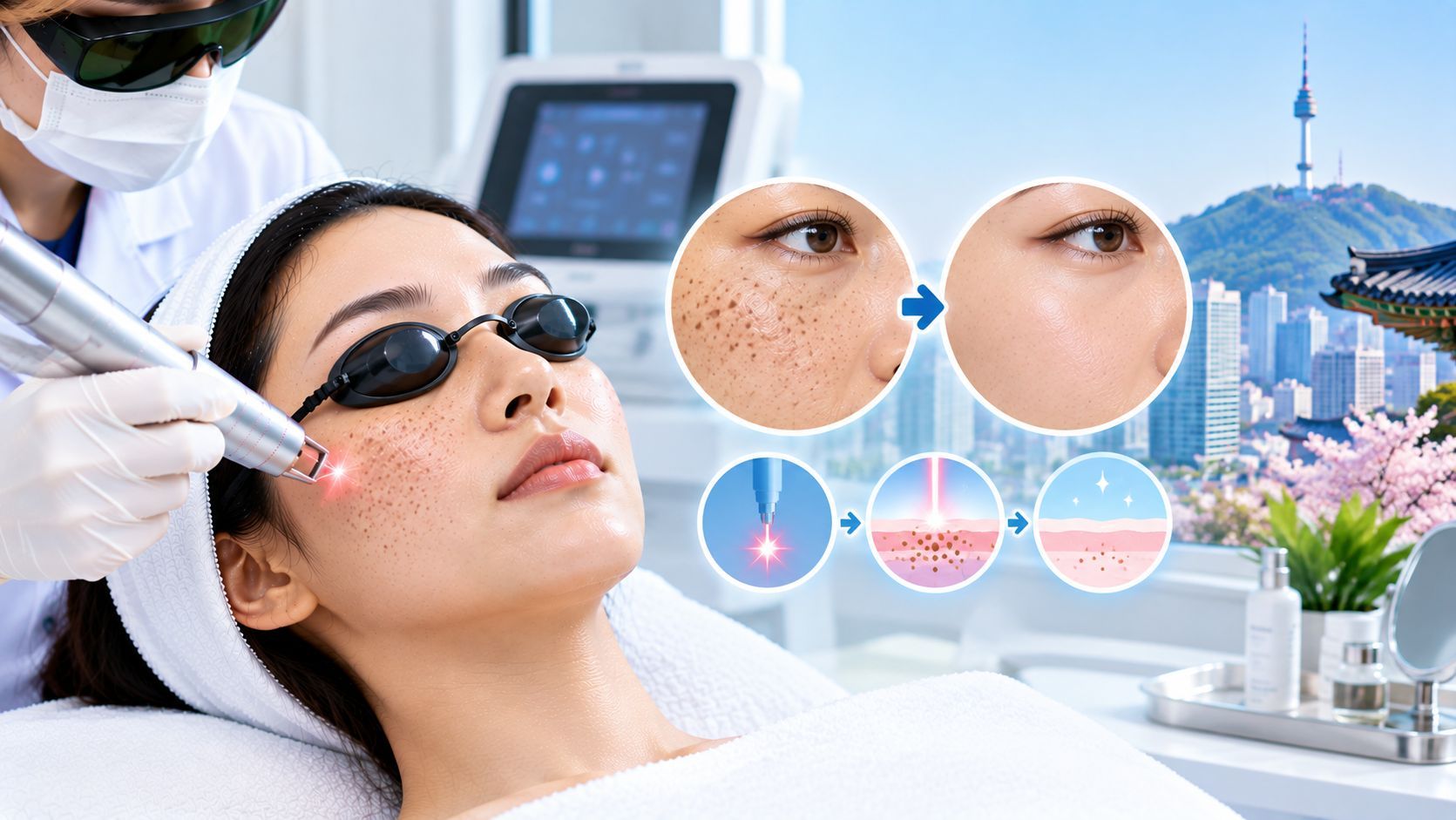
If you want to treat facial pigmentation in Korea but have limited time for recovery, several laser and light-based treatments may be considered. However, there is no single Korean laser that guarantees both pigmentation improvement and zero downtime.
For selected patients, conservative Pico laser or laser toning-style treatments may involve relatively little visible downtime compared with more aggressive resurfacing procedures. The actual recovery depends on the pigmentation being treated, your skin type, the device and wavelength, treatment settings, and how your skin responds.
For international patients visiting Seoul, the goal should be to choose a treatment that balances pigmentation improvement with a recovery period that fits your itinerary—not simply the procedure advertised as having the least downtime.
What Counts as “Low Downtime”?
Downtime does not necessarily mean staying in bed or being unable to travel.
For pigmentation treatments, downtime can include:
- Mild redness
- Warmth or sensitivity
- Temporary swelling
- Temporary darkening of pigment
- Small areas of crusting
- Flaking
- Increased sensitivity to sunlight
- Temporary restrictions on skincare or activities
A procedure can technically have “minimal downtime” while still causing visible changes for several days.
Therefore, ask the clinic exactly what you should expect rather than relying only on the phrase “no downtime.”
Pico Laser for Pigmentation
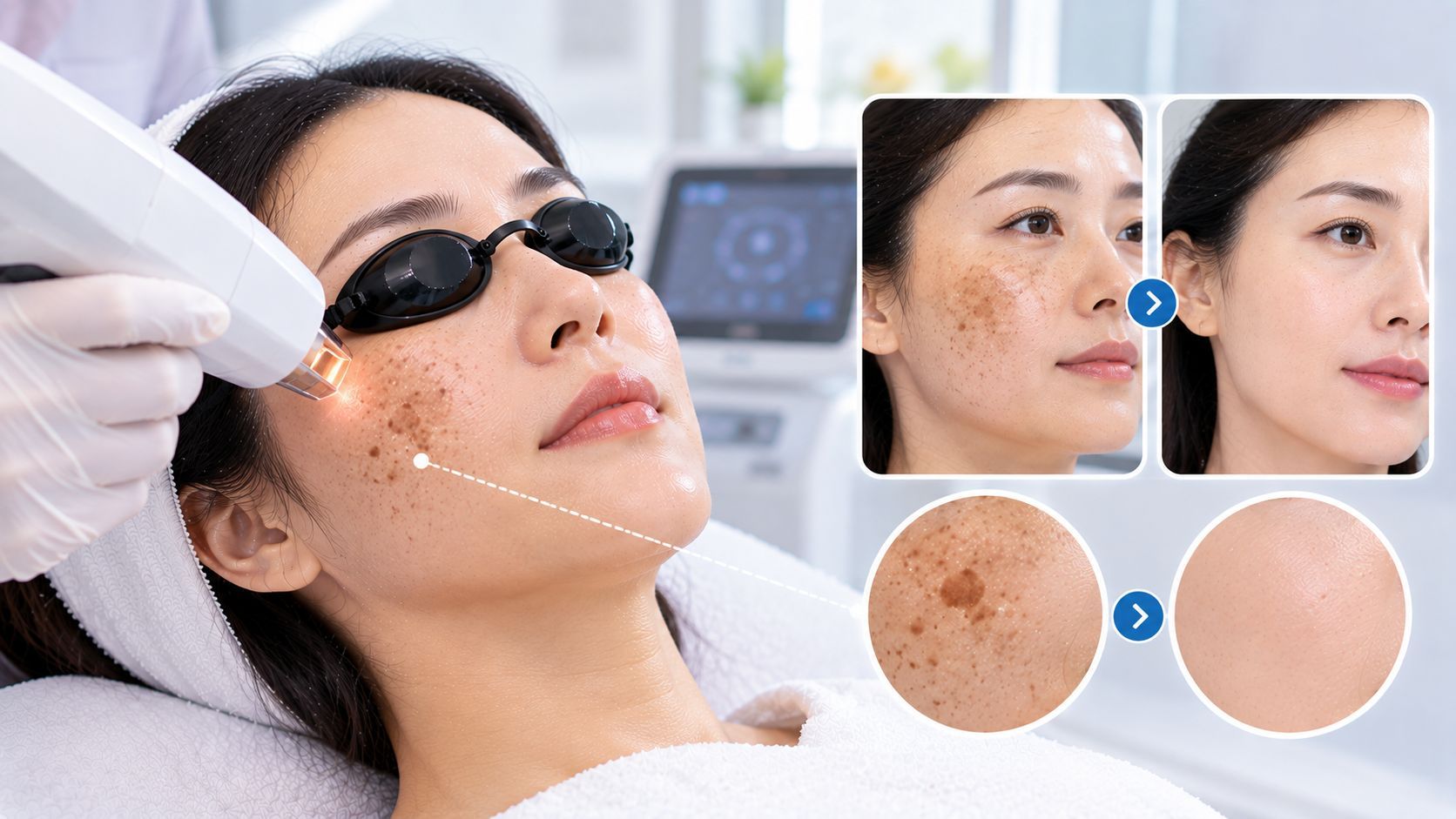
Pico laser is one option frequently considered for pigmentation treatment.
The term “Pico” refers to picosecond laser technology, but different devices can use different wavelengths, handpieces, and treatment settings.
Depending on the specific device and treatment protocol, Pico laser may be used for selected:
- Brown pigmentation
- Sun-related spots
- Freckles
- Post-acne pigmentation
- Uneven skin tone
A conservative Pico treatment may involve limited visible recovery compared with aggressive resurfacing.
However, Pico does not automatically mean zero downtime or zero pigment risk.
What About Pico Toning?
Pico technology can also be used in a broader, gradual treatment approach sometimes called Pico toning.
Instead of aggressively targeting individual pigment spots, the treatment may be performed across a broader area with a more conservative approach.
This may be considered for certain types of diffuse uneven pigmentation.
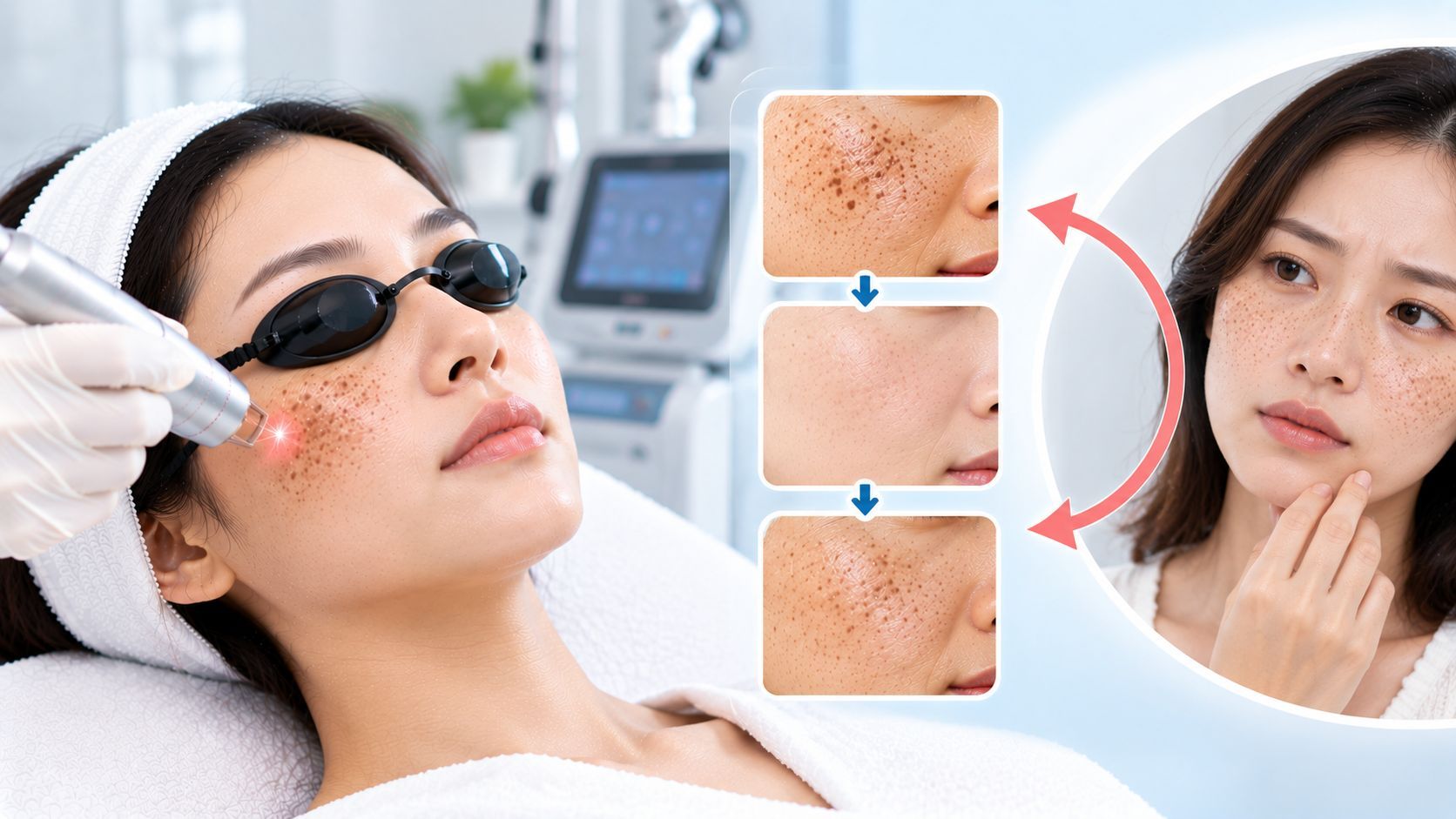
However, repeated treatment still needs to be controlled. Excessive energy or overly frequent sessions can potentially cause irritation and unwanted pigmentary changes.
If you are prone to PIH, ask how the treatment will be adapted to your skin.
Laser Toning
Laser toning is a treatment approach generally associated with gradual pigment and tone management.
It may be considered when the concern involves broader uneven pigmentation rather than only a few isolated spots.
Some patients may experience relatively little visible downtime with conservative protocols.
However, laser toning is not a universal solution for pigmentation.
It may be inappropriate or require particular caution in some cases of melasma, especially if the skin is sensitive to heat or inflammation.
What About IPL?
IPL, or intense pulsed light, is technically a light-based treatment rather than a laser.
It may be considered for selected pigmentation and redness concerns, depending on the patient's skin type and diagnosis.
However, IPL can also cause pigmentary complications, particularly when treatment is poorly matched to the skin.
If you have darker or melanin-rich skin, a history of PIH, or melasma, ask whether IPL is appropriate before proceeding.
“Light-based” does not automatically mean “risk-free.”
Why Aggressive Resurfacing Has More Recovery
More aggressive laser resurfacing can produce greater controlled injury to the skin.
Depending on the procedure, this may lead to:
- More redness
- Peeling
- Crusting
- Swelling
- Longer skin sensitivity
- More restrictions during recovery
Fractional and ablative resurfacing procedures can have uses for selected skin concerns, but they are not necessarily the most practical choice if your priority is treating pigmentation with minimal downtime.
This is particularly relevant if you have only a few days in Seoul.
What If I Have Melasma?
Melasma requires extra caution.
If the pigmentation is actually melasma rather than simple sun spots, aggressive treatment may potentially trigger additional inflammation and worsening pigmentation.
For selected patients, a dermatologist may consider a conservative laser or toning approach, while others may benefit from non-laser management or a combination strategy.
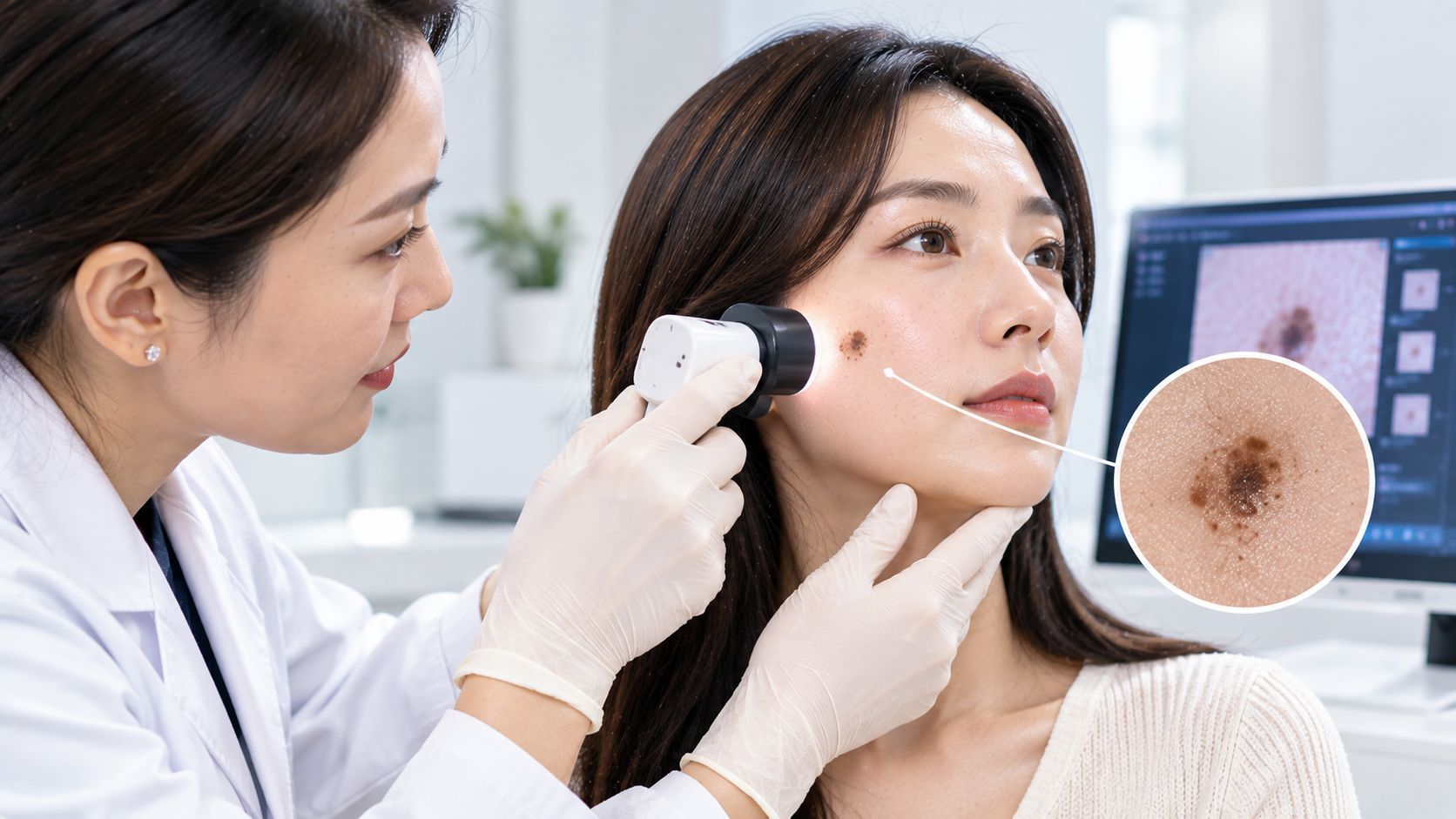
If you are unsure whether your pigmentation is melasma, freckles, sun damage, or post-acne pigmentation, establish the diagnosis before choosing a laser.
What If I Have Darker Skin?
Your skin tone and history of PIH should be part of the treatment discussion.
Darker or more melanin-rich skin does not automatically mean that laser treatment is unsuitable.
However, pigmentary complications can be an important consideration.
Tell the dermatologist if you have previously developed dark marks after:
- Acne
- Burns
- Scratches
- Waxing
- Chemical peels
- Laser procedures
- Other skin irritation
Previous reactions may help the clinician determine how conservative the treatment should be.
Which Pigmentation Problem Are You Treating?
The appropriate low-downtime treatment can depend heavily on the type of pigmentation.
Freckles
Clearly defined freckles may sometimes be treated with targeted pigment procedures.
Sun Spots
Individual sun-related spots may be approached differently from diffuse pigmentation.
Post-Acne Pigmentation
Brown marks left after acne may respond differently from red post-acne marks or actual acne scars.
Melasma
Melasma often requires a more cautious, long-term approach because it can recur and may react to inflammation.
Acne Scars
Indented acne scars are primarily a texture problem. A low-downtime pigment laser may improve color but will not necessarily correct the underlying depression.
Is “No Downtime” Really Possible?
Some conservative pigmentation treatments can have very limited visible downtime, but no procedure should be assumed to have zero recovery for every patient.
Two people can receive the same treatment and experience different levels of redness, swelling, sensitivity, or temporary darkening.
Treatment settings also matter.
A clinic using a stronger protocol may produce more visible recovery than another clinic using the same device more conservatively.
This is why asking only for the name of the machine does not provide enough information.
How to Choose a Low-Downtime Treatment in Seoul
Instead of asking, “Which laser has the least downtime?” ask:
- What type of pigmentation do I have?
- What treatment are you recommending?
- Why is it appropriate for my skin?
- What wavelength will be used?
- How aggressive will the treatment be?
- How much redness or darkening should I expect?
- How long should I avoid direct sun?
- Can I wear makeup afterward?
- Can I exercise or use a sauna?
- What should I do if the pigmentation becomes darker?
These questions can help you compare actual treatment protocols rather than marketing descriptions.
Low Downtime Does Not Mean One Session Is Enough
Another common misunderstanding is assuming that a low-downtime treatment should produce complete results immediately.
Pigmentation often requires a series of treatments, particularly when the goal is gradual improvement.
The number of sessions depends on the condition, treatment settings, response, and whether pigmentation continues to recur.
A clinic promising that one low-downtime laser session will permanently eliminate all pigmentation should be approached cautiously.
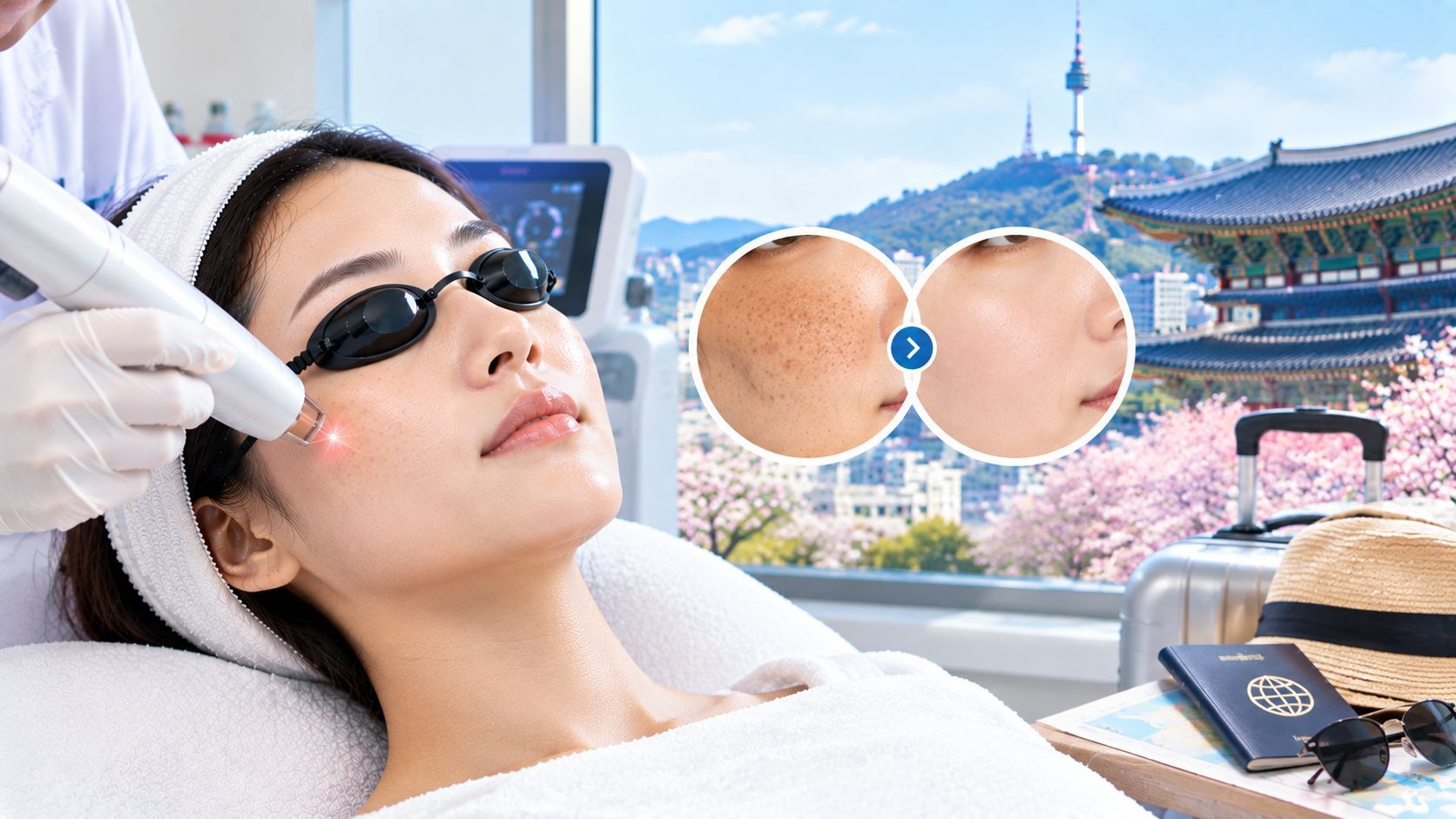
Planning Pigmentation Laser Treatment During a Seoul Trip
If you are an international patient, schedule treatment with recovery in mind.
Avoid putting treatment immediately before a full day of outdoor sightseeing if the procedure could produce redness or sensitivity.
Also consider:
- Sun exposure
- Humidity and heat
- Sauna visits
- Exercise
- Makeup
- Skincare products
- Flight timing
- Follow-up availability
If you are only in Seoul for a few days, ask whether the clinic expects any delayed reaction after the procedure.
A treatment that looks fine immediately afterward could still produce temporary darkening or sensitivity later.
What About Combining Treatments?
You may be offered combinations designed to address several concerns at once.
For example, a clinic might propose a pigmentation treatment together with a skin-quality or pore treatment.
Combination treatment can sometimes be appropriate, but adding procedures also adds treatment exposure and may increase irritation.
If pigmentation is your primary concern, ask whether every additional procedure is necessary or whether it would be better to separate treatments.
This is particularly relevant if you have melasma or a history of PIH.
Red Flags When Looking for Minimal-Downtime Laser Treatment
Be cautious if a clinic:
- Guarantees zero downtime
- Promises complete pigmentation removal after one session
- Says stronger treatment is always better
- Does not ask about your skin tone or PIH history
- Cannot explain the treatment settings
- Treats all brown spots as the same condition
- Recommends frequent sessions without explaining the reason
- Offers a large package before properly assessing your pigmentation
A realistic treatment plan should include both expected benefits and possible pigmentary complications.
Conclusion
If your priority is pigmentation improvement with limited downtime in Korea, conservative Pico laser, Pico toning, or laser toning-style treatments may be considered for selected patients. IPL may also have a role for certain pigmentation concerns, while more aggressive resurfacing procedures generally involve greater recovery.
But the treatment with the least downtime is not automatically the right treatment for your pigmentation.
The most important factors are diagnosis, skin type, PIH history, device and wavelength, treatment settings, and recovery requirements.
For an international patient visiting Seoul, discuss your travel schedule before treatment. Understanding what your skin may look and feel like over the following days can help you plan your medical visit more realistically.
FAQs
What Korean laser has the least downtime for pigmentation?
Conservative Pico laser or laser toning-style treatments may have relatively limited visible downtime for selected patients, but recovery varies. No laser should be assumed to have zero downtime for everyone.
Is Pico laser good for pigmentation with minimal downtime?
Pico laser may be considered for selected pigmentation problems, and conservative protocols can involve limited recovery. The appropriate wavelength and settings depend on the pigmentation and your skin.
Can laser toning treat pigmentation without downtime?
Laser toning may involve relatively little visible downtime when performed conservatively, but redness, sensitivity, or temporary pigment darkening can still occur.
Is IPL low downtime for pigmentation?
IPL can have relatively limited recovery for some patients, but suitability depends strongly on the pigmentation and skin type. It is not automatically appropriate for melasma or PIH-prone skin.
Can I go sightseeing after a pigmentation laser in Seoul?
Possibly, depending on the treatment and your reaction. However, extensive sun and heat exposure immediately afterward may be undesirable, so plan outdoor activities around the expected recovery period.
Can pigmentation treatment make my skin darker?
Yes. Temporary darkening or post-inflammatory hyperpigmentation can occur after pigment procedures. People with a history of PIH should discuss this risk before treatment.