Can I Treat Pigmentation If I'm Visiting Seoul During Summer?
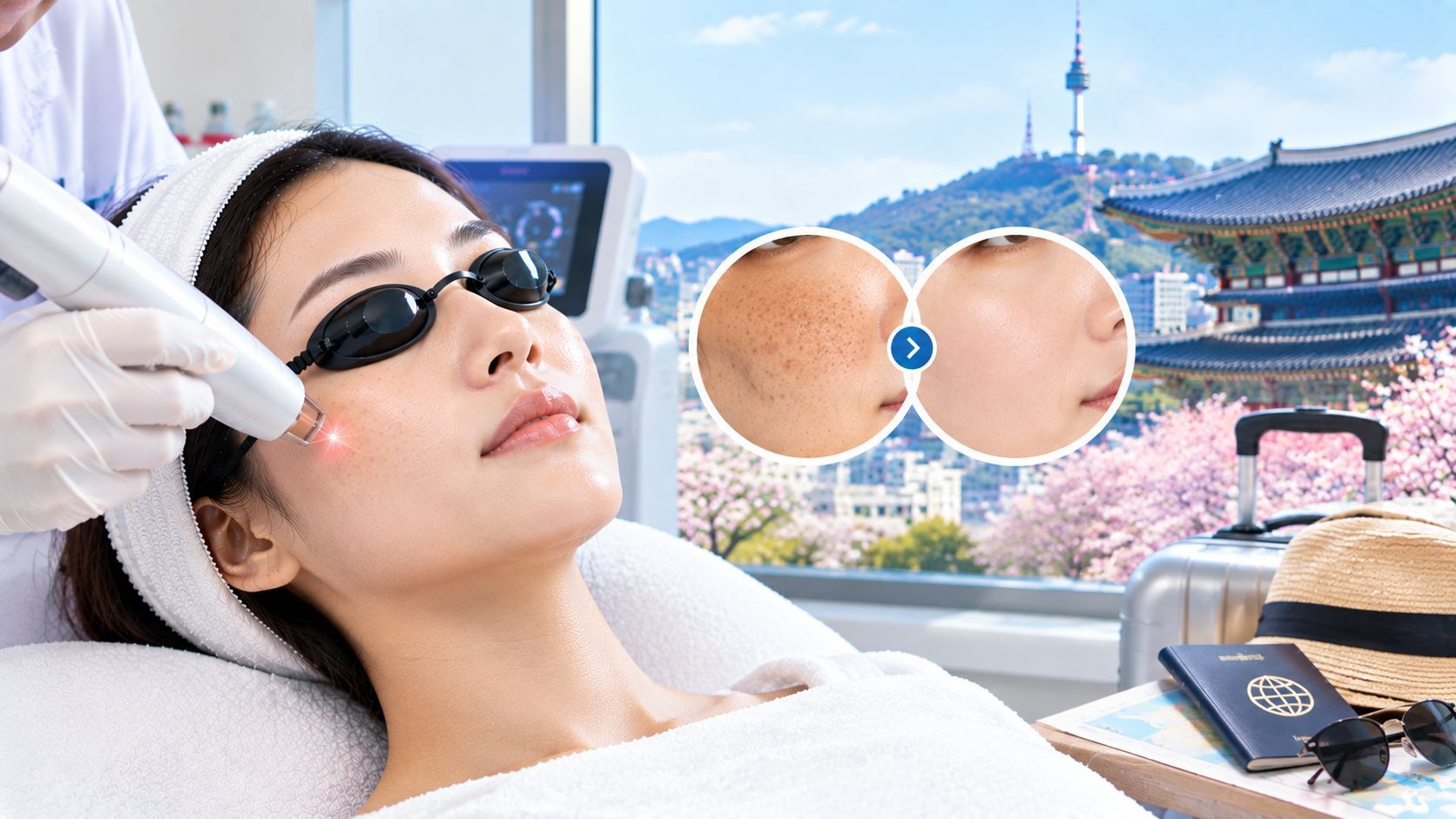
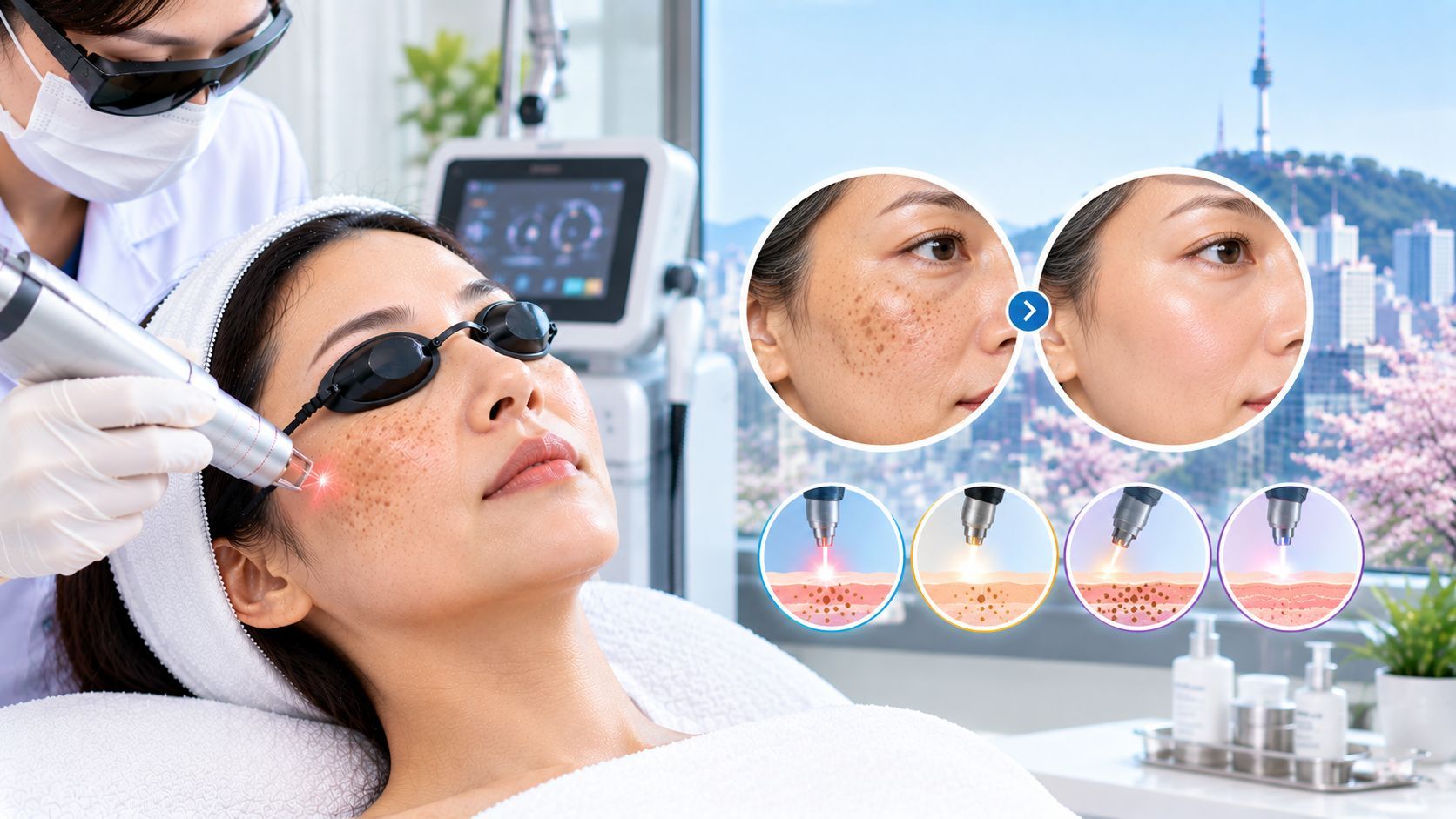
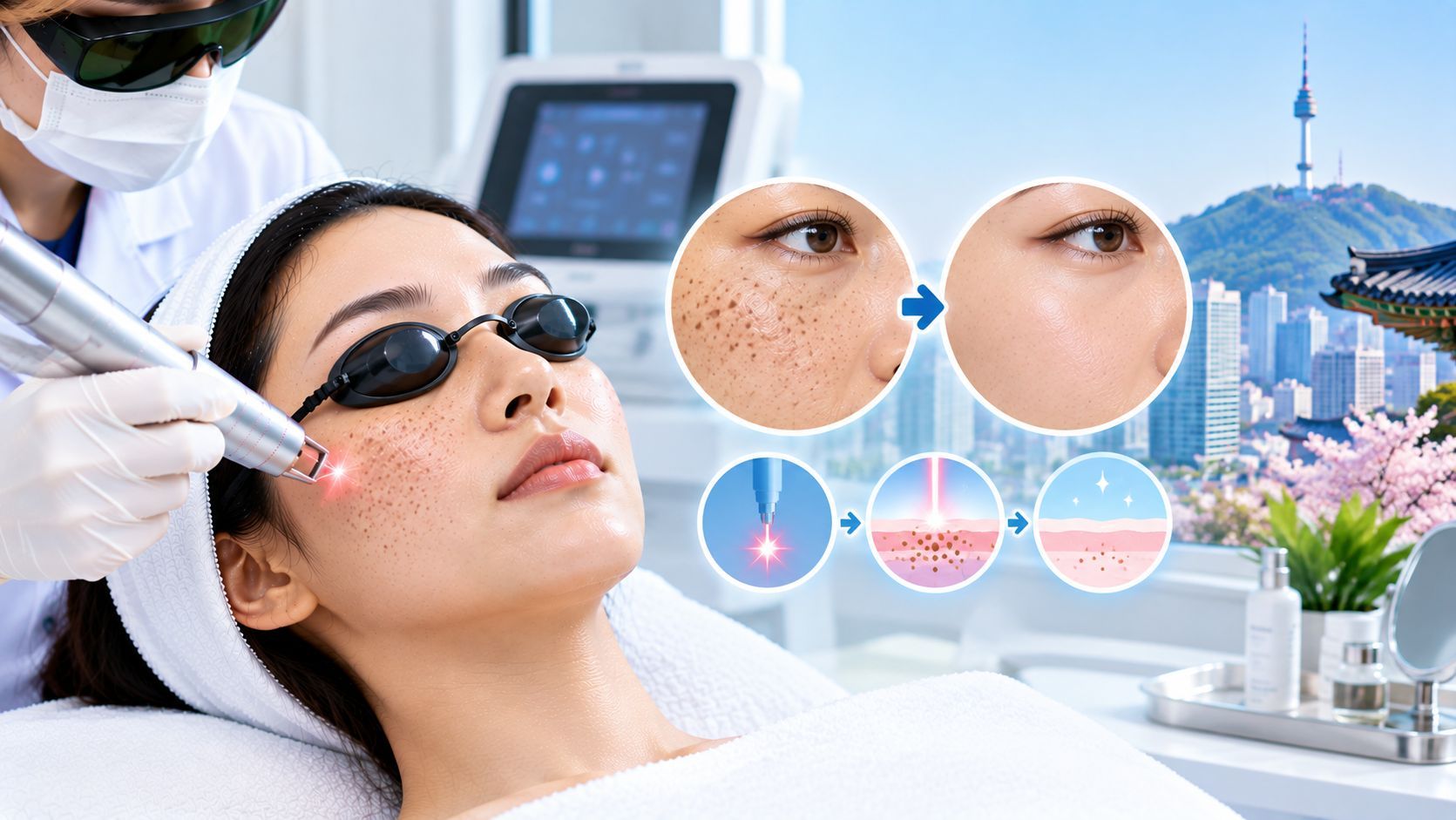
Yes, you can potentially treat pigmentation during a summer visit to Seoul, but summer conditions can make pigmentation treatment more challenging. Strong UV exposure, heat, humidity, sweating, outdoor activities, and difficulty avoiding sunlight can all affect recovery and the risk of pigmentation returning or becoming darker.
The question is therefore not simply whether a laser can be performed in summer. The more important question is whether the specific pigmentation, treatment intensity, skin type, and travel schedule make treatment appropriate at that time.
For international patients, a summer Korea trip may still be suitable for selected pigmentation treatments, particularly when the procedure has limited downtime and the patient can follow strict aftercare. However, scheduling a treatment immediately before several days of sightseeing, beach activities, or outdoor travel may not be ideal.
Why Is Summer More Complicated for Pigmentation Treatment?
Pigmentation-prone skin can react to environmental triggers. During summer, several factors may occur at the same time:
- Increased UV exposure
- Higher temperatures
- Humidity and sweating
- More outdoor sightseeing
- Beach or pool activities
- Frequent exposure to sunlight while walking
- Heat from saunas or hot environments
- Difficulty maintaining consistent aftercare
These factors do not automatically make laser treatment unsafe. However, they can make it harder to protect recently treated skin.
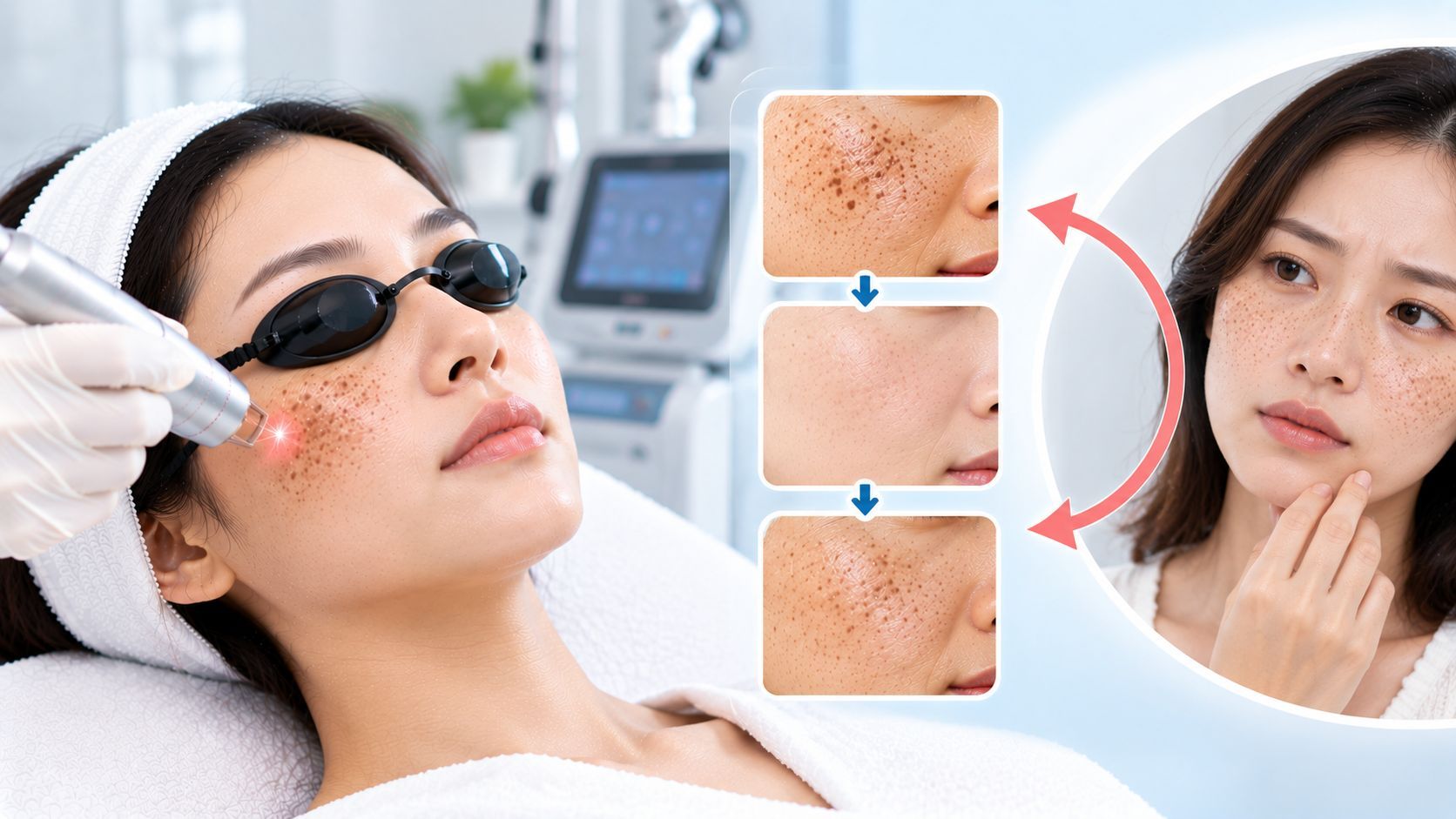
UV exposure is particularly important because pigmentation can recur even after successful treatment.
Can I Get Pico Laser for Pigmentation in Summer?
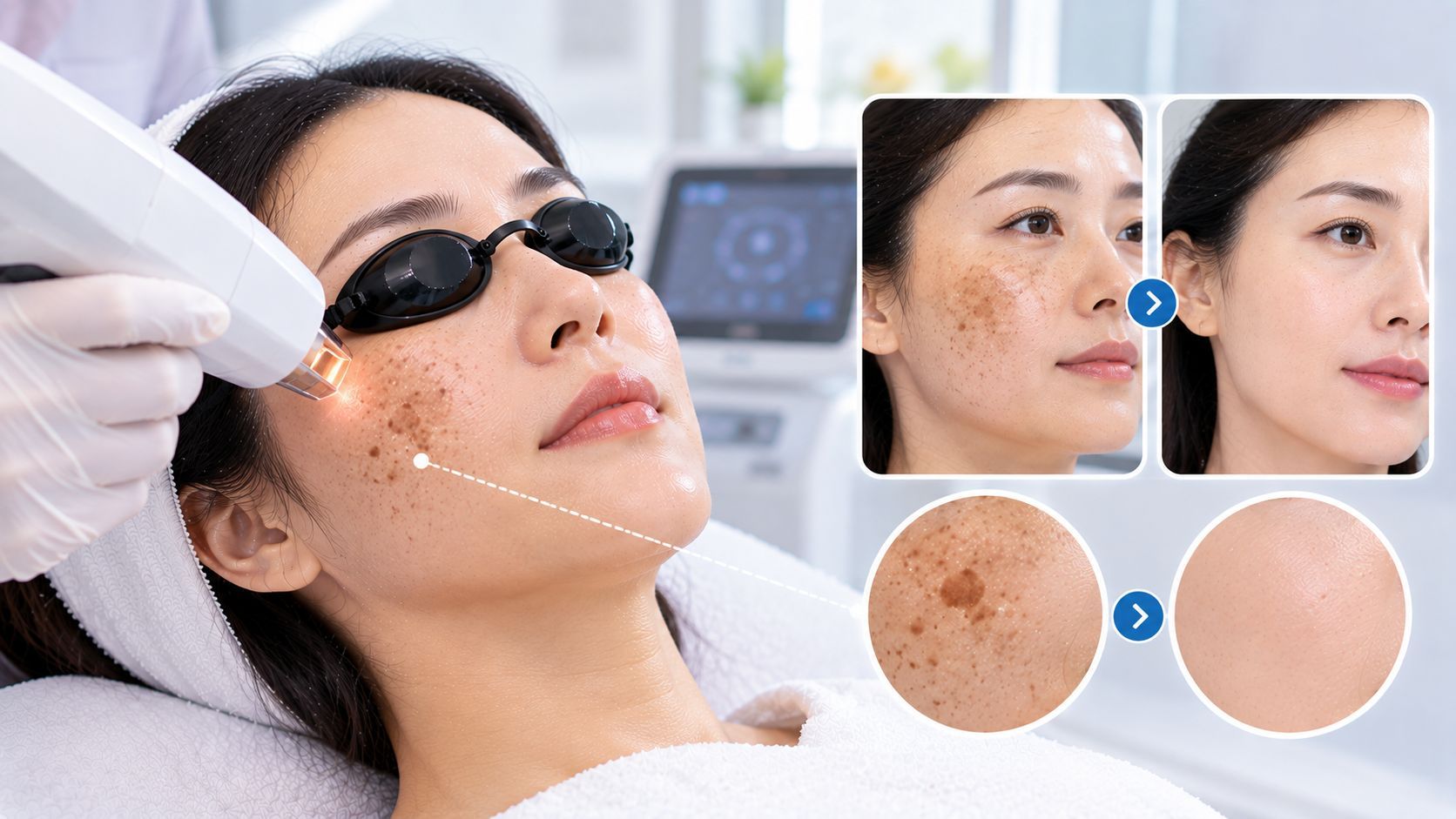
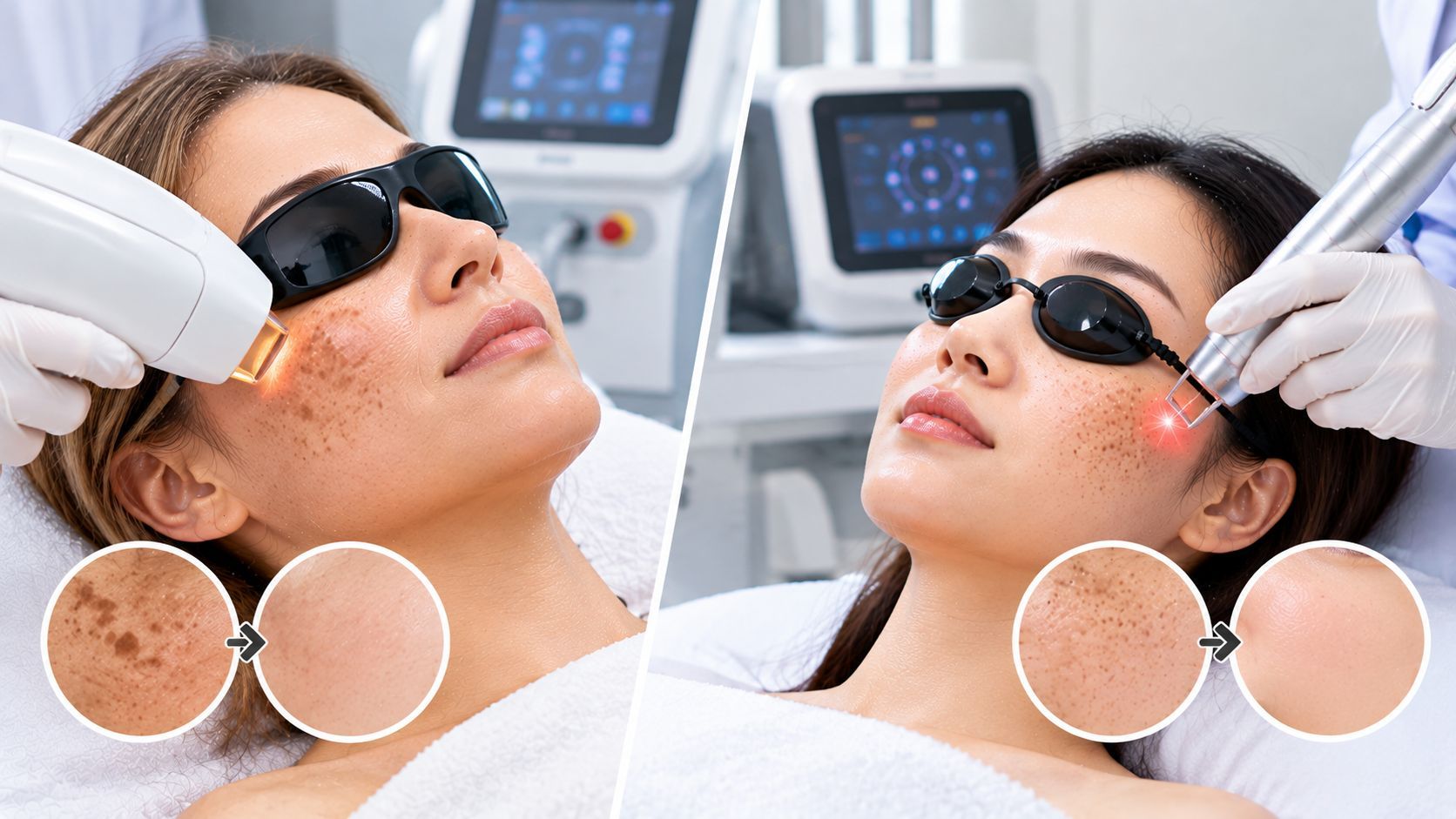
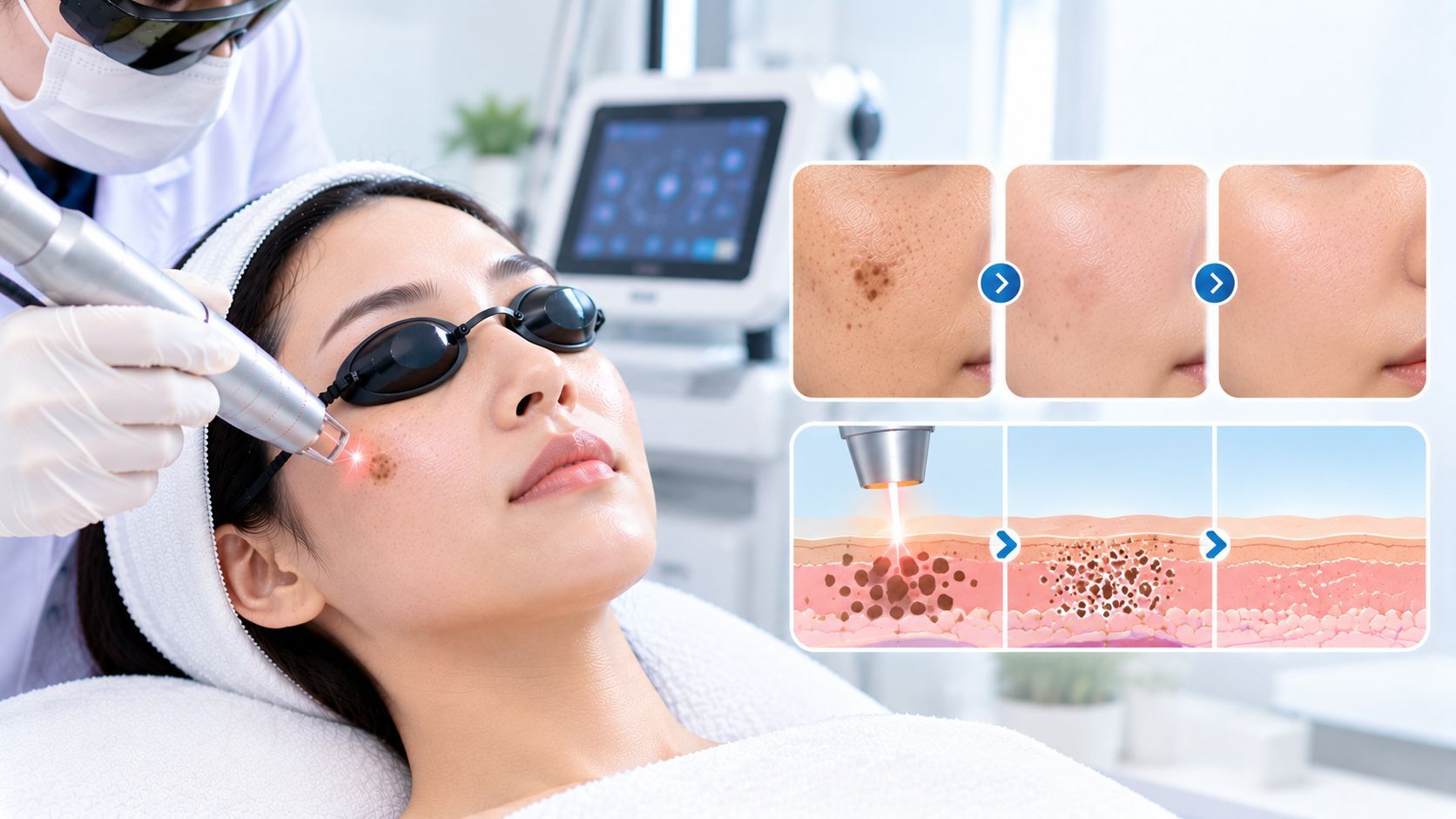
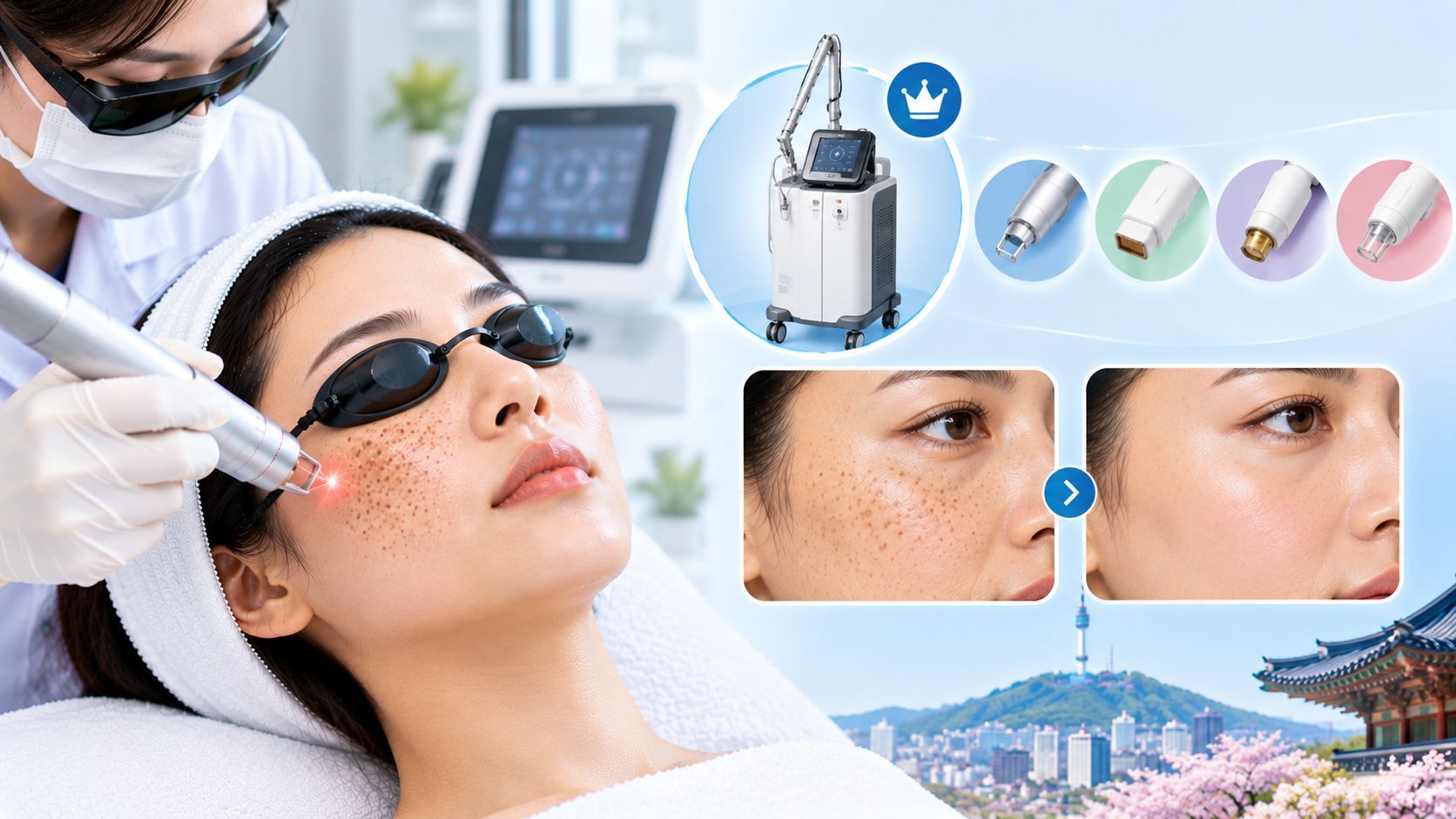
Pico laser is a technology platform that can be used in different treatment approaches. Some Pico treatments are relatively conservative, while others are more targeted or intensive.
A conservative pigment-focused treatment may have limited visible downtime for some patients, but that does not mean the skin is completely unaffected.
After treatment, the skin may be more sensitive to environmental exposure. Your dermatologist may therefore recommend strict sun protection and temporary avoidance of certain activities.
The suitability of Pico treatment during summer depends on factors such as:
- Your pigmentation diagnosis
- Skin tone
- History of PIH
- Treatment settings
- Treatment area
- Previous response to laser
- Amount of outdoor exposure planned during your trip
What About Laser Toning During Summer?
Laser toning generally refers to a treatment approach rather than one specific machine.
Because some laser-toning protocols are relatively conservative, they may be considered during summer for selected patients. However, repeated treatments do not eliminate the need for sun protection.
This is particularly relevant for melasma.
If your pigmentation is melasma rather than simple sun spots, summer UV and heat exposure can be important triggers. A treatment plan should therefore consider not only how to reduce existing pigmentation but also how to limit factors that can encourage recurrence.
Should I Treat Melasma During a Summer Trip to Seoul?
Melasma requires additional caution.
Melasma can be persistent and recurrent, and treatment can sometimes produce unwanted pigmentation if the skin becomes excessively inflamed.
Summer may present additional challenges because of:
- Strong sunlight
- Outdoor activities
- Heat exposure
- Travel-related changes in routine
- Difficulty maintaining consistent skincare
- Frequent sweating
- Planned beach or pool visits
This does not mean that melasma cannot be treated during summer. It means that the treatment approach and timing should be individualized.
A conservative plan may be more appropriate than trying to achieve dramatic pigment removal during a short holiday.
What If I Have Post-Acne Pigmentation?
Post-inflammatory hyperpigmentation (PIH) can sometimes be treated with lasers or other approaches, but the underlying acne and inflammation should also be considered.
If you still have active acne, repeatedly treating the resulting marks without controlling new inflammation may not address the overall problem.
Summer can also increase the practical difficulty of protecting recently treated skin.
If you are visiting Seoul specifically for pigmentation treatment, tell the doctor whether you expect to spend significant time outdoors. Your planned itinerary can affect the timing and type of treatment considered.
Can I Go Sightseeing After a Pigmentation Laser?
This depends on the treatment.
A conservative procedure may allow normal activities relatively quickly, while a more intensive treatment may require greater recovery.
Even when there is little visible downtime, extensive sightseeing immediately after treatment may not be ideal if it involves:
- Several hours outdoors
- Direct sunlight
- Hiking
- Beach visits
- Outdoor festivals
- Long periods of walking in hot weather
You may be able to continue your trip, but your itinerary should be compatible with the aftercare instructions provided by the clinic.
What About Sauna, Swimming, and Exercise?
These activities deserve special attention after laser treatment.
Sauna and Hot Environments
Heat may be discouraged after certain procedures because recently treated skin can be more sensitive. If your treatment provider recommends avoiding saunas or high heat, follow those instructions even if you feel comfortable.
Swimming
Pools, beaches, and outdoor swimming can combine several concerns: UV exposure, prolonged water exposure, and environmental irritation.
If you are planning a beach or pool day, tell the clinic before scheduling your treatment.
Exercise
Sweating and heat may be relevant during early recovery from some procedures. Your provider can tell you when strenuous exercise can be resumed.
How Should I Protect My Skin After Pigmentation Treatment in Summer?
Follow the specific aftercare instructions given by your treating clinician.
Sun protection is particularly important. Practical measures may include:
- Using the recommended broad-spectrum sunscreen
- Reapplying sunscreen as directed
- Wearing a hat when appropriate
- Seeking shade
- Reducing unnecessary direct sun exposure
- Avoiding prolonged outdoor exposure during peak sunlight
- Following instructions about active skincare products
Sunscreen alone should not be viewed as permission to spend unlimited time in direct sunlight immediately after treatment.
Physical protection and reducing exposure can also be important.
Is Summer a Bad Time for Pigmentation Laser in Korea?
Not necessarily.
The more useful question is whether your treatment plan and travel itinerary are compatible with summer recovery.
For example, a patient spending most of the trip indoors, using careful sun protection, and following aftercare may have a very different situation from someone planning hiking, beach activities, and long outdoor sightseeing every day.
Your skin's pigmentation history also matters.
Someone who develops PIH easily may need a more cautious approach than someone with a different pigmentation pattern and treatment history.
Should I Get the Laser at the Beginning or End of My Seoul Trip?
There is no universal answer.
Having treatment at the beginning of a trip gives you time to remain in Korea during the early recovery period, which may make in-person follow-up easier if your clinic recommends it.
On the other hand, having treatment immediately before flying home may leave less opportunity for an in-person assessment if an unexpected reaction occurs.
Your planned activities matter too.
If you want several days of outdoor sightseeing, scheduling a procedure immediately before those activities may be inconvenient.
For international patients, ask the clinic about:
- Expected downtime
- When visible darkening or peeling may occur
- Sun-exposure restrictions
- Exercise restrictions
- Sauna restrictions
- When normal skincare can resume
- Whether follow-up is recommended before you leave Korea
Should I Have Multiple Pigmentation Treatments During One Summer Trip?
More treatment is not automatically better.
Trying to fit multiple laser sessions into a short trip can become problematic if your skin has not fully recovered from the previous procedure.
This is particularly important if your first treatment produces:
- Persistent redness
- Darkening
- Peeling
- Crusting
- Burning
- Increased sensitivity
- New pigmentation
A follow-up assessment can be more useful than automatically scheduling the next session.
If another clinic is involved, provide details of your previous treatment so the new provider knows what was done.
What If I Have Darker or Pigment-Prone Skin?
A darker skin tone does not automatically rule out pigmentation laser treatment.
However, melanin-rich skin can require careful consideration of treatment settings and PIH risk. Your previous reactions to lasers, acne, irritation, or other procedures are relevant.
Tell the dermatologist if you have previously developed dark marks after skin injury or treatment.
A qualified clinician may adjust the treatment approach based on your individual risk rather than simply using the same settings for every patient.
When Might It Make Sense to Postpone Treatment?
Postponing may be worth discussing if your Seoul itinerary includes extensive unavoidable sun exposure.
Examples include:
- A beach holiday immediately after treatment
- Outdoor hiking every day
- Long outdoor tours
- Frequent swimming
- Planned tanning
- Inability to follow aftercare
- A history of significant PIH after procedures
Likewise, if your skin is already irritated, sunburned, inflamed, or recovering from another procedure, the doctor may recommend waiting.
The decision should be based on your skin and the planned procedure rather than the season alone.
How Should I Plan a Summer Pigmentation Treatment in Seoul?
A practical approach is to build your treatment around your itinerary rather than trying to fit sightseeing around a predetermined package.
Before booking, ask the clinic:
- What type of pigmentation do I have?
- What treatment are you recommending and why?
- How much downtime should I expect?
- How should I protect my skin from Seoul's summer sun?
- How long should I avoid intense heat or outdoor activities?
- When can I exercise, swim, or use a sauna?
- When should I return for reassessment?
- What should I do if the pigmentation becomes darker?
This is particularly useful if you have only a few days in Korea.
Conclusion
You can potentially treat pigmentation during a summer trip to Seoul, but summer requires more attention to UV exposure, heat, aftercare, and travel activities.
Conservative Pico or laser-toning approaches may be considered for selected patients, while more intensive treatments can require greater recovery. Melasma and PIH-prone skin deserve additional caution because inflammation and environmental exposure can contribute to unwanted pigmentation.
If you are planning a Korea trip specifically for pigmentation treatment, tell the dermatologist about your itinerary before treatment. The timing, procedure, and recovery plan should fit your skin as well as your travel schedule.
FAQs
Can I get pigmentation laser in Seoul during summer?
Yes, summer does not automatically prevent pigmentation treatment. However, sun exposure, heat, outdoor activities, skin tone, pigmentation type, and treatment intensity should all be considered.
Is Pico laser safe during summer?
Pico laser may be used during summer for selected patients, but treatment settings and aftercare matter. Strict sun protection is particularly important after pigmentation treatment.
Can summer sun make pigmentation return after laser?
Yes. UV exposure can contribute to recurrence or worsening of several pigmentation conditions. Laser treatment does not eliminate the underlying tendency to develop pigmentation.
Should I treat melasma during summer?
Melasma can be treated during summer in selected situations, but the treatment plan may need additional caution because UV exposure and heat can contribute to melasma activity.
Can I go to the sauna after pigmentation laser in Korea?
Some laser treatments require temporary avoidance of saunas and significant heat. Follow the specific recovery instructions provided by your treating clinic.
How long should I stay out of the sun after pigmentation laser?
The appropriate period depends on the procedure and your skin response. Your treating clinician should provide specific instructions rather than relying on one universal timeframe.