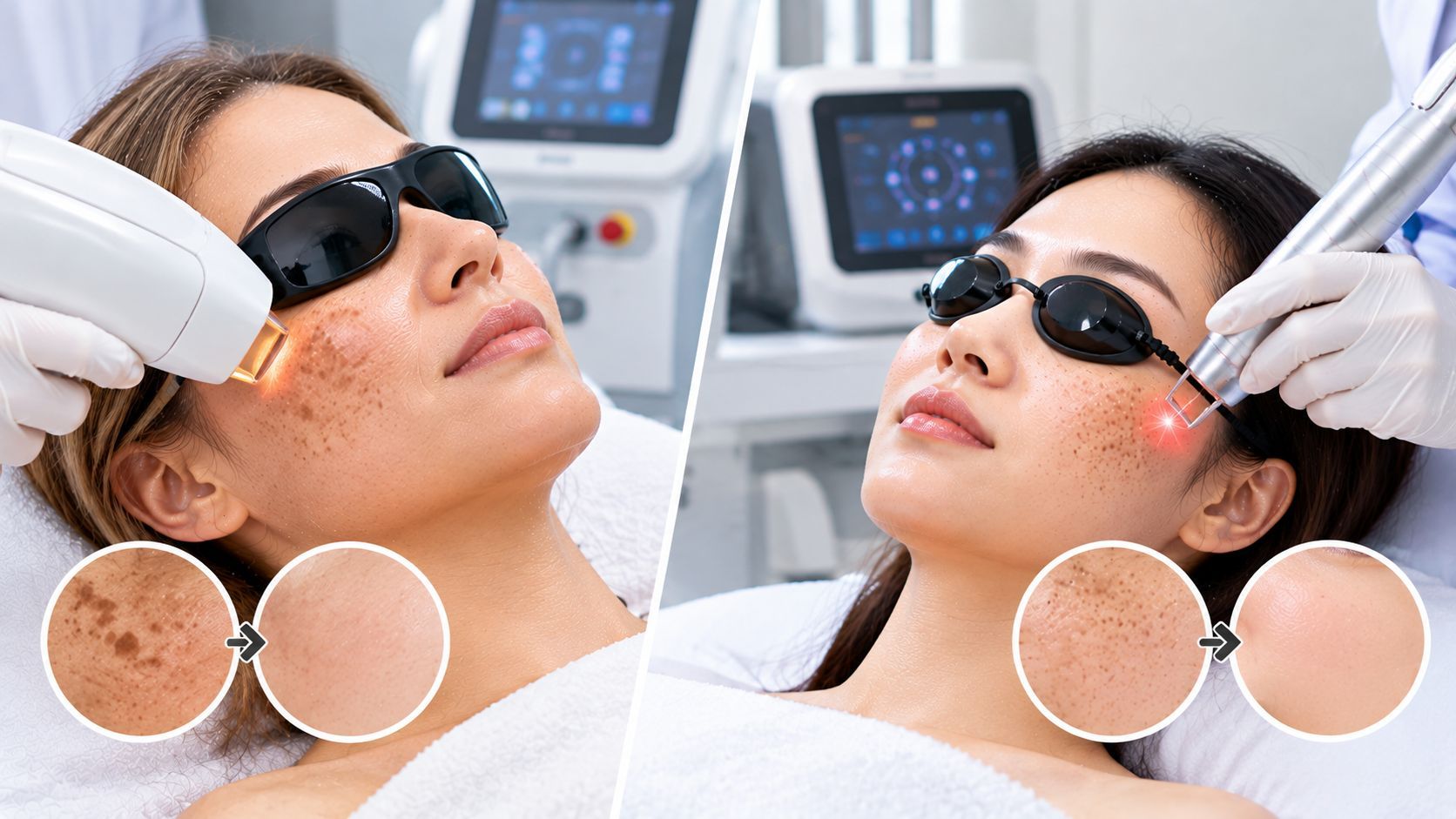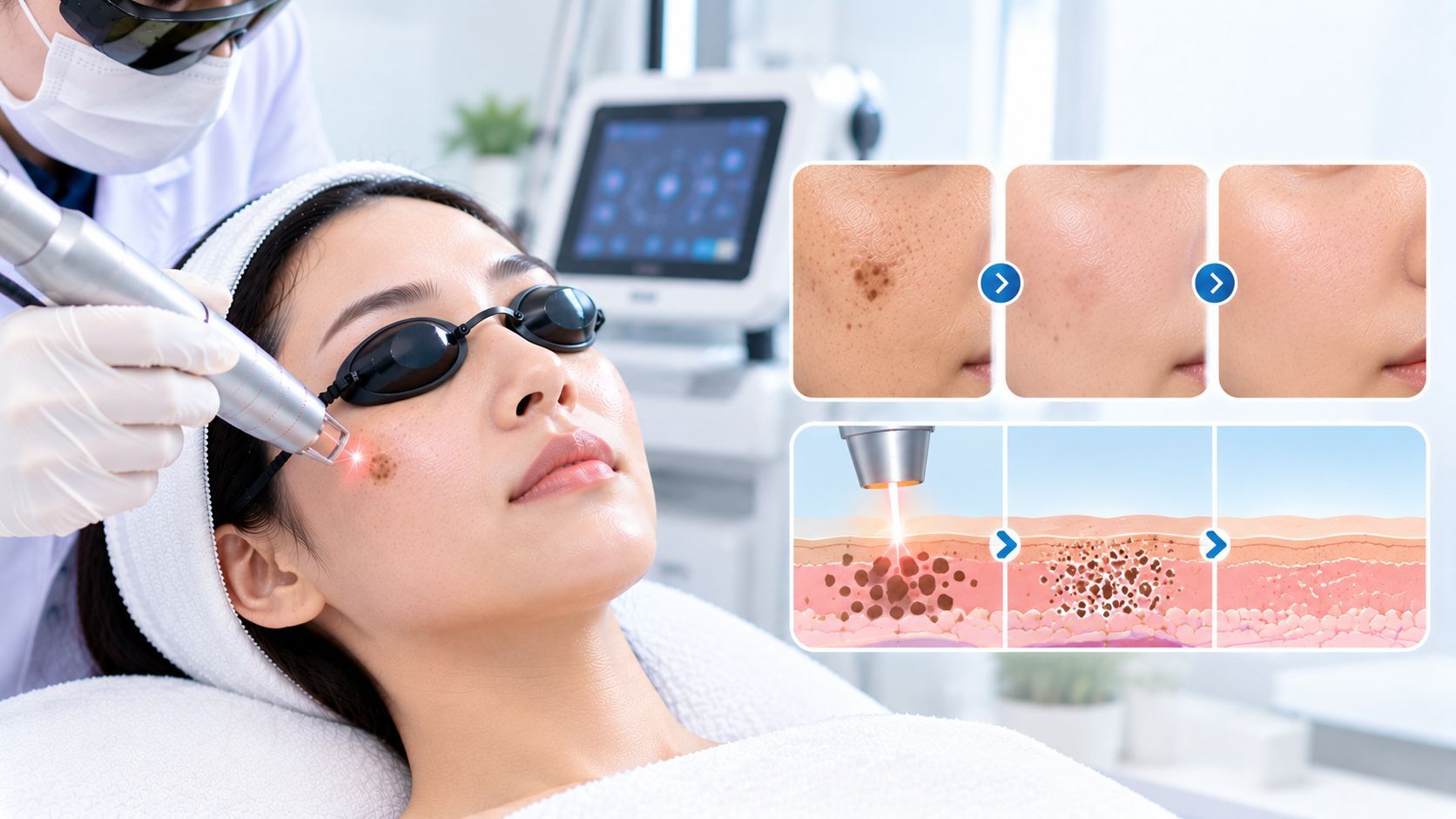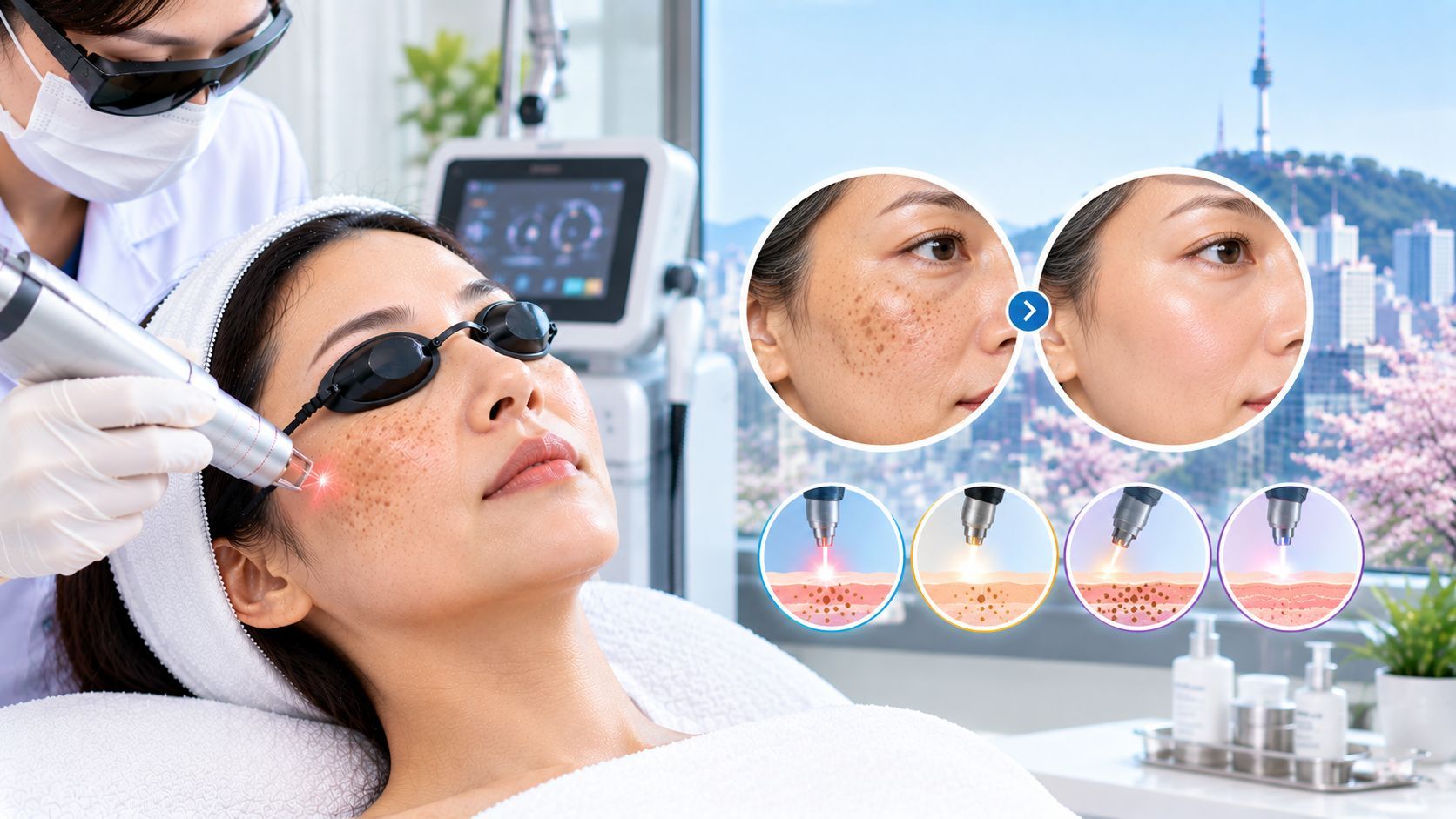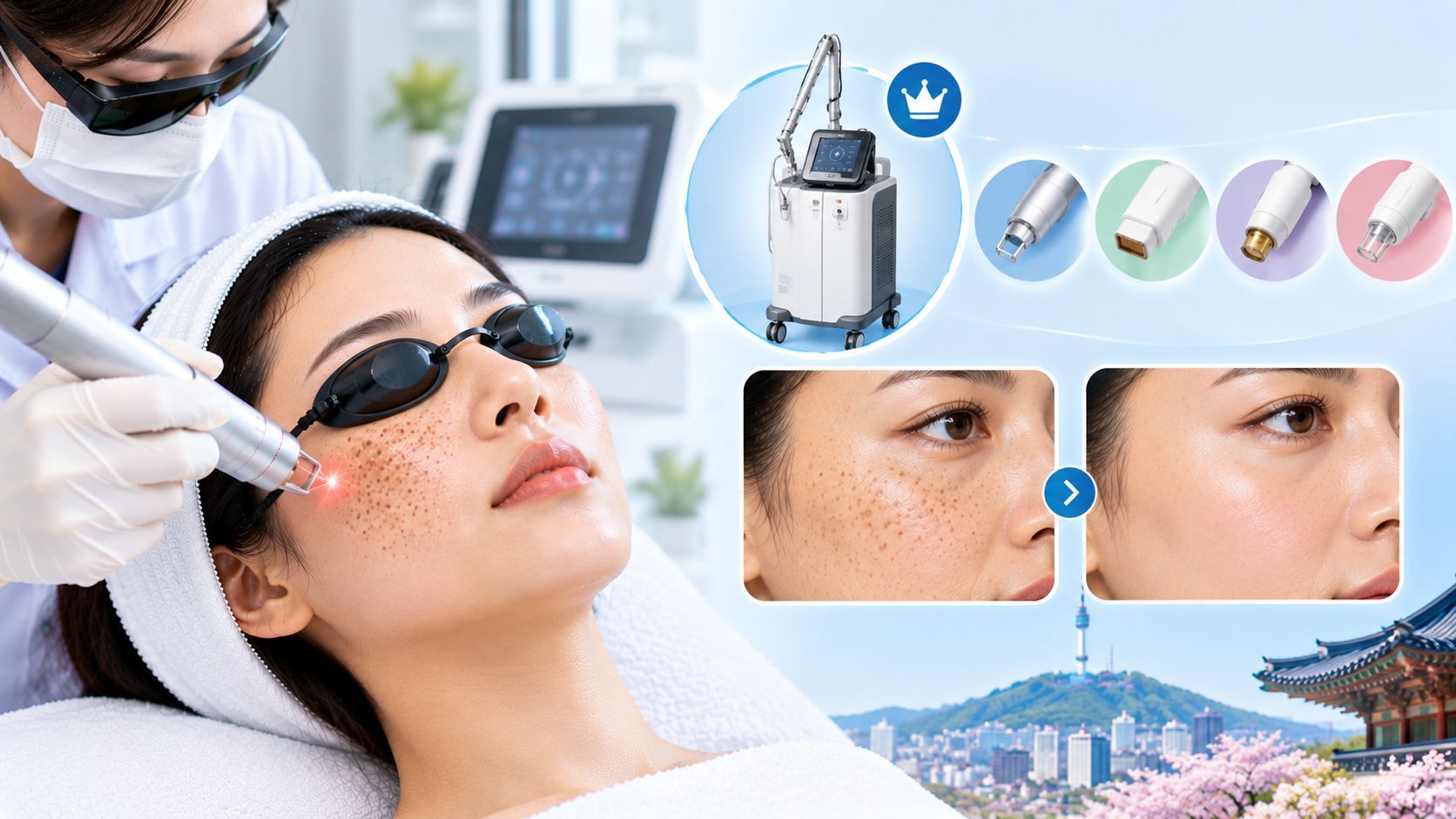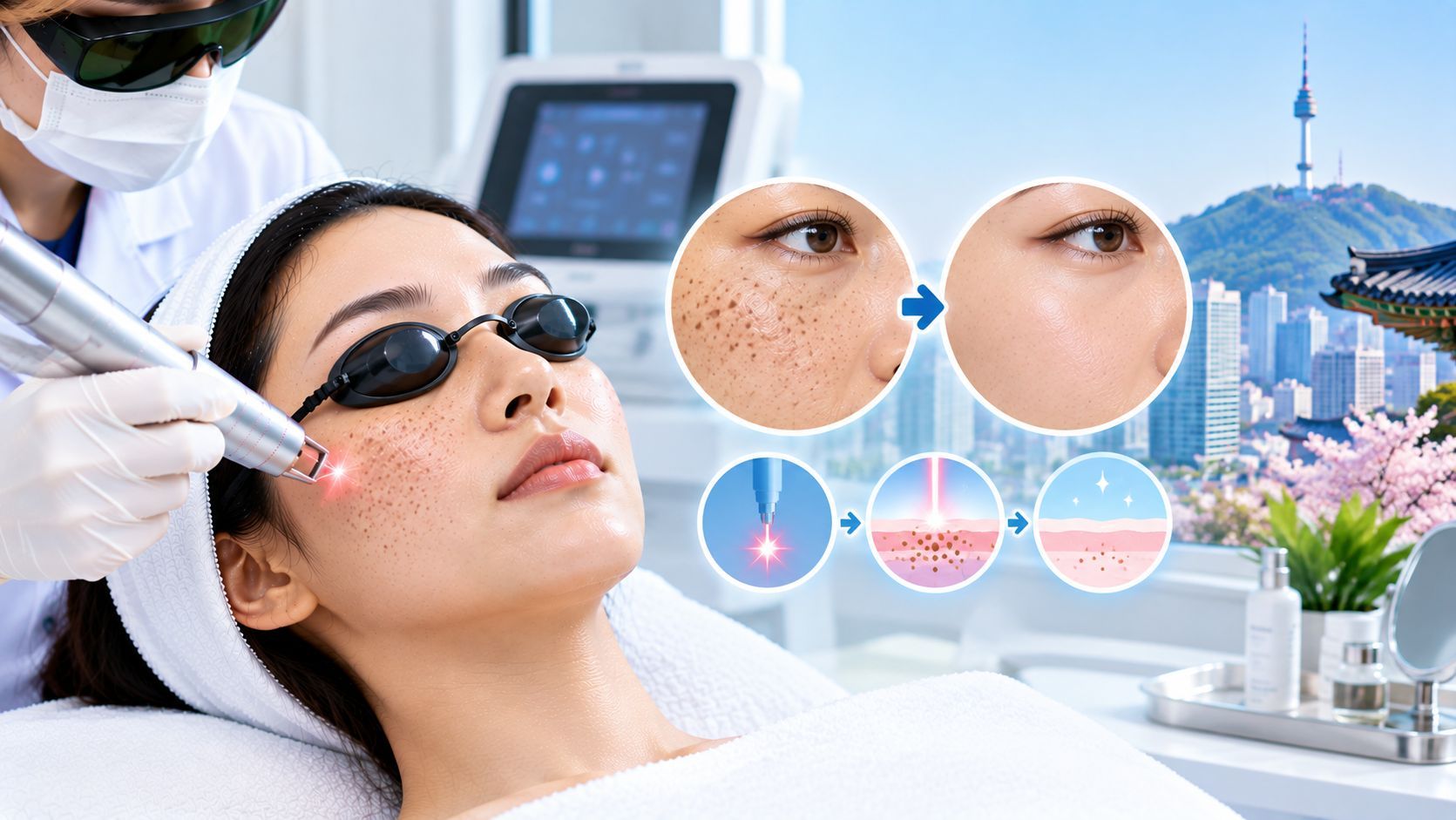
Which Lasers Are Safer for Darker Skin With Pigmentation?
If you have darker or melanin-rich skin and want to treat pigmentation, the safest approach is usually not to choose a laser based only on its name. The risk of post-inflammatory hyperpigmentation (PIH), irritation, or uneven color depends on the pigmentation diagnosis, skin tone, laser wavelength, energy, treatment technique, treatment area, and your previous reaction to procedures.
Some laser approaches may be appropriate for darker skin when used conservatively and by an experienced medical professional. However, no pigmentation laser is completely risk-free, and a treatment that works well for one skin type may not be appropriate at the same settings for another.
This is especially important when considering pigmentation treatment in Seoul, where many different laser platforms and treatment protocols are available.
Why Is Darker Skin More Prone to Pigmentation After Laser?
Melanin is the pigment that gives skin its color. When the skin becomes inflamed after a procedure, pigment production can sometimes increase.
This can lead to post-inflammatory hyperpigmentation, where treated or irritated areas become darker than the surrounding skin.
The risk can be influenced by:
- Natural skin pigmentation
- Previous PIH
- Laser wavelength
- Energy and pulse settings
- Number of passes
- Treatment area
- Existing inflammation
- Sun exposure
- Aftercare
- Underlying pigmentation condition
Therefore, darker skin does not automatically mean that laser treatment is unsuitable. It means that treatment parameters and inflammation control deserve particular attention.
Which Laser Types May Be Considered for Darker Skin?
There is no single laser that is universally safest for every person with darker skin.
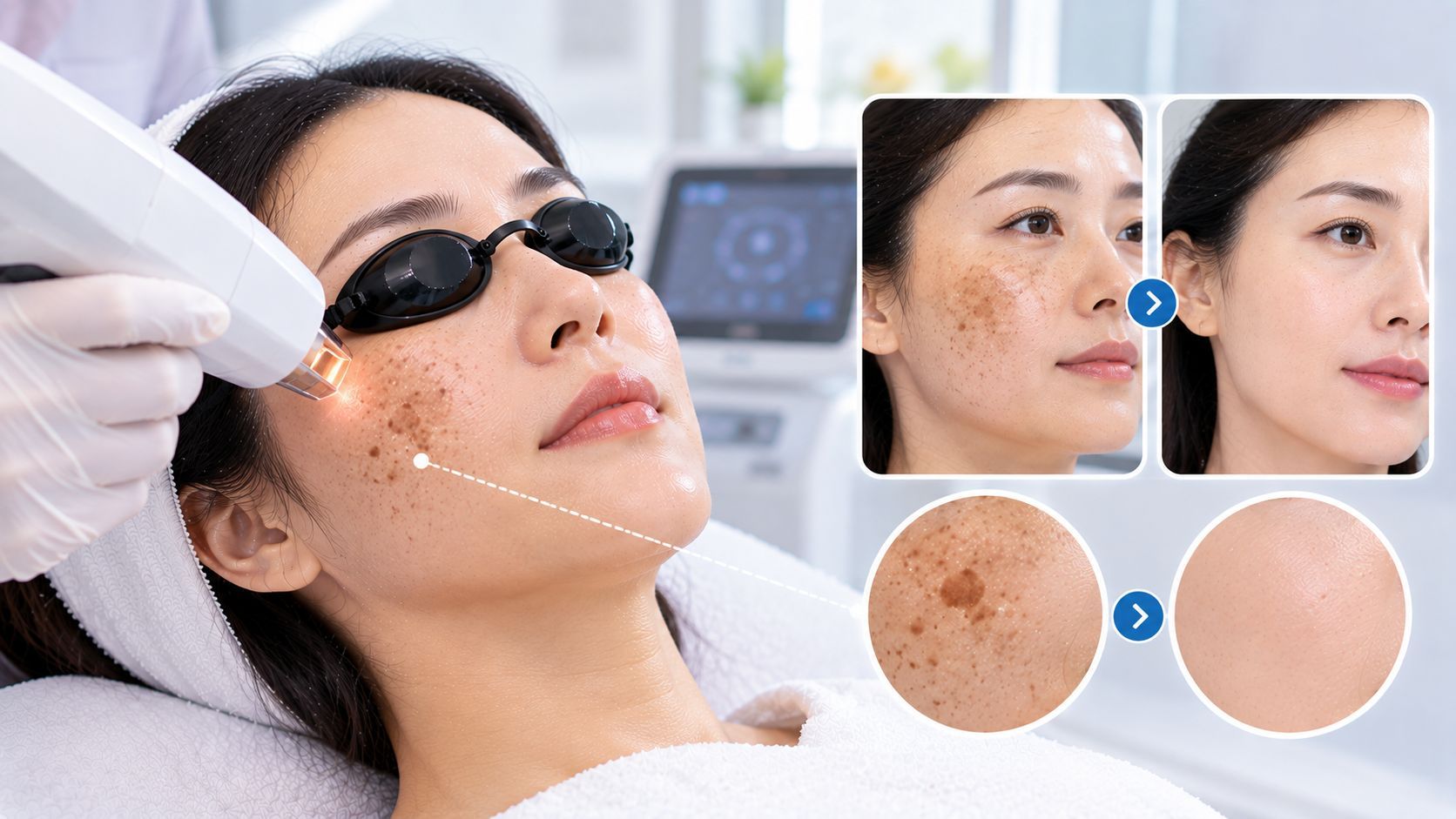
Pico Laser
Pico lasers use extremely short pulses and can be used for several pigmentation-related treatment approaches.
For selected patients, a conservative Pico protocol may be considered for freckles, certain sun spots, or other pigment concerns.
However, “Pico” describes a technology platform rather than one standardized treatment. Different wavelengths, handpieces, energy levels, spot sizes, and treatment techniques can produce different effects.
A Pico treatment performed aggressively is not automatically safer simply because it is a Pico laser.
Laser Toning
Laser toning generally refers to a conservative treatment approach rather than one specific machine.
It may be used for certain diffuse pigmentation concerns, including selected cases of melasma. Because melasma and darker skin can both be sensitive to inflammation, conservative treatment may sometimes be considered.
However, repeated laser toning is not risk-free. Excessive treatment frequency or inappropriate settings can still contribute to irritation and pigmentation changes.
Long-Pulsed or Other Pigment-Targeting Lasers
Some laser systems can target specific pigment-related conditions, but suitability depends heavily on the diagnosis and treatment parameters.
A discrete sun spot, for example, is different from diffuse melasma or post-acne PIH.
The important question is not simply, “Which laser is designed for pigmentation?” It is whether the particular wavelength and protocol are appropriate for your skin and condition.
What About IPL?
IPL is not technically a laser. It uses a broad spectrum of light and can be used for certain pigmentation and vascular concerns.
IPL may be appropriate for some patients, but it should not automatically be assumed to be safer for darker skin.
The risk of unwanted pigmentation can depend on the device, settings, skin tone, tanning status, and diagnosis.
People with darker or recently tanned skin should discuss these factors carefully before treatment.
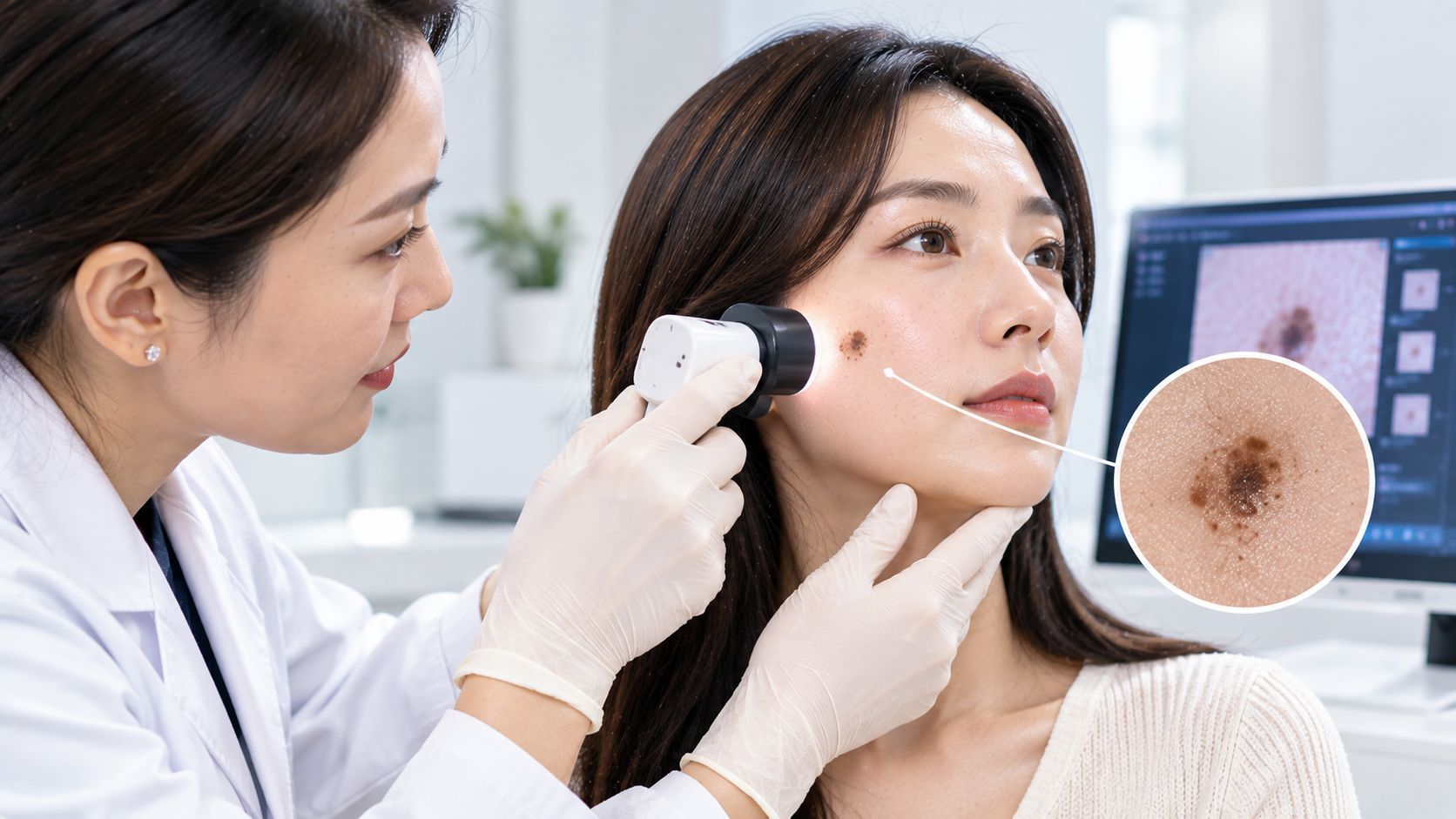
What Pigmentation Are You Actually Treating?
Diagnosis may be more important than the machine.
Different pigmentation problems can require different strategies.
Pigmentation concernImportant considerationFrecklesOften discrete and may respond to targeted pigment treatmentSun spotsMay be treated differently from diffuse facial pigmentationPost-acne PIHAdditional inflammation can potentially worsen discolorationMelasmaParticularly prone to recurrence and treatment-related flaresMixed pigmentationDifferent areas may require different approaches
You can also have more than one condition at the same time.
For example, a patient may have freckles and melasma, or acne-related PIH together with sun-related spots.
Treating every brown area identically may therefore not be appropriate.
Is Pico Laser Automatically Safe for Darker Skin?
No.
Pico technology can be used for patients with darker skin, but safety depends on how and why it is being used.
Factors such as wavelength, fluence, pulse characteristics, spot size, treatment density, and the clinician's technique can influence the response.
A conservative treatment may produce a very different result from a high-energy targeted procedure performed with the same general technology.
This is why asking only “Do you use Pico?” is not enough.
What About Melasma in Darker Skin?
Melasma deserves particular caution.
If the pigmentation is melasma, the goal is not necessarily to eliminate every visible brown area as quickly as possible.
Melasma can recur, and inflammation may contribute to worsening pigmentation. Darker skin may also have greater concern about PIH after inflammatory procedures.
Depending on the individual situation, a dermatologist may consider a combination of approaches rather than relying entirely on laser treatment.
If a clinic recommends aggressive laser treatment for melasma, ask why that intensity is appropriate for your skin and diagnosis.
Should I Ask for a Test Spot?
A test spot may sometimes be considered when there is concern about how your skin will respond, although it is not appropriate or necessary for every treatment.
Ask the dermatologist whether a test area would provide useful information in your particular case.
A test spot cannot guarantee that the full treatment will produce no pigmentation changes, but it may be part of a cautious treatment strategy for selected patients.
What Should You Tell a Seoul Dermatologist Before Treatment?
If you are visiting Korea for pigmentation treatment, give the doctor relevant information about your skin history.
Tell them if:
- You have developed PIH before
- You have darker or melanin-rich skin
- You recently became tanned
- You have active acne or inflammation
- You have melasma
- You previously reacted badly to a laser
- You are using irritating skincare products
- You recently had another procedure
If you have had laser treatment elsewhere, provide the treatment date and details whenever possible.
This information can help the clinician understand your risk rather than treating you according to a generic protocol.
What Should I Ask Before Getting a Pigmentation Laser in Korea?
Before treatment, consider asking:
- What type of pigmentation do I have?
- Is this melasma, PIH, freckles, sun spots, or a combination?
- Why is this particular laser appropriate for my skin?
- What wavelength will be used?
- What treatment settings are planned?
- What is the expected downtime?
- What is my risk of PIH?
- Would a conservative treatment be more appropriate?
- Would you consider a test spot?
- What should I do if the pigmentation becomes darker?
A reputable consultation should involve more than simply selecting a machine from a treatment menu.
Does Darker Skin Mean I Should Avoid Laser Completely?
Not necessarily.
The presence of more melanin does not automatically exclude someone from laser treatment.
Instead, the treatment should be selected according to the person's skin characteristics, pigmentation diagnosis, treatment history, and tolerance for risk.
In some cases, non-laser approaches or a combination of treatments may make more sense. In others, carefully selected laser treatment may be appropriate.
The goal should be controlled improvement rather than maximum intensity.
How Can I Reduce PIH Risk After Treatment?
Aftercare is an important part of pigmentation treatment.
Follow the instructions from your treating clinician regarding:
- Sun protection
- Sunscreen use and reapplication
- Avoiding unnecessary direct sunlight
- Heat exposure
- Sauna use
- Exercise
- Skincare products
- Exfoliation
- Makeup
- When to resume active ingredients
Do not assume that a treatment with little visible downtime requires no special care.
Even when the skin looks normal externally, it may still be sensitive.
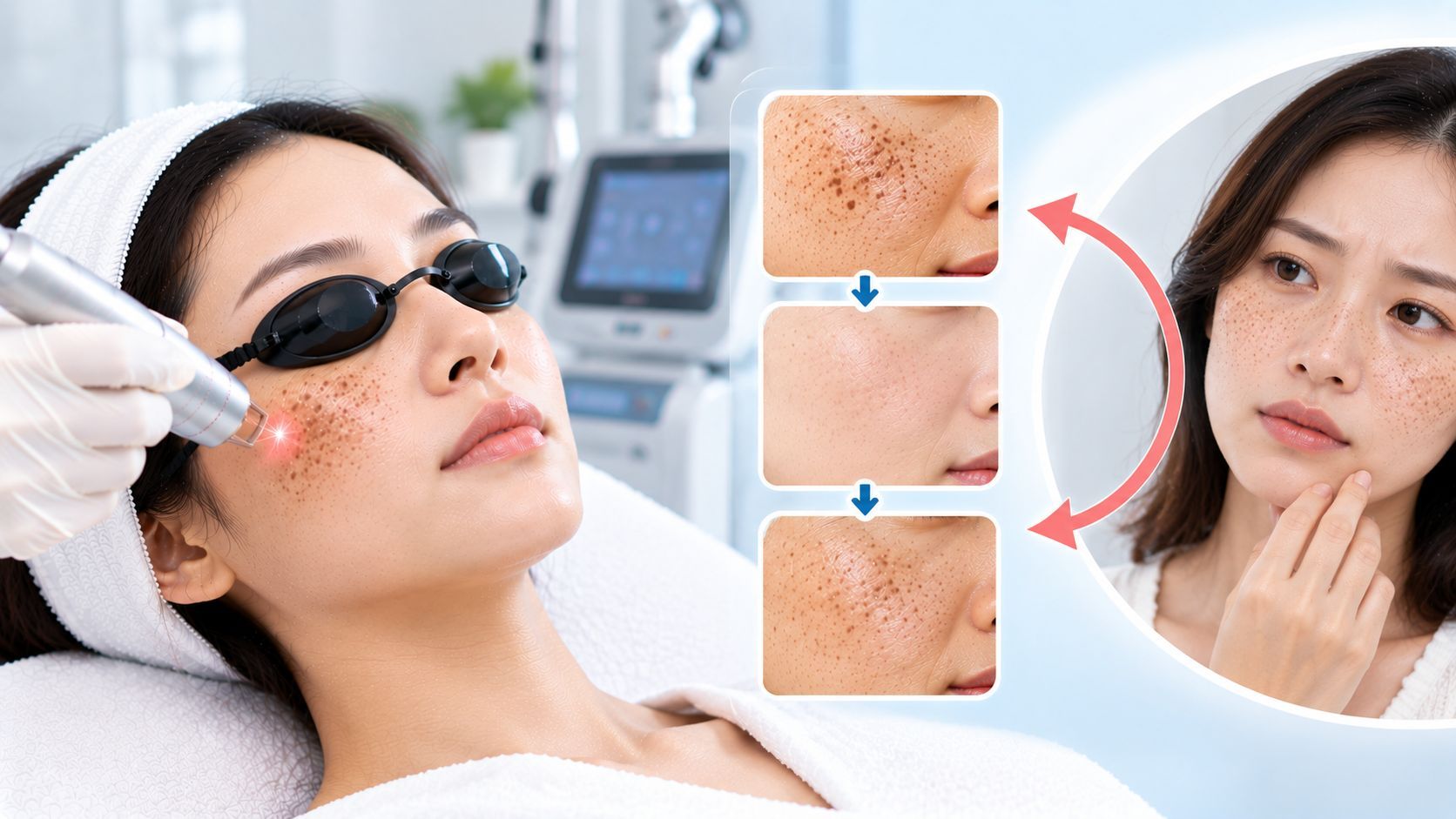
What If My Pigmentation Gets Darker After the Laser?
Some temporary darkening can occur after pigment treatment, but persistent or unexpected darkening should be assessed rather than automatically treated again.
Possible explanations include an expected treatment response, residual pigment, PIH, irritation, or worsening of an underlying condition such as melasma.
If the pigmentation continues to worsen, spreads, or is accompanied by significant inflammation, contact the treating clinic or another qualified dermatologist.
Conclusion
There is no universally safest laser for darker skin with pigmentation. Pico laser and conservative laser-toning approaches may be considered for selected patients, but the treatment settings, diagnosis, skin characteristics, and PIH history are critical.
Darker skin does not automatically mean you cannot have laser treatment. It does mean that aggressive treatment should not be chosen simply because it promises a faster or stronger result.
If you are considering pigmentation treatment in Seoul, focus on the diagnosis, treatment parameters, expected inflammation, recovery, and PIH risk, rather than choosing a machine based on its brand name alone.
FAQs
What is the safest laser for pigmentation on darker skin?
There is no single universally safest laser. Pico and conservative pigment-focused approaches may be appropriate for some patients, but the correct choice depends on the diagnosis, skin characteristics, settings, and PIH history.
Can darker skin get Pico laser?
Yes, selected patients with darker skin may receive Pico laser treatment. However, the wavelength, energy, treatment technique, and pigmentation diagnosis need to be considered carefully.
Is laser toning safe for darker skin?
Laser toning may be considered for selected patients, but it is not completely risk-free. Excessive treatment or inappropriate settings can cause irritation and potentially contribute to pigmentation changes.
Is IPL safe for darker skin with pigmentation?
IPL may be appropriate for some patients, but it is not automatically safer because it uses light rather than a laser. Skin tone, tanning, diagnosis, and settings all matter.
Can laser cause PIH in darker skin?
Yes. Laser-induced inflammation can contribute to post-inflammatory hyperpigmentation. Previous PIH and the intensity of treatment are among the factors that should be discussed before treatment.
Should I get a test spot before pigmentation laser treatment?
A test spot may sometimes be considered when there are concerns about pigmentary reactions, but whether it is useful depends on the treatment and individual circumstances.