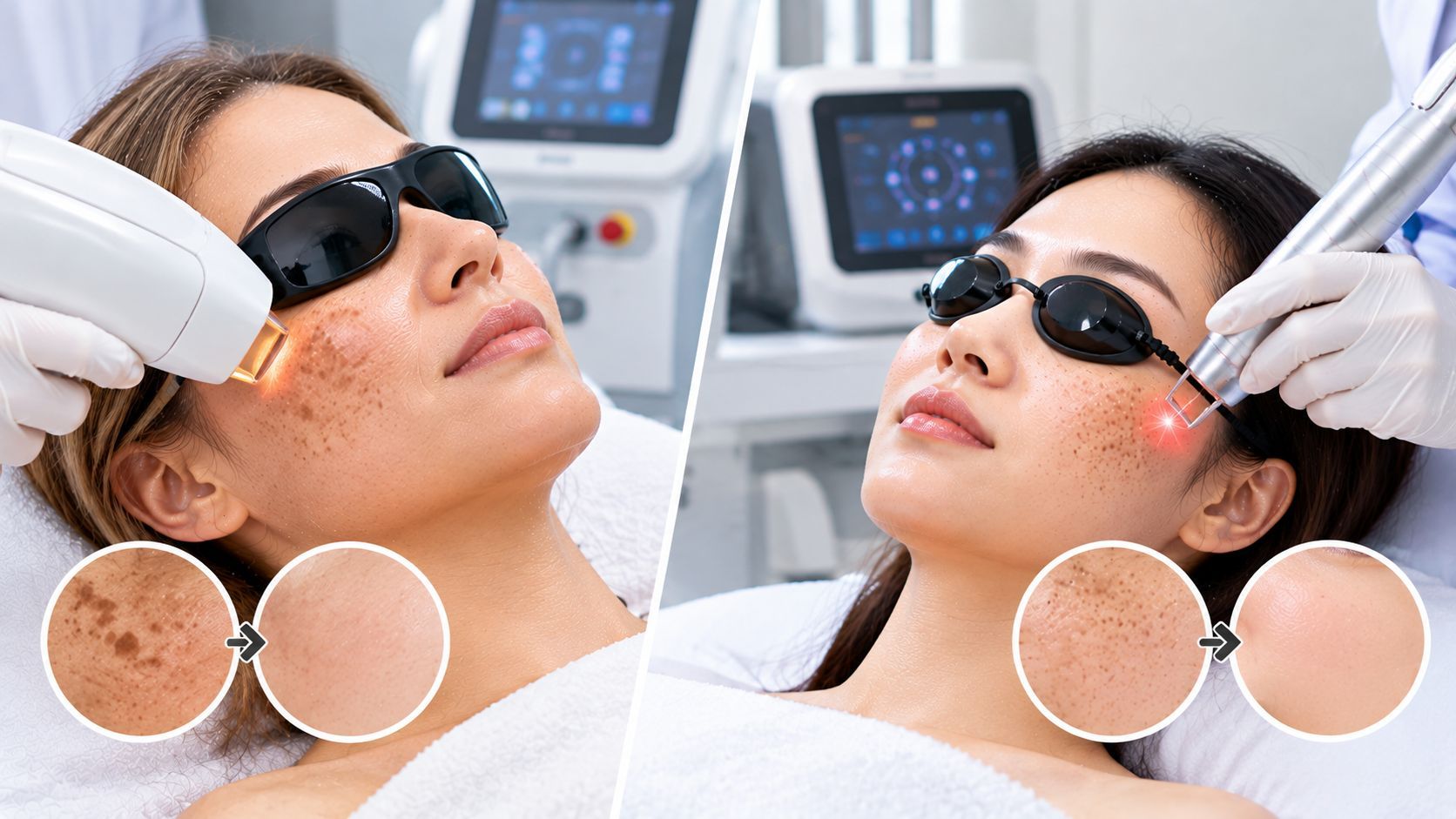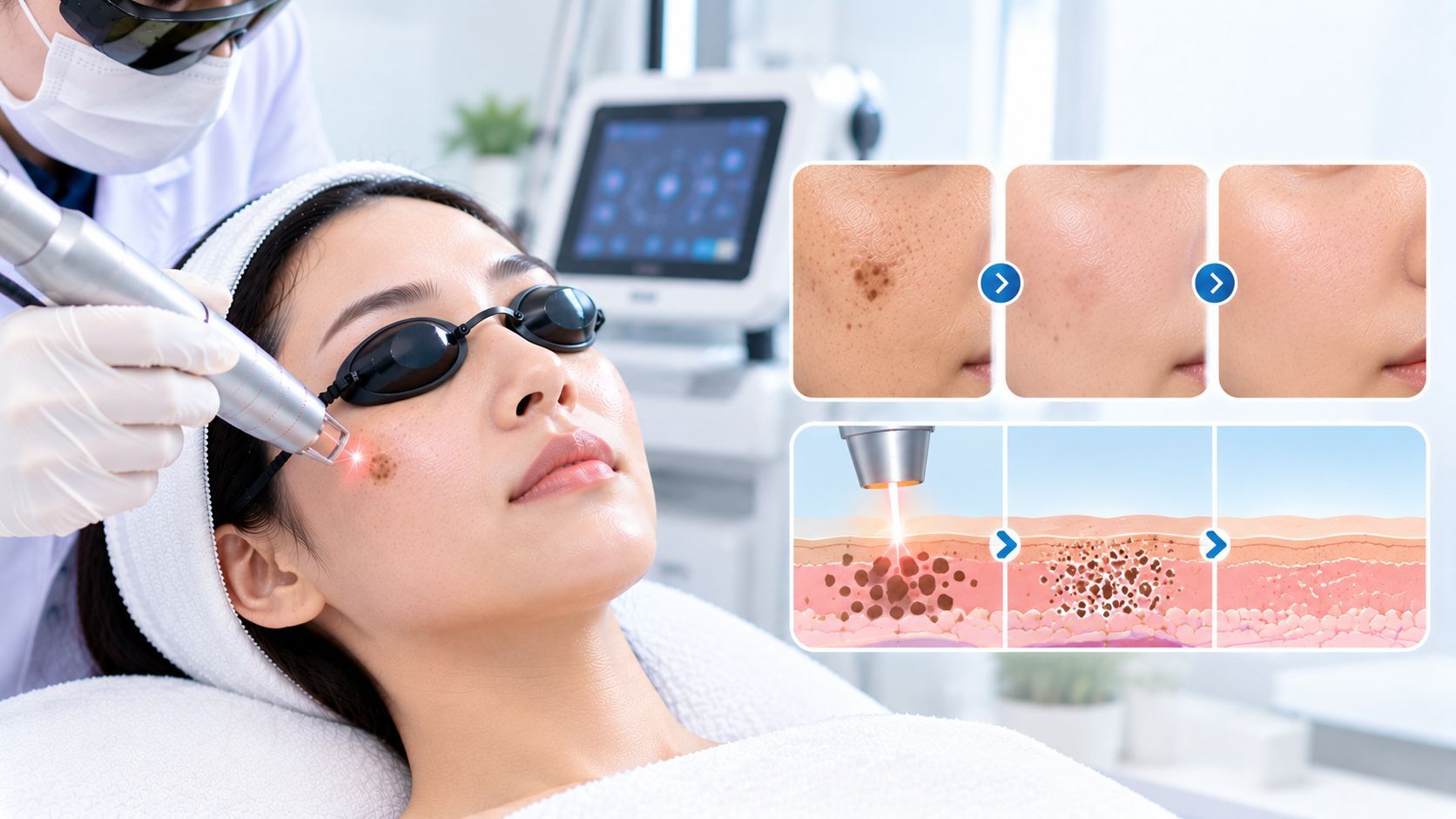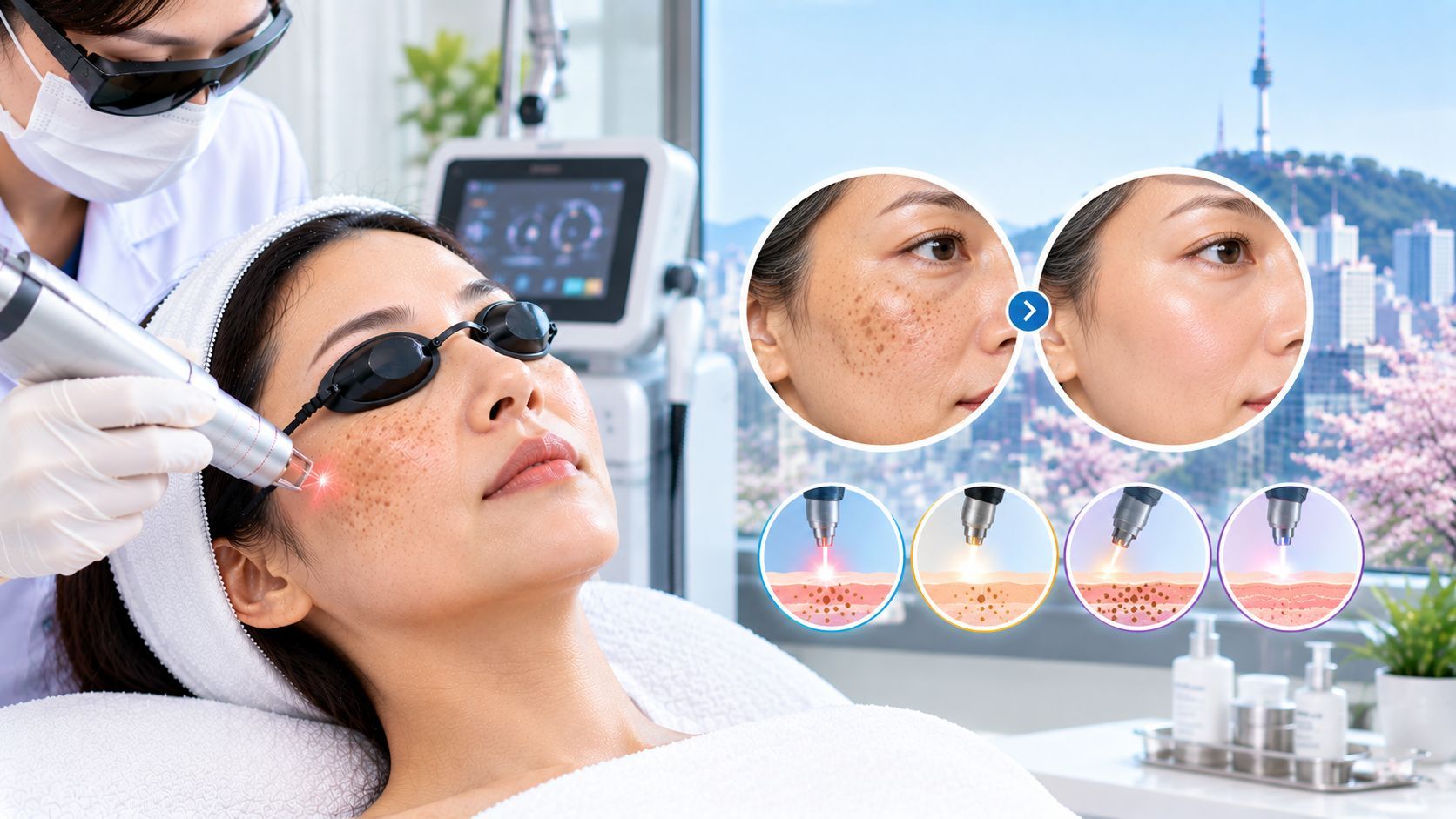
Why Did My Pigmentation Get Darker After Laser?
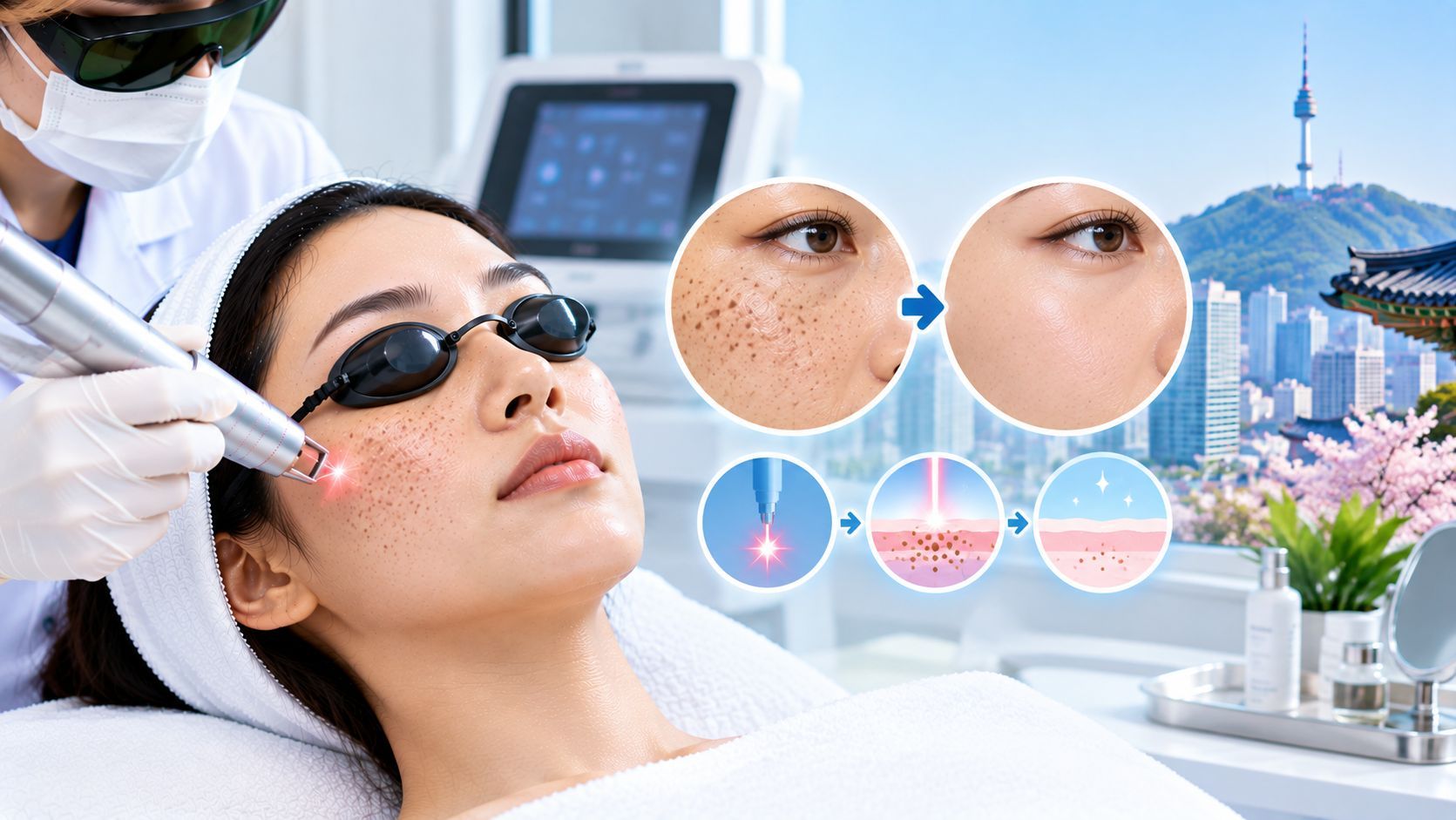
Seeing your pigmentation become darker after a laser treatment can be alarming, especially if you traveled to Seoul expecting the treatment to make your skin lighter and more even. However, temporary darkening after a pigmentation laser does not always mean that the treatment failed.
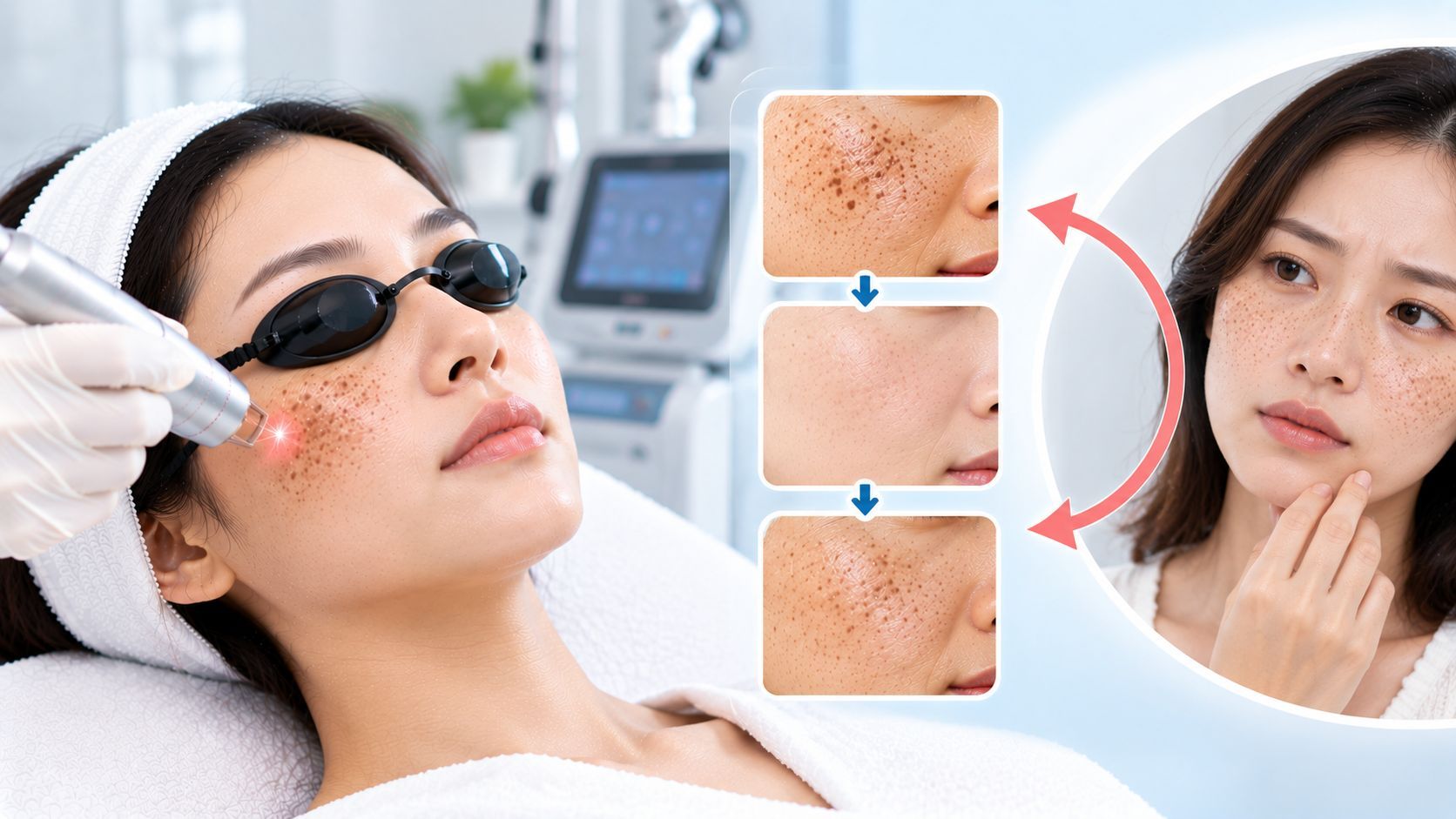
Pigment can temporarily look darker as treated pigment changes and moves toward the skin surface. On the other hand, persistent or worsening darkening can sometimes indicate post-inflammatory hyperpigmentation (PIH) or an aggravation of an underlying condition such as melasma.
The important question is therefore not simply, “Why is it darker?” but what type of darkening is occurring and how long has it lasted?
Why Can Pigmentation Look Darker Immediately After Laser?
Some pigment-targeting procedures intentionally affect melanin in the treated area.
After treatment, the pigmentation may temporarily become:
- Darker brown
- Gray-brown
- More noticeable
- Slightly crusted
- Uneven before gradually fading
This can happen as treated pigment undergoes changes during the healing process.
Temporary darkening can therefore be part of recovery after certain pigment procedures.
However, not every case of darkening should automatically be considered normal.
The timing, appearance, severity, and progression matter.
Temporary Darkening vs PIH
One of the most important distinctions is between expected post-treatment pigment changes and PIH.
Temporary Treatment-Related Darkening
This may appear relatively soon after treatment and gradually improve as the skin heals.
The treated spots may look darker before becoming lighter.
Post-Inflammatory Hyperpigmentation
PIH occurs when inflammation or injury stimulates additional pigmentation.
It can appear after:
- Laser treatment
- Acne
- Burns
- Irritation
- Chemical peels
- Scratches
- Other skin procedures
PIH can last considerably longer than temporary post-treatment darkening.
If your skin continues becoming darker rather than gradually improving, contact your treating clinic for assessment.
Can Laser Cause More Pigmentation?
Yes.
Laser treatment deliberately interacts with the skin, and depending on the procedure, this can produce inflammation.
In some patients, particularly those who are prone to PIH, that inflammation can stimulate additional pigmentation.
This is why more aggressive laser treatment is not automatically better.
Higher energy, more passes, excessive heat, or inappropriate treatment intervals may increase irritation in some situations.
The treatment needs to be matched to the pigmentation and the patient's skin characteristics.
What If I Have Melasma?
Melasma deserves particular caution.
If the pigmentation that was treated was actually melasma, aggressive laser treatment may potentially aggravate the condition.
Melasma can be influenced by:
- UV exposure
- Heat
- Hormonal factors
- Skin inflammation
- Individual susceptibility
A patient may therefore experience worsening pigmentation after treatment even though the original intention was to reduce it.
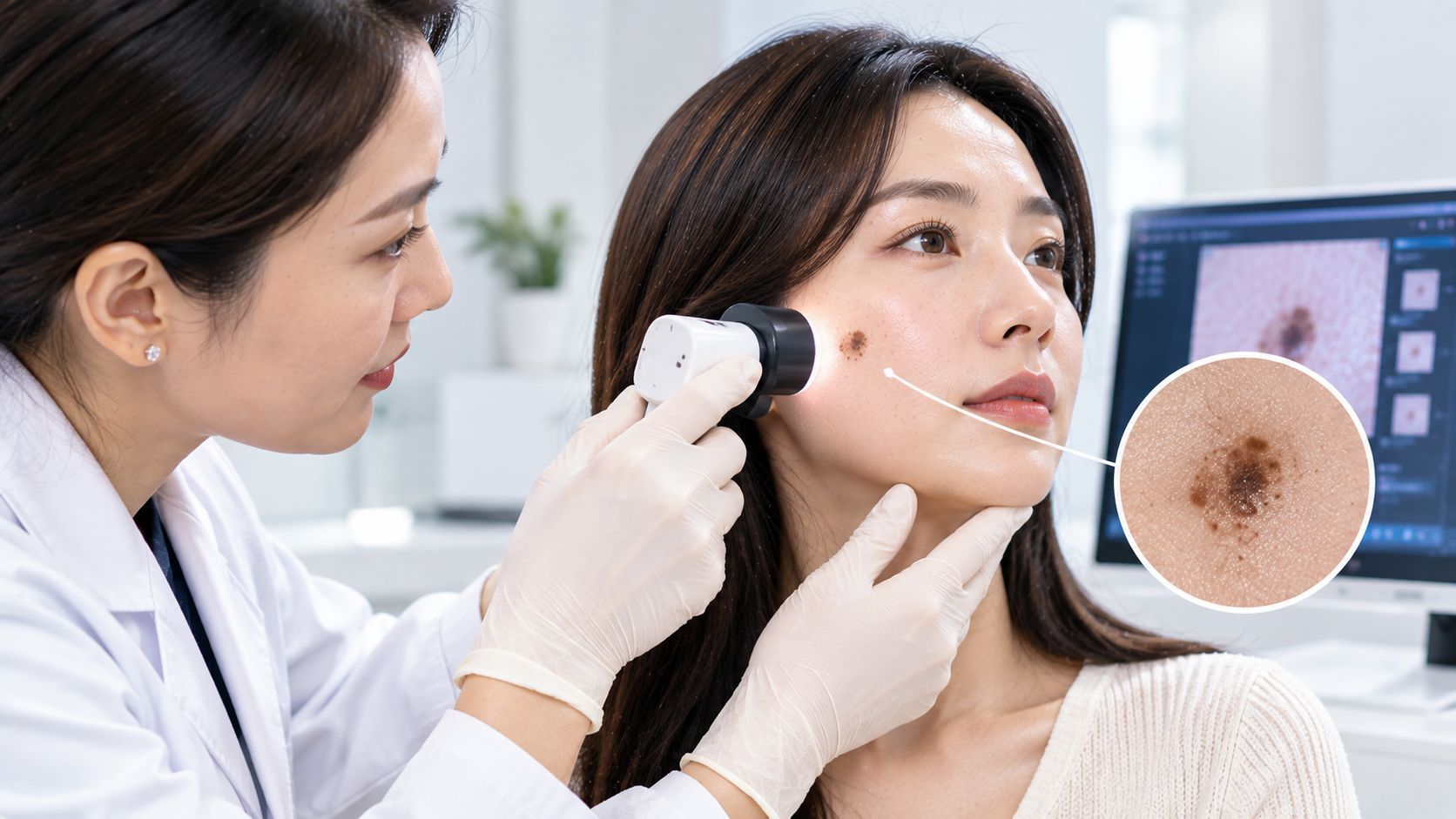
This is one reason why diagnosing the pigmentation before treatment is so important.
Could I Have Been Treating the Wrong Type of Pigmentation?
Possibly.
Not every brown spot is melasma.
Facial pigmentation can include:
- Freckles
- Solar lentigines
- Melasma
- Post-acne pigmentation
- PIH
- Other pigmented lesions
These conditions can look similar but may respond differently to laser treatment.
If pigmentation becomes darker unexpectedly, it may be useful to reassess the original diagnosis rather than simply increasing treatment intensity.
Why Does Skin Tone Matter?
People with darker or more melanin-rich skin can have a greater tendency toward pigmentary changes after inflammation.
This does not mean laser treatment is automatically unsuitable.
Instead, the dermatologist may need to consider:
- Skin tone
- Previous PIH
- Previous laser reactions
- Current pigmentation
- Treatment wavelength
- Energy level
- Number of passes
- Treatment frequency
Your personal treatment history can be particularly valuable.
If you have previously developed dark marks after acne, waxing, burns, or procedures, tell the clinician before treatment.
Can Pico Laser Cause Darkening?
Yes.
Pico laser is a technology rather than a single standardized treatment.
Different devices and treatment protocols can use different wavelengths and settings.
Temporary darkening can occur after some Pico treatments, while excessive inflammation can potentially contribute to PIH.
Pico technology does not eliminate the possibility of pigmentary complications.
If a clinic describes Pico as completely risk-free for pigmentation, ask for a more detailed explanation of the actual treatment protocol.
Can Laser Toning Cause Pigmentation to Get Darker?
Laser toning may also produce unwanted pigment changes in some patients.
Although it is often associated with gradual and conservative treatment, repeated treatments still need to be appropriately planned.
Potential concerns can include:
- Irritation
- Persistent pigmentation
- Uneven pigmentation
- Mottled appearance
- PIH
The risk depends on factors such as the treatment protocol, frequency, skin characteristics, and individual response.
“Low downtime” does not mean “zero risk.”
Could Sun Exposure Make It Worse?
Yes.
UV exposure can contribute to pigmentation and may interfere with recovery after treatment.
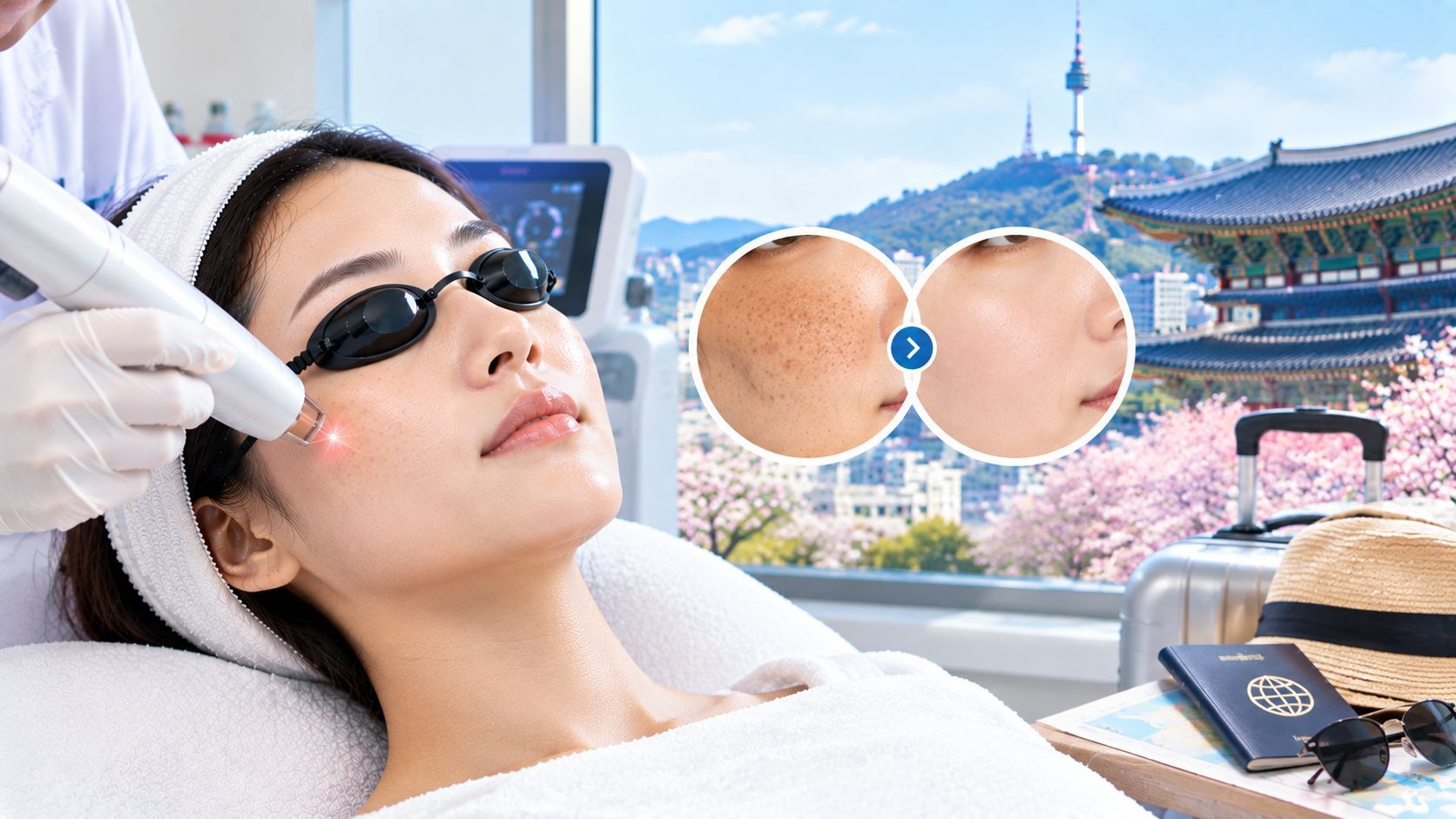
This can be particularly important if you are visiting Seoul and spending significant time outdoors after your procedure.
After laser treatment, follow the clinic's specific instructions regarding:
- Sunscreen
- Direct sun exposure
- Hats or physical protection
- Outdoor activities
- Skincare
- Makeup
If your pigmentation is melasma-related, minimizing UV exposure can be especially important.
What About Heat and Sauna?
Heat may be relevant for some pigmentation-prone patients, particularly those with melasma.
After treatment, your clinic may recommend temporarily avoiding:
- Saunas
- Steam rooms
- Very hot baths
- Intense exercise
- Other activities that significantly increase heat
The exact restrictions depend on the procedure.
If you are planning a Korean sauna experience during your trip, ask the clinic when—or whether—it is appropriate to return.
How Long Should Darkening Last?
There is no universal recovery timeline because it depends on the procedure and the patient's skin.
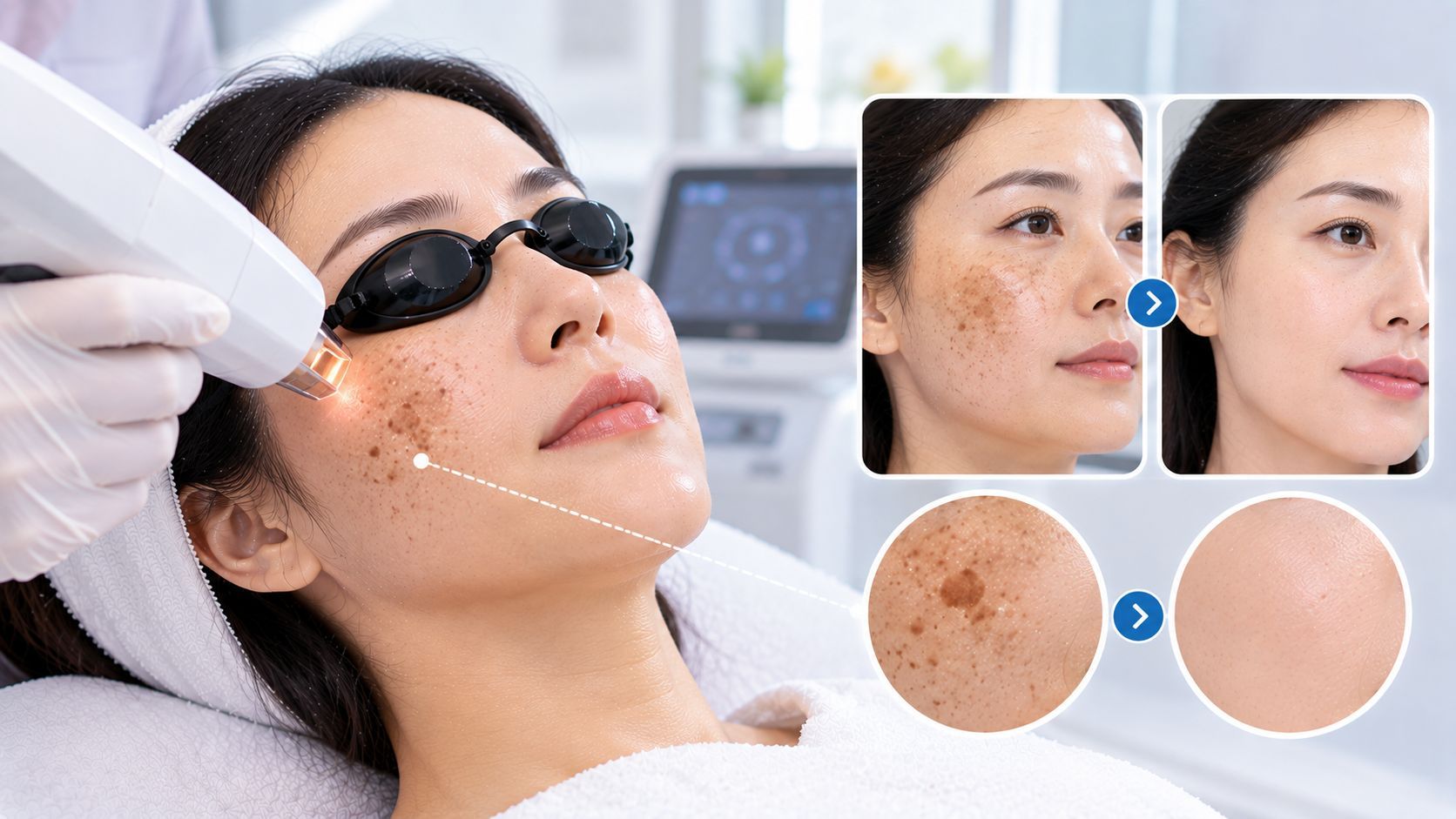
Temporary darkening may gradually improve during recovery.
PIH, however, can persist for much longer.
Instead of relying on a fixed number of days, monitor the trend.
If the treated area is gradually becoming lighter, that may be reassuring.
If it is becoming progressively darker, spreading, developing significant inflammation, or not improving as expected, contact the treating clinic.
What Should I Do If My Pigmentation Gets Darker?
The first step is to avoid automatically treating it again.
Contact the clinic and explain:
- What procedure you received
- When you received it
- When darkening began
- Whether it is getting lighter or darker
- Whether there is redness, swelling, pain, crusting, or irritation
- Whether you had significant sun or heat exposure afterward
The clinic may advise observation or recommend an assessment.
If you have returned home from Korea and cannot reach the clinic, consider seeing a qualified dermatologist locally if the reaction is significant or persistent.
Should I Use Strong Skincare to Lighten It?
Be careful about adding multiple aggressive products immediately after a laser procedure.
Over-irritating the skin can potentially increase inflammation and worsen pigmentary problems.
Your treating clinician may provide specific instructions about when to resume active skincare.
Do not assume that using more acids, exfoliants, or other strong products will make the pigmentation disappear faster.
Does Darkening Mean the Laser Did Not Work?
Not necessarily.
Some pigment treatments produce temporary darkening before improvement.
However, darkening alone cannot tell you whether the final result will be good.
The key is how the skin progresses during recovery.
If the pigmentation becomes persistently darker or develops a new pattern, an assessment may be necessary.
When Should You Contact a Doctor Promptly?
Pigment darkening should receive medical attention when it is accompanied by concerning symptoms such as:
- Significant or worsening pain
- Severe swelling
- Blistering
- Extensive crusting
- Signs of infection
- Significant skin breakdown
- Rapidly worsening discoloration
These findings are different from mild temporary pigment darkening and should not simply be assumed to be part of normal recovery.
What Should You Ask Before Your Next Pigmentation Laser?
If you have previously experienced darkening after laser, ask:
- What type of pigmentation do I have?
- Could this be melasma or PIH?
- Why did my skin become darker after the previous treatment?
- What wavelength was used previously?
- What settings were used?
- How will you modify the next treatment?
- What is my PIH risk?
- Would a test spot be appropriate?
- How long should I wait before another treatment?
- What should I do if darkening happens again?
If you have treatment records from a previous Korean clinic, keeping them can make a future consultation more informative.
If You Are Traveling to Seoul for Pigmentation Treatment
Do not schedule a pigmentation laser immediately before a packed sightseeing schedule without understanding the recovery.
If you are staying in Seoul for only a few days, leave time for:
- Consultation
- Treatment
- Initial observation
- Recovery
- Possible follow-up
Also consider the amount of sun and heat exposure during your trip.
If you have previously experienced PIH, tell the clinic before booking a procedure rather than waiting until after treatment.
Red Flags to Watch For
Be cautious if a clinic:
- Says pigmentation can never become darker after treatment
- Guarantees complete clearance
- Promises that stronger settings will always work better
- Does not ask about previous PIH
- Cannot explain the treatment settings
- Immediately recommends another laser after darkening
- Does not provide aftercare instructions
- Dismisses significant or persistent worsening without assessment
A realistic treatment plan should acknowledge the possibility of pigmentary complications.
Conclusion
Pigmentation can look darker after laser for several reasons, and temporary darkening does not automatically mean treatment failure. Some treated pigment may temporarily become more visible during recovery. However, persistent or worsening discoloration can also represent PIH or aggravation of melasma.
If your pigmentation has become darker, avoid assuming that stronger treatment is the solution. Give your skin appropriate recovery, follow post-treatment instructions, protect it from UV exposure, and contact the treating clinic if the reaction is unexpected or persistent.
For future treatment in Seoul, make sure the dermatologist knows about your previous reaction. Your history of post-treatment darkening can be an important part of deciding whether another laser is appropriate and how conservative the treatment should be.
FAQs
Is it normal for pigmentation to get darker after laser?
Temporary darkening can occur after some pigmentation treatments. However, persistent or progressively worsening pigmentation may indicate PIH or another reaction and should be assessed.
How do I know if darkening is PIH?
PIH is a pigmentary response following inflammation or injury. If darkening persists, worsens, or does not follow the expected recovery pattern, contact your treating clinic or a qualified dermatologist.
Can Pico laser make pigmentation darker?
Yes. Temporary darkening can occur, and inflammation from treatment can potentially contribute to PIH. Pico technology does not eliminate pigmentary risk.
Can melasma become worse after laser?
It can. Melasma may be sensitive to inflammation, heat, and other triggers. Aggressive or inappropriate treatment can potentially aggravate pigmentation.
Should I get another laser if my pigmentation becomes darker?
Not automatically. First determine whether the darkening is expected recovery, PIH, melasma aggravation, or another issue. Additional treatment should be based on that assessment.
What should I do after pigmentation laser treatment in Seoul?
Follow the clinic's aftercare instructions, protect your skin from UV exposure, avoid unnecessary irritation, and ask about restrictions involving heat, exercise, sauna use, and outdoor activities.