Is Pico Toning Good for Overall Skin Brightening?
Pico toning is commonly offered in Korean dermatology clinics as a treatment for uneven pigmentation and a brighter-looking complexion. It can be useful for some patients, but “skin brightening” can mean different things, and Pico toning is not a universal solution for every cause of dull or uneven skin.
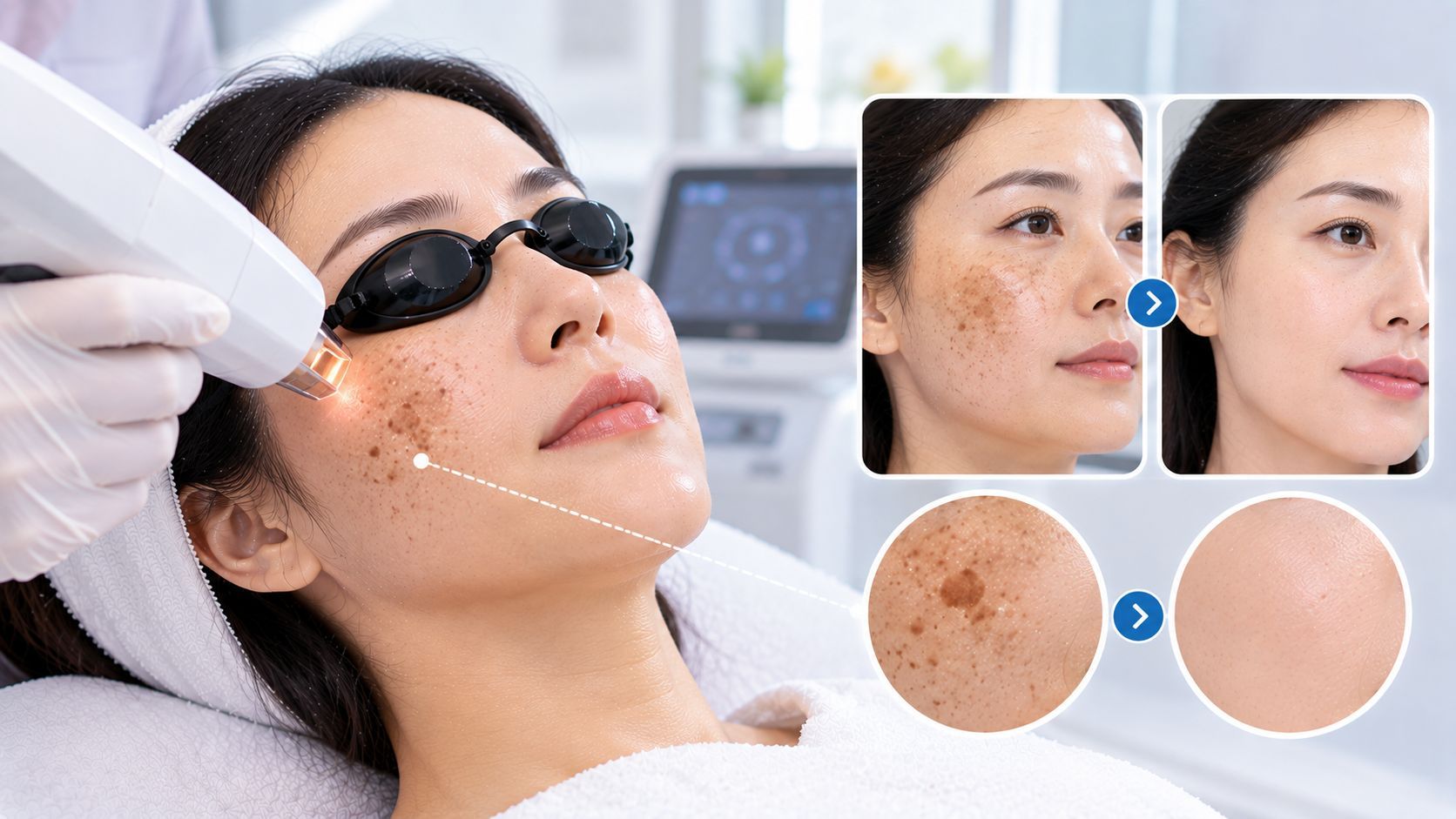
Pico toning may help improve the appearance of uneven pigmentation and make the complexion look more even and brighter, particularly when excess pigment is contributing to the problem. However, results vary, and it may require multiple treatments rather than producing a dramatic change after one session.
For international patients visiting Seoul, the important question is not simply whether Pico toning brightens skin. It is whether pigmentation is actually the main reason your skin looks uneven or dull.
What Is Pico Toning?
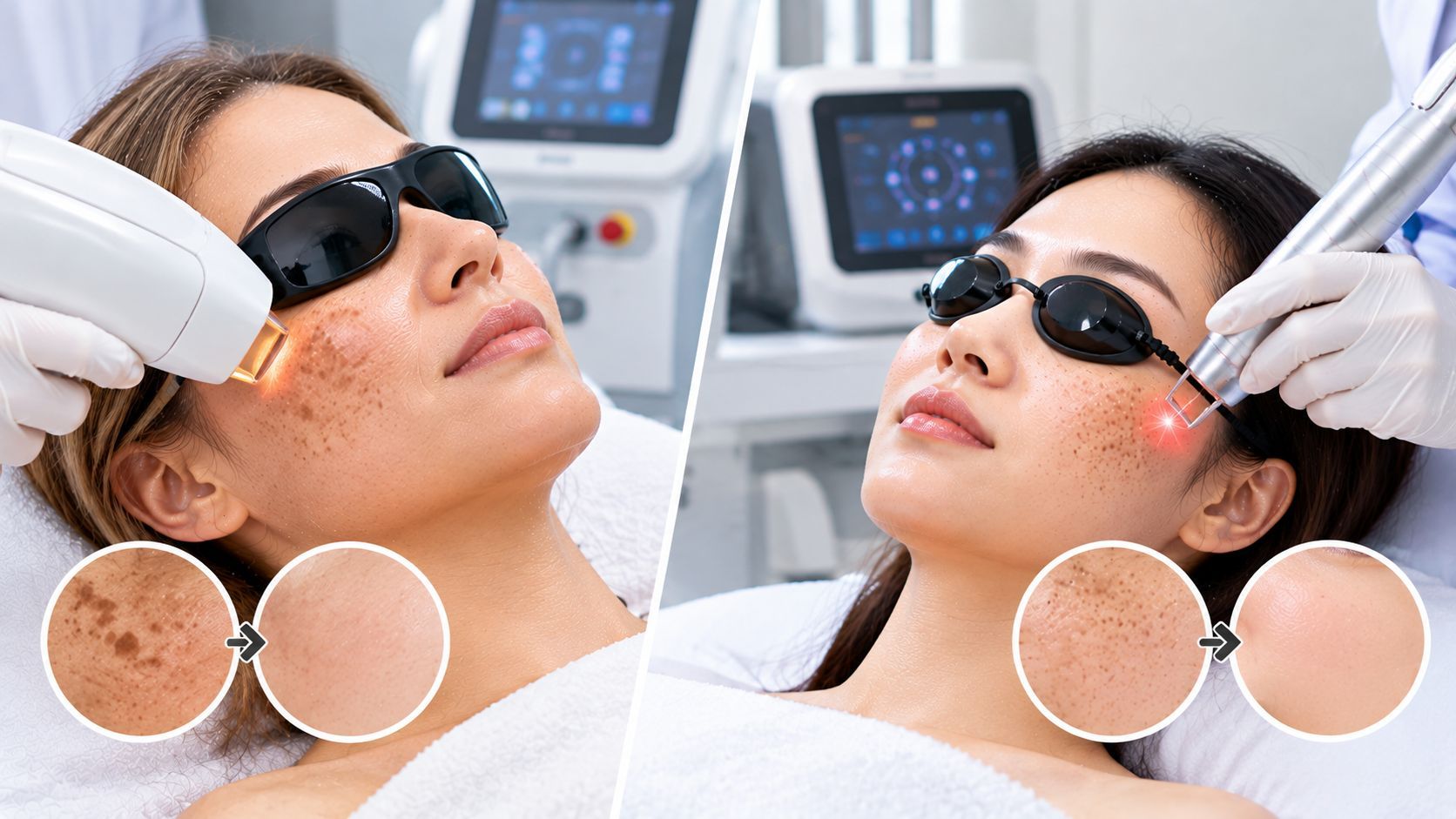
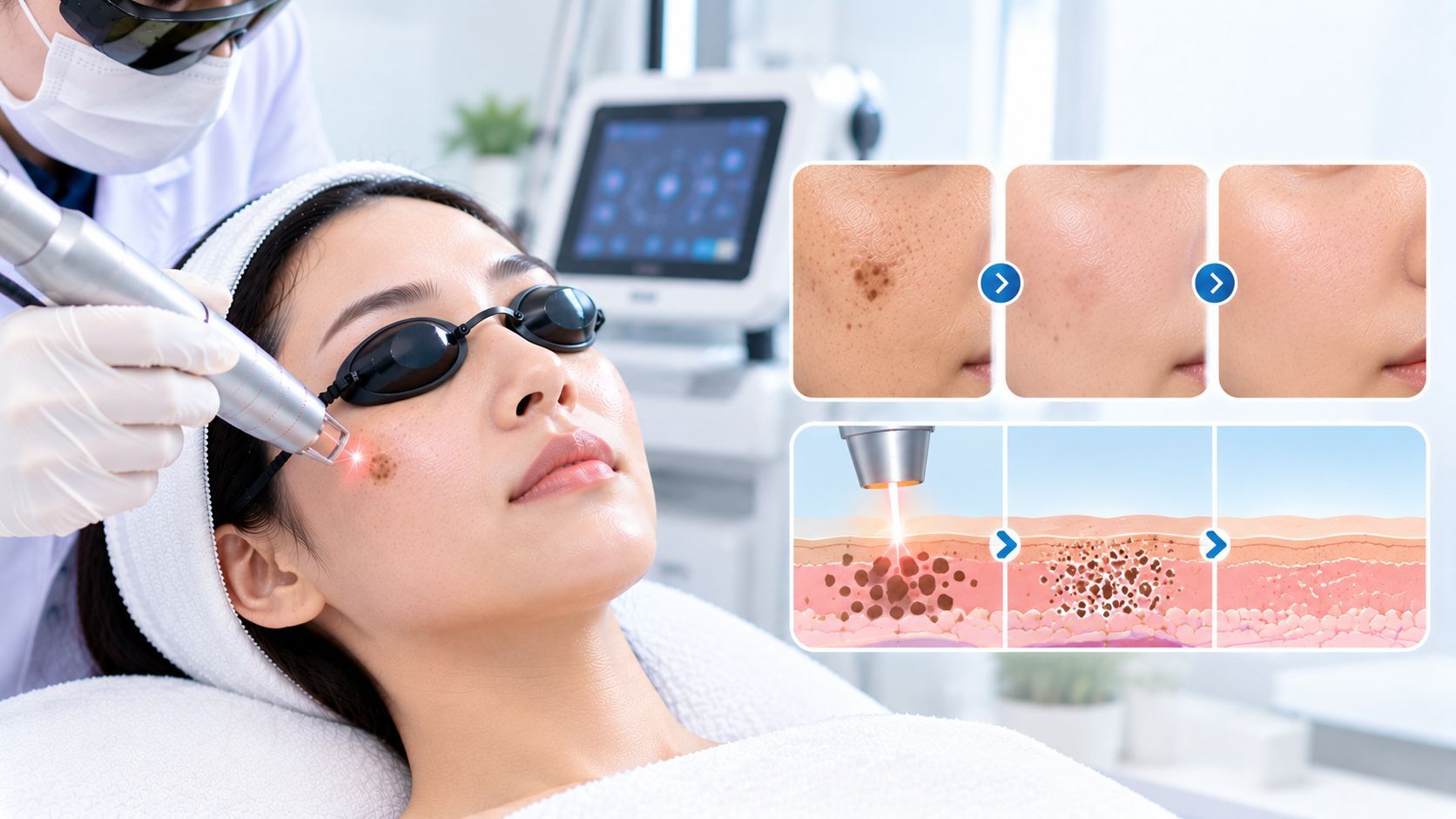
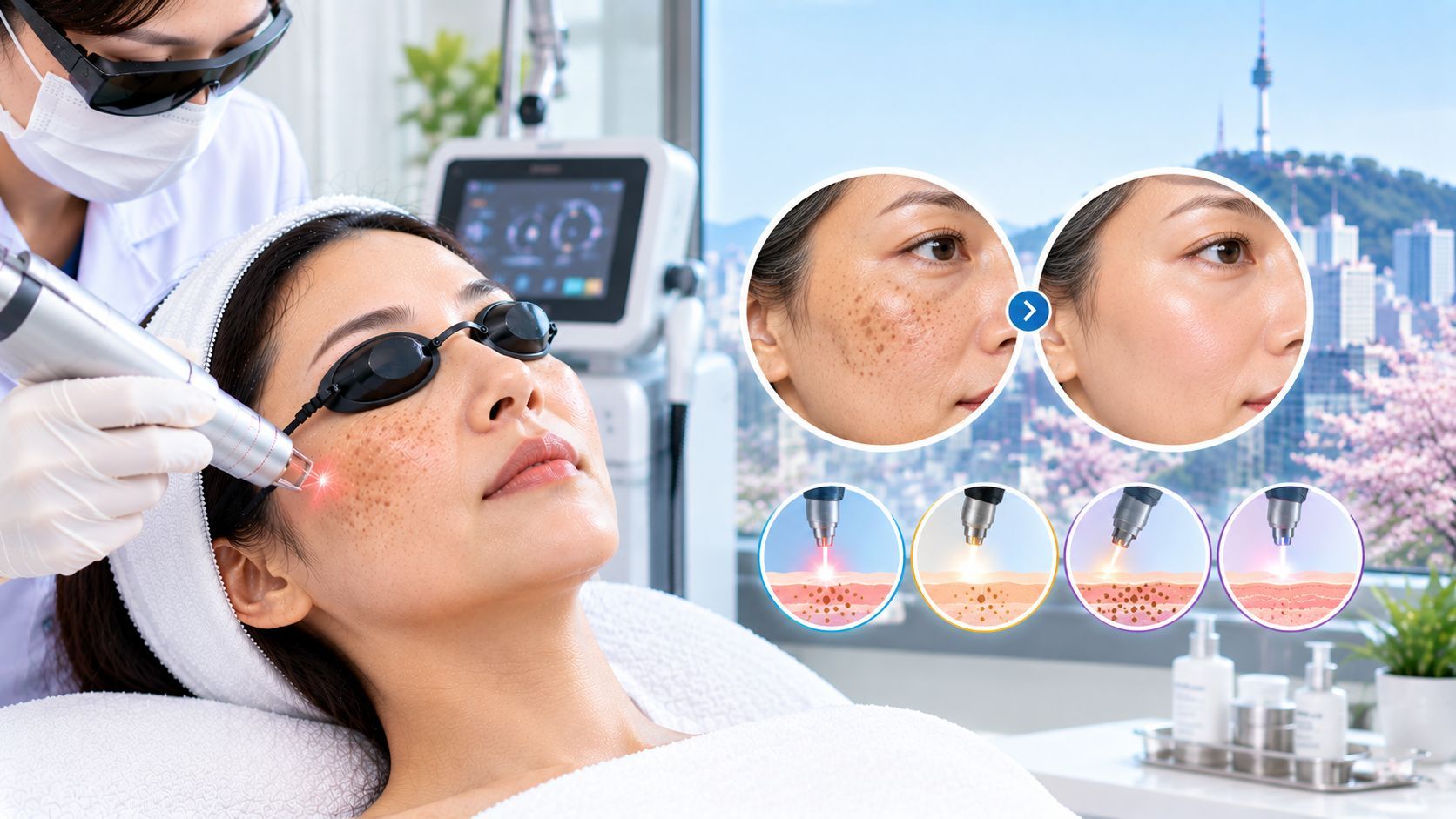
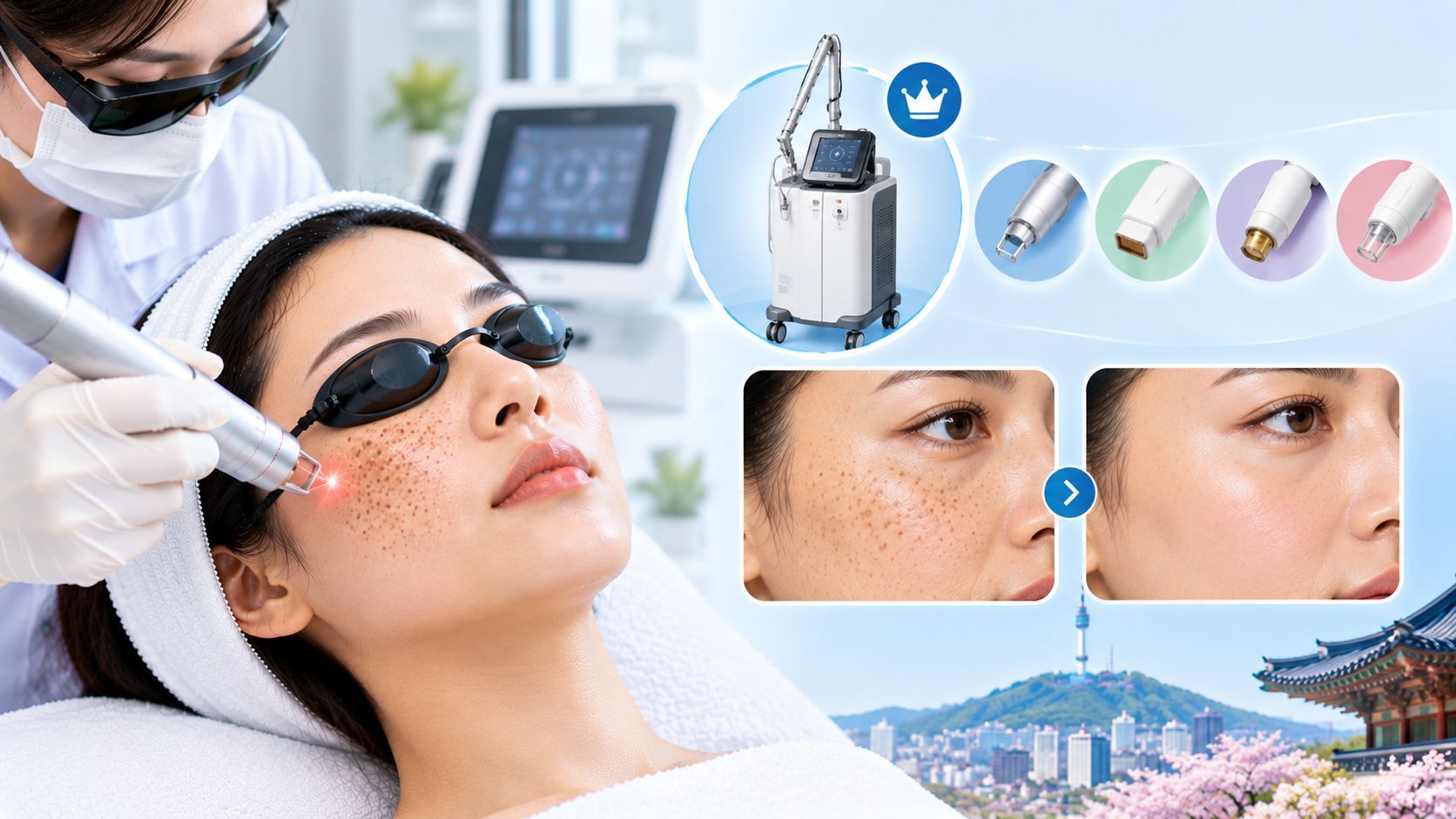
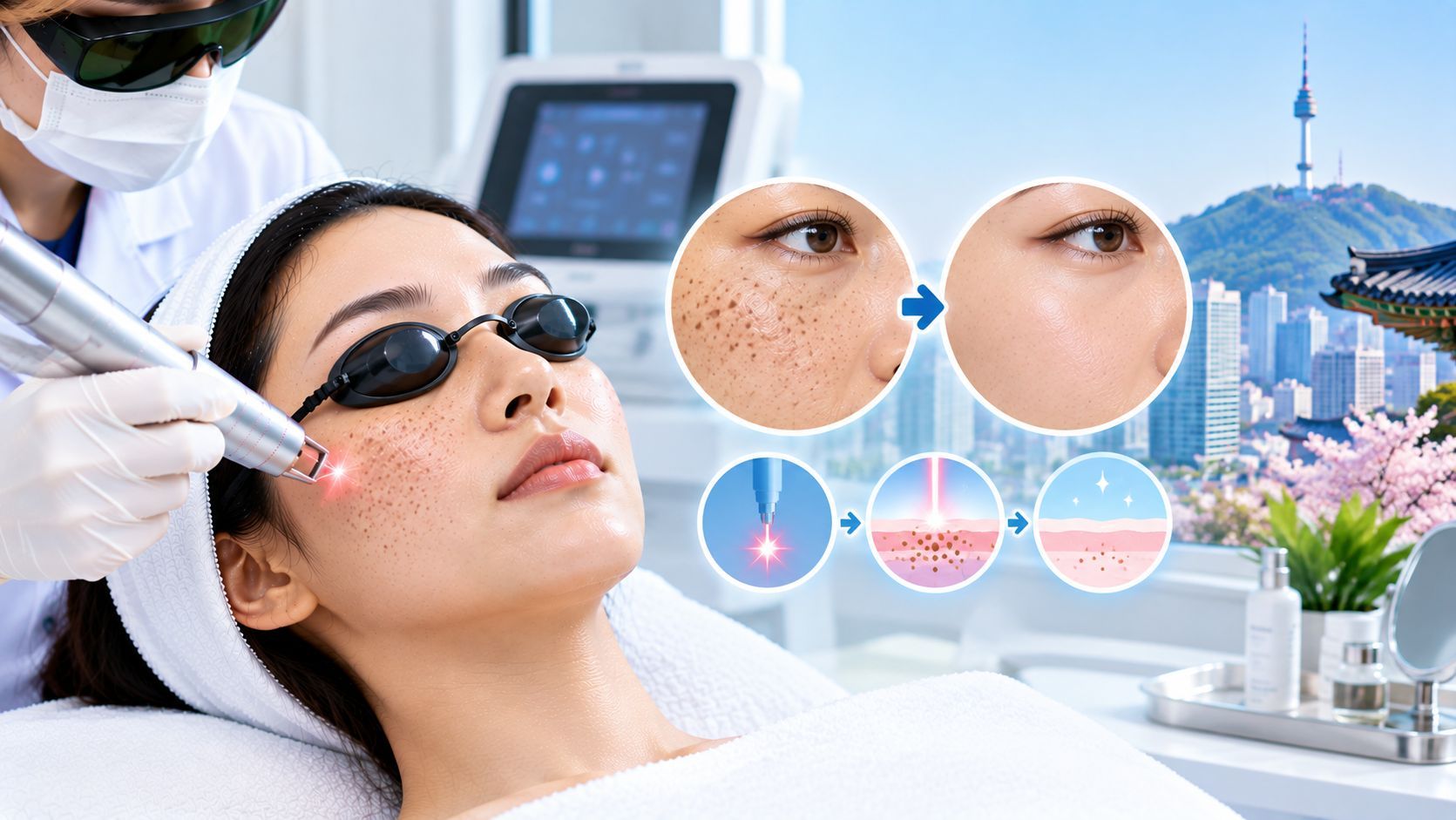
Pico toning is a treatment technique that uses a picosecond laser over a broader area of skin, often with settings designed to gradually address pigmentation.
Unlike a targeted laser treatment that may focus on individual dark spots, toning generally treats a wider area.
Depending on the device and settings, the goals may include:
- Improving uneven skin tone
- Reducing the appearance of certain pigmentation
- Creating a more uniform-looking complexion
- Improving the appearance of some post-acne pigmentation
- Supporting an overall brighter appearance
The exact technique varies between devices and clinics.
This is why two treatments both called “Pico toning” may not necessarily be identical.
What Does “Skin Brightening” Actually Mean?
Skin brightening usually refers to making the complexion appear:
- More even
- Less dull
- Less visibly pigmented
- More uniform in color
It should not be confused with permanently changing your natural skin color.
If your complexion looks darker or uneven because of accumulated pigmentation, reducing that unwanted pigment may make the skin appear brighter. But if dullness is caused primarily by dehydration, irritation, rough texture, inflammation, or another problem, Pico toning may not address the main cause.
Who May Benefit From Pico Toning?
Pico toning may be considered for people whose main concern involves diffuse pigmentation or uneven tone.
Potential candidates may include people with:
Uneven Pigmentation
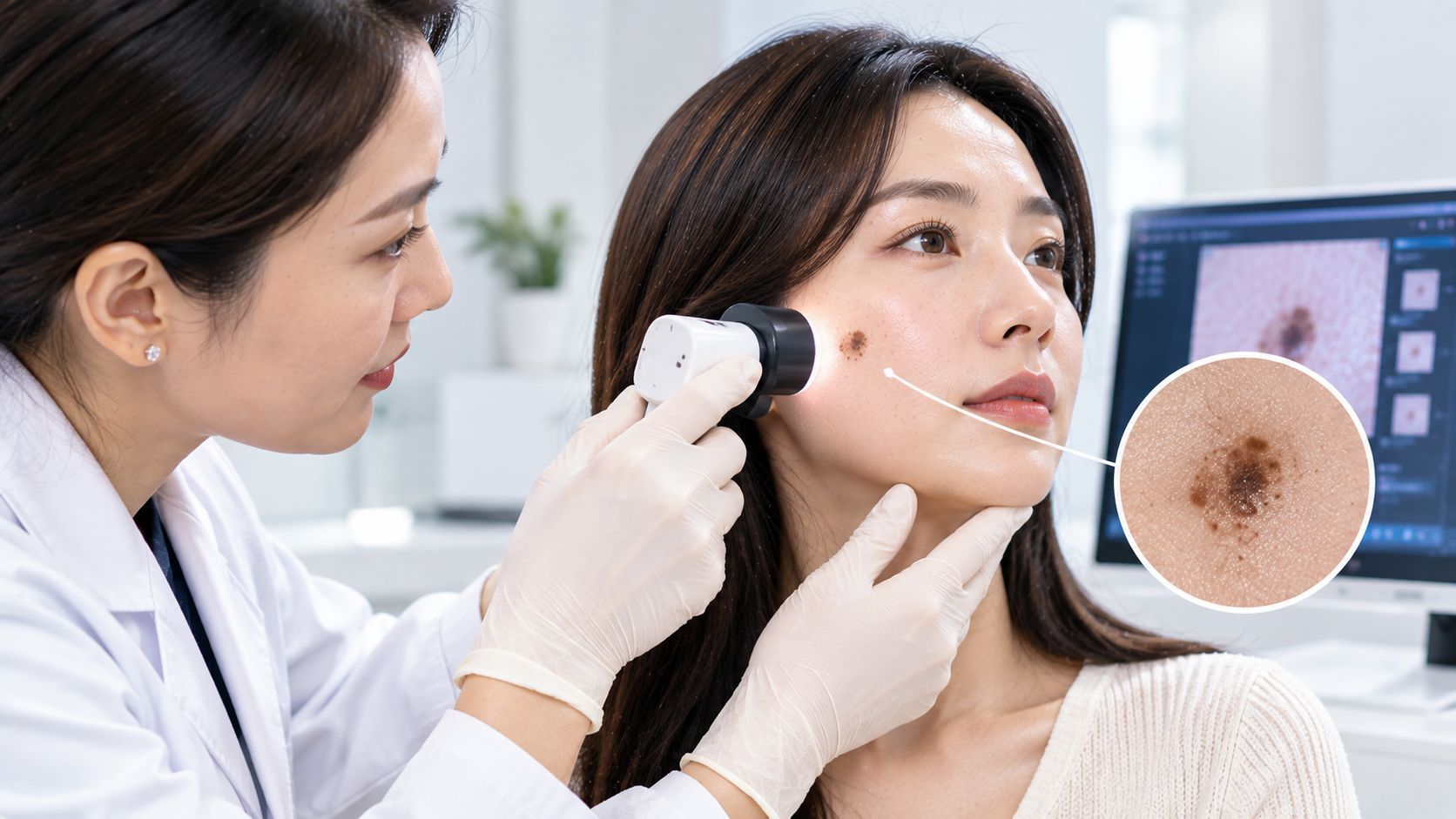
If different areas of the face have noticeably different levels of pigmentation, a broader treatment approach may be considered.
Post-Acne Dark Marks
Flat brown or grayish marks left after acne may respond to pigment-focused treatments in selected patients.
However, Pico toning does not treat every type of acne scar. Depressed scars require a different assessment.
Sun-Related Pigmentation
Some sun-related pigmentation may respond to laser treatment, although individual lesions need appropriate assessment before treatment.
A Dull-Looking Complexion Related to Pigment
If excess pigmentation is making your skin look less uniform, improving that pigmentation may create a brighter overall appearance.
When Pico Toning May Not Be the Main Solution
Not every dull complexion is caused by pigment.
You may have a dull appearance because of:
- Dry skin
- Dehydration
- Rough texture
- Excess dead skin
- Inflammation
- Acne
- Visible redness
- Enlarged pores
- Loss of firmness
- Sun damage involving several different changes
In these situations, a dermatologist may recommend a different treatment or combination of approaches.
For example, someone primarily concerned about laxity may benefit from discussing skin-tightening technologies rather than relying on a pigment-focused laser.
What About Melasma?
Melasma deserves particular caution.
It is a recurrent pigmentation disorder that can be affected by sunlight, hormonal factors, heat, and individual susceptibility.
Some dermatologists may use laser-based approaches in selected patients, but Pico toning should not automatically be considered an appropriate treatment for every person with melasma.
More aggressive treatment does not necessarily produce better results, and pigmentary complications can occur.
If you suspect melasma, ask the dermatologist to identify the type of pigmentation before treatment.
Can Pico Toning Make Skin Look Glass-Like?
Pico toning is sometimes promoted alongside the broader concept of Korean “glass skin,” but expectations should remain realistic.
A laser cannot guarantee a particular cosmetic appearance.
A more even complexion may make skin appear fresher or brighter, but visible pores, texture, natural skin variation, and other characteristics do not necessarily disappear.
If your goal is healthier-looking, more even skin, discuss the individual features you want to improve rather than relying on a general promise of “glass skin.”
How Many Sessions Are Usually Needed?
There is no standard number that applies to everyone.
Pico toning is often approached as a gradual treatment, which means a series of sessions may be recommended rather than relying on one procedure.
The number depends on:
- Your pigmentation
- Skin type
- Device and wavelength
- Treatment intensity
- Previous procedures
- How your skin responds
- Your desired degree of improvement
One session may produce some visible change, but a subtle treatment designed for gradual improvement should not be expected to create a complete transformation immediately.
Does Pico Toning Work After One Session?
Some patients may notice improvement after one session, but the response varies considerably.
If your main concern is a small number of discrete dark spots, a targeted pigment treatment may produce a more obvious change than a broad, lower-intensity toning treatment.
Pico toning is generally better understood as a gradual approach.
If a clinic recommends several sessions, ask what improvement they realistically expect after the first treatment rather than focusing only on the final projected result.
Can Pico Toning Damage the Skin?
Pico toning is still a medical laser treatment and is not risk-free.
Possible temporary effects include:
- Redness
- Warmth
- Mild swelling
- Sensitivity
- Dryness
- Temporary pigment changes
In some cases, unwanted pigmentation can develop after treatment.
The risk depends on factors including your skin type, laser settings, treatment indication, sun exposure, and individual tendency to develop post-inflammatory hyperpigmentation.
Is Pico Toning Safe for Darker Skin?
Pico laser technology may be used in patients with darker skin, but the treatment needs to be appropriately selected and configured.
People with melanin-rich skin can have a higher risk of certain pigmentary complications after some laser procedures.
If you tend to develop dark marks after acne, cuts, burns, or cosmetic treatments, tell your provider.
Important questions include:
- Have you treated patients with my skin type?
- What settings are planned?
- What is my risk of post-inflammatory hyperpigmentation?
- What should I do if my skin becomes darker afterward?
- Is another treatment approach more appropriate?
What Is the Downtime?
Pico toning is often associated with relatively limited downtime, but recovery varies.
You may experience mild redness or sensitivity for a period after treatment.
More targeted or higher-intensity Pico procedures can have different recovery characteristics.
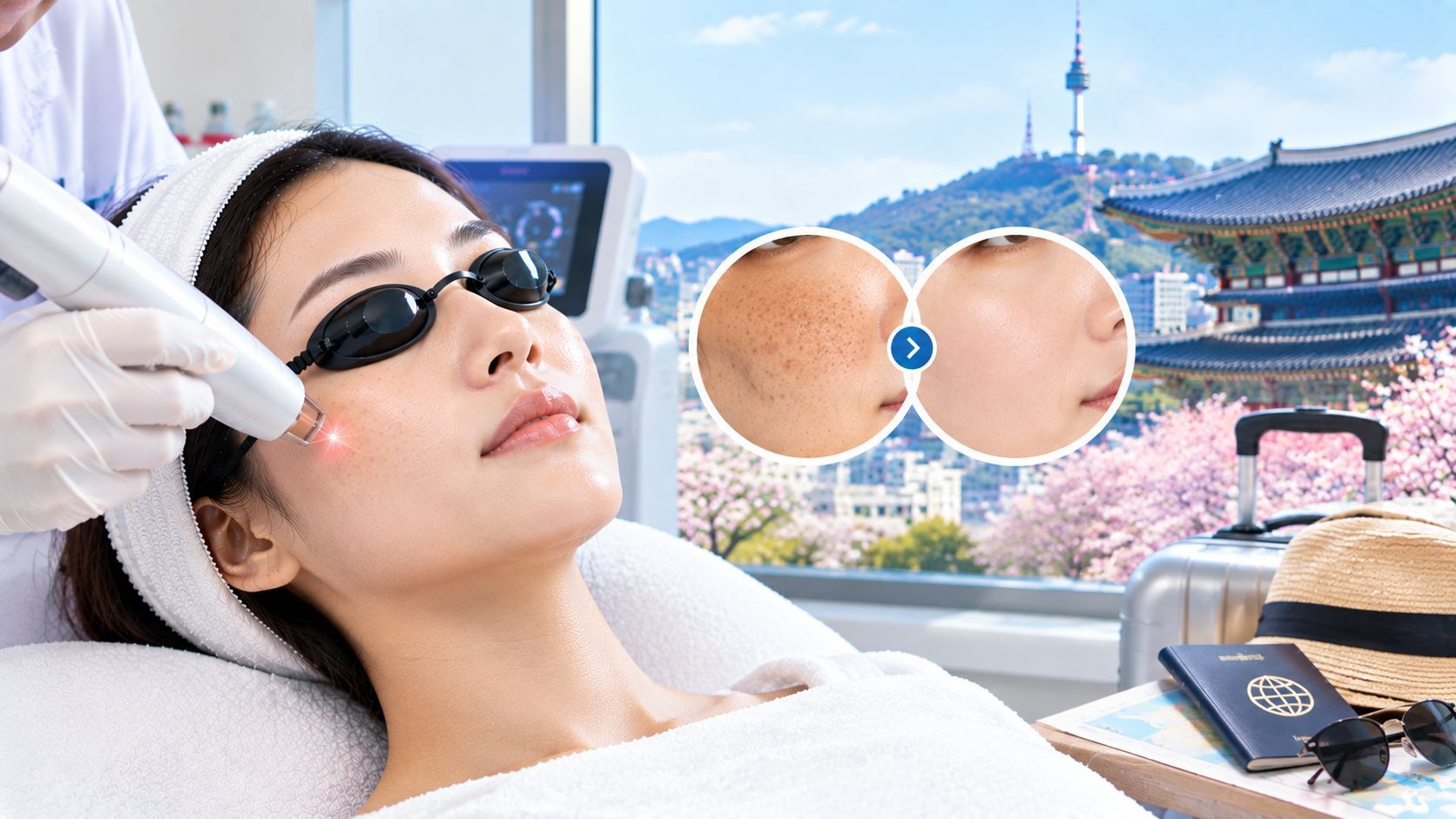
If you are traveling in Korea, do not schedule your treatment immediately before an important event unless you understand the expected recovery.
You should also follow the clinic's instructions regarding sun exposure, exercise, swimming, heat, sauna use, skincare products, and makeup.
Does Pico Toning Permanently Brighten Skin?
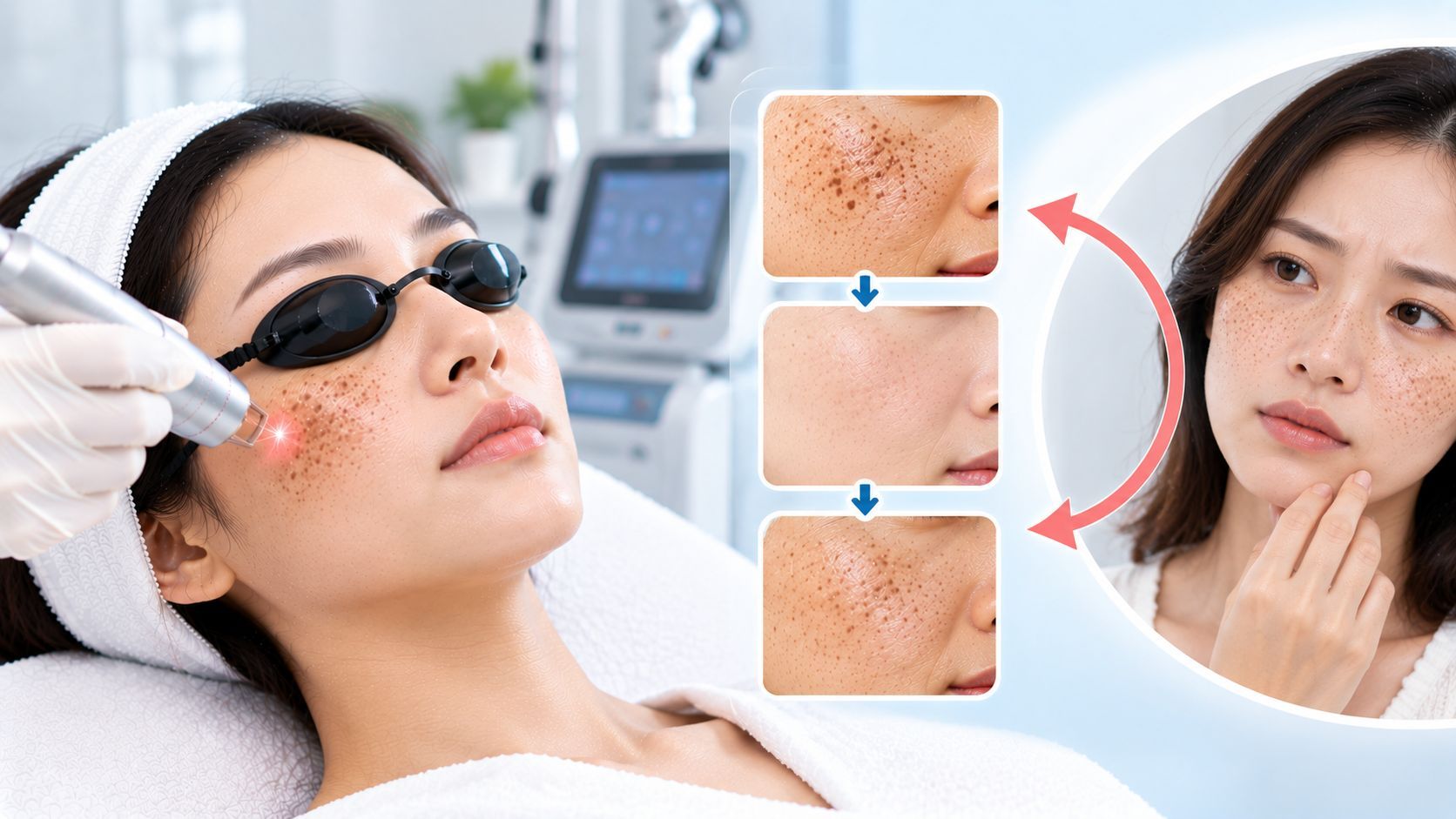
No laser treatment can guarantee permanent improvement.
Even when pigmentation improves, new pigment can develop due to:
- Sun exposure
- Hormonal influences
- Inflammation
- Acne
- Skin injury
- Individual pigmentation tendencies
Maintaining the result therefore involves more than repeating laser treatments.
Sun protection and appropriate skincare may be important parts of a longer-term pigmentation-management plan.
Pico Toning vs Other Brightening Treatments
Pico toning is only one option.
Depending on your actual concern, a dermatologist may discuss:
- Other pigment-targeting lasers
- Light-based treatments
- Topical approaches
- Chemical peels
- Treatments for acne or inflammation
- Skin-quality treatments
- Other device-based procedures
The appropriate choice depends on the diagnosis.
For example, treating melasma as though it were a simple sun spot can lead to an inappropriate treatment strategy.
What Should You Ask a Seoul Clinic Before Pico Toning?
Before booking, ask:
- What type of pigmentation are you treating?
- Is Pico toning appropriate for my skin?
- Which Pico device and wavelength will you use?
- What treatment settings are planned?
- What improvement can I realistically expect after one session?
- How many sessions might I need?
- What is my risk of post-inflammatory hyperpigmentation?
- How much redness or downtime should I expect?
- How should I protect my skin after treatment?
- Would another treatment be more appropriate for my concern?
For international patients, also ask how the expected recovery fits around your sightseeing plans and return flight.
Bottom Line
Pico toning can be useful for selected patients whose main concern is uneven pigmentation or a dull-looking complexion related to excess pigment.
It may gradually make the skin appear more even and brighter, but it is not a universal treatment for every type of dullness, and one session may not produce the desired result.
The most important step is identifying why your skin looks uneven in the first place. If the problem is melasma, acne-related pigmentation, redness, dryness, texture, or laxity, the appropriate treatment may be different.
Before getting Pico toning in Korea, ask what condition is being treated, what device and settings will be used, what result is realistic, and how many sessions may be needed.
Frequently Asked Questions
Does Pico toning really brighten skin?
It can improve the appearance of uneven pigmentation and may make the complexion look brighter and more uniform. Results vary depending on the cause of the uneven tone.
Is one Pico toning session enough?
Some patients may notice improvement after one treatment, but Pico toning is often performed as a series for gradual results.
Can Pico toning remove melasma?
Melasma is complex and recurrent. Pico toning may be considered in selected cases, but it should not be assumed to permanently remove melasma.
Can Pico toning make pigmentation worse?
Pigmentary changes, including post-inflammatory hyperpigmentation, can occur after laser treatment. The risk varies according to skin type, settings, and individual susceptibility.
Does Pico toning remove pores?
No. It may improve the overall appearance of skin in some patients, but enlarged pores have multiple causes and are not permanently eliminated by Pico toning.
How long does Pico toning take to recover from?
Recovery is often relatively limited, but redness, sensitivity, dryness, or temporary pigment changes can occur. Your specific recovery depends on the treatment settings and your skin.