Pico Laser vs Pico Toning: What’s the Difference?
Pico laser and Pico toning are often used interchangeably in Korean dermatology clinics, but they do not necessarily mean the same thing. The confusion usually comes from the fact that Pico laser describes the technology, while Pico toning generally describes a particular treatment approach using laser energy at selected settings.
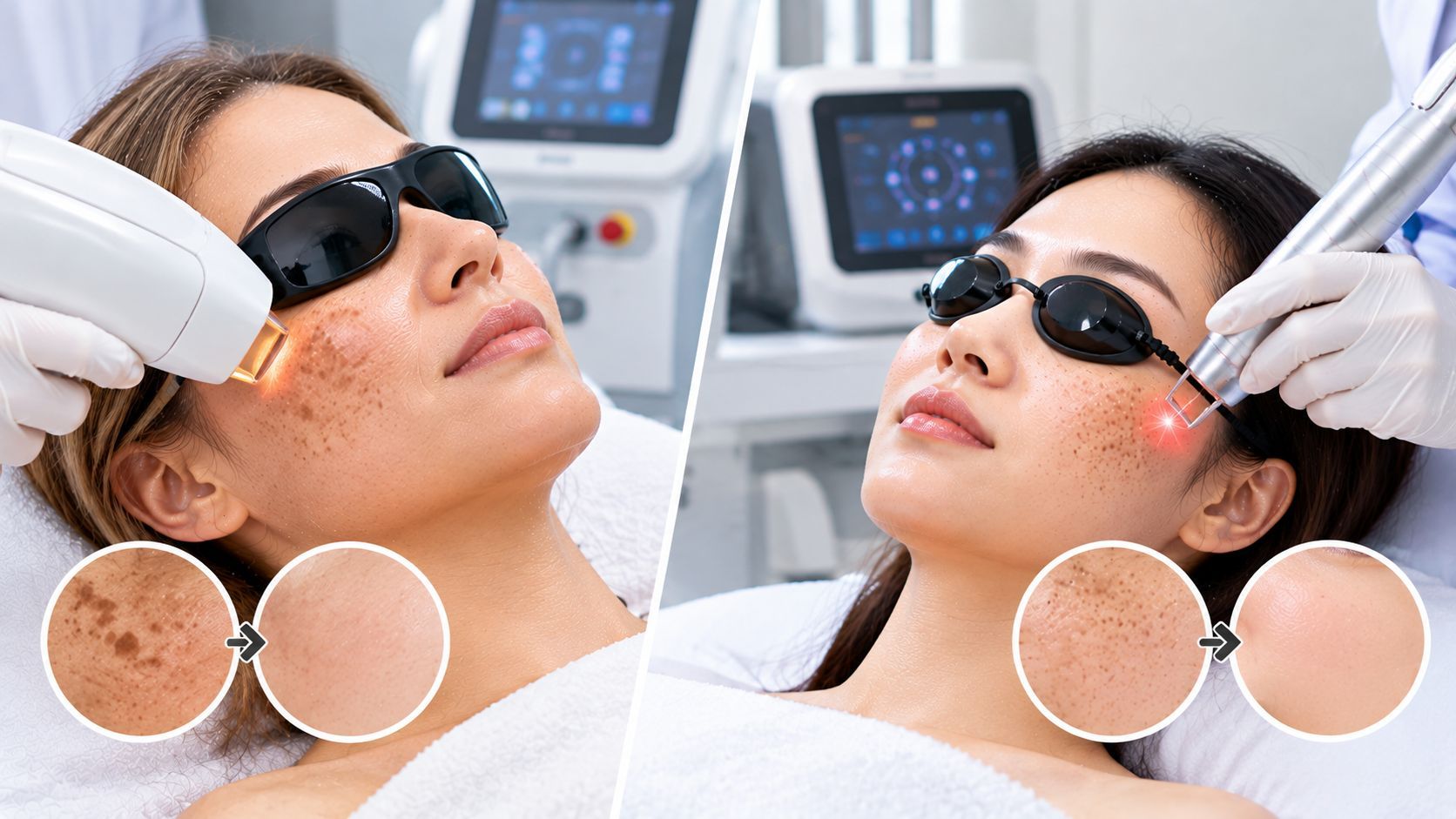
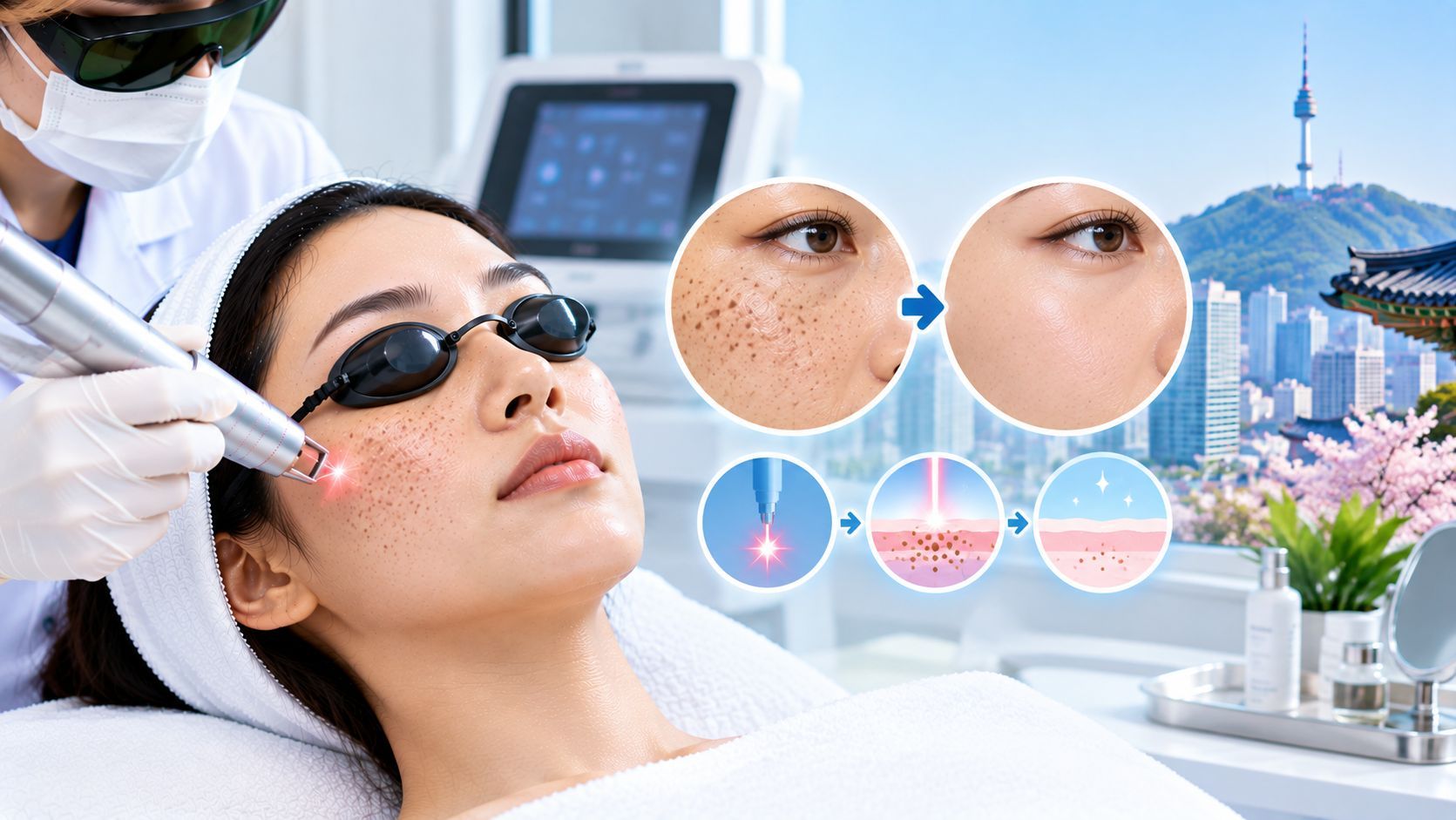
The main difference is that Pico laser can refer to several treatment techniques, while Pico toning typically uses relatively low-energy laser passes over a broader area to address uneven pigmentation and overall skin tone gradually. A more targeted Pico treatment may instead focus on individual pigmented spots or other specific concerns.
Understanding this distinction can help international patients in Korea compare treatment plans without choosing a procedure based only on the word “Pico.”
What Is Pico Laser?
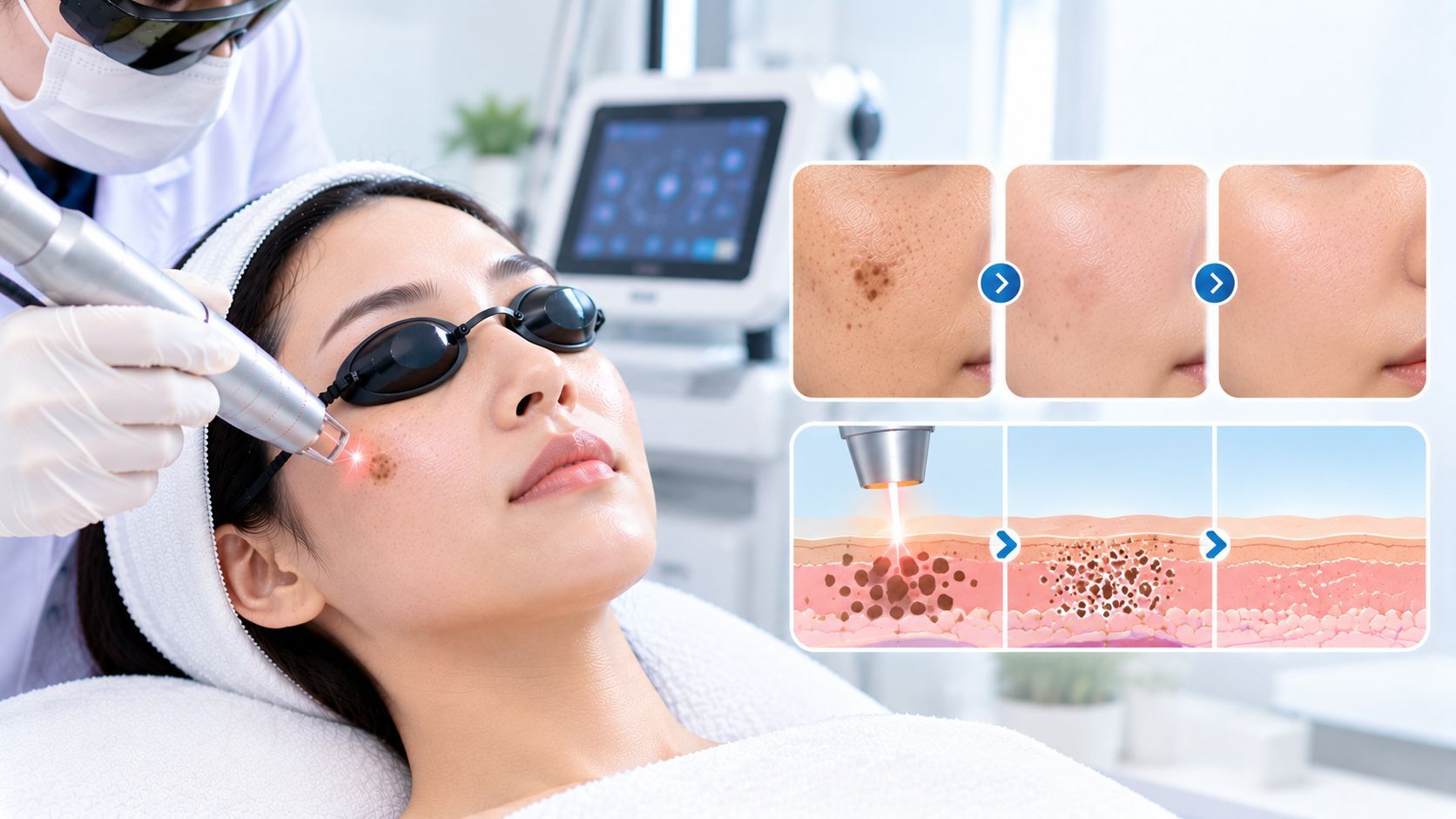
“Pico laser” refers to laser technology that delivers extremely short pulses of energy, measured in picoseconds.
Different Pico devices can have different wavelengths and capabilities. The treatment can also be adjusted according to the condition being treated.
Depending on the device and settings, Pico technology may be used for concerns such as:
- Certain sun spots
- Freckles
- Selected hyperpigmentation
- Post-acne pigmentation
- Uneven skin tone
- Some texture concerns
- Certain tattoo pigments
Therefore, saying that someone is “getting Pico laser” does not tell you exactly what treatment they are receiving.
What Is Pico Toning?
Pico toning is generally a technique in which laser energy is delivered across a broader facial area, often using settings intended to gradually address uneven pigmentation and tone.
The treatment is commonly associated with goals such as:
- More even-looking skin tone
- Reduced appearance of diffuse pigmentation
- General complexion brightening
- Gradual improvement in some pigmentation concerns
Pico toning is generally not the same as using a higher-energy treatment to aggressively target a single visible pigment spot.
The exact technique varies between devices and clinics, so it is important to ask how the clinic defines “Pico toning.”
Pico Laser vs Pico Toning at a Glance
FeaturePico LaserPico ToningMeaningTechnology using picosecond laser pulsesA treatment approach using Pico laser technologyMain purposeDepends on treatment settings and indicationOften focuses on uneven tone and pigmentationTreatment areaCan be targeted or broadUsually broader facial treatmentPigment spotsMay specifically target individual lesionsUsually focuses on diffuse toneTreatment intensityCan vary considerablyOften uses a lower-intensity approachNumber of sessionsDepends on the conditionOften involves repeated sessionsDowntimeDepends on settingsOften relatively limited, but variesAppropriate for everyoneNoNo
This table provides a general distinction. Individual clinics may use these terms differently.
Which One Is Better for Pigmentation?
There is no single answer because “pigmentation” covers several different conditions.
For Individual Dark Spots
If you have a small number of clearly defined sun spots or other lesions that are suitable for laser treatment, a dermatologist may choose a targeted Pico approach.
The goal is to focus treatment on the unwanted pigment rather than treating the entire face in the same way.
For Uneven Overall Tone
If your concern is more diffuse—such as an uneven-looking complexion—a toning approach may be considered.
Instead of aggressively targeting individual spots, the treatment may be designed around gradual improvement across a larger area.
However, the diagnosis still matters.
Is Pico Toning the Same as Skin Brightening?
Not exactly.
Pico toning may improve the appearance of uneven pigmentation and therefore make the complexion look brighter or more even.
But it should not be interpreted as permanently changing your natural skin color.
A person whose skin looks dull because of pigmentation may see a different type of improvement from someone whose dull appearance is primarily caused by dryness, inflammation, rough texture, or another issue.
This is why “brightening” should not be treated as a diagnosis.
What About Melasma?
Melasma requires more careful consideration than ordinary sun spots or freckles.
It is a recurring pigmentation condition that can be influenced by factors such as sunlight, hormonal changes, and heat.
Some clinicians may use low-energy laser approaches as part of a treatment plan for selected patients, but Pico toning is not automatically appropriate for everyone with melasma.
Aggressive or inappropriate laser treatment can sometimes contribute to worsening pigmentation.
If you have melasma, ask the dermatologist:
- What type of pigmentation do I have?
- Why is Pico treatment appropriate?
- What settings will be used?
- What is the risk of worsening pigmentation?
- Are there non-laser options?
- What maintenance may be required?
What About Acne Marks?
Pico treatments may be considered for flat dark marks remaining after acne.
This is different from an actual acne scar.
A post-acne dark mark is primarily a pigmentation issue, whereas an indented acne scar involves structural changes in the skin.
If your main problem is depressed scarring, your dermatologist may consider other procedures, such as fractional laser, RF microneedling, subcision, or TCA CROSS, depending on the scar type.
Pico toning should therefore not be marketed as a universal treatment for acne scars.
Can Pico Toning Treat Pores?
Some patients report improvements in the overall appearance of skin texture after Pico-based treatments, but enlarged pores have multiple causes.
Pore appearance can be influenced by:
- Sebum production
- Genetics
- Acne
- Skin texture
- Age
- Loss of collagen support
If pores are your primary concern, ask whether Pico toning is actually targeting the underlying reason for their appearance.
Another treatment may be more appropriate depending on the situation.
Does Pico Toning Have Less Downtime?
Pico toning is often performed using settings designed for gradual treatment and may involve relatively limited downtime compared with some more aggressive resurfacing procedures.
However, “low downtime” does not mean “no side effects.”
You may still experience:
- Redness
- Warmth
- Mild swelling
- Sensitivity
- Temporary dryness
- Temporary pigmentation changes
More targeted or higher-intensity Pico treatments can have different recovery requirements.
Always ask about the specific settings rather than relying on the general reputation of the technology.
How Many Pico Toning Sessions Are Needed?
There is no universal number.
Pico toning is often discussed as a series because gradual improvement may require repeated treatments.
The number of sessions depends on:
- The pigmentation being treated
- Skin type
- Treatment settings
- Previous treatments
- How your skin responds
- Your desired outcome
One session may provide some improvement, but expecting a complete transformation from a single low-intensity treatment may create unrealistic expectations.
Can Pico Toning Cause Pigmentation to Get Darker?
Yes, temporary darkening or other pigmentary changes can occur after laser treatment.
This is particularly important for people who tend to develop post-inflammatory hyperpigmentation.
Your skin tone, treatment settings, previous reactions, sun exposure, and the underlying pigmentation problem can all influence risk.
If you have previously developed dark marks after acne or cosmetic procedures, tell your provider before treatment.
Why Do Korean Clinics Offer So Many Pico Options?
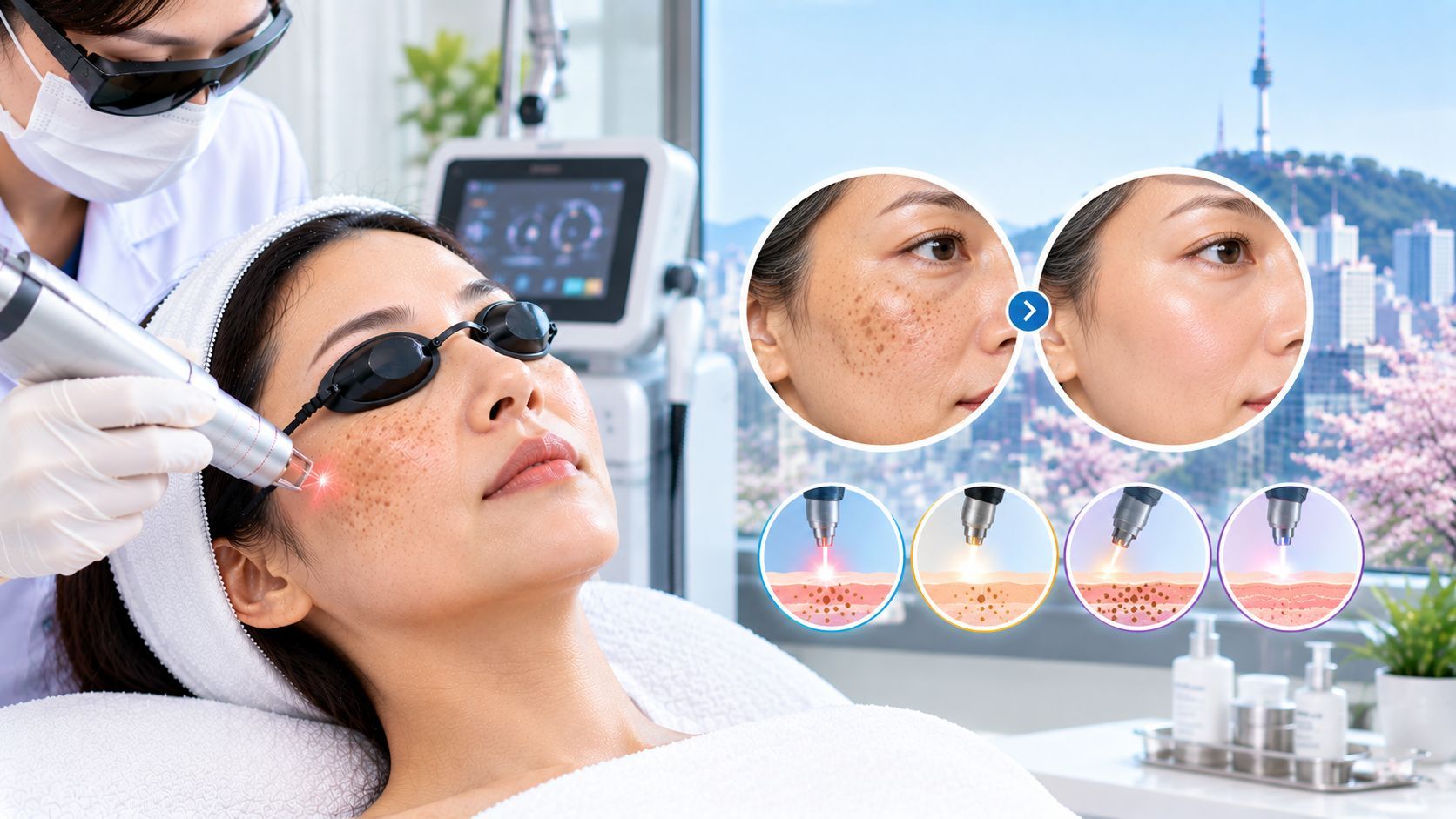
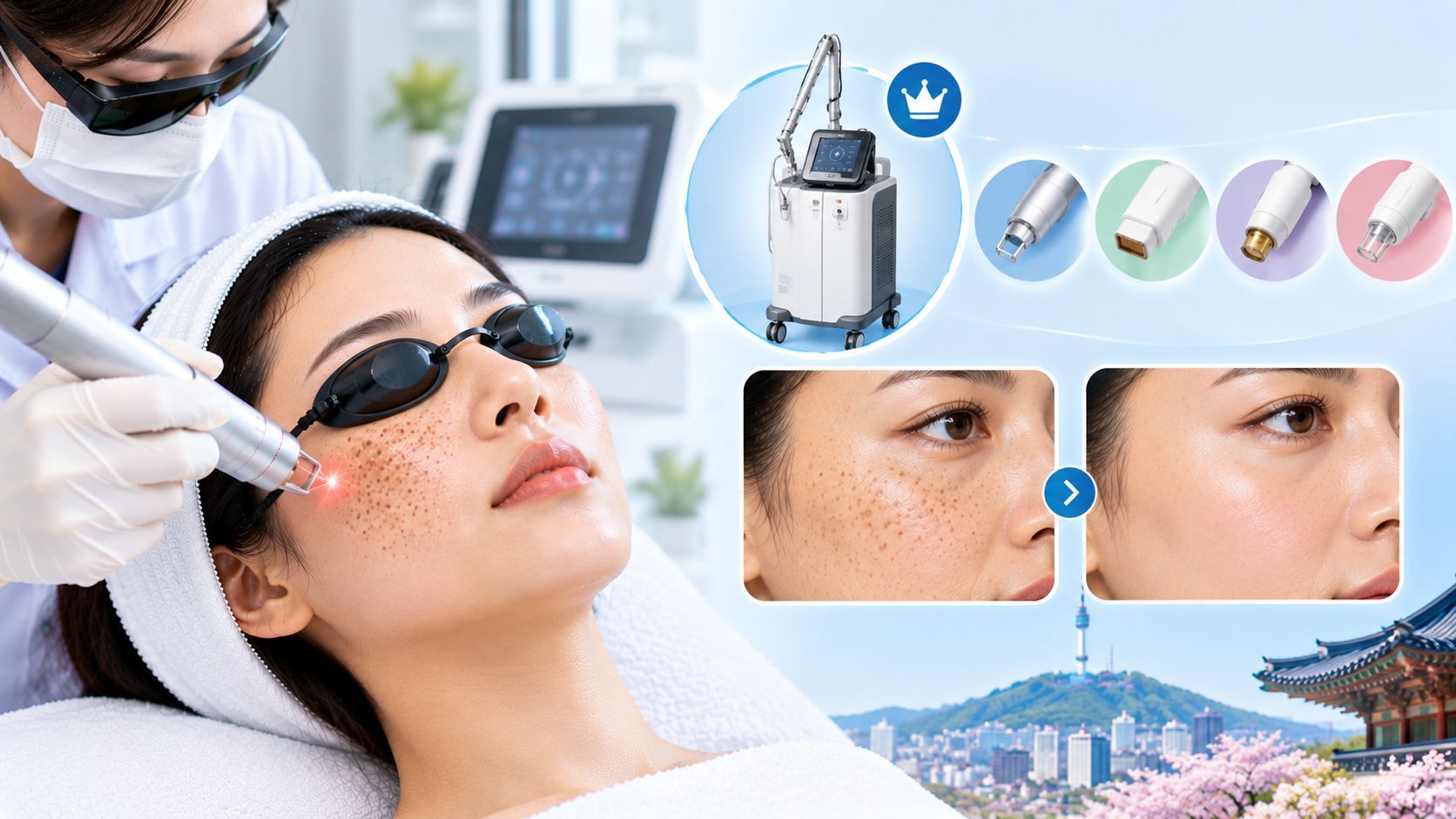
Korean dermatology clinics may offer several Pico devices, treatment modes, and combinations.
The difference may involve:
- Device manufacturer
- Wavelength
- Pulse characteristics
- Energy level
- Spot size
- Number of passes
- Treatment technique
- Target condition
This means that comparing treatments based only on names such as “Pico laser,” “Pico toning,” or “Pico brightening” can be misleading.
The actual treatment parameters are more informative.
What Should You Ask a Seoul Clinic?
Before booking, ask:
- Is this targeted Pico laser or Pico toning?
- What specific skin problem are you treating?
- Which Pico device will be used?
- Which wavelength will be used?
- What treatment settings are planned?
- How many sessions do you expect I will need?
- What improvement should I realistically expect from one session?
- Could my pigmentation temporarily become darker?
- What is my risk of post-inflammatory hyperpigmentation?
- How much downtime should I plan for?
For international patients, also ask how soon after treatment you can comfortably travel, particularly if you have a flight soon after your appointment.
Which Should You Choose?
Rather than choosing between “Pico laser” and “Pico toning” based on which sounds stronger or more advanced, start with your actual skin concern.
A dermatologist may recommend a targeted treatment for discrete pigmentation, a toning approach for diffuse uneven tone, another procedure for structural acne scars, or no laser treatment at all if the diagnosis suggests a different approach.
The device name is only one part of the decision.
Bottom Line
Pico laser and Pico toning are related but are not necessarily identical terms.
Pico laser refers to the underlying picosecond laser technology, while Pico toning generally describes a broader, often lower-intensity treatment approach aimed at gradual improvement in pigmentation and skin tone.
Neither is automatically appropriate for every pigmentation problem. Before treatment in Korea, ask what condition is being treated, which device and wavelength are being used, what settings are planned, how many sessions may be required, and what recovery to expect.
That information is much more useful than choosing a treatment simply because it contains the word “Pico.”
Frequently Asked Questions
Is Pico toning the same as Pico laser?
Not exactly. Pico laser describes the technology, while Pico toning generally describes a specific treatment technique using that technology.
Which is better for sun spots: Pico laser or Pico toning?
A dermatologist may use a more targeted Pico approach for individual sun spots. Pico toning is generally associated with broader treatment of uneven tone. The appropriate choice depends on the specific lesion.
Can Pico toning treat melasma?
It may be considered in selected cases, but melasma requires careful assessment because inappropriate or aggressive laser treatment can contribute to pigmentary problems.
Does Pico toning have downtime?
It may have relatively limited downtime, but redness, sensitivity, dryness, swelling, or temporary pigment changes can occur.
How many Pico toning sessions do I need?
There is no fixed number. Pico toning is often performed as a series, but the appropriate schedule depends on your pigmentation, skin characteristics, treatment settings, and response.
Can I get Pico toning and another laser together?
Sometimes treatments may be combined, but this should be based on your diagnosis and skin condition. Combining procedures simply to maximize a short Korea trip can increase irritation and recovery demands.