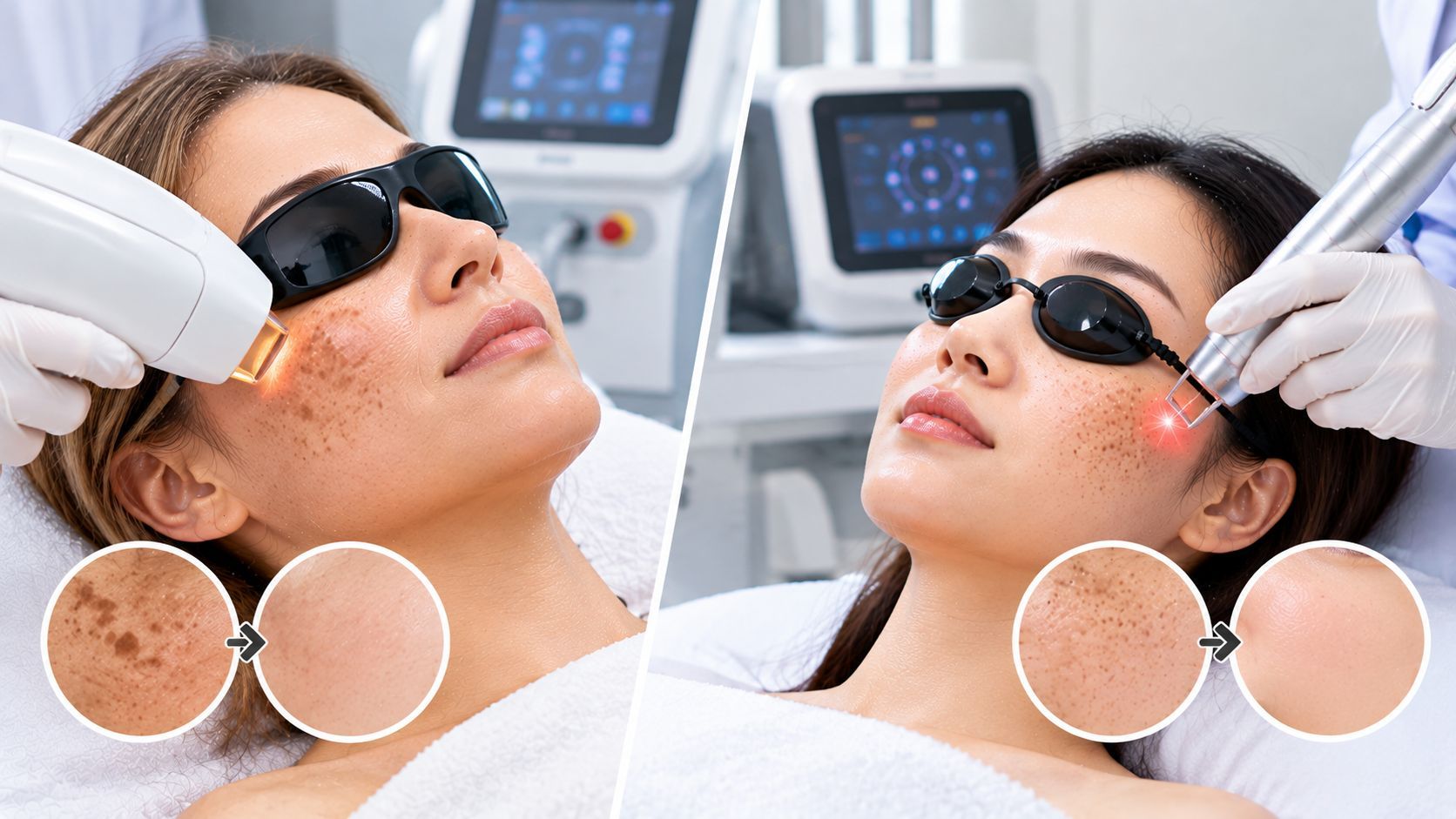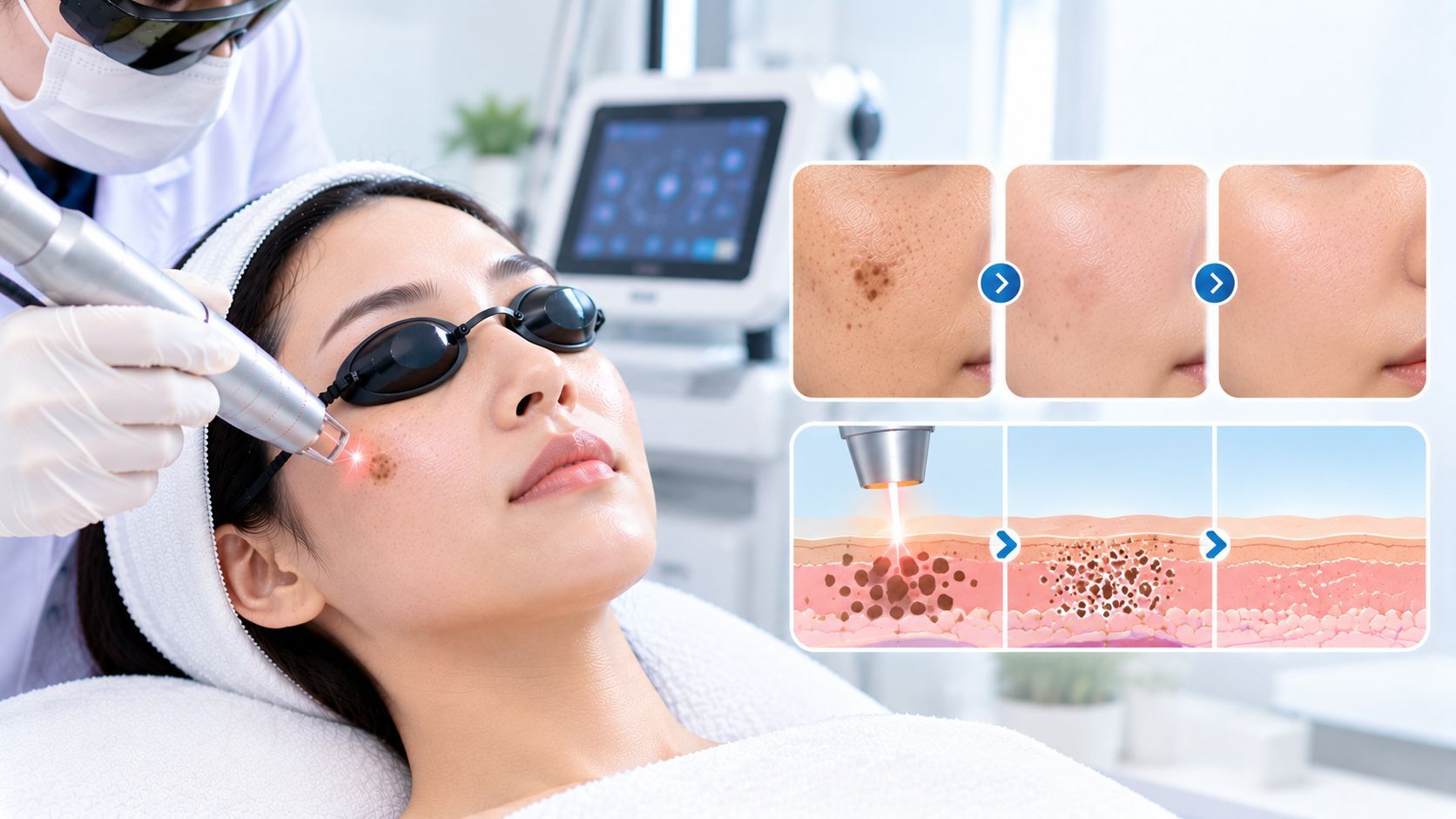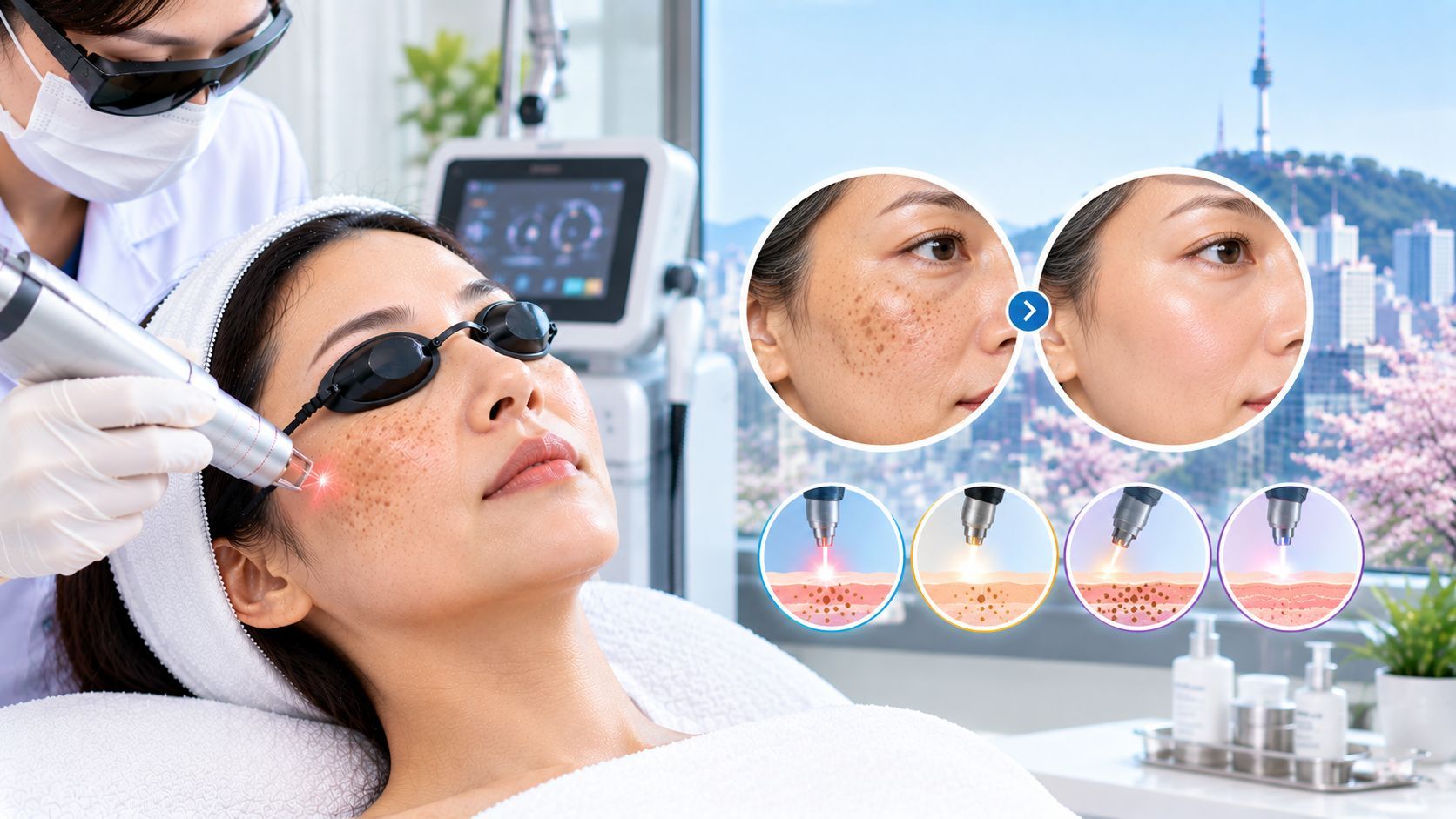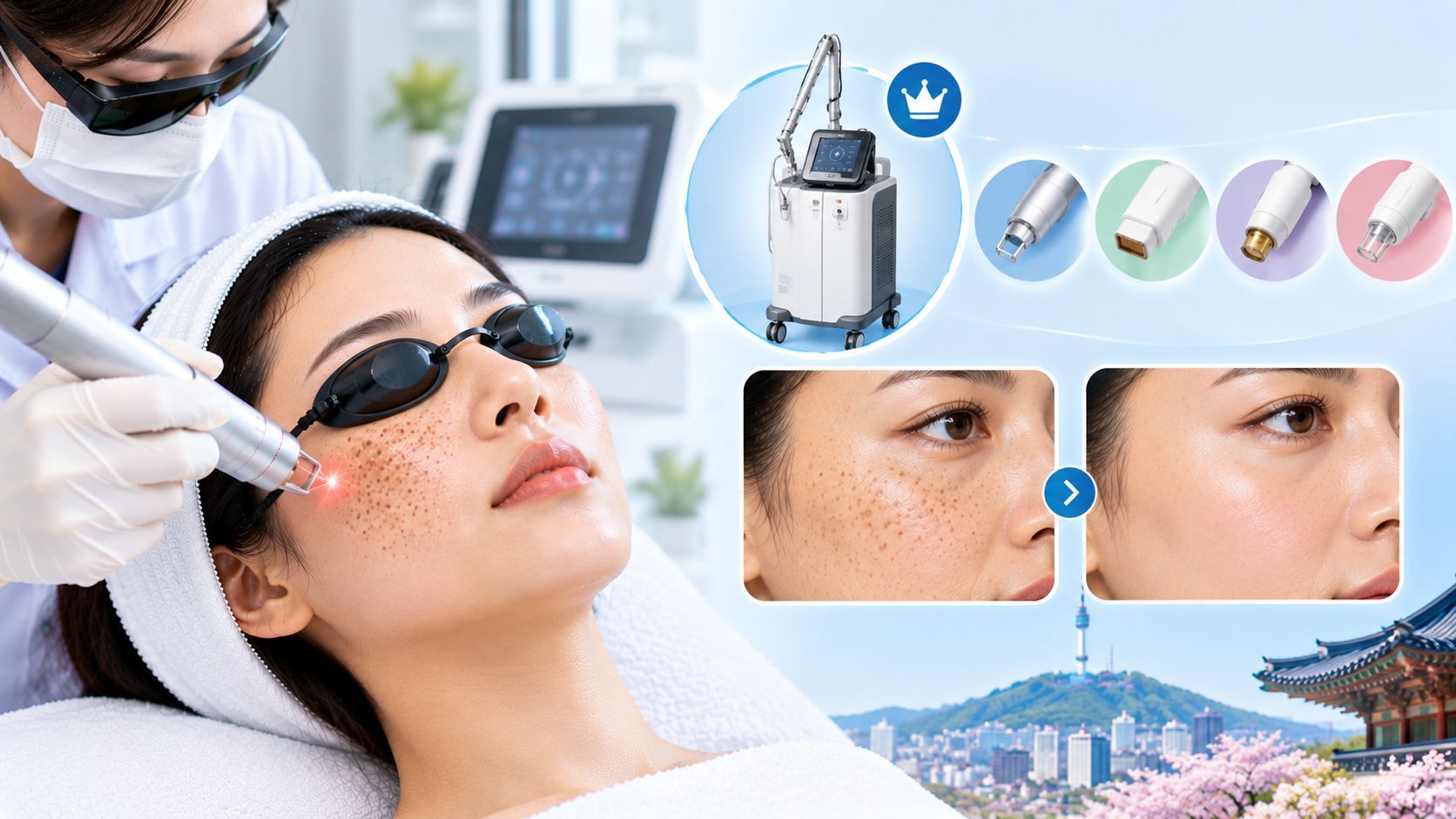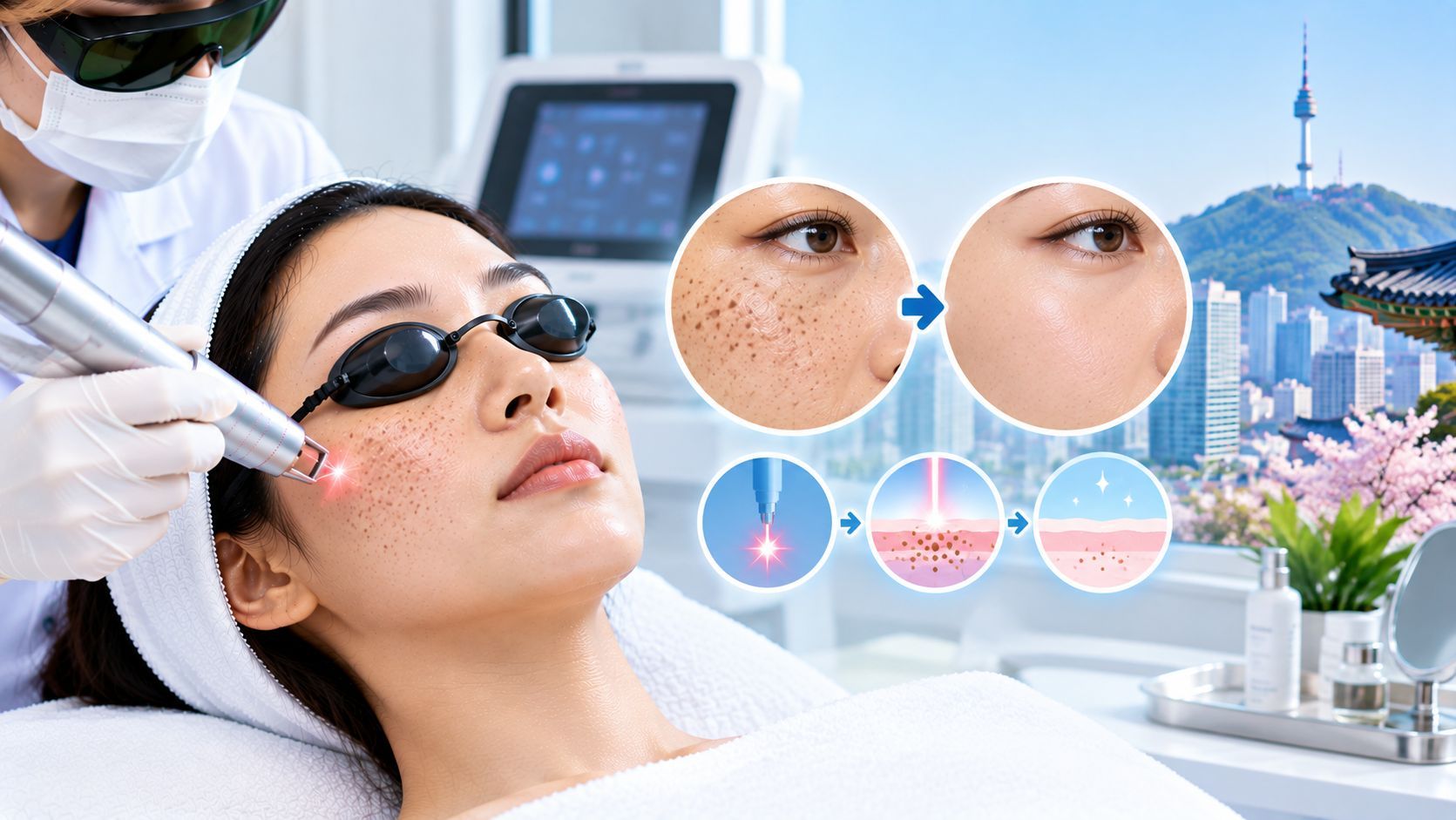
Pico Laser vs Laser Toning for Melasma: Which Makes More Sense?
Melasma can be difficult to treat because it is not simply a collection of isolated brown spots. It often appears as broader, symmetrical areas of pigmentation that can become darker with sunlight, heat, hormonal changes, and skin inflammation. This is why choosing a laser treatment requires more thought than simply selecting the newest or strongest device.
So, Pico laser and laser toning are not automatically competing treatments. “Pico laser” describes a laser technology, while “laser toning” describes a treatment approach. A Pico device can even be used in a toning-style treatment. For melasma, the more appropriate approach depends on the pigmentation pattern, skin type, history of post-inflammatory hyperpigmentation (PIH), previous treatments, and the settings selected by the provider.
Pico Laser vs Laser Toning for Melasma: The Short Answer
Neither approach is universally better for melasma.
Laser toning is generally associated with a more gradual, conservative approach to diffuse pigmentation, while Pico laser refers to picosecond laser technology that can be used in different ways, including targeted treatment or broader pigment-focused treatment.
For someone with melasma, the important question is not simply “Pico or toning?” Instead, ask:
- What type of pigmentation do I actually have?
- Is my melasma active?
- What wavelength and settings will be used?
- Is the treatment targeted or diffuse?
- How much heat and inflammation will my skin experience?
- Am I prone to PIH?
- What happens if my pigmentation becomes darker after treatment?
- Is laser actually necessary, or should non-laser management be part of the plan?
What Is Pico Laser?
Pico laser refers to laser technology that delivers extremely short pulses, measured in picoseconds. Different Pico platforms can use different wavelengths, handpieces, and treatment settings.
This matters because “Pico laser” is not one standardized treatment.
A dermatologist may use a Pico device for targeted pigmentation, broader pigmentation concerns, certain acne-related marks, tattoo treatment, or other indications depending on the device and configuration.
For melasma, a Pico device may sometimes be used conservatively to address pigmentation. However, the fact that a treatment uses Pico technology does not automatically make it appropriate or risk-free for melasma.
The treatment parameters still matter.
What Is Laser Toning?
Laser toning generally refers to a pigment-focused treatment approach using relatively conservative laser settings, often delivered over a broader area rather than aggressively targeting individual spots.
Different clinics may use different laser platforms and protocols for toning. The term therefore describes how the laser is being used, rather than identifying one specific machine.
Laser toning is often considered when the goal is gradual improvement of overall pigmentation or uneven tone rather than aggressive removal of individual pigment spots.
However, repeated laser toning is not completely risk-free. Excessive energy, excessive frequency, inappropriate settings, or repeated treatment of irritated skin can potentially contribute to unwanted pigmentation changes.
Why the Comparison Can Be Misleading
One of the most important points is that Pico laser and laser toning are not necessarily two separate categories.
A Pico device can be used with a treatment strategy that resembles toning. In other words, you could potentially receive Pico toning.
This means comparing “Pico laser” against “laser toning” without knowing the exact treatment protocol may not tell you very much.
For example, two clinics could both advertise “Pico laser for melasma” while using very different:
- Wavelengths
- Energy levels
- Spot sizes
- Number of passes
- Treatment areas
- Treatment frequencies
- Treatment goals
The machine name alone cannot tell you which protocol is appropriate.
Pico Laser vs Laser Toning for Melasma
FactorPico LaserLaser ToningWhat it describesLaser technologyTreatment approachTypical approachCan be targeted or broaderUsually broader, gradual treatmentMain goalDepends on device and settingsGradual pigment and tone managementMelasma useSelected patientsSelected patientsDowntimeOften limited with conservative treatment, but variesOften limited, but variesNumber of sessionsDepends on the problem and protocolOften involves a seriesMain concernIncorrectly aggressive treatment may trigger inflammation or pigment changesRepeated or excessive treatment may cause pigment problemsKey considerationDevice, wavelength, settings and techniqueLaser platform, fluence, frequency and technique
This table shows why there is no universal answer based only on the treatment name.
When Might Laser Toning Make More Sense for Melasma?
A gradual approach may be considered when pigmentation is diffuse rather than made up of a few isolated spots.
Melasma commonly covers relatively broad areas, so treating the entire face with an aggressive spot-targeting strategy may not be appropriate.
A conservative toning approach may therefore be considered when the treatment goal is gradual improvement in overall uneven pigmentation.
But “low intensity” does not mean “unlimited.”
Repeated treatments can still cause irritation or pigmentary changes if the skin is not tolerating the protocol.
If a clinic recommends frequent sessions, ask why that interval has been selected and how they will determine whether your skin needs more treatment or more recovery time.
When Might Pico Laser Make More Sense?
Pico technology may be considered when a dermatologist believes the specific pigmentation pattern is suitable for it.
For example, a patient may have melasma together with other types of pigmentation, such as discrete sun-related spots or post-inflammatory marks. These conditions do not necessarily behave in exactly the same way.
A dermatologist may therefore use different treatment strategies for different areas rather than treating every brown mark identically.
However, melasma itself can be sensitive to inflammation. Aggressively targeting pigmentation simply because a Pico device can deliver powerful treatment may not be appropriate.
More energy does not automatically mean better melasma results.
What About Pico Toning for Melasma?
Pico toning is particularly important in this discussion because it demonstrates why the terminology can become confusing.
A clinic may use a Pico platform in a broader, more conservative treatment pattern intended to gradually improve uneven pigmentation.
In that situation, you are not really choosing between “Pico” and “toning.” You are receiving a toning-style treatment using Pico technology.
If a clinic recommends Pico toning, ask what makes its protocol different from targeted Pico treatment.
Useful questions include:
- Which wavelength will you use?
- Is this targeted Pico treatment or Pico toning?
- What energy level or fluence is being used?
- How many passes are planned?
- How frequently will treatments be repeated?
- Why is this approach appropriate for my melasma?
- What is the plan if my pigmentation becomes darker?
Skin Type and PIH Risk Matter
Your natural skin tone is only one part of the assessment.
A history of PIH can be particularly important. If your skin tends to develop dark marks after acne, irritation, burns, or previous procedures, the clinician should know before selecting a laser protocol.
People with darker or more melanin-rich skin are not automatically excluded from laser treatment. However, pigmentary complications may require particularly careful treatment planning.
Your previous response to lasers is also relevant.
If you have already experienced worsening pigmentation after a laser treatment, repeating a similar protocol without understanding what happened may not be appropriate.
Melasma Activity Also Matters
Melasma can fluctuate.
Sun exposure, heat, hormonal factors, irritation, and other triggers may influence how active the pigmentation is. A person whose melasma is currently unstable may require a different strategy from someone whose pigmentation has been relatively stable.
This is another reason why a consultation should involve more than identifying brown patches.
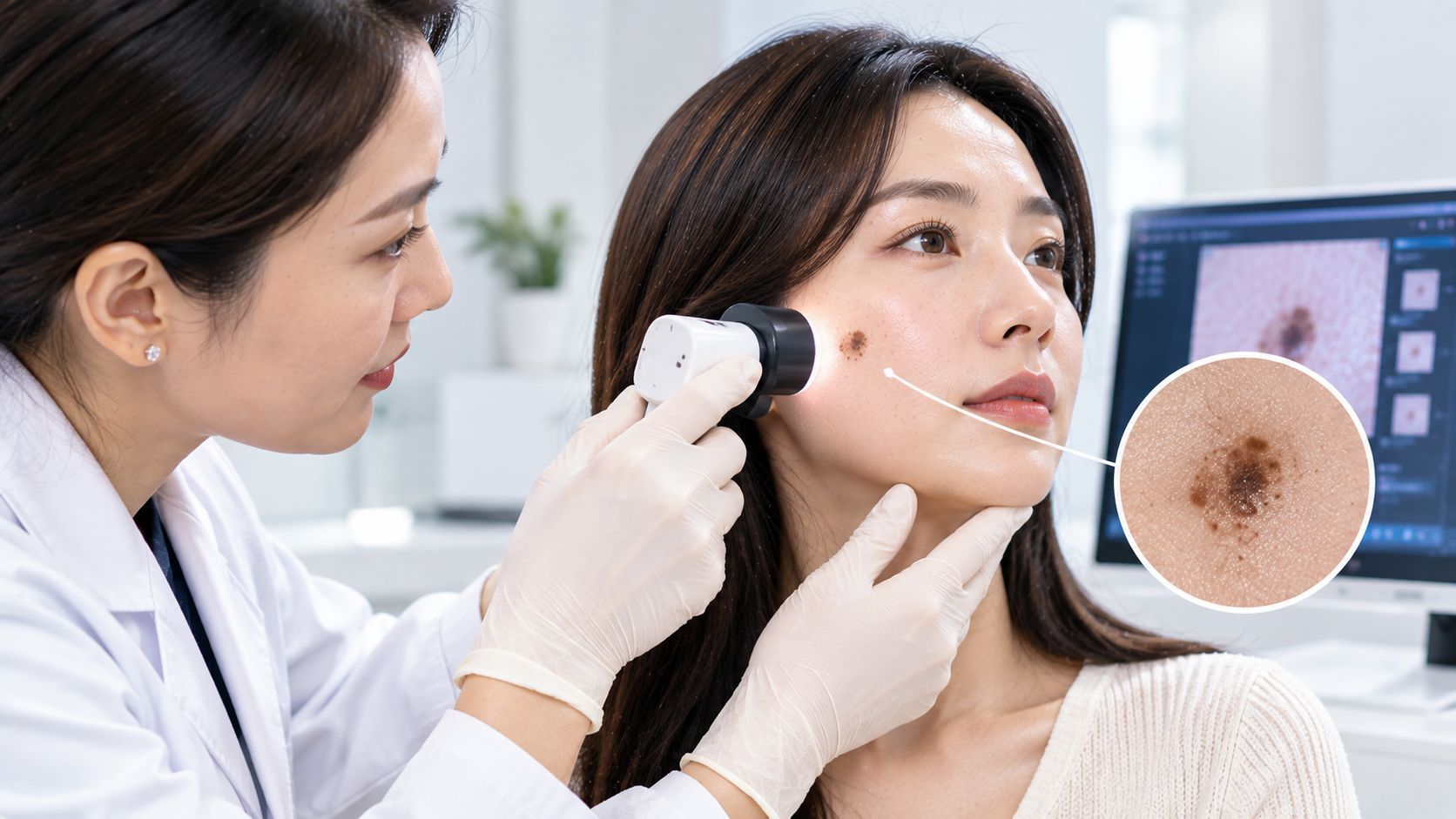
The clinician should determine whether the pigmentation is actually melasma or another condition such as freckles, solar lentigines, or post-inflammatory pigmentation.
Different pigmentation problems can require different approaches.
Does One Treatment Require Fewer Sessions?
There is no universal session number for either approach.
Some pigmentation problems may show visible change after a limited number of treatments, while melasma often requires longer-term management.
The goal should not necessarily be to complete as many sessions as possible during a short trip to Seoul.
Repeated treatment without sufficient recovery may increase irritation and pigmentary risk.
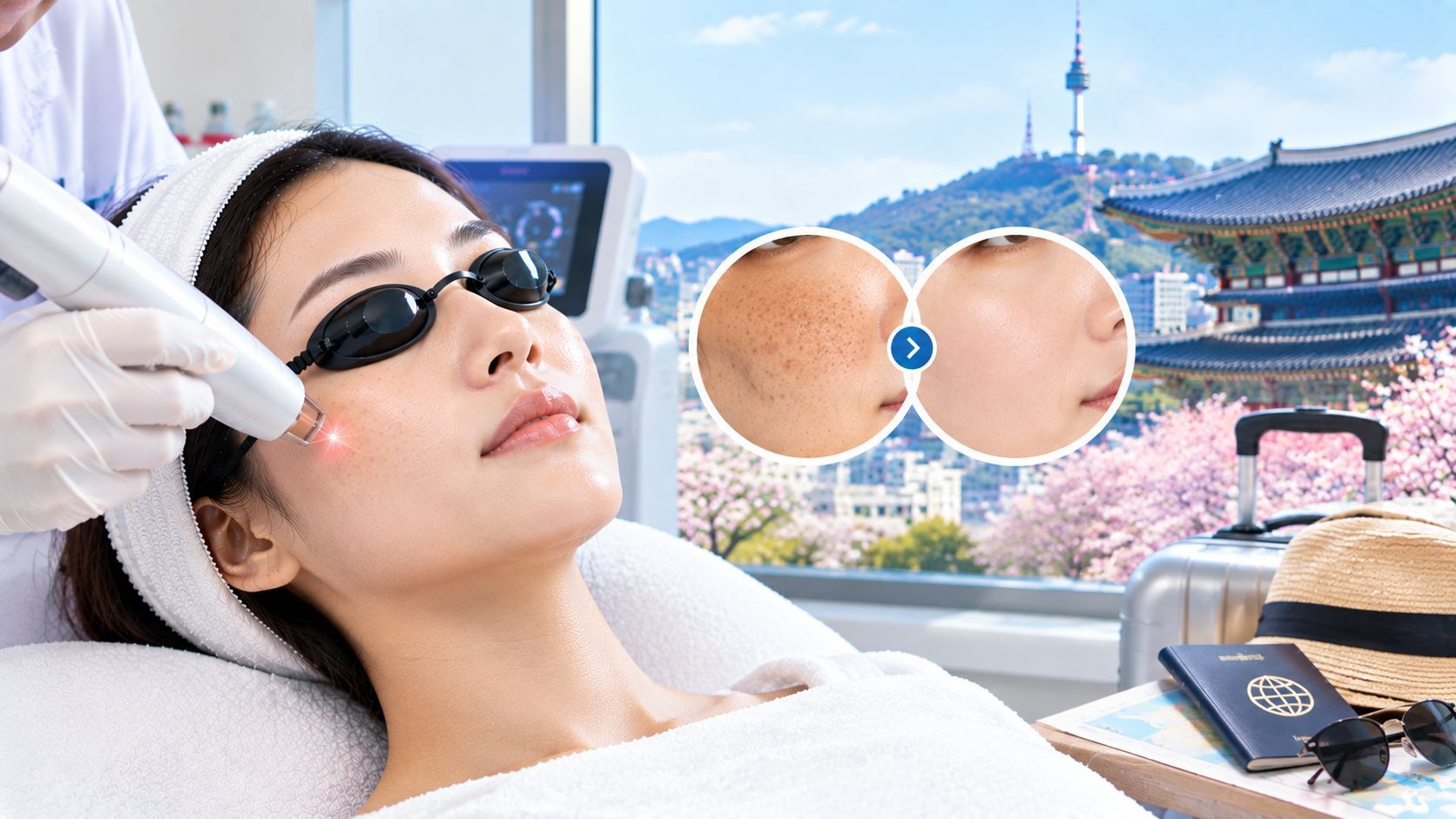
If you are visiting Korea for only a few days, ask whether the recommended treatment schedule can realistically be completed safely and whether follow-up will be available after you return home.
What About Downtime Before Flying Home?
Conservative laser treatments may have limited visible downtime, but this varies with the device, settings, skin condition, and treatment area.
Before flying home from Seoul, ask whether you should expect:
- Redness
- Temporary darkening
- Swelling
- Sensitivity
- Flaking
- Increased sun sensitivity
- A period when makeup or active skincare should be avoided
If you plan sightseeing, outdoor activities, sauna visits, or significant sun exposure immediately after treatment, discuss this before booking.
For melasma, avoiding unnecessary heat and UV exposure can be particularly important.
When Non-Laser Treatment May Be Important
Laser is not the only component of melasma management.
A dermatologist may consider a broader plan involving photoprotection, topical treatment, trigger management, and other approaches depending on the individual situation.
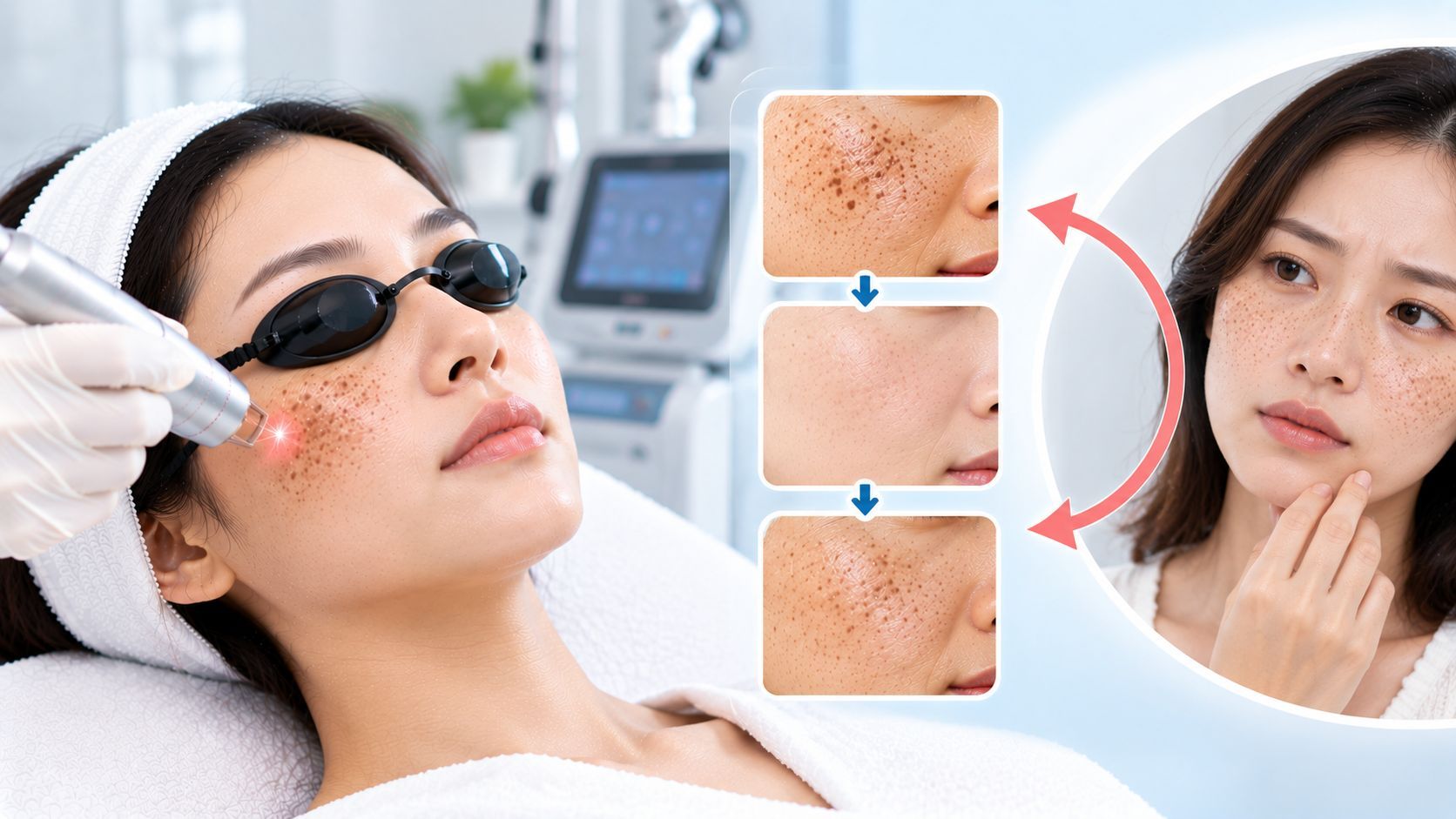
This is important because melasma can recur even after visible pigmentation improves.
A treatment plan that focuses only on removing pigment without considering why it may return may provide an incomplete approach.
Red Flags When Choosing a Seoul Clinic
Be cautious if a clinic:
- Promises permanent elimination of melasma
- Guarantees complete clearance after one session
- Says stronger treatment is always better
- Cannot explain the laser wavelength or treatment approach
- Does not ask about previous PIH
- Ignores your previous laser reactions
- Pushes a large package before explaining the diagnosis
- Does not explain what happens if pigmentation becomes darker
- Gives no meaningful aftercare instructions
A professional consultation should explain both the potential benefits and limitations.
Questions to Ask Before Pico or Laser Toning for Melasma
Before treatment in Seoul, consider asking:
- Is this definitely melasma, or could it be another type of pigmentation?
- Why are you recommending Pico treatment or laser toning for my skin?
- What wavelength and settings will you use?
- Is this targeted treatment or a toning-style protocol?
- What is my risk of PIH?
- Would you consider a test spot?
- How many sessions would you initially recommend, and why?
- How long should I wait between treatments?
- What should I avoid after treatment?
- What should I do if my pigmentation becomes darker?
These questions can make the consultation much more useful than simply asking which machine the clinic owns.
Conclusion
Pico laser vs laser toning for melasma is not a simple machine-versus-machine decision. Pico describes a laser technology, while laser toning describes a treatment approach. A Pico device can also be used for toning, so the two categories can overlap.
For melasma, the more important factors are the diagnosis, pigmentation pattern, skin characteristics, PIH history, laser wavelength, energy settings, treatment frequency, and overall management plan.
If you are considering treatment in Seoul, focus less on the marketing name of the procedure and more on why the dermatologist selected that particular protocol for your skin. Conservative treatment and appropriate recovery may be more important than pursuing the strongest available laser.
FAQs
Is Pico laser better than laser toning for melasma?
Neither is universally better. Pico is a laser technology, while laser toning is a treatment approach. The appropriate choice depends on your melasma pattern, skin characteristics, PIH history, and treatment settings.
Can Pico laser be used for laser toning?
Yes. A Pico device can be used in a broader, conservative toning-style treatment. This is why “Pico vs toning” is not always a true either-or comparison.
Can laser toning make melasma worse?
It can cause unwanted pigmentation changes if the treatment is too aggressive, too frequent, or poorly matched to the patient's skin. Conservative treatment still requires appropriate monitoring.
Can Pico laser worsen melasma?
Any laser treatment that causes excessive inflammation or pigmentary irritation can potentially worsen pigmentation. Pico technology does not eliminate this risk.
How many treatments will I need for melasma?
There is no universal number. Some patients may undergo a series of treatments, while others may need a different or primarily non-laser strategy. Melasma can also recur after improvement.
Should I get Pico or laser toning during a short Seoul trip?
The decision should be based on your skin assessment rather than the length of your trip alone. Ask about recovery, sun and heat exposure, follow-up, and what happens if your pigmentation reacts unexpectedly.