I Have Both Freckles and Melasma. Can the Same Laser Treat Both?
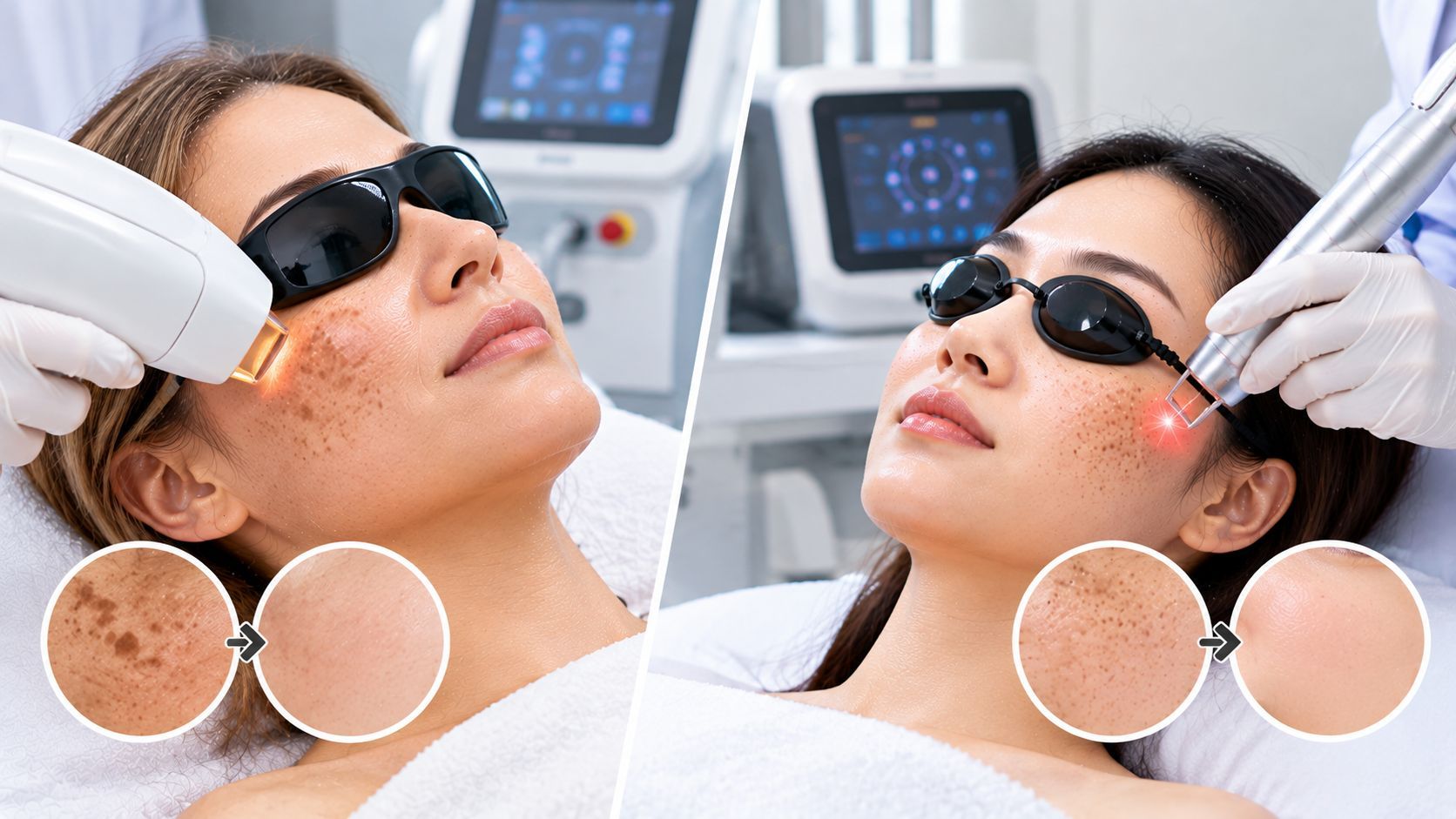
If you have both freckles and melasma, it is understandable to wonder whether one laser treatment can clear both problems at the same time. The short answer is sometimes, but not necessarily with the same treatment settings or treatment strategy.
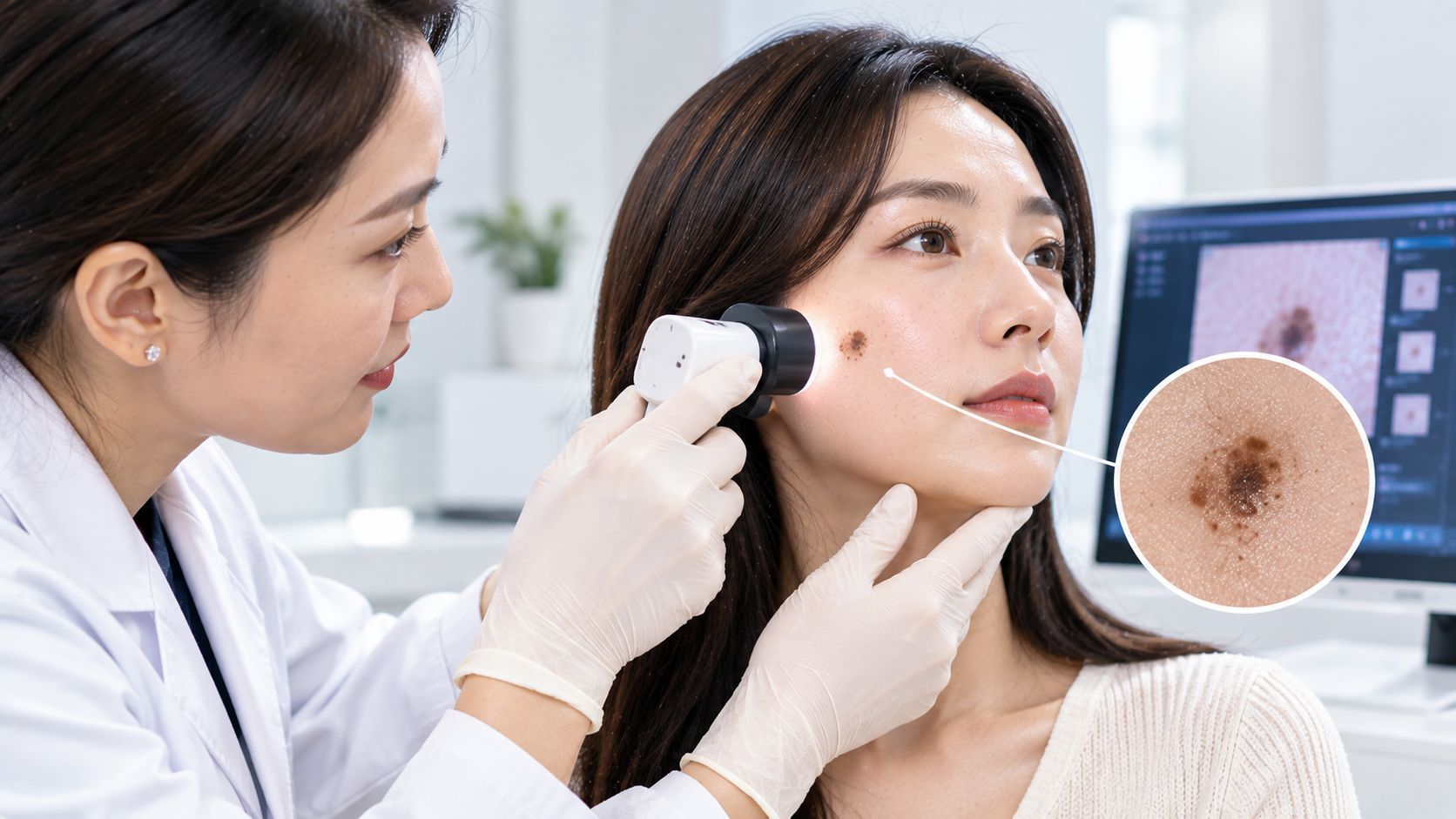
Freckles and melasma are both forms of facial pigmentation, but they behave differently. Freckles are usually small, discrete pigmented spots that become more noticeable with UV exposure. Melasma typically appears as broader, often symmetrical patches of brown or gray-brown pigmentation and can be influenced by hormones, sunlight, heat, and inflammation.
Because the conditions behave differently, a dermatologist may decide to treat them differently—even when they appear on the same face.
Can One Laser Treat Freckles and Melasma?
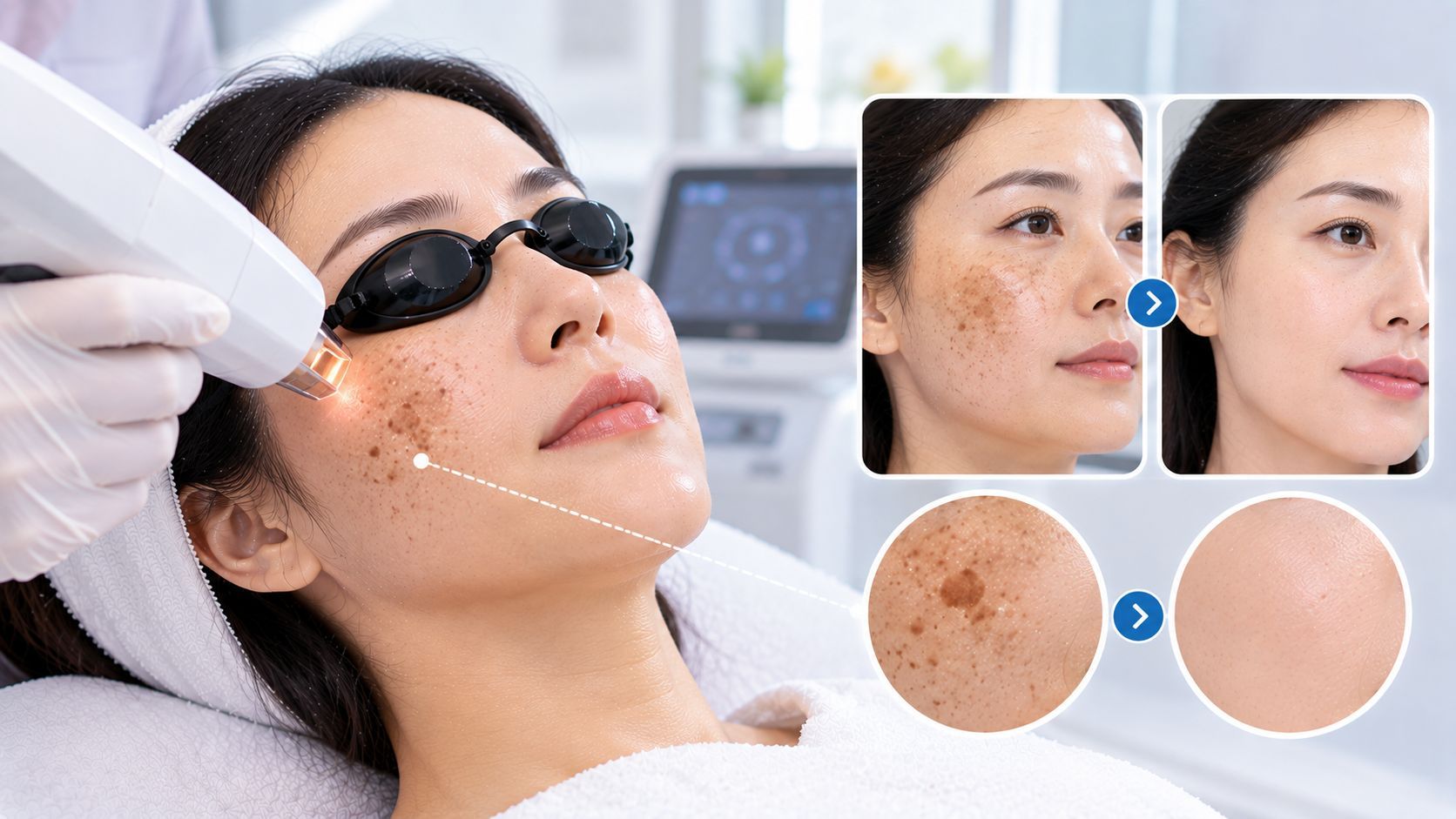
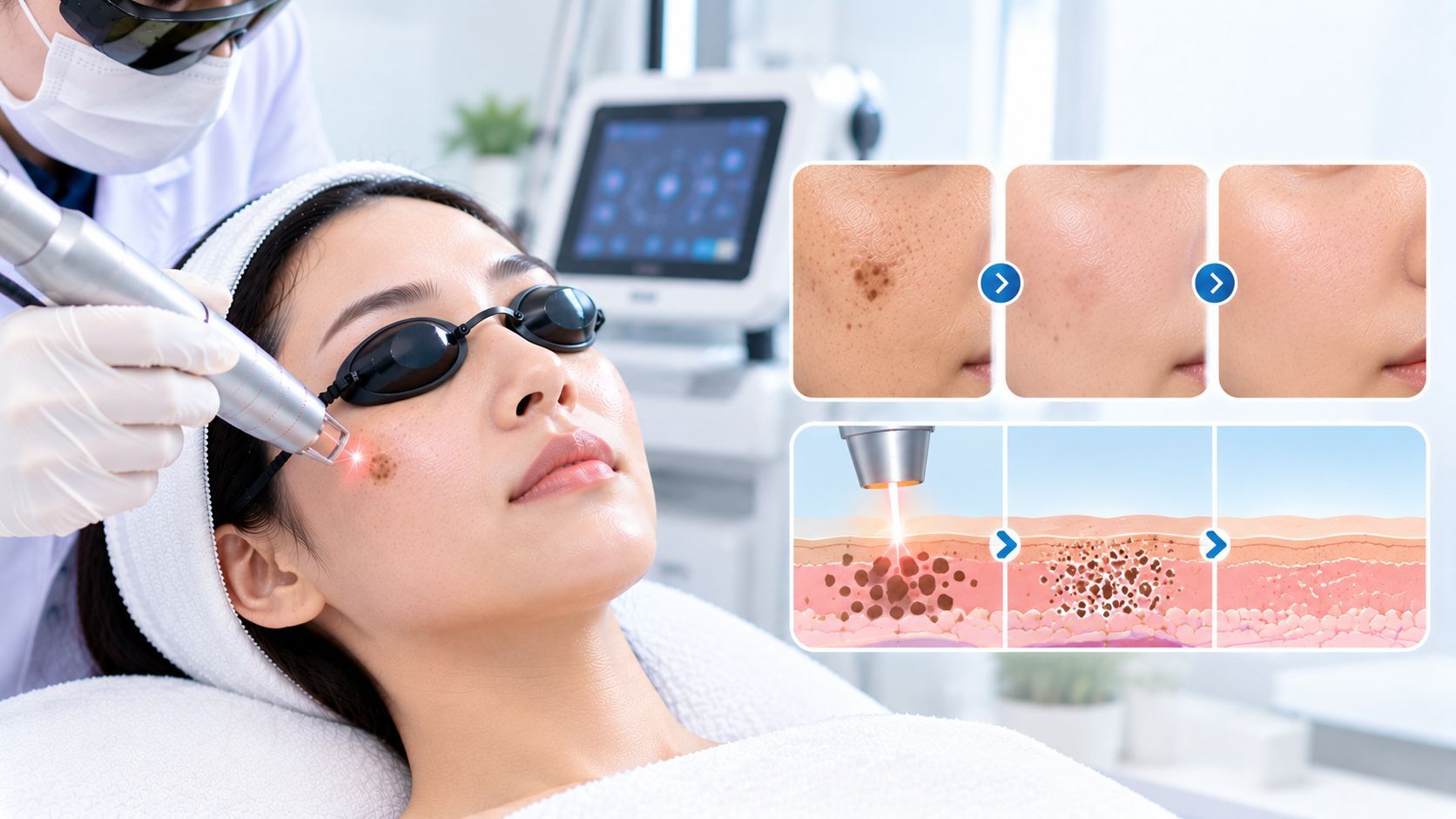
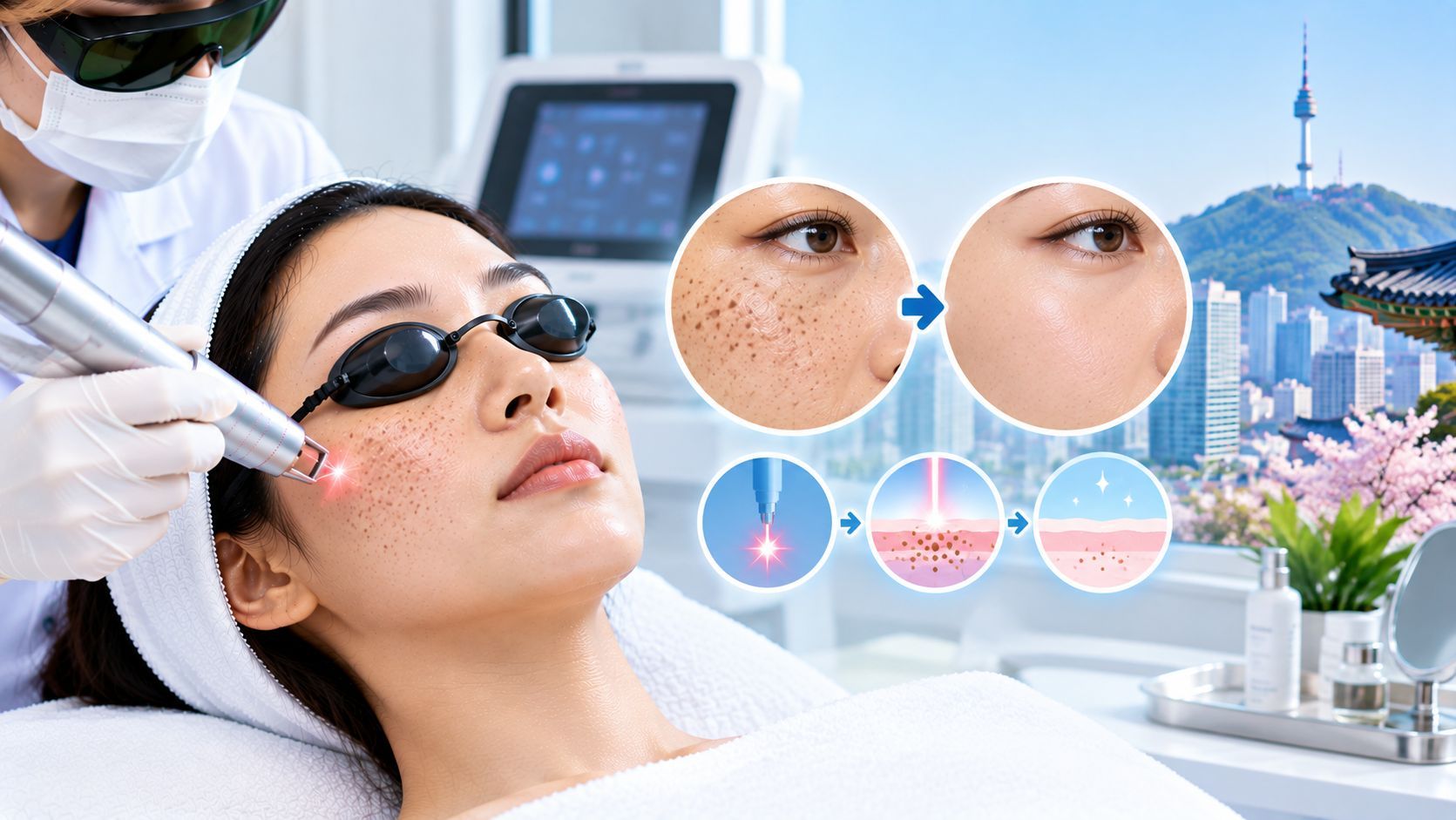
A single laser platform may potentially be used to address both freckles and melasma, but that does not mean the same settings or treatment technique should be used for both.
Freckles may respond to pigment-targeting laser or light treatments, particularly when individual spots are clearly defined. Melasma can be more difficult because excessive inflammation or heat may aggravate pigmentation.
For this reason, a dermatologist may choose:
- Targeted treatment for individual freckles
- A more conservative approach for melasma
- Different settings for different areas
- Treatment of one condition before addressing the other
- A combination of laser and non-laser management
The important distinction is between using one device and using one identical treatment protocol. Those are not the same thing.
Freckles and Melasma Are Not the Same Pigmentation Problem
Before discussing lasers, it is important to understand the difference.
What Are Freckles?
Freckles are generally small, flat areas of increased pigmentation. They are often associated with genetic tendency and UV exposure and may become darker during periods of increased sun exposure.
They tend to have relatively clear borders and are usually distributed across areas such as the cheeks and nose.
What Is Melasma?
Melasma typically produces larger, irregular patches of pigmentation. It commonly affects the cheeks, forehead, upper lip, and other facial areas.
Melasma can fluctuate and may become more noticeable with:
- Sun exposure
- Heat
- Hormonal influences
- Skin irritation
- Inflammation
This difference is important because a treatment that works well for a discrete freckle may not be the ideal approach for a broad area of melasma.
Why Freckles May Be Easier to Target
Individual freckles are often visually distinct from the surrounding skin.
When a dermatologist confirms that a particular spot is a freckle, a pigment-targeting treatment can potentially focus more directly on that area.
Depending on the patient's skin and the device, treatment options may include certain pigment lasers or light-based procedures.
However, the response is still variable. Freckles can also become darker again after significant UV exposure.
A successful treatment therefore does not necessarily mean the tendency to develop freckles has disappeared.
Why Melasma Requires More Caution
Melasma is often more sensitive to treatment-related inflammation.
If a laser produces excessive irritation, heat, or inflammation, the skin may develop additional pigmentation. This can be particularly relevant for people who already have a history of post-inflammatory hyperpigmentation (PIH).
That means aggressively treating melasma simply because you also want to remove freckles may create an unnecessary risk.
Stronger treatment is not automatically better treatment for melasma.
A dermatologist may deliberately use a more conservative strategy for melasma than for individual freckles.
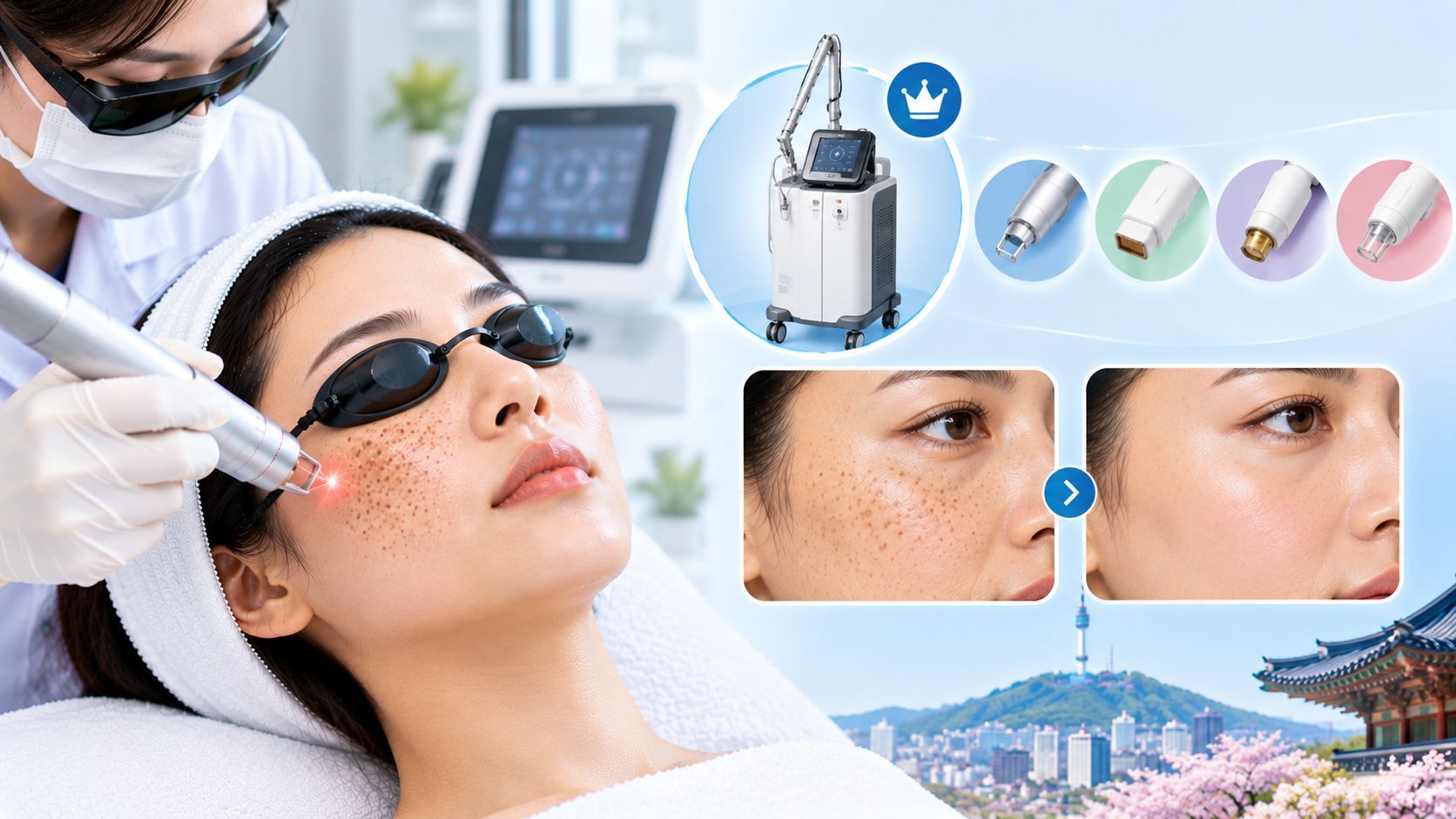
Could a Pico Laser Treat Both?
Potentially, depending on the specific Pico device, wavelength, settings, diagnosis, and skin characteristics.
Pico laser is a technology rather than one standardized treatment. Different Pico platforms and configurations can be used for different pigmentation concerns.
A dermatologist may consider targeted Pico treatment for selected freckles while using a different, more conservative approach for diffuse pigmentation.
In some situations, a Pico device may also be used in a broader toning-style protocol.
This is why asking only, “Do you have a Pico laser?” is not enough.
You should also ask what treatment protocol will be used for your freckles and what protocol will be used for your melasma.
What About Laser Toning?
Laser toning generally refers to a more gradual, pigment-focused treatment approach rather than a single specific machine.
It may be considered for broader uneven pigmentation, including selected cases of melasma.
However, laser toning is not automatically risk-free.
Repeated treatment, excessive energy, inappropriate intervals, or treatment of irritated skin can potentially contribute to pigmentary complications.
It may therefore make more sense as part of a controlled melasma strategy rather than as a way to aggressively remove every visible brown area.
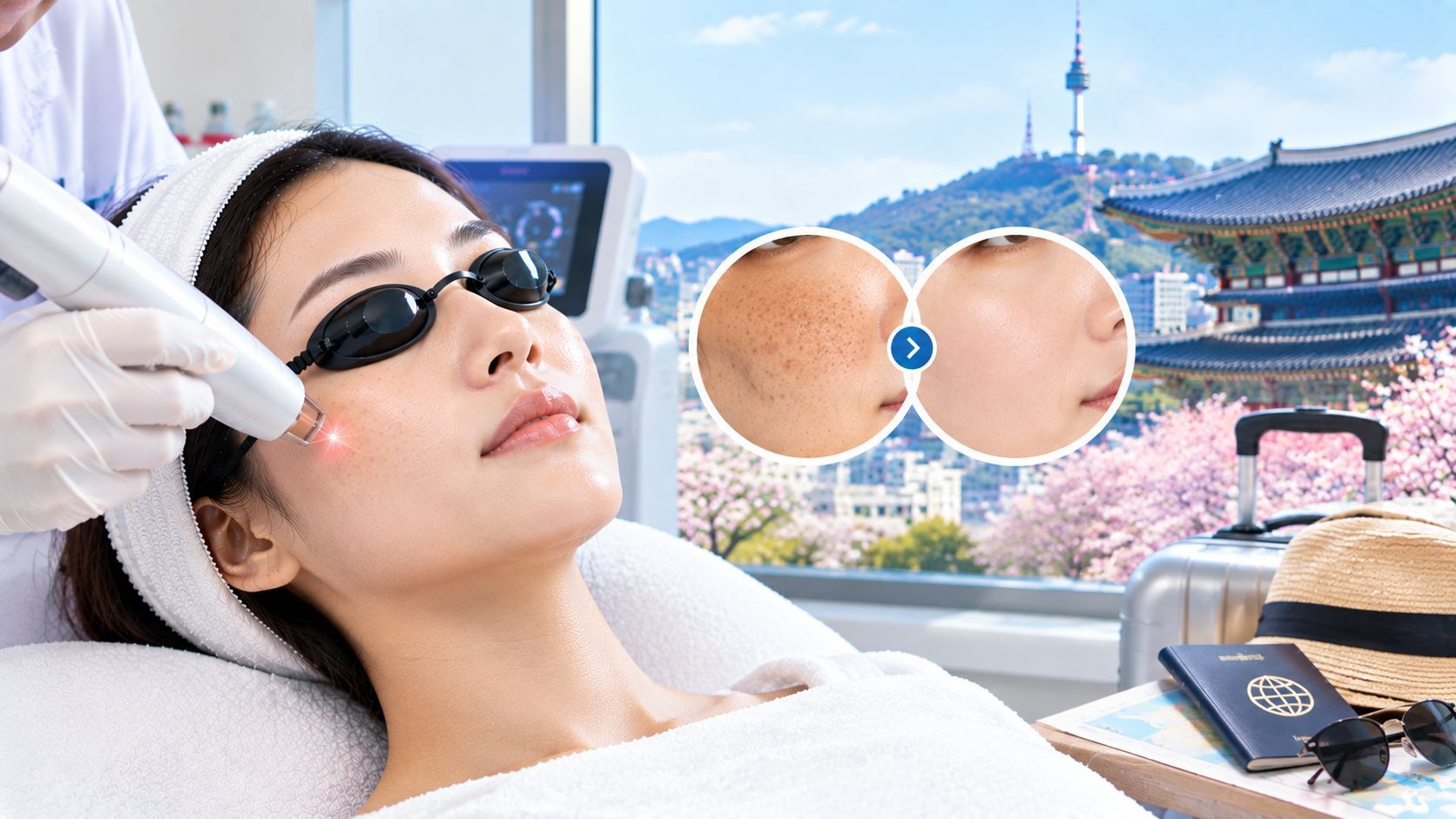
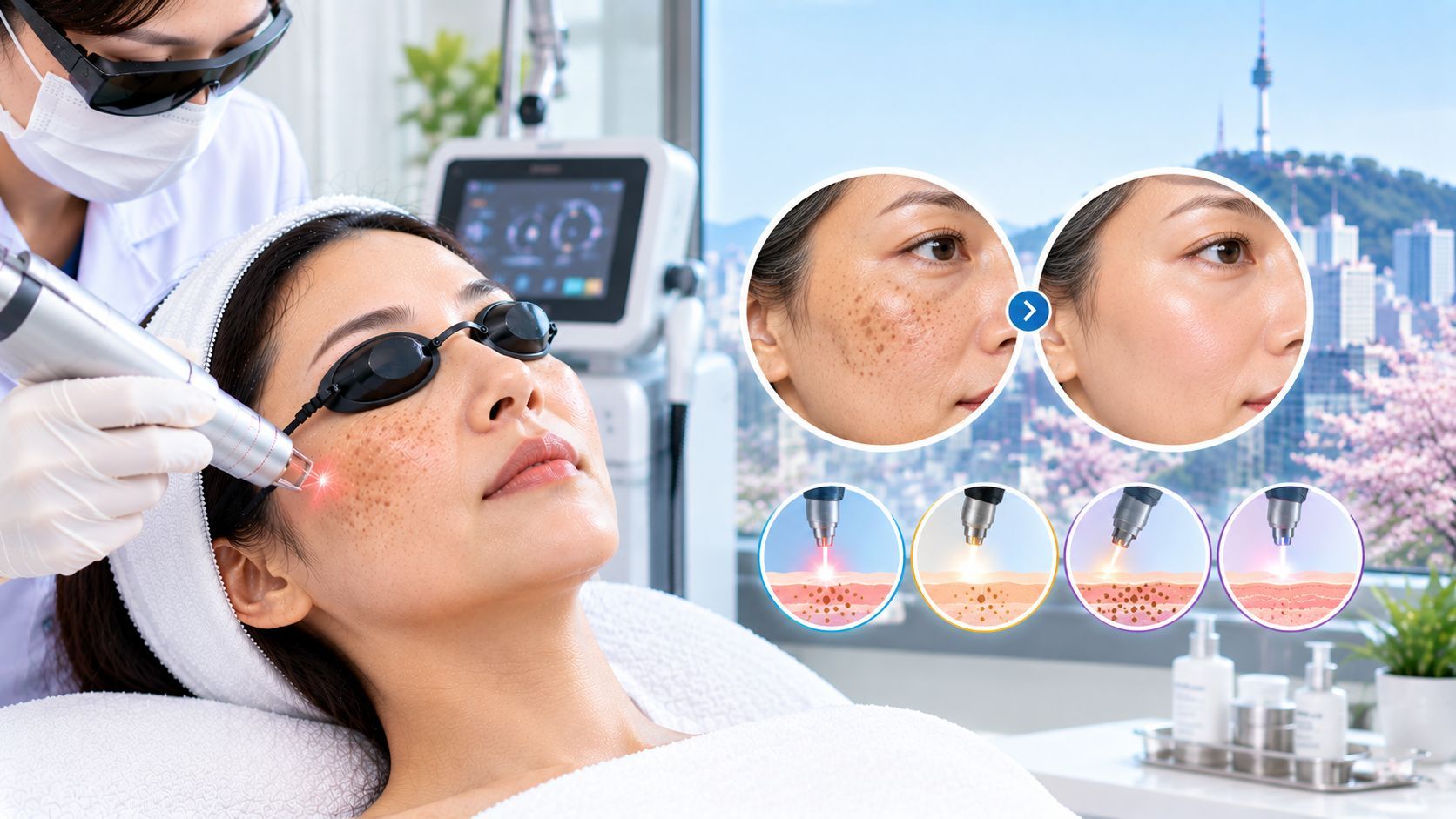
Can You Treat Both During the Same Seoul Visit?
Possibly, but this should be determined after an examination rather than assumed.
If you are visiting Seoul for a short medical trip, tell the clinic that you have both freckles and melasma before treatment.
A dermatologist may decide that:
- Both conditions can be addressed during the same visit.
- Different areas should receive different settings.
- One condition should be treated first.
- A non-laser treatment should be used for part of the pigmentation.
- Laser treatment should be postponed until the melasma is more stable.
The decision can depend on your skin tone, previous reactions, current pigmentation, sun exposure, and treatment history.
What If You Have Darker or Melanin-Rich Skin?
Skin tone can influence the risk of unwanted pigmentation after laser treatment.
People with darker or more melanin-rich skin are not automatically unable to receive pigmentation laser treatments. However, the potential for PIH and other pigment changes should be considered when choosing the device and settings.
Tell the dermatologist if you have previously developed dark marks after:
- Acne
- Burns
- Insect bites
- Chemical peels
- Lasers
- Waxing or other skin irritation
Your previous reactions can provide useful information when planning treatment.
A test spot may also be considered in some situations, particularly when there is concern about how your skin may respond.
What If My Freckles Respond but My Melasma Gets Darker?
This is one of the reasons diagnosis and treatment planning matter.
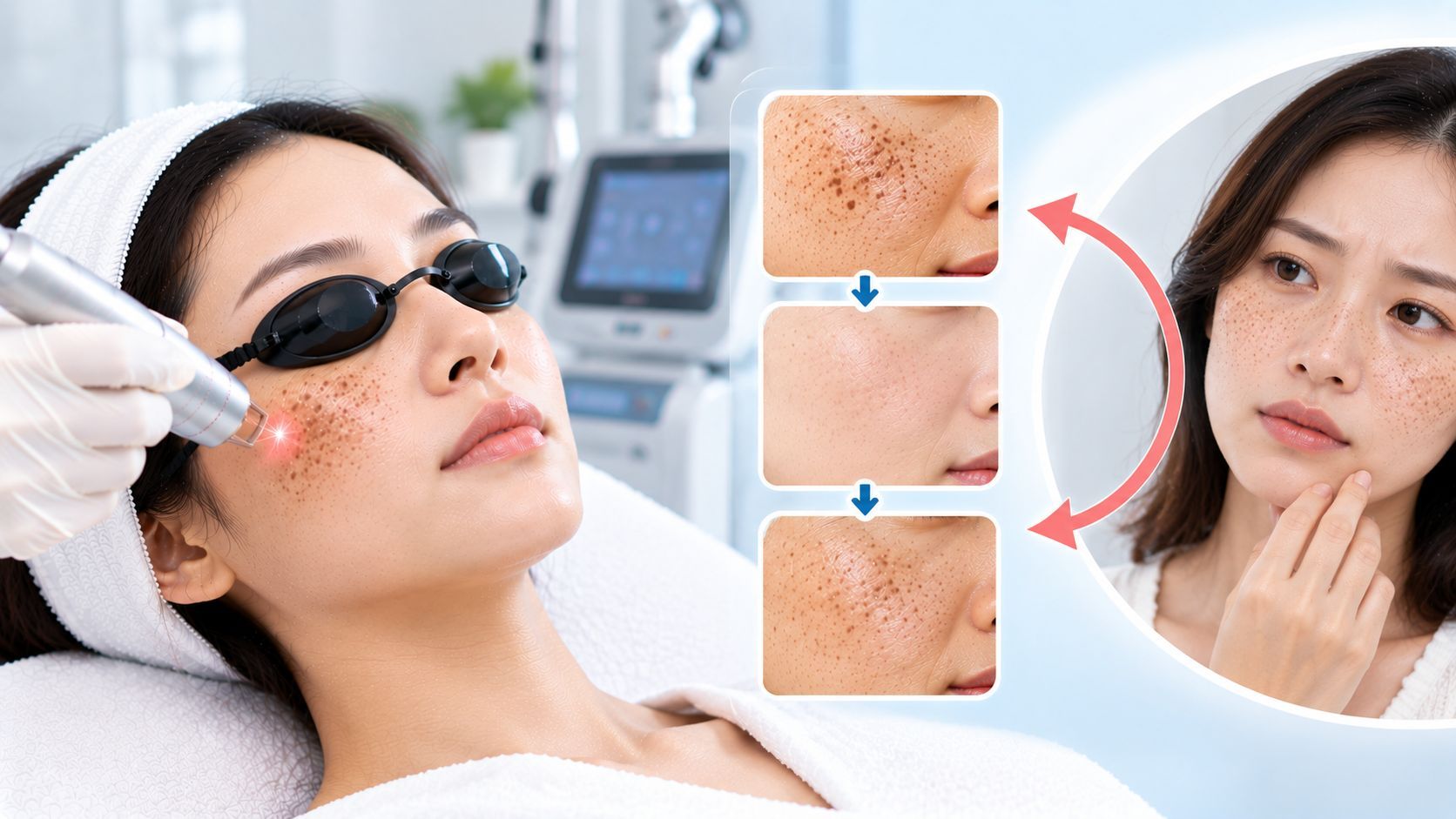
You might see improvement in individual freckles while the surrounding melasma remains unchanged—or becomes temporarily darker.
Temporary post-treatment darkening does not automatically mean permanent damage, but significant or persistent worsening should be discussed with the treating clinic.
Do not automatically respond by adding more laser treatments.
If pigmentation becomes darker after treatment, ask the clinic whether the change is consistent with expected recovery, PIH, or a melasma flare and whether treatment should be paused.
Should Melasma Be Treated Before Freckles?
There is no universal rule that melasma must always be treated first.
However, if the melasma is active or particularly sensitive, the dermatologist may prioritize stabilizing the broader pigmentation problem before aggressively targeting individual spots.
The reasoning is straightforward: treating a few freckles successfully is less useful if the surrounding skin is simultaneously becoming more pigmented.
Your dermatologist should explain the order of treatment rather than simply adding every available procedure to the same appointment.
Could One Treatment Make the Other Problem Worse?
Potentially.
A treatment selected primarily for freckles can produce inflammation that affects nearby melasma-prone skin. Conversely, avoiding all pigment treatment because of melasma may leave clearly defined freckles untreated when a targeted option could potentially be considered.
The solution is not necessarily to avoid treatment altogether.
Instead, the goal is to distinguish the pigmentation types and design the treatment around their different behaviors.
This can be especially important if freckles and melasma overlap across the cheeks.
Questions to Ask a Seoul Clinic
Before booking pigmentation treatment in Korea, consider asking:
- Are these definitely freckles and melasma?
- Which areas are freckles and which are melasma?
- Can the same device treat both?
- Will you use different settings for different areas?
- Which wavelength will be used?
- How will you reduce the risk of PIH?
- Do I have risk factors for pigmentary complications?
- Would you recommend treating both during the same appointment?
- Should my melasma be stabilized first?
- How many sessions might each condition require?
- What should I avoid after treatment?
- What is the plan if my melasma becomes darker?
These questions are more useful than choosing a clinic based solely on the name of its laser.
Freckles and Melasma During a Short Korea Trip
If you are traveling to Seoul specifically for pigmentation treatment, leave enough time for assessment and recovery.
Avoid planning intensive outdoor activities immediately after treatment without discussing them with the clinic.
Sun protection is particularly important. Depending on the procedure, you may also need to temporarily modify skincare, exercise, sauna visits, or other activities that increase heat or irritation.
If you are flying home shortly after treatment, ask about expected redness, darkening, sensitivity, and follow-up arrangements.
International patients should also keep a copy of their treatment details, including the procedure performed and any relevant aftercare instructions.
Red Flags to Watch For
Be cautious if a clinic:
- Promises that one laser will permanently remove both conditions
- Says every brown spot should receive the same treatment
- Recommends very aggressive treatment for melasma without discussing PIH
- Cannot distinguish freckles from melasma
- Does not ask about previous pigmentation reactions
- Pushes a large package before diagnosis
- Promises complete clearance after one session
- Provides little information about aftercare or follow-up
A good treatment plan should explain what the laser is intended to treat and what it may not be able to accomplish.
Conclusion
A single laser platform may sometimes be used to treat both freckles and melasma, but the same settings and treatment strategy are not necessarily appropriate for both.
Freckles are often discrete pigment spots that may be suitable for targeted treatment, while melasma is a more complex and potentially treatment-sensitive pigmentation disorder.
If you have both, the key is to identify which pigmentation is present, assess your PIH risk, and determine whether each area should be treated differently.
For patients visiting Seoul, a careful consultation can be more important than simply choosing the clinic with the newest Pico or laser device. The relevant question is not only which machine will be used, but how the treatment will be adapted to your freckles, melasma, and skin response.
FAQs
Can Pico laser treat both freckles and melasma?
A Pico device may potentially be used for both conditions, depending on the specific device, wavelength, settings, and patient's skin. The treatment approach may differ between freckles and melasma.
Is laser treatment safe for someone with both freckles and melasma?
Laser may be appropriate for selected patients, but melasma can be sensitive to inflammation and pigmentary changes. A dermatologist should assess your skin, treatment history, and PIH risk before selecting a protocol.
Should freckles and melasma be treated with the same laser settings?
Not necessarily. Freckles and melasma behave differently, so a clinician may use different settings, techniques, or treatment plans for each.
Can treating freckles make melasma worse?
It is possible for treatment-related inflammation or irritation to aggravate pigmentation in melasma-prone skin. This is one reason aggressive treatment should not be assumed to be appropriate.
Can I treat freckles and melasma during one Seoul trip?
It may be possible, but the timing and combination should be decided after assessment. Your dermatologist may recommend treating both, treating different areas differently, or addressing one problem first.