Can Pico Laser Improve Pores as Well as Pigmentation?
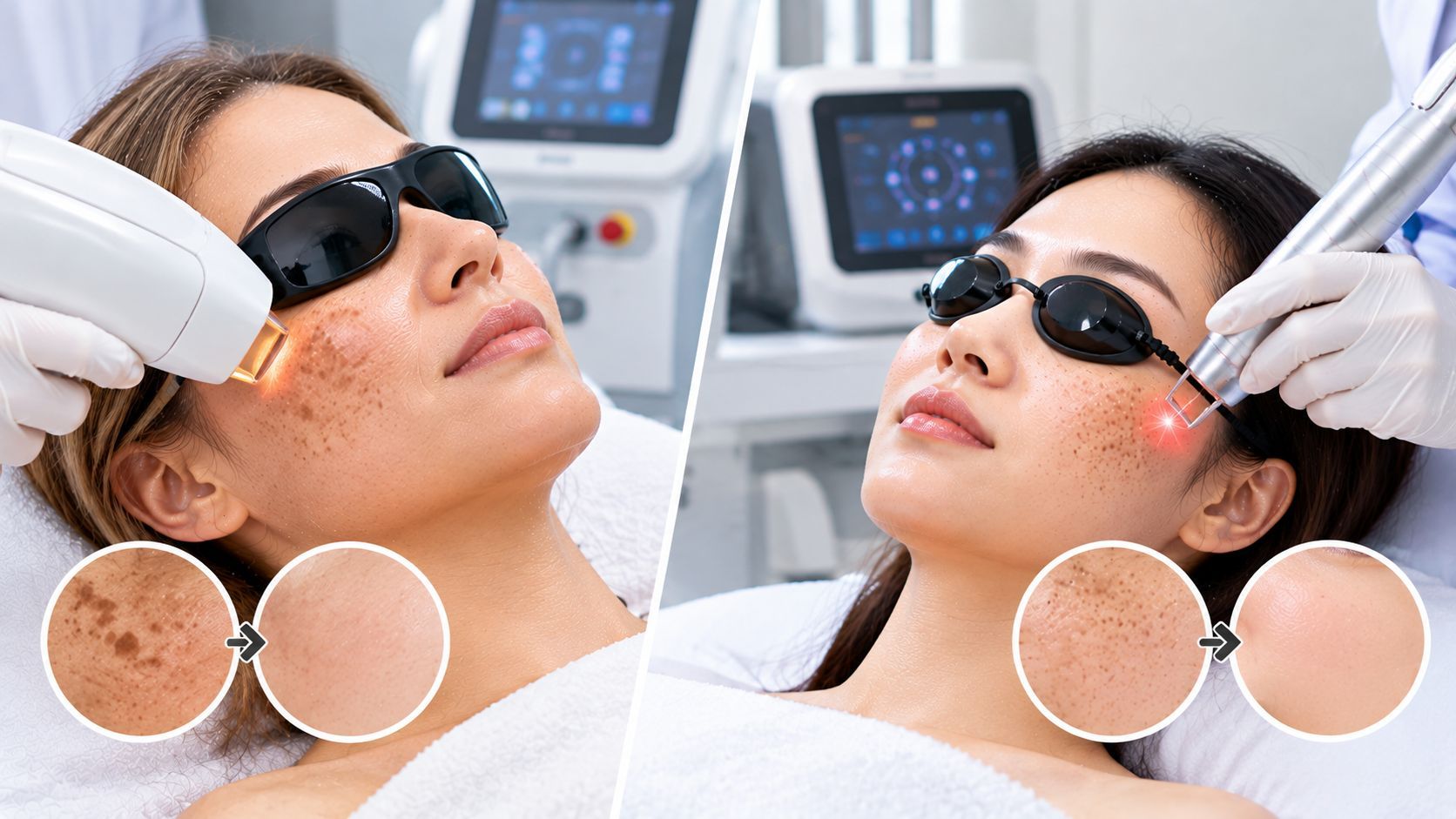
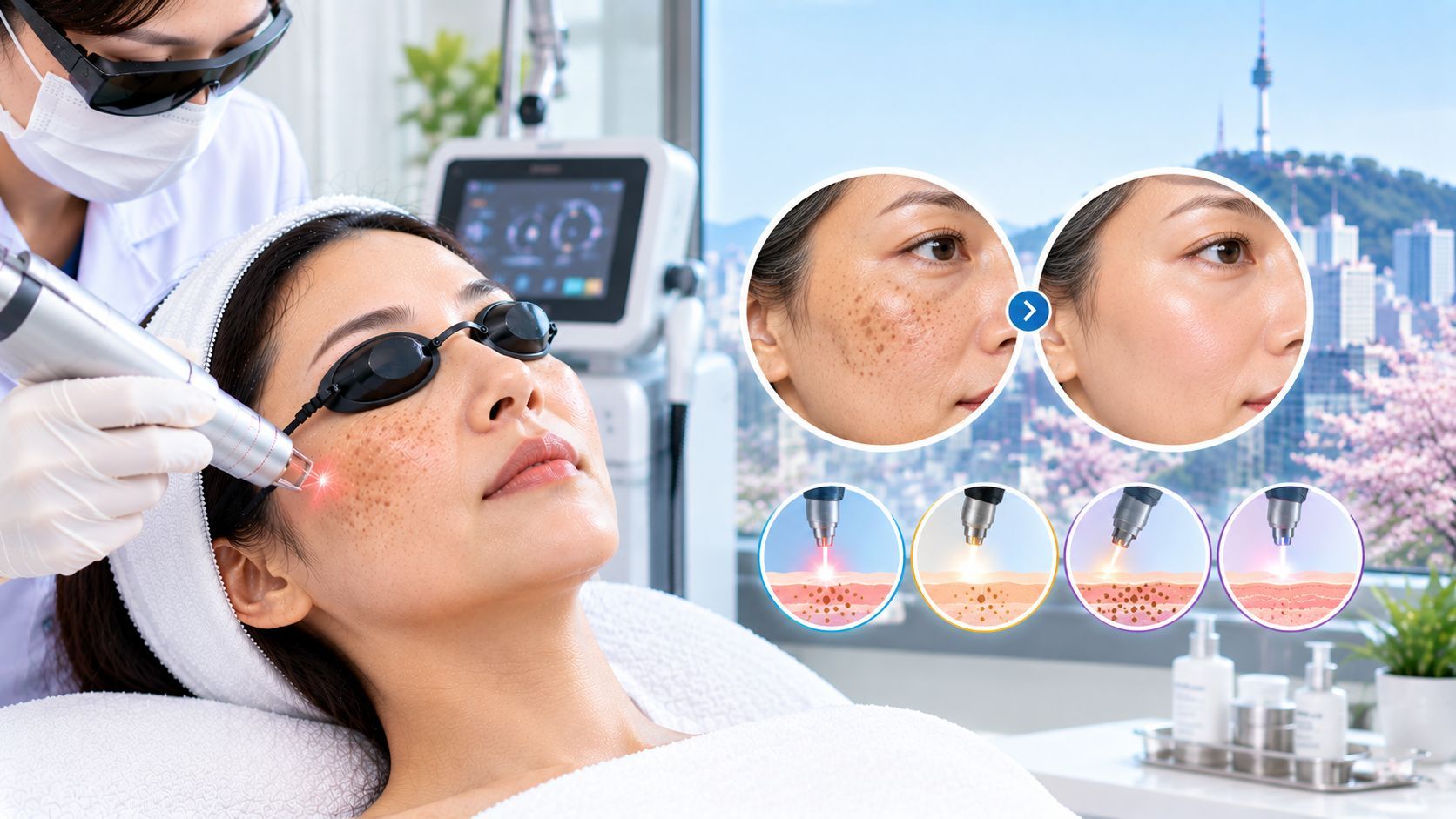
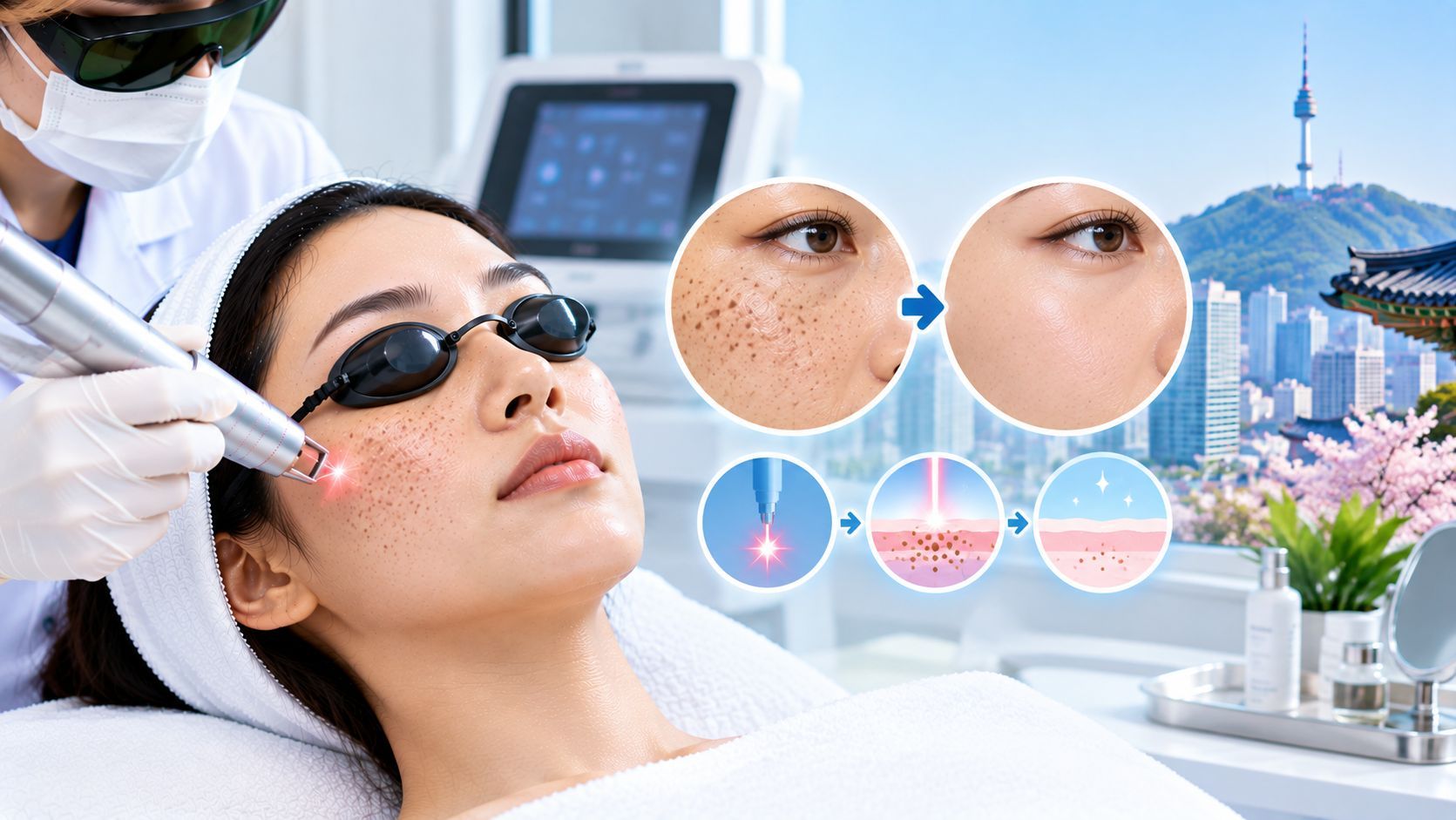
If you are considering Pico laser in Seoul because you have both visible pores and pigmentation, you may wonder whether one treatment can address both concerns. The answer is: Pico laser may improve the appearance of pores in some patients, but its role in pigmentation is generally more direct than its role in pore reduction.
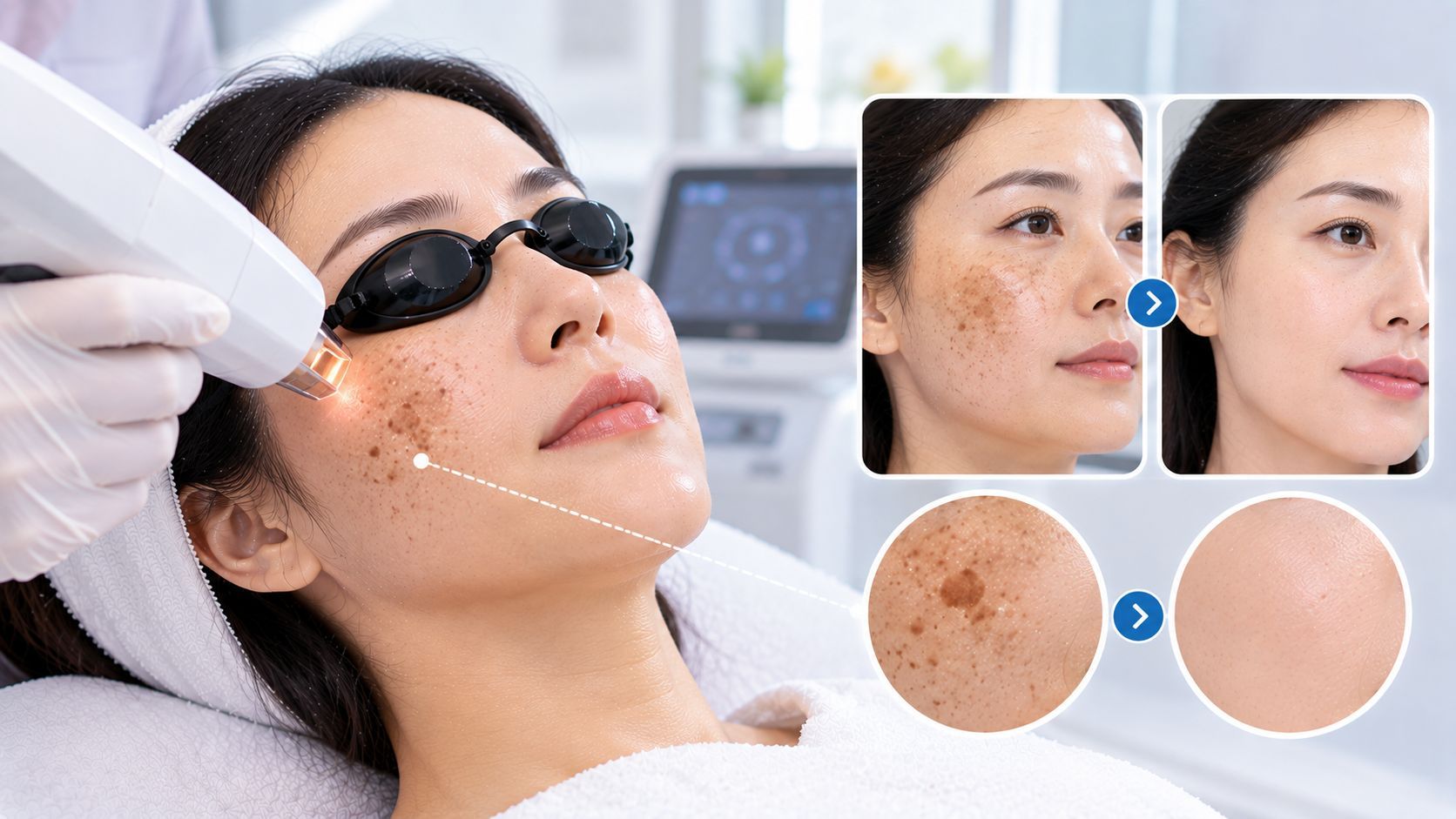
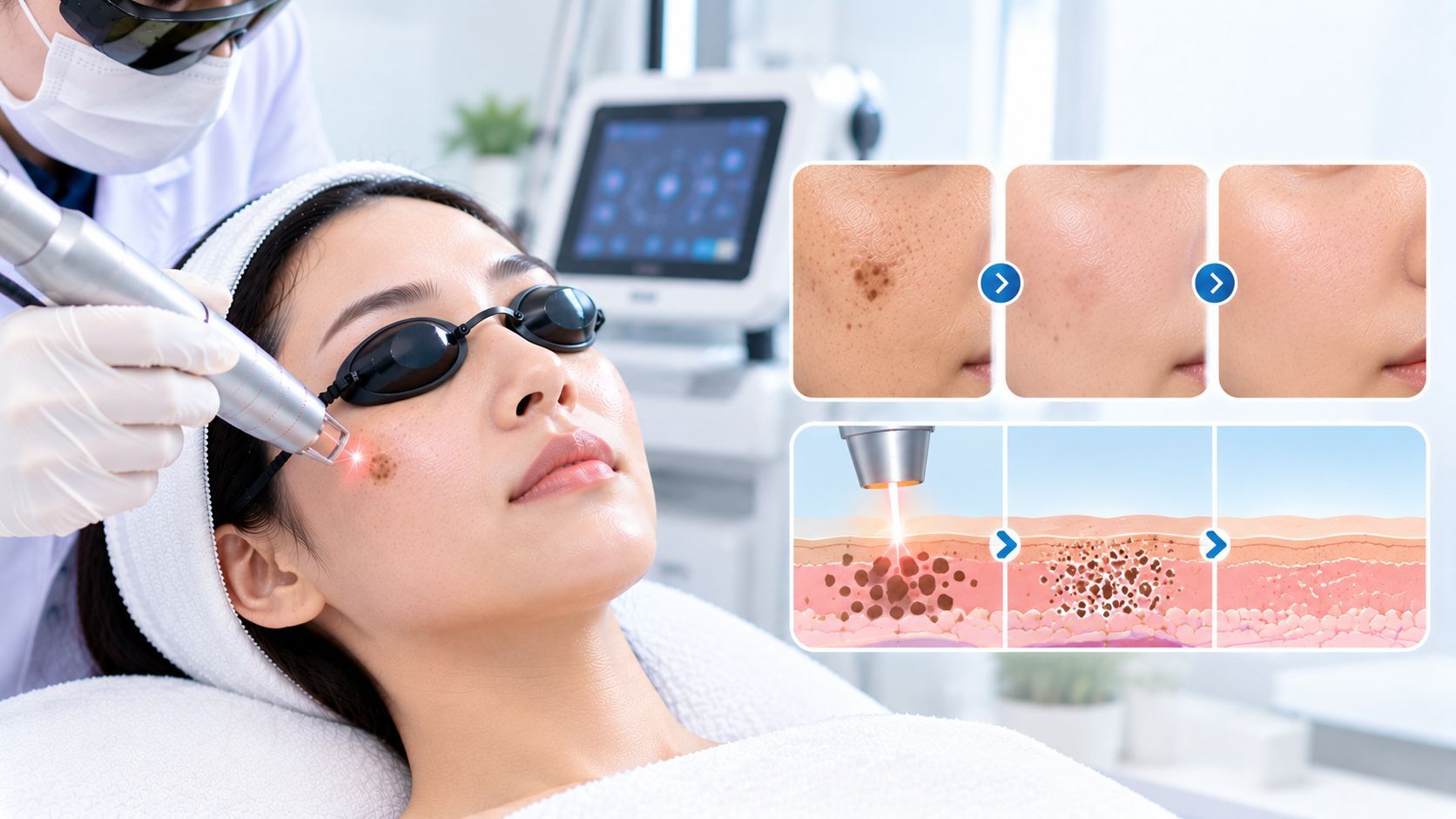
Pico laser is primarily known for treating certain types of unwanted pigmentation. Depending on the device, wavelength, energy, and treatment settings, it may also produce improvements in skin texture and the visual appearance of pores. However, it should not be considered a permanent pore-erasing treatment.
Whether Pico laser makes sense for you depends on why your pores look enlarged, what type of pigmentation you have, your skin tone, and the specific Pico treatment being proposed.
How Can Pico Laser Affect Pores?
Pores are normal structures in the skin, so no laser can permanently remove them. The goal is usually to make them look less noticeable.
Some Pico laser treatments may improve the overall appearance of the skin by influencing pigmentation, texture, or other superficial skin characteristics. When the skin surface looks more even, pores can sometimes appear less prominent.
Certain Pico technologies and treatment approaches may also be used with the intention of stimulating remodeling in the skin. However, the degree of pore improvement varies considerably between patients.
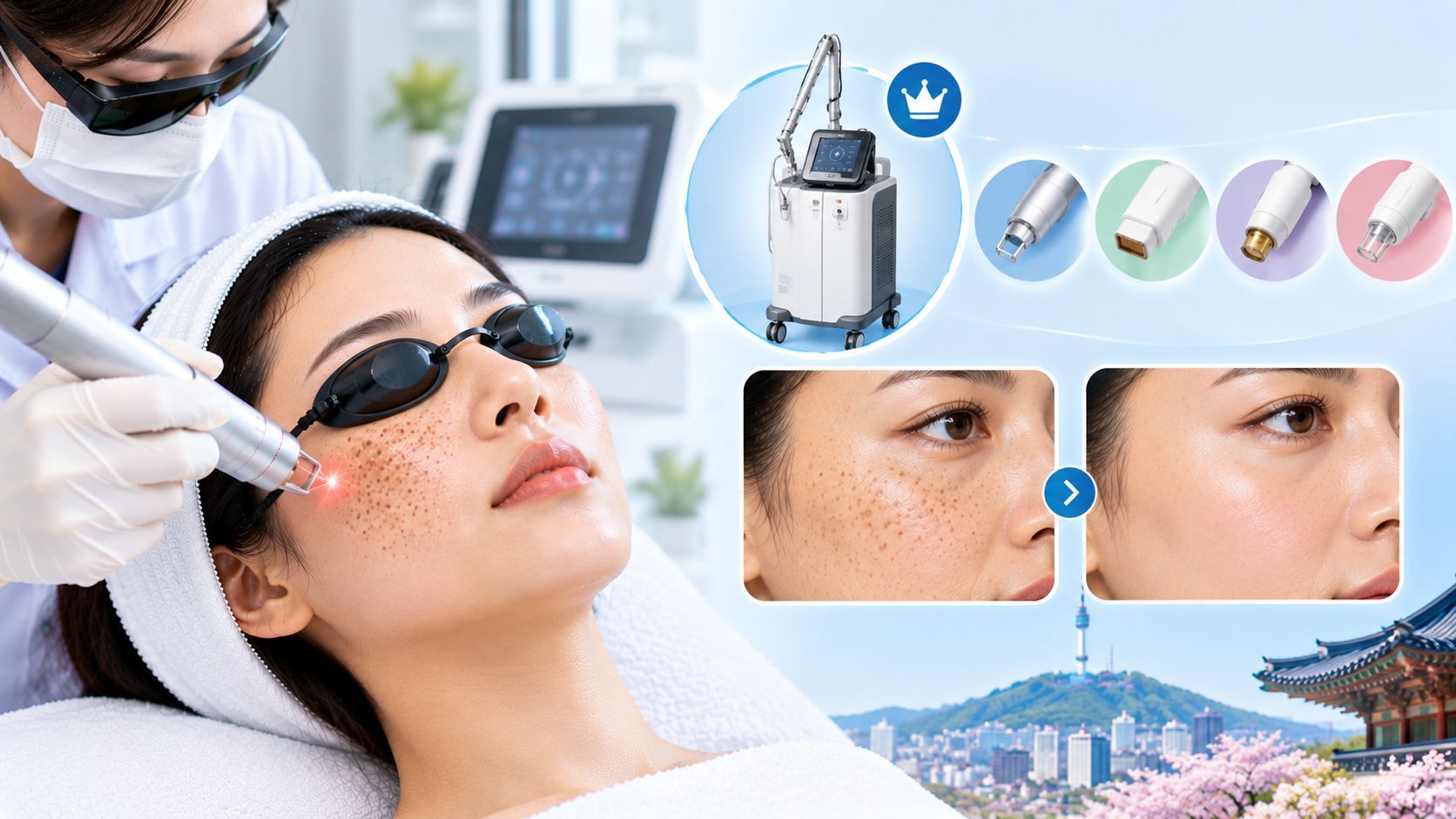
This is why it is important to ask a Seoul clinic exactly what Pico device and settings they plan to use rather than assuming every Pico treatment works the same way.
Pico Laser for Pigmentation vs. Pores
Pigmentation and enlarged pores are different problems.
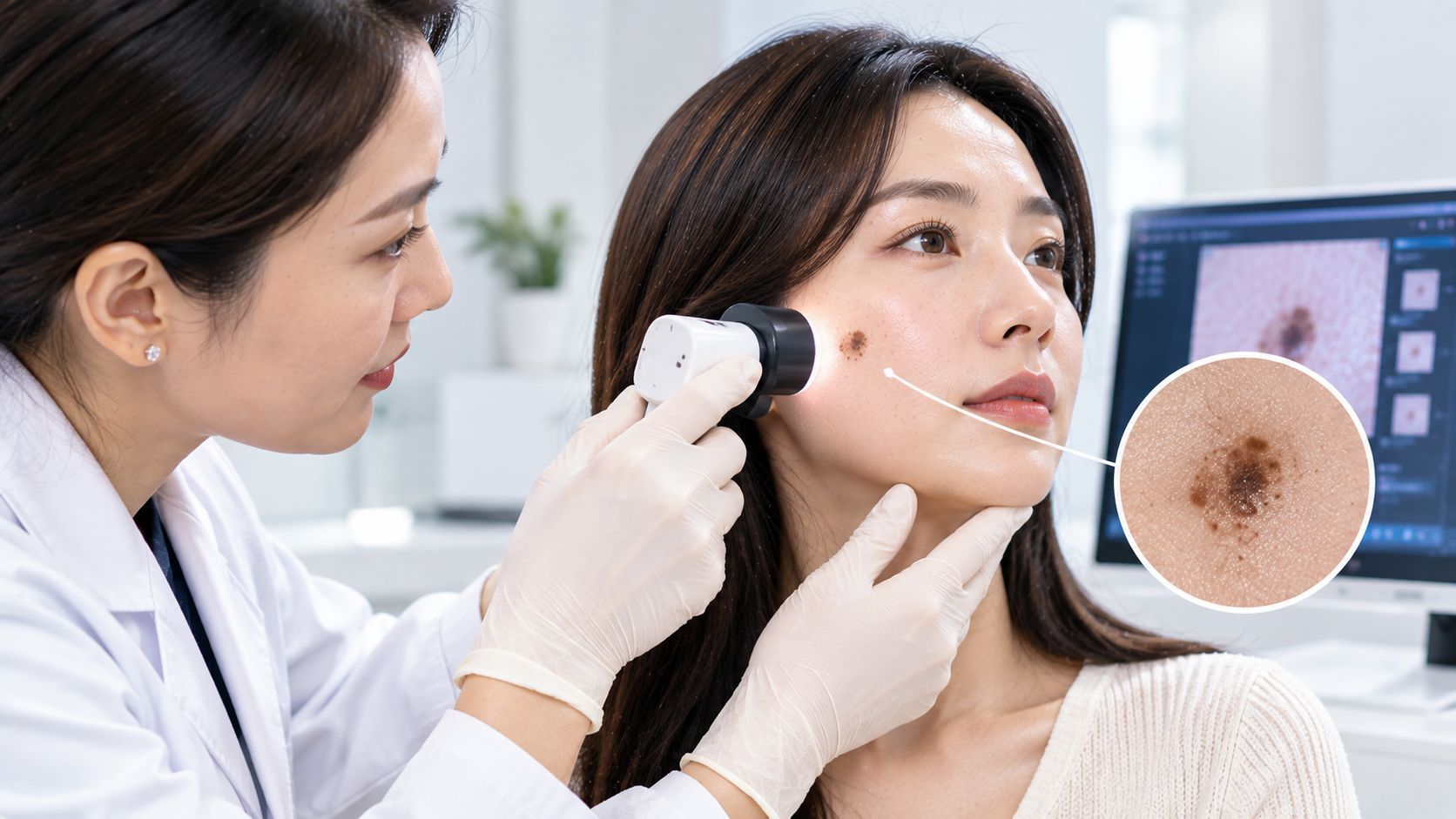
Pigmentation involves excess or uneven distribution of melanin or other changes that make certain areas appear darker. Pores, on the other hand, are related to the structure and appearance of hair follicles and sebaceous glands.
A Pico treatment may therefore be highly relevant to one concern while having only a modest effect on the other.
ConcernPotential role of Pico laserSun spotsOften a relevant treatment option for selected lesionsFrecklesMay reduce certain types of pigmentationPost-acne dark marksMay help selected casesUneven pigmentationMay improve appearance in appropriate patientsEnlarged poresMay provide some visual improvement in selected casesRough texturePossible improvement depending on technology and settingsDeep acne scarsUsually requires a different treatment strategyVery oily skinPico is not primarily an oil-control treatment
The important point is that improvement in pigmentation does not automatically mean significant pore reduction.
Why Do Your Pores Look Enlarged?
Before choosing a laser, it helps to understand what is making the pores noticeable.
Sebum and Oily Skin
When sebaceous glands produce more oil, pores can become more visually prominent. Sebum, dead skin cells, and buildup around the follicle can also affect how large pores appear.
Laser treatment alone may not address the underlying oil production.
Genetics
Some people naturally have larger or more visible pores because of their skin structure. In these cases, treatment may reduce their appearance rather than eliminate them.
Acne History
Previous acne can change the appearance of the skin around pores. What looks like a large pore may sometimes actually be related to an acne scar or uneven skin texture.
Age-Related Skin Changes
As skin loses elasticity and structural support with age, pores may become more noticeable. Changes in collagen and skin firmness can alter how the surrounding skin reflects light.
Dehydration and Uneven Texture
Dry or rough skin can make pores appear more obvious. Sometimes improving the overall skin surface produces a more noticeable cosmetic improvement than directly targeting the pores.
Could Pico Laser Treat Pigmentation and Pores Together?
Potentially, yes—but the treatment plan needs to be individualized.
For example, someone may have sun-related pigmentation across the cheeks combined with moderately visible pores. A Pico treatment may be selected primarily to address the pigmentation, while any improvement in pore appearance is considered an additional potential benefit.
Another patient may have prominent pores caused by acne scarring or skin laxity. In that situation, simply choosing Pico because it can treat pigmentation may not address the main reason the pores are visible.
A dermatologist may therefore recommend treating different concerns separately or combining technologies when appropriate.
What If My Main Concern Is Pores?
If enlarged pores are your primary concern, it is worth discussing whether a technology specifically intended to address skin texture, collagen remodeling, or acne-related scarring would be more appropriate.
Depending on the diagnosis, doctors may consider approaches such as fractional laser or RF microneedling. These treatments work differently from pigment-focused Pico treatments.
That does not mean one technology is universally better. The appropriate choice depends on whether the problem is primarily:
- Enlarged follicular openings
- Excess oil
- Acne scarring
- Uneven texture
- Loss of skin firmness
- Pigmentation around the pores
- A combination of several factors
A treatment designed around the actual cause is generally more useful than choosing a device simply because it is popular.
Can One Pico Session Improve Pores?
One session may produce a subtle improvement in overall skin appearance, but expectations should be realistic.
If the main issue is pigmentation, a single session may sometimes produce a noticeable change in selected pigment concerns. Pore improvement, however, is often less predictable and may be gradual.
If a clinic recommends multiple sessions, the reason should be explained clearly. Ask whether the recommended sessions are intended primarily for pigmentation, texture, pores, or a combination of concerns.
You should also ask what kind of improvement would realistically be expected after one treatment rather than assuming that a treatment course will make pores disappear.
Does Pico Laser Permanently Shrink Pores?
No.
Pores are part of normal skin anatomy. Their appearance can change over time with oil production, aging, inflammation, acne, sun exposure, and changes in skin texture.
A successful treatment may make pores less visually prominent, but this is different from permanently closing or removing them.
Maintaining realistic expectations is particularly important when comparing before-and-after photographs, because lighting, camera distance, skin hydration, makeup, and image processing can significantly change how pores appear.
What Are the Risks of Pico Laser for Pores?
Pico laser is generally considered a minimally invasive laser treatment, but it is not risk-free.
Depending on the treatment settings and your skin characteristics, temporary effects can include:
- Redness
- Warmth or sensitivity
- Mild swelling
- Temporary dryness or irritation
- Temporary darkening of treated pigmentation
- Temporary lightening of pigmentation
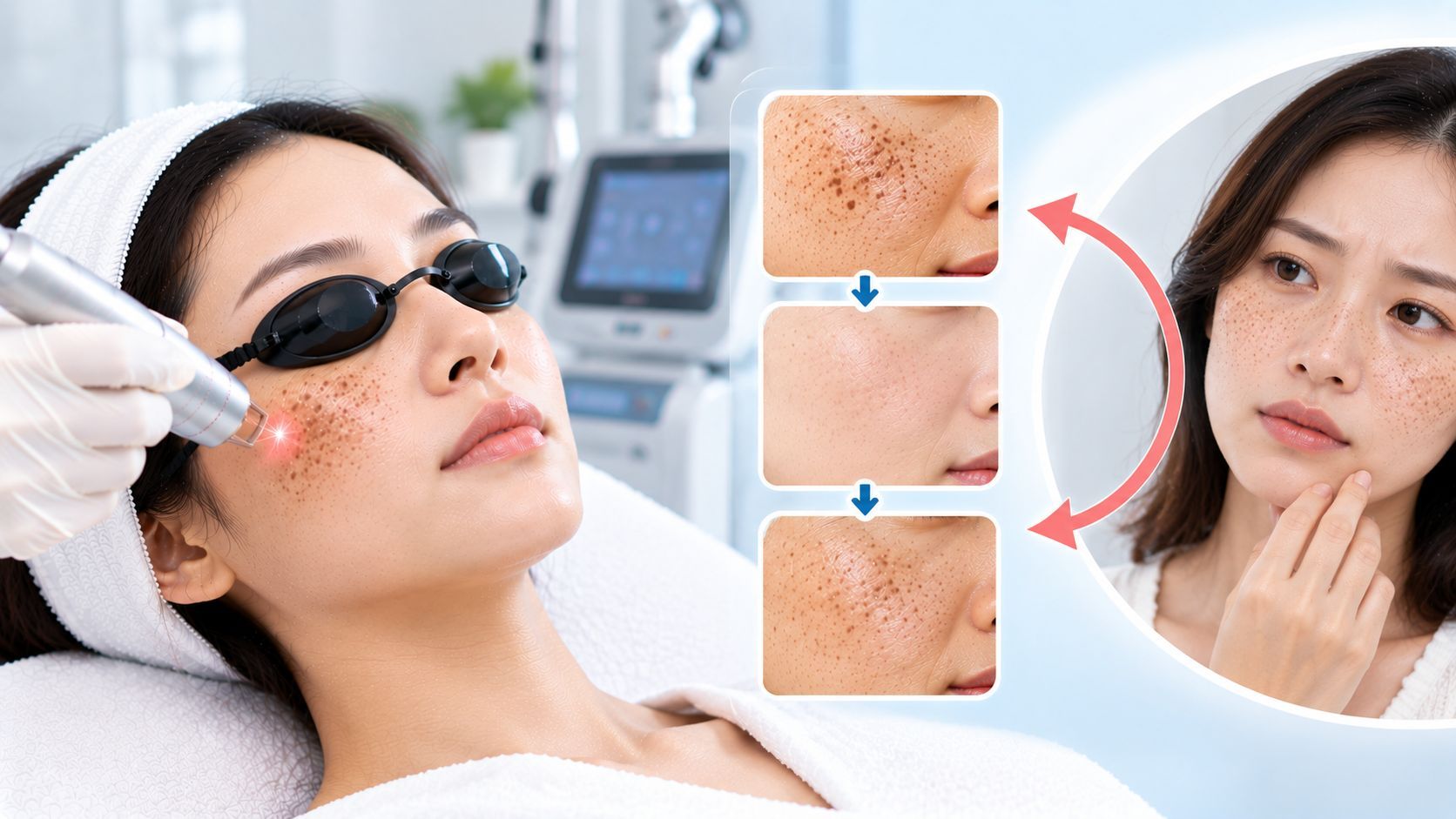
- Post-inflammatory hyperpigmentation in susceptible skin
People who develop pigmentation easily should discuss this before treatment. This is particularly important for patients with more melanin-rich skin, because aggressive or inappropriate laser settings can increase the risk of unwanted pigment changes.
The safest approach is not necessarily the most aggressive treatment. The treatment parameters should be selected according to the patient's skin and the specific problem being treated.
What Should You Ask a Seoul Clinic About Pico Laser for Pores?
If you are visiting Seoul for treatment, ask the clinic questions such as:
- Is Pico being recommended mainly for my pigmentation or my pores?
- What is causing my pores to look enlarged?
- Which Pico device and wavelength will be used?
- What settings will be used for my skin type?
- How much pore improvement is realistically expected?
- Would another treatment be more appropriate for my pore concern?
- Do I need one session or a treatment series?
- What downtime should I expect?
- What is my risk of post-inflammatory hyperpigmentation?
- Can pigmentation and pore treatment safely be performed during the same visit?
These questions can help prevent a common mistake: choosing a treatment based on the device name instead of the actual skin problem.
Pico Laser for Pores: Is It Worth Considering?
Pico laser can be considered when pigmentation is an important part of your concern and you would also like possible improvement in the overall appearance of your skin and pores.
However, Pico laser is not primarily a pore-removal treatment. If your main concern is enlarged pores caused by acne scarring, oil production, skin laxity, or structural texture changes, another treatment approach may be more relevant.
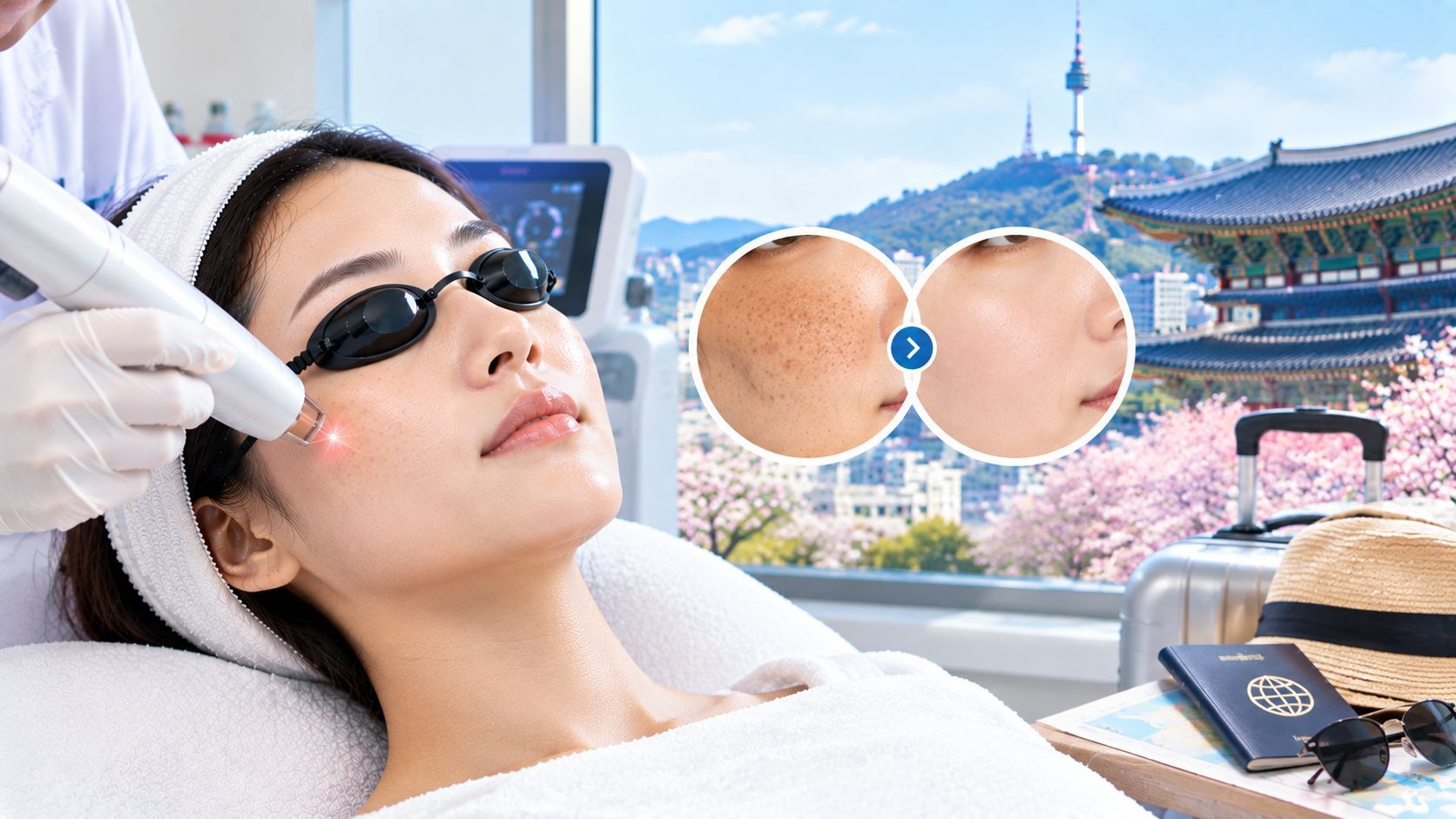
For international patients visiting Seoul, a consultation before treatment is particularly useful. The doctor can determine whether the dark areas, pores, texture, and scars are actually related problems or require different treatments.
The goal should be to match the technology and treatment intensity to the cause of the problem—not simply to choose the most recognizable laser name.
Frequently Asked Questions
Can Pico laser reduce enlarged pores?
Pico laser may make pores appear less noticeable in some patients, particularly when uneven pigmentation or overall skin texture contributes to their appearance. However, it does not permanently remove or close pores.
Is Pico laser better for pigmentation than pores?
Pico laser is more directly associated with treatment of selected pigmentation concerns. Its effect on pores is more variable and depends on the specific device, settings, skin characteristics, and cause of the enlarged-pore appearance.
Can I treat pores and pigmentation with Pico laser at the same time?
Sometimes. A doctor may design a treatment that addresses both concerns, but the appropriate settings and intensity may differ. Combining concerns does not automatically mean they should be treated aggressively during the same session.
How many Pico laser sessions are needed for pores?
There is no universal number. Some patients may notice subtle changes after one session, while others may need a series or a different treatment approach. The recommended number should depend on the cause and severity of the pore concern.
Is Pico laser safe for skin that gets dark marks easily?
It can be used in patients prone to pigmentation, but extra caution may be necessary. Treatment settings, skin type, recent sun exposure, and previous reactions to lasers can affect the risk of post-inflammatory hyperpigmentation.
Can Pico laser make my pores disappear?
No. Pores are normal skin structures. Treatment can potentially reduce their visual prominence, but permanent pore removal is not a realistic goal.
Conclusion
Pico laser can potentially improve the appearance of pores in selected patients, but its most established cosmetic role is generally related to pigmentation and uneven skin tone. If you have both pigmentation and enlarged pores, Pico may be part of a broader treatment plan, but the expected benefit for each concern should be discussed separately.
Before treatment in Seoul, ask what is actually causing your pores to look enlarged, what Pico treatment is being proposed, and whether another technology would better address the underlying problem. This can help you choose a treatment plan based on your skin rather than simply the name of the device.