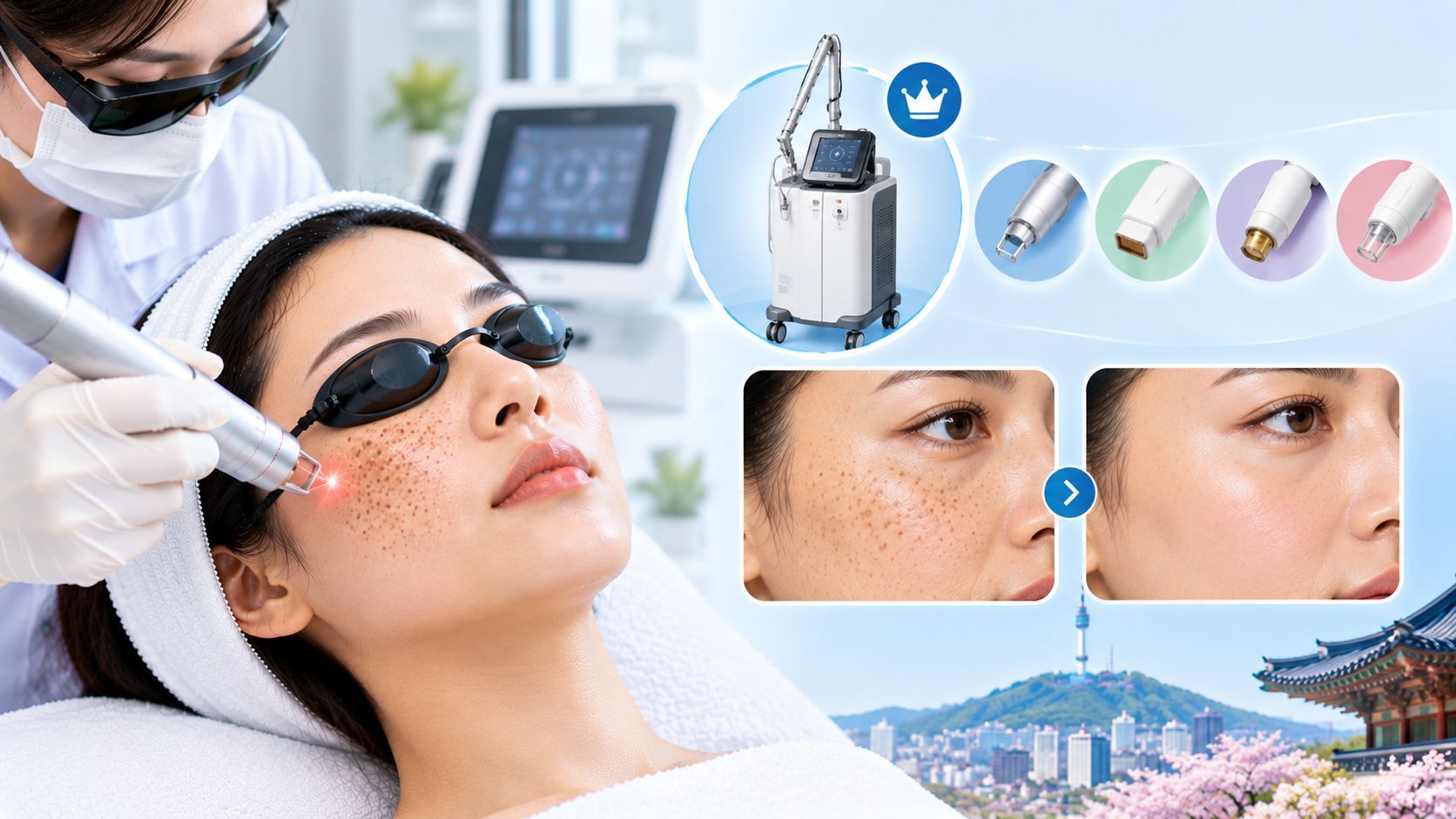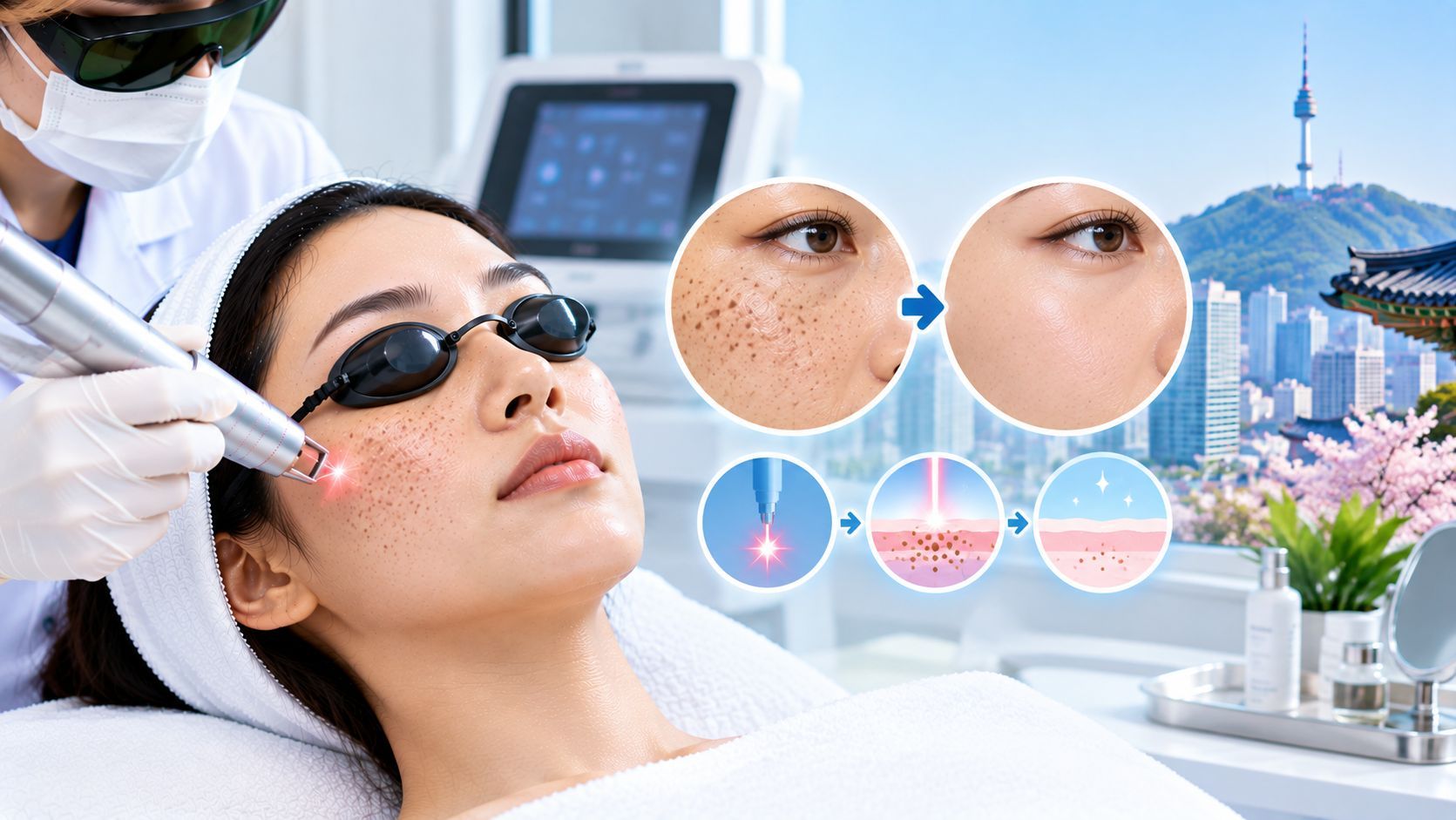
Can Pico Laser Make Pigmentation Darker?
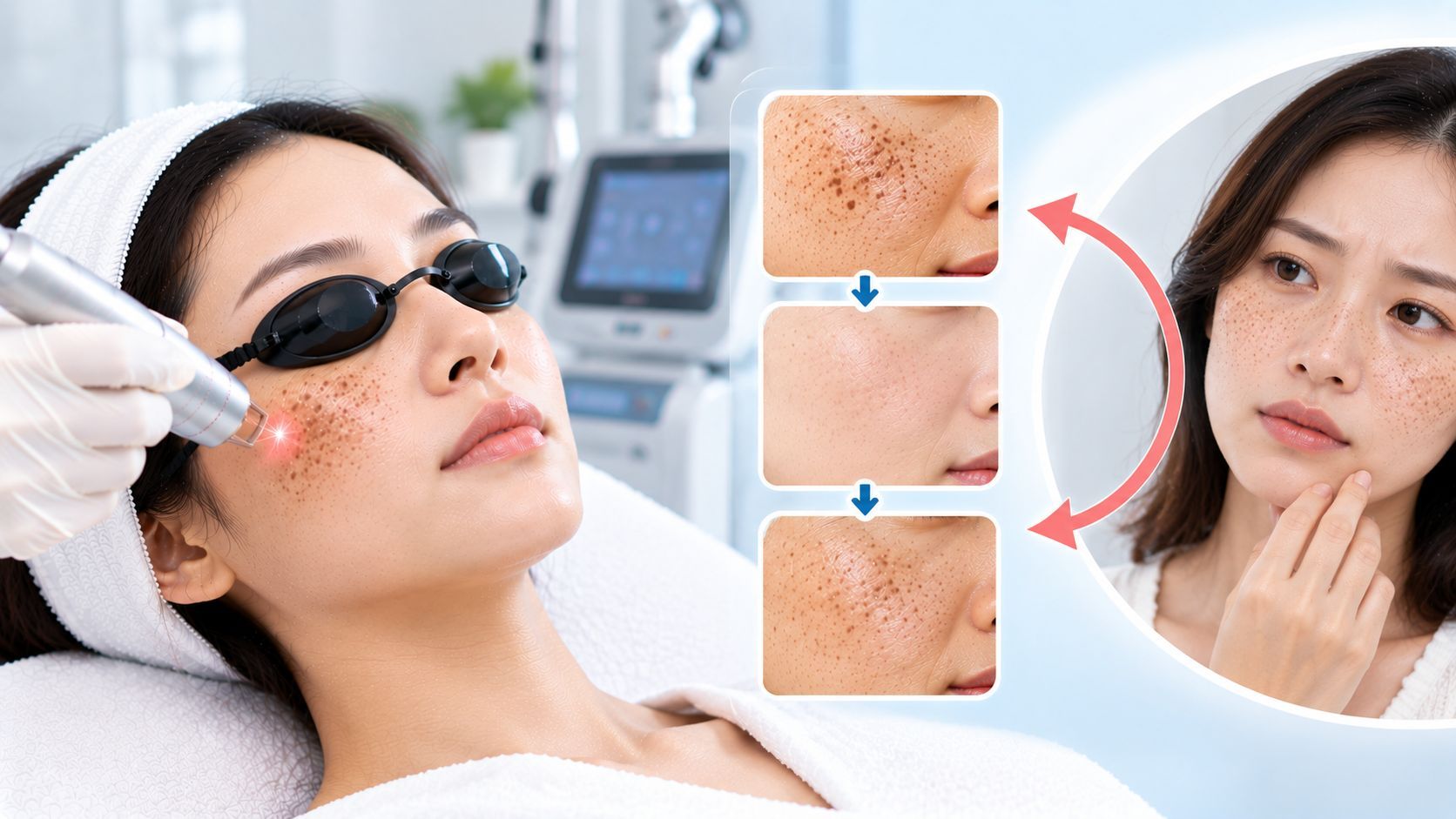
If you are considering Pico laser for pigmentation, one concern is understandable: can the treatment actually make dark spots look darker instead of lighter? The answer is yes, pigmentation can temporarily appear darker after Pico laser, particularly when pigment has been deliberately targeted. However, temporary darkening is different from permanent worsening of pigmentation.
After treatment, some pigmented areas may become darker, grayish, or more noticeable before they gradually fade. This can be part of the expected healing response. At the same time, laser treatment can also cause unwanted post-inflammatory hyperpigmentation (PIH), especially when the skin is irritated or the treatment is too aggressive for the person's skin characteristics.
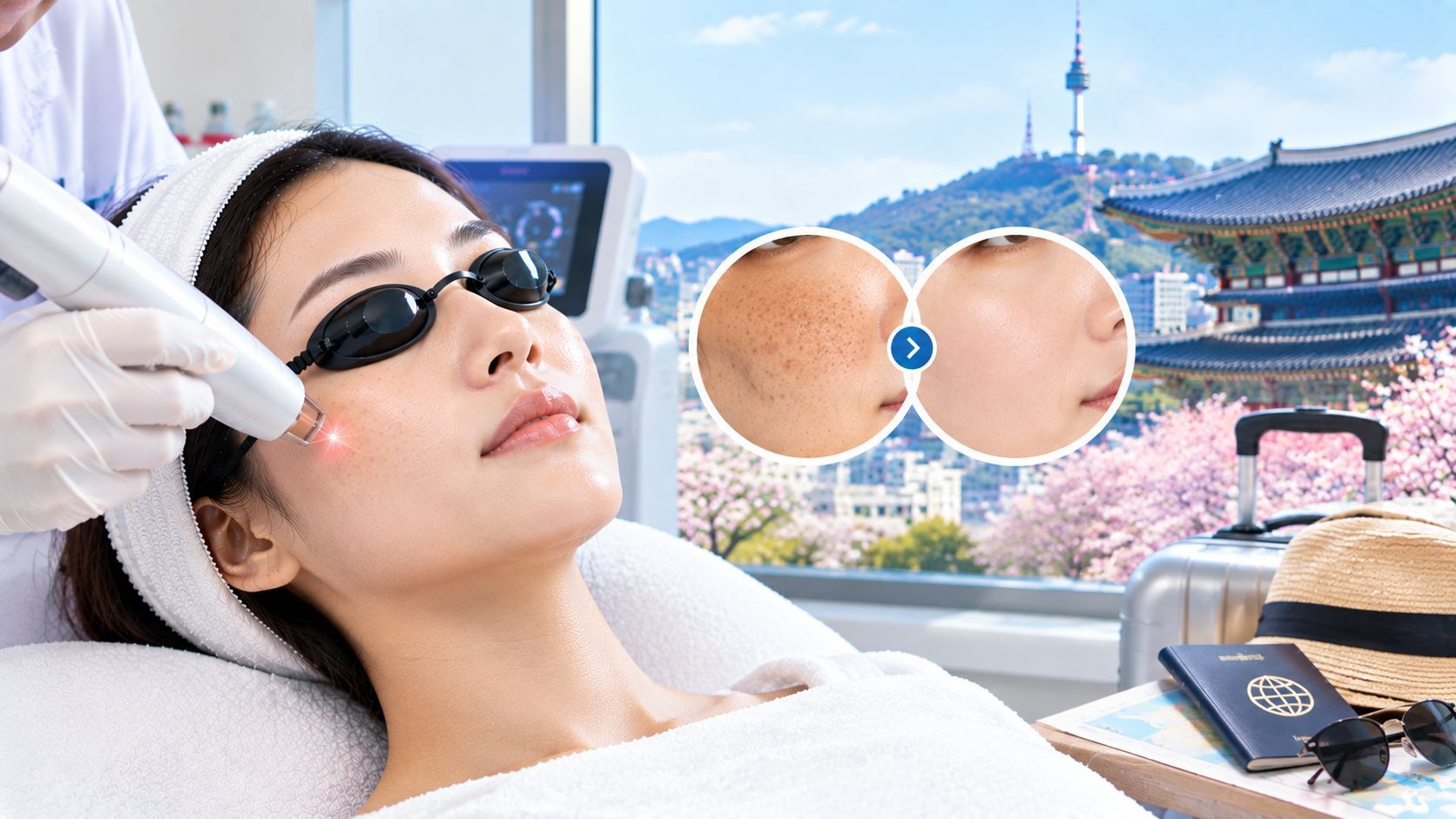
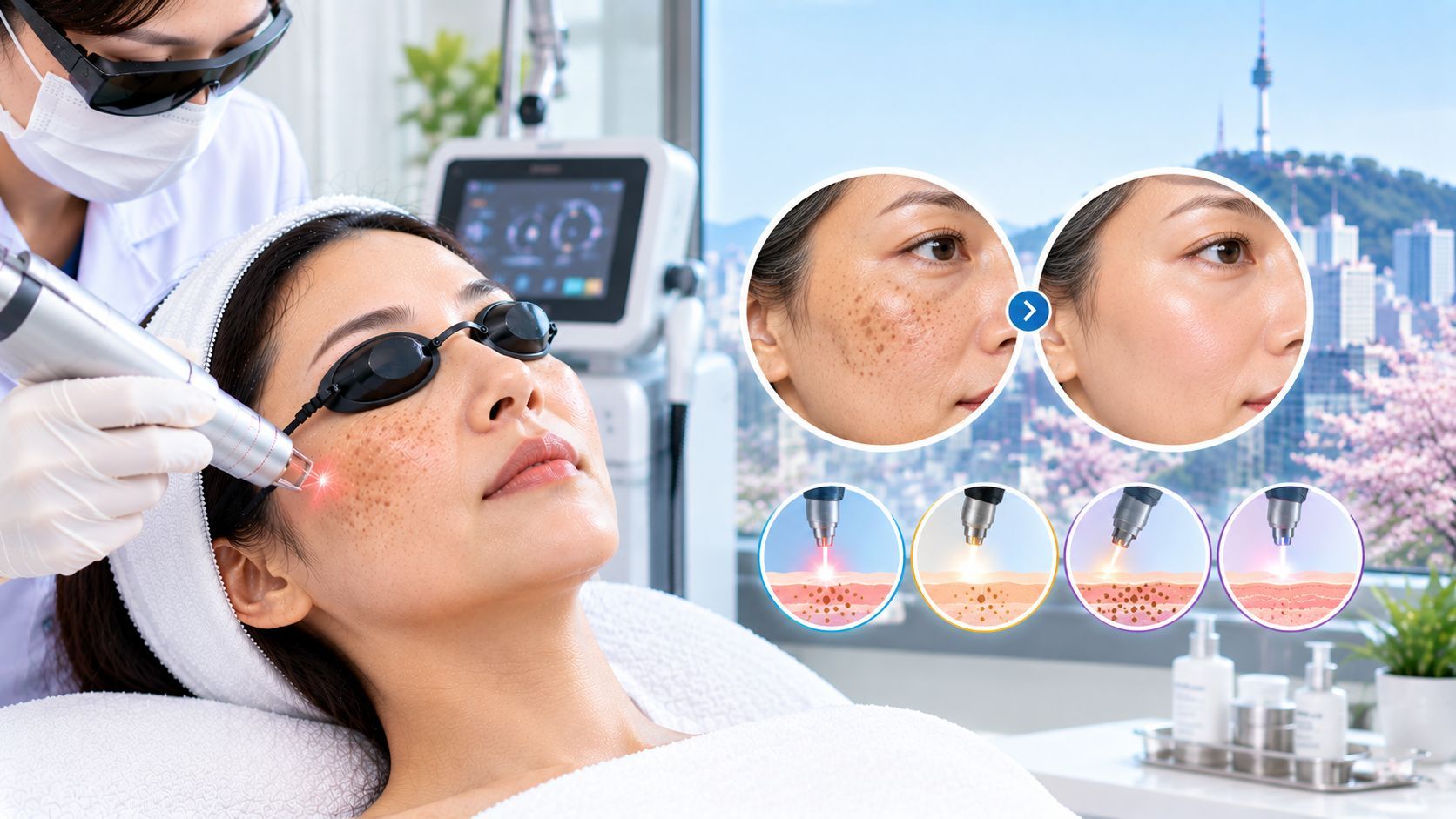
Understanding the difference is important when planning Pico laser in Seoul or elsewhere.
Why Can Pigmentation Look Darker After Pico Laser?
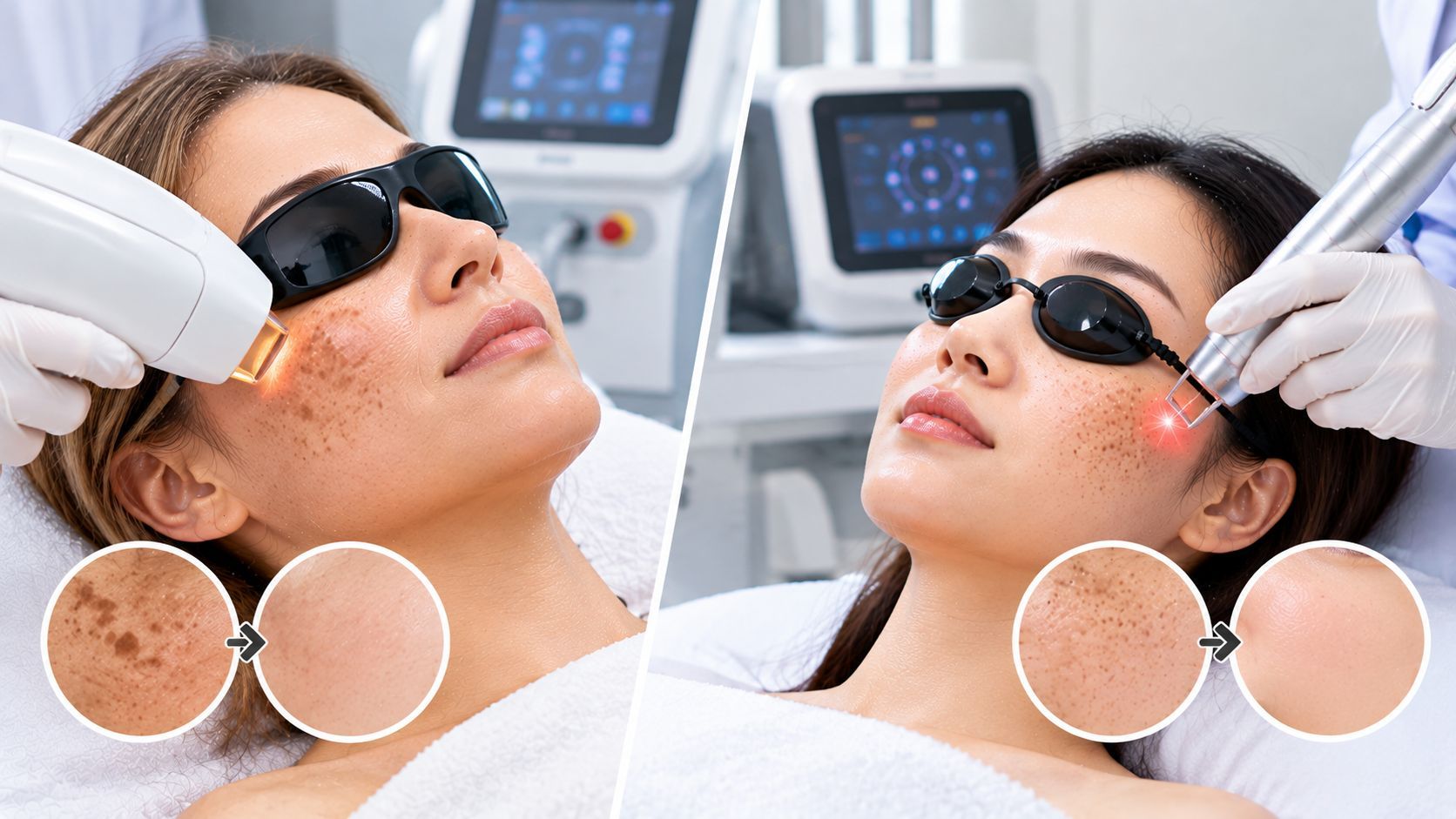
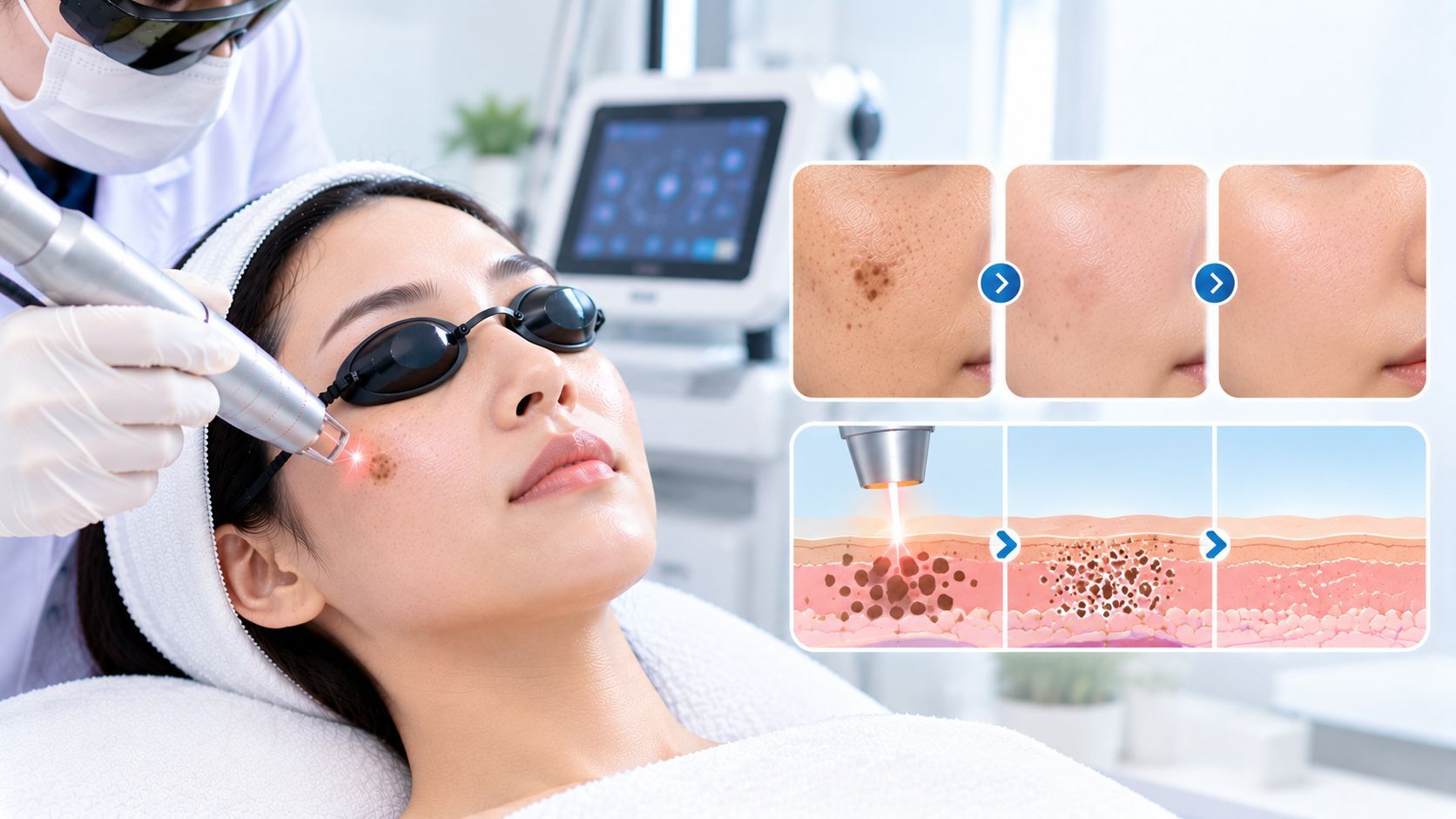
Pico laser delivers extremely short pulses of laser energy. When used for appropriate pigment concerns, the energy targets pigment within the skin.
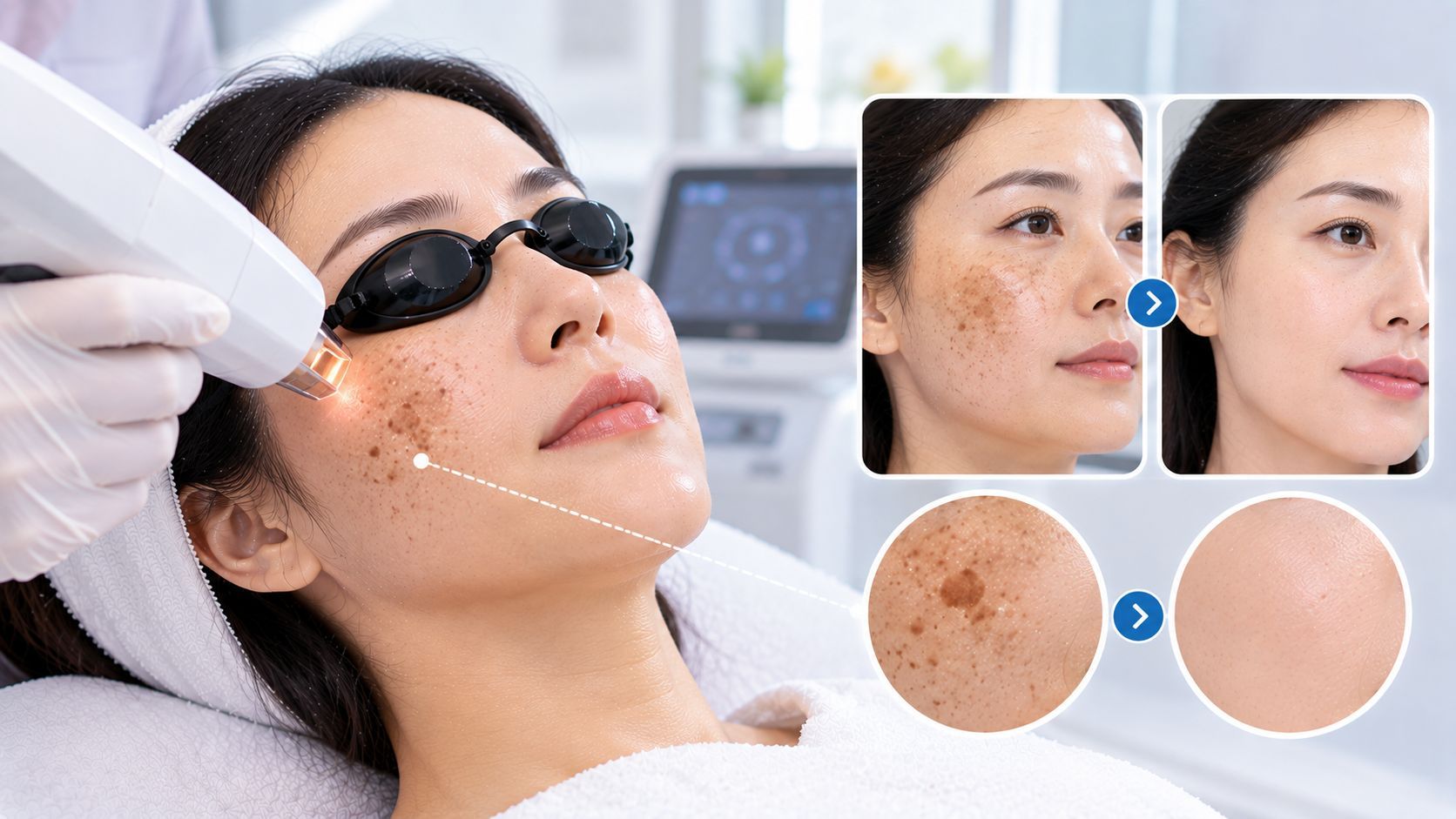
After treatment, the treated pigment may temporarily look darker before the skin clears it. Depending on the type of pigmentation and treatment approach, you may notice:
- Darker brown spots
- Gray or charcoal-colored areas
- Mild redness around treated areas
- Temporary swelling or sensitivity
- Small crusted areas after certain targeted treatments
This does not automatically mean that the treatment has made the pigmentation worse.
A doctor should explain what appearance is expected for the particular Pico treatment you are receiving.
Temporary Darkening vs. Post-Inflammatory Hyperpigmentation
These two situations should not be confused.
Expected Temporary Darkening
When an individual pigmented spot is specifically treated, it may temporarily become darker as part of the response to the laser.
The area may then gradually lighten as the treated pigment is cleared and the skin heals.
Post-Inflammatory Hyperpigmentation
PIH is different. It occurs when inflammation or injury stimulates additional pigmentation in the skin.
People who naturally develop dark marks after acne, cuts, burns, or other irritation may be more susceptible.
PIH can make the skin look darker after laser treatment and may take considerably longer to fade.
Therefore, seeing darker skin after Pico laser does not by itself tell you whether the treatment is working or whether a complication has occurred.
Which Pigmentation Problems Can Become Darker?
Different pigment conditions behave differently.
Pico laser may be used for selected freckles, sun-related pigmentation, post-acne pigmentation, and other pigment concerns. However, not every brown or gray patch should be treated in the same way.
For example, melasma requires particular caution. Melasma is influenced by multiple factors, including ultraviolet exposure and hormonal influences, and it can recur or become more noticeable after irritation.
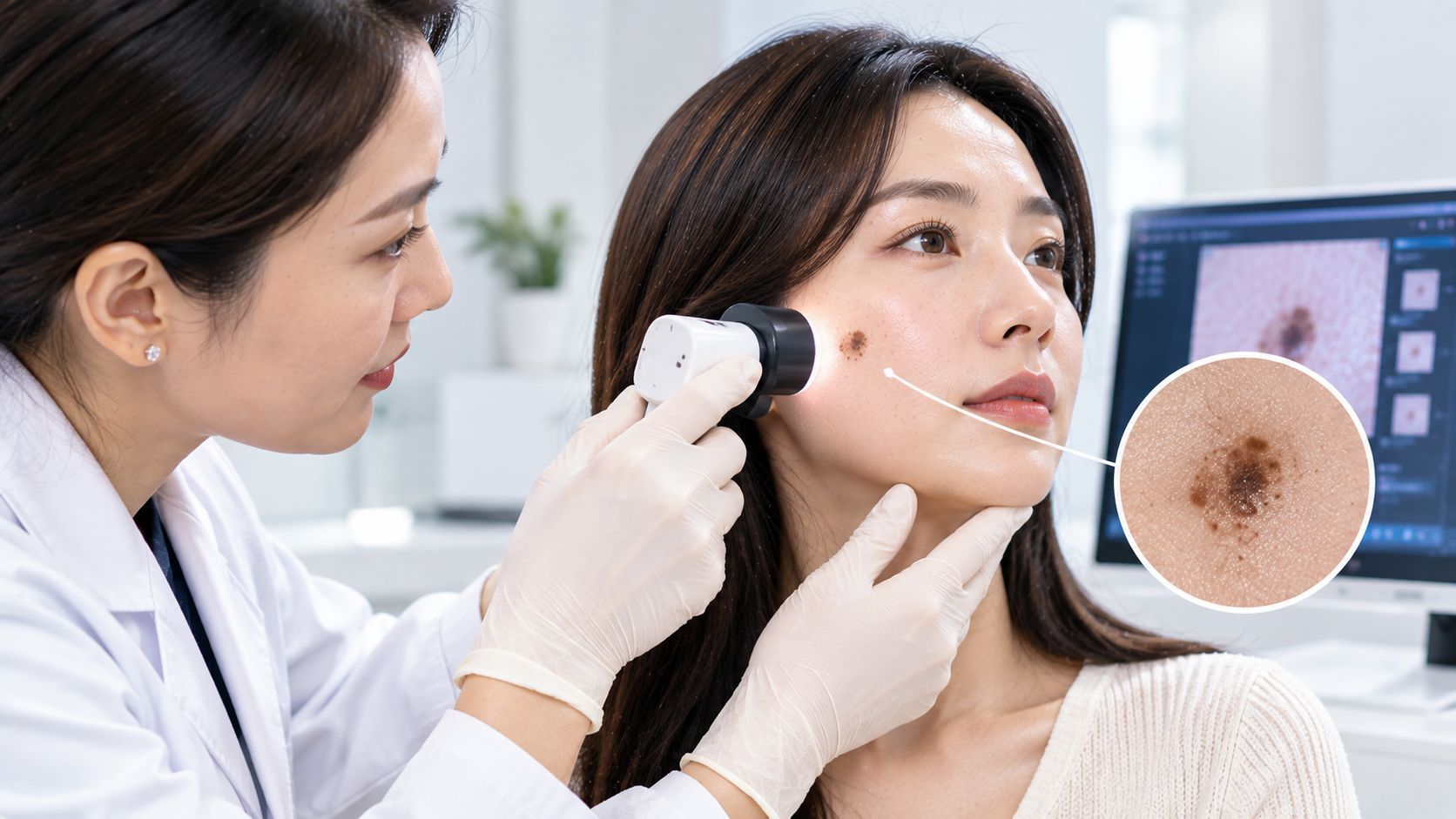
A dermatologist should first determine what type of pigmentation you have before choosing laser settings.
Why Does Skin Tone Matter?
Skin with more melanin can be more vulnerable to unwanted pigment changes after certain laser treatments.
This does not automatically mean Pico laser cannot be used. Rather, treatment needs to be appropriately selected and adjusted.
Factors that can affect risk include:
- Natural skin pigmentation
- Previous history of PIH
- Recent sun exposure
- Active inflammation
- The type of pigmentation
- Laser wavelength
- Energy level
- Spot size and treatment technique
- Number of passes
- Aftercare
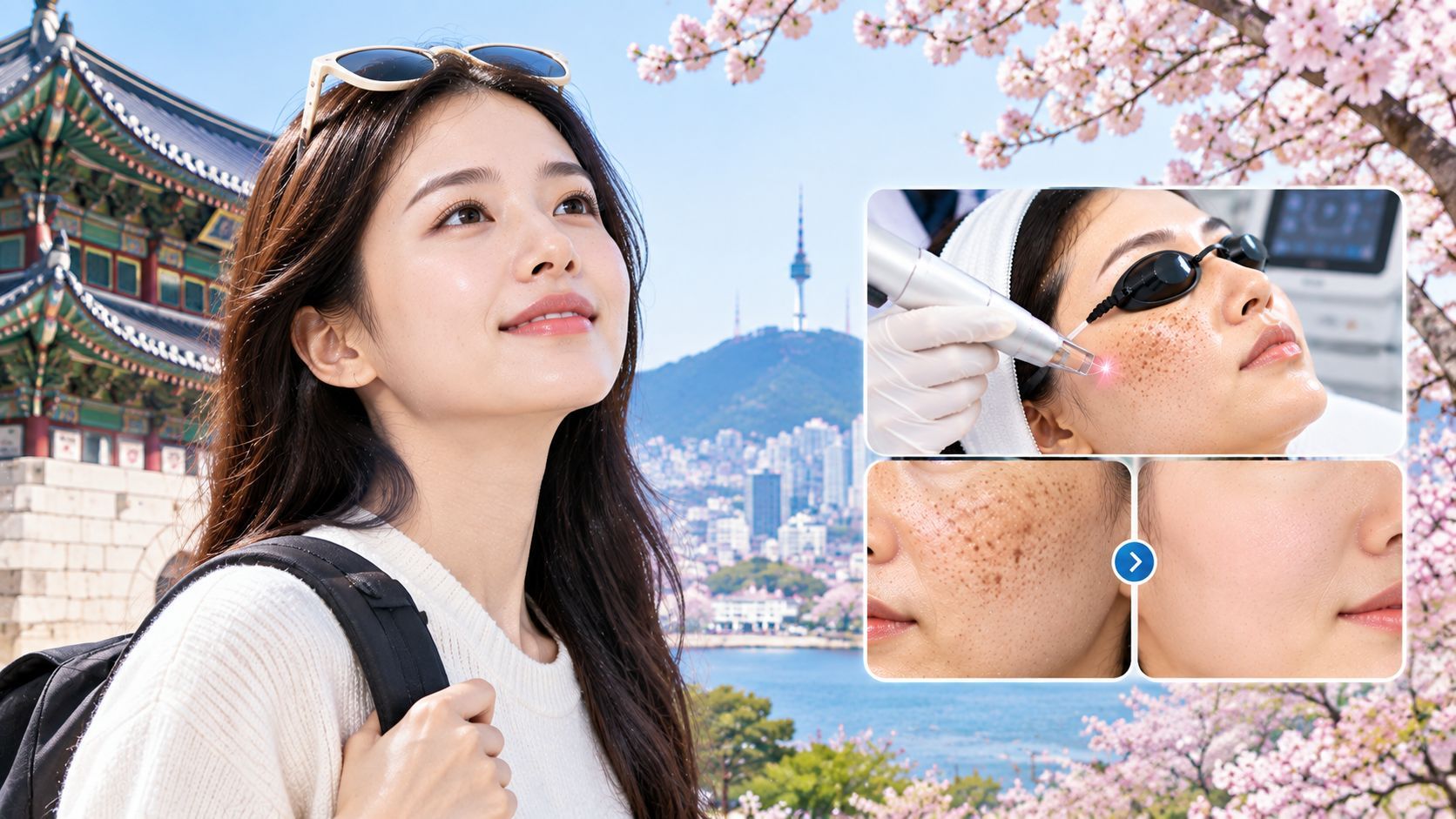
This is especially relevant for international patients visiting Seoul who may have different skin characteristics from the population most commonly represented in clinic marketing materials.
Can Pico Laser Cause Permanent Darkening?
Unwanted pigmentation changes can occur, and in some patients they may persist for a significant period.
However, permanent worsening should not be assumed simply because the skin looks darker immediately after treatment.
The healing period matters. A temporary post-treatment change may gradually resolve, while PIH can persist for much longer.
If pigmentation continues becoming darker, spreads beyond the treated area, develops unusual symptoms, or does not follow the recovery pattern explained by your clinician, you should contact the treating clinic for assessment.
What Makes Pigmentation More Likely to Worsen?
Several factors can increase the possibility of unwanted pigmentation after laser treatment.
Aggressive Treatment Settings
Higher energy is not automatically better. Excessive thermal or mechanical stress can increase inflammation and may increase pigment-related complications in susceptible patients.
Recent Sun Exposure
UV exposure can stimulate melanin production and complicate recovery. Having a laser treatment after significant sun exposure may therefore require additional caution.
Existing Skin Inflammation
Treating irritated, inflamed, or compromised skin may increase the risk of an undesirable pigment response.
Previous PIH
If you routinely develop dark marks after acne or minor skin injuries, tell your doctor before laser treatment.
Incorrect Diagnosis
Not every dark spot is suitable for cosmetic laser treatment. A lesion that has not been properly identified should not simply be treated because it appears brown.
Does Pico Toning Cause Pigmentation to Get Darker?
Pico toning is generally performed differently from targeted treatment of individual pigmented lesions.
The treatment approach, intensity, device, and number of passes can vary between clinics. Some people experience temporary redness or darkening, while others have little visible downtime.
However, the phrase "Pico toning" does not describe one standardized treatment protocol.
If you are considering Pico toning in Seoul, ask the clinic exactly what device and settings will be used and what type of pigmentation they are trying to address.
How Long Can Pigmentation Look Darker After Pico Laser?
There is no single recovery period that applies to every Pico treatment.
Some patients may notice darker spots for several days before they begin to fade. More aggressive targeted treatments can produce a more visible healing response.
Your recovery depends on:
- What was treated
- How deeply the pigment was located
- The laser settings
- Your skin type
- Your tendency toward pigmentation
- Whether crusting occurred
- How your skin responds during healing
A clinic should give you specific aftercare instructions based on the treatment performed.
What Should You Do If Your Skin Gets Darker?
Do not immediately assume that the treatment failed.
Follow the aftercare instructions provided by your treating clinician and avoid unnecessary irritation. Sun protection is particularly important because UV exposure can contribute to unwanted pigmentation during the healing period.
Avoid adding aggressive exfoliating products, strong treatments, or additional procedures without discussing them with your clinician.
If you are unsure whether the darkening is expected, send the clinic a clear photograph and ask whether the appearance matches the expected recovery process.
For international patients, it is especially useful to obtain written aftercare instructions before leaving Seoul.
How Can You Reduce the Risk of Pigmentation After Pico Laser?
Before treatment, tell the doctor if you:
- Develop dark marks easily
- Have previously experienced PIH
- Recently had significant sun exposure
- Have active acne or inflammation
- Are using irritating skincare products
- Have previously reacted badly to laser treatment
- Have undergone other recent cosmetic procedures
You can also ask whether a conservative approach, test spot, or different treatment strategy would be appropriate for your skin.
The goal should be to achieve the intended pigment improvement without creating unnecessary inflammation.
Should You Avoid Pico Laser If You Get Hyperpigmentation Easily?
Not necessarily.
A tendency toward hyperpigmentation means the treatment plan deserves more careful consideration. It does not automatically rule out Pico laser.
The doctor may determine that Pico is appropriate, modify the settings, select a different wavelength, treat a smaller area, or recommend another approach.
For some patients, particularly those with melasma or significant PIH risk, controlling the underlying condition and minimizing inflammation may be more important than aggressively targeting every visible dark area.
What Should You Ask a Seoul Clinic Before Pico Laser?
If you are considering treatment in Seoul, ask:
- What type of pigmentation do I have?
- Could this pigmentation get temporarily darker after treatment?
- How high is my risk of PIH?
- Which Pico device and wavelength will you use?
- What treatment settings are appropriate for my skin?
- Should I expect crusting or visible darkening?
- How long should the treated areas take to settle?
- What should I do if the pigmentation becomes darker than expected?
- Would Pico toning or targeted Pico treatment be more appropriate?
- What aftercare should I follow after returning home?
These questions can help you distinguish an individualized treatment plan from a generic laser package.
Is Darker Pigmentation After Pico Laser Always a Bad Sign?
No.
Some temporary darkening can be part of the normal response to treating certain pigmented lesions. However, persistent or unexpected darkening can also represent PIH or another unwanted response.
The appearance, timing, treatment settings, skin type, and original diagnosis all matter.
That is why before-and-after comparisons should not be made immediately after treatment. Early post-treatment photographs may show inflammation and temporary pigment changes rather than the final result.
Frequently Asked Questions
Can Pico laser temporarily make dark spots darker?
Yes. Some treated pigmented spots can temporarily become darker after Pico laser before gradually fading. The exact response depends on the type of pigmentation and treatment technique.
Does darker pigmentation mean Pico laser has damaged my skin?
Not necessarily. Temporary darkening can occur during normal healing. However, persistent or unexpected darkening can indicate PIH or another reaction and should be assessed by the treating clinician.
Is Pico laser safe for skin that gets dark marks easily?
It may be appropriate for some patients, but the risk of unwanted pigmentation needs to be considered carefully. Treatment settings and technique should be adapted to the patient's skin characteristics.
Can Pico laser worsen melasma?
Melasma can be difficult to treat and may recur or become more noticeable after skin irritation. Anyone with suspected melasma should receive an appropriate assessment before undergoing pigment-focused laser treatment.
How can I reduce the risk of darkening after Pico laser?
Appropriate treatment settings, avoiding unnecessary skin irritation, protecting the skin from UV exposure, and following individualized aftercare can help reduce risk. Your clinician should assess your personal risk before treatment.
Should I get Pico laser if I have a history of PIH?
A history of PIH does not automatically exclude Pico laser, but it is an important risk factor to discuss. A dermatologist may recommend modified settings or an alternative treatment depending on the type of pigmentation and your skin response history.
Conclusion
Pico laser can sometimes make pigmentation look darker temporarily, particularly when individual pigmented spots have been deliberately targeted. This does not automatically mean the pigmentation has worsened.
The more important distinction is between expected temporary darkening and unwanted post-inflammatory hyperpigmentation. Skin type, treatment settings, sun exposure, inflammation, and the type of pigmentation all influence this risk.
If you are considering Pico laser in Seoul, have the pigmentation properly assessed first and ask exactly what response you should expect during recovery. A cautious, individualized treatment plan is particularly important if you are prone to developing dark marks.