Is Pico Laser Safe If I Get Hyperpigmentation Easily?
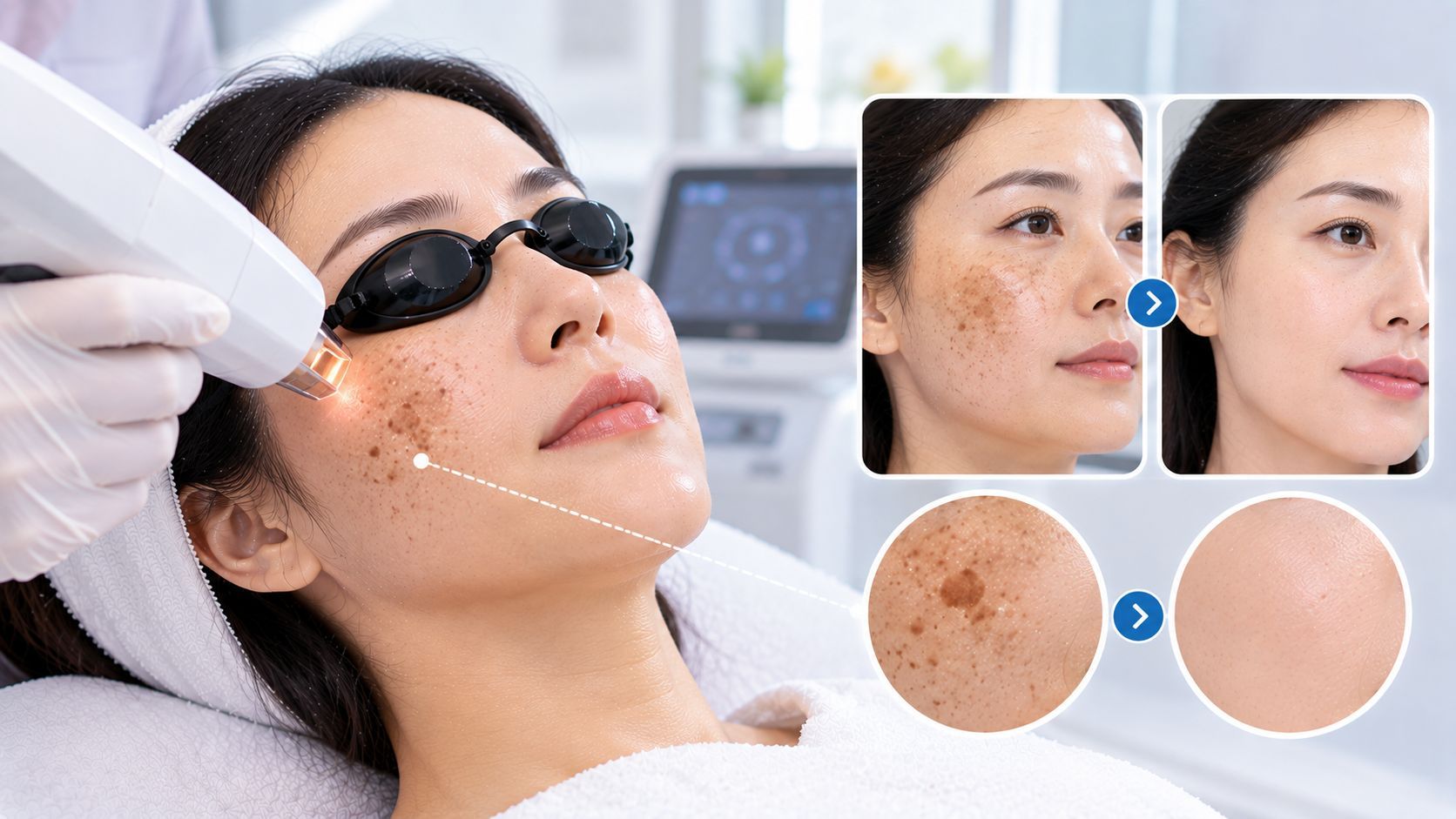
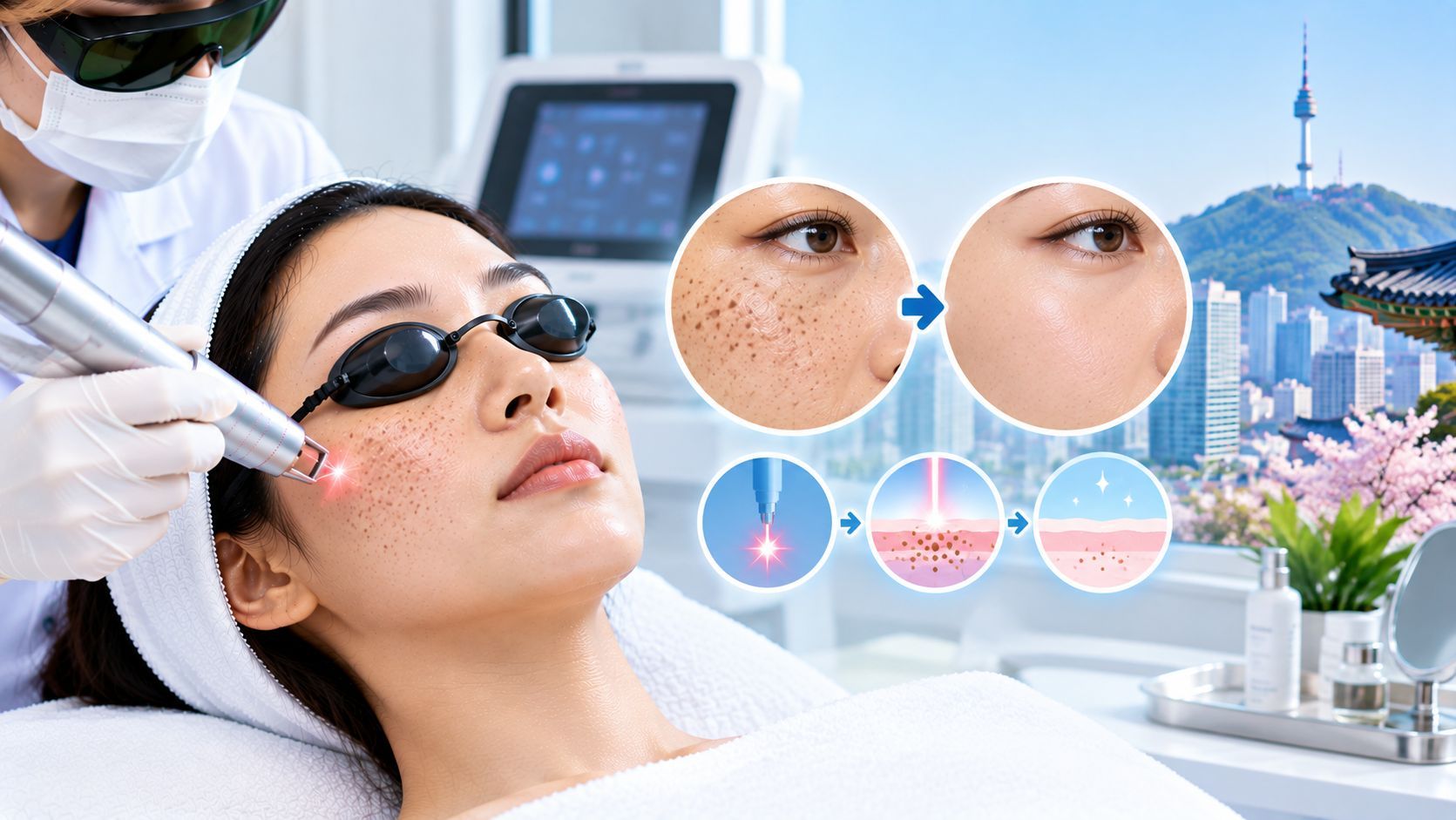
If your skin tends to develop dark marks after acne, irritation, or minor injuries, it is reasonable to ask whether Pico laser is safe for skin that gets hyperpigmentation easily. The answer is that Pico laser may be suitable for some people who are prone to pigmentation, but the risk of post-inflammatory hyperpigmentation (PIH) needs to be considered carefully.
Pico laser is not one single treatment protocol. Different devices, wavelengths, energy levels, spot sizes, and treatment techniques can produce different effects. Your natural skin tone, history of PIH, type of pigmentation, recent sun exposure, and the reason for treatment can also affect the risk.
For this reason, having sensitive or pigmentation-prone skin does not automatically mean you cannot have Pico laser. It does mean that the treatment should be selected and adjusted for your individual skin.
Why Can Pico Laser Cause Hyperpigmentation?
Laser treatment intentionally interacts with the skin. Even when the goal is to treat pigmentation, the procedure can temporarily cause inflammation.
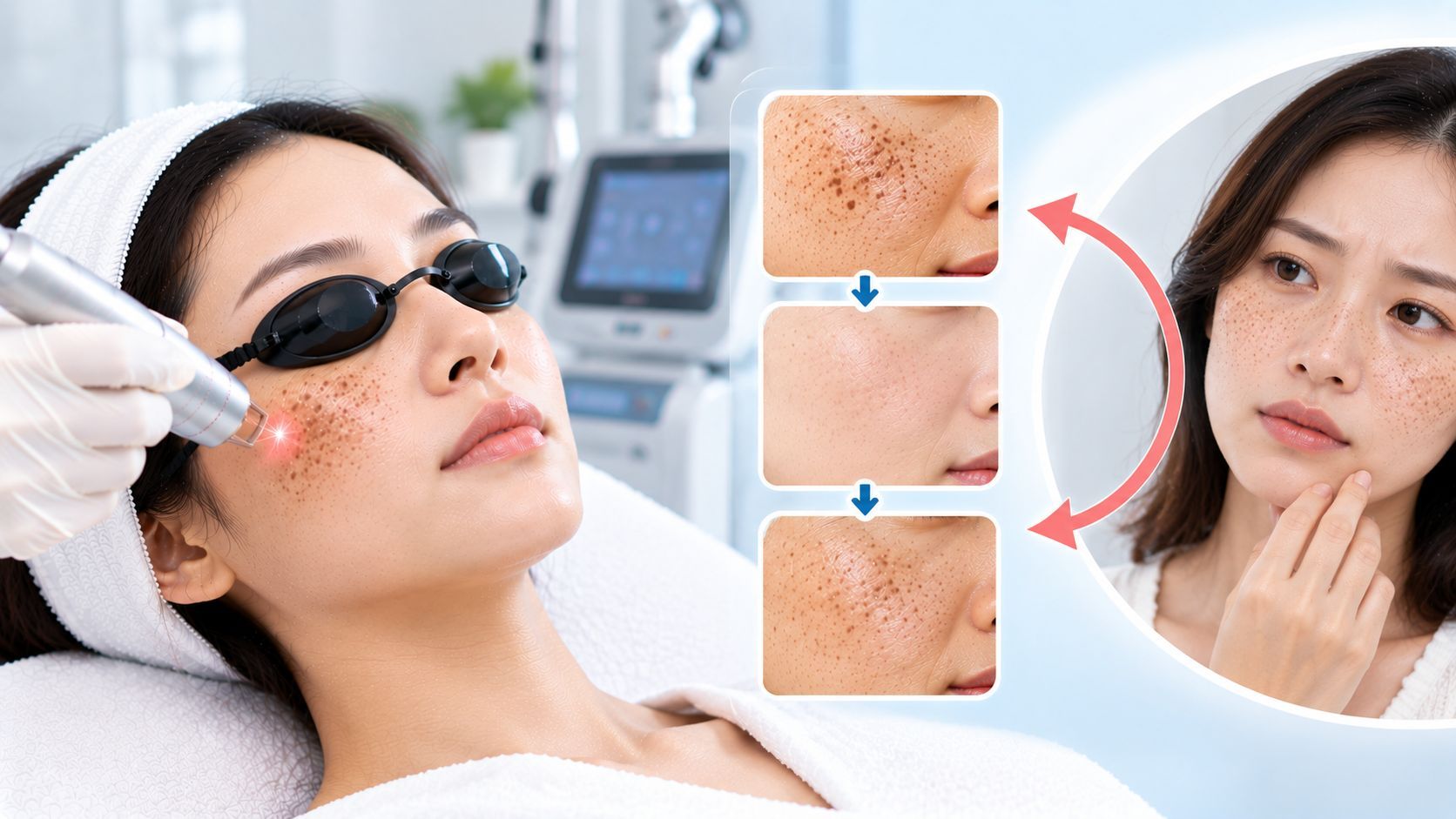
Inflammation can stimulate melanocytes, the cells responsible for producing melanin. In people who are prone to pigmentation, this may result in darker areas after treatment.
This is known as post-inflammatory hyperpigmentation.
PIH can occur after many types of skin injury, including acne, burns, cuts, chemical peels, and certain laser treatments. The risk is not unique to Pico laser.
The objective is therefore not simply to find the strongest laser setting. The goal is to achieve the intended result while minimizing unnecessary inflammation.
Who May Be More Prone to PIH?
Your risk may be higher if you have previously experienced dark marks after skin inflammation or injury.
Factors that may matter include:
- Naturally darker or more melanin-rich skin
- A history of PIH after acne
- Previous darkening after laser treatments
- Active acne or skin inflammation
- Recent sun exposure or tanning
- Aggressive or inappropriate treatment settings
- Certain pigmentation disorders
- Excessive irritation during recovery
A consultation should take these factors into account before treatment.
Does Having Darker Skin Mean Pico Laser Is Unsafe?
No.
Skin tone alone does not determine whether you can undergo Pico laser. However, people with more melanin in their skin may require additional caution because pigment cells can respond to inflammation.
The appropriate wavelength, energy, pulse characteristics, treatment density, and technique matter.
This is one reason why you should not assume that a treatment parameter used successfully on another patient is automatically appropriate for you.
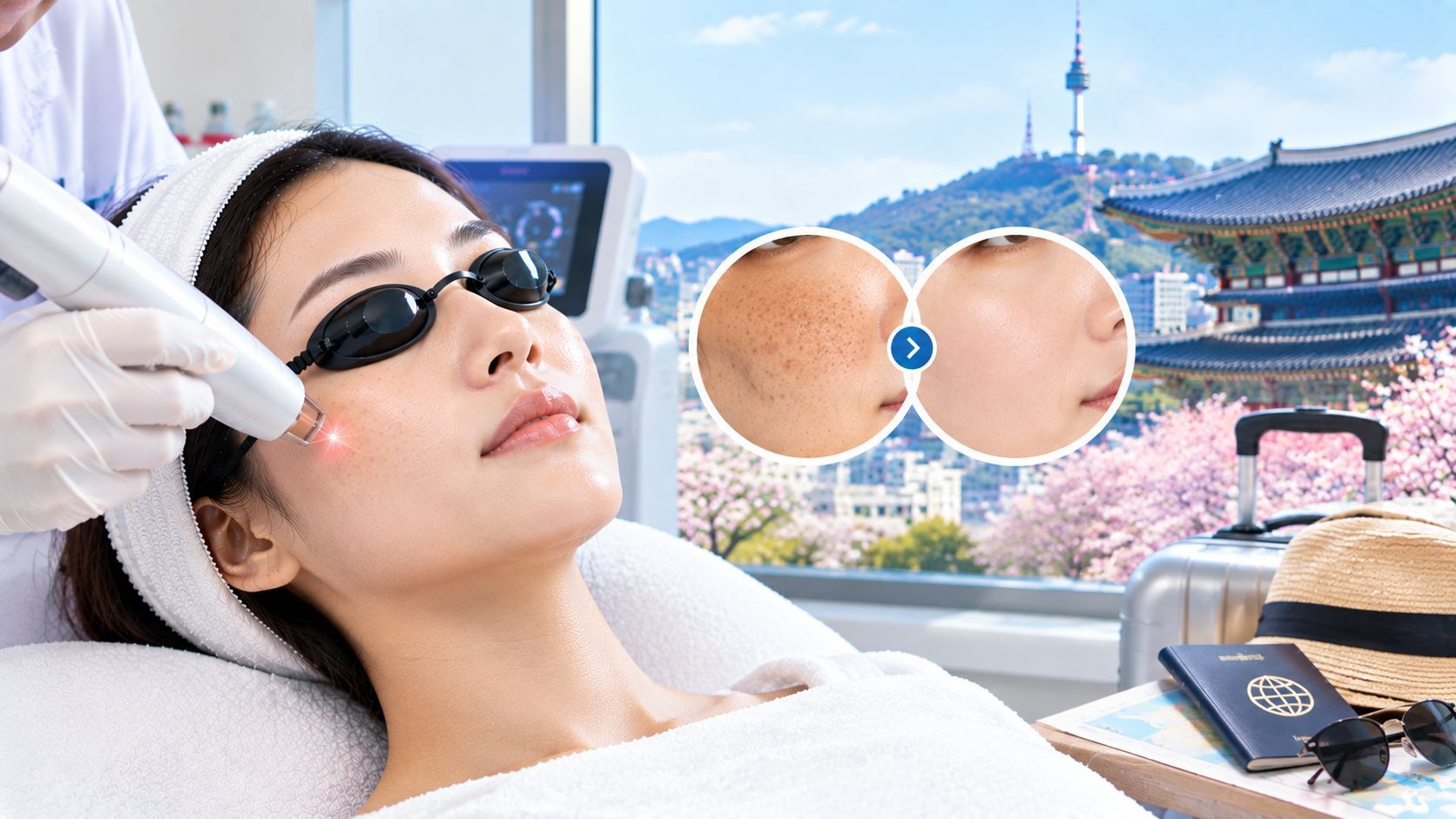
If you are traveling to Seoul for Pico laser, tell the doctor about your previous reactions to lasers and whether you routinely develop dark marks after acne or other skin irritation.
Pico Laser Is a Technology, Not One Fixed Treatment
The term "Pico laser" describes laser technology using extremely short pulse durations. It does not describe one standardized procedure.
Different Pico systems can have different wavelengths and capabilities. A clinic may also use different settings depending on whether the target is:
- Freckles
- Sun-related pigmentation
- Post-acne pigmentation
- Uneven skin tone
- Certain tattoo pigments
- Selected texture concerns
The treatment approach for one concern may not be appropriate for another.
Therefore, asking only whether a clinic "uses Pico" does not provide enough information to assess your individual risk.
Is Pico Toning Safer for Pigmentation-Prone Skin?
Pico toning is often performed with a different treatment approach from aggressively targeting individual pigment spots.
However, "Pico toning" does not automatically mean zero risk of PIH.
The actual risk depends on the device, settings, treatment technique, skin characteristics, and diagnosis.
A lower-intensity approach may sometimes be considered when the goal is gradual improvement of uneven tone, but the appropriate protocol must still be determined by a qualified clinician.
If you are prone to pigmentation, ask what the clinic means by Pico toning and how the treatment will be adjusted for your skin.
What About Melasma?
Melasma deserves particular caution.
Melasma is a complex pigmentation condition that can be influenced by factors such as ultraviolet exposure, hormonal changes, and inflammation. Some patients may experience recurrence or worsening after irritating treatments.
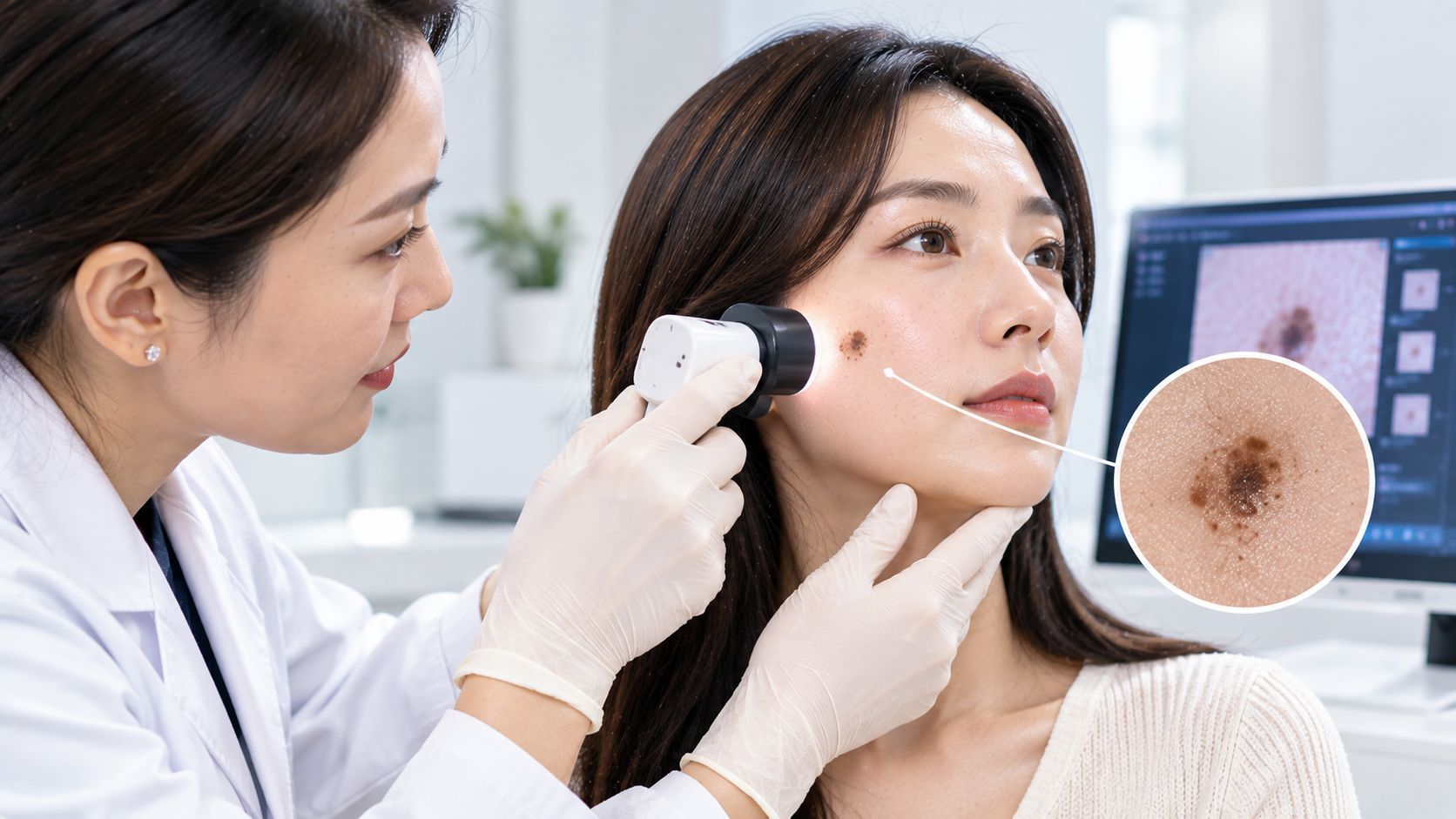
If you have symmetrical brown or grayish patches on areas such as the cheeks, forehead, nose, or upper lip, it is important to have the pigmentation assessed rather than assuming it is ordinary sun pigmentation.
A pigment-focused laser may be considered in some treatment plans, but laser is not automatically the appropriate first step for every person with melasma.
Can a Test Spot Reduce the Risk?
A clinician may sometimes consider a test spot when there is uncertainty about how the skin will respond.
A test spot can provide information about the local response before treating a larger area. However, it cannot guarantee that a larger treatment area will have exactly the same outcome.
Your doctor may instead determine that your history and skin characteristics provide enough information to modify the treatment protocol without a test spot.
The decision should be individualized.
What Should You Do Before Pico Laser?
Preparation can be particularly important if you are prone to pigmentation.
Tell Your Doctor About Previous PIH
Do not assume the clinic will know this from looking at your skin. Explain if you have developed dark marks after:
- Acne
- Cuts
- Burns
- Waxing
- Chemical peels
- Previous lasers
- Injections or other cosmetic procedures
Discuss Recent Sun Exposure
Recent tanning or significant sun exposure can affect laser treatment planning.
If you have recently spent a lot of time outdoors, tell the clinic before treatment rather than hiding it because you are concerned about postponement.
Avoid Unnecessary Skin Irritation
Your clinician may recommend modifying irritating skincare or procedures before treatment.
Do not introduce several new active ingredients immediately before a laser session simply because you are trying to prepare your skin.
What Happens After Pico Laser?
Recovery depends on the treatment performed.
You may experience:
- Mild redness
- Warmth
- Temporary sensitivity
- Mild swelling
- Dryness
- Temporary darkening of treated spots
- Occasional crusting after certain targeted treatments
Not every Pico treatment causes visible peeling or crusting.
The absence of dramatic downtime does not mean you should ignore aftercare.
Sun Protection Is Especially Important
UV exposure can stimulate melanin production and may make post-treatment pigmentation more difficult to control.
After Pico laser, follow your clinician's sun-protection instructions carefully. This becomes particularly important if you are returning to a sunny environment after treatment in Seoul.
International patients should consider the climate and amount of outdoor activity planned after their procedure.
If your itinerary includes extensive sightseeing immediately after laser treatment, discuss this with the clinic before scheduling the procedure.
Can You Prevent PIH Completely?
No.
Risk can be reduced, but no treatment protocol can guarantee that PIH will not occur.
Appropriate patient selection, suitable settings, careful technique, sun protection, and appropriate recovery care can all matter.
Even with careful treatment, individual skin responses vary.
This is why claims that a laser is completely risk-free for pigmentation-prone skin should be treated cautiously.
What If My Skin Becomes Darker After Treatment?
Temporary darkening does not automatically mean PIH.
Some targeted pigmented areas can become darker as part of the expected treatment response. Your clinician should explain what this may look like and how long it may last.
If the skin becomes progressively darker, develops unusual inflammation, spreads beyond the treated area, or does not appear to be following the expected recovery pattern, contact the treating clinic.
For international patients, obtain clear aftercare instructions and a contact method before leaving Seoul.
Should You Choose Pico Laser for Pigmentation If You Have PIH?
There is no universal answer.
The decision depends on:
- Your type of pigmentation
- Your skin tone
- Your PIH history
- The location and depth of the pigment
- Your previous response to lasers
- The specific Pico technology
- The proposed treatment settings
- Your travel schedule
- Your ability to protect the skin after treatment
For some patients, Pico may be reasonable with a conservative treatment strategy. For others, a different approach may be more appropriate.
The important point is that having pigmentation-prone skin should change the treatment discussion, not necessarily end it.
Questions to Ask a Seoul Clinic Before Treatment
If you are considering Pico laser in Seoul, ask:
- Am I at high risk for PIH based on my skin and history?
- What type of pigmentation am I actually treating?
- Which Pico device and wavelength will you use?
- Why is this setting appropriate for my skin?
- Could Pico toning or another approach be more suitable?
- Should I have a test spot?
- What should normal darkening look like after treatment?
- What signs would indicate a complication?
- How long should I avoid significant sun exposure?
- What aftercare should I follow after returning home?
These questions are especially useful when comparing treatment options at different Seoul clinics.
Frequently Asked Questions
Can I get Pico laser if I always develop dark marks after acne?
Possibly. A history of PIH does not automatically rule out Pico laser, but it is an important risk factor. Your doctor should consider your skin type, pigmentation, previous reactions, and proposed treatment settings.
Is Pico laser safe for darker skin?
It may be used in darker or more melanin-rich skin, but treatment requires appropriate selection and settings. The risk of unwanted pigment changes should be discussed before treatment.
Can Pico laser permanently cause hyperpigmentation?
PIH can sometimes persist for a prolonged period, but immediate darkening after treatment does not automatically mean permanent pigmentation. The recovery pattern and clinical assessment matter.
Is Pico toning safer than targeted Pico laser?
Not automatically. Pico toning and targeted Pico treatment use different approaches, but both can cause unwanted pigment changes. Safety depends on the specific treatment and the individual patient.
Should I avoid Pico laser if I have melasma?
Melasma requires careful assessment because it can recur or worsen with inflammation. Laser may be included in some treatment plans, but it is not automatically appropriate for every person with melasma.
How can I reduce my risk of PIH after Pico laser?
Discuss your PIH history with your doctor, avoid unnecessary skin irritation, follow the prescribed aftercare, and take sun protection seriously during recovery. No method can completely eliminate the risk.
Conclusion
Pico laser can be an option for some people who are prone to hyperpigmentation, but Pico laser is not automatically risk-free for pigmentation-prone skin. The most important factors are the type of pigmentation being treated, your individual history of PIH, skin characteristics, the specific Pico technology, and the treatment settings.
If you are planning Pico laser in Seoul, tell the doctor about any previous darkening after acne, injuries, or cosmetic procedures. Ask how the treatment will be adapted to your skin and what recovery changes you should expect.
A carefully selected and individualized treatment plan is more important than simply choosing a Pico laser because it is a popular treatment.