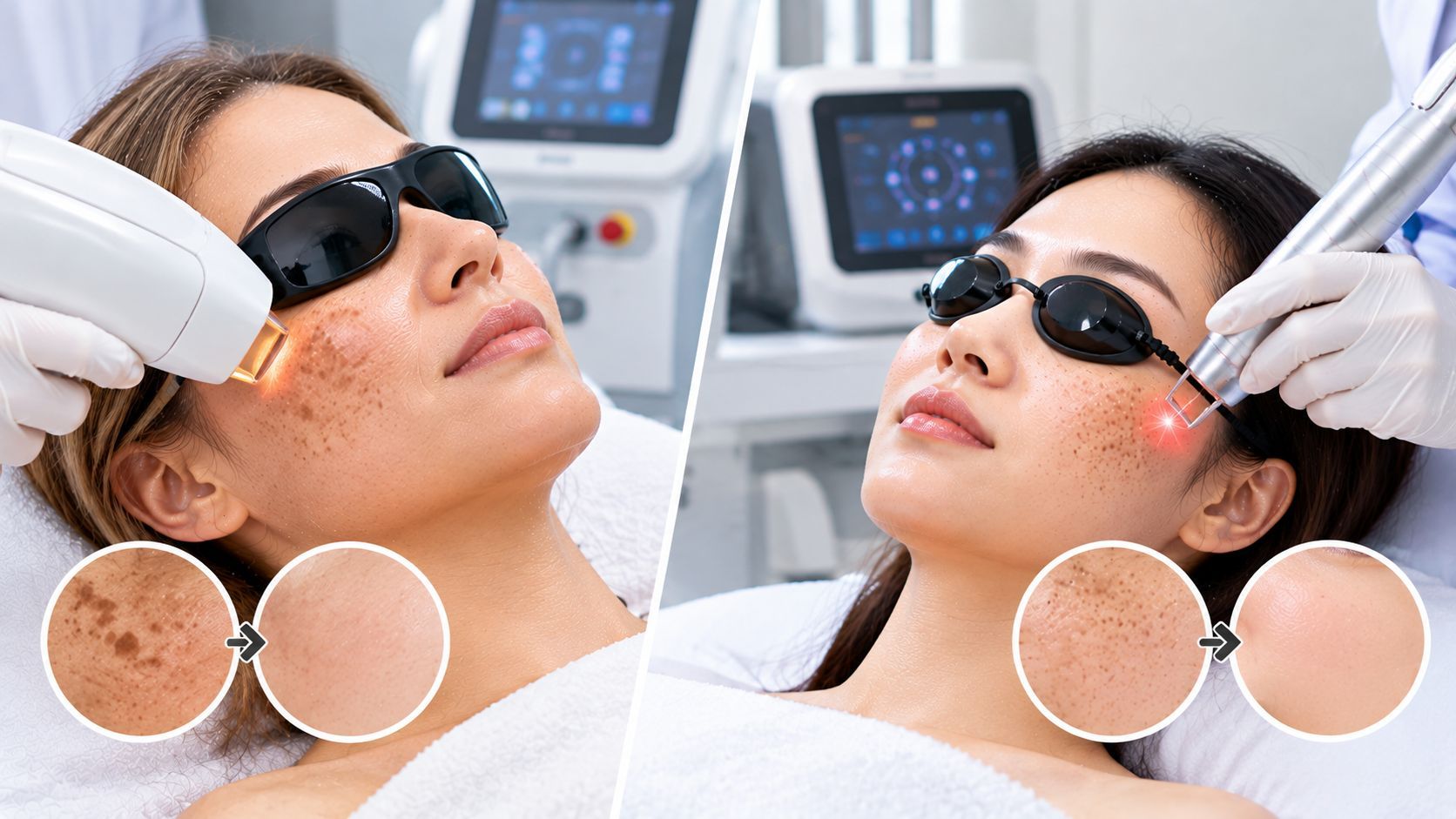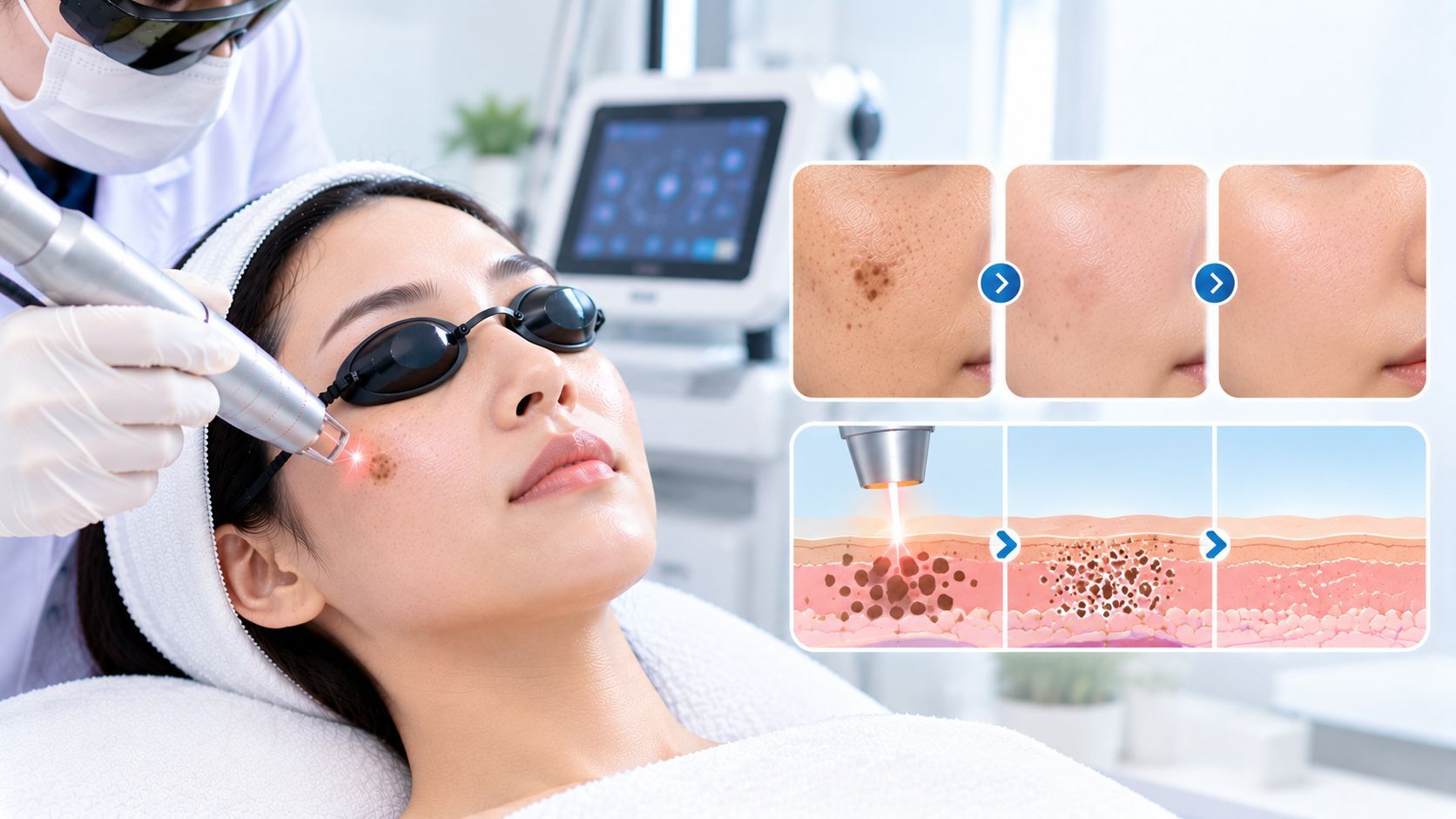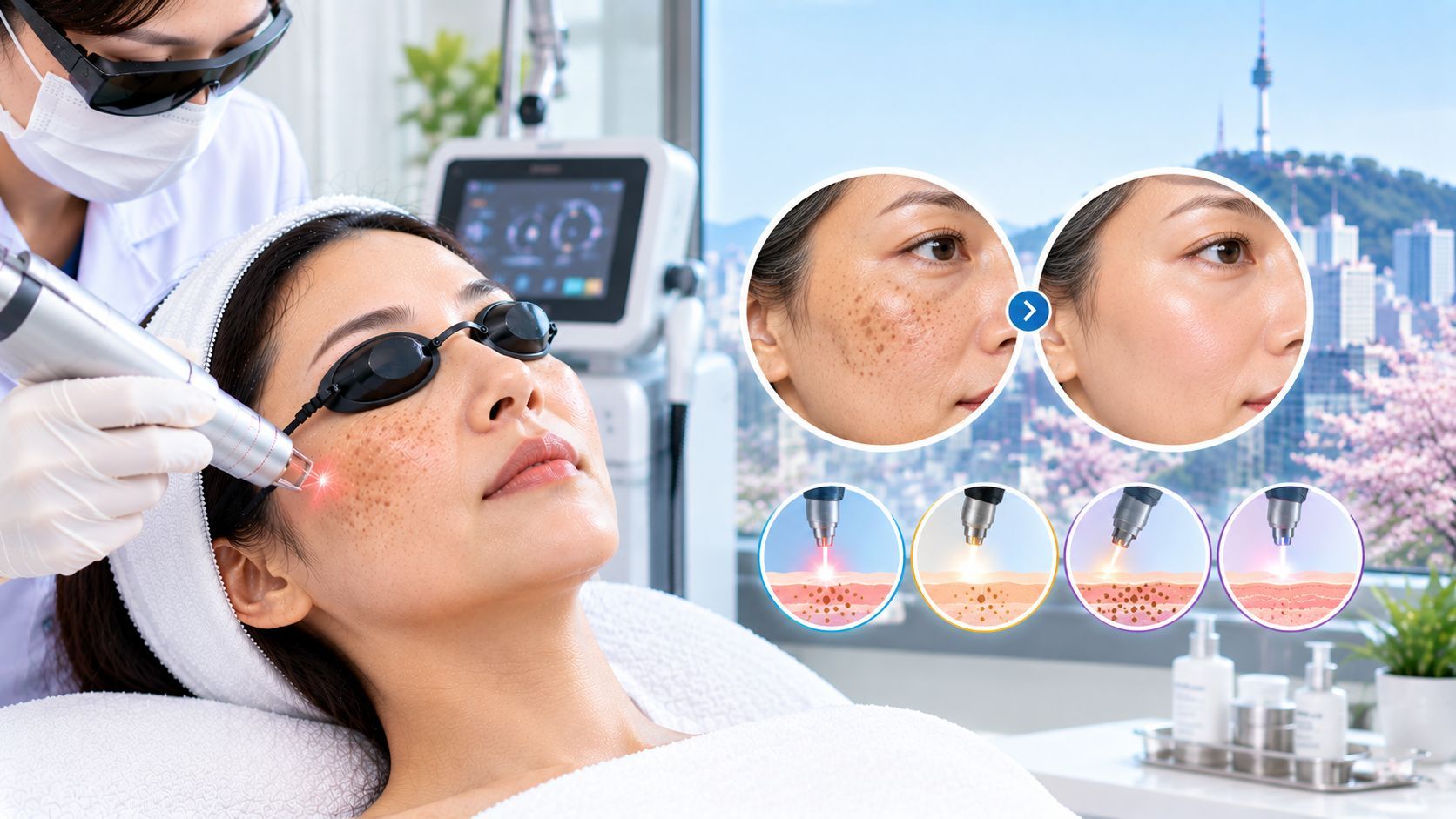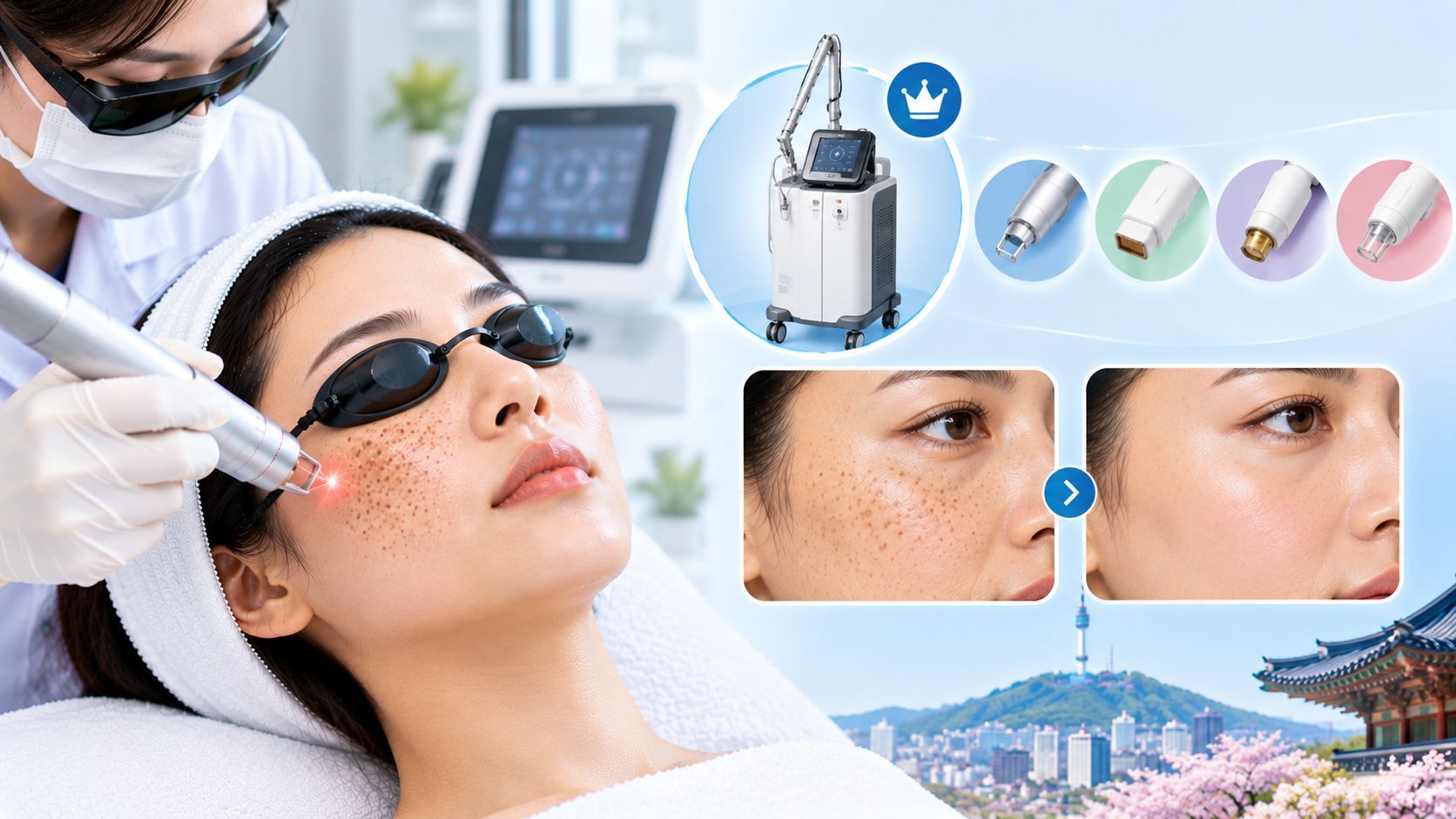
How Should Laser Treatment Be Adjusted for Someone Who Tans Very Easily?
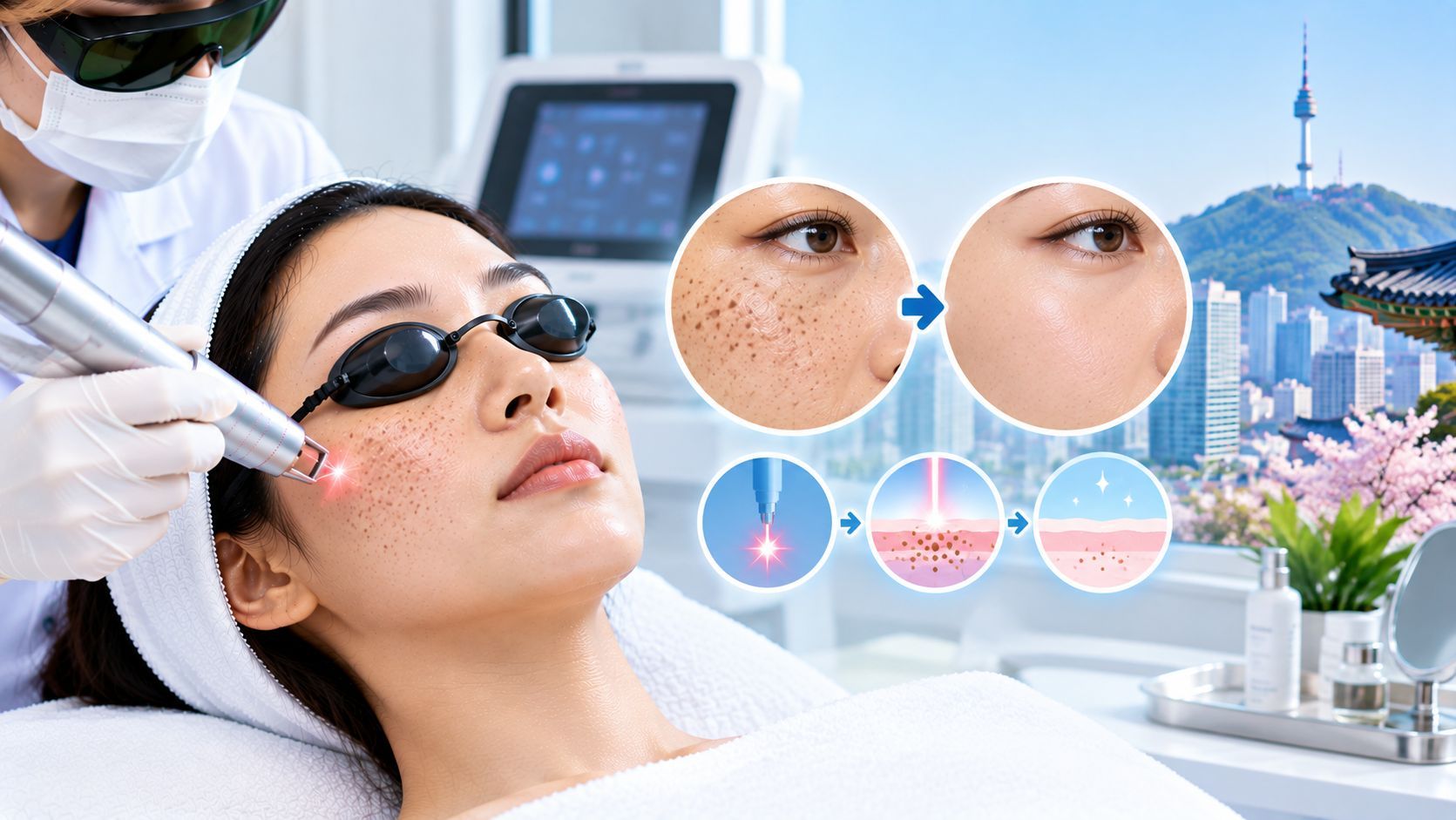
If you tan very easily, laser treatment for pigmentation may need to be more conservative and carefully planned than it would be for someone whose skin rarely tans. Recent tanning can increase the amount of melanin in the skin, which may affect how the skin responds to laser energy and can increase concern about post-inflammatory hyperpigmentation (PIH).
This does not automatically mean you cannot have laser treatment. Instead, the dermatologist may need to consider your current skin color, recent sun exposure, pigmentation diagnosis, treatment settings, and history of pigment changes after procedures.
For people traveling to Seoul for pigmentation treatment, this is particularly important because a treatment that may be appropriate under one set of circumstances may need to be postponed or modified if you arrive with recently tanned skin.
Why Does Tanning Matter Before Laser Treatment?
Laser and light-based treatments interact with targets in the skin, including melanin.
When you tan, your skin contains more melanin than it did before sun exposure. Depending on the treatment, this can make it more difficult to separate the intended pigment target from the surrounding skin.
The concern is not simply that a laser will “burn” tanned skin. The more relevant issue is that increased melanin and treatment-related inflammation can contribute to unwanted pigment changes in susceptible people.
Possible concerns include:
- Post-inflammatory hyperpigmentation
- Uneven pigmentation
- Prolonged darkening
- Irritation
- Increased sensitivity
- Unexpected treatment response
The degree of risk varies considerably between individuals and treatments.
Does Tanning Mean I Should Never Get a Pigmentation Laser?
No.
Having naturally darker skin is different from having recently tanned or sun-exposed skin.
A person may naturally have a deeper skin tone but have stable, unexposed skin that is suitable for a carefully selected treatment. Someone with lighter skin who has recently developed a significant tan may have a different treatment situation.
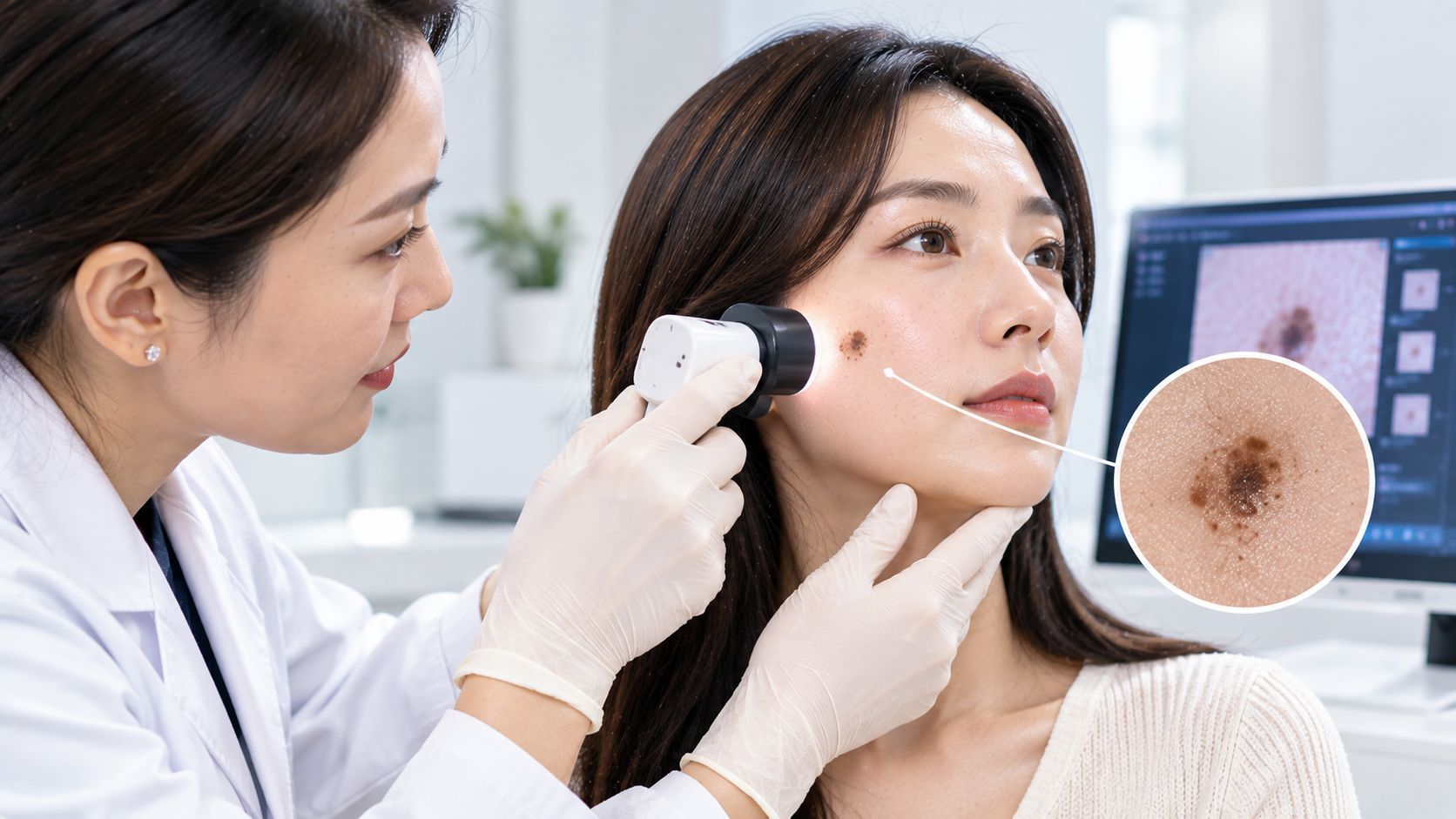
This is why a dermatologist should assess your skin as it currently appears rather than choosing settings based only on your usual skin tone.
Should I Tell the Clinic That I Recently Tanned?
Yes.
Tell the doctor if you have recently:
- Been at the beach
- Spent long periods outdoors
- Gone hiking
- Had a vacation in a sunny location
- Used tanning beds
- Developed visible tanning
- Experienced sunburn
- Spent significant time in direct sunlight
Even if your skin does not look severely burned, recent UV exposure can be relevant to treatment planning.
Do not assume that the clinic will automatically know how much sun exposure you have had.
How Might Laser Treatment Be Adjusted?
There is no single adjustment that applies to everyone who tans easily.
Depending on the treatment and clinical assessment, the dermatologist may consider factors such as:
- Whether treatment should be postponed
- Lower or more conservative energy settings
- Different treatment parameters
- Fewer passes
- A different treatment approach
- Treating only selected areas
- A test spot in appropriate situations
- Non-laser approaches
- More emphasis on controlling inflammation and sun exposure
The exact decision depends on the laser, wavelength, diagnosis, and your skin.
Importantly, lower energy does not automatically make every treatment appropriate, and changing settings should be done by a qualified professional.
What If I Have Freckles and Tan Easily?
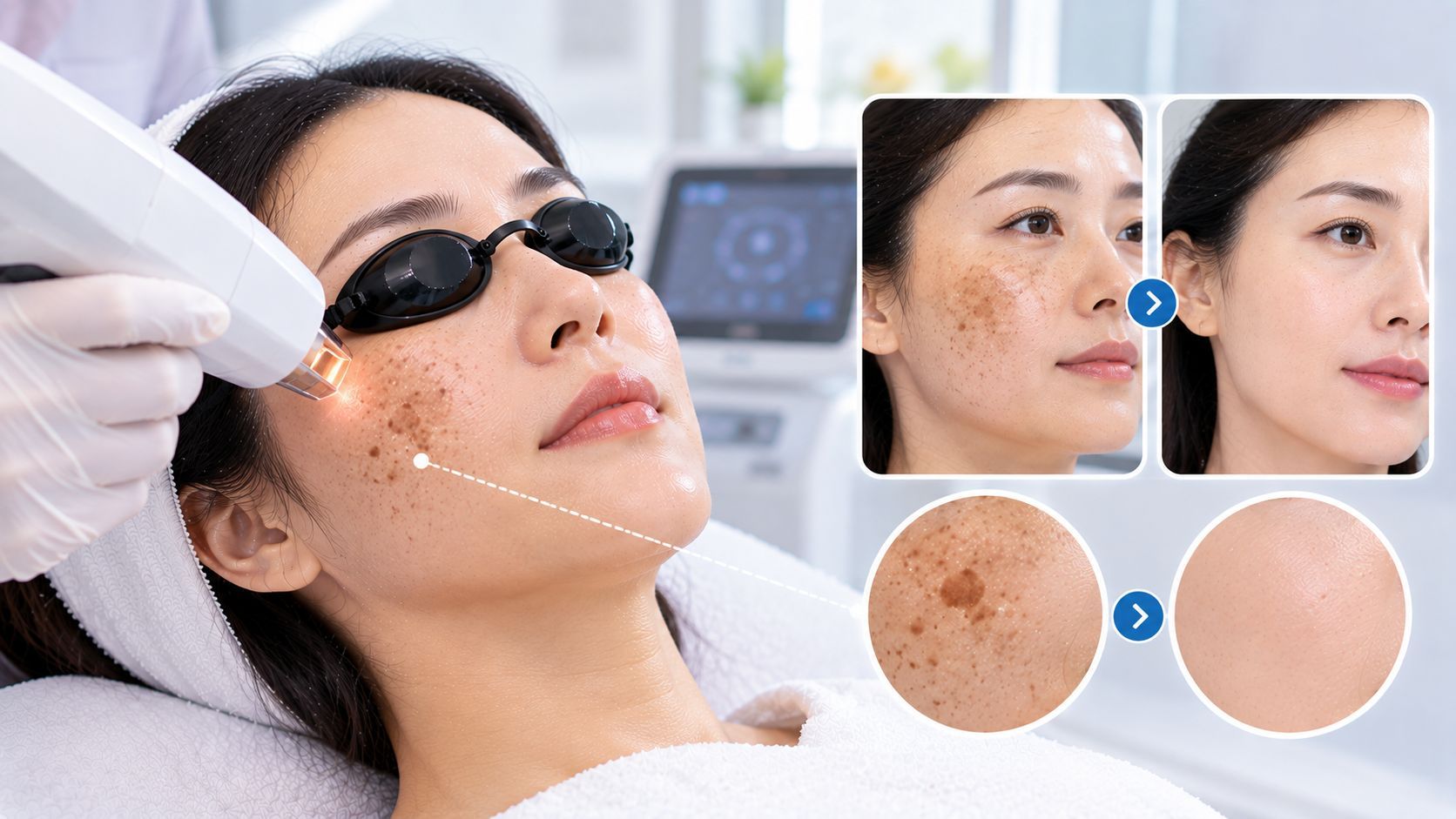
Freckles can become more noticeable after sun exposure because they are influenced by UV exposure.
If you are treating freckles with a pigment-targeting laser, the dermatologist may want to distinguish the freckles themselves from a temporary increase in pigmentation related to recent sun exposure.
If your skin is significantly tanned, treatment may be approached differently than it would be on your usual baseline skin.
More aggressive treatment is not necessarily the answer. The goal is to reduce unwanted pigment while limiting inflammation and the risk of new pigmentation.
What If I Have Melasma and Tan Easily?
This combination deserves particular caution.
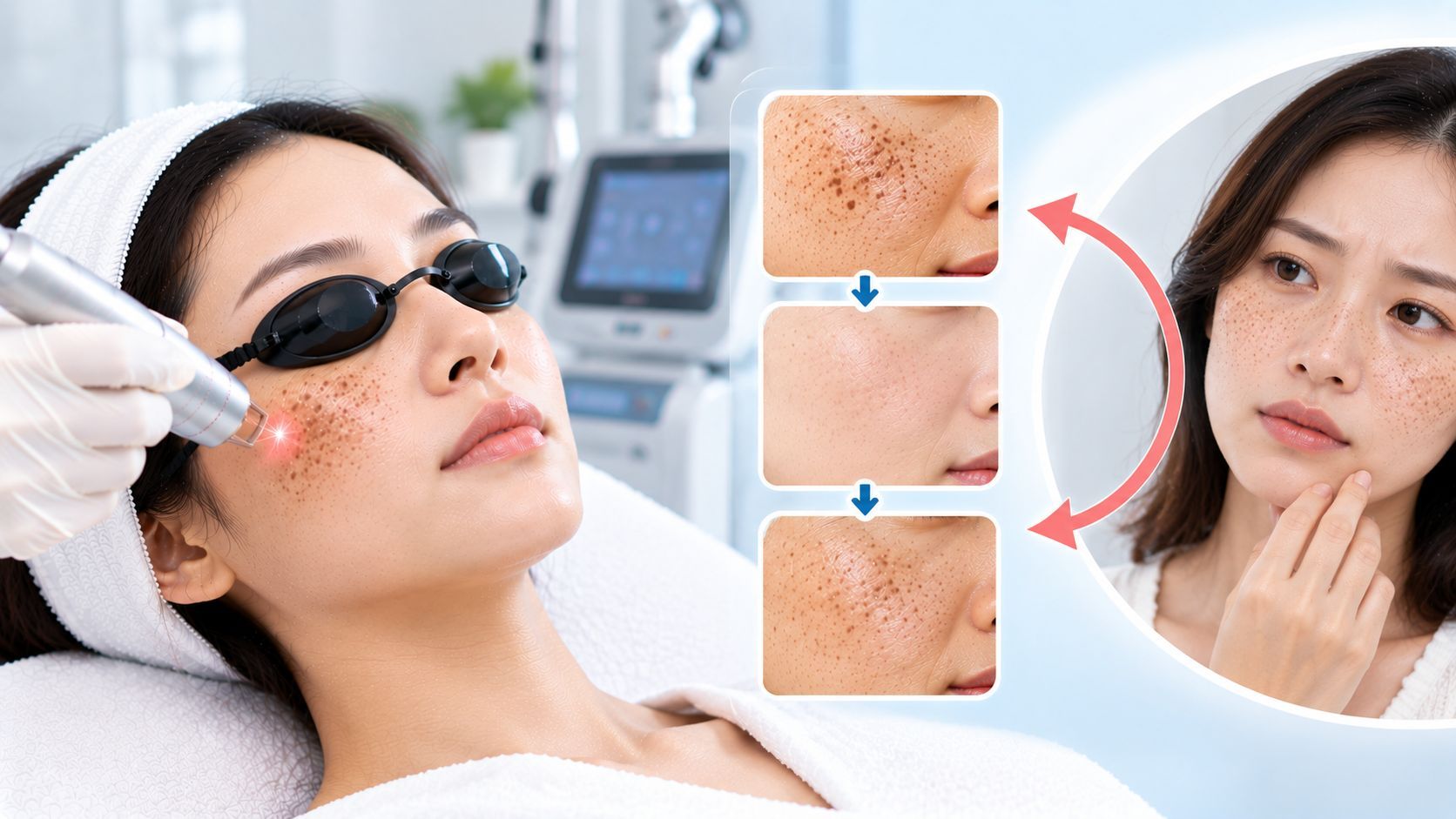
Melasma can be influenced by UV exposure, and many patients notice worsening or recurrence after periods of increased sun exposure.
If you tan easily and also have melasma, treating visible pigmentation without addressing ongoing triggers may produce disappointing or temporary results.
The dermatologist may need to consider:
- Whether the melasma is currently active
- Recent sun exposure
- Heat exposure
- Previous laser response
- PIH history
- Current skincare
- Your ability to maintain sun protection
For some patients, controlling triggers and stabilizing the pigmentation may be more important than immediately increasing laser intensity.
What If I Have Post-Acne Pigmentation?
Post-inflammatory hyperpigmentation can also be affected by recent tanning.
If you have active acne as well as pigmentation, the treatment plan may need to address both issues.
Repeatedly treating brown marks while new acne continues to cause inflammation can make it difficult to achieve consistent improvement.
A dermatologist may therefore consider the underlying acne activity, existing PIH, skin sensitivity, and recent sun exposure before selecting a laser protocol.
Can Pico Laser Be Used If I Tan Easily?
Pico laser may be considered for selected patients, but Pico is not a single standardized treatment.
Different Pico devices, wavelengths, handpieces, energy levels, and techniques can be used for different goals.
A conservative pigment-focused treatment and a more aggressive targeted treatment can have different risk profiles.
Therefore, saying “I tan easily, so I need Pico” or “Pico is always safe for tanned skin” oversimplifies the decision.
The actual treatment parameters matter.
What About Laser Toning?
Laser toning is a treatment approach generally associated with relatively conservative pigment treatment.
It may be considered in selected cases, including some patients with diffuse pigmentation or melasma. However, tanning does not eliminate the risk of unwanted pigmentation after treatment.
Repeated treatments should also not be performed automatically simply because the procedure has limited visible downtime.
If your skin is recently tanned or irritated, the dermatologist may recommend waiting or modifying the treatment plan.
Should I Get a Laser Immediately After a Beach Vacation?
Usually, this is something to discuss with the treating clinic before scheduling the procedure.
If you have recently spent substantial time in the sun, particularly if you have visible tanning or sunburn, the clinician may decide that immediate treatment is not appropriate.
The reason is not simply cosmetic. Recently sun-exposed skin may respond differently to certain laser or light treatments.
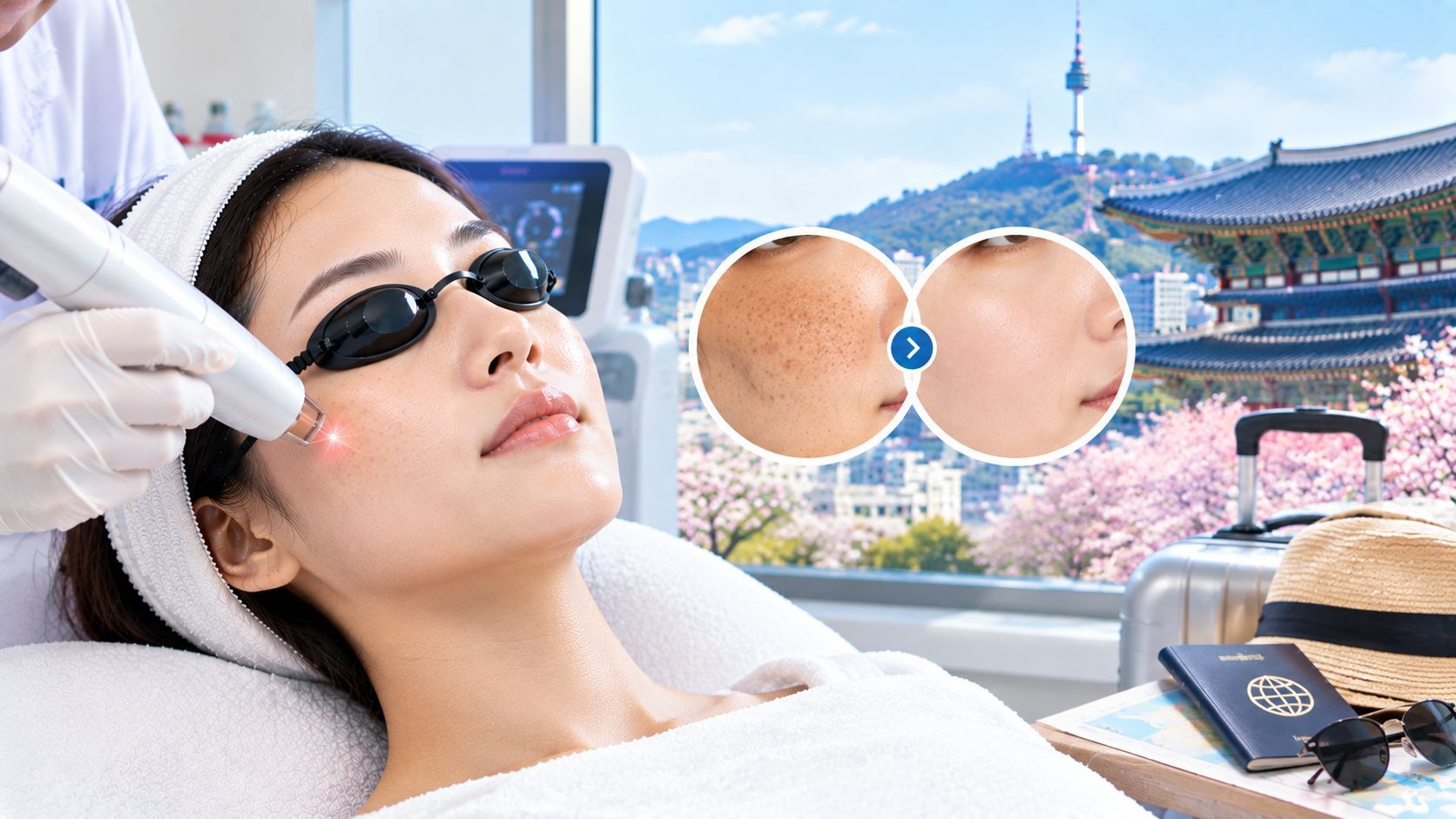
If you are traveling to Seoul specifically for pigmentation treatment, tell the clinic about recent sun exposure before your appointment rather than waiting until treatment day.
How Does This Affect a Seoul Medical Trip?
International patients sometimes plan their Seoul trip around a fixed laser appointment.
If you are traveling from a sunny country or spending time outdoors before arriving in Korea, your skin may look different from its normal baseline when you reach the clinic.
Build some flexibility into your schedule.
A useful consultation should determine whether:
- Your skin is currently suitable for treatment
- Your pigmentation diagnosis is clear
- The planned settings need modification
- Treatment should be postponed
- A different procedure would be more appropriate
- Additional recovery time is necessary
This can be more useful than arriving with a predetermined expectation of receiving a specific laser.
What Should I Do After Laser If I Tan Easily?
Aftercare becomes especially important if your skin is prone to tanning or pigmentation.
Follow your clinic's instructions regarding:
- Broad-spectrum sunscreen
- Reapplication
- Hats and physical sun protection
- Direct sunlight
- Heat exposure
- Exercise
- Sauna use
- Swimming
- Active skincare products
- Exfoliation
Try to minimize unnecessary sun exposure during the recovery period.
If your itinerary involves extensive outdoor sightseeing immediately after treatment, discuss this before the procedure.
What If My Skin Becomes Darker After Treatment?
Some pigmentation treatments can temporarily make treated areas appear darker. However, persistent or unexpected darkening can also represent PIH or another treatment-related response.
Do not automatically schedule another laser because you think the remaining pigment needs to be treated.
Contact the treating clinic if you experience significant or worsening darkening, prolonged redness, burning, swelling, or other unexpected changes.
If you are already back home after a Seoul treatment, a local dermatologist can also assess a persistent or concerning reaction.
Can I Prevent Tanning Before My Seoul Laser Treatment?
You cannot completely control your natural response to sunlight, but reducing unnecessary UV exposure before treatment can help avoid arriving with recently tanned or sun-irritated skin.
If you know you are planning pigmentation treatment, consider your travel schedule in advance.
For example, a trip that includes several days of intense outdoor activity immediately before a laser appointment may create a different treatment situation from a trip with limited sun exposure.
Tell the clinic about your recent activities rather than assuming that tanning is irrelevant.
Questions to Ask a Seoul Clinic If You Tan Easily
Before treatment, ask:
- Does my current tan affect whether I should have this treatment?
- What type of pigmentation do I actually have?
- What laser and wavelength are you planning to use?
- Will the settings be adjusted for my current skin condition?
- What is my PIH risk?
- Would you recommend postponing treatment?
- Would a test spot be appropriate?
- How much sun should I avoid before and after treatment?
- What should I do if the treated area becomes darker?
- When can I safely return for another treatment?
These questions can help you understand why a particular protocol is being recommended.
Conclusion
If you tan very easily, laser treatment does not automatically need to be avoided. However, recent tanning, natural skin tone, pigmentation diagnosis, treatment settings, and PIH history should all be considered before treatment.
Pico laser and laser toning may be appropriate for selected patients, but neither should be assumed to be universally safe for recently tanned skin. A conservative, individualized approach may be more appropriate than simply using stronger settings.
If you are traveling to Seoul for pigmentation treatment, tell the dermatologist about recent sun exposure and your tendency to tan. The goal should be controlled treatment with appropriate recovery and sun protection—not simply treating as aggressively as possible.
FAQs
Can I get laser treatment if I tan very easily?
Possibly. Natural tanning tendency does not automatically prevent laser treatment, but recent tanning, skin condition, pigmentation diagnosis, and PIH history should be considered.
Should I postpone laser after getting a tan?
Possibly. If your skin is recently or significantly tanned, sunburned, or irritated, the dermatologist may recommend postponing or modifying treatment.
Is Pico laser safer for people who tan easily?
Pico laser can be used in selected patients, but it is not automatically safer. Device type, wavelength, settings, treatment technique, and diagnosis all matter.
Can laser cause hyperpigmentation if I tan easily?
Yes. Treatment-related inflammation can contribute to PIH, particularly in people who are prone to pigment changes. Recent UV exposure may also be relevant.
Can I get laser for melasma if I tan easily?
Melasma can be treated in selected patients, but tanning and UV exposure can complicate management. A dermatologist should assess whether the melasma is active and whether laser treatment is appropriate at that time.
What should I do if my skin gets darker after laser?
Do not automatically repeat the treatment. Contact the treating clinic or a qualified dermatologist so the darkening can be assessed and distinguished from an expected response, PIH, or another reaction.