Which Korean Laser Gives the Biggest Visible Improvement From One Session?
Introduction
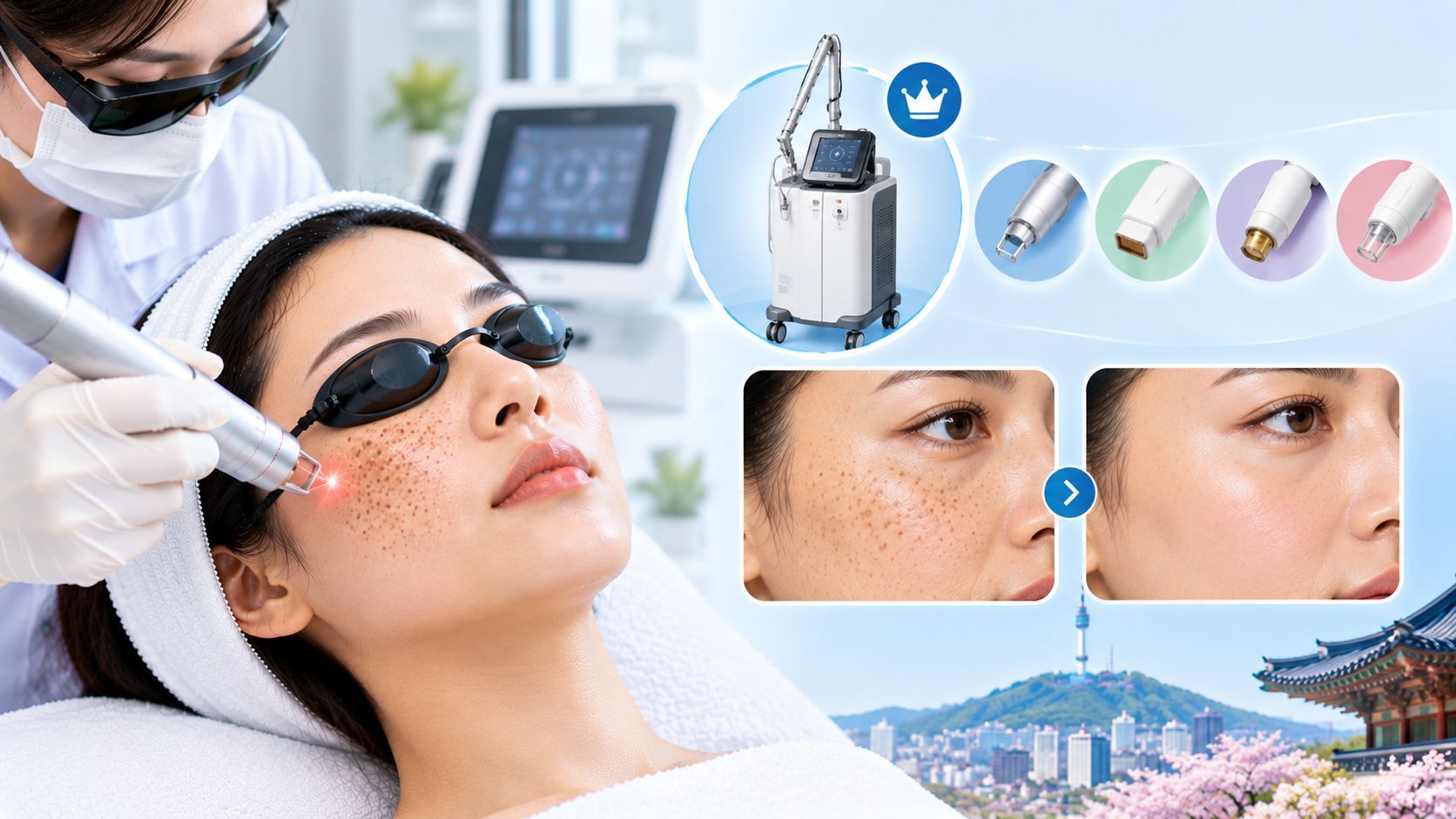
If you are visiting Seoul for only a few days, you may naturally want to know which Korean laser can produce the biggest visible improvement after a single session. This is especially common among international patients who want to improve their skin before returning home.
However, there is no single laser that produces the biggest visible improvement for everyone after one session. The result depends heavily on what you are treating. A pigmentation treatment may create a noticeable change in a localized brown spot, while a resurfacing treatment may produce a gradual improvement in texture. A treatment that looks dramatic on one type of skin concern may produce only subtle changes for another.
The most useful question is therefore: Which treatment can create a noticeable change in my specific concern after one session, without expecting one procedure to solve everything?
Can One Laser Session Produce a Noticeable Improvement?
Yes, some laser treatments can produce visible changes after one session, particularly when treating a clearly defined concern.
The visibility of the result can depend on:
- The condition being treated
- Severity of the concern
- Type of laser or energy technology
- Treatment settings
- Skin type
- Individual healing response
- Whether the change is immediate or develops gradually
- Whether temporary swelling or redness affects the initial appearance
A visible change after one treatment does not necessarily mean the final result has already developed.
Which Concerns May Show a Visible Change After One Session?
Certain Localized Pigmentation Problems
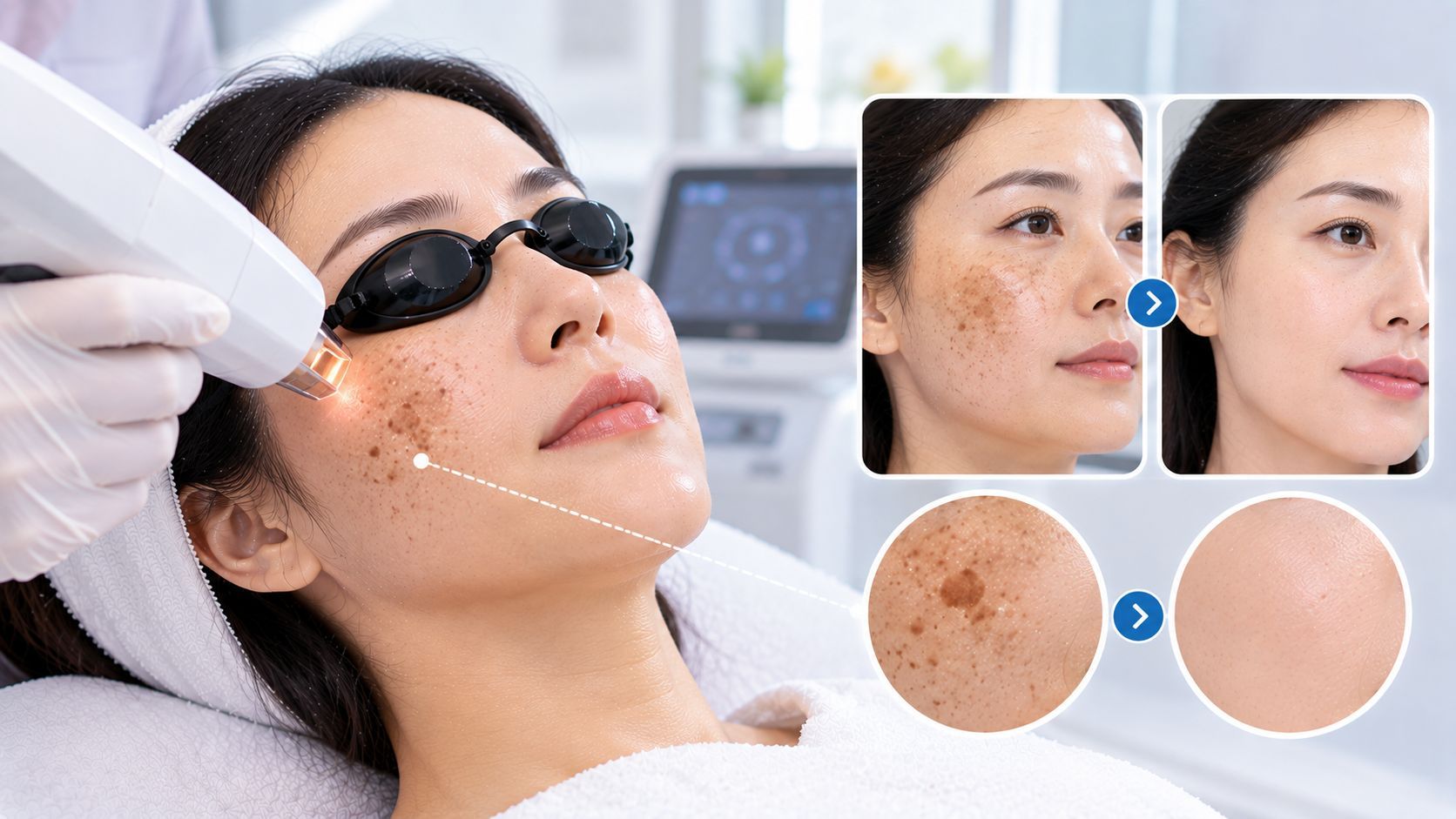
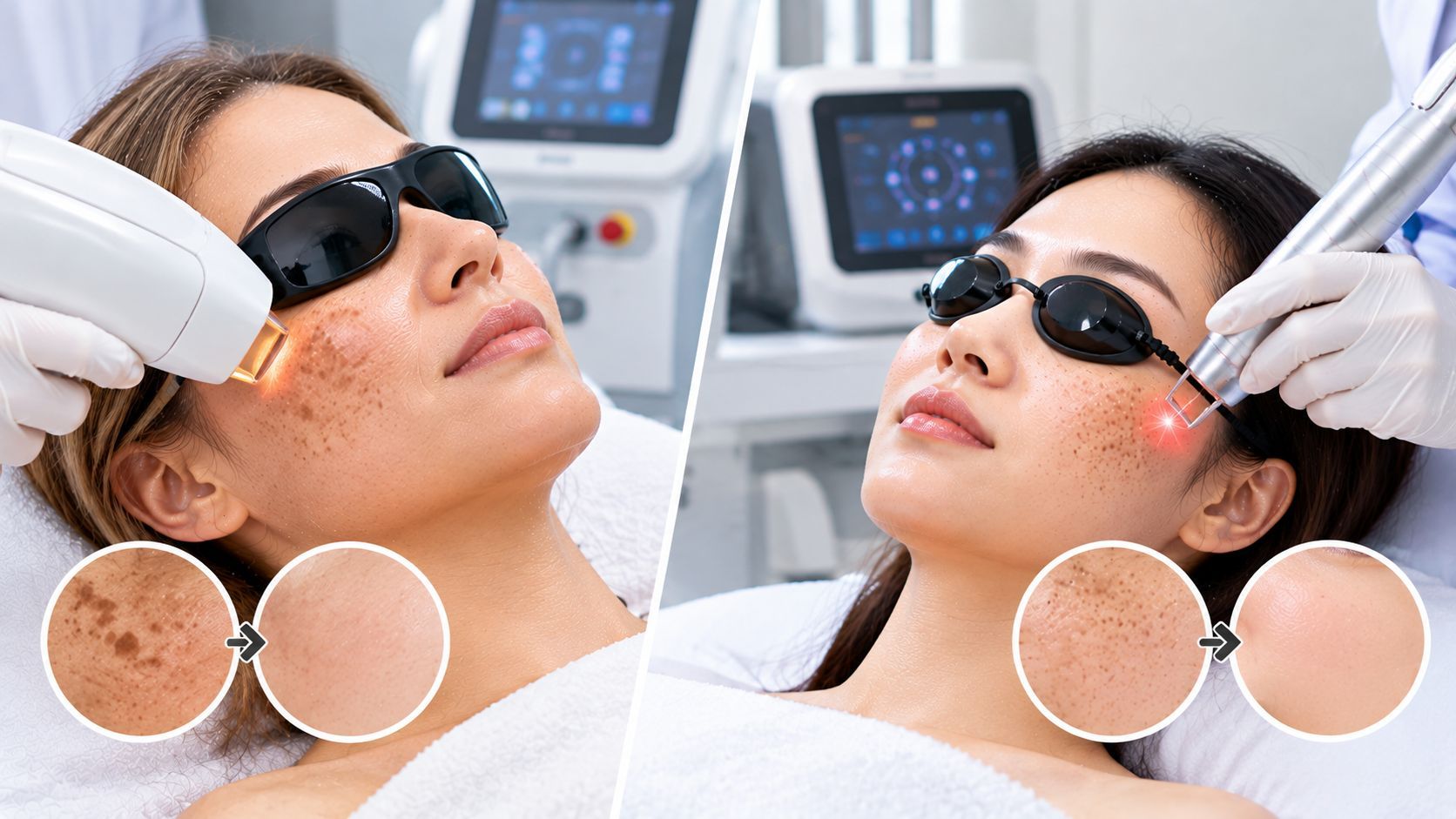
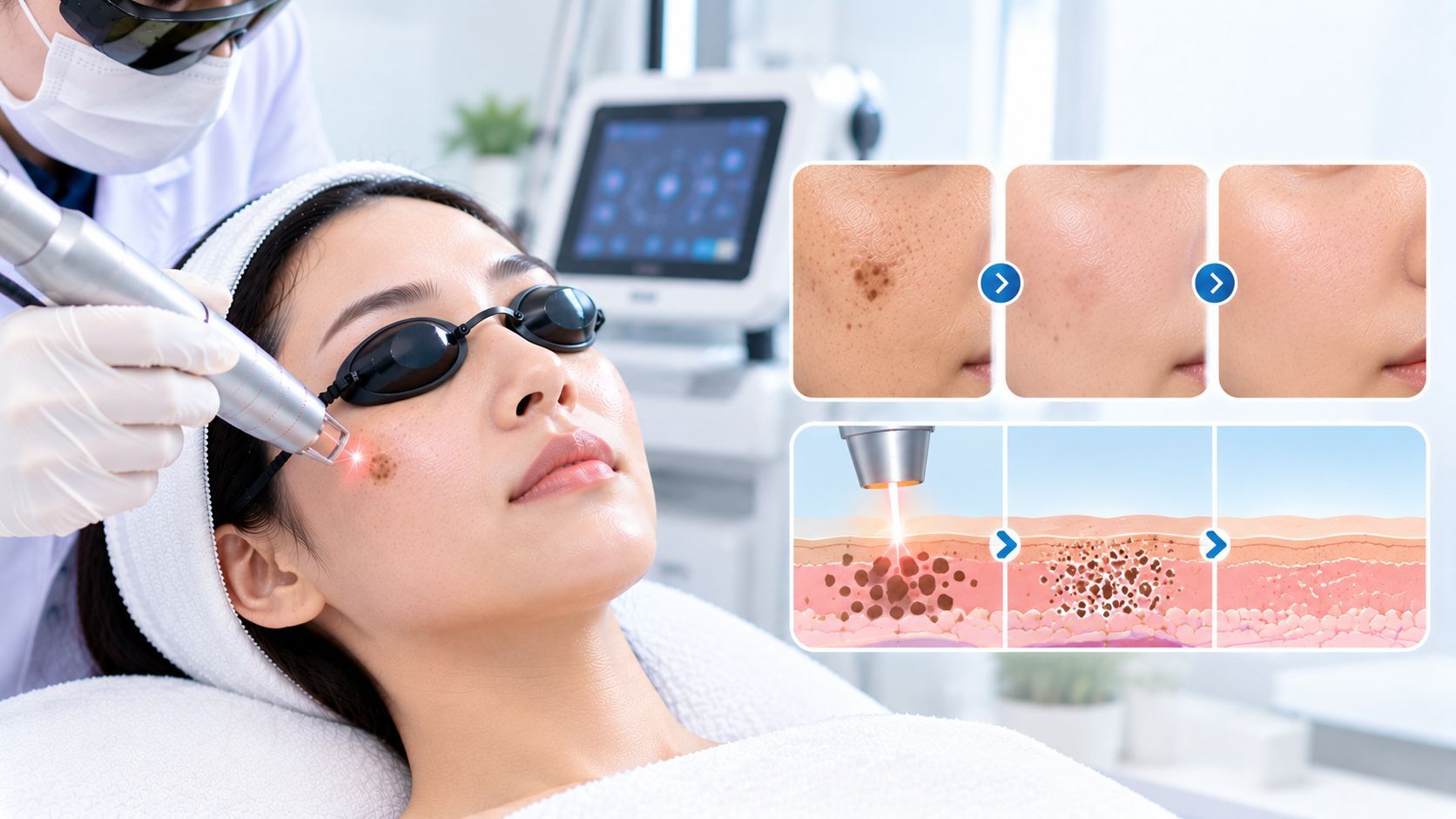
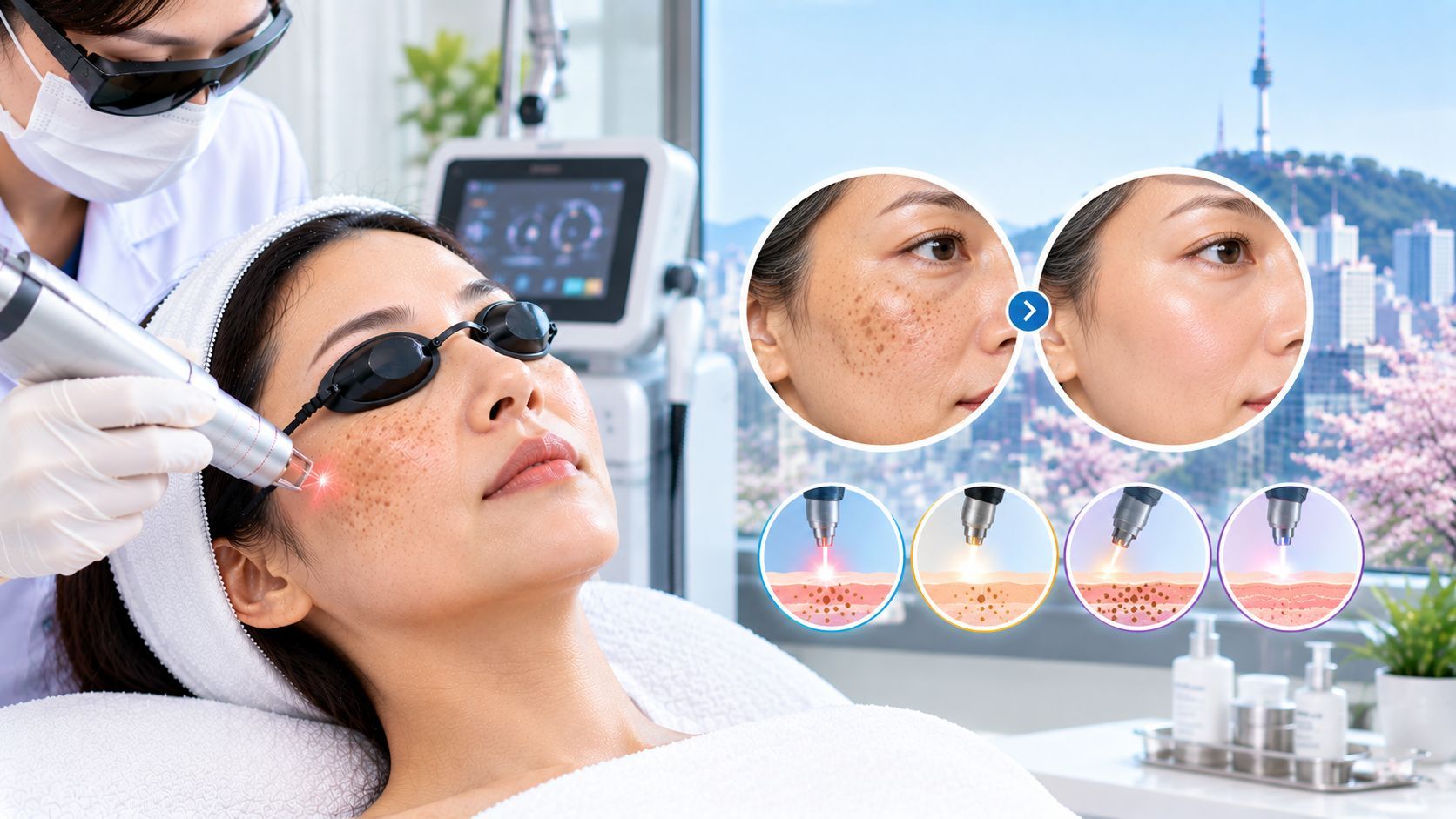
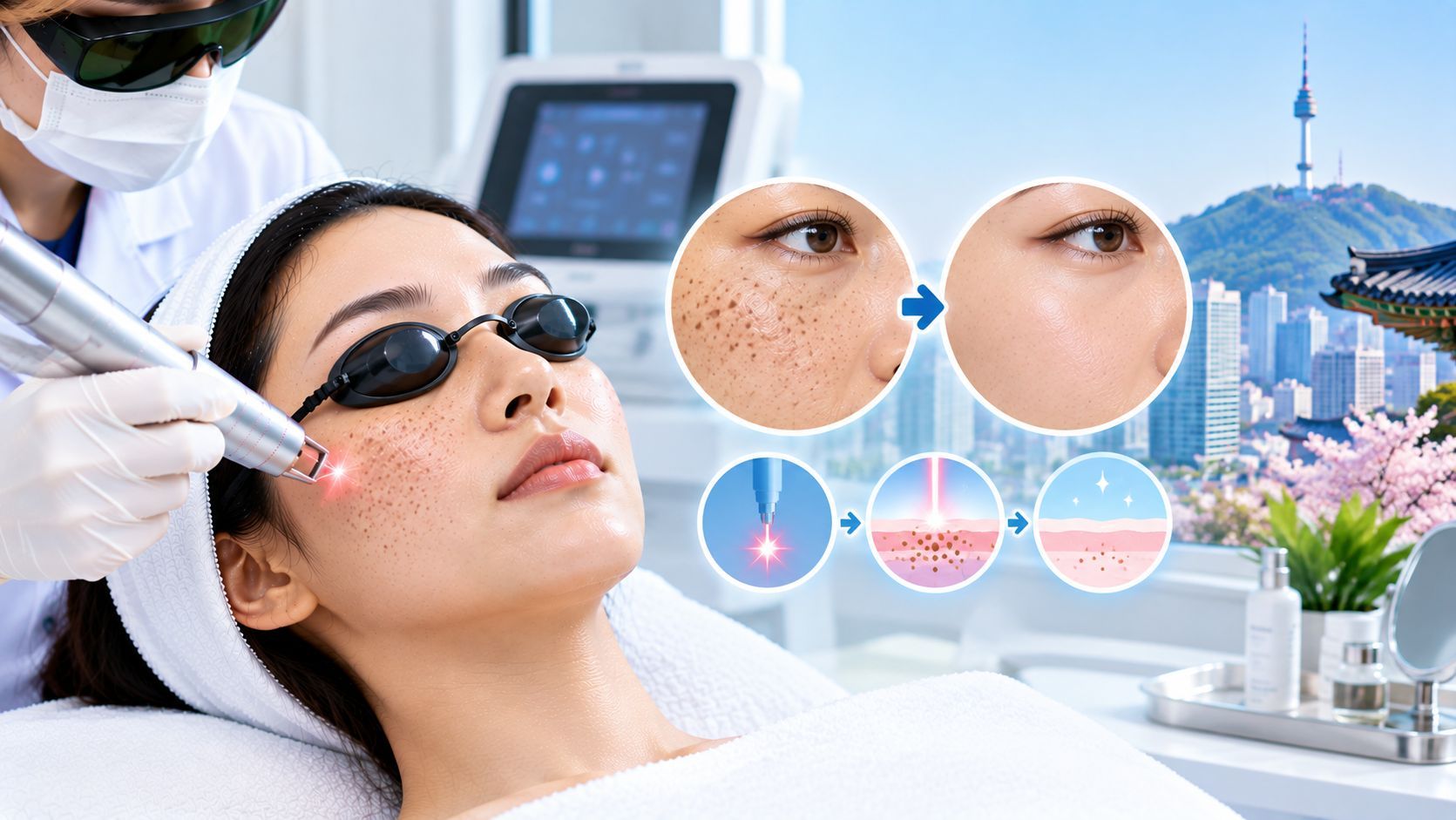
Some superficial or localized pigment concerns can appear different relatively soon after treatment.
Depending on the technology, treated pigment may temporarily darken, flake, fade, or become less noticeable as the skin recovers.
However, this does not mean every pigmentation condition responds this way.
Certain Texture Concerns
A resurfacing treatment may create an early improvement in skin smoothness, but collagen remodeling and other changes can continue for weeks or months.
This means the appearance shortly after treatment may not represent the final outcome.
Overall Skin Appearance
Some lower-intensity treatments are marketed for smoother or brighter-looking skin.
Patients may notice temporary changes in skin appearance, but “glow” is difficult to measure objectively, and the effect may be influenced by hydration, swelling, skincare, and lighting.
Selected Vascular Concerns
When a laser is specifically designed to target certain visible blood vessels, some changes may become noticeable after treatment.
The response depends on the type and size of the vessel, the technology used, treatment settings, and individual healing.
Why There Is No Universal One-Session Winner
Different lasers target different problems.
For example, a treatment designed primarily for pigmentation is not necessarily designed to remodel depressed acne scars. Likewise, a resurfacing laser intended to improve texture may not be the appropriate treatment for persistent facial redness.
This is why comparing lasers based solely on how dramatic their before-and-after photographs look can be misleading.
The relevant comparison is visible improvement relative to the specific problem being treated.
What About Acne Scars?
Acne scars are generally more difficult to improve dramatically in one session.
Some patients may notice smoother texture after treatment, but depressed scars involve changes in the skin's structure.
Different scar types may require different approaches, and some may need multiple treatment sessions or combination procedures.
Why One Session May Not Be Enough
Scar remodeling is not an instant process.
After a resurfacing treatment, the skin needs time to heal and remodel. Stronger treatment may produce more downtime without guaranteeing a proportionally larger improvement.
For this reason, an international patient should be cautious about choosing the most aggressive treatment simply because they want the largest possible one-session change.
What About Pigmentation?
Pigmentation can sometimes appear to respond more quickly than textural concerns, but this depends greatly on the type of pigmentation.
Freckles and Certain Sun-Related Spots
Some localized pigment problems can show visible changes after treatment.
Post-Inflammatory Hyperpigmentation
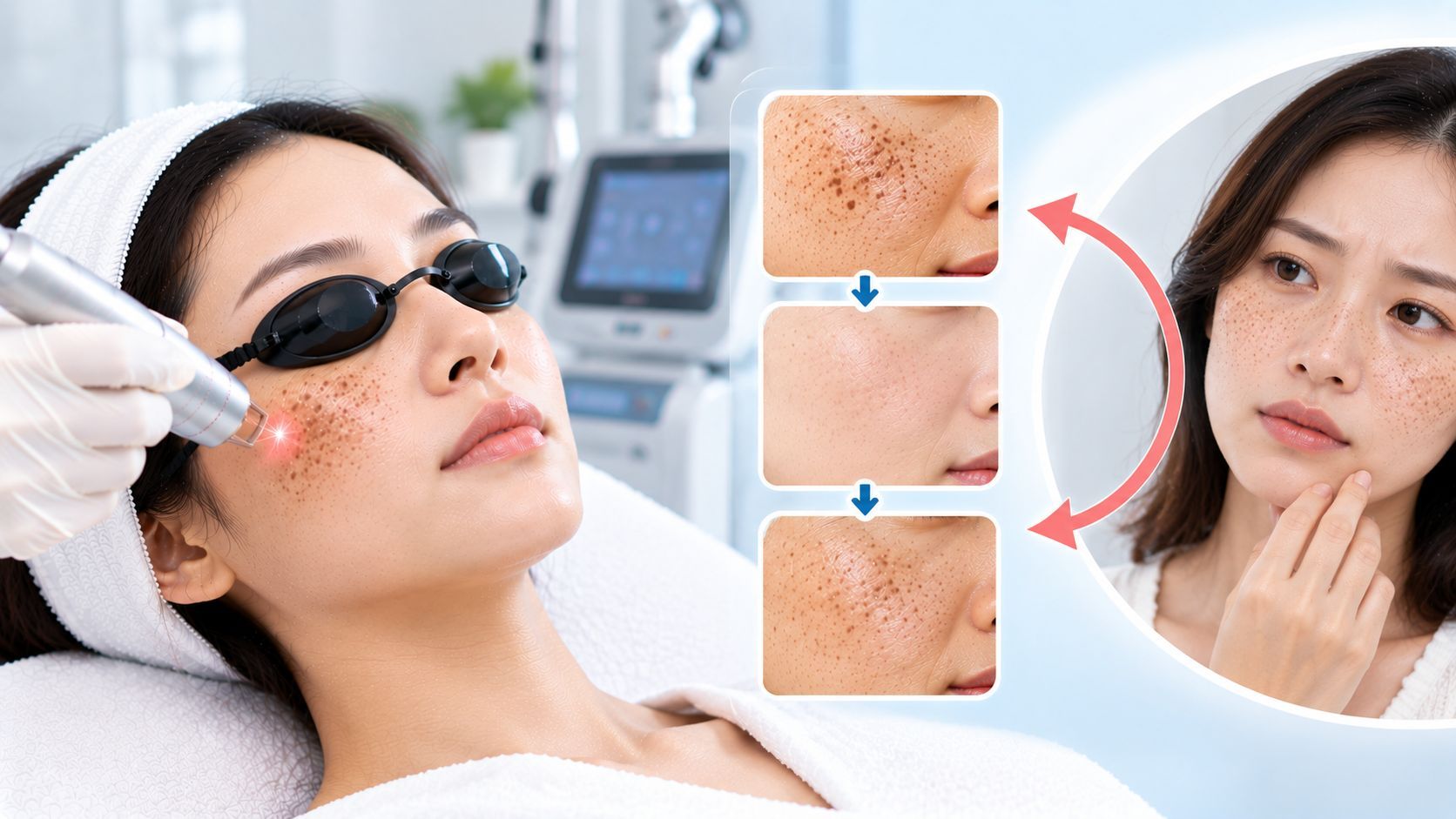
Dark marks following acne or inflammation may behave differently. Treating the pigment does not necessarily eliminate the underlying tendency to develop pigmentation.
Melasma
Melasma is particularly important to distinguish from isolated pigment spots.
It can be persistent and recurrent, and treatment needs to be carefully planned. A more aggressive laser does not automatically mean a better or longer-lasting outcome.
Can a More Aggressive Laser Give a Bigger Result?
Not necessarily.
Increasing treatment intensity can increase the amount of tissue affected, but it can also increase:
- Redness
- Swelling
- Peeling
- Sensitivity
- Pigmentation changes
- Recovery time
- Risk of complications
The objective should be an appropriate treatment level, not the maximum possible intensity.
For some patients, a more conservative treatment may be more appropriate.
What About “One-Day Skin” Treatments in Seoul?
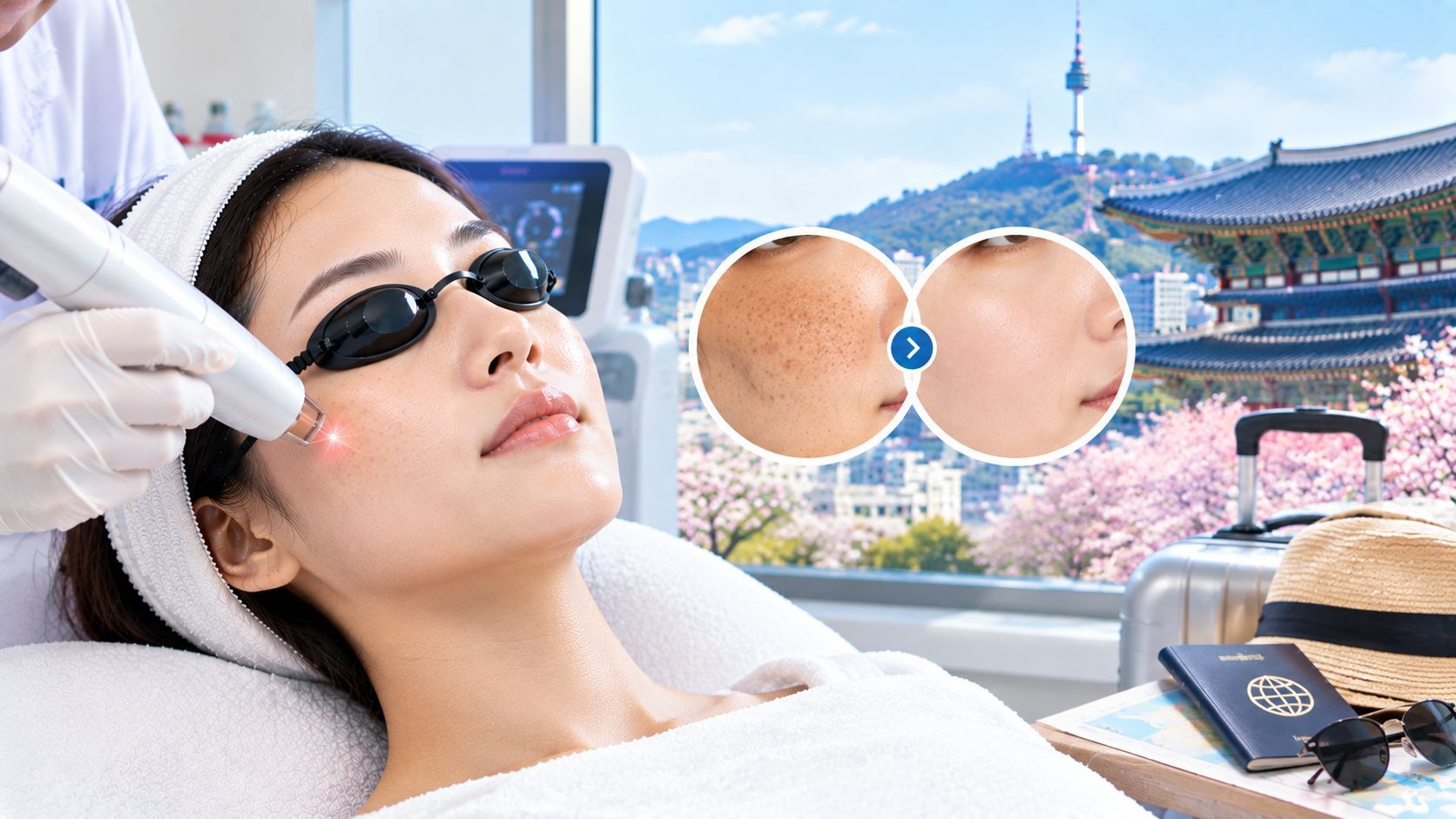
Seoul clinics may offer treatments designed around patients who want noticeable skin improvement during a short visit.
These may involve lasers, other energy-based devices, injectables, skincare procedures, or combinations.
However, the phrase “one-day” does not necessarily mean that all results are permanent or fully developed within one day.
Some immediate changes can result from temporary swelling, hydration, or other short-term effects, while genuine skin remodeling may take considerably longer.
Ask the clinic to distinguish between:
- Immediate appearance
- Early recovery changes
- Gradual treatment effects
- Final expected improvement
How Should International Patients Judge a One-Session Treatment?
If you are traveling to Korea specifically for a single treatment, consider four questions.
1. What Am I Actually Trying to Improve?
Be specific.
“Better skin” is difficult to treat. “A few sun-related brown spots” or “rough acne-scarred cheeks” provides a much clearer treatment target.
2. Is One Session Realistic?
Ask whether the provider expects meaningful improvement from one session or recommends a series.
3. When Will I See the Result?
Some effects can appear quickly, while others develop gradually.
4. What Happens If My Skin Reacts?
This is particularly important when you are traveling.
Know how to contact the clinic if you experience prolonged swelling, significant pain, blistering, unexpected pigmentation, or another concerning reaction.
What Should You Consider Before Flying Home?
A treatment may produce an impressive eventual result but still be inconvenient during a short Korea trip.
Depending on the procedure, you may experience:
- Redness
- Swelling
- Peeling
- Sensitivity
- Temporary pigmentation changes
If you are flying home shortly after treatment, ask how your skin is expected to look on the day of departure.
Do not assume that a treatment advertised as having minimal downtime will produce completely normal-looking skin immediately.
Should You Combine Treatments to Get a Bigger Result?
Combining procedures can sometimes address different concerns, but adding more treatments is not automatically a way to obtain a better one-session result.
Multiple procedures can increase:
- Irritation
- Recovery time
- Cost
- Complexity
- Risk of an unwanted reaction
A dermatologist may recommend treating one priority concern first rather than attempting to change everything at once.
What About Before a Wedding or Important Event?
Timing becomes especially important if you are seeking visible improvement before an event.
A treatment that produces temporary redness or swelling may initially make your skin look worse before it improves.
If you have an important event, ask:
- How long will redness last?
- Is peeling expected?
- When will the skin look presentable?
- When does the full result develop?
- Is there a possibility of prolonged pigmentation?
Avoid scheduling an unfamiliar aggressive treatment immediately before an important event simply because you want a rapid result.
How to Compare Korean Lasers for One-Session Results
Instead of asking which laser produces the “biggest” result, compare treatments using these criteria:
FactorWhy It MattersTreatment targetDetermines whether the laser addresses your actual concernExpected one-session improvementHelps establish realistic expectationsDowntimeImportant for short Korea tripsSkin-type suitabilityInfluences potential risks and treatment settingsNumber of recommended sessionsIndicates whether one session is considered sufficientSide effectsHelps you understand the trade-offsTime to final resultPrevents judging the treatment too early
This gives you a more useful framework than comparing brand names alone.
Questions to Ask a Seoul Dermatologist
Before choosing a treatment, ask:
- What specific problem are we treating?
- What improvement could realistically be visible after one session?
- How long will the final result take to develop?
- Would you normally recommend multiple sessions?
- What downtime should I expect?
- What are the risks for my skin type?
- Could the treatment cause temporary pigmentation?
- Will my skin look noticeably different immediately afterward?
- Can I safely fly home after treatment?
- What should I do if I develop an unexpected reaction?
The Bottom Line
There is no single Korean laser that guarantees the biggest visible improvement from one session.
Some localized pigmentation concerns may show noticeable changes relatively quickly, while texture, acne scars, fine lines, and broader skin-quality concerns often require more time and sometimes multiple sessions. The apparent result immediately after treatment may also differ from the eventual result.
If you are visiting Seoul for a short trip, choose the treatment based on your specific concern, realistic one-session expectations, skin type, downtime, and travel schedule rather than selecting the most aggressive or most heavily marketed laser.
FAQs About One-Session Laser Results in Korea
Which Korean laser gives the biggest result after one session?
There is no universal answer. The amount of visible improvement depends on the specific skin problem, treatment technology, settings, skin characteristics, and individual response.
Can I see results immediately after a laser treatment?
Sometimes, but immediate changes do not necessarily represent the final result. Redness, swelling, hydration, or temporary skin changes can affect the appearance immediately after treatment, while other improvements develop gradually.
Which laser works fastest for pigmentation?
The appropriate treatment depends on the type of pigmentation. Some localized pigment concerns can respond relatively quickly, while melasma and other recurring pigmentation problems may require a more carefully managed approach.
Can one laser session remove acne scars?
A single session may improve the appearance of some acne scars, but complete removal should not be expected. Scar type, depth, treatment intensity, and individual healing all affect the outcome.
Is a stronger laser better if I only have one day in Seoul?
Not necessarily. Stronger treatment can involve more downtime and a greater risk of adverse effects. Treatment intensity should be selected according to your skin and treatment goal.
How long should I wait before judging my laser results?
It depends on the treatment. Some effects may be visible early, while other changes develop over several weeks or longer. Ask the treating provider when the specific procedure should be evaluated.
Conclusion
A short trip to Seoul can make one-session laser treatment particularly appealing, but visible results should be interpreted carefully. The most noticeable treatment for one person may not be appropriate for another because different lasers address different problems.
Rather than asking which Korean laser produces the biggest change overall, ask which treatment has a realistic chance of producing a meaningful improvement in your particular skin concern while keeping recovery and potential risks appropriate.