
LASER · LESION REMOVAL
CO2 Laser for Benign Skin Lesions in Cheongdam & Apgujeong, Seoul
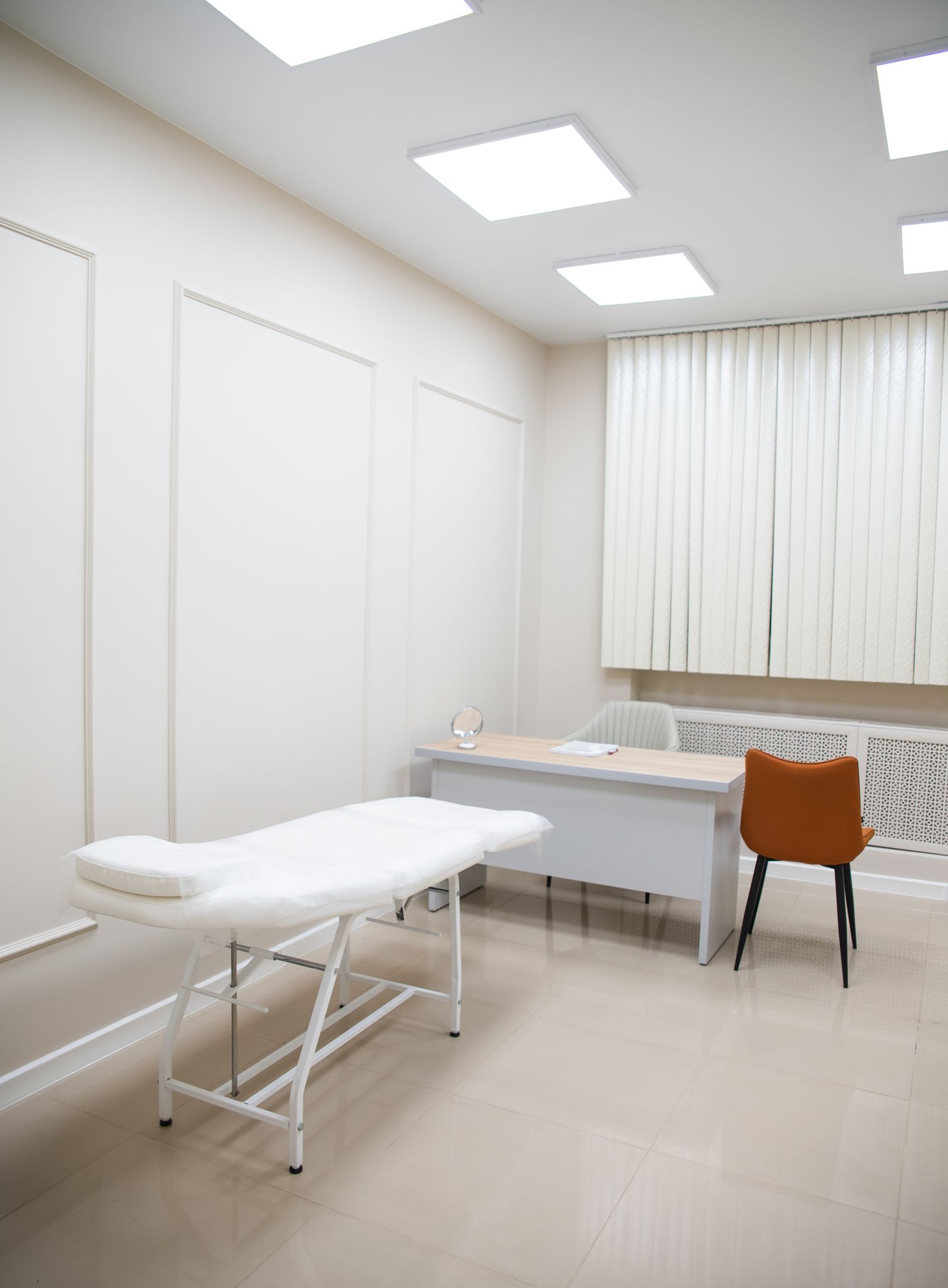
✦ DESIGNED 1:1 BY DR. BYUN JEIK
Seoul National University College of Medicine · Surgery specialist & fellow, SNU Hospital · Merz Golden Record Award 2024 · One of Korea's 22 filler experts (Medical Times)
Key facts
| What it is | An ablative carbon-dioxide laser that removes tissue layer by layer with precision |
|---|---|
| Best for | Benign skin lesions after physician assessment |
| How Doje uses it | Single treatment for benign lesions; any lesion that looks atypical is not simply lasered |
| Typical session | Often brief, depending on the number and size of lesions |
| Downtime | Small scabs or pink marks for about one to two weeks (varies) |
| Where | Doje Clinic, 2F Dolce Vita Building, Apgujeong Rodeo Station Exit 5 |
What is a CO2 laser?
The carbon-dioxide (CO2) laser emits infrared light at a wavelength strongly absorbed by water, which makes up most of the skin. When the beam meets tissue, it vaporises a very thin layer while sealing small blood vessels. In skilled hands this gives fine control: a raised spot can be removed in stages, checking depth as the physician goes, rather than cutting it out.
In everyday aesthetic medicine, the CO2 laser (CO2 레이저) is widely used to remove small benign lesions — for example certain raised spots, small growths and textured bumps. Each type sits at a different depth and needs a slightly different approach, so experience and careful assessment matter as much as the device.
How Doje Clinic approaches lesion removal
Doje Clinic lists CO2 laser among its single treatments for benign skin lesions, and the important words are after assessment. Before any treatment, Dr. Byun Jeik examines each lesion. Spots that are typical of a benign condition can be treated; anything that changes quickly, bleeds, has irregular colour or borders, or otherwise looks atypical should not simply be lasered away, because laser destroys tissue that might otherwise be examined. In that case, further evaluation is advised first.
The goal is clean removal with the least possible mark. That means going only as deep as the lesion requires, treating sensibly in one or more sessions, and giving you practical wound-care instructions so the area heals smoothly. For flat, diffuse pigmentation, laser toning such as Helios dual toning is usually more appropriate than CO2.
✦ PRIVATE 1:1 CONSULTATION
Find out what your face actually needs
✔ Your plan is designed by Dr. Byun Jeik himself, trained at Seoul National University
✔ Only what your face needs, never a device package
✔ Written plan and quote at consultation
✔ 6 min from Apgujeong Rodeo Station, Exit 5
Mon, Tue, Thu, Fri 10:00–19:00 · Sat 10:00–17:00
Closed Wed, Sun & holidays ·
+82 2-6380-2110
Two faces, same treatment, different results.
The difference is the design. Tell us your goals and dates; in your 1:1 consultation Dr. Byun Jeik shows you what your face needs, and what it doesn't.
Who it suits — and who it doesn't
- Suits: small benign raised spots and growths confirmed on assessment.
- Suits: people who can follow wound care and sun protection for a couple of weeks.
- Not suitable: lesions with suspicious features — these need evaluation first.
- Not the right tool: flat, diffuse pigmentation or melasma.
- Discuss first: keloid or hypertrophic scar tendency, recent isotretinoin, active infection, pregnancy.
What to expect step by step
- Assessment: Dr. Byun examines each lesion and explains whether laser removal is appropriate.
- Plan: which lesions, how many sessions and expected healing time are agreed.
- Numbing: topical numbing or a small local anaesthetic injection, depending on the lesion.
- Treatment: precise, staged removal with the CO2 laser.
- Dressing and aftercare: protective care and written wound-care instructions.
Recovery and wound care
Treated spots usually form a small scab or shallow, moist wound that heals over roughly one to two weeks, depending on size and depth. Keep the area clean, follow the ointment or dressing advice given, and do not pick scabs. Once healed, the skin may look pink for a while; strict sun protection helps reduce the risk of post-inflammatory darkening, which is more common in darker and Asian skin types. See laser aftercare.
Planning around travel and events
Because there is visible healing, avoid scheduling CO2 laser right before an important event. If you are visiting Seoul, plan the session early in your stay so you can ask questions during the first days of healing, and pack sunscreen and any recommended dressings for your flight home.
Cost
Cost depends on the number, size and type of lesions, so it is quoted after assessment in a 1:1 consultation. Korean aesthetic fees are non-covered (비급여) and set per plan — ask for a written quote.
WHY PATIENTS CHOOSE DOJE
Seoul National University
College of Medicine graduate; surgery specialist and fellow at SNU Hospital.
Award-winning injector
Merz Golden Record Award 2024 (Ultherapy) and 2023 (Belotero); one of Korea's 22 filler experts.
17 years of thread lifting
Accumulated experience behind the Doje signature lift, designed to each face.
Calm, private, personalised
A private clinic in Apgujeong Rodeo. One doctor, one patient, one plan.
Frequently asked questions
What can CO2 laser remove?
It is used for benign skin lesions such as certain small raised spots and growths, after a physician has assessed them.
Will CO2 laser leave a scar?
The aim is minimal marking, but any ablative treatment carries some risk. Correct depth, wound care and sun protection help healing.
How long does healing take?
Typically around one to two weeks for small lesions, followed by a period of pinkness that fades gradually.
Why must lesions be assessed first?
Laser destroys tissue, so any lesion with suspicious features should be evaluated before treatment rather than simply removed.
Is CO2 laser used for pigmentation at Doje?
Flat, diffuse pigmentation is usually treated with laser toning. CO2 is reserved for suitable benign lesions.
Related at Doje Clinic
- Benign skin lesions
- Helios toning vs CO2 laser
- Potenza vs CO2 laser
- Laser aftercare
- Downtime guide
- Flying after treatment
Visit Doje Clinic in Apgujeong & Cheongdam
Address
2F Dolce Vita Building, 18-6 Dosan-daero 45-gil, Sinsa-dong, Gangnam-gu, Seoul
서울 강남구 도산대로45길 18-6 돌체비타빌딩 2층
Subway
Apgujeong Rodeo Station (Suin-Bundang Line), Exit 5
About a 6-minute walk
Hours
Mon, Tue, Thu, Fri 10:00–19:00
Lunch 13:00–14:00
Sat 10:00–17:00
Closed Wed, Sun & public holidays
Phone
Medical information on this page is general education, not a diagnosis. Suitability, risks and the final plan are confirmed in a 1:1 consultation with Dr. Byun Jeik. Last updated 17 October 2026.
Plan your visit with Dr. Byun Jeik
Private 1:1 consultation in Apgujeong & Cheongdam, Seoul · 6 min from Apgujeong Rodeo Station Exit 5 · Mon, Tue, Thu, Fri 10:00–19:00 · Sat 10:00–17:00