
CONCERN · SKIN LESIONS
Benign Skin Lesion Removal in Cheongdam & Apgujeong, Seoul
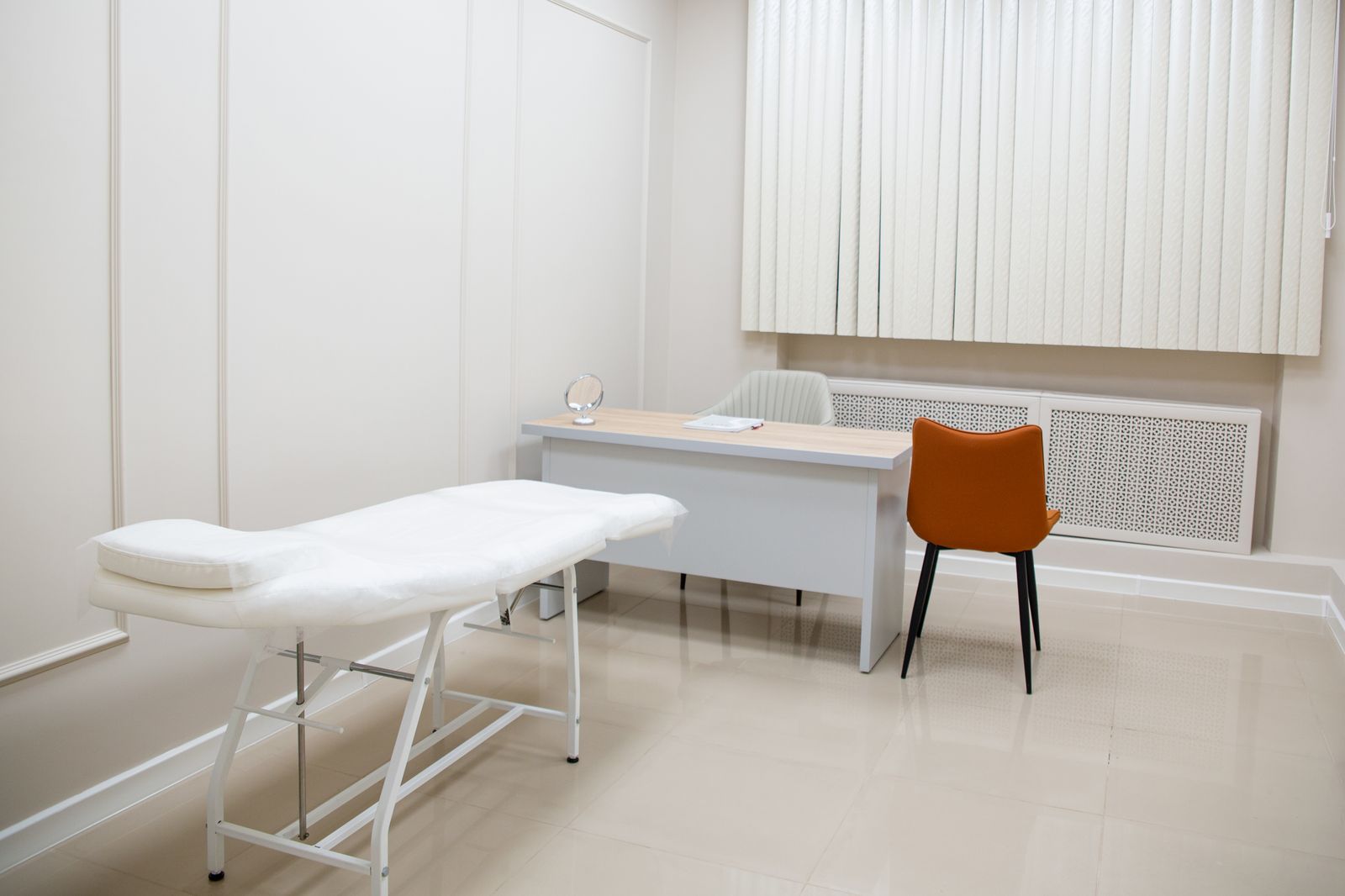
✦ DESIGNED 1:1 BY DR. BYUN JEIK
Seoul National University College of Medicine · Surgery specialist & fellow, SNU Hospital · Merz Golden Record Award 2024 · One of Korea's 22 filler experts (Medical Times)
Key facts
| What it is | Non-cancerous growths on the skin that are removed mainly for comfort or appearance |
|---|---|
| Common examples | Seborrhoeic keratoses, skin tags, milia, syringomas, sebaceous hyperplasia |
| Doje treatment | CO2 laser for benign skin lesions after assessment |
| Typical healing | Small scabs or pink marks that usually settle over about one to two weeks; varies by lesion and depth |
| Not treated cosmetically | Any lesion that is changing, irregular or uncertain — referred to a dermatologist |
| Where | Doje Clinic, near Apgujeong Rodeo Station Exit 5, Seoul |
Common benign lesions and why they appear
Most adults develop a few small, harmless growths over time. They are benign, meaning they do not spread or become cancerous in the usual course, but they can catch on clothing, affect makeup application or simply bother people cosmetically.
- Seborrhoeic keratoses. Slightly raised, waxy or rough brown spots that look stuck on. They become more common with age and sun exposure and often start as flat brown spots.
- Skin tags (acrochordons). Soft, small flaps of skin, often on the neck, eyelids and underarms, where friction occurs. Weight gain and genetics contribute.
- Milia. Tiny white, firm cysts of trapped keratin, common around the eyes and cheeks.
- Syringomas. Small, skin-coloured bumps from sweat-duct structures, typically on the lower eyelids. They are especially common in East Asian skin and can recur.
- Sebaceous hyperplasia. Small yellowish bumps with a central dip, from enlarged oil glands, usually on the forehead and cheeks.
- Dermatosis papulosa nigra. Small dark raised spots on the cheeks, more common in darker skin tones.
Several of these can resemble other lesions, including some skin cancers. That is why diagnosis comes before any removal.
How Doje Clinic assesses skin lesions
At Doje Clinic, CO2 laser is listed for benign skin lesions after assessment, and that order matters. In a 1:1 consultation, Dr. Byun Jeik examines each lesion’s size, colour, border, surface and history. He will ask how long it has been there, whether it has changed, bled or itched, and about your personal and family history of skin cancer.
Lesions that are clearly benign can be planned for removal. Any lesion with features that are not typical — irregular shape or colour, recent change, bleeding or ulceration — is not lasered. Instead, you will be advised to see a dermatologist, who can examine it with specialist tools and, if needed, take a biopsy for diagnosis.
✦ PRIVATE 1:1 CONSULTATION
Find out what your face actually needs
✔ Your plan is designed by Dr. Byun Jeik himself, trained at Seoul National University
✔ Only what your face needs, never a device package
✔ Written plan and quote at consultation
✔ 6 min from Apgujeong Rodeo Station, Exit 5
Mon, Tue, Thu, Fri 10:00–19:00 · Sat 10:00–17:00
Closed Wed, Sun & holidays ·
+82 2-6380-2110
Two faces, same treatment, different results.
The difference is the design. Tell us your goals and dates; in your 1:1 consultation Dr. Byun Jeik shows you what your face needs, and what it doesn't.
Treatment options
- Leave it alone. Benign lesions that cause no trouble do not need removal. Monitoring is a reasonable choice.
- CO2 laser removal. The CO2 laser vaporises tissue with precise control, so small raised benign lesions can be removed layer by layer. Local anaesthetic cream or injection is typically used for comfort.
- Combined skin plans. When lesions sit among sun spots or uneven pigment, Dr. Byun may combine lesion removal with Helios dual toning for flat pigment, scheduled so the skin is not overloaded.
Recovery and aftercare
After CO2 laser, each treated spot usually forms a small scab or crust. Keep it clean, apply the recommended ointment or dressing, and avoid picking. Scabs typically fall away within about a week, leaving pink new skin that fades over subsequent weeks. Strict sun protection matters, because post-inflammatory pigmentation is a recognised risk, especially in medium skin tones. Some lesions, such as syringomas and sebaceous hyperplasia, can recur. See laser aftercare.
Where Doje’s programs fit
Lesion removal is a single treatment rather than a program. Many patients add it to a visit planned for other care, and Dr. Byun will advise whether it is better done on the same day or separately, especially if you are travelling.
When a dermatologist is more appropriate
See a dermatologist for any mole or spot that is new and growing, asymmetrical, multi-coloured, bleeding or itching, for lesions that keep coming back after removal, and for warts or other lesions that may be infectious. Skin cancer screening, dermoscopy and biopsy are dermatology services; cosmetic removal should never replace diagnosis.
What to expect
- 1:1 consultation and lesion-by-lesion examination.
- Clear advice: remove, monitor or refer.
- Laser removal under local anaesthesia for suitable lesions.
- Aftercare instructions and sun protection.
- Review if healing is slow or pigment changes appear.
Cost
Fees depend on the number, size and type of lesions, so they are quoted after assessment. Korean aesthetic fees are non-covered (비급여); ask for a written quote.
WHY PATIENTS CHOOSE DOJE
Seoul National University
College of Medicine graduate; surgery specialist and fellow at SNU Hospital.
Award-winning injector
Merz Golden Record Award 2024 (Ultherapy) and 2023 (Belotero); one of Korea's 22 filler experts.
17 years of thread lifting
Accumulated experience behind the Doje signature lift, designed to each face.
Calm, private, personalised
A private clinic in Apgujeong Rodeo. One doctor, one patient, one plan.
Frequently asked questions
Which lesions can Doje remove?
Lesions judged benign on examination, such as typical seborrhoeic keratoses, skin tags or milia, may be suitable for CO2 laser removal.
Will you laser a mole?
Any mole or spot with uncertain or changing features is not lasered and is referred to a dermatologist for diagnosis first.
Does CO2 laser removal hurt?
Local anaesthetic is typically used, so most people feel little during the procedure. Mild stinging afterwards usually settles quickly.
How long until the marks heal?
Scabs usually fall off within about a week, and pinkness fades over the following weeks. Healing varies by lesion and skin.
Can lesions come back?
Some types, such as syringomas and sebaceous hyperplasia, can recur. Others rarely return once removed.
How much does lesion removal cost?
It is quoted after assessment because it depends on the number and type of lesions. Korean aesthetic fees are non-covered.
Related at Doje Clinic
- CO2 laser
- Freckles and sun spots
- Helios toning vs CO2 laser
- Potenza vs CO2 laser
- Rough skin texture
- Safety and side effects
Visit Doje Clinic in Apgujeong & Cheongdam
Address
2F Dolce Vita Building, 18-6 Dosan-daero 45-gil, Sinsa-dong, Gangnam-gu, Seoul
서울 강남구 도산대로45길 18-6 돌체비타빌딩 2층
Subway
Apgujeong Rodeo Station (Suin-Bundang Line), Exit 5
About a 6-minute walk
Hours
Mon, Tue, Thu, Fri 10:00–19:00
Lunch 13:00–14:00
Sat 10:00–17:00
Closed Wed, Sun & public holidays
Phone
Medical information on this page is general education, not a diagnosis. Suitability, risks and the final plan are confirmed in a 1:1 consultation with Dr. Byun Jeik. Last updated 17 October 2026.
Plan your visit with Dr. Byun Jeik
Private 1:1 consultation in Apgujeong & Cheongdam, Seoul · 6 min from Apgujeong Rodeo Station Exit 5 · Mon, Tue, Thu, Fri 10:00–19:00 · Sat 10:00–17:00