What Should I Ask Before Getting Pico Laser at a Seoul Clinic?
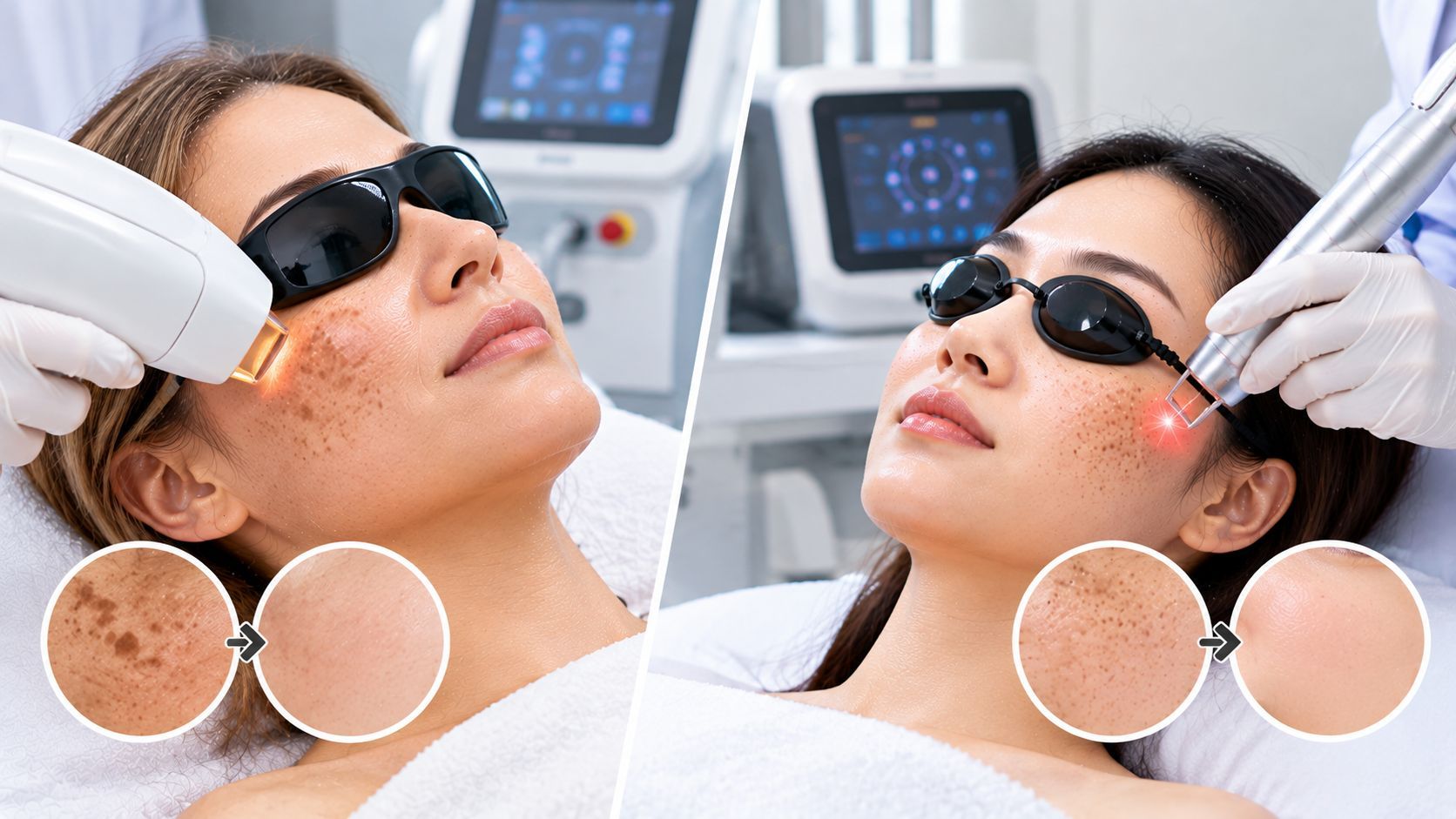
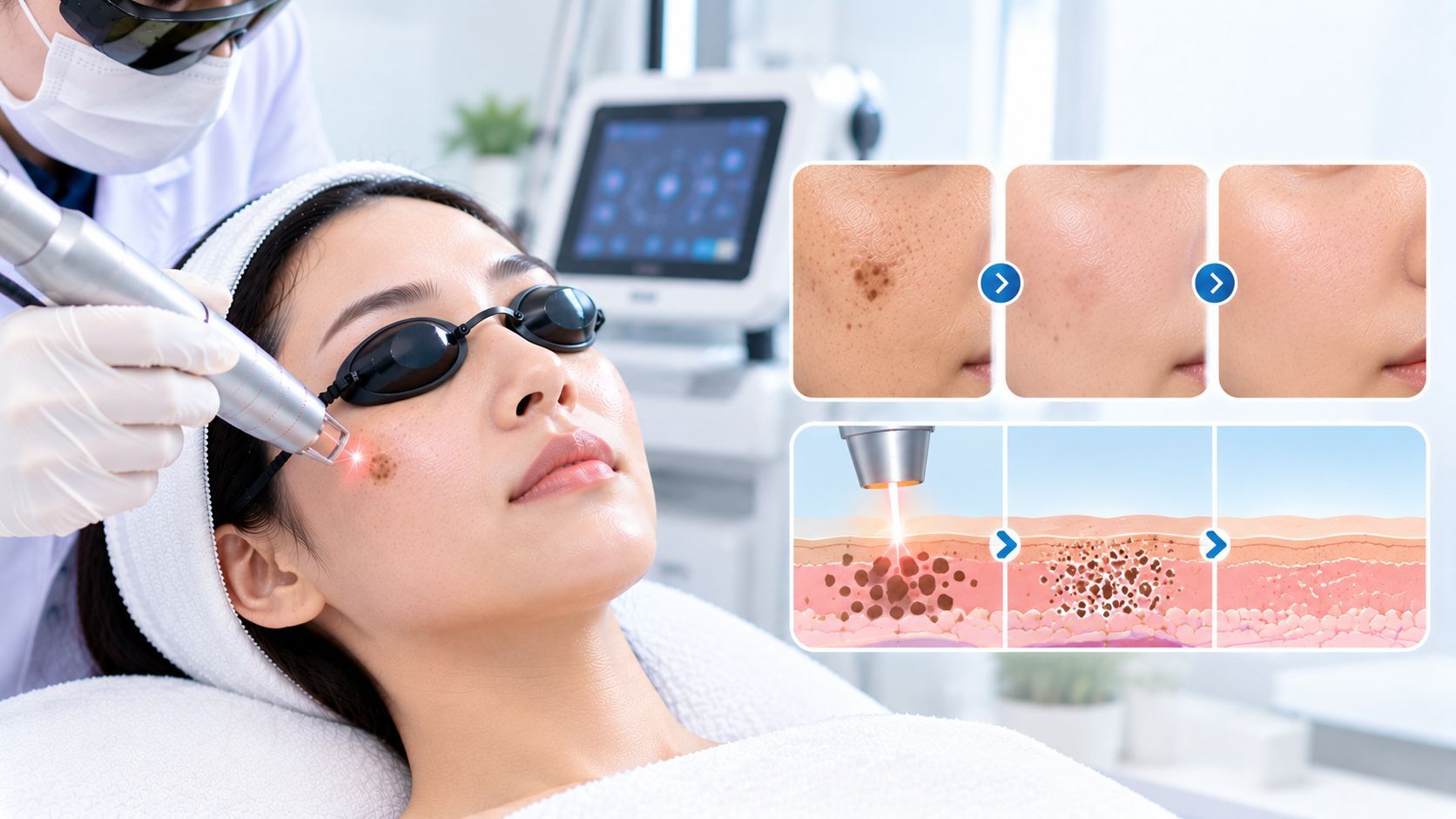
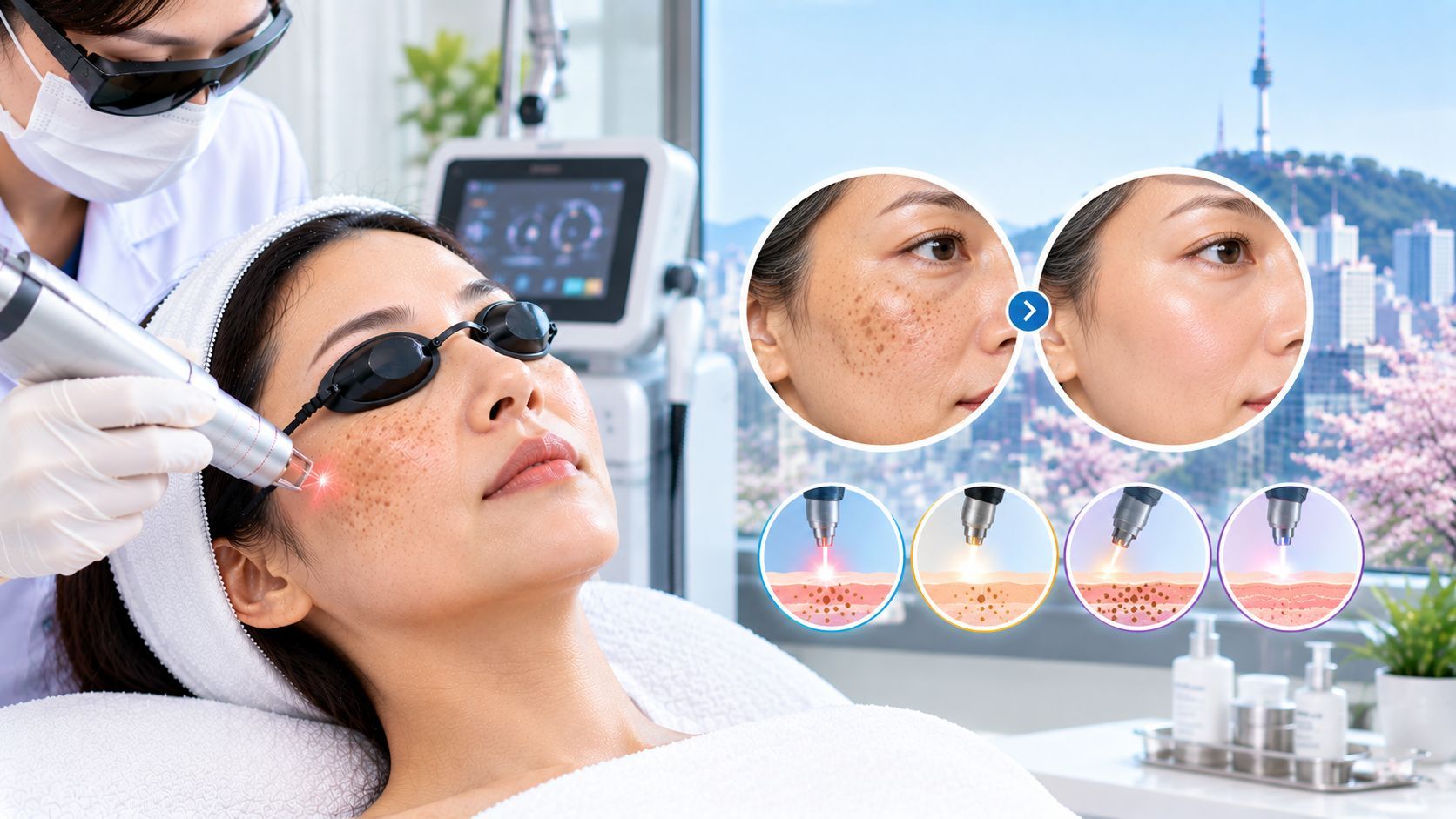
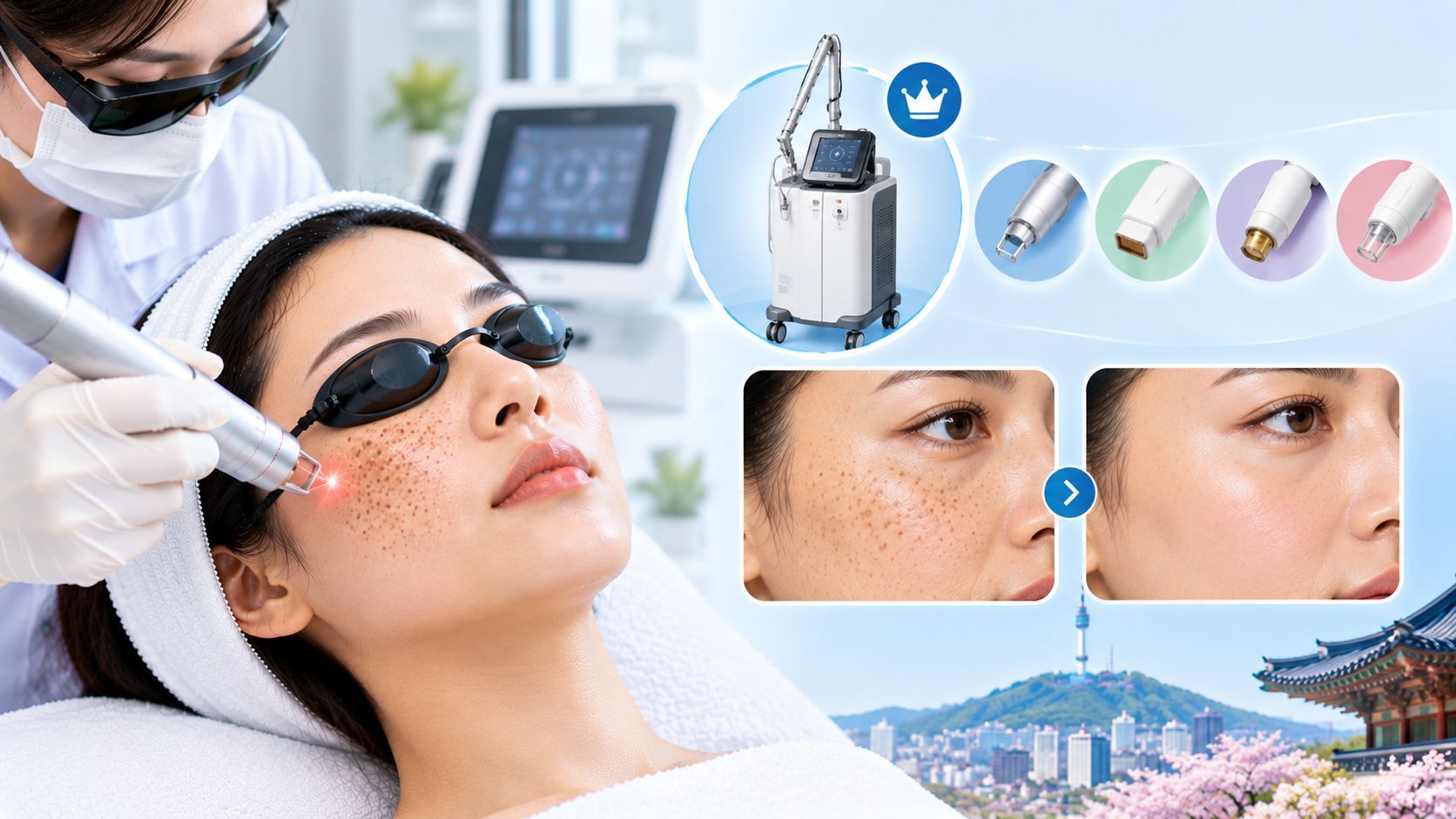
If you are considering Pico laser in Seoul, do not choose a clinic based only on the machine name or advertised price. Before treatment, ask what problem is being treated, which Pico device and wavelength will be used, why that approach is appropriate for your skin, what results are realistic, and what risks or downtime you should expect.
This is especially important because Pico laser is not one standardized treatment. Different devices, wavelengths, handpieces, settings, treatment techniques, and goals can produce very different treatment plans. A good consultation should explain these differences rather than simply offering “Pico laser” as a generic procedure.
For international patients, there are also practical questions about aftercare, medical records, communication, and what happens if you develop a concern after returning home.
Why Should You Ask Questions Before Pico Laser?
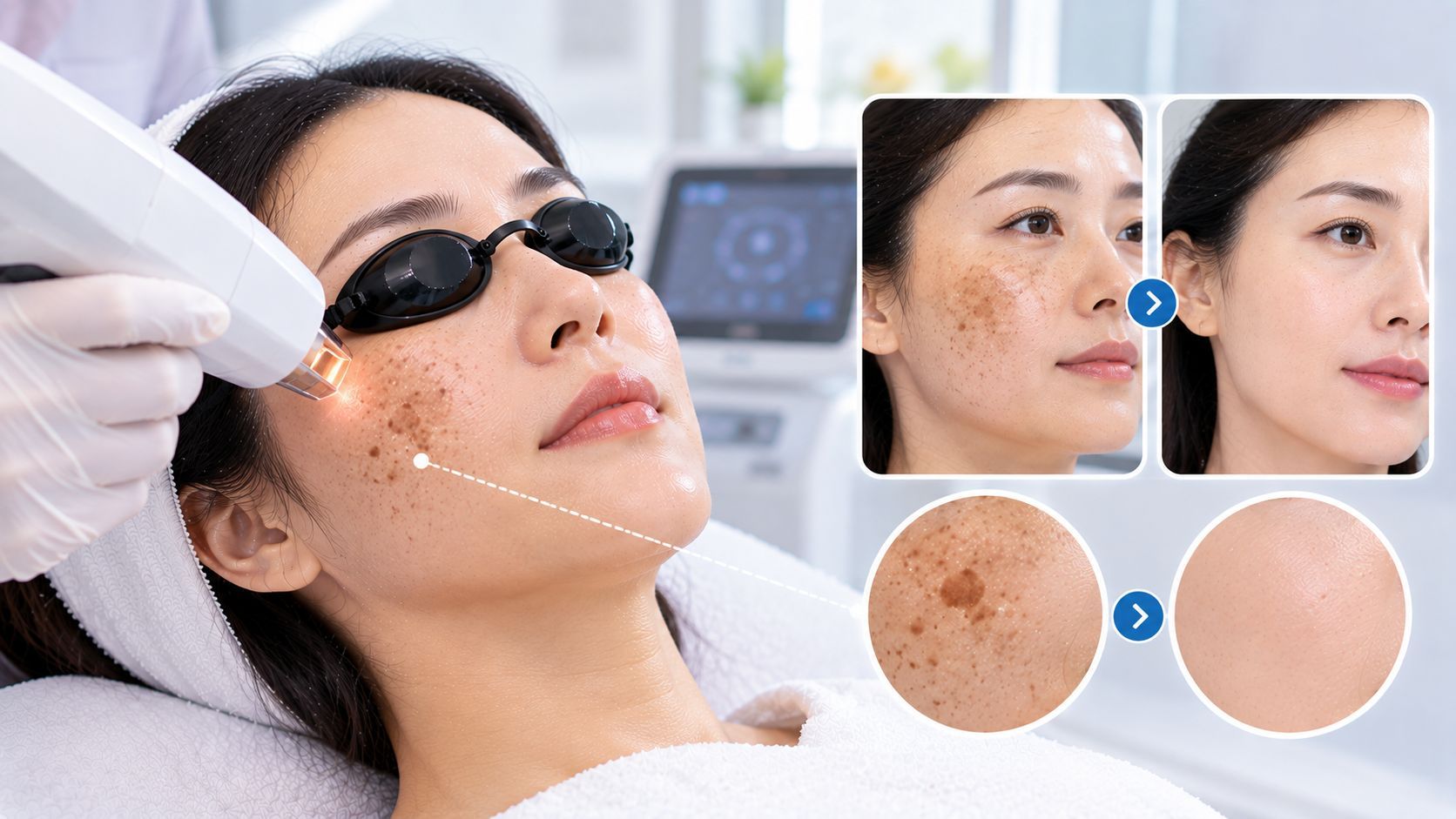
Pico technology can be used for different pigmentation and skin concerns, but the appropriate approach depends on what is actually causing the discoloration or texture problem.
For example, a flat brown acne mark may be post-inflammatory hyperpigmentation, while redness after acne is a different issue. Freckles, sun spots, melasma, and other pigmented lesions also should not automatically be treated in exactly the same way.
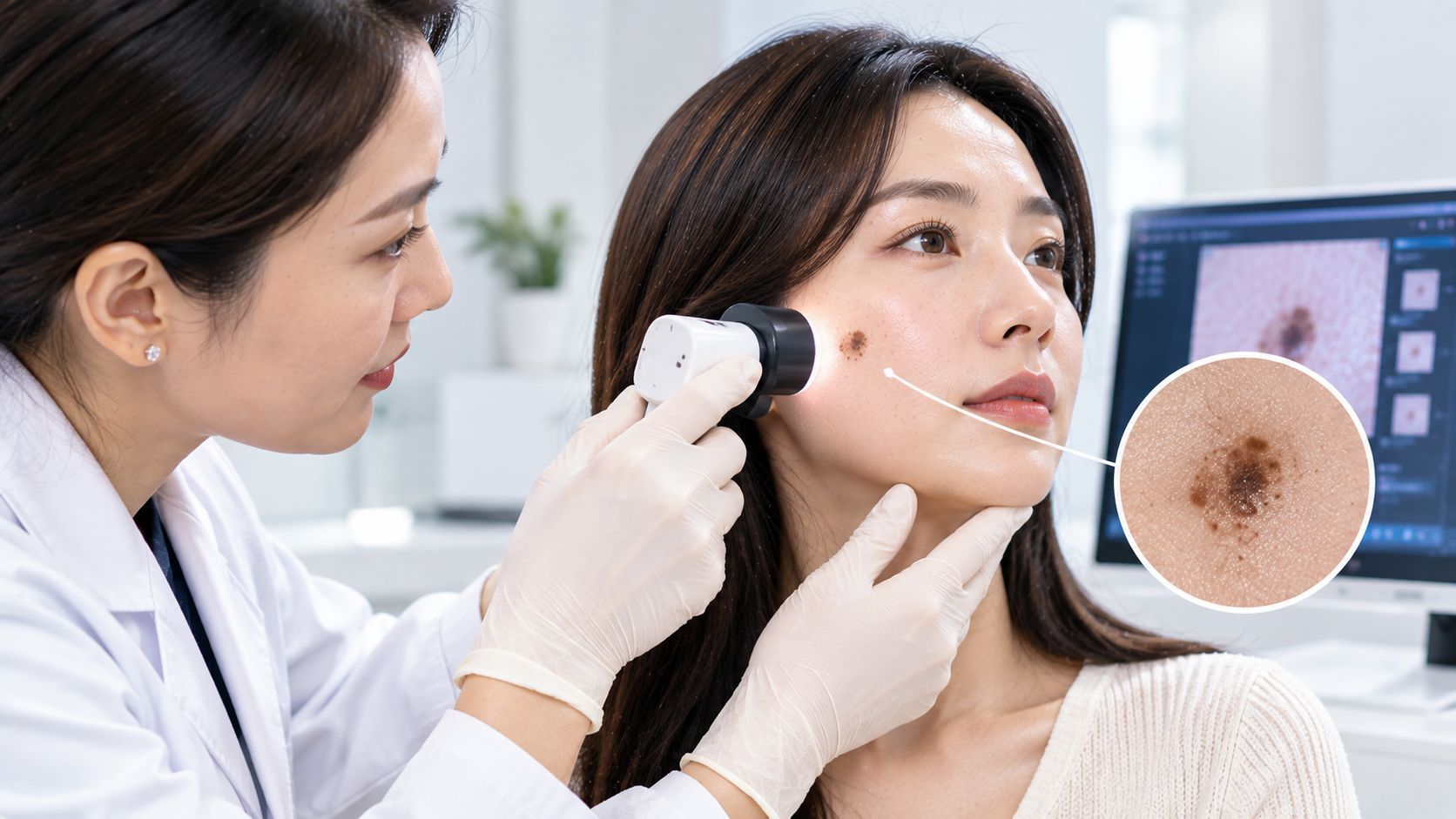
Before agreeing to treatment, make sure the consultation identifies the problem and explains why Pico laser is being considered.
1. What Exactly Is Being Treated?
One of the most important questions is:
“What type of pigmentation or skin problem do I actually have?”
You can ask whether the concern appears to be:
- Sun spots
- Freckles
- Post-inflammatory hyperpigmentation
- Uneven pigmentation
- Melasma
- Acne-related discoloration
- Another type of pigmented lesion
- Texture or pore-related concerns
This matters because different conditions can respond differently to laser treatment.
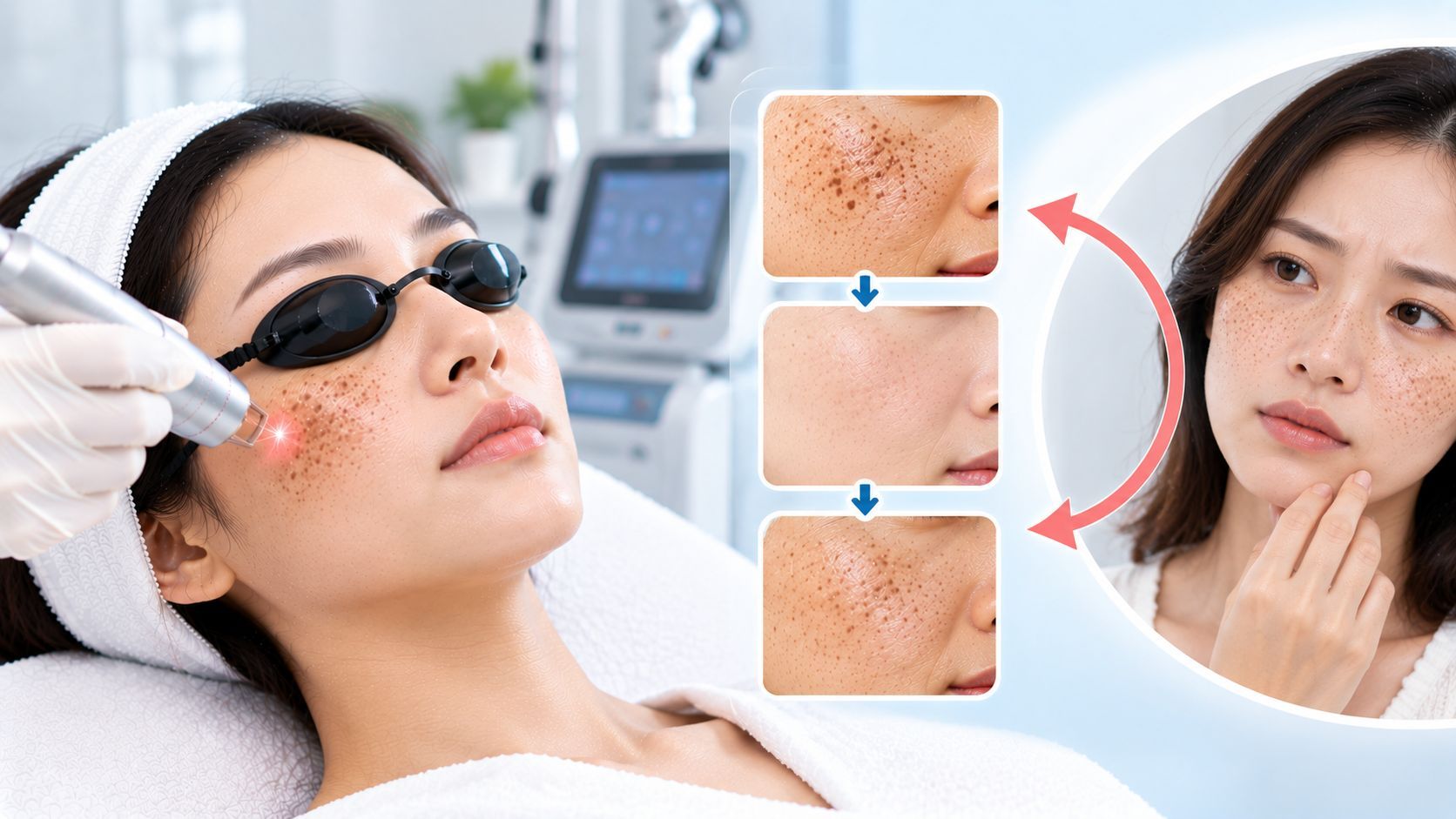
Melasma, in particular, requires careful assessment because it can be persistent and may worsen or recur after procedures that cause skin inflammation.
If a spot has an unusual appearance or there is uncertainty about whether it is appropriate for cosmetic laser treatment, ask whether it needs medical evaluation before proceeding.
2. Which Pico Device Will You Use?
Do not be afraid to ask for the exact device name.
You can ask:
- Which Pico laser system are you using?
- Which wavelength will be used?
- Which handpiece or attachment will be used?
- Why is this wavelength appropriate for my concern?
- Is the treatment targeted or a broader toning approach?
Different Pico platforms can have different wavelengths and configurations. As discussed in our guide to PicoSure vs PicoWay, the device name matters, but it is not the only factor determining whether a treatment is appropriate.
The same machine can also be used with different settings for different treatment goals.
3. Is This Targeted Pico Laser or Pico Toning?
Ask specifically:
“Are you treating individual pigment spots, or are you doing a broader Pico toning treatment?”
Targeted treatment may focus on defined pigmented areas, while Pico toning generally refers to a broader treatment approach intended to gradually address uneven pigmentation or tone.
Neither approach is automatically appropriate for everyone.
The right choice depends on your diagnosis, skin characteristics, pigmentation pattern, previous treatments, and desired outcome.
4. What Results Should I Realistically Expect From One Session?
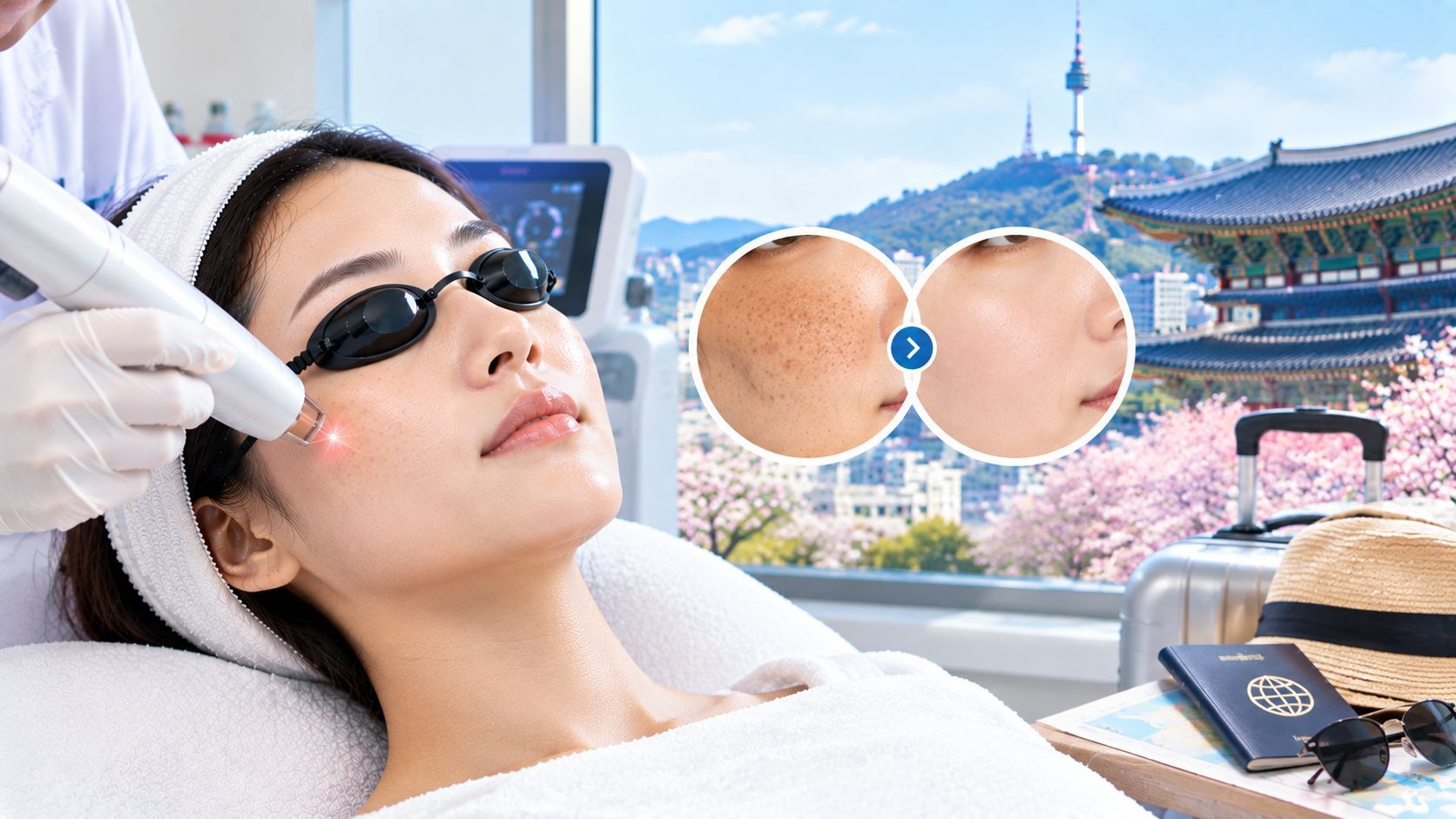
If you are visiting Seoul for only a few days, this question is particularly important.
Ask:
- What improvement is realistic after one session?
- Will I need multiple sessions?
- When should I judge the result?
- Could the pigmentation temporarily look darker?
- What happens if the first treatment does not produce enough improvement?
A small, clearly defined pigment spot may respond differently from widespread pigmentation or melasma.
Avoid clinics that present a guaranteed result or promise that one session will completely remove every pigment concern.
5. What Settings Will Be Used for My Skin?
You do not necessarily need to understand every technical laser parameter, but you should understand why the treatment is being performed at the chosen intensity and approach.
Ask:
“How are you choosing the settings for my skin and pigmentation?”
This is especially relevant if you have previously developed post-inflammatory hyperpigmentation or have naturally more melanin-rich skin.
Pico laser is not automatically risk-free simply because picosecond technology is being used. Treatment settings and technique still matter.
6. What Is My Risk of Post-Inflammatory Hyperpigmentation?
If you tend to develop dark marks after acne, cuts, burns, or cosmetic procedures, tell the provider before treatment.
Ask:
- Am I at increased risk of PIH?
- Would you recommend a test spot?
- Should the treatment intensity be adjusted?
- How should I prepare my skin?
- What should I do if the treated area becomes darker?
Inflammation can sometimes trigger additional pigmentation. This makes risk assessment particularly important for people who are prone to hyperpigmentation.
Recent sun exposure should also be discussed before treatment.
7. What Will My Skin Look Like Immediately Afterward?
Do not assume that your skin will look brighter immediately after Pico laser.
Depending on the treatment, you may experience temporary:
- Redness
- Warmth
- Sensitivity
- Swelling
- Darkening of treated pigment
- Small crusted areas
- Temporary irritation
The exact recovery depends on the treatment approach and settings.
Ask the clinic to explain what is normal and what would be considered unusual.
8. How Much Downtime Should I Expect?
Ask:
“Can I continue my normal Seoul trip immediately after treatment?”
The answer depends on what type of Pico treatment you receive.
You should also ask about:
- Makeup
- Exercise
- Sauna and hot baths
- Swimming
- Alcohol
- Sun exposure
- Skincare products
- Cleansing
- Sunscreen
- Physical irritation
If you plan to visit Seoul's attractions immediately after treatment, understand whether your planned activities could interfere with recovery.
9. When Can I Fly Home?
International patients should ask about travel timing before treatment rather than after.
Ask:
- Is it reasonable to fly the next day?
- Should I leave additional recovery time?
- What should I do if my skin becomes unexpectedly irritated before my flight?
- Who should I contact after leaving Korea?
There is no single flight rule that applies to every Pico treatment. Your treatment intensity, skin reaction, and individual circumstances matter.
If your treatment is expected to cause noticeable inflammation or crusting, having additional time before a long flight may make practical sense.
10. Who Will Evaluate and Perform the Treatment?
Ask who will:
- Evaluate your skin
- Decide whether Pico laser is appropriate
- Select the treatment settings
- Perform the procedure
- Provide aftercare instructions
- Handle concerns if a complication develops
You can also ask about the provider's relevant qualifications and experience with the specific type of pigmentation being treated.
The goal is not simply to find a clinic advertising a particular device. You want to understand how the clinic makes treatment decisions.
11. What Is Included in the Price?
A low advertised price does not necessarily represent the final cost.
Before treatment, ask:
- Is consultation included?
- Is the price for the entire face or only a specific area?
- Are taxes included?
- Is aftercare included?
- Are numbing or other additional services charged separately?
- Does the quoted price require a package?
- Will additional sessions cost the same?
- Are there international-patient fees?
Getting the final price in writing can make comparison easier.
12. What Happens If I Have a Problem After Treatment?
This question is particularly important for people traveling to Seoul specifically for medical treatment.
Ask:
“If I develop unexpected swelling, severe irritation, blistering, or worsening pigmentation after I leave the clinic, who should I contact?”
Also ask whether the clinic can provide:
- Written aftercare instructions
- Treatment records
- Device and treatment details
- Contact information
- Follow-up consultation
- Documentation you can give to another doctor if necessary
Having these details can be useful if you return home shortly after treatment.
Pico Laser Seoul Consultation Checklist
QuestionWhy it mattersWhat exactly are you treating?Confirms the underlying concernWhich Pico device and wavelength?Different platforms and wavelengths have different usesTargeted Pico or Pico toning?Clarifies the treatment approachWhat result can I expect?Helps set realistic expectationsHow many sessions might I need?Important for planning and budgetingWhat is my PIH risk?Particularly important for pigmentation-prone skinWhat downtime should I expect?Helps with travel and schedulingWhat aftercare is required?Reduces avoidable irritationWhat is the complete price?Prevents unexpected costsWho do I contact afterward?Important for international patients
Red Flags to Watch for Before Treatment
Be cautious if a consultation:
- Promises guaranteed results
- Cannot clearly explain what is being treated
- Gives vague answers about the device
- Pushes you toward a large package before assessing your skin
- Does not discuss pigmentation risks
- Dismisses your history of PIH
- Provides no meaningful aftercare instructions
- Gives unclear pricing
- Pressures you to undergo several procedures immediately
- Suggests that every pigmentation problem can be treated in the same way
A professional consultation should give you enough information to understand both the potential benefits and limitations.
How Should International Patients Prepare for Pico Laser in Seoul?
Bring information about previous laser treatments, pigmentation treatments, allergies, skin reactions, and products or procedures that may affect your skin.
If possible, know:
- When you last had a laser treatment
- Whether you have experienced PIH
- Whether you recently had significant sun exposure
- Whether you have active skin inflammation
- What other cosmetic procedures you recently received
- How many days you have available in Seoul
You should also plan your treatment around your flight rather than treating the procedure as an isolated appointment.
For more information, see our guides on Pico laser for pigmentation, PicoSure vs PicoWay, and Pico laser in Korea for one session.
What Should You Ultimately Look for in a Pico Laser Consultation?
The most useful consultation is one where you understand what is being treated, why Pico laser is being recommended, which technology and settings are being considered, what results are realistic, what risks apply to your skin, how much recovery is expected, and what the complete cost will be.
For international patients, communication and follow-up are equally important. A treatment plan should make sense not only while you are in Seoul, but also during the period after you return home.
Pico laser can be useful for selected pigmentation and skin concerns, but the label “Pico” alone does not tell you whether a particular treatment is appropriate. Asking specific questions before treatment can help you understand the plan and avoid unrealistic expectations.
Frequently Asked Questions
Is Pico laser consultation necessary before treatment?
A proper assessment is useful because Pico laser can be used for different concerns and with different settings. The consultation should identify the problem and determine whether laser treatment is appropriate.
Should I ask which Pico laser machine a Seoul clinic uses?
Yes. Ask for the exact device, wavelength, and treatment approach. However, the machine name alone does not determine whether the treatment is suitable for your skin.
What should I ask if I have a history of hyperpigmentation?
Tell the provider about your previous reactions and ask about PIH risk, treatment settings, whether a test spot may be appropriate, and what aftercare is recommended.
Can I get Pico laser immediately before flying home from Seoul?
This depends on the treatment and your expected recovery. Ask the treating clinic how much recovery time they recommend and what you should do if you develop an unexpected reaction after returning home.
Should I ask about Pico laser downtime?
Yes. Ask specifically about redness, swelling, sensitivity, temporary pigment darkening, crusting, makeup, exercise, sauna use, sun exposure, and skincare restrictions.
What should I ask about Pico laser price in Seoul?
Ask for the complete final price and confirm what is included, including consultation, treatment area, taxes, aftercare, and any package requirements or additional fees.