Can Vascular Laser Make Sensitive Skin More Irritated?
Introduction
Vascular laser treatments are commonly used for facial redness, visible blood vessels, telangiectasia, rosacea-related redness, and some red acne marks. Because these treatments work by delivering controlled energy to blood vessels, temporary redness, warmth, swelling, tenderness, or irritation can occur afterward.
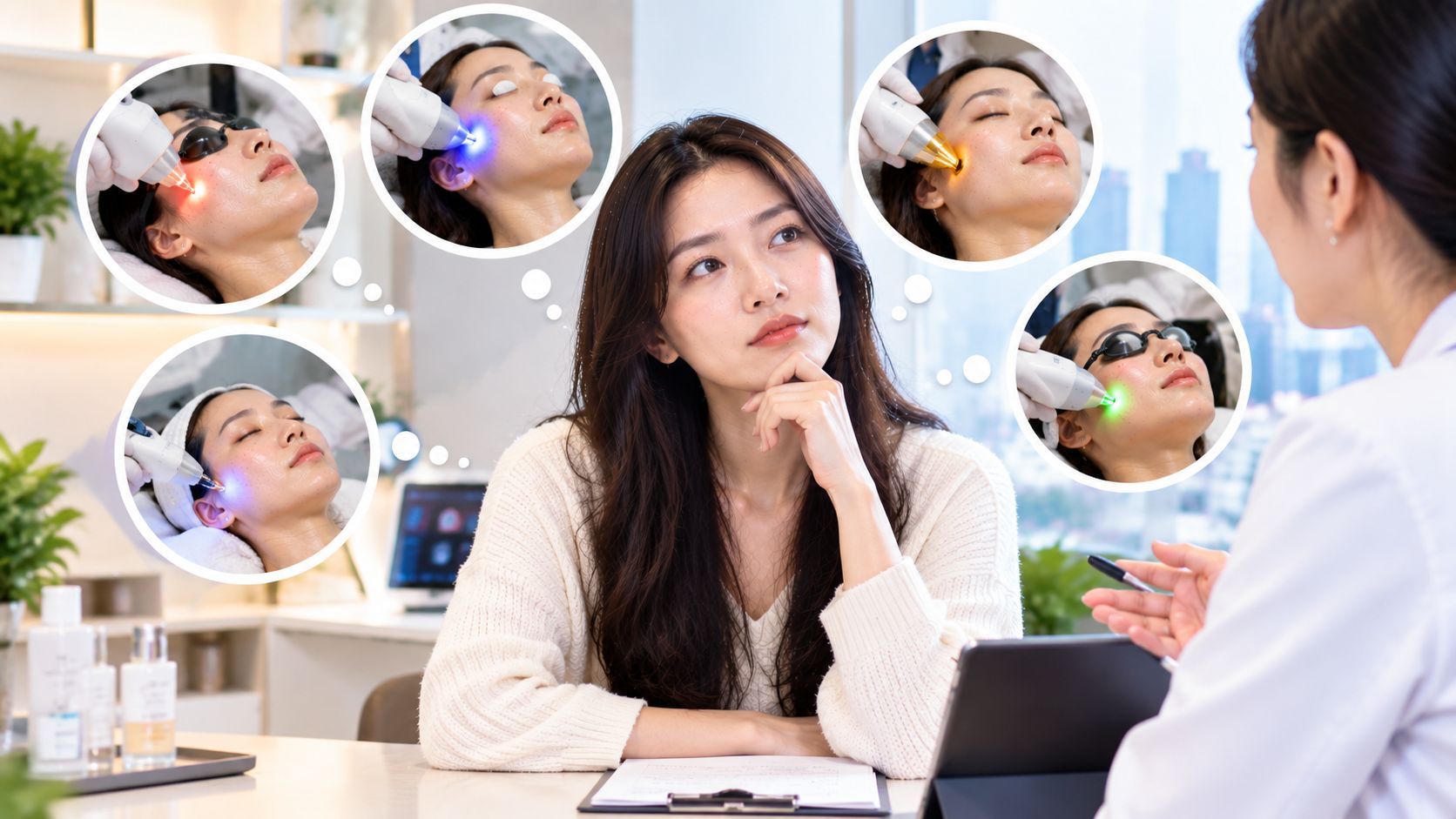
If you already have sensitive or reactive skin, it is reasonable to wonder whether vascular laser could make your skin even more irritated. Yes, vascular laser can temporarily increase irritation in sensitive skin, but this does not necessarily mean the treatment has damaged or permanently worsened your skin. The likelihood and severity depend on the underlying skin condition, laser type, treatment settings, cooling, and how your skin responds.
Why Can Vascular Laser Irritate Sensitive Skin?
Vascular Laser Creates Controlled Heat
Vascular lasers target blood vessels using light energy that is converted into heat. The objective is to affect the unwanted vascular structures while limiting injury to surrounding tissue.
Because heat is deliberately produced in the skin, some degree of temporary inflammatory response is expected. The American Academy of Dermatology notes that temporary redness is common after laser or light treatment for rosacea, while some patients can also experience purple or red spots, itching, tightening, or pain.
On highly reactive skin, these normal treatment effects may feel stronger.
Sensitive Skin May React More Strongly
People with rosacea or very reactive skin may already experience burning, stinging, flushing, or irritation from ordinary skincare products.
Adding a heat-based procedure can temporarily amplify those sensations.
This does not automatically mean that vascular laser is inappropriate. In fact, vascular laser is used specifically to treat visible blood vessels and certain forms of persistent redness associated with rosacea.
The important question is whether the skin is stable enough for treatment and whether the laser settings are appropriate.
What Irritation Is Normal After Vascular Laser?
Temporary Redness
Increased redness immediately after treatment is common. Depending on the device and settings, this may last from hours to several days, and some patients can experience redness for longer.
Sensitive skin may appear particularly flushed during this period.
Warmth, Stinging or Tenderness
A mild sunburn-like sensation can occur after treatment. Some people describe warmth, tingling, or tenderness in the treated area.
These symptoms should generally trend downward rather than continuously intensify.
Swelling or Purpura
Certain vascular laser settings can produce swelling or small purple spots called purpura. These are recognized treatment effects rather than necessarily signs of a complication.
Studies of pulsed dye laser treatment for rosacea have also documented differences in swelling and purpura depending on treatment parameters, illustrating why settings matter.
When Is Irritation More Concerning?
Irritation That Keeps Getting Worse
Mild redness should gradually settle. If burning, pain, swelling, or redness becomes progressively worse instead of improving, contact the treating clinic.
Blistering or Significant Skin Damage
Blistering, severe crusting, unusual pain, or significant color changes require medical assessment. Laser complications can include burns, pigmentary changes, scarring, and other tissue effects, particularly when treatment is poorly selected or performed.
A Prolonged Rosacea Flare
If you have rosacea, laser treatment does not eliminate the underlying tendency of the skin to flare. Rosacea management may also involve trigger avoidance, gentle skincare, sun protection, and medication when appropriate.
Therefore, increased flushing after a procedure does not necessarily mean that the laser has permanently worsened the rosacea.
Does Sensitive Skin Mean You Cannot Have Vascular Laser?
Not Necessarily
Sensitive skin by itself is not an automatic reason to avoid vascular laser. Some studies have reported good tolerability of pulsed dye laser treatment in people with rosacea, and vascular laser remains an established treatment option for visible blood vessels and certain forms of persistent redness.
However, the treatment should be individualized.
Active Irritation May Change the Timing
If your skin is currently experiencing significant dermatitis, burning, peeling, an active flare, or another unexplained irritation, the clinician may recommend stabilizing the skin before performing a vascular procedure.
Treating already-inflamed skin without first understanding the cause can make it harder to distinguish normal post-treatment inflammation from a worsening skin condition.
Which Vascular Lasers Can Be Used for Sensitive Skin?
Different devices and wavelengths can be used for different vascular targets. Examples include pulsed dye laser, KTP/532 nm systems, and longer-wavelength vascular devices.
TreatmentCommon vascular targetSensitive-skin considerationPulsed Dye Laser (PDL)Redness and superficial vesselsCan cause temporary redness, swelling or purpura532 nm/KTPSuperficial vascular lesionsMay have different pain and recovery characteristics depending on settings1064 nm Nd:YAGSelected deeper vascular targetsRequires careful parameter selectionIPLSelected diffuse redness and vascular concernsBroad-spectrum treatment; suitability varies by skin type
There is no universally “gentlest” device for every sensitive patient. One prospective study comparing KTP and PDL for rosacea found both effective, while KTP produced less treatment pain and fewer post-treatment reactions in that study.
This illustrates why choosing the device based only on its reputation for being gentle can be misleading.
How Can a Clinic Reduce Irritation Risk?
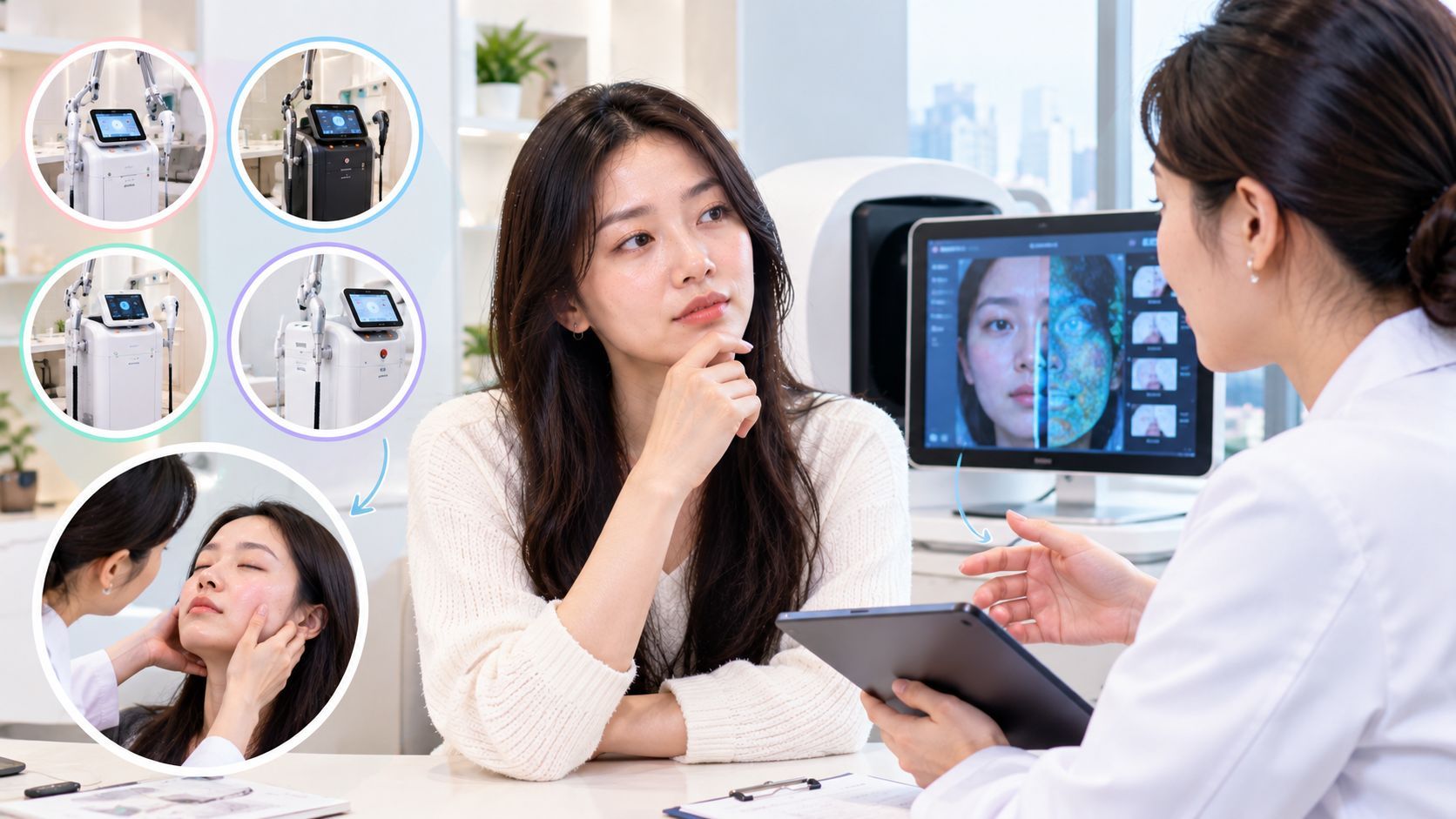
Start With the Correct Diagnosis
Facial redness can come from rosacea, telangiectasia, post-inflammatory erythema, irritation, pigmentation, or combinations of these conditions.
A laser designed for blood vessels will not necessarily address every cause of facial redness.
Use Appropriate Treatment Parameters
Energy, pulse duration, spot size, wavelength, and cooling can all influence how the skin responds.
Recent research on PDL for rosacea found that different pulse durations produced different rates of edema and purpura while achieving similar erythema improvement, reinforcing the importance of parameter selection.
Consider a Test Spot When Appropriate
For patients with particularly reactive or pigment-prone skin, a clinician may consider testing a small area before treating a larger region. Whether this is appropriate depends on the device, condition, skin type, and treatment plan.
Protect the Skin During Recovery
Gentle skincare and appropriate sun protection are important after vascular laser. The AAD specifically recommends protecting treated skin from sunlight after laser or light therapy.
Avoiding unnecessary heat, aggressive exfoliation, harsh active ingredients, and other known personal triggers may also help during the recovery period.
What About Sensitive Asian Skin?
People with Asian or more melanin-rich skin may need additional consideration because inflammation from energy-based procedures can sometimes contribute to post-inflammatory pigmentation or hypopigmentation.
This does not mean vascular laser cannot be performed. Instead, the clinician should consider skin tone, the vascular target, wavelength, energy, cooling, and previous reactions to procedures.
If pigmentation problems are a concern, ask how the clinic approaches post-inflammatory hyperpigmentation risk before treatment.
Should You Get Vascular Laser in Seoul If Your Skin Is Very Sensitive?
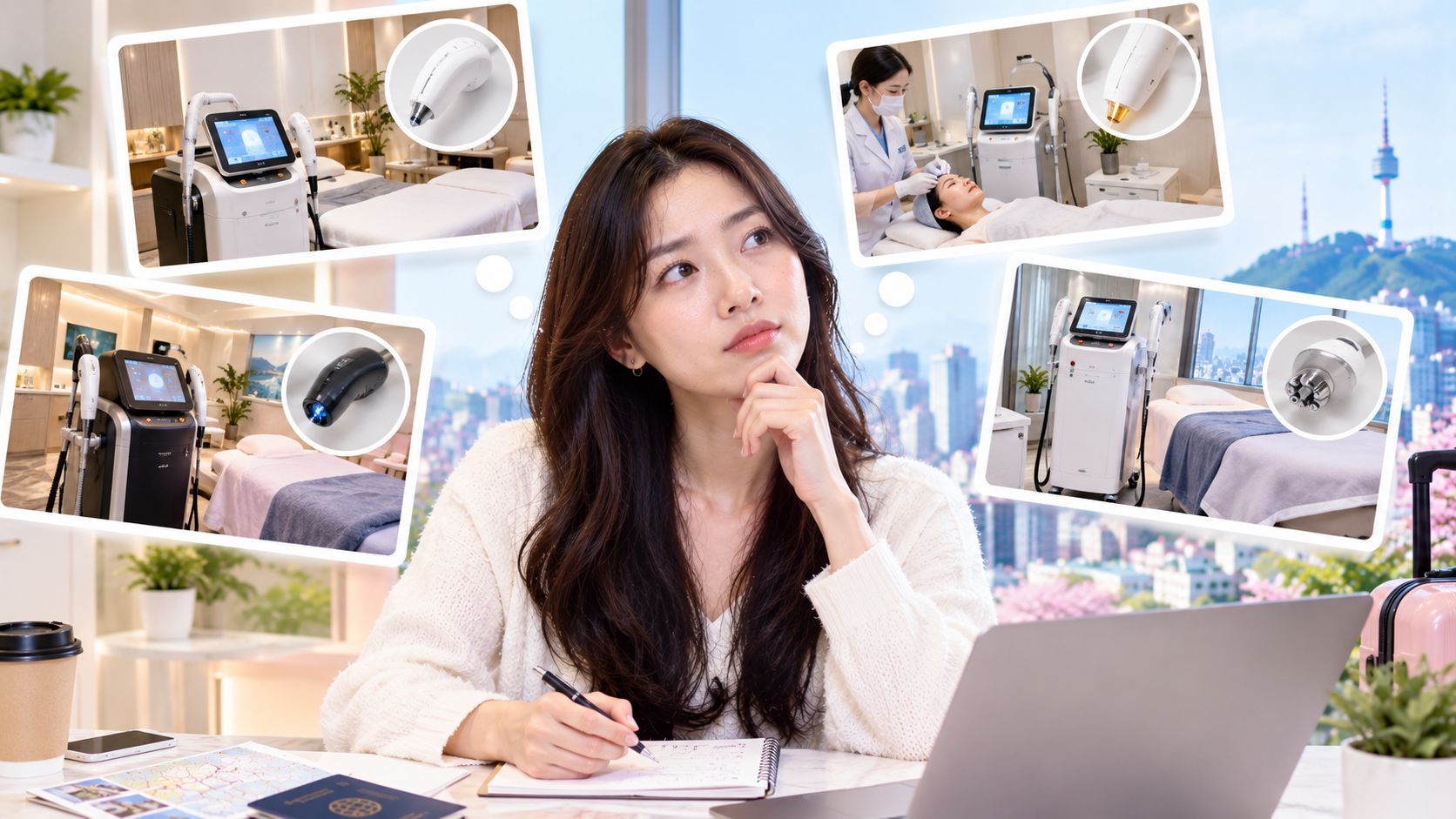
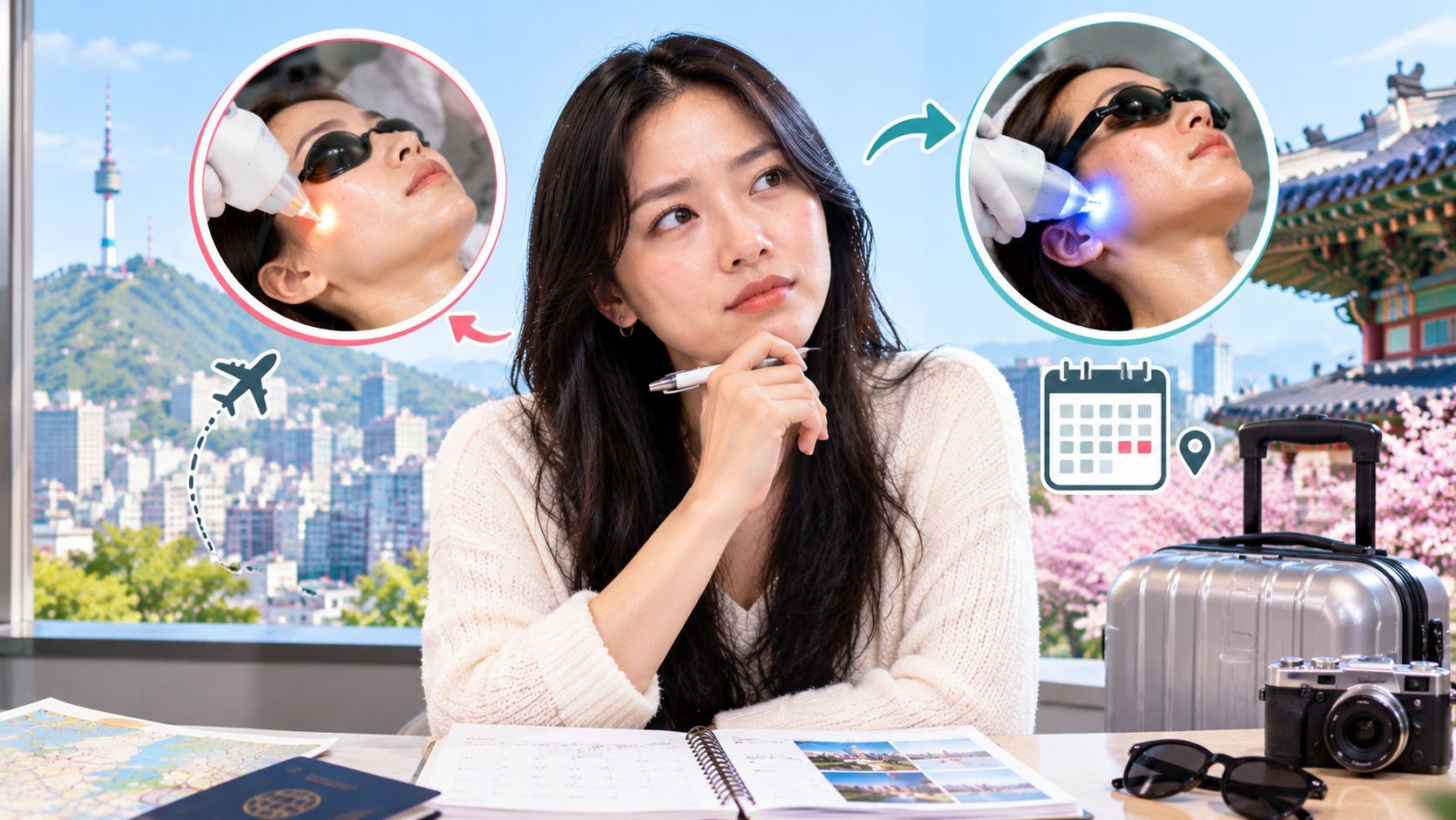
If you are traveling to Seoul for vascular laser, consultation is particularly important because you may have limited time for recovery before returning home.
Before treatment, ask:
- What is causing my redness?
- Is the target actually vascular?
- Which laser and wavelength are you recommending?
- Why is that device appropriate for my skin?
- What level of redness or swelling should I expect?
- How long should I allow for recovery?
- What should I stop using before and after treatment?
- What should I do if my skin becomes unusually irritated?
- Do you recommend treating everything in one session or starting conservatively?
A clinic's treatment plan should be based on your skin and vascular problem rather than simply selecting the strongest available device.
How Long Does the Irritation Usually Last?
Recovery varies substantially by laser, settings, treatment area, and individual response.
Mild warmth and redness may settle relatively quickly, while purpura or more noticeable swelling can take longer. The AAD notes that redness after rosacea laser or light treatment commonly fades within about two weeks, while purple or red spots may also take around one to two weeks to clear.
If you are planning treatment immediately before an important event or international flight, ask the clinic for a realistic recovery window rather than assuming there will be no downtime.
Can Vascular Laser Actually Improve Sensitive, Red Skin?
It can, particularly when visible vessels or vascular redness are a major part of the problem. Vascular laser has been studied for rosacea-associated erythema and telangiectasia, with research showing improvement in selected patients.
However, the treatment is not a cure for every form of sensitive skin. If the main problem is an impaired skin barrier, dermatitis, an inflammatory condition, or another nonvascular cause, treating blood vessels alone may not solve the underlying problem.
Conclusion
Vascular laser can temporarily make sensitive skin more red, warm, swollen, or irritated, but this is not the same as permanently damaging sensitive skin. The risk depends on the diagnosis, device, settings, skin type, current condition of the skin, and aftercare.
For sensitive or rosacea-prone skin, the goal should not be the strongest possible treatment. A carefully selected vascular target, appropriate parameters, adequate cooling, and realistic recovery plan are more important.
If your skin is actively irritated before treatment, discuss whether it should be stabilized first. And if post-treatment symptoms become severe, progressively worse, or unusual, contact the treating medical professional promptly.
FAQs
Can vascular laser permanently damage sensitive skin?
Permanent complications are possible with laser treatment, but they are not the expected outcome when an appropriate device and parameters are selected and treatment is performed correctly. Burns, scarring, and permanent pigment changes are recognized potential complications.
Is vascular laser safe for rosacea-prone skin?
It can be appropriate for selected rosacea patients, particularly when visible blood vessels or persistent vascular redness are present. Treatment should be individualized because rosacea can also involve significant sensitivity and recurrent flares.
Why is my face more red after vascular laser?
Temporary redness is a common response because vascular laser produces controlled thermal effects in the treated skin. The redness should generally improve as the skin recovers.
Can vascular laser cause a rosacea flare?
Temporary increased redness or sensitivity can occur, but this does not necessarily mean the underlying rosacea has permanently worsened. Your dermatologist can help distinguish normal post-treatment effects from a flare or complication.
Should I use active skincare after vascular laser?
Follow the specific aftercare instructions provided by your clinician. Immediately after treatment, avoiding unnecessary irritation and protecting the skin from sunlight are generally important considerations.
Should sensitive skin patients start with a lower treatment intensity?
Treatment intensity should be determined by the clinician based on the vascular target, skin characteristics, device, and treatment goals. A more aggressive setting is not automatically better, particularly when minimizing unnecessary inflammation is important.