Should I Do My Strongest Laser at the Beginning or End of My Seoul Trip?
Introduction
If you are traveling to Seoul specifically for laser or device treatments, treatment timing can be just as important as choosing the procedure itself.
Some patients prefer to schedule their strongest treatment immediately after arriving so they have several days to recover. Others wait until the end of the trip because they want to spend their first few days sightseeing or completing other appointments.
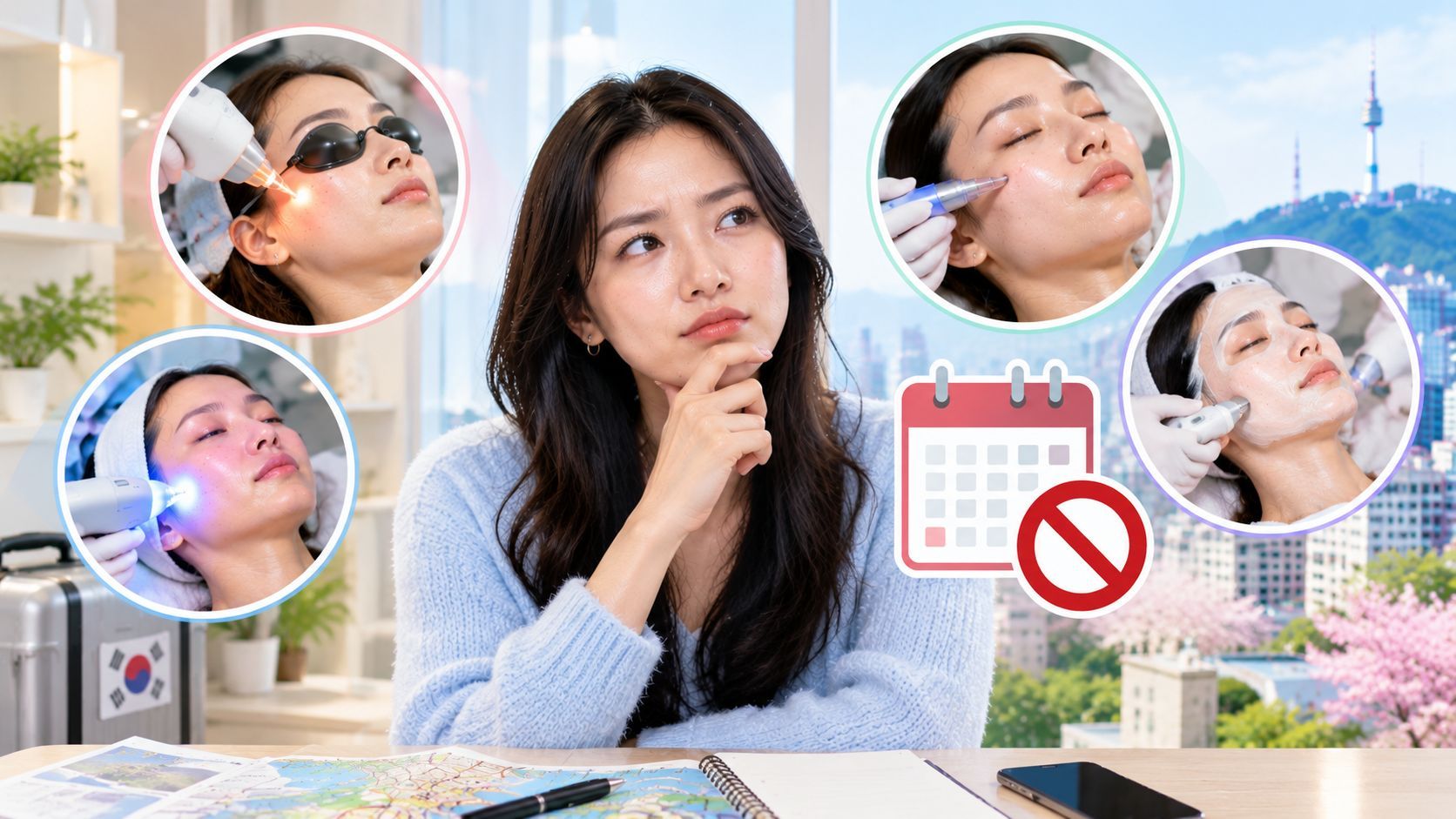
There is no universal rule that the strongest treatment should always be at the beginning or end of a Korea trip. The better choice depends on treatment intensity, expected downtime, your skin's reaction, your travel schedule, and how soon you need to fly home.
Should Your Strongest Laser Be at the Beginning or End of Your Seoul Trip?
For many patients, scheduling a more intensive treatment early enough to allow meaningful recovery before the flight home can make logistical sense.
However, that does not mean every strong laser should automatically be performed on the first day.
The ideal timing depends on the procedure.
A treatment with significant redness, swelling, peeling, or crusting may require more recovery time than a low-downtime procedure. If you schedule it immediately before your return flight, you may be traveling while your skin is still in an active recovery phase.
On the other hand, performing an intensive procedure immediately after arriving may not be appropriate if you have just completed a long flight, have significant sun exposure, or have not yet had your skin assessed.
A practical approach is often:
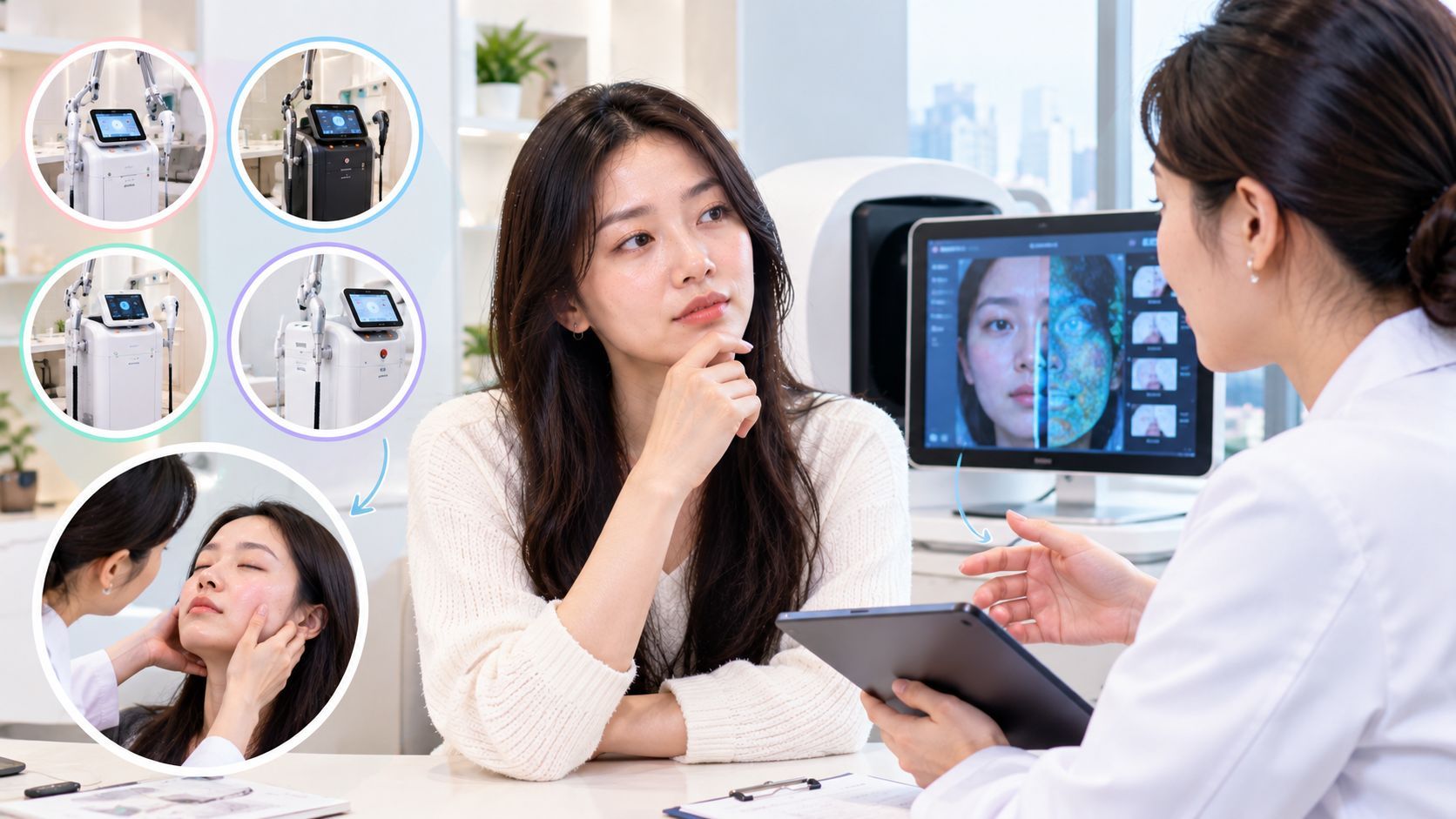
Consultation first → treatment timing based on recovery → follow-up before departure.
Why Doing a Strong Treatment Early Can Make Sense
You Have More Time to Recover
If your treatment produces substantial redness, swelling, peeling, or sensitivity, performing it earlier in the trip gives you more time before your flight.
For example, if you are staying in Seoul for several days, you may prefer to complete a higher-downtime procedure after consultation and then use the remaining days for recovery.
This does not guarantee that your skin will look normal by departure. Healing varies considerably between individuals.
You Have Time for Follow-Up
An early treatment provides more opportunity to contact or revisit the clinic if your recovery does not progress as expected.
This can be particularly useful for international patients who may have limited access to the treating provider after returning home.
You Can Avoid Last-Minute Treatment Decisions
If your strongest treatment is scheduled for the final day, you may have little opportunity to reassess the skin afterward.
Scheduling the procedure earlier can leave room for the dermatologist to evaluate your response and provide aftercare instructions before you leave Korea.
Why Doing a Strong Treatment at the End Can Be Attractive
You Can Enjoy Your Trip Before Recovery
Some patients want to use the first part of their Seoul trip for sightseeing, shopping, dining, or other activities.
If a treatment produces visible redness or peeling, doing it near the end may reduce the number of sightseeing days affected by recovery.
However, this approach creates an important trade-off: you may be flying home while your skin is still recovering.
You Can Complete Other Consultations First
If you are considering several treatments, you may want to spend the first few days consulting with dermatologists before deciding which procedure is appropriate.
This can be useful if you are unsure whether you need:
- Pigmentation treatment
- Acne-scar treatment
- Fractional resurfacing
- RF microneedling
- A lifting procedure
- Another skin-rejuvenation treatment
The consultation may change your original treatment plan.
Why the Final Day Is Often a Poor Choice for Intensive Treatment
Scheduling a strong laser immediately before a flight can create practical problems.
Depending on the procedure, you may experience:
- Redness
- Swelling
- Tenderness
- Peeling
- Sensitivity
- Crusting
- Temporary pigmentation changes
You may also need specific aftercare during the first several days.
If you develop an unexpected reaction after leaving Korea, contacting the treating clinic remotely can be more complicated than receiving an in-person assessment.
This does not mean every laser treatment should be avoided before flying. The appropriate interval depends on the treatment and individual recovery.
What Counts as a “Strong” Laser?
“Strong” is not a precise medical classification.
Treatment intensity depends on the device, settings, treatment depth, number of passes, treatment area, and purpose.
For example, the same general device category can be used with different treatment parameters and therefore produce different recovery experiences.
A treatment marketed as a laser resurfacing procedure may require substantially more recovery than a low-intensity treatment performed with a similar technology.
Instead of asking only whether a treatment is “strong,” ask:
“What level of recovery should I expect with the settings you plan to use?”
How Different Treatment Types Affect Timing
Pigment-Focused Laser Treatments
Some pigment-focused treatments can have relatively limited downtime, while others may produce temporary darkening, redness, or peeling.
If you are treating melasma or have a history of post-inflammatory hyperpigmentation, treatment planning may need additional caution.
Fractional Resurfacing
Fractional resurfacing can involve more visible recovery depending on the technology and intensity.
If your trip includes an important event or flight shortly afterward, ask the dermatologist exactly how your skin may appear during those days.
RF Microneedling
Treatments such as Potenza can cause redness, swelling, and sensitivity.
The recovery period depends on treatment intensity and individual response, so scheduling should account for your remaining time in Seoul.
Lifting Treatments
Some RF or focused-ultrasound lifting procedures may have limited visible downtime, but this does not mean they should automatically be scheduled immediately before a flight.
Temporary swelling, tenderness, or other effects can still occur.
What If You Have Only Three Days in Seoul?
A three-day trip requires particularly careful planning.
You may want to:
Day 1: Consultation and treatment planning
Day 2: Treatment if appropriate
Day 3: Recovery check and travel preparation
But this is only an example. Some treatments may require more recovery time, and some may be inappropriate immediately before departure.
If your main goal requires a high-downtime procedure, a three-day itinerary may simply provide too little recovery flexibility.
What If You Have Five to Seven Days?
A longer trip provides more flexibility.
You may be able to schedule your consultation first, undergo treatment after the assessment, and leave several days for recovery.
This can also make it easier to separate procedures if you are considering multiple treatments.
However, having more days does not mean that you should automatically add more procedures.
The treatment plan should still be based on your skin and goals.
Should You Do Your Strongest Treatment Before or After Other Treatments?
This depends on what the other treatments are.
If you are considering several procedures, ask the dermatologist to create the sequence rather than choosing it yourself.
For example, a plan involving:
- Pico
- Potenza
- Fractional laser
- RF lifting
- Ultrasound lifting
- Injectables
may require careful consideration of treatment order and spacing.
Some combinations may be reasonable, while others may be better separated or postponed.
The important issue is the cumulative treatment burden.
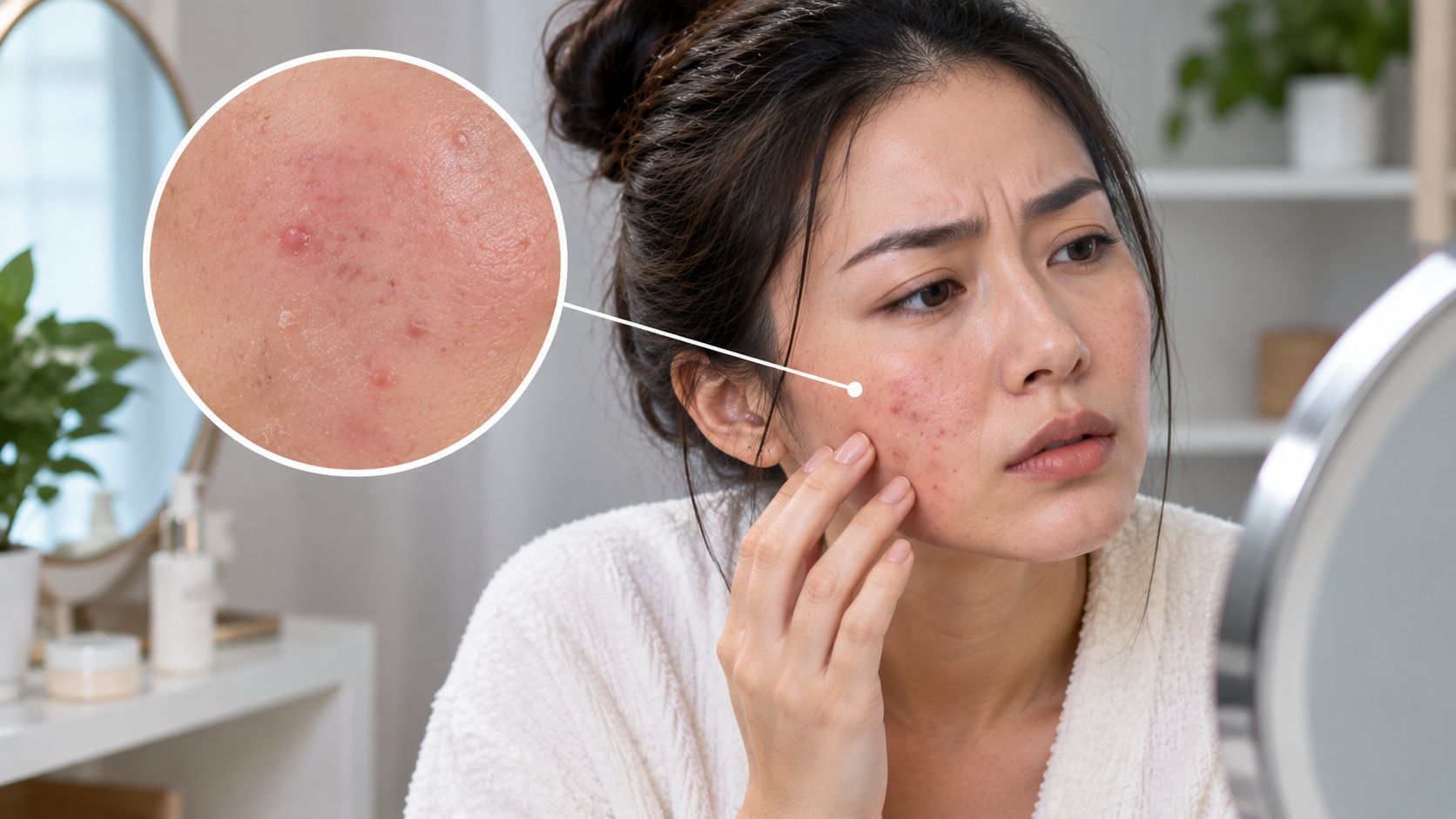
What If Your Skin Reacts Unexpectedly?
One reason to avoid scheduling your strongest treatment immediately before departure is that individual healing can be unpredictable.
Contact the treating clinic if you develop unexpected or worsening symptoms such as:
- Increasing pain
- Significant swelling
- Blistering
- Open skin
- Discharge
- Rapidly worsening redness
- Severe burning
- Unusual healing
- Significant new pigmentation
Severe or rapidly worsening symptoms may require in-person medical evaluation rather than relying solely on remote communication.
A Practical Seoul Treatment Schedule
If your trip allows several days, a conservative structure might look like this:
Arrival and Consultation
Allow your skin to settle after travel and have the dermatologist assess your current condition.
Treatment Day
Perform the selected procedure only after confirming that it is appropriate.
Recovery Period
Avoid filling every remaining day with additional procedures.
Follow the clinic's aftercare instructions and monitor your skin.
Follow-Up
If possible, have the treating clinic assess your recovery before departure, particularly after a more intensive procedure.
Flight Home
Travel once the treating provider has advised you that your planned timing is reasonable.
Questions to Ask Before Scheduling Your Strongest Treatment
Before booking the procedure, ask:
- How much downtime should I realistically expect?
- What might my skin look like three days after treatment?
- What might it look like on my flight date?
- When should I schedule follow-up?
- Would you recommend doing this treatment early or later in my trip?
- Could I need an additional assessment before leaving Korea?
- What symptoms would require urgent medical attention?
- Can I combine this procedure with another treatment during the same trip?
- Should I avoid sun exposure or outdoor activities afterward?
- Would postponing the treatment until a future visit be more appropriate?
For International Patients, Recovery Should Drive the Schedule
A medical-tourism itinerary is different from a local patient's schedule.
You need to consider not only the treatment but also:
- Long-distance travel
- Accommodation
- Sightseeing
- Sun exposure
- Transportation
- Follow-up availability
- Flight timing
- Access to medical care after returning home
If you are planning an intensive laser procedure, avoid building an itinerary where every day is already committed.
Leave some flexibility.
Useful internal-link opportunities include Seoul laser skin treatments, laser treatment downtime, and Korean skin rejuvenation treatments.
Conclusion
Whether you should do your strongest laser at the beginning or end of your Seoul trip depends primarily on the treatment's recovery requirements and your travel schedule.
For a treatment with significant downtime, completing it early enough to allow recovery and follow-up before departure may be practical. Scheduling it immediately before a flight can be less convenient if your skin is expected to remain visibly inflamed or sensitive.
However, treatment should not automatically be performed on arrival either. A consultation and skin assessment should come first, particularly if you have recently traveled, experienced sun exposure, or are considering multiple procedures.
The most useful strategy is to schedule the treatment around recovery—not simply around the last available appointment on your Seoul itinerary.
FAQs
Is it better to do an intensive laser at the beginning of a Seoul trip?
It can be practical because it gives you more time for recovery and follow-up before departure. However, the dermatologist should first assess your skin and confirm that the treatment is appropriate.
Should I do my strongest laser on the last day in Korea?
An intensive treatment immediately before a flight may leave you traveling during an active recovery period. Ask the treating clinic how your skin is expected to look and feel on the day of departure.
How many days should I stay in Seoul after an intensive laser?
There is no universal number. Recovery depends on the laser, treatment settings, treatment area, and individual response. Your treating dermatologist should provide a procedure-specific timeline.
Can I sightsee after a strong laser treatment?
That depends on the treatment and your recovery. Outdoor activities, sun exposure, heat, sweating, and other factors may be restricted after certain procedures, so plan activities according to your clinic's aftercare instructions.
Should I schedule a follow-up before flying home?
For more intensive procedures, a follow-up can be useful when available. Ask the clinic whether they recommend an in-person review before departure.
What if I only have three days in Seoul?
A short trip may favor a lower-downtime procedure or a carefully selected treatment rather than an intensive procedure with prolonged recovery. Discuss your flight schedule during the consultation before making a decision.