Fraxel vs Potenza for Pores and Texture: Which Treatment Makes More Sense?
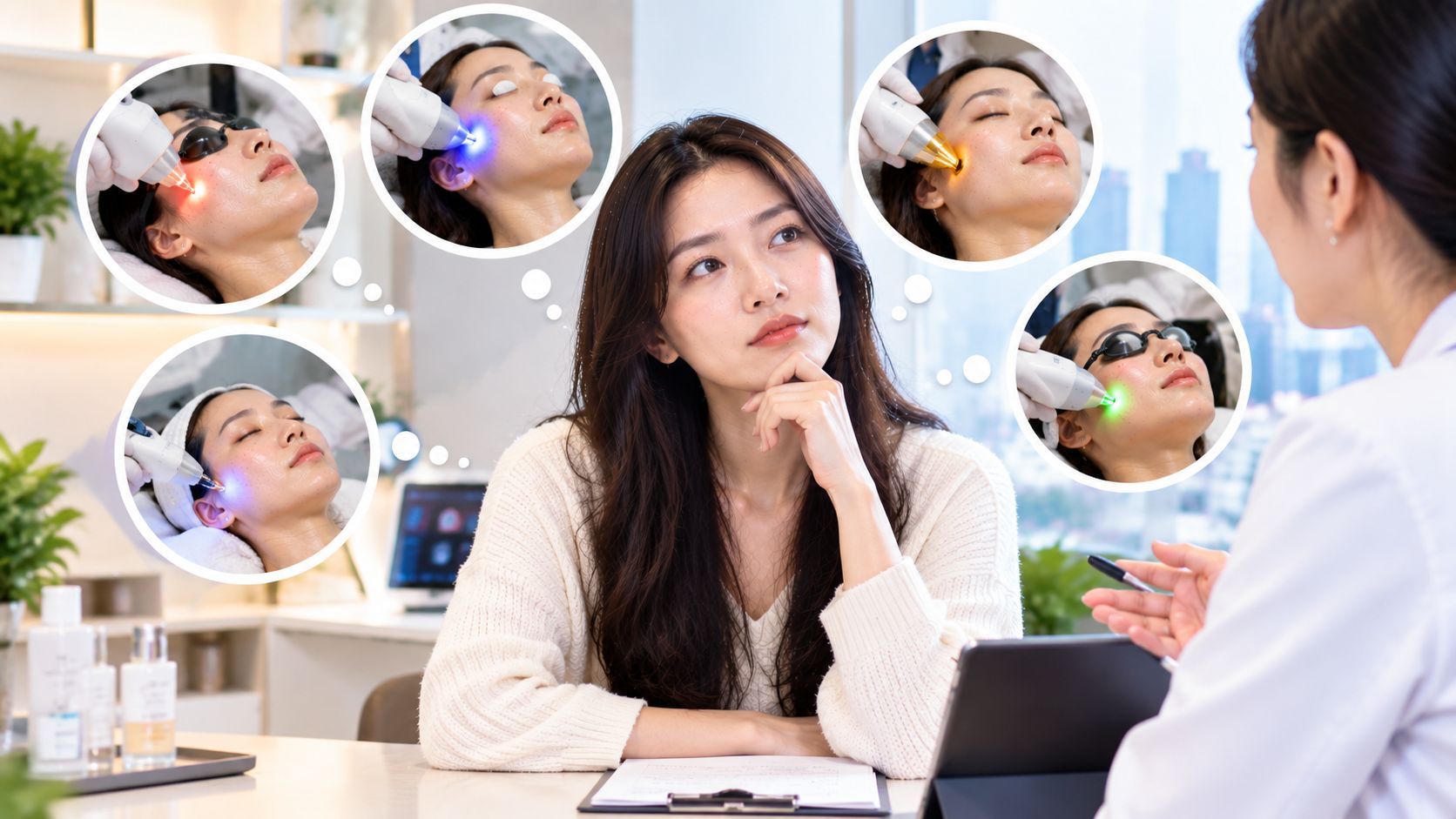
If your main concerns are enlarged-looking pores, uneven texture, or shallow acne-scar changes, you may come across both Fraxel and Potenza when researching skin treatments in Seoul.
The two treatments can overlap, but they work differently. Fraxel is associated with fractional laser resurfacing, while Potenza is RF microneedling that combines microneedles with radiofrequency energy.
Neither is automatically better for pores and texture. The more useful question is which technology better matches the reason your pores or texture look uneven, how aggressive you want treatment to be, your skin type, and how much downtime you can accept.
What Causes Pores and Uneven Texture?
“Large pores” and “bad texture” can have several causes.
Pores may look more prominent because of:
- Increased oil production
- Congestion
- Reduced skin elasticity
- Previous acne
- Shallow acne scars
- Uneven skin surface
- Normal genetic pore size
Texture can also refer to very different problems, including roughness, fine lines, shallow depressions, acne scars, or mild laxity.
This distinction matters because a treatment designed to remodel deeper tissue may not solve a problem caused primarily by oil or congestion.
What Is Fraxel?
Fraxel is a brand associated with fractional laser technology.
Fractional lasers create microscopic treatment zones within the skin while leaving surrounding tissue untreated. Depending on the specific Fraxel device and wavelength, treatment may be considered for:
- Uneven skin texture
- Fine lines
- Photodamage
- Selected acne scars
- Certain pigmentation concerns
- Overall skin resurfacing
The term “Fraxel” should therefore be clarified with the clinic. Different devices and wavelengths can have different indications and recovery profiles.
What Is Potenza?
Potenza is an RF microneedling treatment, not a laser.
Microneedles penetrate the skin to controlled depths while radiofrequency energy is delivered to create controlled thermal effects. This can support collagen remodeling.
Potenza may be considered for:
- Enlarged-looking pores
- Shallow acne scars
- Uneven texture
- Mild skin laxity
- Certain fine lines
The exact treatment depends on needle depth, RF settings, treatment area, tip, number of passes, and clinical technique.
Fraxel vs Potenza: The Main Difference
The biggest distinction is how energy reaches the skin.
FeatureFraxelPotenzaTechnologyFractional laserRF microneedlingUses laser energyYesNoUses needlesNoYesMain mechanismFractional laser treatment zonesMicroneedling + radiofrequencyTexture applicationsYesYesSelected acne-scar applicationsYesYesPore appearanceMay improve selected casesMay improve selected casesMild laxityDepends on technologyCan be consideredPigmentation applicationsDepends on wavelengthNot primarily a pigmentation treatmentRecoveryVaries by laser and settingsVaries by depth and RF settings
The treatments therefore should not be viewed as two versions of the same procedure.
When Might Fraxel Make More Sense for Texture?
Fraxel may be considered when your main problem is surface texture or photodamage and fractional laser resurfacing is appropriate.
For example, someone with rough skin texture, fine lines, and sun-related changes may be evaluated for fractional laser treatment.
It may also be considered for selected acne-scar textures.
However, a stronger fractional laser treatment is not automatically better. More aggressive resurfacing can mean more redness, peeling, sensitivity, and recovery.
When Might Potenza Make More Sense?
Potenza may be considered when pores and texture overlap with shallow acne scars or mild firmness loss.
Because Potenza combines microneedling with RF energy, it can address selected textural concerns while also providing a thermal remodeling component.
This can be relevant when the skin does not simply look rough but also appears slightly less firm.
However, Potenza is not a universal solution for every type of acne scar.
Rolling Scars
Rolling scars can involve tethering beneath the skin. If the scar is significantly tethered, subcision may be needed to release the underlying fibrous bands.
Boxcar Scars
Shallow boxcar scars may sometimes be treated with resurfacing or RF microneedling. Deeper scars may require a more targeted or combination approach.
Ice-Pick Scars
Deep ice-pick scars may respond poorly to generalized resurfacing alone. Targeted options such as TCA CROSS or punch techniques may be considered depending on the scar.
Which Is Better for Enlarged Pores?
There is no universal winner.
If your pores are mainly associated with oil production or congestion, neither Fraxel nor Potenza necessarily addresses the primary cause.
If pores appear prominent because of loss of elasticity, shallow acne scars, or uneven texture, either fractional laser or RF microneedling may be considered depending on the clinical situation.
Potenza can be particularly relevant when pore appearance overlaps with mild laxity or shallow textural irregularities.
Fraxel may be considered when the overall treatment goal is fractional resurfacing.
The goal is usually to make pores less noticeable, not to permanently remove normal pores.
What If You Have Both Pores and Acne Scars?
This is a common situation.
Acne can affect the skin in several ways at once. Previous inflammation may leave depressed scars, enlarged-looking pores, pigmentation, and uneven texture.
A dermatologist may therefore need to separate these concerns rather than treating the entire face with one aggressive setting.
For example, shallow textural changes may be treated with a device, while tethered scars may require subcision and pigmentation may be addressed separately.
Trying to solve every concern with one device is not always the most appropriate approach.
What About Pigmentation?
Fraxel and Potenza should not be selected solely because the skin looks uneven.
If the main issue is actually pigmentation, a pigmentation-focused treatment may be more appropriate.
Fraxel can have pigmentation-related applications depending on the technology, while Potenza is not primarily a pigmentation treatment.
People with darker or more melanin-rich skin should also discuss post-inflammatory hyperpigmentation risk before treatment.
What About Downtime?
Recovery depends heavily on treatment intensity.
With Fraxel, recovery can include:
- Redness
- Swelling
- Warmth
- Dryness
- Peeling
- Sensitivity
- Temporary darkening
With Potenza, patients may experience:
- Redness
- Warmth
- Swelling
- Tenderness
- Pinpoint marks
- Temporary roughness or sensitivity
Neither should automatically be described as completely “zero downtime.”
If you need to look normal within a few days, tell the clinic before treatment so the expected recovery can be considered.
Which Is More Suitable for Darker Skin?
Both laser and RF microneedling require appropriate treatment planning for darker or more melanin-rich skin.
Fractional laser treatment can carry a risk of post-inflammatory hyperpigmentation depending on the laser, wavelength, settings, skin type, and individual response.
Potenza does not use laser light, but that does not mean it is risk-free. Needles and RF-generated heat can also cause inflammation and pigment changes.
Your skin type, history of hyperpigmentation, recent tanning, and treatment settings should all be discussed.
Can Fraxel and Potenza Be Combined?
They can sometimes be used as part of a broader treatment plan, but combining them is not automatically better.
If both are used, the dermatologist should have a clear reason for using each technology.
Combining procedures can increase:
- Inflammation
- Sensitivity
- Recovery requirements
- Aftercare complexity
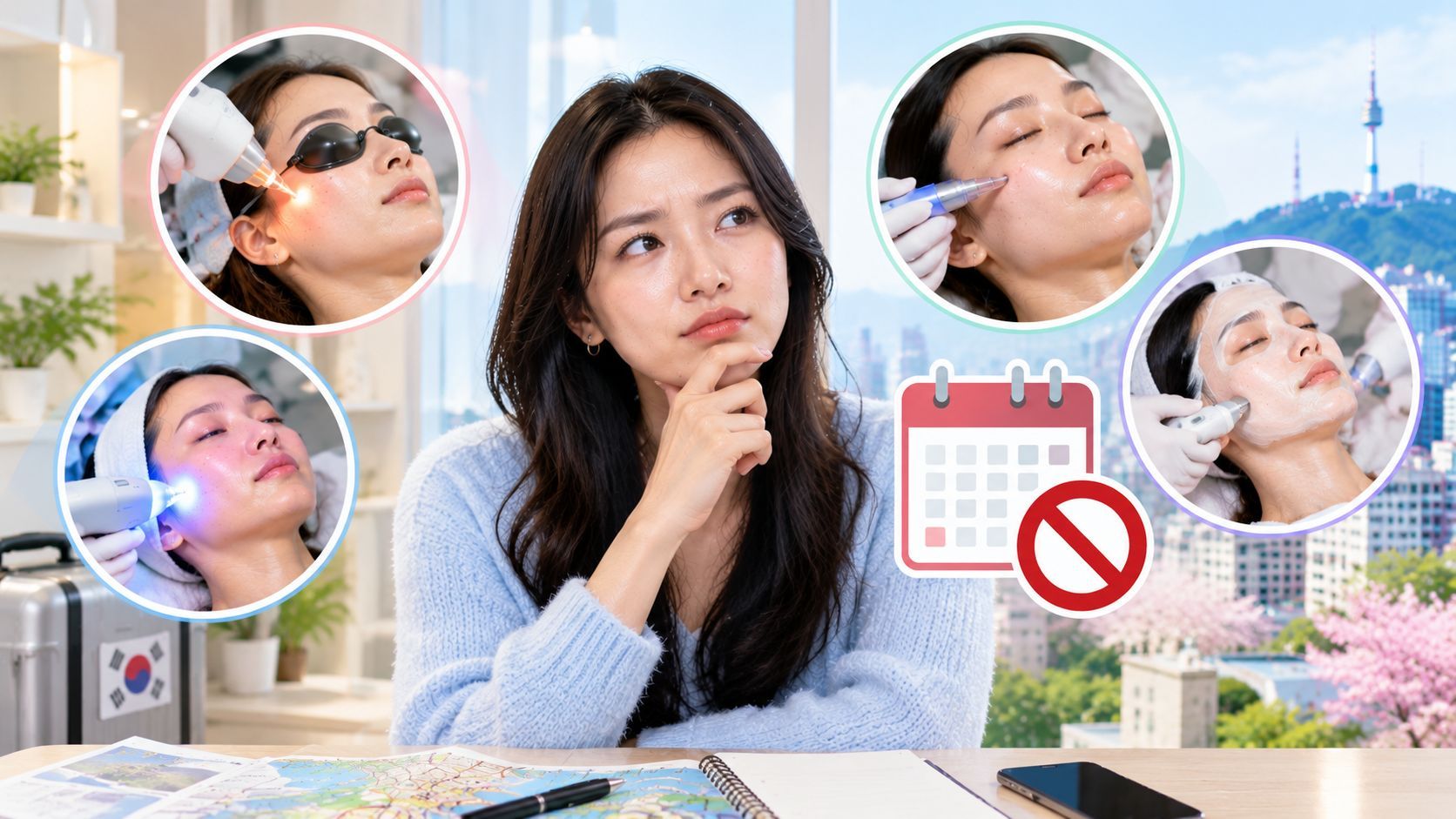
For an international patient visiting Seoul for a short period, there may also be limited time to observe the skin's response before flying home.
What Should You Ask a Seoul Clinic?
Before choosing Fraxel or Potenza, ask:
What is actually causing my enlarged-looking pores?
Are my texture problems related to acne scars, pigmentation, dryness, or laxity?
What exact Fraxel device and wavelength would you use?
What Potenza tip, depth, and RF settings would you use?
Why is this technology appropriate for my skin?
How much downtime should I realistically expect?
What is my risk of post-inflammatory hyperpigmentation?
Would subcision or another targeted scar treatment be more appropriate?
These questions help move the discussion away from device popularity and toward the actual skin problem.
What If You Only Have a Short Seoul Trip?
A short trip requires realistic planning.
Ideally, leave enough time for:
- Consultation
- Treatment
- Initial recovery
- Follow-up if recommended
- Flight preparation
Do not assume that the treatment with the shortest advertised downtime is automatically appropriate. Your actual skin response can vary.
If you have an event, photoshoot, business meeting, or flight shortly after treatment, tell the clinic before deciding.
Conclusion
Fraxel and Potenza can both be considered for pores and uneven texture, but they approach the problem differently.
Fraxel may be relevant when fractional laser resurfacing is the main objective, particularly for selected texture, fine lines, photodamage, and acne-scar concerns.
Potenza may be relevant when pores and texture overlap with shallow acne scars or mild skin laxity and RF microneedling is appropriate.
Neither treatment permanently removes normal pores, and neither is automatically the right choice for every type of acne scar.
The most useful decision comes from identifying why your pores or texture look uneven, then matching the treatment mechanism, intensity, downtime, and risk profile to that specific problem.
Frequently Asked Questions
Is Fraxel better than Potenza for pores?
Neither is universally better. Both may improve the appearance of pores in selected patients, but the appropriate option depends on the cause of the pore prominence and whether other concerns such as acne scars or laxity are present.
Is Potenza better than Fraxel for skin texture?
Potenza may be useful for selected textural concerns, particularly when shallow scars or mild laxity are involved. Fraxel may be considered when fractional laser resurfacing is the primary objective.
Which has more downtime, Fraxel or Potenza?
There is no fixed answer. Recovery depends on the exact laser, wavelength and settings for Fraxel, or needle depth, RF settings, and treatment intensity for Potenza.
Can Potenza permanently shrink pores?
No. Pores are normal skin structures and cannot simply be permanently removed. Treatment may make them appear less prominent in selected cases.
Can I get Fraxel if I have darker skin?
It may be possible in selected patients, but laser settings and pigment risk need careful consideration. Post-inflammatory hyperpigmentation is an important potential complication.
Can Fraxel and Potenza be done during one trip to Seoul?
They may be included in a treatment plan in selected cases, but combining them should have a clear clinical rationale. Recovery time and the sequence of procedures should be planned carefully.