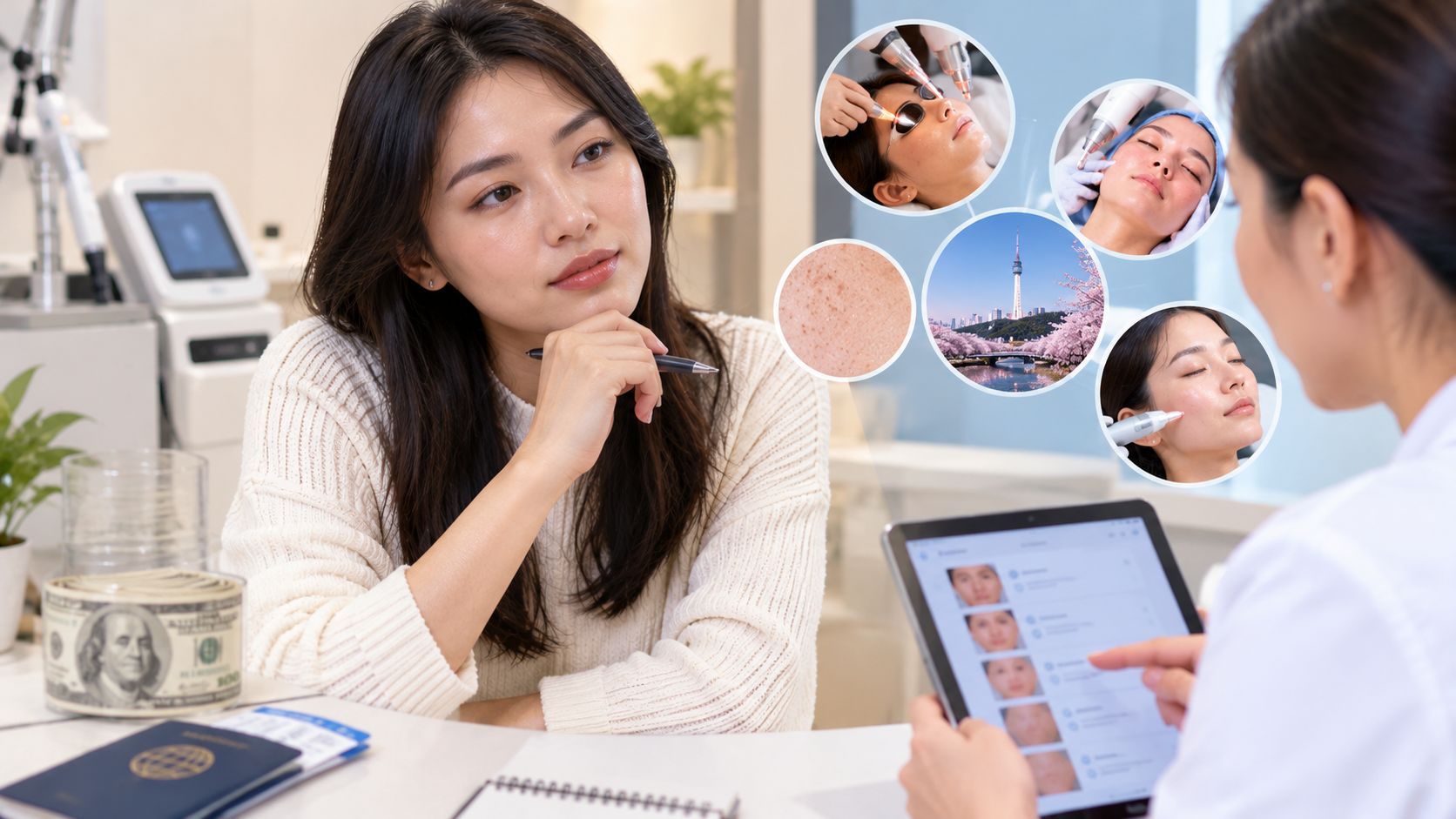
Can Lasers Permanently Shrink Pores?
Introduction
Enlarged pores are one of the most common skin-texture concerns treated with lasers and other energy-based procedures. However, the idea that a laser can permanently “close” or shrink pores needs some clarification.
Lasers can make pores look smaller and less noticeable, but they cannot permanently eliminate normal pores. Pores are natural openings of hair follicles and sebaceous glands, and their appearance is influenced by factors such as sebum production, skin elasticity, age, follicular size, and genetics.
Treatments such as fractional laser resurfacing can improve the surrounding skin through controlled injury and collagen remodeling. This can make pore edges appear smoother and less prominent. But the result is better described as reduced pore visibility, not permanent pore closure.
Can Lasers Permanently Shrink Pores?
No laser can permanently remove or seal normal pores. However, some laser treatments can produce a longer-lasting improvement in how visible pores appear.
The distinction matters because pore size and pore visibility are not exactly the same thing.
A pore may appear larger because:
- the follicle contains excess sebum
- the surrounding skin has lost elasticity
- collagen support has decreased
- the skin surface is uneven
- acne or acne scars have altered the texture
- sun damage has affected the surrounding skin
Laser treatment may improve some of these contributing factors without changing the fundamental existence of the pore.
How Can Laser Treatment Make Pores Look Smaller?
Collagen Remodeling
Fractional laser treatments create controlled microscopic treatment zones in the skin. During healing, the skin undergoes remodeling and produces new collagen.
This can improve surface texture and the appearance of enlarged pores. Fractional laser resurfacing is also used for acne scars and other textural concerns.
Smoother Skin Around the Pore
Sometimes the pore itself is not dramatically changed, but the skin surrounding it becomes smoother.
When the transition between the pore opening and surrounding skin is less irregular, the pore can appear smaller when viewed in normal lighting.
This is why photographs or close-up mirrors may show a noticeable difference even though the underlying follicular opening remains.
Improved Skin Firmness
Reduced elasticity can make pores more visible. Reviews of enlarged pores identify decreased skin elasticity as one of the factors associated with increased pore appearance.
A collagen-remodeling procedure may therefore help some age-related pore concerns.
Which Lasers Are Used for Enlarged Pores?
Fractional Laser
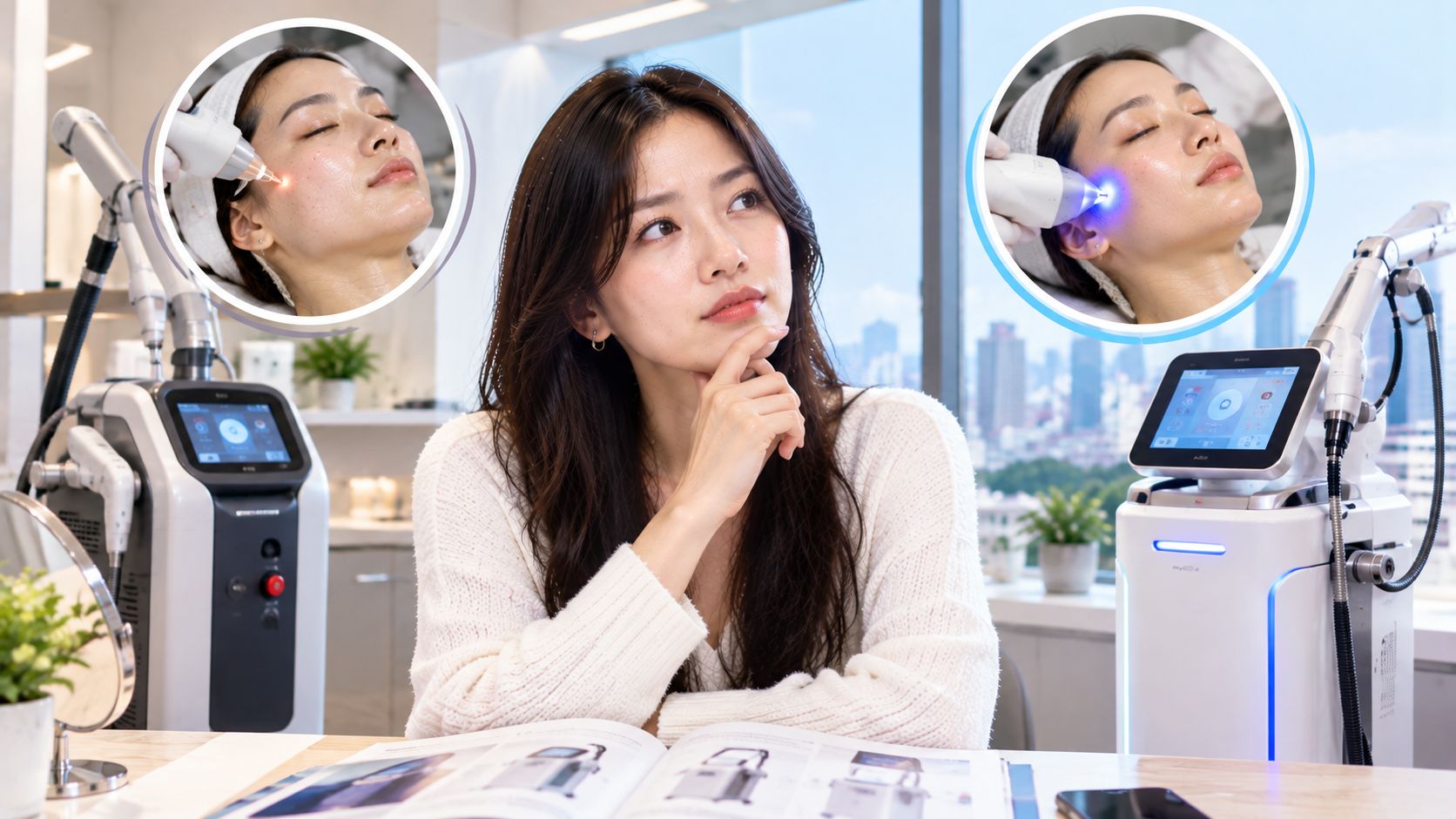
Fractional lasers are among the most relevant laser categories when pore visibility is connected to uneven skin texture.
Depending on the device and settings, fractional laser treatment can stimulate collagen remodeling and improve:
- enlarged pores
- rough texture
- fine lines
- selected acne scars
- photoaging
The intensity of treatment can vary significantly, so “fractional laser” does not automatically mean the same downtime or result.
Non-Ablative Fractional Laser
Non-ablative fractional lasers heat targeted areas of the skin without removing the entire surface layer.
They may offer a balance between texture improvement and recovery time, although multiple treatments may be required.
Fractional CO2 Laser
Fractional CO2 is a more aggressive resurfacing option and can produce substantial collagen remodeling.
It may be considered when enlarged pores occur alongside more significant acne scars, wrinkles, or surface irregularities.
However, greater resurfacing intensity also means greater recovery requirements and potential risks, including prolonged redness and pigmentary changes.
A stronger laser should not automatically be interpreted as a better pore treatment.
What About Pico Laser for Pores?
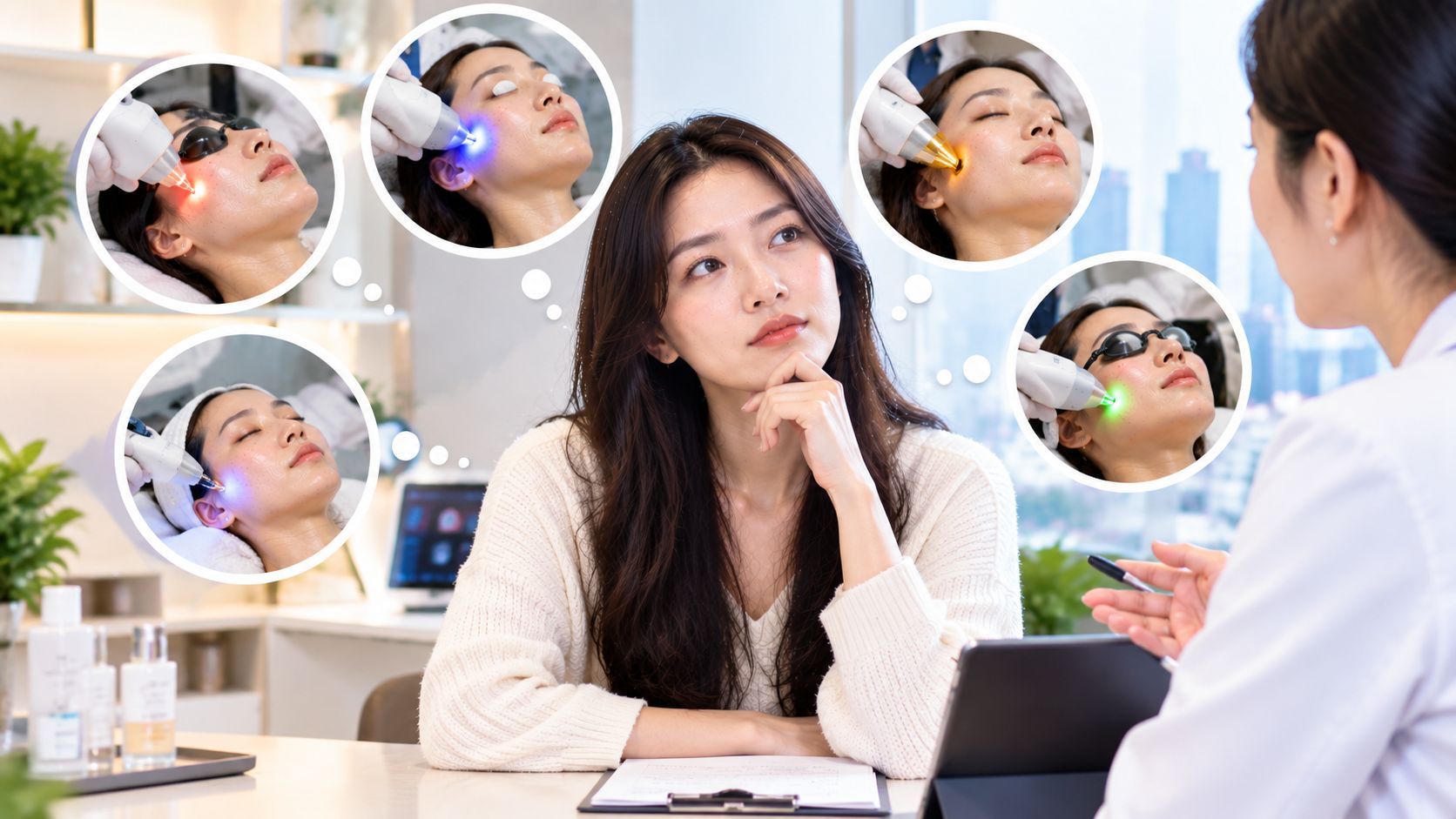
Pico laser is frequently promoted for pores and overall skin quality, but its effect depends heavily on the particular device, wavelength, lens, and treatment protocol.
Some Pico treatments are primarily designed for pigmentation, while others may be used for skin-quality or textural concerns.
Therefore, if a Seoul clinic recommends Pico specifically for your pores, ask:
- Which Pico device are you using?
- Which wavelength?
- Which treatment mode?
- What is the intended mechanism for improving my pores?
- Is the treatment primarily targeting pigmentation or texture?
This is more informative than simply asking whether Pico “shrinks pores.”
What About RF Microneedling?
Potenza and Similar RF Microneedling Treatments
RF microneedling is not a laser, but it is an important alternative when discussing pore treatment.
It combines controlled needle injury with radiofrequency energy and can stimulate remodeling at selected depths.
Clinical research has reported significant improvement in enlarged facial pores after fractional microneedling radiofrequency treatment.
This can make RF microneedling particularly relevant when pores are accompanied by:
- rough texture
- mild laxity
- acne scars
- collagen-related changes
Why Do Pores Sometimes Come Back After Laser?
Sebum Production Continues
Laser treatment does not permanently stop your sebaceous glands from producing oil.
If excess sebum contributes to pore visibility, pores may become noticeable again as oil production continues.
Research has found an association between sebum output and visible pore size.
Skin Continues to Age
Collagen and elastin change over time. Sun exposure and intrinsic aging can affect skin elasticity and texture.
Therefore, even if a treatment produces a good improvement, it does not freeze the skin at its post-treatment state.
Genetics Still Matter
Some people naturally have more visible follicles or greater sebaceous activity.
Treatment can modify appearance, but it cannot completely override individual skin biology.
Can Skincare Help Maintain Smaller-Looking Pores?
Yes.
The AAD recommends several approaches for making pores less noticeable, including treating oily skin and acne, using non-comedogenic products, avoiding excessive scrubbing, and protecting the skin from sun exposure.
Oil Control
If excess oil contributes to pore visibility, appropriate oil-control skincare can help prevent the pores from appearing increasingly prominent.
Retinoids
Topical retinoids can be useful for selected patients with acne, clogged pores, and related skin concerns. They should be introduced appropriately because irritation can worsen the appearance of sensitive or inflamed skin.
Sun Protection
UV exposure contributes to collagen degradation and photoaging. Protecting the skin can therefore support the long-term appearance of treated skin.
Can Lasers Make Pores Look Worse Temporarily?
Post-Treatment Swelling
Immediately after laser treatment, inflammation and swelling can temporarily alter skin texture.
This may make pores appear unusual or more visible during the early recovery period.
The final result should not be judged immediately after treatment.
Excessive Irritation
Overly aggressive treatment can cause prolonged inflammation, which may lead to pigmentary changes or other complications.
This is particularly relevant for patients prone to post-inflammatory hyperpigmentation.
Appropriate settings and realistic treatment goals are therefore more important than simply selecting the strongest laser.
What About Asian Skin and Enlarged Pores?
Laser treatment can be used in Asian skin, but treatment parameters should be individualized.
Patients with a history of pigmentation after procedures should specifically discuss their risk of post-inflammatory hyperpigmentation before laser resurfacing.
The treatment plan may take into account:
- natural skin tone
- previous pigmentation reactions
- current inflammation
- acne activity
- laser wavelength
- treatment intensity
- recovery time
A conservative treatment plan may sometimes be more appropriate than aggressive resurfacing.
How Many Laser Sessions Are Usually Needed?
There is no universal number.
Pore improvement often develops gradually as collagen remodeling occurs. Depending on the treatment, a dermatologist may recommend a series of sessions rather than one aggressive procedure.
Your treatment plan may depend on whether the pores are associated with:
- oily skin
- acne
- acne scars
- aging
- laxity
- photodamage
If a clinic promises that one laser session will permanently eliminate your pores, it is worth asking exactly what outcome they mean by “permanent.”
What Should You Expect From Laser Pore Treatment in Seoul?
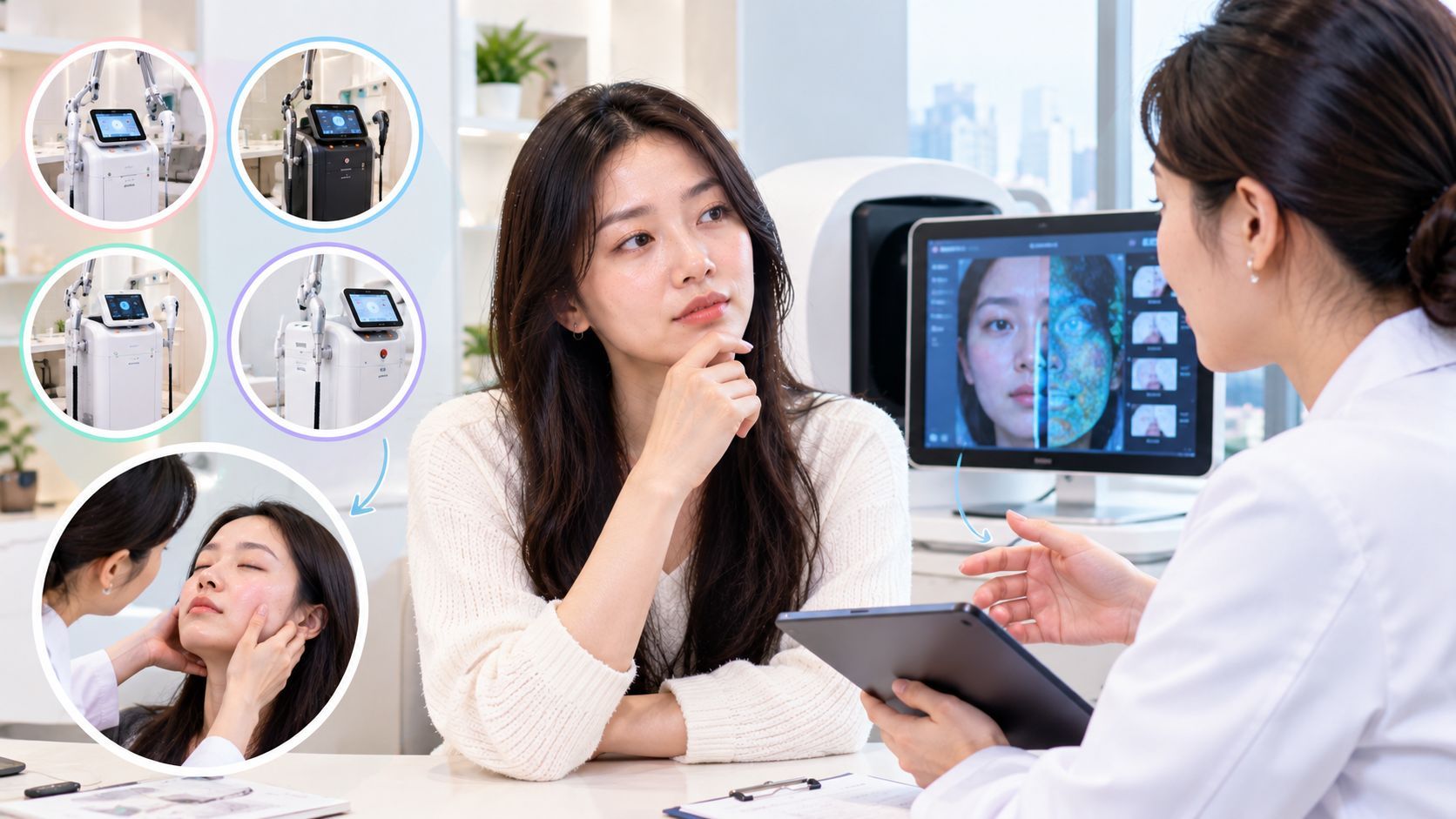
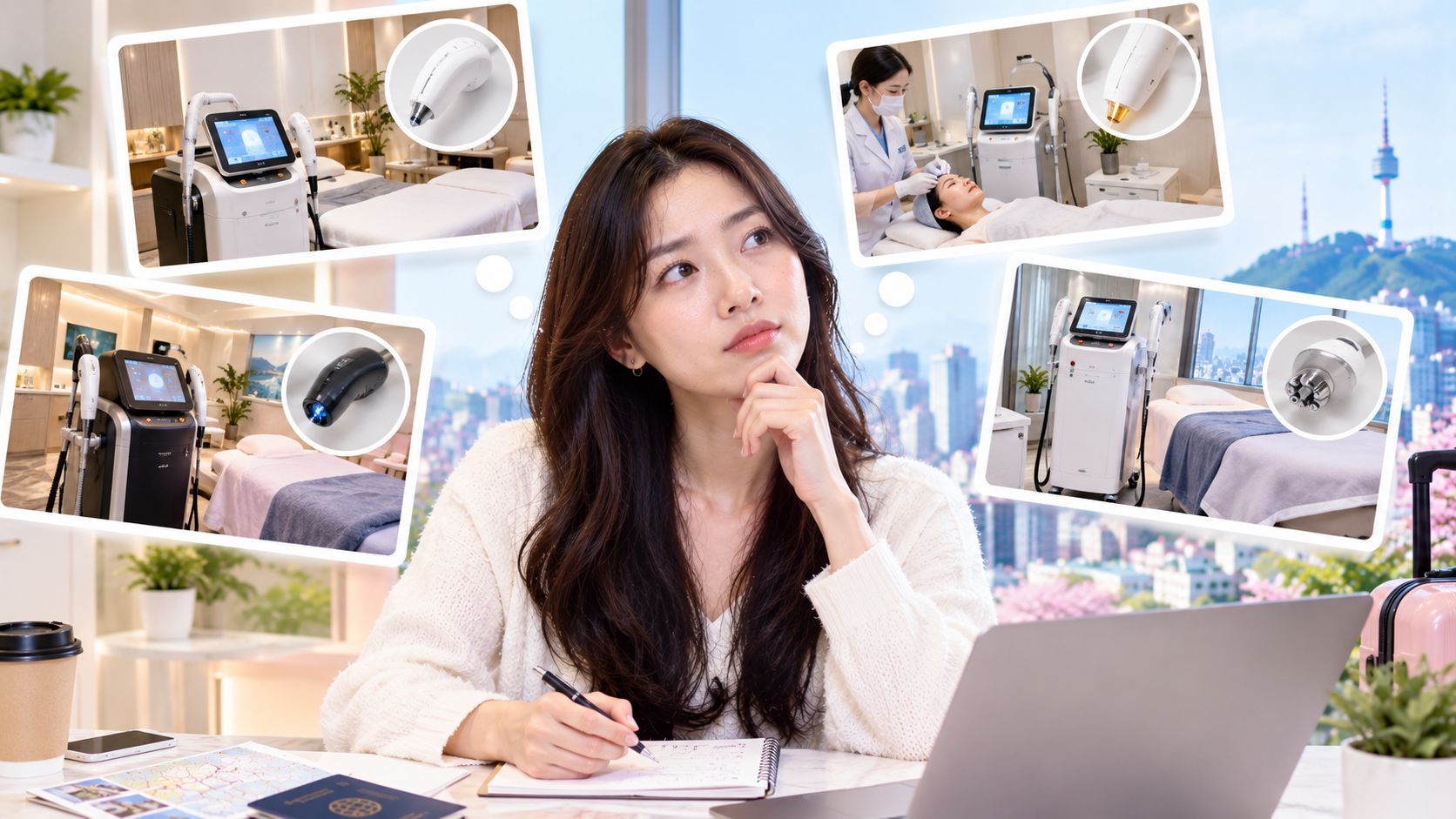
If you are traveling to Seoul for laser treatment, consultation should focus on the cause of your pore visibility rather than just the device name.
Ask:
- Are my pores mainly caused by oil, aging, or skin texture?
- Do I have acne scars that are being mistaken for pores?
- Which laser are you recommending?
- Why is this laser appropriate for my skin tone?
- Is it ablative or non-ablative?
- How much downtime should I expect?
- What is the risk of pigmentation?
- How many sessions are likely to be needed?
- What should I do during recovery?
- What maintenance treatment or skincare will I need afterward?
If you are an international patient, also ask how long the clinic recommends staying in Seoul after the procedure and whether follow-up is needed before you fly home.
Laser vs RF Microneedling for Long-Term Pore Improvement
ConsiderationFractional LaserRF MicroneedlingPore visibilityCan improve selected casesCan improve selected casesRough textureStrong relevanceStrong relevanceAcne scarsCommonly usedCommonly used for selected scarsCollagen remodelingYesYesSurface resurfacingMore prominent depending on laserLess focused on surface ablationPigmentationSome fractional lasers can address selected concernsNot primarily a pigment treatmentDowntimeHighly variableUsually temporary redness/swellingSkin-tone considerationsImportantImportant
Neither category guarantees permanent pore reduction.
Conclusion
Lasers cannot permanently close normal pores, but they can make pores look smaller and less noticeable by improving surrounding skin texture, collagen remodeling, and in some cases skin firmness.
Fractional laser treatments can be useful when enlarged pores are connected with rough texture, photodamage, or acne scars. RF microneedling is another important option, particularly when pores occur with textural irregularity or collagen-related changes.
Long-term results also depend on factors that lasers cannot permanently change, including oil production, genetics, aging, and sun exposure.
The realistic goal is therefore long-term improvement in pore visibility, not permanent pore elimination.
FAQs
Can laser permanently close large pores?
No. Pores are normal anatomical structures and cannot be permanently eliminated with laser treatment. Laser procedures can make them less visible by improving the surrounding skin.
Which laser is best for permanently shrinking pores?
No laser can permanently shrink normal pores. Fractional laser treatment may improve pore visibility when texture, collagen changes, or acne scars contribute to the problem.
Does fractional CO2 permanently shrink pores?
Fractional CO2 can produce significant resurfacing and collagen remodeling, which may make pores less noticeable. However, it cannot permanently eliminate normal follicular openings.
Can Pico laser make pores smaller?
Some Pico treatment protocols may improve pore appearance, but results depend on the specific device, wavelength, and treatment method. Pico is not one standardized pore treatment.
Is RF microneedling better than laser for pores?
Neither is universally better. RF microneedling may be useful for pores associated with texture and collagen changes, while fractional laser may be more appropriate when resurfacing and photodamage are important components.
Why do my pores become visible again after laser treatment?
Oil production, aging, sun exposure, and genetic factors continue after treatment. Laser treatment can improve pore visibility but does not permanently change all of the biological factors that influence pore appearance.