Fraxel vs Potenza for Rough Skin Texture
Introduction
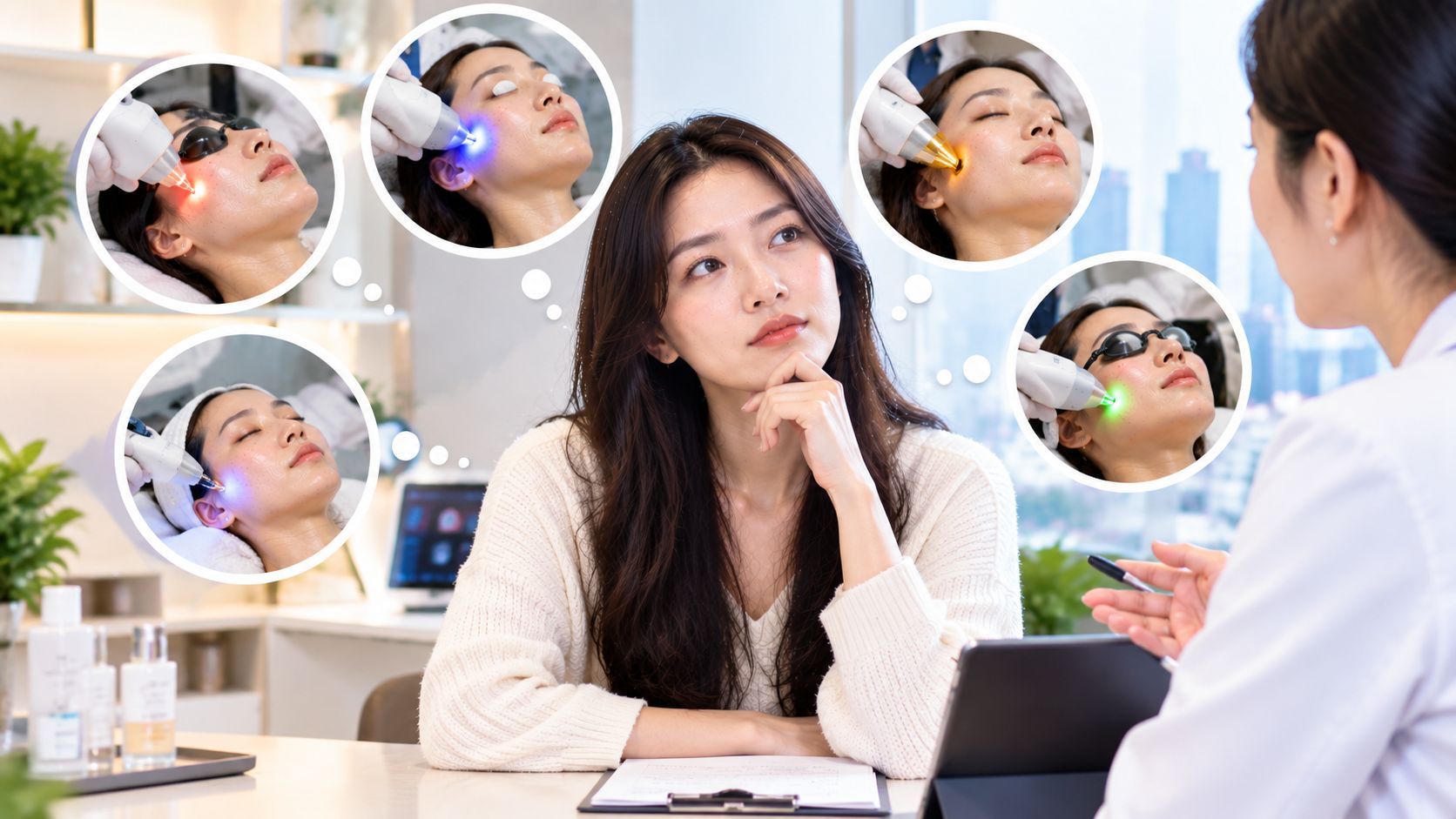
Rough skin texture can come from several different problems, including enlarged pores, acne scars, uneven collagen, sun damage, fine lines, and surface irregularities. Fraxel and Potenza can both be used to improve texture, but they approach the skin in different ways.
Fraxel is a fractional laser treatment, while Potenza is a radiofrequency microneedling treatment. Neither is automatically better for every type of rough texture. The more useful question is whether your main problem is superficial resurfacing, deeper textural irregularity, acne scarring, enlarged pores, or a combination of concerns.
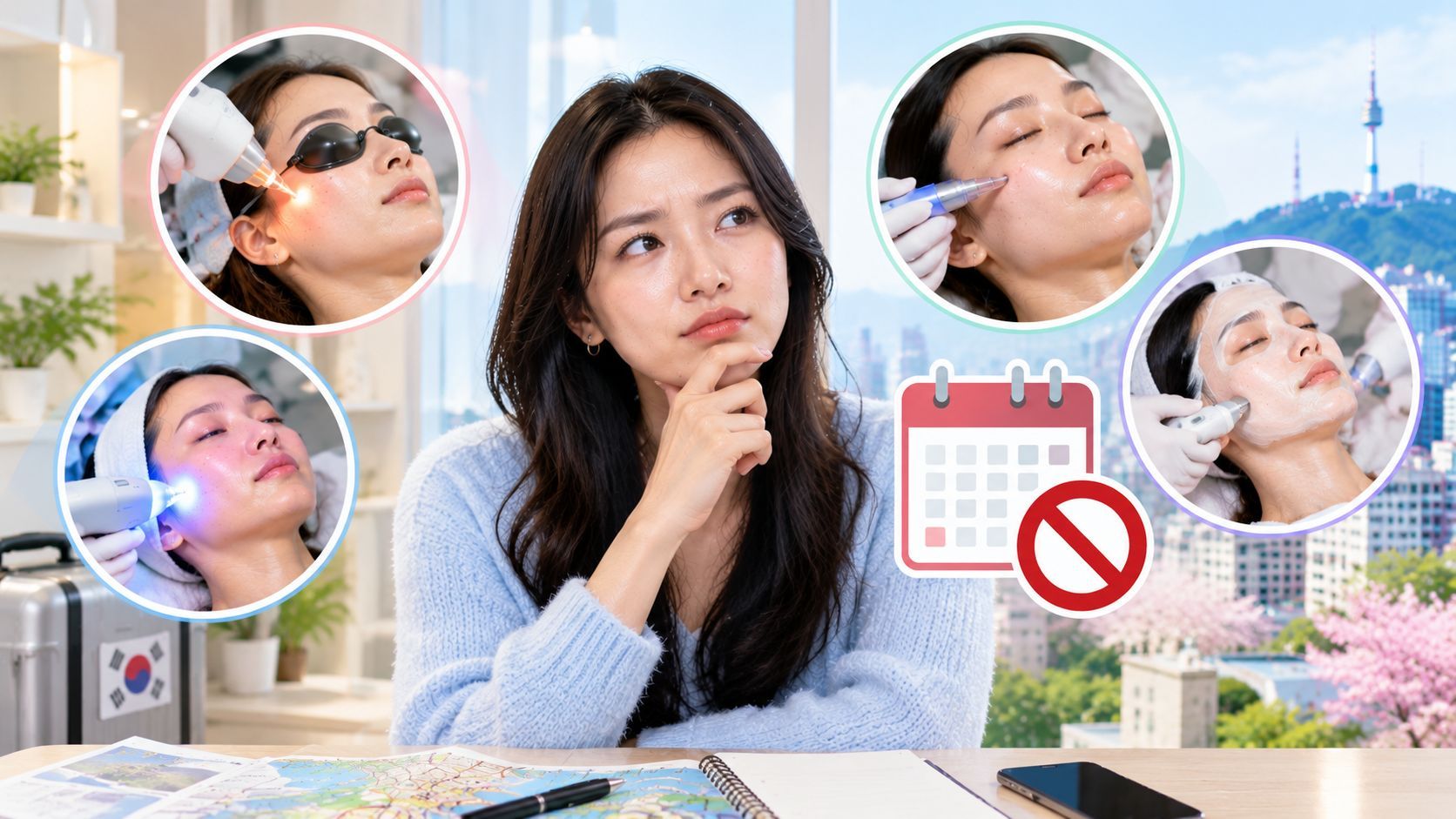
For patients considering treatment in Seoul, understanding this distinction can help prevent choosing a procedure simply because a particular device is popular.
Fraxel vs Potenza: What Is the Main Difference?
Fraxel and Potenza both create controlled injury to stimulate skin remodeling, but the source of that energy is different.
FeatureFraxelPotenzaTechnologyFractional laserRF microneedlingEnergyLaserRadiofrequencyDeliveryFractional laser columnsNeedles + RF energyMain applicationsTexture, photodamage, selected scarsTexture, pores, selected scars, laxityTreatment depthDepends on laser wavelength and protocolAdjustable needle depth and RF deliverySurface resurfacingMore prominent with ablative protocolsLess focused on surface ablationTypical recoveryVaries widely by Fraxel type/settingsUsually redness and swelling
The term Fraxel itself can refer to fractional laser technology rather than one identical treatment protocol. Treatment effects and downtime depend on the particular laser wavelength and settings.
How Does Fraxel Improve Rough Skin?
Fractional Laser Resurfacing
Fractional laser treatment creates microscopic treatment zones in the skin while leaving surrounding areas untreated. The skin then repairs and remodels these treated areas.
Depending on the specific laser, fractional treatment can address surface irregularity, photodamage, fine lines, and some acne scars. The American Academy of Dermatology describes laser resurfacing as a treatment that can improve skin texture and certain scars by stimulating new collagen and allowing the skin to heal.
When Fraxel May Be Relevant
Fraxel may be considered when roughness is accompanied by:
- sun damage
- uneven pigmentation
- fine lines
- shallow acne scars
- uneven surface texture
- enlarged pores
However, the exact laser matters. A more aggressive resurfacing treatment can involve considerably more downtime than a gentler fractional approach.
How Does Potenza Improve Rough Texture?
RF Microneedling
Potenza combines microneedling with radiofrequency energy. Tiny needles penetrate the skin and deliver RF energy at controlled depths.
The goal is to stimulate remodeling within the skin while improving the appearance of texture, pores, and selected scars.
The AAD notes that microneedling can improve uneven skin texture, large pores, acne scars, and wrinkles, while RF microneedling adds heat to the treatment.
When Potenza May Be Relevant
Potenza may be discussed when rough texture occurs together with:
- enlarged pores
- mild skin laxity
- acne scars
- uneven cheek texture
- collagen-related textural changes
Because needle depth and RF delivery can be adjusted, treatment can be customized to different areas and concerns.
Fraxel vs Potenza for Acne-Scar-Related Texture
The Type of Scar Matters
“Rough texture” is not a diagnosis.
A patient with shallow rolling acne scars has a different problem from someone with deep ice-pick scars. Boxcar scars may require another approach again.
Fractional lasers can be used for acne scars, but some depressed scars may respond better to procedures such as subcision or combination treatment. The AAD notes that acne-scar treatment depends on the type of scar and may involve lasers, microneedling, fillers, or surgical techniques.
Potenza may help selected textural irregularities, but it should not be expected to correct every type of depressed scar by itself.
Which Is Better for Enlarged Pores?
Potenza Can Be Considered for Structural Pore Concerns
RF microneedling has been studied specifically for enlarged pores. Clinical research has reported improvement in pore appearance after fractional microneedling radiofrequency treatments.
This may make Potenza a relevant option when rough texture and enlarged pores are closely connected.
Fraxel May Help When Surface Texture Is the Main Concern
Fractional laser resurfacing can improve irregular surface texture by stimulating controlled skin renewal and collagen remodeling.
But if your main concern is oily pores rather than photodamaged or scarred skin, a laser resurfacing treatment may not address the entire problem.
What If You Have Pigmentation Too?
Fraxel Can Address Some Photodamage
Certain fractional laser protocols are used for sun-damaged skin and pigmentation-related concerns.
However, not every form of pigmentation should be treated aggressively with resurfacing. Melasma, in particular, requires caution because inflammation and heat can sometimes worsen pigmentation.
Potenza Is Not Primarily a Pigmentation Treatment
Potenza is generally selected for skin remodeling rather than directly targeting brown pigmentation.
If rough texture and pigmentation occur together, your dermatologist may recommend separate treatment strategies rather than expecting one procedure to correct everything.
What About Asian Skin?
Pigment Risk Matters
People with Asian or more melanin-rich skin may need careful consideration before fractional laser treatment because inflammation can contribute to post-inflammatory hyperpigmentation.
This does not mean fractional laser cannot be used. Instead, treatment parameters, laser type, skin tone, pigmentation history, and recovery must be considered.
RF microneedling is also not risk-free. Incorrect depth, energy, or technique can produce excessive inflammation or other complications.
The goal should be appropriate treatment intensity, not the strongest possible treatment.
Which Has More Downtime: Fraxel or Potenza?
Fraxel Recovery
Recovery depends heavily on the type of fractional laser and how aggressively it is used.
A non-ablative fractional treatment may produce redness and swelling for a relatively short period, while more aggressive resurfacing can cause more visible redness, peeling, crusting, or prolonged recovery.
Potenza Recovery
RF microneedling usually causes temporary redness and swelling. Pinpoint bleeding or small treatment marks may occur depending on settings and technique.
Compared with aggressive laser resurfacing, the visible recovery profile may be easier for some patients to manage, but it should not be described as completely downtime-free.
If you are traveling to Seoul for a short visit, ask for the expected recovery period for the exact protocol being recommended.
Can Fraxel or Potenza Be Used With Other Treatments?
Combination Treatment Depends on the Problem
Rough texture often has multiple causes.
For example, someone may have:
- acne scars
- enlarged pores
- pigmentation
- oily skin
- early skin laxity
Treating all of these with one procedure may not be ideal.
A dermatologist might combine or sequence treatments such as laser resurfacing, RF microneedling, pigmentation treatment, subcision, or skincare depending on the findings.
Combining several energy-based procedures too aggressively can increase inflammation and recovery requirements, so sequencing matters.
How Many Sessions Do You Need?
There is no universal number.
Both fractional laser and RF microneedling are often performed as a series when the goal is progressive collagen remodeling.
The number of sessions depends on:
- severity of texture irregularity
- acne-scar depth
- skin tone
- treatment intensity
- previous procedures
- desired degree of improvement
- recovery time available
Your dermatologist should explain whether the proposed treatment is intended as a single treatment or part of a longer series.
Which Treatment Fits Different Texture Problems?
Main concernFraxelPotenzaRough surface textureMay be appropriateMay be appropriateEnlarged poresCan help selected casesParticularly relevant for selected pore concernsAcne scarsCommonly usedMay help selected scarsSun damageParticularly relevant with appropriate laserNot primarily a pigment treatmentMild laxityLimited depending on protocolMay provide collagen remodelingDeep depressed scarsOften requires combination treatmentOften requires combination treatmentMinimal downtimeDepends on laser typeUsually moderate short-term recoveryPigment-prone skinRequires careful laser selectionStill requires appropriate settings
What Should You Choose for a Seoul Treatment Trip?
If you are traveling to Seoul specifically for rough skin texture, do not select Fraxel or Potenza based only on the device name.
Ask the clinic:
- What is causing my rough texture?
- Is it mainly pores, acne scars, photodamage, or collagen loss?
- Which exact Fraxel laser are you using?
- What wavelength and settings are being considered?
- Why is Potenza more or less appropriate for my skin?
- How much downtime should I expect?
- What is my risk of post-inflammatory pigmentation?
- Would I benefit from subcision or another scar treatment?
- How many sessions are realistically expected?
A detailed consultation can reveal that the best plan is not necessarily one device alone.
Can Fraxel and Potenza Be Combined?
They can potentially be used as part of a broader treatment plan, but combining them does not automatically produce better results.
Both create controlled tissue injury, so performing multiple aggressive procedures without sufficient recovery can increase inflammation.
Some patients may be better served by sequencing treatments rather than stacking them into one appointment.
Conclusion
Fraxel and Potenza can both improve rough skin texture, but they target the skin differently. Fraxel is a fractional laser approach that can be particularly relevant for surface texture, photodamage, fine lines, and selected acne scars. Potenza is RF microneedling and may be particularly useful when rough texture is associated with enlarged pores, acne scars, or collagen-related changes.
There is no universal winner. The appropriate choice depends on what is actually causing the roughness, your skin type, pigmentation history, scar pattern, desired results, and acceptable downtime.
For a Seoul treatment plan, comparing the treatment protocol rather than just comparing the machine names is usually more informative.
FAQs
Is Fraxel better than Potenza for rough skin?
Not universally. Fraxel may be particularly relevant for surface resurfacing and photodamage, while Potenza may be useful for texture associated with pores, acne scars, and collagen remodeling. The cause of the rough texture should determine the treatment.
Is Potenza good for rough skin texture?
It can be. RF microneedling is used for uneven texture, enlarged pores, acne scars, and other skin-quality concerns. The AAD recognizes microneedling and RF microneedling as options for improving skin texture.
Which is better for acne scars, Fraxel or Potenza?
Both may be considered for selected acne scars, but scar type matters. Deep ice-pick, rolling, and boxcar scars may require different or combination treatments rather than relying on either device alone.
Does Fraxel have more downtime than Potenza?
It depends on the exact Fraxel protocol. More aggressive fractional resurfacing generally produces more visible recovery, while Potenza commonly causes temporary redness and swelling. Your clinic should explain the expected downtime for the specific settings being used.
Can Potenza replace Fraxel?
Not in every situation. The treatments have different mechanisms and are selected for different combinations of concerns. Potenza should not automatically be considered a substitute for fractional laser resurfacing.