Why Do My Pores Look Bigger After 40?
Introduction
Many people notice that their pores seem more obvious in their 40s, even if they did not have a major pore problem when they were younger. The change can be especially noticeable around the nose, cheeks, and inner cheek area.
Aging does not necessarily mean that every pore suddenly becomes physically much larger. Instead, changes in skin elasticity, accumulated sun exposure, sebum production, follicular structure, and overall skin texture can make existing pores appear more visible.
Why Do My Pores Look Bigger After 40?
The most common reason is loss of skin firmness around the pore opening. As skin becomes less elastic, the tissue supporting each follicle can change, making pores appear wider or more prominent. Research has found an association between decreased skin elasticity and more visible facial pores.
Other factors can contribute at the same time, including oil production, genetics, previous acne, UV exposure, and changes in skin texture. A review of enlarged facial pores identified excessive sebum, reduced elasticity around pores, and increased follicular volume as important contributing factors.
What Changes in the Skin After 40?
Reduced Skin Elasticity
One of the biggest changes is gradual loss of elasticity. Aging affects the mechanical properties of facial skin, and studies have documented declining elasticity with age.
When the skin surrounding a pore becomes less firm, the pore can look less tightly defined. This is why a person may feel that their pores have suddenly become “stretched,” even though the underlying change is more complicated than simply an enlarged opening.
Cumulative Sun Damage
UV exposure contributes to collagen and elasticity changes over time. The American Academy of Dermatology notes that sun-damaged skin loses firmness, which can make pores more noticeable.
This means someone who had relatively small-looking pores in their 20s may notice considerably more texture after years of cumulative sun exposure.
Changes in Sebum and Follicles
Oil production is another important factor. Research has found an association between increased sebum production and facial pore size.
Aging does not affect everyone's sebum production in the same way. Some people continue to have oily skin, while others experience drier skin. If oil, dead skin cells, or comedones make pores more noticeable, simply treating “aging” may not address the whole problem.
Loss of Overall Skin Smoothness
Pores are also easier to see when the surrounding skin has uneven texture, fine lines, acne scars, or photodamage. In this situation, the issue may not be pore size alone. The contrast between the pore and surrounding skin can make the entire area look rougher.
Does Turning 40 Automatically Make Pores Larger?
No. There is no specific age at which everyone's pores suddenly enlarge.
Individual studies have produced different findings about the relationship between chronological age and pore size. Some research has found associations with age, while other research suggests that sebum and elasticity may be more important variables.
A better way to think about it is that the visible appearance of pores can become more noticeable with age because several skin changes occur simultaneously.
Your genetics, skin type, sun exposure, acne history, hormones, and skincare habits can all influence how noticeable pores become.
Why Pores May Look Different on the Nose and Cheeks
Nose Pores
Nose pores are often strongly influenced by sebaceous activity and sebaceous filaments. Because the nose contains many active sebaceous follicles, pores can remain prominent even when the surrounding skin is relatively firm.
Cheek Pores
Cheek pores may become more noticeable because of declining elasticity, photoaging, previous acne, or uneven texture. This is particularly relevant after 40 because a treatment aimed only at reducing oil may not address the structural component.
What Can You Do About Pores After 40?
The most useful approach depends on why the pores are visible rather than simply your age.
Start With Skincare
A basic routine can address some of the factors that make pores more noticeable.
- Use non-comedogenic skincare and makeup.
- Cleanse gently rather than aggressively scrubbing.
- Consider retinoid-based skincare when medically appropriate.
- Address acne or clogged pores if they are present.
- Use broad-spectrum sunscreen consistently.
- Avoid squeezing or picking at pores.
The AAD specifically recommends non-comedogenic products, gentle cleansing, appropriate retinoid use, acne management, and daily sun protection for making pores less noticeable.
If retinoids irritate your skin, a dermatologist can help determine whether the product, strength, or frequency should be changed.
Consider Treatments That Address Texture and Firmness
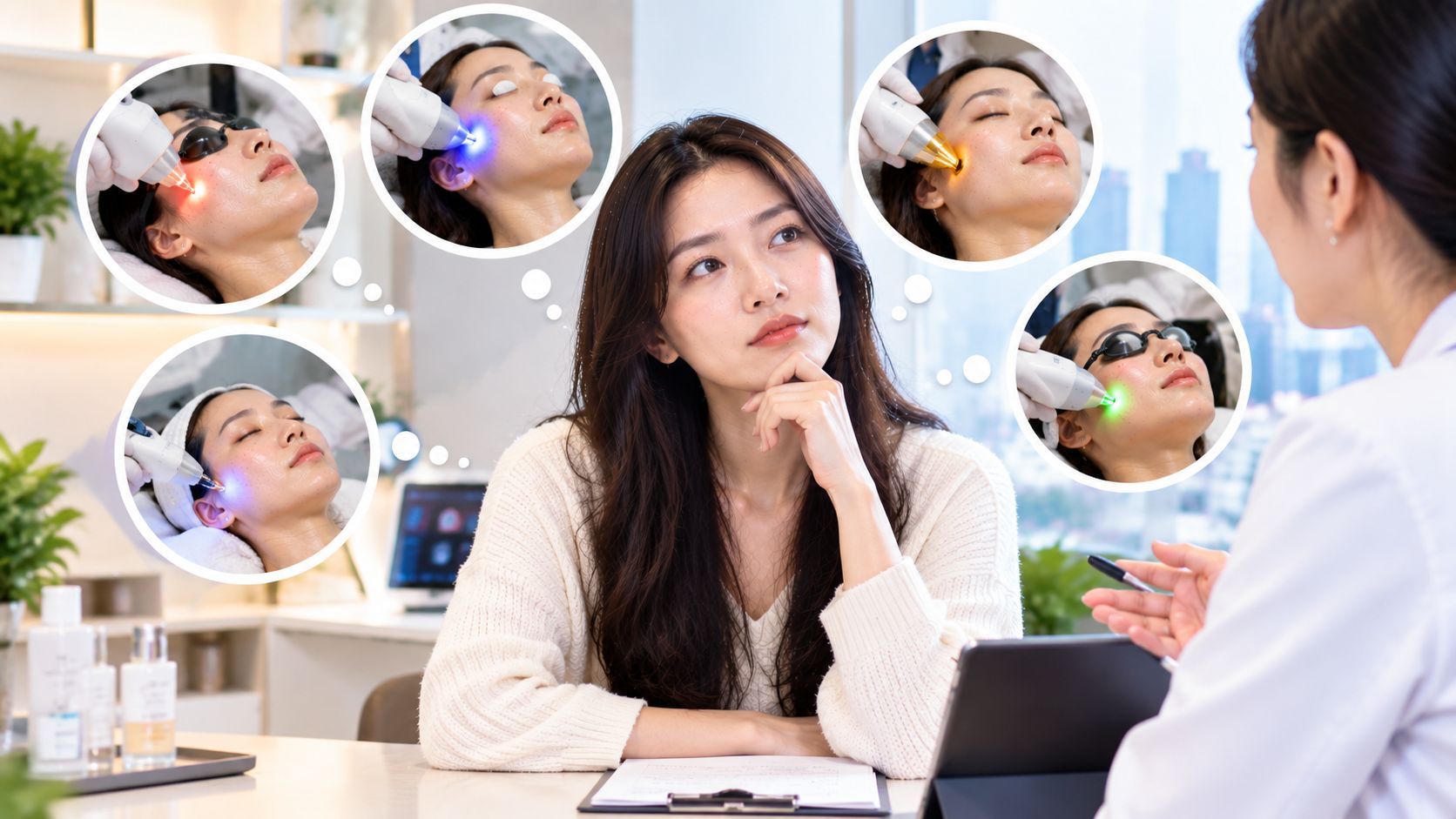
If your pores became more noticeable alongside skin laxity or rough texture, a dermatologist may consider treatments that stimulate remodeling of the skin rather than focusing exclusively on oil control.
Options may include:
- RF microneedling: Can be considered when enlarged pores occur alongside texture changes, acne scars, or reduced firmness.
- Fractional laser: May be useful when pores are accompanied by uneven texture, photodamage, or acne scarring.
- Conventional microneedling: Can provide collagen remodeling with generally less aggressive treatment than ablative resurfacing.
- Pico laser: Depending on the specific device and treatment mode, may be considered when pore visibility occurs alongside pigmentation or overall skin-quality concerns.
These treatments have different mechanisms, downtime, risks, and suitability. A 40-year-old with oily skin and clogged pores may need a very different strategy from someone with dry, lax, sun-damaged skin.
What If My Pores Became More Visible After Menopause?
Hormonal changes can alter several aspects of skin aging. During menopause, declining estrogen is associated with substantial changes in collagen and skin firmness, and the AAD notes that loss of firmness can make pores appear larger.
If pore visibility increased together with dryness, thinning, wrinkles, or laxity, treating only excess oil may not address the main issue.
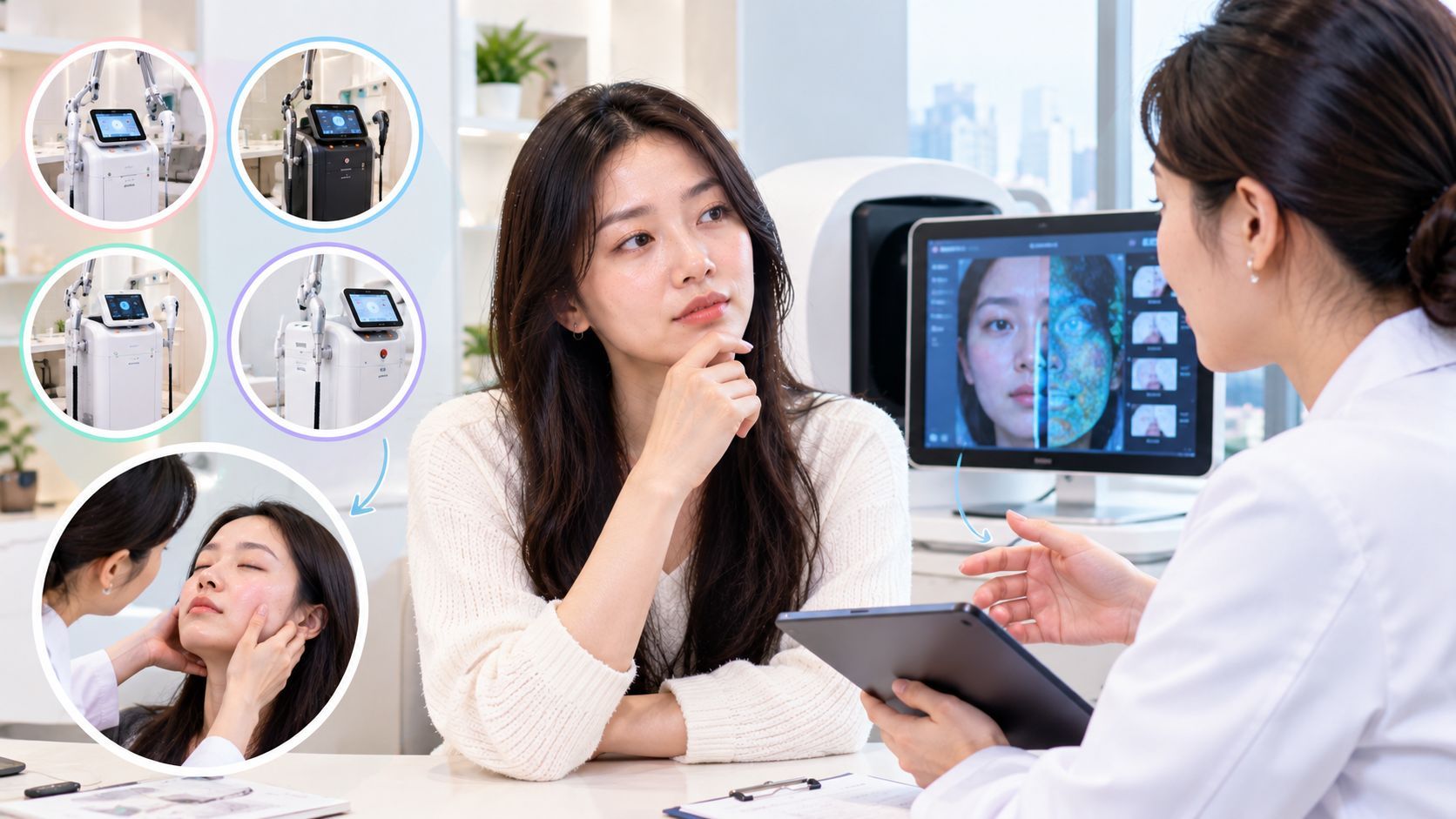
This is one reason an individualized assessment can be more useful than choosing a popular pore treatment based solely on age.
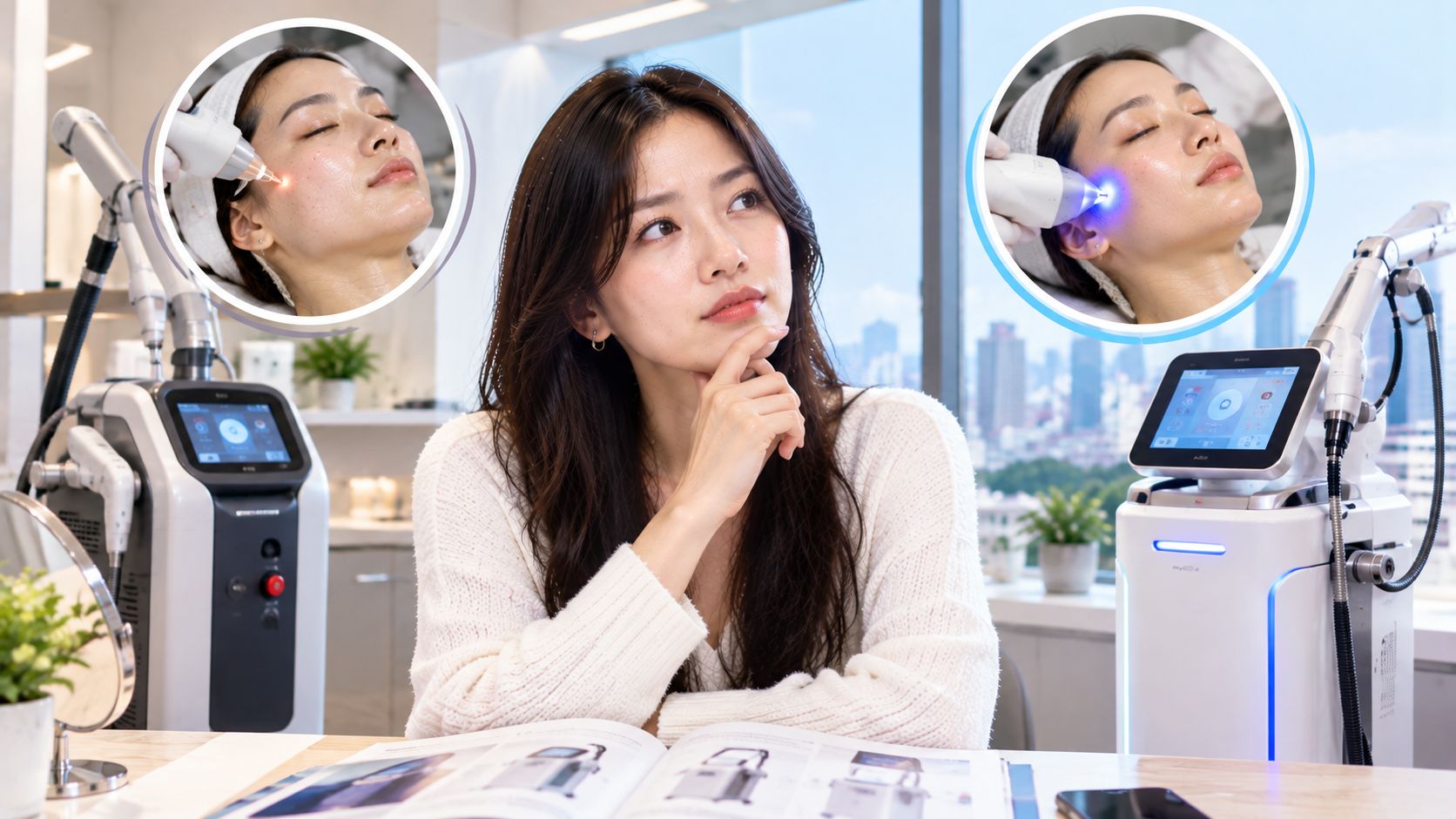
Should You Choose a Laser or RF Treatment for Pores After 40?
There is no single treatment that is appropriate for everyone over 40.
Main concernTreatment category that may be consideredOily or congested poresSkincare and acne/oil-control approachesPores + reduced firmnessRF microneedling or other collagen-remodeling approachesPores + rough textureFractional laser or microneedlingPores + acne scarsRF microneedling, fractional laser, or combination approachesPores + pigmentationA treatment plan addressing both texture and pigmentationPores + significant laxitySkin-firming strategy combined with texture treatment when appropriate
The choice should depend on the actual cause of pore visibility, skin type, pigmentation risk, previous treatments, and desired downtime.
Can You Permanently Shrink Pores After 40?
Usually, treatment should be thought of as making pores less noticeable, rather than permanently eliminating or closing them.
Facial pores are normal anatomical structures. Treatments can improve the appearance of their size and surrounding texture, but maintenance may be necessary because aging, sebum production, sun exposure, and genetics continue to influence the skin. Reviews of pore treatments also emphasize that different causes require different approaches.
What Should You Ask a Seoul Dermatology Clinic?
If you are considering treatment in Seoul, ask the dermatologist to identify the main reason your pores are visible before selecting a device.
Useful questions include:
- Are my pores mainly related to oil, loss of elasticity, acne scars, or photoaging?
- Is my cheek texture different from my nose pores?
- Would RF microneedling or fractional laser address my specific concern?
- What level of downtime should I expect?
- What is my risk of post-inflammatory pigmentation?
- Do I need one treatment or a series?
- Should skincare be adjusted before or after treatment?
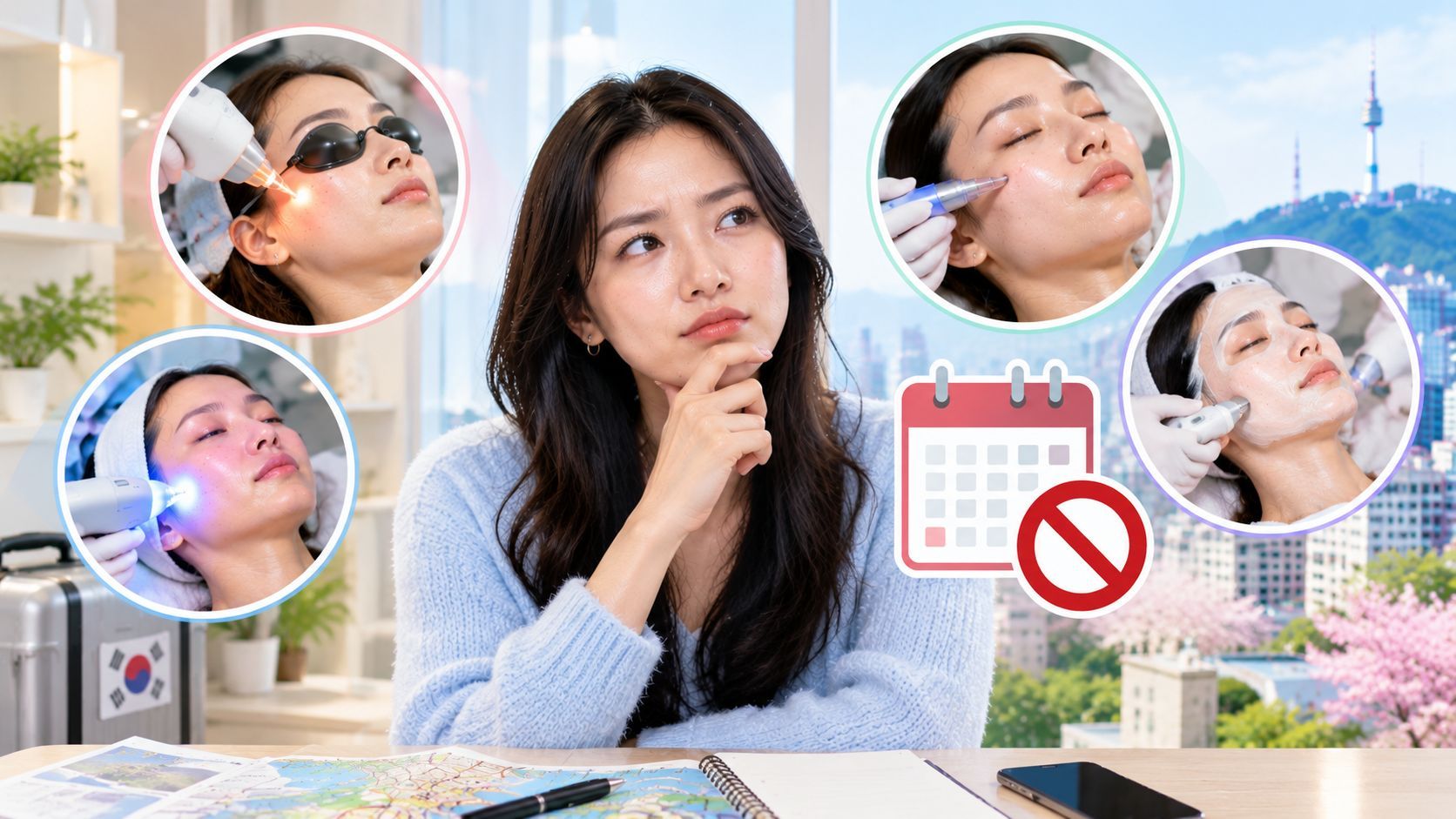
This is particularly important for international patients because aggressive treatment may require recovery time that affects flights, sightseeing, and other activities during a short Seoul trip.
Conclusion
Pores can look bigger after 40 because the skin around them changes. Reduced elasticity, cumulative UV exposure, sebum, follicular characteristics, acne history, and changes in skin texture can all contribute.
The key is to determine what is making your pores visible now. If the main issue is oil and congestion, skincare may be the priority. If pores are accompanied by laxity, rough texture, or acne scars, collagen-remodeling treatments such as RF microneedling or fractional laser may be considered after professional assessment.
For patients considering laser treatment in Seoul, the most useful starting point is not simply asking for the strongest pore treatment. It is identifying the underlying skin changes and choosing a treatment plan that matches them.
FAQs
Why do my pores suddenly look bigger in my 40s?
Reduced skin elasticity, cumulative sun exposure, changes in oil production, acne history, and uneven texture can make pores more noticeable. It does not necessarily mean that every pore has dramatically enlarged.
Can retinol make pores look smaller after 40?
Retinoid-based skincare may improve skin texture and can be useful when pores are associated with oiliness, acne, or reduced firmness. It should be introduced appropriately because irritation can make skin look worse temporarily.
Is RF microneedling good for pores after 40?
It may be considered when enlarged pores occur with uneven texture, acne scars, or reduced firmness. Whether it is appropriate depends on the individual's skin and the actual cause of the pore visibility.
Is fractional laser better for pores after 40?
Fractional laser can be useful when pore visibility is accompanied by rough texture, photodamage, or acne scarring. It is not automatically the right choice for every person with enlarged pores.
Can sunscreen help prevent pores from becoming more noticeable?
Daily broad-spectrum sunscreen helps reduce cumulative UV damage and loss of firmness, which can contribute to more noticeable pores.
Should I treat pores and sagging skin separately?
Not necessarily. If reduced firmness is contributing to pore visibility, a treatment plan may address both concerns. A dermatologist can determine whether the main issue is pore congestion, skin texture, laxity, or a combination.