What to expect at your first Korean skin clinic consultation
What to Expect at Your First Korean Skin Clinic Consultation
In 2026, the first consultation at a Korean skin clinic is a blend of high-tech diagnostics and highly efficient medical counseling. Unlike the casual atmosphere of a Western spa, a visit to a Gangnam or Hongdae clinic is a clinical experience designed to identify your skin’s "true age" before any treatment begins. Most international patients are surprised by the speed of the process; however, this efficiency is backed by advanced imaging technology that provides a data-driven roadmap for your "Glass Skin" journey.
The Check-In and Digital Intake
Upon entering a modern 2026 clinic, the process begins with a digital registration.
- The Registration: You will provide your passport for medical record-keeping and fill out a digital form regarding your current skincare routine, past procedures (especially fillers), and allergies.
- The "Tax-Free" Check: Even though aesthetic tax policies have shifted in early 2026, clinics still verify your tourist status during this stage to apply any eligible international specialized pricing.
👉 Pro Tip: Arrive 15 minutes early. In the fast-paced world of Seoul clinics, being late can lead to your "Doctor Consultation" slot being shortened.
Digital Skin Analysis: The 3D Scan
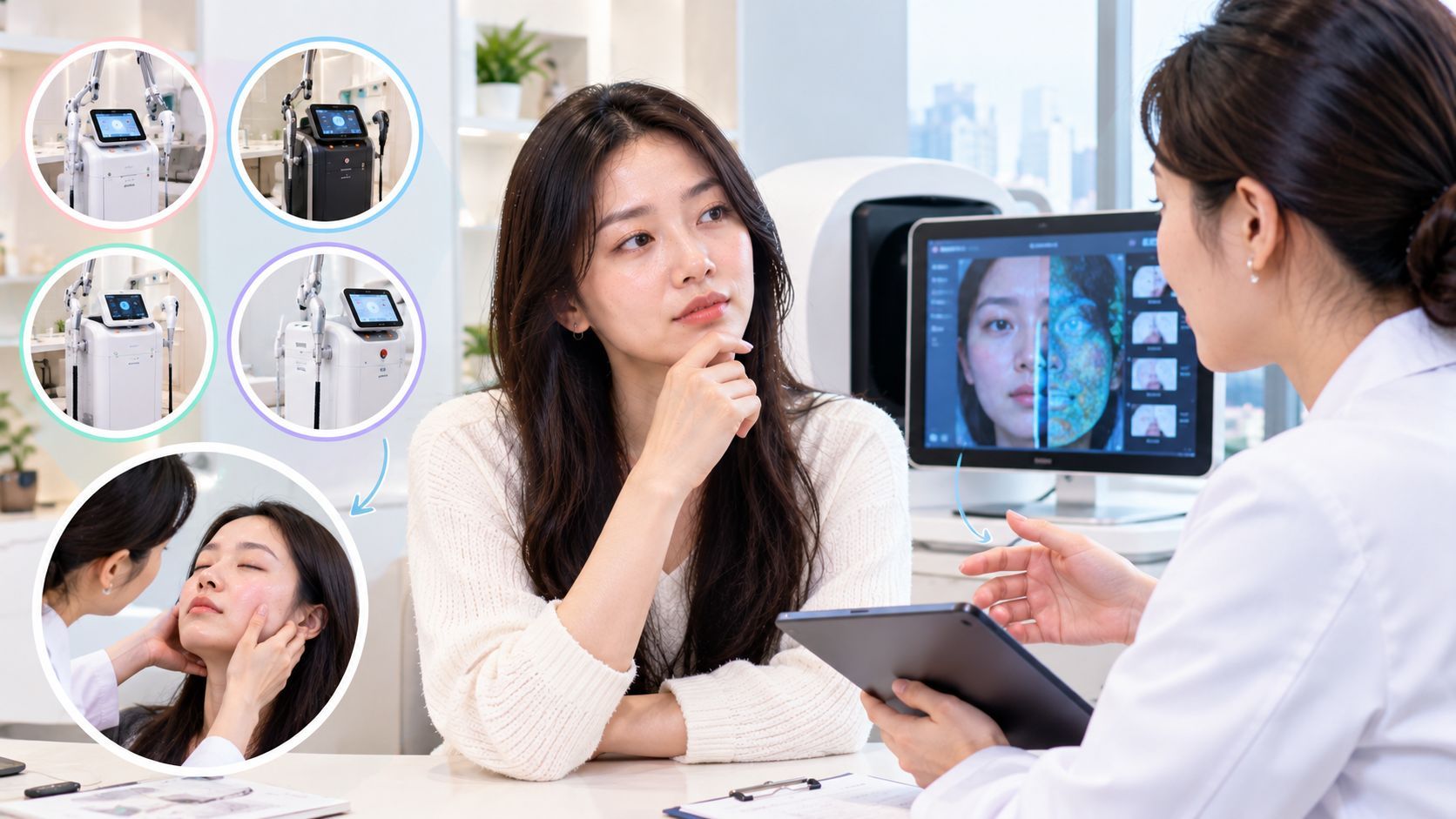
Before you speak to a human, you will likely meet a machine. Most top-tier clinics now use 3D skin scanners (such as Janus or Mark-Vu).
- The Scan: You place your face in a darkened booth while the machine takes photos using different light spectrums (UV, polarized, and normal).
- The Data: The scan reveals "hidden" issues you cannot see in the mirror: deep-layer pigmentation, future wrinkle patterns, pore size, and skin sensitivity levels.
👉 The Benefit: This data ensures the doctor doesn't just guess what you need but prescribes a laser intensity specifically calibrated for your skin's thickness and hydration levels.
Meeting the Coordinator (The "Planning" Phase)
In most "Factory" and "Hybrid" clinics, you will first meet with a specialized Skin Coordinator.
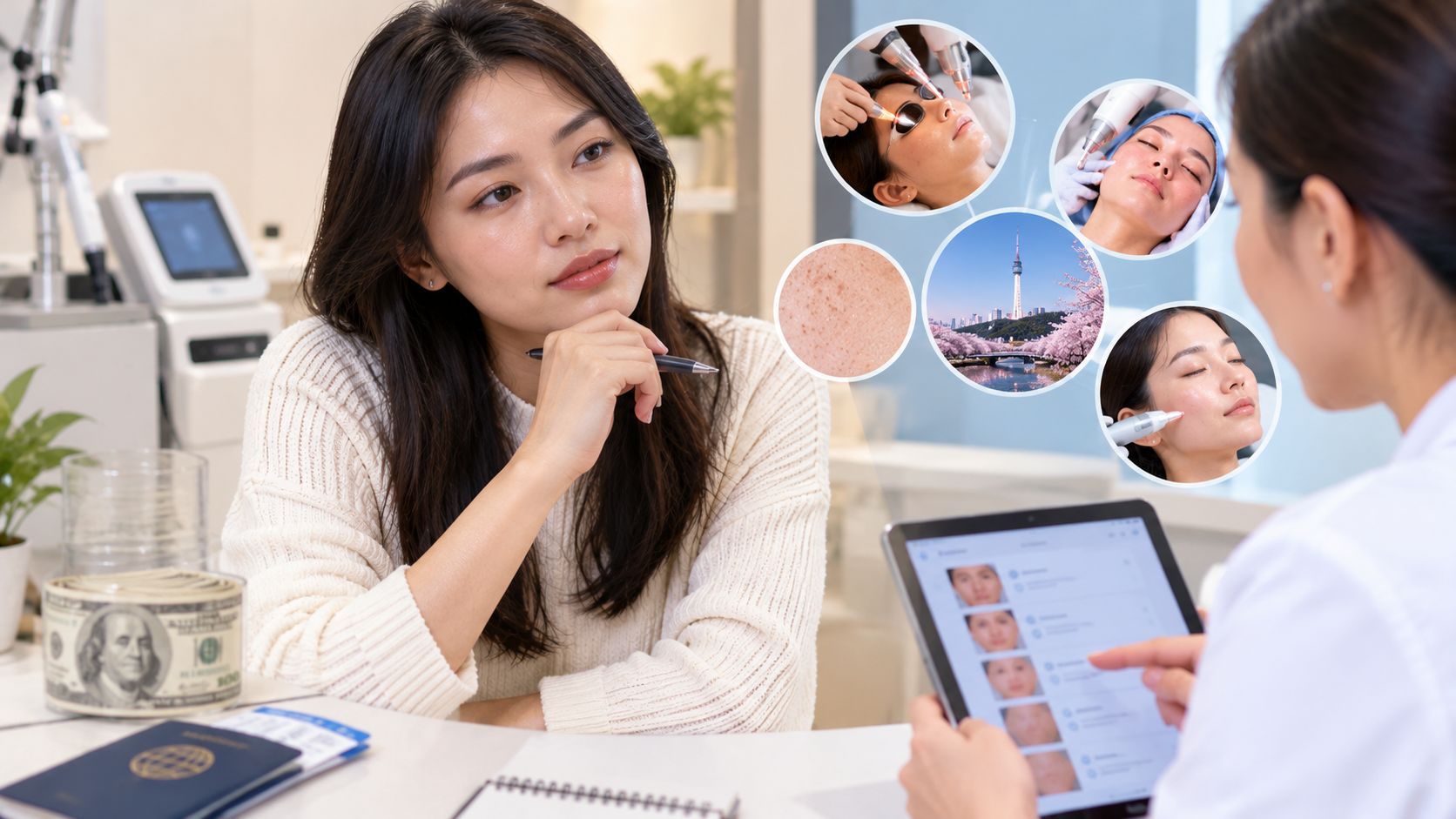
- The Role: They act as the bridge between your budget and the doctor’s expertise. They will review your 3D scan results and suggest various "packages."
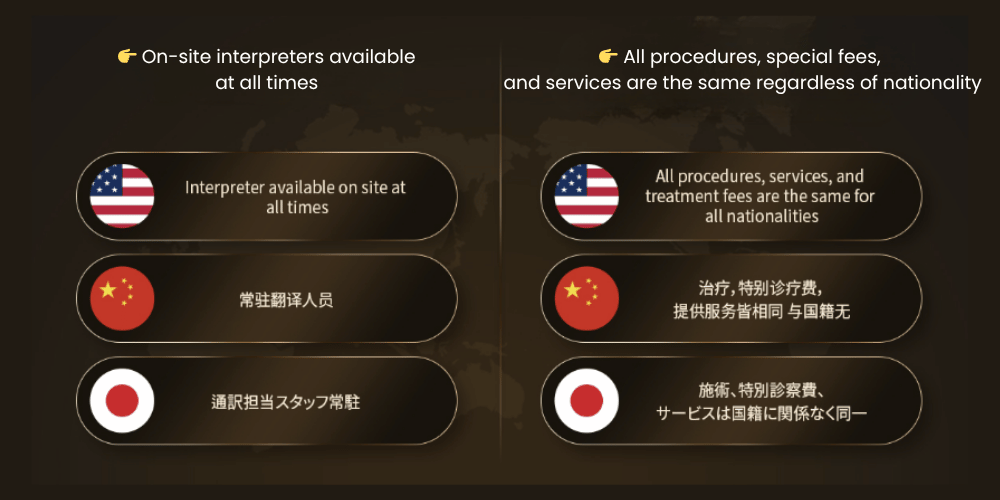
- Language Support: In 2026, these coordinators are often fluent in English, Chinese, or Japanese. They handle the initial explanation of costs and downtime for each procedure.
- Transparency: This is the time to ask about "hidden costs" like numbing cream fees or post-care masks.
The Doctor’s Consultation (The "Medical" Phase)
After the coordinator narrows down the options, you will have a 1:1 session with the dermatologist.
- The Focus: The doctor performs a physical exam of your skin texture and muscle structure. If you are getting Botox or Lifting (Ultherapy), they will mark the "Design" areas on your face.
- Expert Advice: A board-certified dermatologist may override a coordinator’s suggestion if they feel a treatment is too aggressive for your skin type.
👉 Strategy: Always prepare 2–3 specific questions for the doctor, such as "Is this laser safe for my specific Fitzpatrick skin type?" or "How many sessions do I truly need for this result?"
Finalizing the Quote and Consent
Once the plan is set, you return to a private or semi-private booth to finalize the details.
- The Informed Consent: You will sign digital documents explaining the risks (bruising, swelling, redness) and the expected recovery timeline.
- The Final Price: You will receive a final, written quote in KRW. In 2026, most clinics require payment upfront before you head to the numbing room.
- Payment Options: Clinics accept all major international credit cards and mobile payments (like Apple Pay or Samsung Pay).
Prep: The Cleansing Station
Korean clinics prioritize hygiene and "Self-Care" during the prep stage.
- Self-Cleansing: Many clinics feature a luxury "Cleansing Zone" stocked with premium medical-grade cleansers, headbands, and towels. You will be asked to remove all makeup and sunscreen yourself.
- Numbing Cream: If your procedure requires it, a thick layer of topical lidocaine is applied. You will then wait in a comfortable lounge area for 20–30 minutes until your skin is sufficiently desensitized.
The Treatment Room Experience
When it’s time for the procedure, you will be moved to a specialized laser or injection room.
- Standardized Setup: Rooms are ultra-clean and equipped with the latest 2026 devices.
- The "Pain Management" Doll: It is a quirky but helpful Seoul tradition—many clinics provide a plush doll for you to squeeze during more intense treatments like Rejuran or Ultherapy.
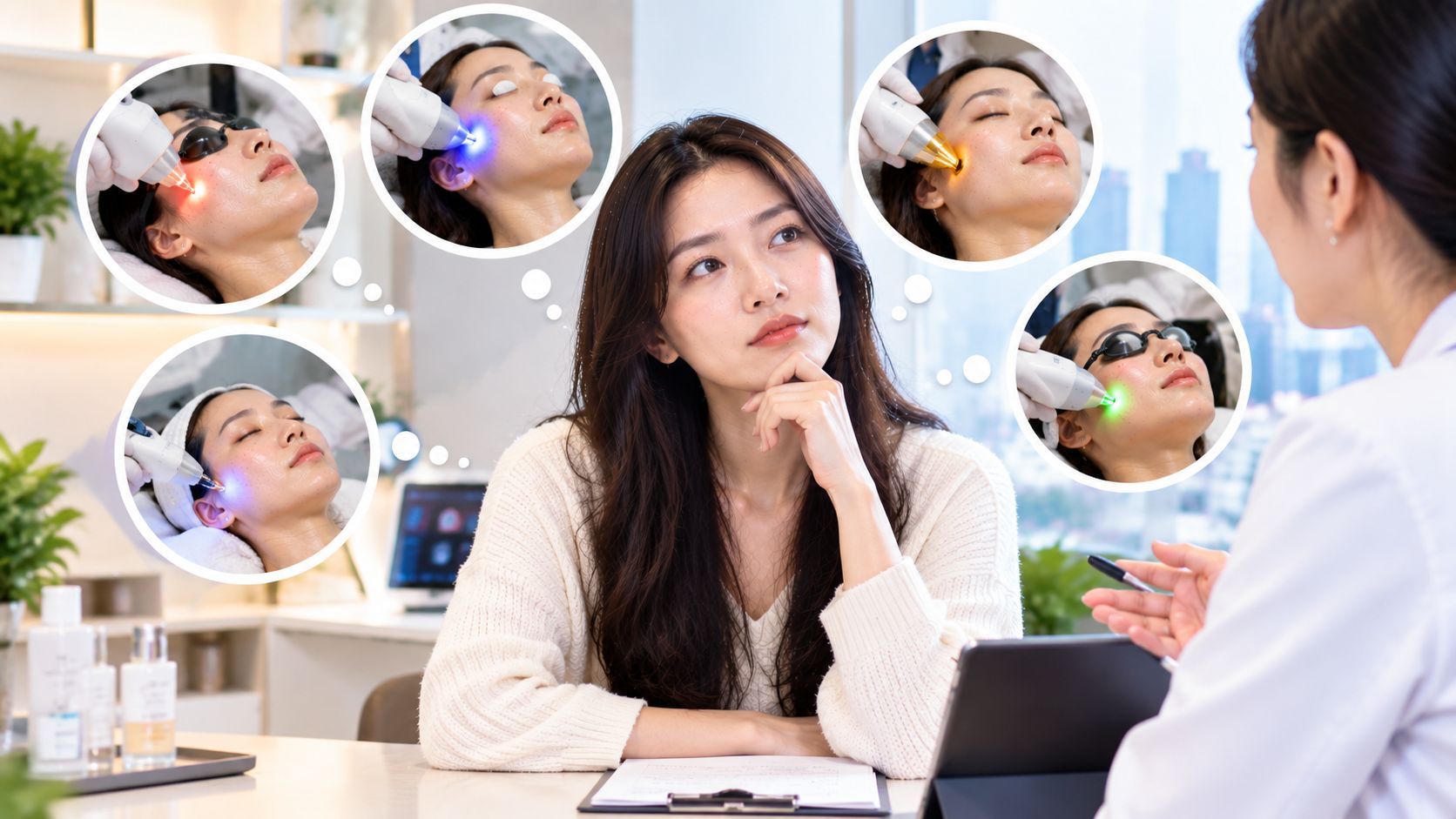
- Efficiency: The doctor moves quickly but precisely. For lasers, your eyes will be protected with specialized goggles.
Final Thoughts
Your first Korean skin clinic consultation is a masterclass in medical efficiency. It is a highly organized journey from 3D data analysis to expert medical design. By knowing what to expect—from the self-cleansing stations to the detailed skin scans—you can navigate your appointment with confidence. Remember, the consultation is the most important part of the visit; it is where the "art" of your K-beauty transformation is planned!