Thermage vs Ultherapy: Which Is Better for Mild Facial Sagging?
Introduction
Thermage and Ultherapy are two well-known non-surgical options for people who notice early facial sagging but are not looking for surgery. Both can stimulate tissue remodeling and improve the appearance of lax skin, but they use different types of energy and do not produce exactly the same treatment experience.
For mild facial sagging, there is no universal winner between Thermage and Ultherapy. The more useful question is whether your main concern is overall skin firmness, localized laxity, lower-face definition, wrinkles, or a combination of these.
Clinical evidence supports microfocused ultrasound for mild-to-moderate facial laxity, while radiofrequency-based treatments are also used for non-surgical skin tightening. The available studies do not establish one technology as universally superior for every patient.
Thermage vs Ultherapy: What Is the Difference?
Thermage Uses Radiofrequency
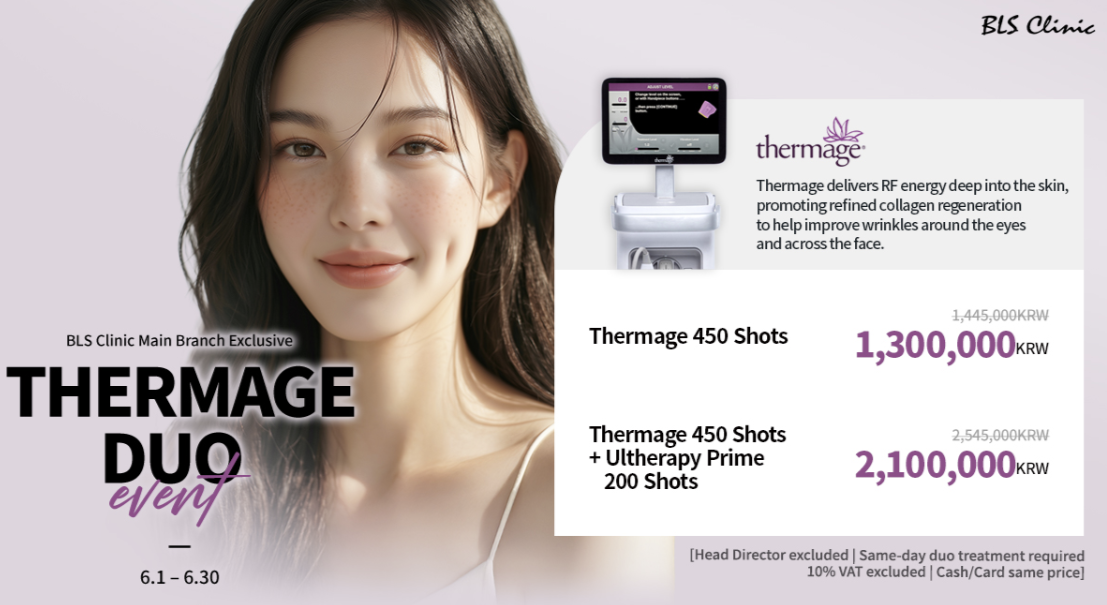
Thermage uses monopolar radiofrequency energy to heat tissue and stimulate collagen remodeling. The treatment is generally considered a non-invasive approach to improving skin firmness and wrinkles.
The effect is not the same as surgically removing excess skin. Instead, the objective is gradual improvement in the appearance of lax or less-firm skin.
Ultherapy Uses Microfocused Ultrasound
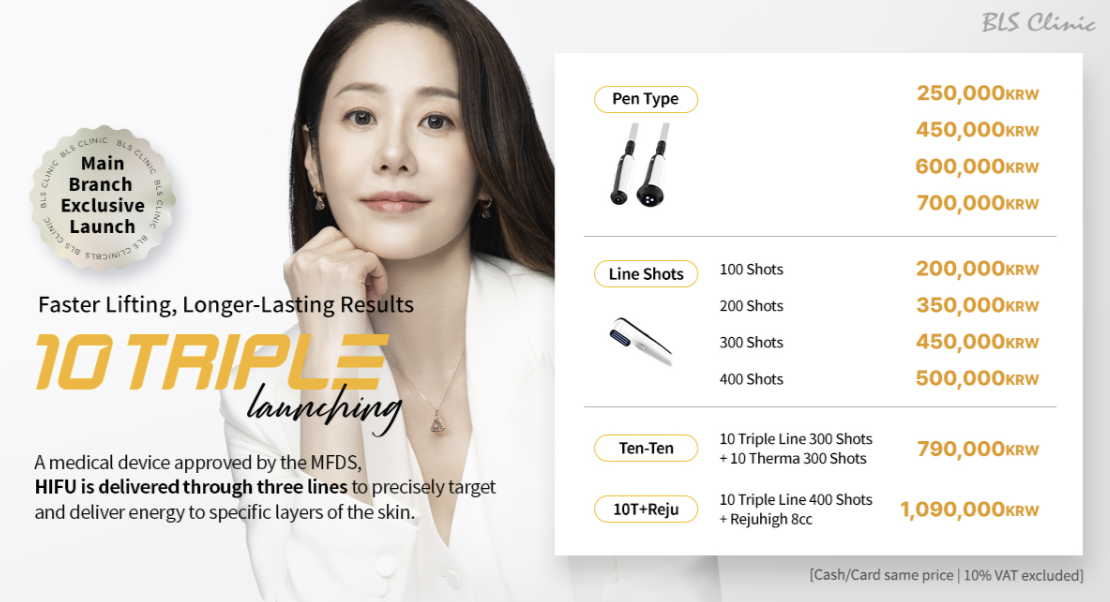
Ultherapy uses microfocused ultrasound, with treatment delivered at selected tissue depths. Microfocused ultrasound has been studied for facial and neck tightening and can target deeper tissue planes.
A systematic review found that microfocused ultrasound can improve mild-to-moderate facial laxity, with effects developing progressively after treatment.
Which One Makes More Sense for Mild Sagging?
For mild sagging, either treatment may be considered depending on what is actually changing in your face.
Thermage may be discussed when the main concern is overall skin firmness, fine lines, or early laxity.
Ultherapy may be discussed when the concern involves more localized lifting of areas such as the brow, lower face, or submental region.
These are general treatment considerations, not rules. Treatment depth, energy settings, anatomy, and the clinician's technique all influence the result.
Thermage for Mild Facial Sagging
What It May Help
Thermage may be considered when you notice:
- Mild loss of firmness
- Fine lines
- Early skin laxity
- Slight changes around the cheeks
- Early jawline changes
- Skin that feels less tight than before
It can be particularly relevant when the problem is more about skin quality and firmness than substantial tissue displacement.
What Thermage Does Not Do
Thermage does not function like a facelift. It cannot surgically remove significant excess skin or reposition substantially descended facial tissue.
If your jowls are pronounced or you have substantial lower-face laxity, a non-surgical RF treatment may provide less change than you expect.
Ultherapy for Mild Facial Sagging
What It May Help
Microfocused ultrasound can be considered for mild-to-moderate laxity involving areas such as:
- Brow
- Jawline
- Lower face
- Under-chin region
- Neck
A systematic review of 16 studies found evidence of tightening in patients with mild-to-moderate facial laxity. The reported improvements were generally gradual, and temporary redness or swelling could occur.
A more recent systematic review and meta-analysis also found promising results for HIFU/MFU treatment of skin sagging, while emphasizing that more standardized, high-quality studies are still needed.
Why Depth Matters
Microfocused ultrasound can be delivered at different depths, including deeper treatment planes. This is one reason Ultherapy is often discussed in relation to lifting rather than simply surface-level skin tightening.
However, deeper treatment is not automatically better. Treatment should be planned around facial anatomy and the amount of tissue that actually needs tightening.
Thermage vs Ultherapy for Different Concerns
ConcernThermageUltherapyMild overall skin laxityMay be consideredMay be consideredFine lines and skin firmnessRelevantCan also helpBrow-area liftingCan be consideredFrequently used for this purposeJawline definitionMay helpMay helpUnder-chin laxityMay be consideredCommon treatment areaDeeper lifting concernLess focused on deep focal treatmentMicrofocused ultrasound can target deeper planesSignificant excess skinLimitedLimitedSurgical facelift replacementNoNo
This table describes general treatment characteristics rather than a ranking. Your facial anatomy can make the practical choice different from the typical use of each technology.
What If My Sagging Is Very Mild?
If your facial sagging is subtle, treatment intensity becomes particularly important.
Someone with early loss of firmness may not need an aggressive tightening procedure. Over-treatment can create unnecessary discomfort, swelling, or cost without necessarily producing a proportionally greater improvement.
A dermatologist may instead recommend conservative treatment, observation, skincare, or a lower-intensity treatment plan depending on the situation.
What If My Main Problem Is Jowls?
Mild jowling can have several causes:
- Skin laxity
- Loss or redistribution of facial volume
- Lower-face fat distribution
- Bone and soft-tissue anatomy
- Combination of these factors
If the jowl is primarily caused by volume or structural changes, a skin-tightening procedure alone may not completely correct it.
This is why an examination is important before choosing Thermage or Ultherapy based only on photographs or advertisements.
Could Ultherapy or HIFU Make a Thin Face Look Thinner?
This is an important consideration for patients with low facial volume.
Microfocused ultrasound is intended to create controlled thermal injury at selected depths, but treatment should be individualized around facial anatomy and tissue thickness. Reviews describe ultrasound tightening as useful for selected patients with mild-to-moderate laxity, while also noting that outcomes vary with patient characteristics and treatment parameters.
If your face is already thin, tell the doctor that preserving facial volume is a priority. This may influence whether a particular treatment is appropriate and how it is performed.
How Much Downtime Should You Expect?
Both treatments are non-surgical, but neither should automatically be described as completely invisible recovery.
Possible temporary effects include:
- Redness
- Swelling
- Tenderness
- Sensitivity
- Bruising
For microfocused ultrasound, systematic reviews report transient erythema and edema among common short-term effects, with other adverse effects being uncommon.
Recovery varies according to treatment settings and individual response.
When Will I See Results?
Neither treatment should be judged only immediately after the procedure.
Collagen remodeling develops gradually. Studies of microfocused ultrasound have reported improvement over months, with some outcomes continuing to develop through longer follow-up.
The exact timeline for Thermage also varies according to the individual and treatment protocol.
If you are traveling to Seoul, allow enough time to understand the recovery process rather than scheduling treatment immediately before an important event.
Can You Combine Thermage and Ultherapy?
Combining energy-based treatments is not automatically necessary.
Because both treatments are intended to stimulate tissue remodeling, combining them should have a specific rationale rather than being done simply to make treatment “stronger.”
A dermatologist may recommend one technology, a staged approach, or no immediate procedure depending on the degree and cause of your laxity.
How Should You Choose in Seoul?
If you are comparing lifting clinics in Seoul, ask the dermatologist:
- What type of sagging do I actually have?
- Is my problem mainly skin laxity or facial-volume change?
- Is my face thin enough that volume preservation should affect treatment planning?
- Which tissue layer are you trying to affect?
- Why are you recommending Thermage or Ultherapy?
- What treatment intensity is appropriate for my face?
- What downtime should I expect?
- When should I expect the result?
- What happens if my main concern is jowling rather than general laxity?
A device name alone does not determine the outcome. Treatment planning and patient selection are important.
Conclusion
For mild facial sagging, both Thermage and Ultherapy can be reasonable non-surgical options, but they are based on different technologies and treatment approaches.
Thermage may be considered when the emphasis is on overall skin firmness and texture, while Ultherapy may be considered when targeted lifting of selected facial areas is the main objective. Evidence supports microfocused ultrasound for mild-to-moderate laxity, but studies do not establish a universal winner for every patient.
The best choice for your face depends on where the laxity is, whether volume loss is also present, how thin your face is, how much change you want, and how much downtime you can accept.
FAQs
Is Thermage or Ultherapy better for mild facial sagging?
Neither is universally better. Thermage uses radiofrequency, while Ultherapy uses microfocused ultrasound. The appropriate choice depends on the location and cause of your laxity and your treatment goals.
Does Ultherapy provide more lifting than Thermage?
Microfocused ultrasound is designed to create focal thermal treatment at selected depths and has evidence for facial tightening. That does not mean it will produce more visible lifting than Thermage in every individual.
Is Thermage suitable for early jowls?
It may be considered when mild jowling is substantially related to skin laxity. If the jowls are mainly caused by volume or structural changes, another approach may be necessary.
Can I get Thermage or Ultherapy if my face is thin?
Possibly, but facial volume and tissue thickness should be assessed carefully. Tell the doctor if preserving facial fullness is an important goal.
Do Thermage and Ultherapy require downtime?
Both are non-surgical treatments, but temporary redness, swelling, tenderness, or sensitivity can occur. The amount of visible recovery varies by treatment and individual response.
How long do Ultherapy results take to appear?
Results generally develop gradually rather than appearing immediately. Studies of microfocused ultrasound have reported changes continuing over several months.