Can I Improve Pores Without Peeling or Visible Downtime?
Introduction
Yes. Enlarged-looking pores can sometimes be improved without significant peeling or obvious downtime, but the realistic goal is to make pores less noticeable rather than permanently remove them.
The best option depends on why your pores are visible. Oiliness and congestion may respond primarily to skincare, while pores associated with reduced firmness, acne scars, or uneven texture may require a collagen-remodeling treatment.
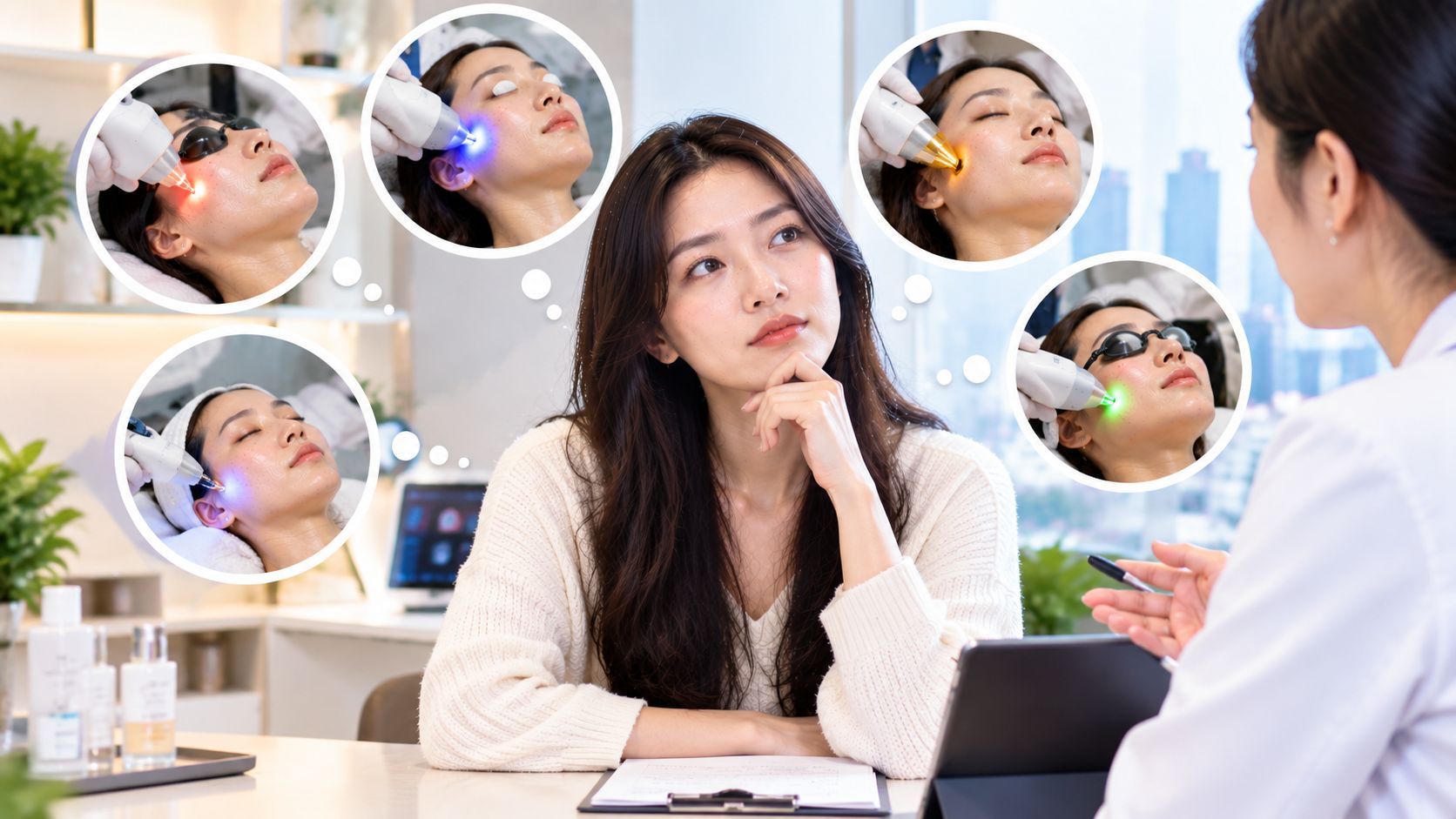
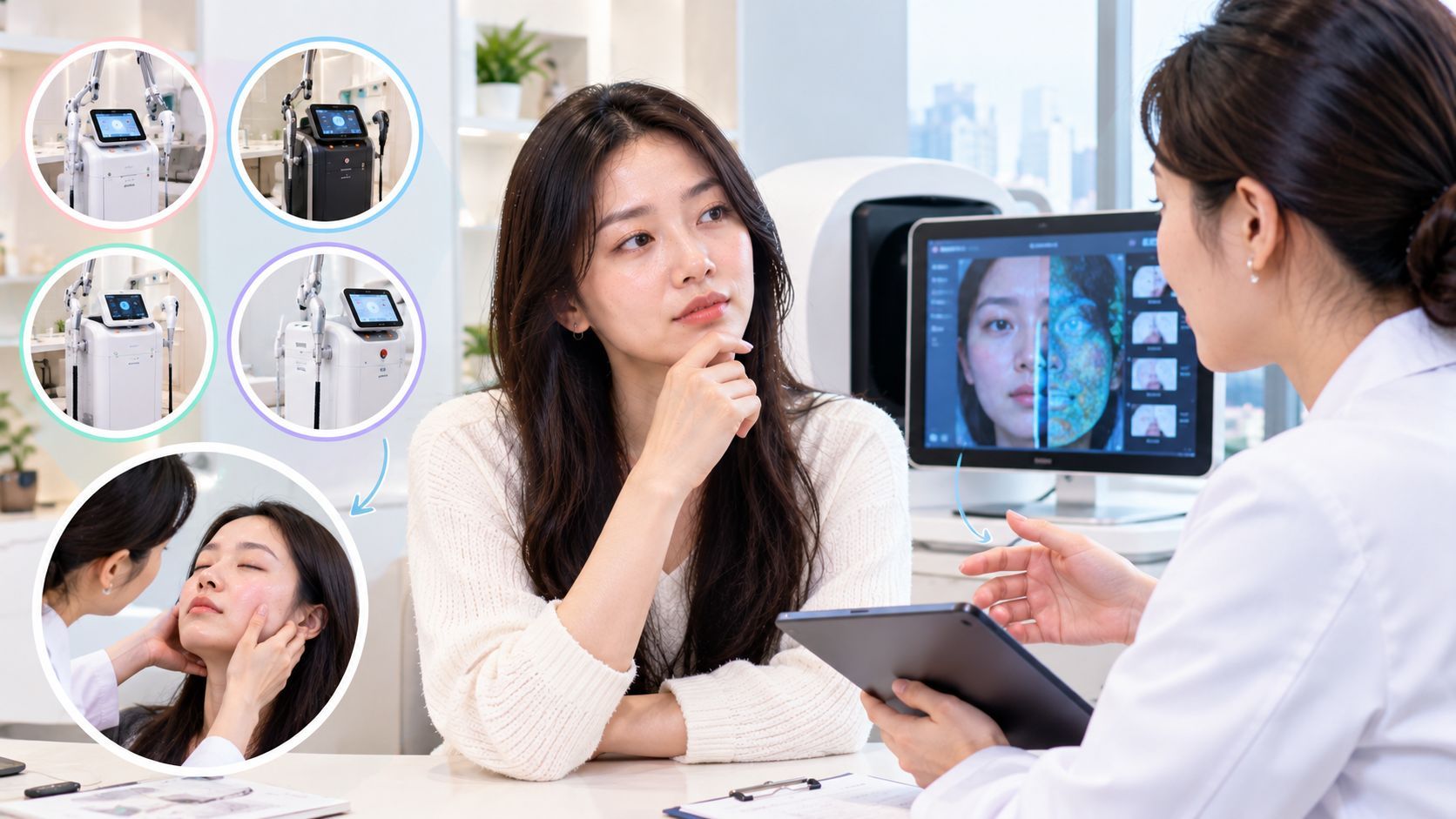
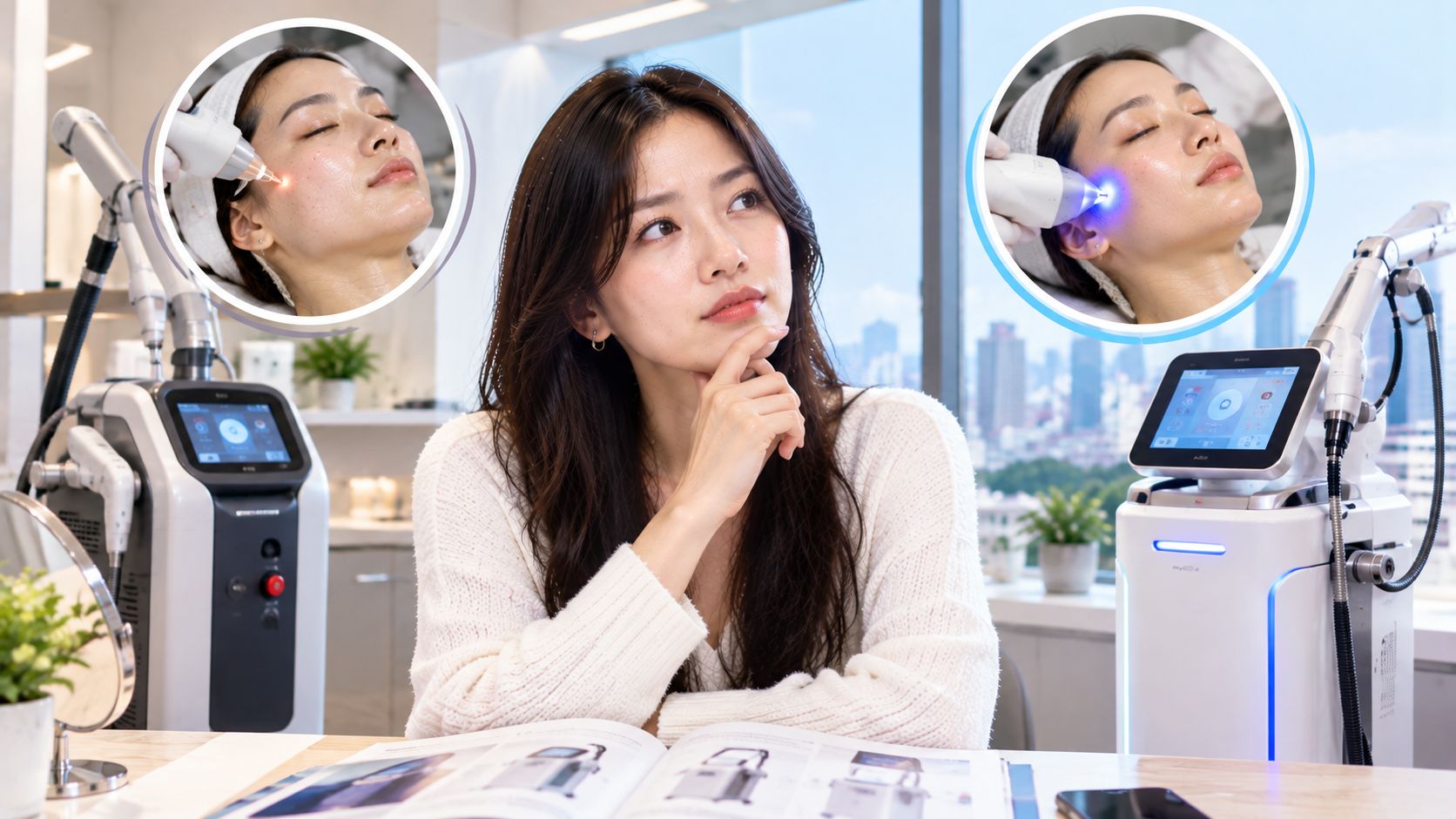
For patients who want minimal visible recovery, options such as gentle skincare, non-ablative treatments, conventional microneedling, or appropriately selected RF microneedling may be discussed with a dermatologist.
Can You Improve Pores Without Peeling or Visible Downtime?
Yes, but there is an important distinction between minimal downtime and zero skin reaction.
Even treatments marketed as low-downtime can produce temporary redness, swelling, warmth, sensitivity, or mild texture changes. The intensity depends on the technology, treatment settings, skin type, and individual response.
If avoiding visible peeling is your priority, tell your dermatologist before treatment. That can help guide the choice toward a more conservative approach.
Why Do Pores Look Large?
Pore visibility is influenced by several factors rather than one single cause.
Excess Sebum
Oily skin can make pores more noticeable because sebaceous activity and follicular contents contribute to their appearance. Research has identified sebum production as one factor associated with facial pore size.
If oiliness is the main problem, an aggressive resurfacing procedure may not be necessary.
Reduced Skin Elasticity
As skin becomes less elastic, the tissue surrounding follicles can change and pores may become more visible. Aging and cumulative sun exposure can contribute to this process.
Acne Scars and Uneven Texture
A depressed acne scar can create shadows and irregularities around pores, making the entire cheek appear rougher.
In this situation, treating the underlying texture may be more useful than focusing exclusively on oil production.
Skincare: The Lowest-Downtime Approach
If your main concern is oily or congested pores, skincare is often the first option to consider.
Retinoids
Retinoid-based treatments can help with acne and skin texture and may make pores appear less noticeable over time. The American Academy of Dermatology recommends retinoids as one option for visible pores, particularly when acne or clogged pores are involved.
However, retinoids can initially cause dryness or irritation. They should be introduced appropriately rather than used aggressively in an attempt to get faster results.
Salicylic Acid
Salicylic acid can be useful for some people with oily or congested skin because it helps exfoliate within pores. It is not a permanent pore-shrinking treatment, however.
Daily Sunscreen
Consistent broad-spectrum sunscreen is important because cumulative UV exposure contributes to skin aging and loss of firmness, which can make pores more noticeable.
Can Microneedling Improve Pores Without Major Peeling?
Conventional microneedling may be considered when pore visibility is associated with uneven texture or reduced skin quality.
It creates controlled microscopic injuries that stimulate wound-healing and collagen-remodeling processes. Unlike ablative resurfacing, it does not intentionally remove a broad layer of the skin surface.
You may still experience:
- Redness
- Mild swelling
- Tightness
- Sensitivity
- Small pinpoint marks
These effects are usually temporary, but recovery varies between individuals.
What About RF Microneedling?
RF microneedling combines microneedling with radiofrequency energy delivered into the skin.
Why It May Be Considered for Pores
RF microneedling may be useful when enlarged-looking pores occur alongside:
- Uneven texture
- Mild laxity
- Acne scars
- Reduced firmness
A recent systematic review found that RF microneedling can improve atrophic acne scars and generally has a favorable tolerability profile, although treatment parameters vary between studies.
Because the treatment does not rely on ablating the entire surface, it may be considered by people who want collagen remodeling without the peeling associated with aggressive resurfacing.
However, RF microneedling is not completely downtime-free. Redness and swelling can still occur, and stronger settings may produce more noticeable recovery.
Can Pico Laser Improve Pores Without Peeling?
Certain Pico laser treatment modes can be used for skin-quality and pore-related concerns without the type of prolonged peeling associated with ablative resurfacing.
Research has evaluated picosecond laser approaches for enlarged pores and found improvement in pore measurements with selected fractional picosecond techniques.
Pico treatments may be particularly relevant when pore visibility occurs together with pigmentation or uneven skin tone.
But Pico is not a single standardized treatment. Different wavelengths, modes, spot sizes, and settings can produce different effects.
What About Non-Ablative Fractional Laser?
Non-ablative fractional lasers can stimulate remodeling without removing the skin surface in the same way as ablative fractional resurfacing.
They may be considered when you have:
- Rough texture
- Enlarged-looking pores
- Fine lines
- Mild acne scars
- Photodamage
Recovery can still involve redness and sensitivity, but it is generally different from the more obvious peeling and crusting that can occur after aggressive ablative resurfacing.
Which Treatments Usually Have More Visible Downtime?
If avoiding peeling and visible recovery is your priority, your dermatologist may be more cautious about aggressive resurfacing.
TreatmentPotential visible recoveryPore/texture roleSkincareUsually minimalOil and congestion managementConventional microneedlingMild rednessTexture and collagen remodelingRF microneedlingMild to moderate depending on settingsPores, texture, firmnessPico laserUsually limited with appropriate settingsPigmentation and selected texture concernsNon-ablative fractional laserVariable, often limitedTexture and photodamageFractional CO₂More noticeableStrong resurfacing and scar/texture treatment
These categories are general. Actual downtime can vary substantially depending on the device, settings, treatment area, and individual skin response.
What If I Have Darker or Pigment-Prone Skin?
A low-downtime approach may be particularly appealing if you are concerned about post-inflammatory hyperpigmentation, but “low downtime” does not automatically mean “no pigmentation risk.”
Any procedure that creates inflammation can potentially trigger pigmentary changes in susceptible individuals.
Before treatment, tell your dermatologist about:
- Previous hyperpigmentation after procedures
- Recent tanning
- Melasma
- Previous laser treatments
- Current acne or dermatitis
- Medications and active skincare products
Treatment intensity should be selected according to your skin characteristics rather than simply choosing the strongest available setting.
Can I Get Better Pores Without Peeling in Seoul?
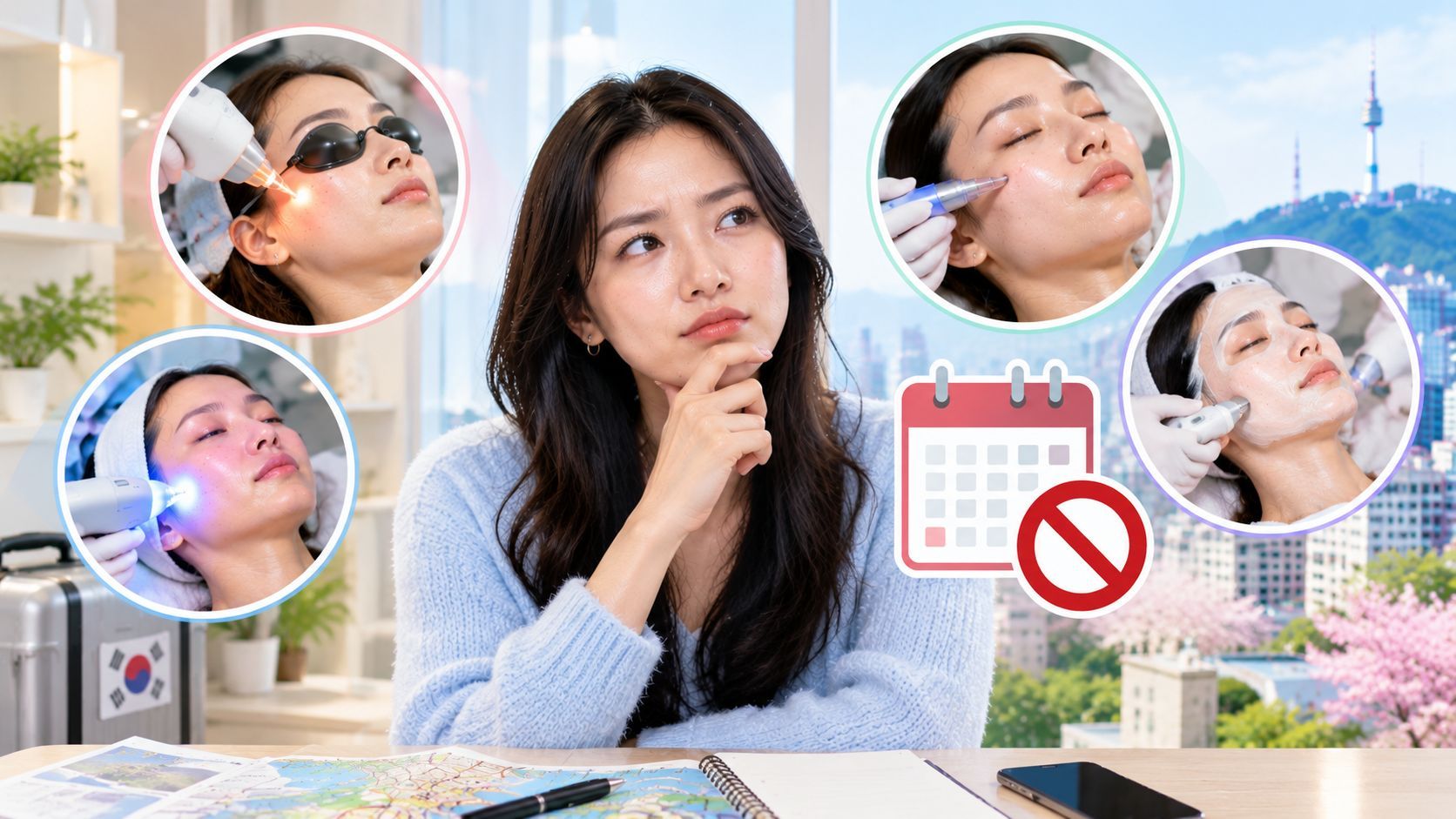
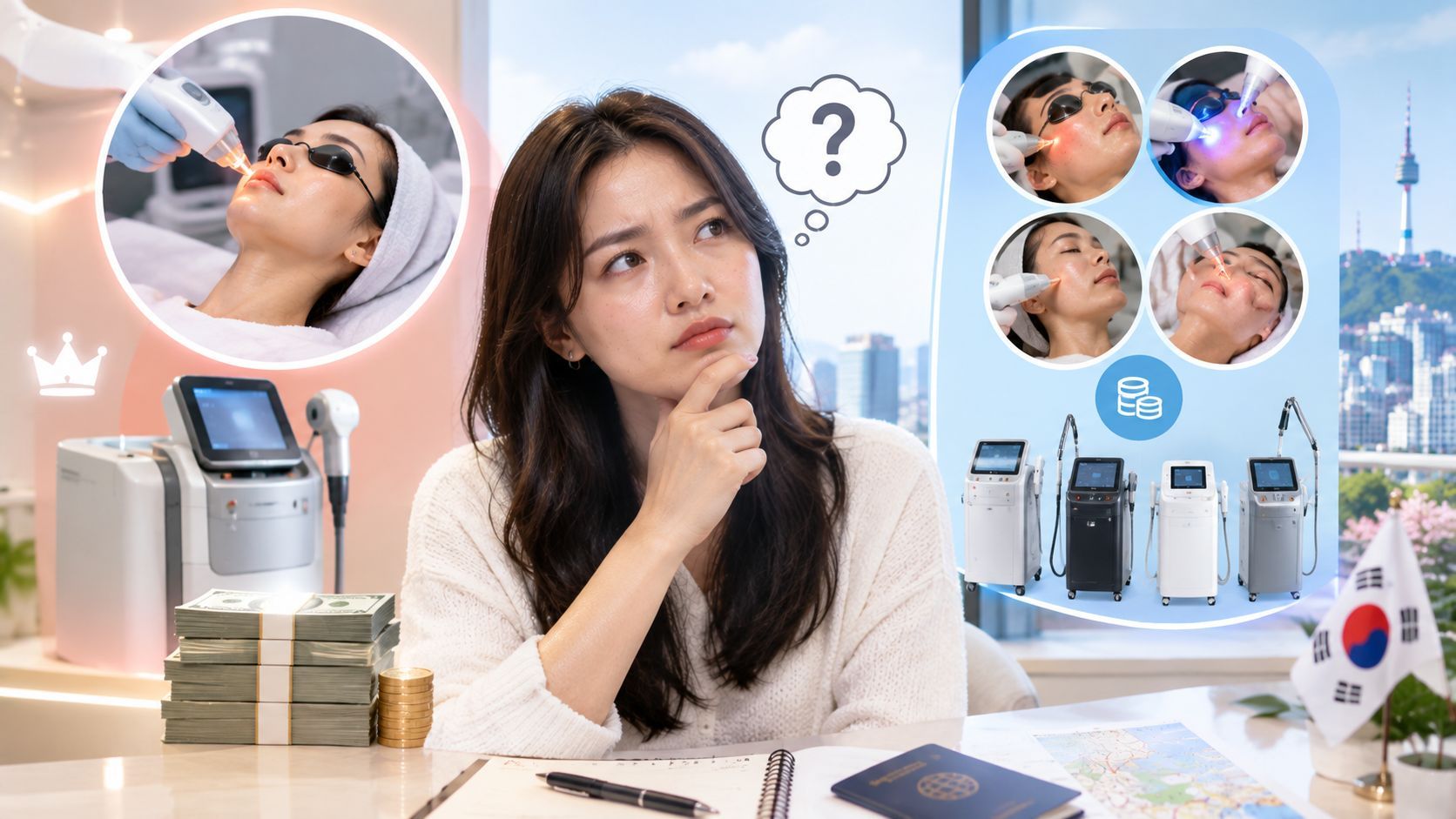
Yes, Seoul clinics offer multiple approaches that do not rely on aggressive ablative resurfacing.
If you are visiting Seoul for only a few days, explain your schedule during the consultation. You may want to prioritize treatments with recovery compatible with:
- Hotel stays
- Sightseeing
- Business meetings
- Photography
- Outdoor activities
- Your flight home
Do not assume that a treatment advertised as “no downtime” means your skin will look completely unchanged afterward.
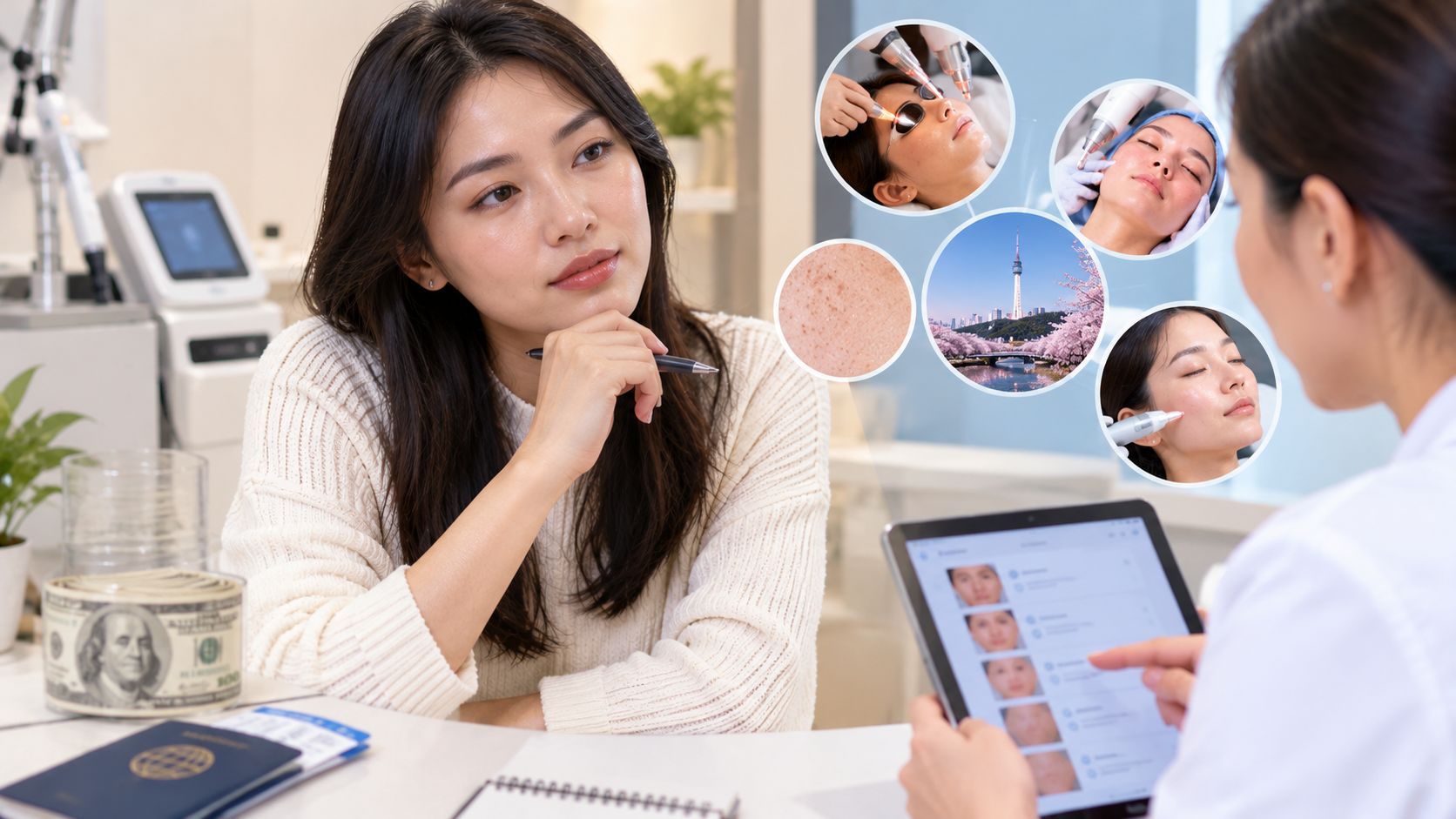
What Should You Ask a Seoul Dermatologist?
Before choosing a treatment, ask:
- What is actually causing my pores to look large?
- Are they mainly related to oil, texture, or loss of firmness?
- Can I achieve improvement without peeling?
- How much redness should I expect?
- When can I use makeup?
- What is my risk of post-inflammatory pigmentation?
- Would RF microneedling, Pico, or non-ablative fractional treatment be appropriate?
- Would skincare alone be enough?
These questions can help prevent choosing an unnecessarily aggressive treatment simply because it promises a stronger resurfacing effect.
Can Pores Be Completely Invisible?
No. Normal facial pores are anatomical structures, and treatment cannot realistically make them disappear permanently.
The objective is to reduce their visual prominence by addressing the factors that make them stand out.
A systematic review of enlarged-pore treatments found that several treatment modalities can improve pore appearance, but results and side effects vary.
Maintenance is also important because oil production, aging, UV exposure, and genetics continue to influence pore visibility.
Conclusion
You can potentially improve the appearance of enlarged pores without significant peeling or prolonged visible downtime.
If oil and congestion are the main issues, skincare may be the lowest-downtime starting point. If texture, acne scars, or reduced firmness are contributing, microneedling or appropriately selected RF microneedling may be considered. Pico or non-ablative fractional treatments may also have a role depending on pigmentation and texture concerns.
The key is to distinguish minimal downtime from zero downtime and to choose treatment intensity according to your skin rather than trying to maximize the strength of the procedure.
For patients traveling to Seoul, a dermatologist can help balance pore improvement with recovery time, pigmentation risk, and the practical demands of your trip.
FAQs
Can pores improve without laser peeling?
Yes. Skincare, microneedling, RF microneedling, and selected non-ablative or Pico treatments may improve pore appearance without the peeling associated with aggressive ablative resurfacing.
Is RF microneedling considered downtime-free?
No. It may involve less visible recovery than some aggressive resurfacing treatments, but redness, swelling, tenderness, or pinpoint marks can occur.
Can Pico laser improve pores without peeling?
Certain Pico treatment modes can improve pore appearance with relatively limited visible recovery. The specific device and settings matter.
What is the lowest-downtime treatment for oily pores?
If oiliness and congestion are the main causes, appropriate skincare may involve the least visible recovery. A dermatologist can determine whether a procedure is actually necessary.
Can I wear makeup after pore treatment?
Timing varies according to the procedure and skin response. Ask the treating clinic for specific post-treatment instructions rather than assuming that every low-downtime treatment has the same makeup restrictions.
Can pores stay smaller permanently after treatment?
Treatment can reduce their visible appearance, but normal pores do not permanently disappear. Ongoing skincare and sun protection can help maintain improvements.