Is Fractional Laser Good for Aging Skin?
Fractional laser is often recommended when people want to improve signs of aging such as fine lines, uneven texture, sun damage, and rough-looking skin. It can be an important option for selected patients, but it is not a universal anti-aging treatment.
Fractional laser can improve certain surface and texture-related signs of aging, but it does not correct every cause of facial aging. Fine lines and photodamage may respond differently from significant skin laxity, volume loss, or changes in facial fat and structure.
For patients considering treatment in Seoul, understanding exactly what fractional laser can and cannot address is important before choosing a treatment intensity.
What Does Fractional Laser Do for Aging Skin?
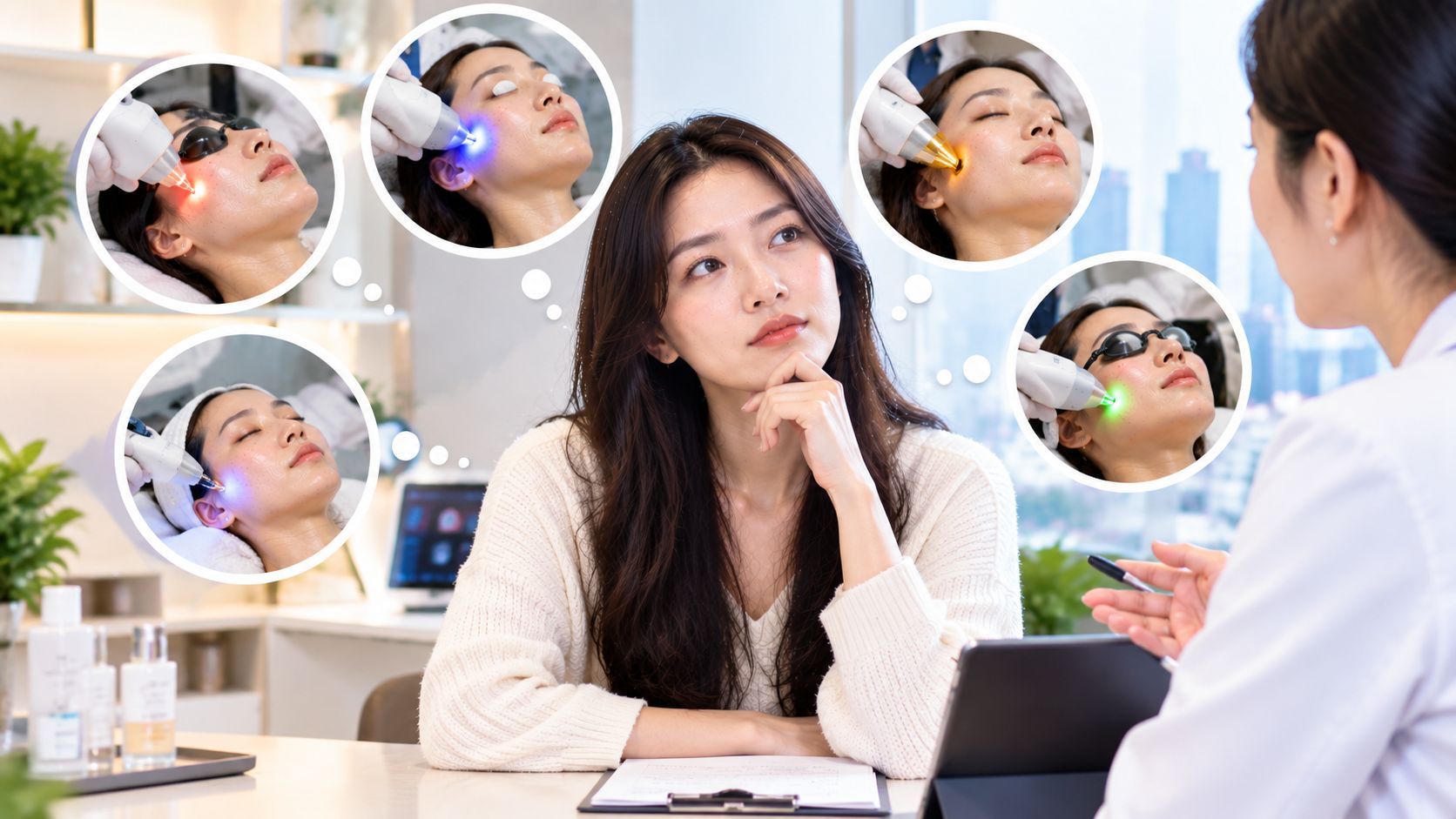
Fractional laser creates microscopic treatment zones in the skin while leaving surrounding areas untreated.
Depending on the laser technology and settings, treatment can stimulate healing and collagen remodeling while improving selected surface irregularities.
For aging skin, fractional laser may be considered for:
- Fine lines
- Uneven texture
- Rough skin
- Sun-related skin changes
- Photodamage
- Selected acne scars
- Certain superficial pigmentation concerns
The exact effect depends on the laser, wavelength, treatment intensity, and individual skin response.
Which Signs of Aging Can Fractional Laser Improve?
Fine Lines
Fractional laser can be considered for certain fine lines, particularly those associated with photodamage and changes in skin texture.
However, very deep wrinkles may have several contributing factors, including facial movement, volume changes, and loss of structural support. Fractional resurfacing alone may not address all of these factors.
Uneven Texture
Texture is one of the areas where fractional laser may be particularly relevant.
It can be considered when aging skin looks rough, uneven, or less smooth because of changes in the surface and dermis.
Sun Damage
Long-term sun exposure can contribute to uneven texture, fine lines, and pigmentation.
Fractional laser may be incorporated into treatment plans for selected photodamage, although pigmentation itself should be properly assessed before laser treatment.
Overall Skin Quality
Some patients pursue fractional laser because their skin looks less smooth or youthful rather than because they have one specific wrinkle.
A fractional treatment may improve selected aspects of skin quality, but expectations should remain realistic.
What Can Fractional Laser Not Fix?
Facial aging is not caused by the skin surface alone.
Fractional laser does not directly replace lost facial volume or correct every structural change.
For example, if your main concern is:
- Significant facial volume loss
- Pronounced jowls
- Major skin laxity
- Excess loose skin
- Substantial fat redistribution
- Deep structural folds
A fractional laser may not be the primary treatment.
This distinction is important because someone may describe their face as “aged skin” when the actual concern is loss of volume or support.
Ablative vs Non-Ablative Fractional Laser for Aging
There are different types of fractional laser treatment.
Ablative Fractional Laser
Ablative fractional lasers remove microscopic columns of tissue and can provide more substantial resurfacing.
They may be considered when more pronounced textural changes, selected acne scars, or photodamage are being treated.
However, greater resurfacing generally means greater recovery and potentially more visible side effects.
Non-Ablative Fractional Laser
Non-ablative fractional lasers heat targeted areas without removing the skin surface in the same way.
They may be considered when the goal is more gradual improvement with less surface disruption.
Neither approach is automatically better for aging skin. The appropriate option depends on the condition being treated and the amount of recovery you can accept.
Is Fractional Laser Good for Fine Lines Around the Eyes?
The eye area requires particularly careful treatment planning because the skin is thin and sensitive.
Certain fractional laser treatments may be considered for selected fine lines around the eyes, but treatment parameters need to be appropriate for the area.
Not every wrinkle around the eyes is caused primarily by skin texture. Dynamic movement, volume changes, and structural factors can also contribute.
A consultation should therefore determine whether fractional resurfacing is actually addressing the main cause.
What About Neck Aging?
The neck is another area where expectations should be realistic.
Fractional laser may have a role in selected texture-related concerns, but significant neck laxity or excess skin may require a different treatment strategy.
If the main concern is loose skin rather than surface texture, a dermatologist may discuss other energy-based or surgical options depending on severity.
Can Fractional Laser Make Skin Look Younger?
It can improve selected visible signs of skin aging, but it does not literally reverse the entire aging process.
A person may notice improvement in:
- Smoothness
- Texture
- Fine lines
- Surface irregularity
- Photodamage
The amount of improvement varies between individuals.
It is also important not to judge the final result immediately after treatment. Redness, swelling, dryness, or peeling can temporarily change how the skin looks.
How Many Treatments Are Usually Needed?
There is no universal number of fractional laser sessions.
Treatment frequency depends on:
- The specific laser
- Treatment intensity
- Skin concern
- Extent of photodamage
- Acne-scar severity
- Skin type
- Individual healing
Some patients may discuss a single treatment, while others may be advised to undergo a series of sessions.
More sessions are not automatically necessary, and a stronger treatment is not automatically more effective.
What Is the Downtime?
Recovery depends heavily on whether the treatment is ablative or non-ablative and how aggressively it is performed.
Possible temporary effects include:
- Redness
- Swelling
- Warmth
- Sensitivity
- Dryness
- Peeling
- Crusting with more intensive ablative treatment
- Temporary pigment changes
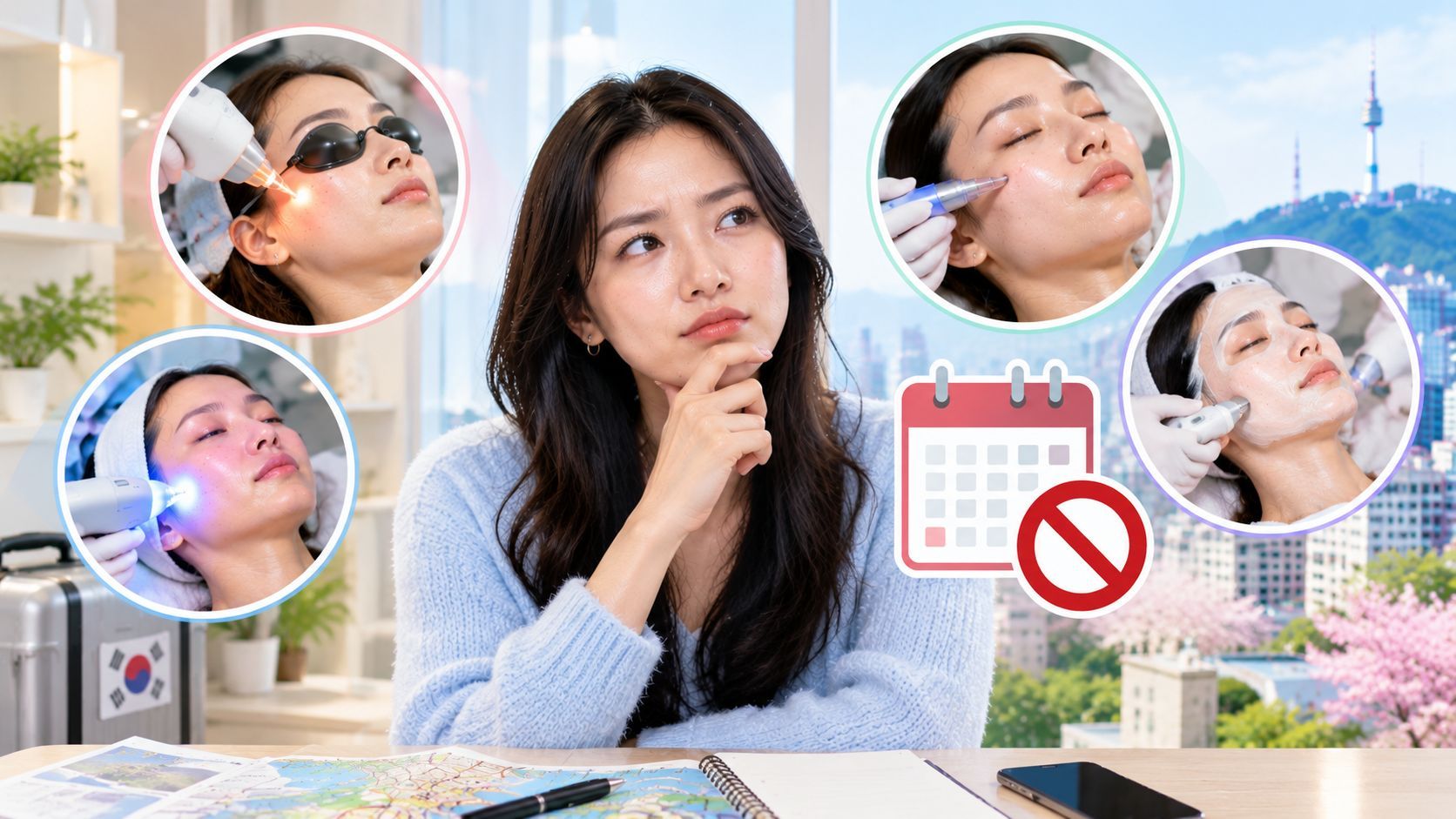
If you are visiting Seoul for an event or important meeting, the recovery period should be considered before treatment.
Can Darker Skin Have Fractional Laser for Aging?
Darker or more melanin-rich skin is not automatically unsuitable for fractional laser.
However, pigmentation risk requires careful consideration.
Post-inflammatory hyperpigmentation can occur after laser treatment, particularly when inflammation is significant or treatment is too aggressive for the individual.
Before treatment, tell your dermatologist if you:
- Develop dark marks easily
- Have previously experienced pigmentation after procedures
- Recently tanned
- Have active skin inflammation
- Have a history of problematic healing
The laser, wavelength, energy, treatment density, and aftercare should be selected accordingly.
What If I Want Subtle Anti-Aging Results?
Fractional laser may be considered when your goal is to improve skin quality without dramatically changing facial shape.
However, treatment intensity should still be individualized.
If you specifically want subtle improvement and minimal visible recovery, discuss that preference before treatment. A more aggressive resurfacing approach is not automatically appropriate simply because it may produce more noticeable short-term changes.
Other non-laser options may also be discussed depending on whether the concern is texture, laxity, volume, or skin quality.
Can Fractional Laser Be Combined With Other Anti-Aging Treatments?
It can be part of a broader treatment plan.
Depending on the patient's concerns, a dermatologist may consider combinations involving:
- RF microneedling
- Skin boosters
- Rejuvenation injectables
- Pigmentation treatments
- Skin-tightening technologies
However, combination treatment should have a clear purpose.
If several procedures are performed close together, inflammation and recovery can increase. For international patients, the available recovery time in Seoul should therefore be considered.
Is Fractional Laser Worth Doing During a Seoul Trip?
It can be considered if your treatment goal matches what fractional laser is designed to address.
Before booking, ask the clinic:
What specific signs of aging are you treating?
Is my main concern texture, fine lines, pigmentation, laxity, or volume loss?
Which exact fractional laser will be used?
Is it ablative or non-ablative?
What downtime should I expect?
What is my risk of pigmentation changes?
Would another treatment be more appropriate for my main concern?
These questions can help prevent choosing a treatment simply because it is popular or available.
Conclusion
Fractional laser can be useful for selected signs of aging, particularly fine lines, uneven texture, photodamage, and surface irregularities.
However, facial aging involves more than the skin surface. Significant laxity, volume loss, fat redistribution, and structural changes may require different approaches.
Ablative and non-ablative fractional lasers also have different levels of surface disruption and recovery.
For patients considering treatment in Seoul, the most useful approach is to identify what is actually making the face look older, then select the technology and intensity that address that specific concern.
Frequently Asked Questions
Does fractional laser tighten aging skin?
Fractional laser can stimulate remodeling and may improve selected aspects of skin firmness and texture, but it is not a facelift and should not be expected to correct significant loose skin.
Is fractional laser good for wrinkles?
It may improve selected fine lines, particularly those associated with photodamage and skin texture. Deeper wrinkles can have additional causes that fractional resurfacing may not address.
Is CO2 fractional laser good for aging skin?
Fractional CO2 can be considered for selected photodamage, fine lines, and texture concerns. Because it is ablative, treatment intensity and recovery should be carefully considered.
How many fractional laser treatments do I need for aging skin?
There is no standard number. Treatment plans depend on the specific laser, skin concern, intensity, skin type, and individual response.
Can I have fractional laser if I have darker skin?
It may be possible, but pigment risk needs careful assessment. Post-inflammatory hyperpigmentation is an important potential complication.
Can fractional laser replace Botox or filler?
No. Fractional laser, Botox, and fillers address different concerns. Fractional laser primarily targets selected skin-surface and texture-related changes rather than replacing facial volume or treating all dynamic wrinkles.