Which Korean Lifting Device Is Best for a Thin Face?
Introduction
Choosing a lifting device is more complicated when you have a naturally thin face. The goal may be to improve mild sagging, early jowls, or loose skin without making the face appear flatter, hollower, or thinner.
Korea offers many non-surgical lifting technologies, including Ultherapy, Shurink, Sofwave, Thermage, Oligio, and other HIFU or RF platforms. They do not all deliver energy in the same way, and the treatment plan can matter as much as the device itself.
The Short Answer: There Is No Single Best Device for Every Thin Face
If facial-volume preservation is your priority, the most important factor is not simply choosing the machine with the mildest marketing claims. It is determining what is actually causing your facial laxity and which tissue layers need treatment.
Microfocused ultrasound can produce lifting and tightening, but focused ultrasound has also been studied for facial and body contouring and fat reduction.
Radiofrequency can improve skin laxity as well, but the RF literature has also reported volumetric facial-fat reduction in some treatment contexts.
Therefore, a thin-faced patient should not assume that choosing an RF device instead of HIFU automatically eliminates the possibility of unwanted volume change.
The more useful question is: which technology, depth, energy level, and treatment area can address your specific laxity while respecting the facial volume you already have?
Why Thin Faces Need Different Treatment Planning
A thin face usually has less soft-tissue volume between the skin and deeper facial structures.
This can make facial changes more noticeable.
Someone with substantial facial fullness may want both tightening and contour reduction. Someone with a naturally lean face may want the opposite: firmness without additional slimming.
This distinction should be made before choosing a device.
Skin Laxity Is Not the Same as Volume Loss
A face can look older or less defined because of:
- Reduced skin elasticity
- Loss of facial fat
- Changes in fat distribution
- Muscle changes
- Bone remodeling with age
- Weight loss
- Combination of several factors
Tightening loose skin will not necessarily restore lost volume.
Likewise, reducing tissue in a face that already lacks volume may not produce the desired appearance.
Which Technologies Are Commonly Considered?
Several major categories may be discussed for a thin face.
Sofwave
Sofwave uses parallel-beam ultrasound technology designed to create thermal effects in the mid-dermis. Published reviews describe Sofwave as an ultrasound-based non-invasive skin-tightening system, alongside Ulthera, for facial rejuvenation.
Because its treatment concept focuses on the dermal layer rather than deliberately targeting deeper facial fat, it may be discussed when the primary concern is skin laxity rather than facial-volume reduction.
However, this does not mean that Sofwave is automatically the right choice for every thin face.
Ultherapy
Ultherapy uses microfocused ultrasound with visualization and can treat selected tissue depths.
MFU-V has demonstrated efficacy for facial lifting and tightening, but the published literature also contains rare reports of subcutaneous atrophy and post-market reports of lipoatrophy. A systematic review found that transient swelling, redness, and pain were more commonly reported in the scientific literature, while significant adverse events were limited.
This does not mean routine Ultherapy causes facial fat loss. It means that treatment depth and anatomy deserve attention when preserving facial volume is particularly important.
Thermage
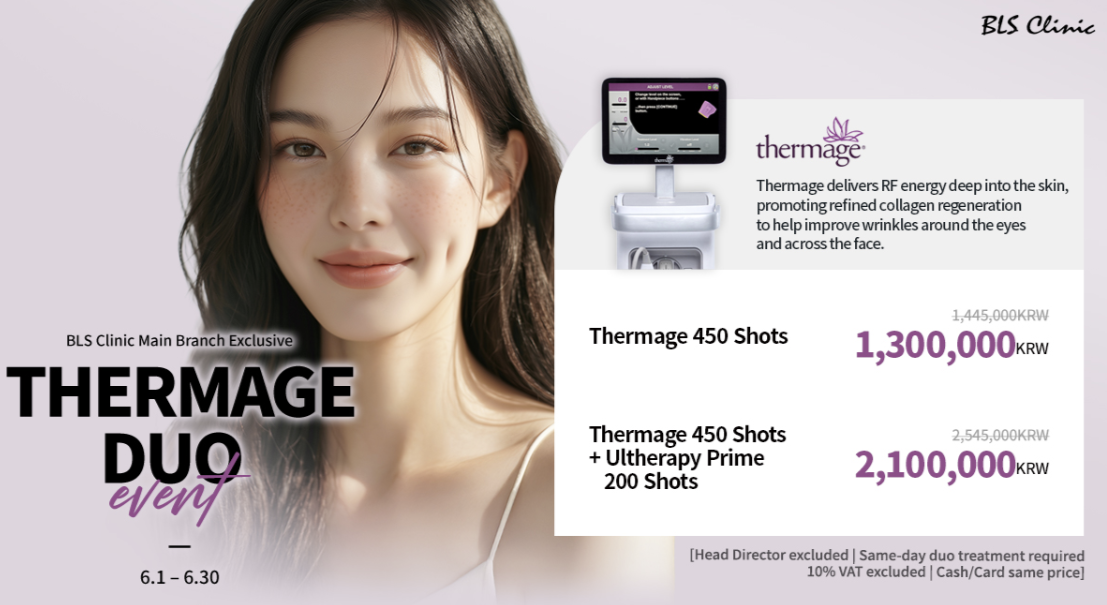
Thermage uses monopolar radiofrequency to heat tissue and stimulate remodeling.
RF has evidence for improving facial laxity and skin quality, but the broader RF literature has also documented volumetric facial-fat reduction in some studies.
Therefore, Thermage should not be automatically categorized as a “fat-preserving” treatment simply because it is RF.
Oligio
Oligio is another monopolar RF platform used for non-invasive tightening.
Its suitability for a thin face depends on the treatment protocol, area, energy settings, and the individual's anatomy rather than simply the fact that it is an RF treatment.
Shurink and Other HIFU Devices
HIFU systems can target different tissue depths depending on the device and cartridge.
HIFU has demonstrated moderate facial rejuvenation and tightening effects in systematic reviews, while other HIFU protocols have specifically investigated facial contouring and fat reduction.
That is why “HIFU” should never be treated as one single treatment.
Thin Face: Comparing the Main Options
TreatmentMain energyTypical treatment conceptVolume concernSofwaveUltrasoundPrimarily mid-dermal tighteningDiscuss volume preservationUltherapyMicrofocused ultrasoundMulti-depth focused treatmentDepth and treatment area matterThermageMonopolar RFRF-based tissue heating/remodelingRF can affect volume depending on protocolOligioMonopolar RFRF-based tighteningIndividual protocol mattersShurink/HIFUFocused ultrasoundDepth-dependent tightening/contouringSome HIFU applications target fat
This table should not be interpreted as a ranking. The technologies have different mechanisms, treatment parameters, and clinical uses.
What If I Have Very Little Facial Fat?
Tell the clinician this explicitly.
A useful consultation statement is:
“My face is already thin, and preserving my existing facial volume is more important to me than maximizing slimming.”
This changes the discussion.
The provider can then consider whether every planned treatment area is necessary and whether the treatment should be concentrated on areas where skin laxity is actually present.
Avoid Treating the Entire Face Automatically
A full-face treatment is not necessarily appropriate simply because it is included in a package.
If your main problem is lower-face skin laxity, the clinician may need to determine whether treating areas with little laxity or little soft-tissue volume provides a meaningful benefit.
Ask About Depth
Ask:
“Which tissue depth are you targeting in each area?”
This is especially relevant for ultrasound treatments that offer multiple treatment depths.
Ask Whether the Goal Is Tightening or Contouring
These are not necessarily the same objective.
If a treatment plan is designed partly around reducing fullness or improving slimming, make sure that matches your desired outcome.
What About Jowls on a Thin Face?
Jowls can be particularly difficult because they do not always mean there is too much fat.
They may result from:
- Skin laxity
- Ligament and tissue changes
- Fat redistribution
- Loss of cheek support
- Bone changes
- Combination of these factors
If your jowls are mainly caused by laxity, adding an aggressive contour-reduction strategy may not address the underlying problem.
A clinician should determine whether the goal should be tightening, volume restoration, contour reduction, or a combination.
What About a Thin Face With a Double Chin?
This situation requires even more precise planning.
You may have a thin face but still have localized fullness under the chin.
In that case, the treatment goal may be different for the submental area than for the cheeks.
The clinician might consider tightening the skin in one region while avoiding unnecessary volume-reducing treatment elsewhere.
The fact that one area has excess fullness does not mean the entire face needs contour reduction.
Can HIFU Make a Thin Face Look Too Thin?
It is possible for focused ultrasound to be used for facial slimming and contouring. A small preliminary study specifically used 3.0-mm and 4.5-mm MFU-V transducers in the buccinator region and reported lower-face slimming in four women.
That study was extremely small and evaluated a specific protocol, so it should not be interpreted as evidence that routine HIFU treatment inevitably causes facial thinning.
Nevertheless, it illustrates why treatment location and depth matter.
Can RF Make a Thin Face Look Thinner?
RF also should not automatically be assumed to preserve facial fat.
A systematic review of RF for facial and neck rejuvenation found evidence of improvements in skin laxity and elasticity but also reported volumetric facial-fat reduction in some studies.
This does not mean every RF treatment causes visible fat loss.
It means that the phrase “RF is safe for facial fat because it only tightens skin” is too simplistic.
Which Device Should You Discuss First With a Thin Face?
Rather than starting with a brand, start with your treatment objective.
If Your Main Problem Is Mild Skin Laxity
A clinician may discuss a skin-tightening technology that primarily addresses dermal or superficial tissue.
If Your Main Problem Is Deeper Laxity
A deeper treatment may be considered, but the provider should explain why that depth is necessary and how areas with limited facial volume will be handled.
If Your Main Problem Is Volume Loss
A tightening device may not solve the primary problem. The treatment discussion may need to shift toward volume preservation or restoration.
If Your Main Problem Is Localized Fullness
A contouring approach may be appropriate for that specific area, but it should not automatically be extended to the rest of a thin face.
What Should You Ask a Seoul Clinic?
Before booking a lifting treatment in Seoul, ask:
“What Is Actually Causing My Sagging?”
Ask the provider to distinguish skin laxity from volume loss and localized fat.
“Which Areas Would You Avoid?”
This is especially useful if facial-volume preservation is a priority.
“What Depth Will You Use?”
Ask for the planned depth by facial area.
“Are You Trying to Tighten or Slim My Face?”
Make sure the treatment objective matches what you want.
“What Happens If I Lose More Volume?”
Ask what the clinician considers a realistic risk for your particular anatomy and treatment plan.
“Can You Show Me the Treatment Map?”
Seeing the intended treatment areas can be more useful than choosing a package based only on the device name.
What About Combining Lifting Treatments?
Combining technologies is not automatically better.
For a thin face, adding several energy-based treatments because they are available at the same clinic may increase the total treatment exposure without necessarily improving the outcome you want.
If multiple treatments are proposed, ask:
- Why are both necessary?
- Which problem does each one address?
- Are they treating the same tissue?
- Could one treatment be sufficient?
- How will facial volume be protected?
A treatment plan should have a clear reason for each component.
What Is the Safest Way to Think About “Fat Loss”?
Do not treat every change in facial appearance after lifting as proof of fat loss.
Facial appearance can change because of swelling resolving, hydration changes, weight fluctuations, aging, lighting, or other treatments.
At the same time, documented literature shows that certain ultrasound and RF protocols can influence adipose tissue, so the concern should not simply be dismissed.
The most useful approach is to identify the intended tissue target before treatment.
Conclusion
There is no single Korean lifting device that is universally best for a thin face.
Sofwave, Ultherapy, Thermage, Oligio, Shurink, and other technologies use different forms of energy and treatment strategies. Some focus more superficially, while others can deliver energy deeper into tissue. Published evidence also shows that ultrasound and RF technologies can influence both skin laxity and, in some protocols, facial or subcutaneous fat.
If your priority is to tighten without looking thinner, the most important step is a treatment plan based on your anatomy—not simply choosing the newest, strongest, or most expensive machine.
FAQs
Which lifting treatment is safest for a thin face?
There is no universal safest device. Suitability depends on facial anatomy, treatment depth, energy settings, treatment area, and the clinician's plan.
Is Sofwave good for a thin face?
Sofwave is designed around ultrasound treatment in the mid-dermis and may be discussed when the primary concern is skin laxity. However, individual suitability still needs assessment, and it should not automatically be considered appropriate for every thin face.
Can Ultherapy cause facial fat loss?
Ultherapy is not designed simply as a fat-removal treatment, but the published MFU-V literature includes rare reports of subcutaneous atrophy and post-market reports of lipoatrophy. These reports do not establish that routine Ultherapy causes facial fat loss.
Can Thermage cause facial fat loss?
RF treatments can affect tissue beyond the skin depending on technology and protocol. A systematic review found evidence of volumetric facial-fat reduction in some RF studies, so people concerned about volume should discuss treatment parameters with their provider.
Should I avoid HIFU if my face is thin?
Not necessarily. Thin facial anatomy does not automatically rule out HIFU. The important questions are which areas are being treated, what depth is being used, what the intended effect is, and whether volume preservation is a priority.
What should I tell a Korean clinic if I do not want a slimmer face?
Say clearly: “I want skin tightening, but I do not want facial slimming or loss of facial volume.” Then ask the provider to explain the treatment areas, depths, energy settings, and expected effects before proceeding.