Why are skin clinics in Korea 50% cheaper than the USA/Europe?
Why Are Skin Clinics in Korea 50% Cheaper Than the USA/Europe?
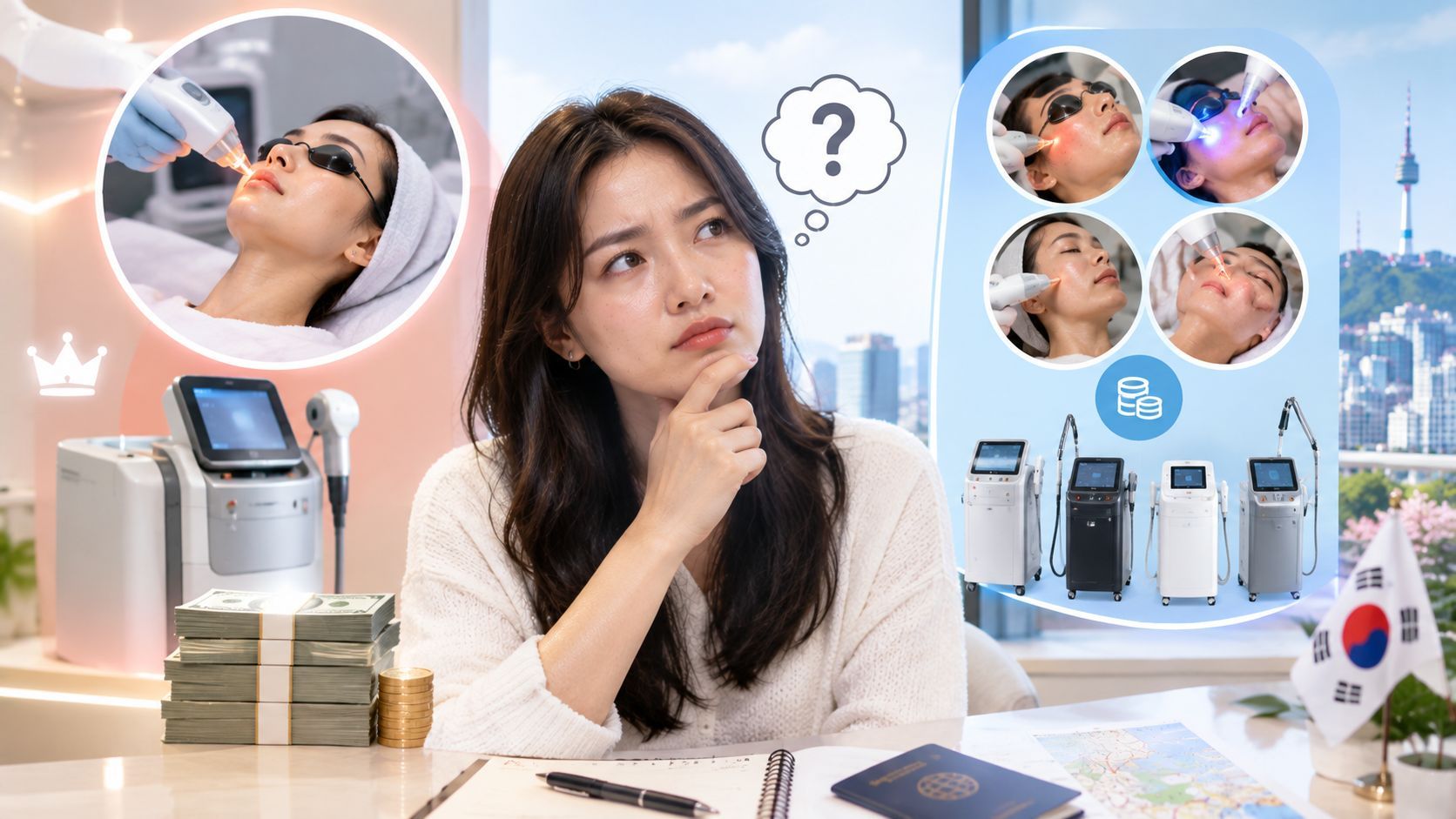
For many travelers, the price tags at Seoul’s top skin clinics seem too good to be true. A treatment that costs $1,000 in New York or London often goes for $300–$500 in Gangnam. In 2026, this 50–70% price difference isn't a sign of lower quality; in fact, Korea often uses more advanced technology. The secret lies in a unique medical ecosystem that prioritizes volume, local innovation, and intense competition.
Reason 1: The "Silicon Valley" of Beauty (Local Manufacturing)
Unlike clinics in the USA or Europe that must pay massive import duties and licensing fees for medical devices, Korea is a global manufacturing hub:
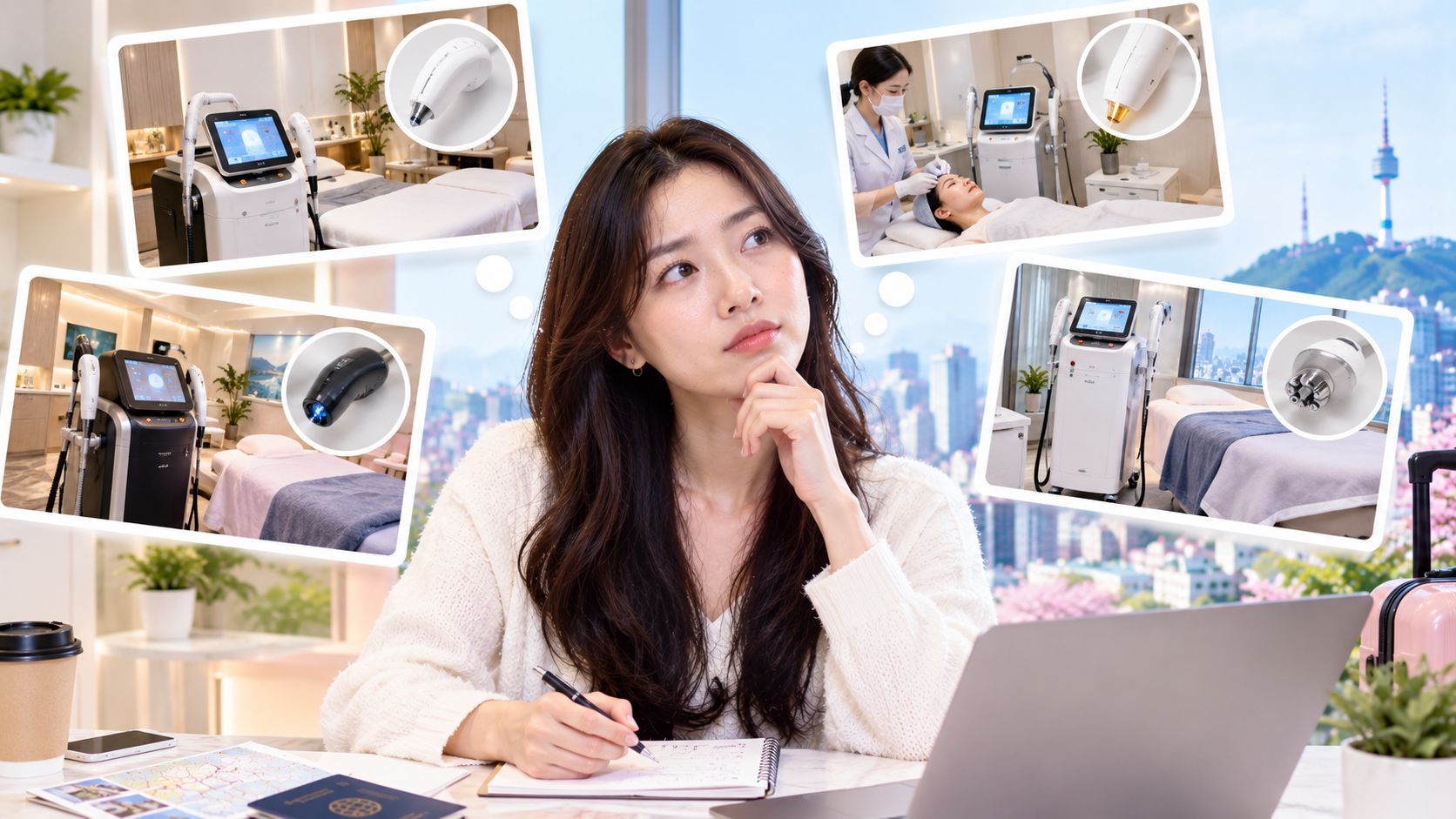
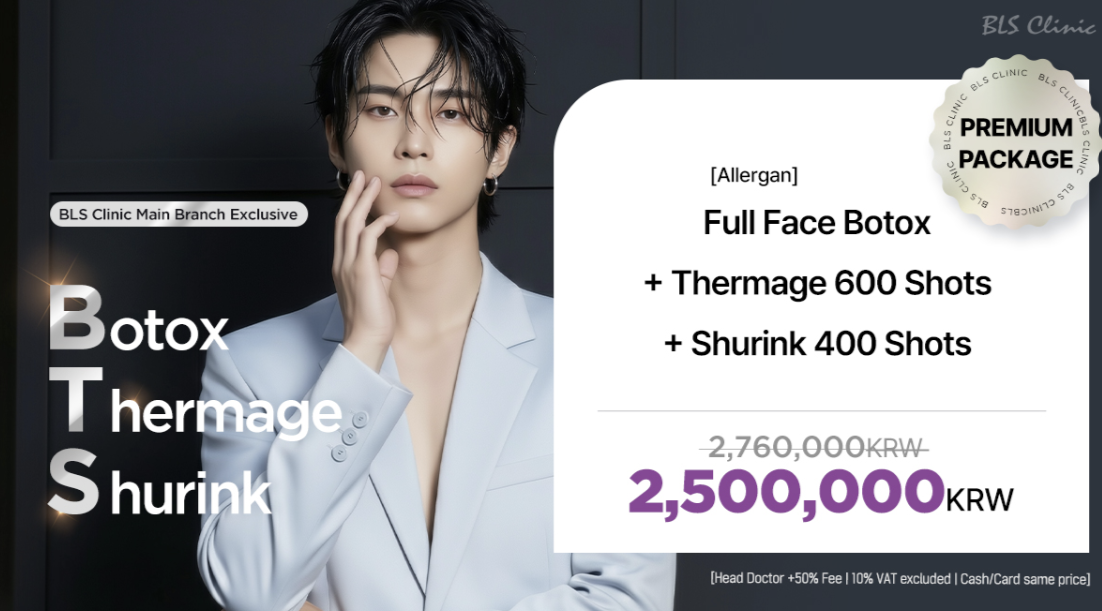
- Domestic Tech Giants: Companies like Classys (Shurink), Jeisys (LinearZ), and Lutronic (PicoPlus) are based in Korea. Clinics buy these world-class machines at "factory prices" without international shipping or distributor markups.
- Injectable Innovation: Korea produces its own high-quality Botulinum Toxins (Coretox, Nabota) and Fillers (Neuramis, Elravie). Because the supply chain is local, the cost per vial is a fraction of imported brands like Botox® or Juvederm®.
- Fast Upgrades: Because the manufacturers are local, Korean clinics are the first to get the newest software and hardware updates, often at a lower cost than overseas competitors.
👉 The Result: Massive savings on equipment and materials that are passed directly to you.
Reason 2: Hyper-Competition (The Gangnam Density)
Seoul has one of the highest concentrations of skin clinics in the world. In districts like Gangnam or Sinsa, you can find five premium clinics in a single building:
- Price Transparency: With so many options, clinics must keep their pricing competitive and transparent to attract savvy local and international patients.
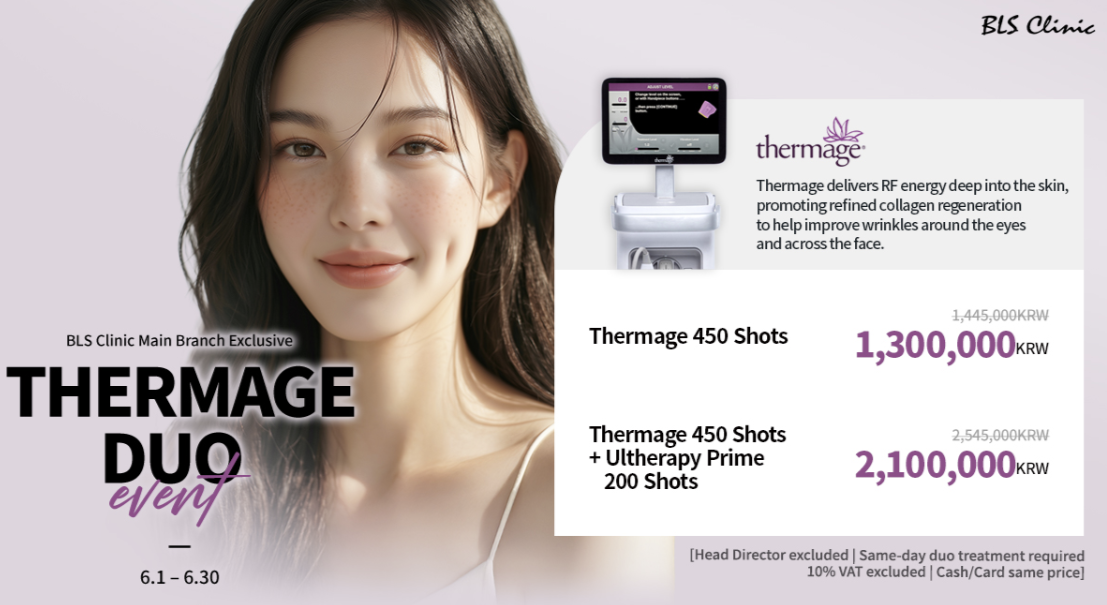
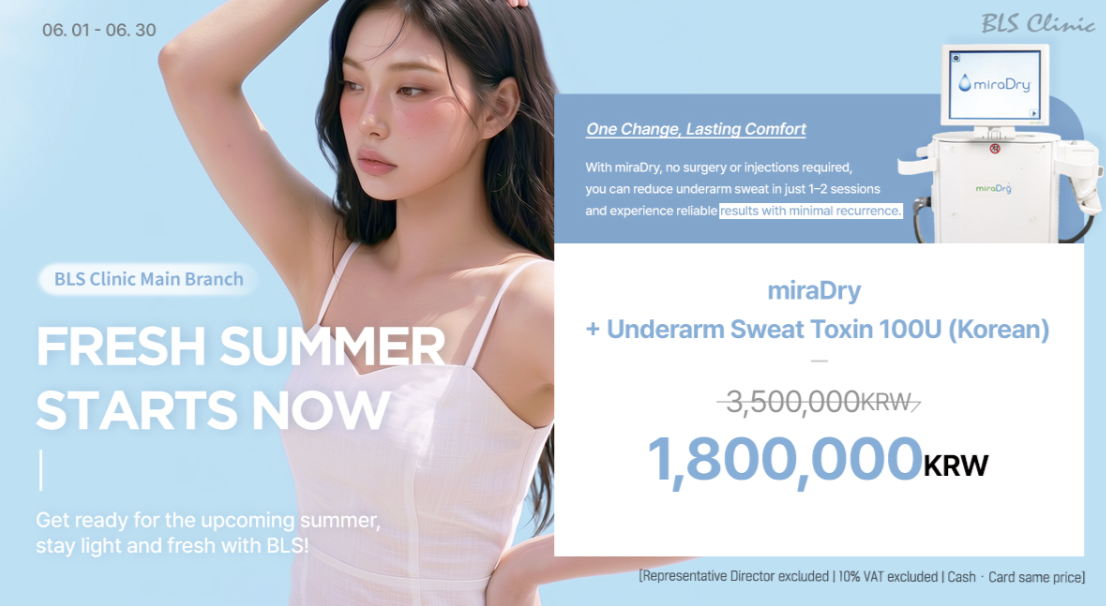
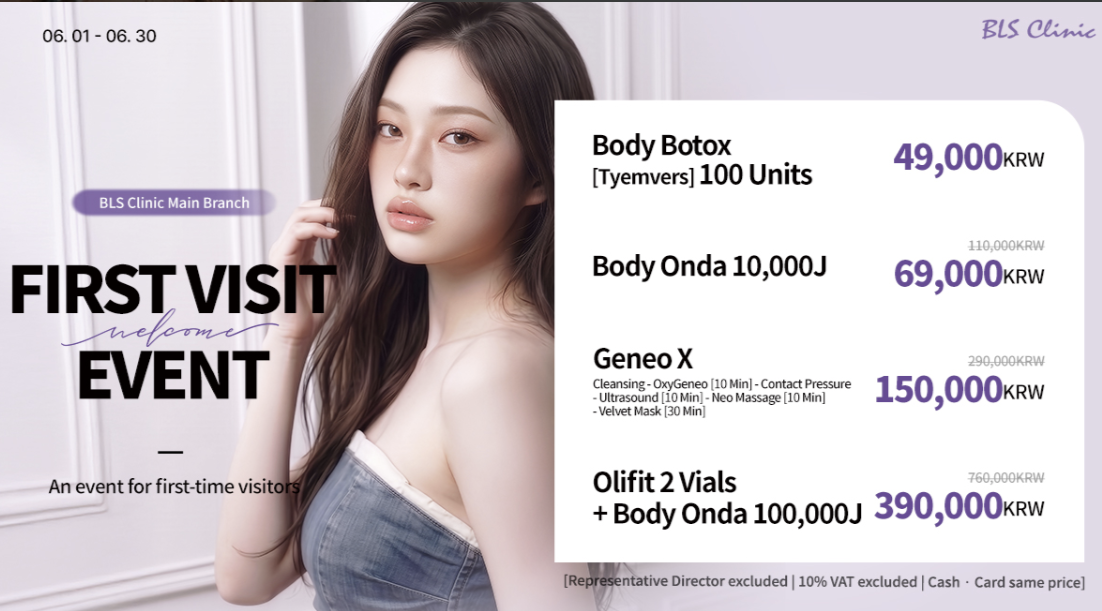
- Frequent Promotions: To maintain high patient volume, clinics offer "Package Deals" (e.g., combining Laser + Skin Booster + Cryo-care) that would be priced as separate, expensive luxury items in the West.
- Specialization: Because the market is so crowded, many clinics specialize in one thing (e.g., just lifting or just acne), allowing them to streamline costs and offer better rates.
👉 The Result: A "Buyer's Market" where clinics compete to offer the best value and latest technology.
Reason 3: Routine Maintenance vs. Luxury Service
In the USA and Europe, a visit to a cosmetic dermatologist is often viewed as a rare, high-end luxury. In Korea, it is treated like a routine "Skin Gym":
- The Subscription Model: Koreans visit clinics once a month for maintenance. Clinics price their services based on this "high-frequency" behavior rather than a "one-off" high-margin appointment.
- Operational Efficiency: Korean clinics are masters of workflow. You might see a consultant, then a numbing specialist, and finally the doctor—allowing the doctor to perform more procedures per day.
- Scale of Economy: By treating 50–100 patients a day instead of 10, clinics can maintain profitability even with lower per-patient prices.
👉 The Result: High-quality medical care delivered with the efficiency of a high-tech center.
Reason 4: Lower Operational Overheads
While the technology is premium, the underlying costs of running a medical practice in Korea are structurally lower than in the West:
- Malpractice Insurance: Medical liability insurance for aesthetic procedures is significantly more affordable in Korea than in the highly litigious US market.
- Standardized Setup: The sheer volume of the industry has led to standardized, efficient clinic designs that reduce administrative and setup waste.
- Labor Specialization: Korea has a highly skilled workforce of aesthetic nurses and coordinators who specialize specifically in post-laser care and skin prep, optimizing the doctor's time.
👉 The Result: Lower "hidden costs" for the clinic, which keeps your final bill low.
A 2026 Update: What About Tax Refunds?
- The 2026 Policy Change: As of January 1, 2026, the South Korean government has officially abolished the 10% VAT refund for cosmetic and aesthetic procedures.
- Impact on Pricing: While you can no longer claim that 10% back at the airport, Korean clinics have largely adjusted their "Global Pricing" to absorb this change, ensuring that Seoul remains the most cost-effective beauty destination in the world.
👉 Pro Tip: Even without the 10% tax refund, the base price in Korea remains significantly lower than Western equivalents.
Why Cheap Does NOT Mean "Low Quality"
It’s a common myth that lower prices mean lower standards. In reality:
- Higher Volume = More Experience: A Korean doctor might perform as many Shurink or Rejuran treatments in a month as a Western doctor does in a year. This repetition leads to incredible precision.
- Stricter Regulation: The Korean Ministry of Food and Drug Safety (MFDS) is one of the strictest in the world, often requiring more rigorous data than the FDA.
- State-of-the-Art Facilities: Because the competition is so high, Korean clinics are often more modern and better equipped than their counterparts in NYC or London.
Final Thoughts
The 50% discount you get in Seoul isn't a "budget" version of beauty; it is the result of a highly efficient, locally-fueled, and hyper-competitive industry. You aren't paying for less quality—you are simply cutting out the middleman, the high import taxes, and the "luxury markup" found in other countries. In 2026, traveling to Seoul for skin care isn't just about saving money; it’s about getting the world’s best treatment at a fair, honest price!