Using ultrasound to guide facial filler injections for safety
Using ultrasound to guide facial filler injections for safety
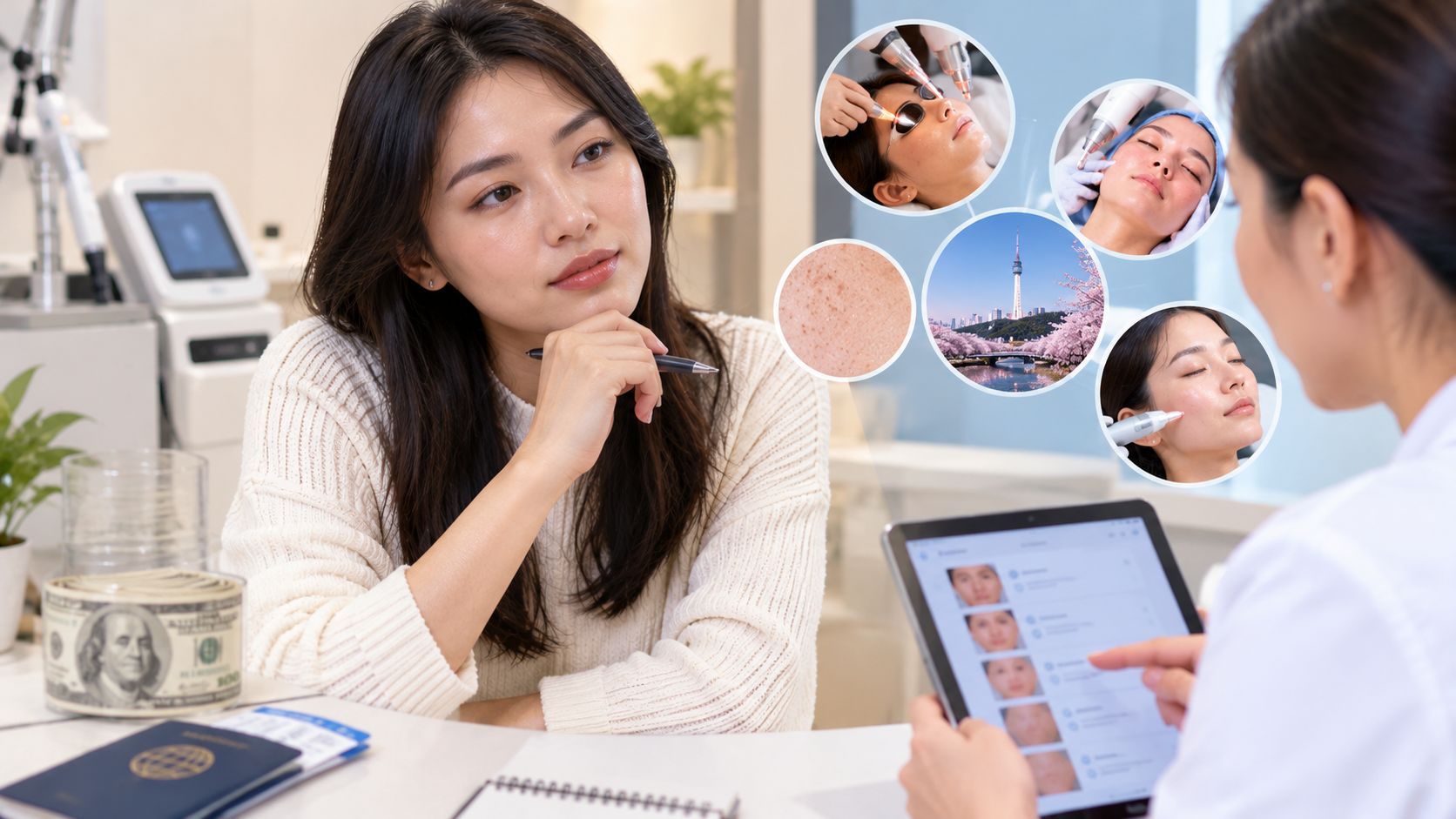
In 2026, the standard for injectable safety in Seoul has reached a new peak with the integration of high-resolution facial ultrasound. Traditionally, filler injections were performed "blindly," relying solely on the injector's anatomical knowledge and touch. Today, leading Korean clinics use real-time ultrasound imaging to look beneath the surface, allowing doctors to see your unique vascular pathways, muscle layers, and even old filler deposits before a single needle is inserted. This "GPS for the face" significantly reduces risks and ensures the most precise aesthetic results possible.
Who Is Ultrasound-Guided Filler Best For?
This technology is the gold standard for anyone prioritizing safety, but it is especially critical for:
- High-risk injection zones like the forehead, nose (rhinoplasty), and temples
- Patients with previous filler history who may have existing "migration" or old product
- Corrective procedures where old filler needs to be precisely dissolved before re-filling
- Individuals with unique anatomy or those who have had facial surgery
- Those seeking maximum peace of mind to avoid complications like vascular occlusion
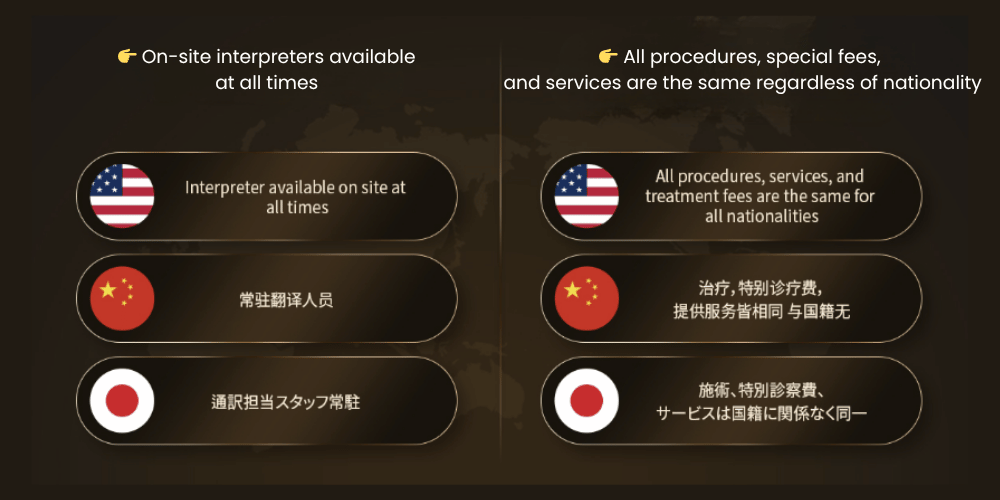
👉 Especially popular among international patients who want the safest possible experience during their limited time in Korea.
Key Benefits
- Vascular Mapping: Identifies the exact location of arteries and veins to avoid accidental injection into blood vessels.
- Filler Localization: Detects where old filler is sitting, which is crucial for preventing the "overfilled" look.
- Real-Time Precision: Allows the doctor to watch the filler being placed in the correct tissue plane on-screen.
- Complication Management: Can diagnose and treat nodules or swelling with surgical accuracy.
- Onset: Immediate safety verification; final aesthetic results peak within 1–2 weeks.
👉 Summary: Best for high-risk areas, corrective work, and maximum safety
The Technology: Seeing What’s Invisible
In 2026, Korean dermatologists use specialized handheld ultrasound devices to visualize the face in high definition:
Real-Time Doppler Mode
- Role: This mode highlights blood flow in bright colors (red and blue).
- Effect: It allows the injector to navigate around "danger zone" arteries in real-time, making treatments like non-surgical nose jobs dramatically safer.
B-Mode Structural Imaging
- Role: Shows the different layers of skin, fat, and muscle.
- Effect: Ensures that the filler is placed exactly where it was intended—whether that is deep on the bone for lifting or superficially for fine lines.
Main Effects & Comparison
Blind Injection (Traditional)
- Core Goal: Volume and contour based on external landmarks.
- Risk Level: Moderate (higher risk of bruising or vascular issues).
- Best For: Low-risk areas like the chin or jawline in patients with no prior filler.
Ultrasound-Guided Injection (Advanced)
- Core Goal: Precision volume with a "Safety-First" protocol.
- Risk Level: Extremely low (minimizes risk of vessel contact).
- Best For: The forehead, nose, tear troughs, and corrective dissolving.
The Procedure Step-by-Step
- Pre-Scan: The doctor scans the treatment area to map out your unique "internal roadmap," checking for arteries and old filler.
- Marking: Based on the ultrasound view, the doctor marks the safest entry points and injection vectors.
- Guided Injection: While the doctor monitors the screen, the filler is injected to ensure the product stays in the correct layer.
- Verification: A final scan confirms that the filler is evenly distributed and that blood flow in the area remains perfectly normal.
- Total Duration: Approximately 45–75 minutes.
Precautions & Aftercare
- Downtime: Similar to standard filler; expect mild swelling or redness for 24–48 hours.
- Reduced Bruising: Because vessels are avoided, patients often report significantly less bruising than with blind injections.
- Avoid Pressure: Do not press on the treated area for 48 hours to ensure the precisely placed filler doesn't shift.
- Follow-Up: If you have had corrective work, a follow-up scan may be scheduled 1 week later to verify the results.
Estimated Pricing (In Korea)
- Ultrasound Mapping Fee: Approx. ₩100,000 – ₩200,000 (often added to the filler price).
- Guided Filler Session: Approx. ₩400,000 – ₩900,000 (depending on the filler brand used).
- Filler Dissolving with Ultrasound: Approx. ₩300,000 – ₩500,000 per area.
Why Get This Treatment in Korea?
- Safety Leadership: Seoul's top dermatologists are global leaders in the "Safety-First" movement, utilizing the most advanced ultrasound protocols.
- Corrective Expertise: Korea is a global hub for "Filler Revisions," with specialized clinics that focus entirely on fixing poor results using ultrasound.
- High-Tech Integration: Most premium clinics in Gangnam now include ultrasound mapping as a standard part of their premium filler packages.
Final Thoughts
The choice to use ultrasound is a choice for uncompromising safety. In 2026, there is no longer a need to "hope" for a safe injection when the technology exists to "see" it. If you are planning to get filler in high-risk areas or have a complex history of injectables, seeking out a clinic in Seoul that offers ultrasound-guided injections is the smartest investment you can make for your face!