The true cost of Juvelook Volume for facial contouring
The True Cost of Juvelook Volume for Facial Contouring
In 2026, Juvelook Volume has surpassed traditional fillers as the most requested treatment for those seeking "stealth" facial contouring. Unlike standard HA fillers that provide immediate, gel-like volume, Juvelook Volume is a biostimulator (PDLLA + Hyaluronic Acid) that encourages your body to grow its own collagen. It’s designed for deep structural support, making it the premier choice for hollowing in the temples, cheeks, and nasolabial folds.
- The Goal: To restore youthful facial proportions through gradual, natural-looking collagen production.
- The 2026 Context: As of January 1, 2026, the 10% medical tax refund for tourists has officially ended, so the prices you see at the clinic are now the final amounts you should budget for.
Who Is Juvelook Volume Best For?
This treatment is ideal for patients who want to avoid the "overfilled" or "pillow face" look often associated with traditional injections:
- The "Hollow" Face: Perfect for individuals with sunken temples or flat cheeks caused by aging or weight loss.
- Deep Nasolabial Folds: Those who want to soften smile lines without the stiffness of regular filler.
- Early Sagging: Patients in their 30s to 50s who need subtle structural lifting and improved skin density.
- The Naturalist: Anyone who prefers their own collagen to a foreign synthetic gel.
👉 Note: Because it works gradually, this is for the "patient" traveler—you won't see the full result until 2–3 months after your visit.
Juvelook vs. Juvelook Volume: Know the Difference
One of the most common budgeting mistakes is confusing the two versions of this product. In 2026, clinics categorize them strictly:
- Juvelook (Skin Booster): Uses smaller particles for surface-level texture, pores, and fine lines. Often applied via "Pumping Mode" or hand injections.
- Juvelook Volume (Contouring): Uses larger particles and a higher concentration for deep-tissue volumizing and contouring.
👉 The Cost Difference: Juvelook Volume is more expensive per vial because it contains more active PDLLA material for structural lifting.
Estimated Costs in Seoul (2026)
The price is typically calculated per vial (usually 4cc to 6cc when diluted) or per session. Based on recent Gangnam and Myeongdong surveys:
- Single Session (1 Vial): ₩400,000 – ₩650,000 ($300 – $480 USD).
- 3-Session Package (Recommended): ₩1,100,000 – ₩1,600,000 ($820 – $1,200 USD).
- Targeted Area (e.g., Temples only): ₩250,000 – ₩400,000.
👉 Market Tip: If you see a price significantly lower than ₩350,000 for a full vial of "Volume," confirm the dilution ratio; some "factory" clinics over-dilute the product to lower the price.
The Procedure: What Happens During the Session?
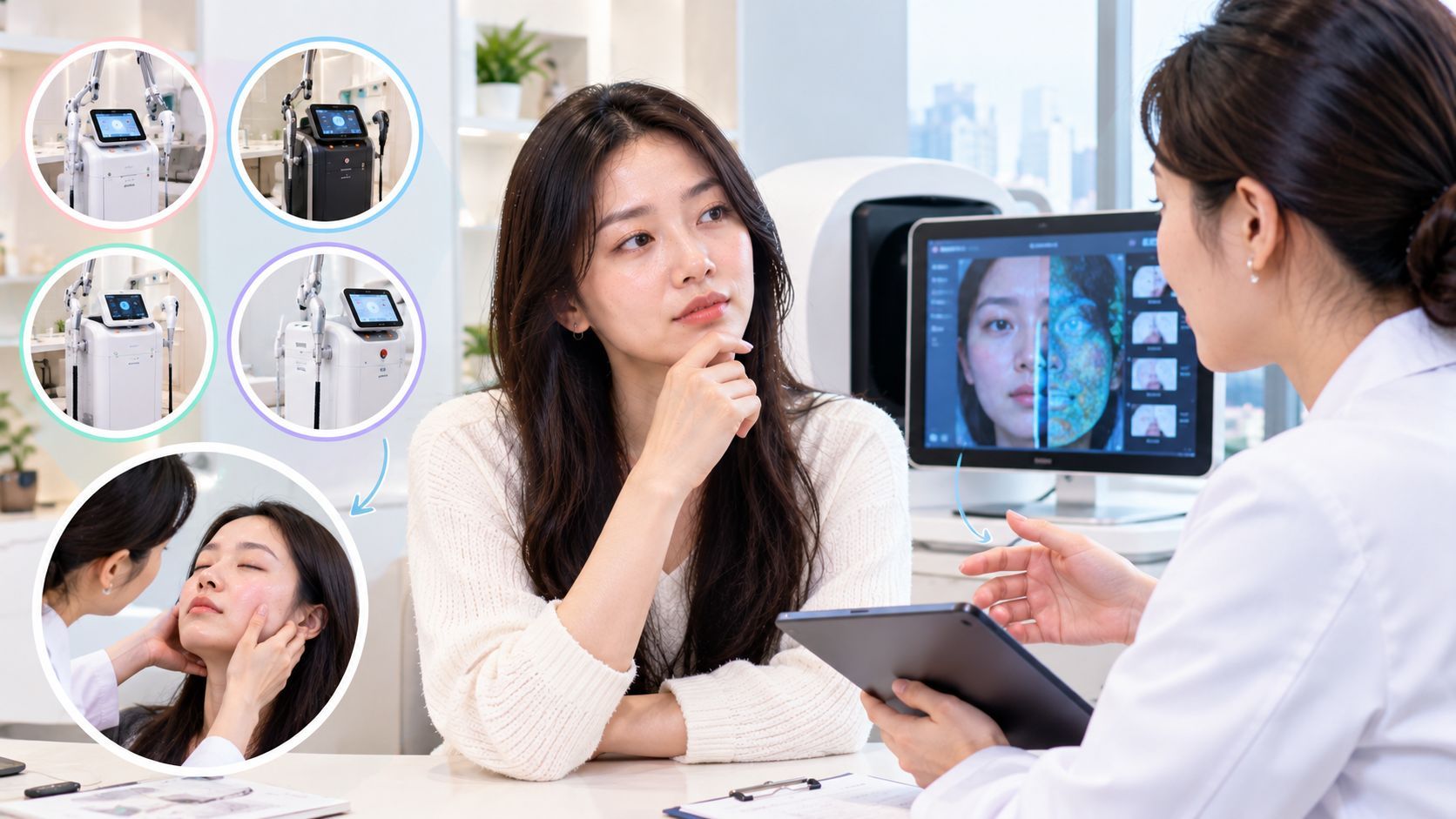
- Step 1: Consultation. The doctor marks the areas of volume loss and determines the number of vials needed.
- Step 2: Numbing. Local anesthesia or a strong numbing cream is applied for 30–40 minutes.
- Step 3: Cannula Injection. Most doctors use a cannula (a blunt-tipped needle) to distribute the Juvelook Volume evenly into the deep dermis or subdermal layer.
- Step 4: Molding. The doctor may lightly massage the area to ensure the collagen stimulator is perfectly placed.
- Step 5: Finishing. A calming LED treatment or a specialized patch is applied to the entry points.
- Total Duration: 45–60 minutes.
The "Hidden" Timeline: When Results Appear
Budgeting for Juvelook Volume also means budgeting your expectations. Unlike fillers, the timeline is a slow build:
- Day 1–3: You will see "mechanical volume" from the water/HA used to dilute the powder. This disappears within a few days.
- Week 2–4: The "Collagen Gap." You might feel like the treatment didn't work—this is normal as your body begins its work.
- Month 2–3: The true result. This is when your own collagen fills in the hollows, resulting in a soft, refreshed look.
- Longevity: After a full course of 3 sessions, results can last 18 to 24 months.
Precautions & Aftercare
To get the most value out of your Juvelook Volume investment, follow these 2026 safety protocols:
- The "5-5-5" Massage (If Recommended): Some doctors advise massaging the area for 5 minutes, 5 times a day, for 5 days to prevent nodule formation.
- Avoid Vigorous Exercise: Skip the gym for 48 hours to let the product settle.
- Hydration is Key: PDLLA works better in well-hydrated skin; drink plenty of water in the weeks following your injection.
- No Heat: Avoid saunas or high-heat facial treatments (like RF) for 2 weeks to avoid interfering with the initial collagen trigger.
Comparison: Juvelook Volume vs. Sculptra
In Seoul, you will often see both offered. Here is how they stack up in 2026:
- Juvelook Volume: Contains HA for an immediate (temporary) boost, has smaller/smoother particles, and carries a lower risk of "nodules" (lumps).
- Sculptra: A pure PLLA stimulator that is more "potent" but requires more aggressive massaging and has a slightly higher risk of visible lumps if not injected perfectly.
👉 Verdict: Juvelook Volume is currently the "fan favorite" in Korea because it feels softer and more natural to the touch.
Final Thoughts
Is the cost of Juvelook Volume worth it? Yes, if you value longevity and subtlety. While it costs more upfront than a basic filler, the fact that the results last nearly two years and use your own biological collagen makes it one of the highest-value treatments in Seoul today. If you want to return home looking like a "better version of yourself" rather than someone who "had work done," Juvelook Volume is your best investment!