The science of K-Oats and probiotics in aesthetic facials
The science of K-Oats and probiotics in aesthetic facials
In 2026, the K-beauty world has moved beyond "glass skin" into the era of Cloudglow Skin—a complexion that isn't just shiny, but fundamentally calm, resilient, and plush. The secret behind this shift is the pairing of K-Oats (Prebiotic Oat) and Next-gen Probiotics. While traditional facials often focused on stripping away layers, this duo works by "micro-balancing" your skin’s ecosystem, making it the top choice for urban dwellers dealing with pollution-induced sensitivity.
Who Is the Oat & Probiotic Facial Best For?
This bio-balancing treatment is designed for those whose skin needs a "reset" rather than a deep scrub:
- Reactive or "Stressed" skin that turns red easily
- Compromised barrier from over-using retinol or harsh acids
- Chronic dryness that doesn't improve with regular moisturizer
- Urban acne triggered by environmental pollutants and heat
- Individuals seeking "Cloudglow"—a soft, matte-meets-dewy finish
👉 Especially popular among Gen Z and Millennials who prioritize "Early Wellness" and microbiome health over aggressive anti-aging.
Key Benefits
- Microbiome Harmony: Rebalances the "good" bacteria on your skin to crowd out inflammation-causing microbes.
- Deep Calming: Uses Avenanthramides (oat-specific antioxidants) to instantly soothe itching and redness.
- Beta-Glucan Boost: Oats are rich in Beta-glucan, which holds moisture more effectively than Hyaluronic Acid.
- Lactobacillus Strength: Strengthens the skin’s physical defense against fine dust and blue light.
- Onset: Immediate cooling and redness reduction; "resilient" texture develops within 3–5 days.
👉 Summary: Best for sensitivity, barrier repair, and calming
The Science: Prebiotics vs. Postbiotics
In 2026, Korean clinics distinguish between different "biotics" to target specific skin layers:
K-Oat (The Prebiotic)
- Role: Think of this as the "food" for your skin's healthy bacteria.
- Effect: High-purity Korean oats provide polysaccharides that nourish the beneficial microbiome, allowing it to flourish naturally.
Ferment Lysates (The Postbiotic)
- Role: These are the beneficial byproducts of the fermentation process (like Lactobacillus or Bifida ferment).
- Effect: They don't contain live bacteria but deliver "repair signals" to your cells, boosting ceramide production and lowering the skin's pH to its ideal acidic level.
Main Effects & Comparison
K-Oat Beta-Glucan (The Barrier Shield)
- Core Goal: Intense hydration and external protection.
- Best For: Extreme dryness, flaking, and environmental sensitivity.
- Key Result: A "plumped" skin surface that feels protected and soft.
Probiotic Lysates (The Immune Trainer)
- Core Goal: Internal calming and anti-inflammatory action.
- Best For: Redness-prone skin, rosacea, and post-procedure healing.
- Key Result: Reduced reactivity and a more even, "quiet" skin tone.
The Procedure Step-by-Step
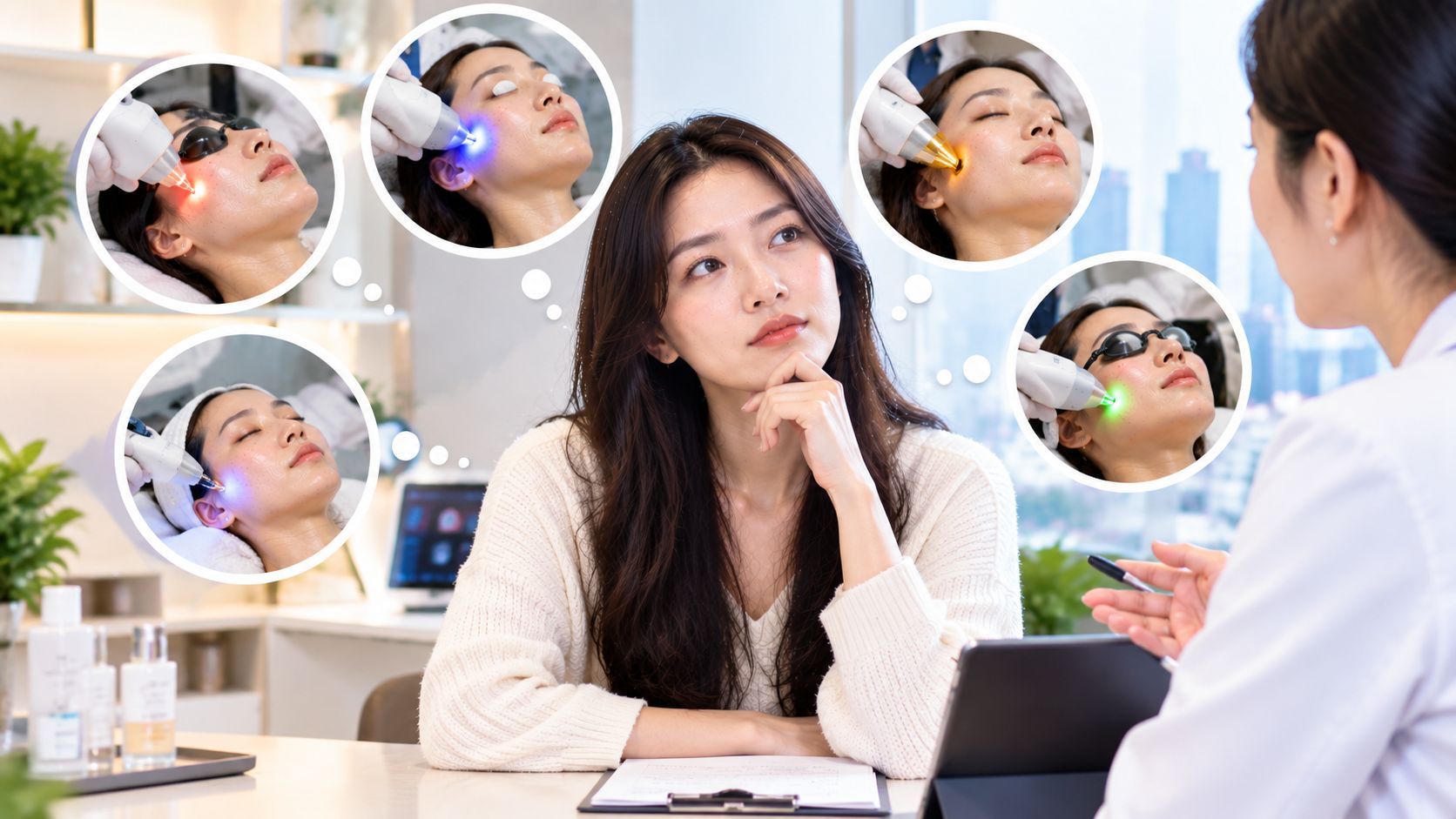
- Micro-Bubble Cleanse: A low-pH, probiotic-infused foam is used to gently cleanse without disrupting the bacterial balance.
- Oat-Steam Therapy: Fine oat-infused steam softens the keratin layer, allowing prebiotics to penetrate the pores.
- Electroporation Infusion: A concentrated serum of Lactobacillus lysates and oat-derived Beta-glucan is pushed into the dermis using electric pulses.
- Probiotic Modeling Mask: A cooling, rubber-style mask locks in the "biotics" while lowering the skin temperature by 5–10 degrees.
- Total Duration: Approximately 60 minutes
Precautions & Aftercare
- Downtime: Zero. This is a "Lunchtime Therapy" that leaves you looking refreshed, not red.
- Skip the Actives: Avoid high-percentage AHAs or BHAs for 48 hours to let the new "good" bacteria settle on your skin.
- Sun Protection: Use mineral-based sunscreens (Zinc Oxide) which are more microbiome-friendly than chemical filters.
- Consistency: While one session calms redness, a 4-session cycle is recommended to permanently strengthen a weak barrier.
Estimated Pricing (In Korea)
- Standard Oat & Probiotic Facial: Approx. ₩120,000 – ₩200,000 per session.
- Premium "Microbiome Reset" Package: Approx. ₩500,000 – ₩800,000 (includes 5 sessions and home-care postbiotics).
- Tip: Many Myeongdong and Gangnam clinics offer this as a "Post-Laser Recovery" add-on for a significantly lower price.
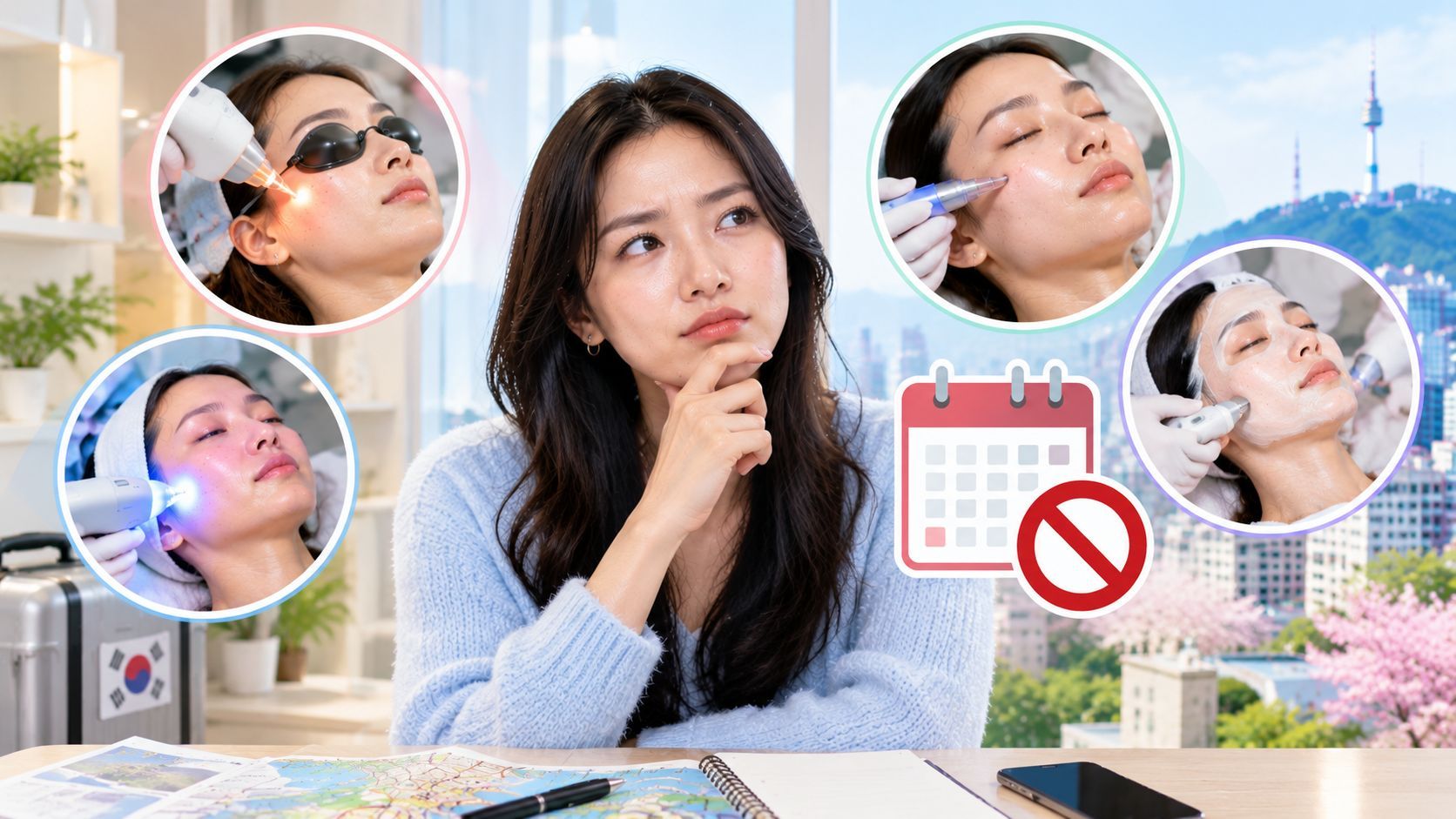
Why Get These Treatments in Korea?
- Fermentation Heritage: Korea has centuries of expertise in fermentation (from Kimchi to Ginseng), which is now applied to pharmaceutical-grade skincare.
- Purity of K-Oats: Many 2026 clinics source locally grown, organic oats that are micronized in specialized labs for higher absorption.
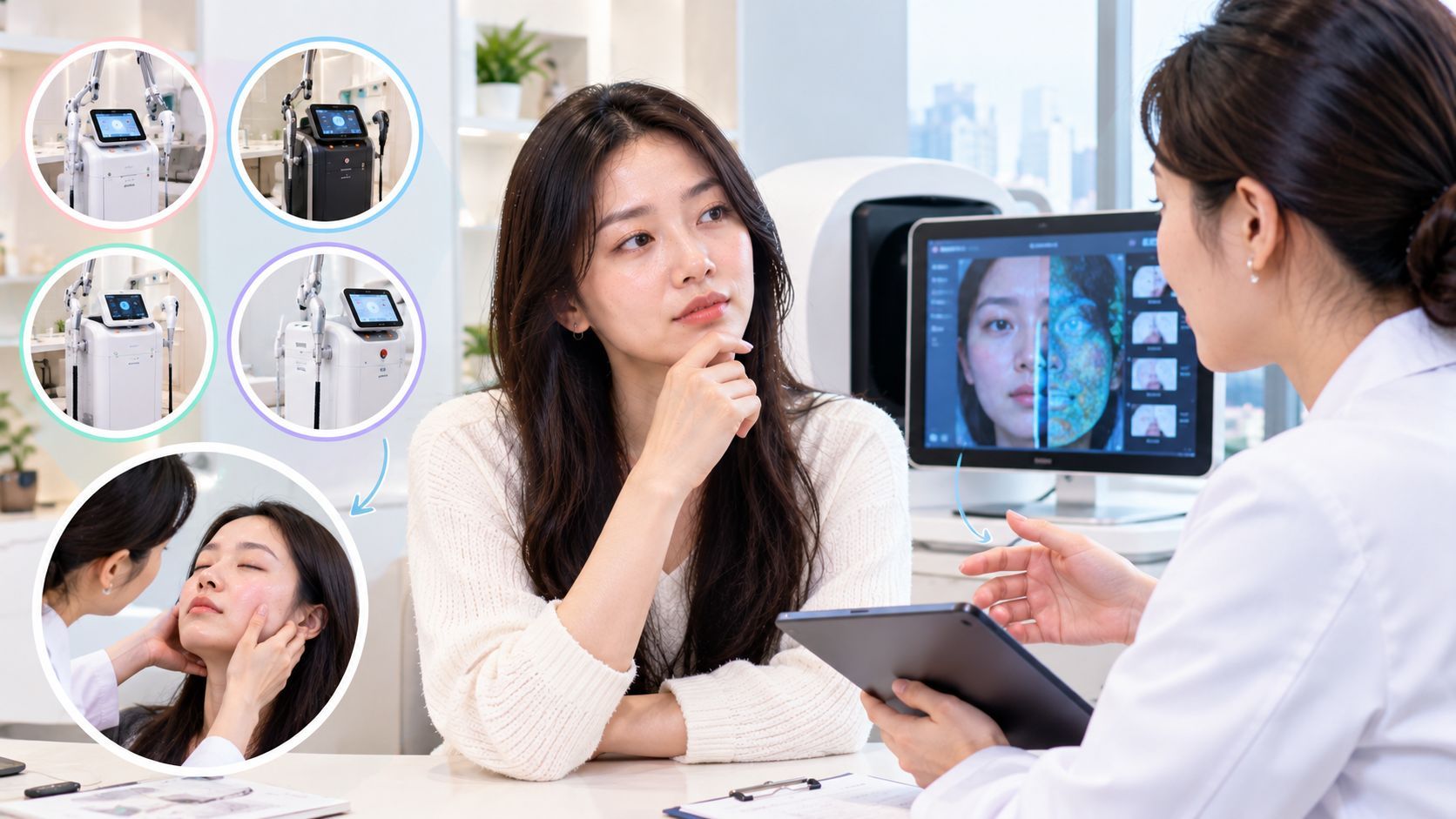
- Microbiome Testing: Some high-end Seoul clinics now offer an "On-the-spot" microbiome test to see exactly which bacterial strains your skin is lacking before the facial begins.
Final Thoughts
The choice to go with an Oat and Probiotic facial is a choice for Long-term Resilience. If you are tired of the cycle of "irritation and repair," this treatment offers a way to build a skin barrier that protects itself. In 2026, a healthy microbiome is the ultimate luxury, and there is no better place to cultivate yours than in the advanced clinics of Seoul!