What Should I Do If My Skin Isn't Healing Normally After a Laser Treatment?
Introduction
Laser treatments can produce redness, swelling, dryness, peeling, sensitivity, and other temporary changes while the skin recovers. However, sometimes the recovery does not follow the pattern a patient was expecting.
If your skin isn't healing normally after laser treatment, the most important step is not to add more treatments or aggressively change your skincare routine. First, contact the provider who performed the procedure and have the treated skin assessed. If symptoms are severe or worsening, an in-person medical evaluation may be appropriate.
The right response depends on the laser used, treatment intensity, area treated, your skin characteristics, and the symptoms you are experiencing.
How Do You Know If Your Skin Is Not Healing Normally?
Recovery Should Generally Trend Toward Improvement
Different lasers have very different recovery periods. Mild redness after a low-downtime treatment is not comparable with the recovery from fractional or ablative resurfacing.
A useful question is whether your skin is gradually improving.
Possible reasons to contact your provider include:
- Redness that is becoming more intense
- Increasing rather than decreasing pain
- Significant swelling
- Persistent burning
- Blistering or open skin
- Unusual discharge
- Crusting that does not appear to be resolving
- New or worsening pigmentation changes
- Skin texture that appears unusually damaged
- Symptoms that suddenly worsen after initially improving
These signs do not automatically indicate a complication. They simply justify professional assessment.
What Should You Do First?
Contact the Clinic That Performed the Laser Treatment
If recovery appears abnormal, contact the treating provider rather than trying to diagnose the problem yourself.
Tell the clinic:
- Which treatment you received
- When it was performed
- Which area was treated
- How your skin looked immediately afterward
- How it has changed since treatment
- Whether you have pain, swelling, blistering, or discharge
- Which skincare products you have used afterward
If possible, provide clear photographs taken in consistent lighting.
The treating provider has important information that an online article cannot provide, including the device used, treatment parameters, and your condition immediately after treatment.
Ask What Recovery Should Look Like
A useful follow-up question is whether your current appearance matches the expected recovery for your particular procedure.
Instead of asking only, "Is this normal?" ask:
- How long should this level of redness last?
- Should the peeling or crusting have improved by now?
- Is this amount of swelling expected?
- Should I stop any products temporarily?
- When should I return for an examination?
- When would another treatment be appropriate?
Specific questions can make follow-up more useful.
Should You Stop All Skincare?
Not necessarily.
Recently treated skin can be more sensitive, but the appropriate aftercare depends on the laser and the condition of your skin.
Avoid Unnecessary Irritation
Unless your provider has instructed otherwise, be cautious about introducing new or potentially irritating products while your skin is recovering.
Examples include:
- Strong exfoliating acids
- Scrubs
- Retinoid products
- Strongly fragranced products
- At-home peels
- Aggressive cleansing
- Additional cosmetic procedures
The goal is not to treat every symptom with another active ingredient. Irritated skin may need time to recover.
Follow Your Specific Aftercare Instructions
Aftercare differs between procedures. Advice appropriate after a superficial laser may not be appropriate after more intensive resurfacing.
Your treating provider's instructions should therefore take priority over generalized online skincare advice.
What If My Skin Is Still Red?
Redness Can Sometimes Last Longer Than Expected
Some laser treatments intentionally create more inflammation than others. Fractional resurfacing and ablative procedures, for example, can have a longer visible recovery period than certain low-downtime treatments.
Persistent redness does not automatically mean the treatment failed or caused permanent damage.
Worsening Redness Is More Concerning
Pay attention to the direction of change.
If the redness is slowly fading, that may be consistent with recovery. If it becomes increasingly intense, spreads, becomes painful, or is accompanied by warmth or swelling, contact your provider.
What If My Skin Has Become Darker After Laser?
Post-Inflammatory Hyperpigmentation Can Occur
Inflammation or injury can sometimes trigger darker pigmentation after a procedure. This is known as post-inflammatory hyperpigmentation.
The risk varies between individuals and can be influenced by skin type, treatment choice, treatment intensity, inflammation, and UV exposure.
Do not assume that a darkened area means the laser was necessarily performed incorrectly. However, new or worsening pigmentation should be discussed with a qualified professional before additional laser treatment is performed.
Do Not Immediately Try Another Pigmentation Treatment
Adding another laser, peel, or aggressive brightening treatment without determining why the skin changed can create additional irritation.
An assessment should come first.
What If My Skin Is Burning or Painful?
Mild warmth or sensitivity can occur immediately after some procedures.
Persistent, severe, or increasing pain is different.
If pain is significant or accompanied by swelling, blistering, open skin, increasing warmth, or other unusual changes, contact the treating provider promptly.
If symptoms are severe or you feel generally unwell, seek appropriate medical attention rather than waiting for a routine cosmetic follow-up.
What If Blisters, Open Areas, or Discharge Appear?
These symptoms should not simply be assumed to be part of normal laser recovery.
Blistering
Blistering can indicate substantial skin injury and warrants professional evaluation.
Open or Eroded Skin
Areas that appear raw or unusually damaged should be assessed, particularly if they are extensive or not improving.
Unusual Discharge
Discharge, especially when accompanied by increasing redness, warmth, swelling, pain, or fever, requires medical assessment because different causes are possible.
Do not attempt to diagnose an infection or other complication based solely on appearance.
Should You Get Another Laser Treatment to Fix the Problem?
Usually, the first step is assessment rather than another treatment.
Patients sometimes think that if pigmentation, redness, or uneven texture appears after a laser, another laser can immediately correct it. This can be counterproductive if the skin is still inflamed or the underlying problem has not been identified.
Before considering another procedure, ask the provider whether the skin has fully recovered and whether additional treatment is actually appropriate.
What If You Had Laser Treatment in Seoul?
International patients need to consider follow-up when planning laser procedures in Korea.
Before Returning Home
If your treatment has meaningful downtime, allow enough time for the early recovery period rather than scheduling the procedure immediately before a long flight.
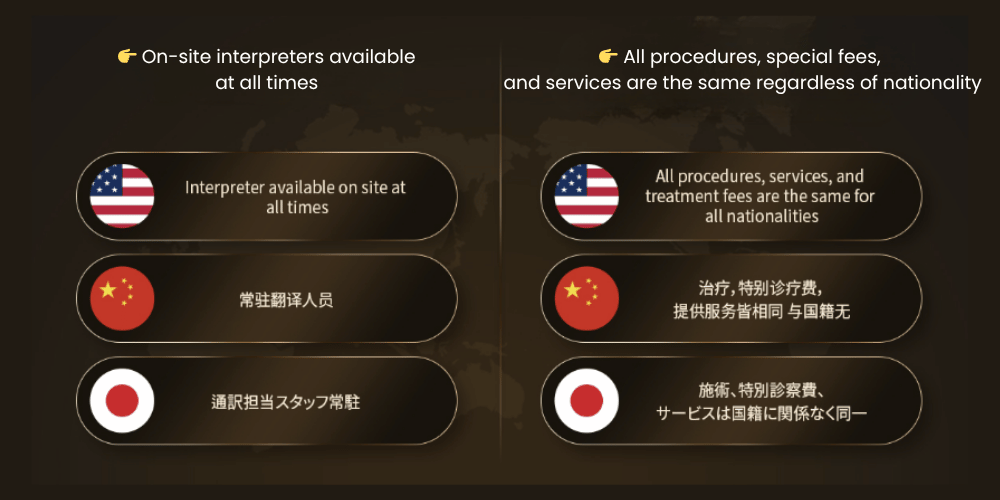
Ask the clinic how follow-up will be handled if you develop an unexpected reaction after returning home.
After Returning to Your Country
If your skin begins to heal abnormally after you have left Seoul, contact the Korean clinic and provide photographs and details of your symptoms.
However, remote communication should not replace in-person medical care when symptoms are significant. If necessary, arrange an assessment with a qualified medical professional where you currently live.
Keep records of the treatment, including the procedure date and the name of the laser or device. These details can help another provider understand what happened.
When Should You Seek Medical Attention Quickly?
Seek prompt medical evaluation if you develop:
- Severe or rapidly increasing pain
- Significant swelling
- Blistering
- Extensive open or damaged skin
- Increasing warmth and redness
- Pus or unusual discharge
- Fever or feeling significantly unwell
- Rapidly worsening symptoms
- Major or unexpected skin-color changes
These signs have different possible causes, so professional assessment is important.
How Can You Reduce the Chance of Recovery Problems?
Choose Treatment Based on Your Skin and Goal
The strongest available treatment is not automatically the most appropriate treatment.
Before laser treatment, discuss your skin type, previous reactions, pigmentation history, previous procedures, and the specific problem you want to address.
Plan Enough Recovery Time
If you are visiting Seoul specifically for treatment, avoid building an itinerary that assumes your skin will look completely normal immediately afterward.
Allowing recovery time can make it easier to monitor your skin and arrange follow-up if necessary.
Keep a Record of Your Treatment
For international patients, retaining the treatment name and relevant procedure details can be particularly useful.
If you later need treatment elsewhere, another provider will have more information about what was performed.
Conclusion
If your skin isn't healing normally after a laser treatment, the safest approach is to stop guessing and have the recovery assessed. Mild redness, sensitivity, dryness, or peeling can be expected after many procedures, but worsening pain, significant swelling, blistering, open skin, unusual discharge, or unexpected pigmentation should not simply be ignored.
Avoid automatically adding another laser or aggressive skincare treatment. Contact the treating provider, document how your skin is changing, and seek in-person medical evaluation when symptoms warrant it.
For international patients having laser treatment in Korea, planning adequate recovery time and arranging a clear follow-up process before leaving Seoul can make unexpected recovery problems easier to manage.
FAQs
How long should laser-treated skin take to heal?
There is no universal recovery period. It depends on the laser, treatment intensity, treatment area, and individual healing response. Your provider should explain the expected recovery for your specific procedure.
Is redness after laser treatment always a problem?
No. Temporary redness is common after many laser treatments. Concern increases when redness is worsening, unusually intense, persistent without improvement, or accompanied by other symptoms.
Should I use more skincare products if my skin is healing slowly?
Not necessarily. Adding multiple active products can increase irritation. Follow the aftercare instructions for your specific procedure and ask your provider before introducing potentially irritating products.
Can I have another laser treatment if my skin has not fully recovered?
Additional treatment should generally be discussed with the treating provider first. Treating skin that remains significantly inflamed or damaged may not be appropriate.
What should I do if I develop blisters after laser treatment?
Contact the treating provider for assessment. Blistering can represent more substantial skin injury and should not automatically be considered normal recovery.
What if I develop problems after returning home from Korea?
Contact the Korean clinic with your treatment details and clear photographs, but seek local in-person medical care if symptoms are significant, worsening, or require examination.