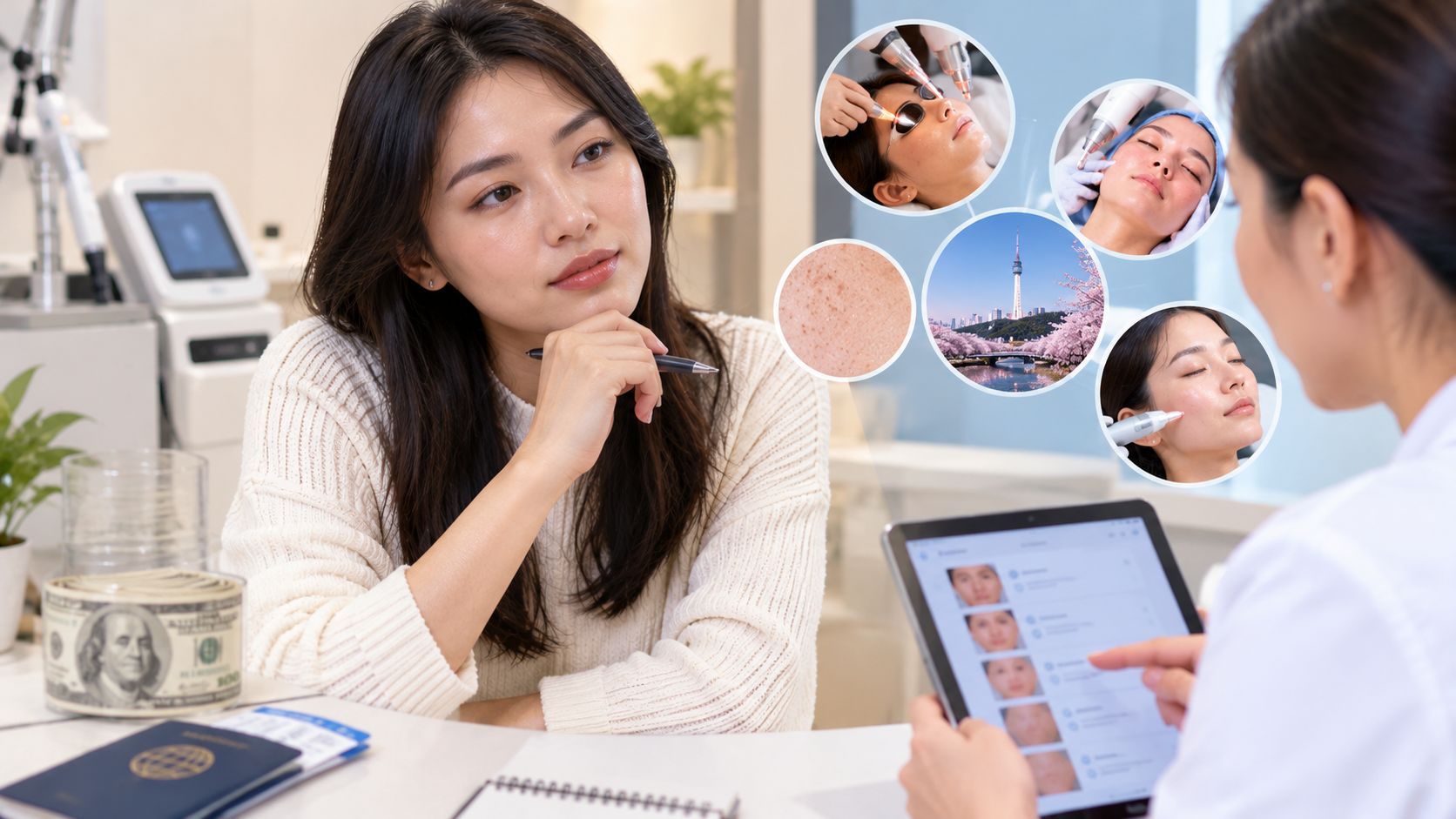
Why Does Skin Sometimes Look Worse Before It Looks Better After Fraxel?
Introduction
It can be unsettling to look in the mirror a few days after Fraxel and feel that your skin appears worse than before treatment. Redness, swelling, dryness, rough texture, peeling, or temporary darkening can make the skin look less even before the longer-term improvement becomes visible.
This temporary worsening can occur because Fraxel intentionally creates microscopic areas of controlled skin injury, triggering a healing and remodeling process. The early appearance of treated skin does not necessarily represent the final result. However, not every change should automatically be considered normal, so persistent, severe, or unusual symptoms should be assessed by the treating medical professional.
Why Can Skin Look Worse After Fraxel?
The Treatment Creates Controlled Skin Injury
Fraxel is a fractional laser approach. Instead of treating the entire surface continuously, fractional resurfacing creates microscopic treatment zones while leaving surrounding areas untreated. This design can help the skin recover more efficiently than fully ablative resurfacing, but it still produces a temporary inflammatory response.
Immediately afterward, the skin may therefore look red, swollen, irritated, or uneven.
This is part of the treatment process rather than evidence that the final result has already been determined.
Inflammation Can Make Texture Look More Obvious
Swelling and dryness can temporarily change how light reflects from the skin. Areas that previously looked relatively smooth may appear rougher or more uneven.
The skin may also feel tight or sensitive, particularly during the early recovery period.
What Changes Can Happen During Early Fraxel Recovery?
Redness
Redness is one of the most noticeable immediate effects of laser resurfacing. The intensity and duration can vary according to treatment settings and individual healing.
A face that looks redder than usual after treatment can therefore be expected, particularly during the early recovery period.
Swelling
Temporary swelling can make facial contours or skin texture appear different. It may be particularly noticeable in sensitive areas.
Swelling generally improves as the inflammatory response settles, but persistent or worsening swelling should be discussed with the treating clinician.
Dryness and Peeling
Fractional resurfacing can produce dryness, flaking, or peeling as the treated skin recovers. The American Society for Dermatologic Surgery lists peeling and scabbing among possible short-term effects of fractional resurfacing.
This can make the skin look temporarily rough or dull.
Temporary Darkening
Some patients can experience temporary pigmentation changes after laser treatment. This is particularly important for people who are prone to post-inflammatory hyperpigmentation.
Sun protection and appropriate treatment selection are important considerations when reducing the risk of unwanted pigmentation changes.
Why Doesn't the Improvement Appear Immediately?
Fraxel Starts a Healing Process
Fraxel is not simply removing an unwanted surface feature and immediately replacing it with finished skin.
The treatment initiates a healing response. Changes in skin texture and collagen remodeling develop over time, so early post-treatment skin and later results can look very different.
This is particularly relevant when Fraxel is being used for acne scars or texture concerns. Laser treatment may improve the appearance of scars over time, but it generally does not make depressed scars disappear immediately after one session. Dermatology guidance also notes that acne-scar treatment may require multiple treatments depending on the type and severity of scarring.
Early Appearance Is Not the Final Result
A useful way to think about the process is:
Treatment → inflammation → recovery → remodeling → gradual improvement
The first stage can temporarily look worse because the skin has been deliberately stimulated.
How Long Can the “Worse Before Better” Stage Last?
The Timeline Varies
There is no single recovery schedule that applies to every Fraxel treatment.
Factors include:
- Laser type
- Treatment intensity
- Treatment area
- Skin characteristics
- Individual healing response
- Previous treatments
- Sun exposure
- Aftercare
A lighter treatment may produce relatively limited visible recovery, while a stronger resurfacing treatment can cause more obvious redness, dryness, peeling, or swelling.
For this reason, a clinic should not promise that every patient will look normal after a specific number of days.
Can Fraxel Temporarily Make Acne Scars Look Worse?
Swelling and Dryness Can Change Their Appearance
If Fraxel is being used for acne scars, the early recovery period can make texture appear unusual.
Swelling can temporarily alter the depth and shadows of depressed scars. Dryness and peeling can also make the surface appear rougher.
This does not necessarily mean the scars have become permanently worse.
However, if you notice significant worsening that persists beyond the expected recovery period, or if you develop unusual symptoms, contact the treating provider rather than assuming it is simply part of healing.
What About Pigmentation After Fraxel?
Temporary Pigment Changes Need Attention
Pigmentation is an especially important consideration for patients who are susceptible to post-inflammatory hyperpigmentation.
Laser-induced inflammation can sometimes be followed by darker or lighter areas of skin. The risk depends on factors including the treatment, skin characteristics, and individual response. Dermatologists can assess these factors before treatment and determine whether the procedure and settings are appropriate.
If your main concern is pigmentation rather than texture or scarring, it is worth discussing whether Fraxel is actually the most appropriate laser approach for your particular condition.
What Should You Avoid During Early Recovery?
Do Not Try to Force the Skin to Heal Faster
Patients sometimes become frustrated by peeling and try to speed up the process through aggressive exfoliation.
That is generally not a good strategy. Newly treated skin can be more sensitive, and unnecessary irritation may interfere with comfortable recovery.
Follow the aftercare instructions provided by your treating clinician instead.
Be Careful With Sun Exposure
Sun protection is particularly important after laser treatment. Exposure during the recovery period can contribute to unwanted pigmentation and irritation. Dermatology guidance recommends protecting treated skin from sunlight during recovery.
This matters even more if you are visiting Seoul and planning to spend substantial time outdoors after treatment.
When Is “Worse Before Better” Not Something to Ignore?
Contact the Treating Provider If Symptoms Are Concerning
Not every post-treatment change should automatically be dismissed as normal recovery.
Contact your provider if you develop symptoms that are severe, worsening rather than improving, or substantially different from what you were told to expect.
Depending on the procedure, complications can include infection, burns, prolonged redness, scarring, and pigmentary changes.
Seek appropriate medical attention promptly if you have significant symptoms or are concerned that your recovery is abnormal.
How Can You Tell Whether Fraxel Is Progressing Normally?
Ask What Your Provider Expects
Before treatment, ask the dermatologist to explain:
- What will my skin look like immediately afterward?
- When should redness peak?
- Is peeling expected with my treatment?
- When should the skin start looking more normal?
- When should I expect improvement in my specific concern?
- What symptoms would require me to contact the clinic?
Having this information beforehand makes it easier to distinguish expected recovery from a potential complication.
Why This Matters for a Seoul Medical Trip
Do Not Judge the Treatment During the First Few Days
International patients sometimes have only a few days in Seoul and may evaluate their skin before the healing process has progressed.
If you have Fraxel near the beginning of your trip, your skin may look different while you are still sightseeing. If you have it near the end, you may be traveling home while the skin is still recovering.
Discuss the expected recovery period before scheduling treatment, especially if you have a flight, wedding, photoshoot, or other important event soon afterward.
Keep Expectations Realistic
Fraxel is not an instant skin-perfecting procedure. Depending on the concern, improvement may develop gradually and may require multiple sessions.
The most useful expectation is therefore not “my skin should look better tomorrow,” but rather “my skin should progress through an expected healing process before the longer-term result becomes apparent.”
Conclusion
Skin can sometimes look worse before it looks better after Fraxel because the treatment deliberately creates microscopic zones of controlled injury, producing temporary inflammation and initiating a longer healing and remodeling process.
Redness, swelling, dryness, peeling, roughness, and temporary pigmentation changes can make the skin appear less attractive during early recovery. These effects do not necessarily represent the final outcome.
At the same time, significant or worsening symptoms should not automatically be attributed to normal downtime. A qualified dermatologist should assess unexpected reactions, particularly when symptoms are severe or persistent.
FAQs
Is it normal for skin to look worse immediately after Fraxel?
Temporary redness, swelling, dryness, peeling, and roughness can occur after fractional laser treatment. These early changes do not necessarily reflect the final result.
Why does my skin look darker after Fraxel?
Temporary pigmentation changes can occur after laser treatment. People who are prone to post-inflammatory hyperpigmentation may require particular consideration when choosing laser treatment and settings.
Can Fraxel make acne scars look worse temporarily?
Temporary swelling, dryness, and changes in skin texture can make acne scars appear different during recovery. The longer-term result should not be judged immediately after treatment.
When should I start seeing improvement after Fraxel?
Improvement is gradual rather than immediate. The timeline depends on the condition being treated, treatment intensity, and individual healing response.
What if my skin keeps getting worse after Fraxel?
If symptoms are severe, continue worsening, or differ substantially from the recovery instructions you received, contact the treating clinic for assessment rather than assuming the change is normal.
Should I exfoliate peeling skin after Fraxel?
Do not assume that more exfoliation will produce faster healing. Follow the specific aftercare instructions provided by your treating medical professional.