Why Am I Still Red Weeks After Laser Treatment?
Introduction
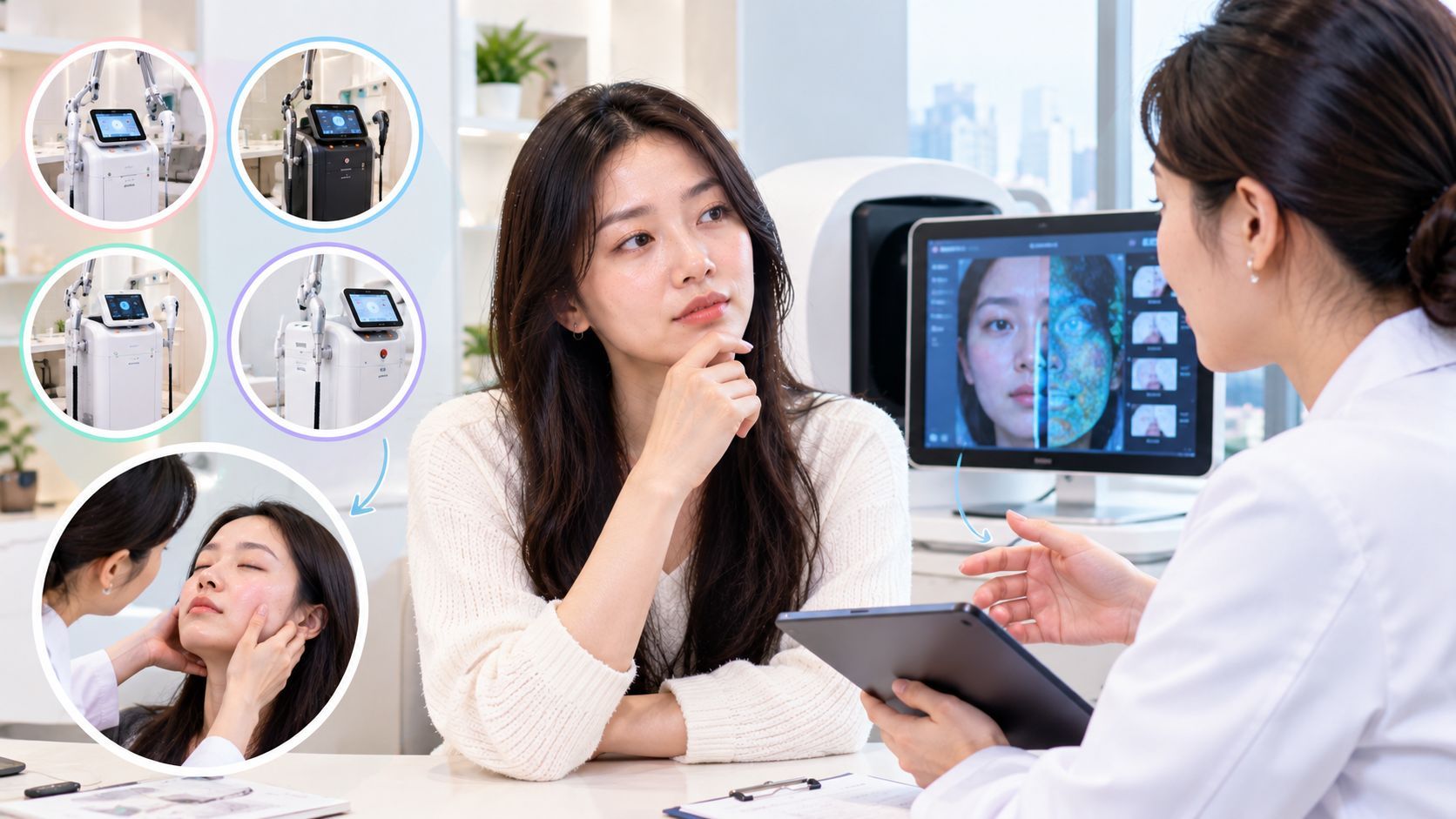
Persistent redness after laser treatment can be concerning, especially when the skin looked like it was healing normally at first but remains pink, red, or flushed several weeks later. Some redness is a normal part of recovery, but redness that lasts longer than expected can have several possible explanations.
The most important point is that redness weeks after laser treatment does not automatically mean the treatment went wrong. Recovery depends on the laser type, treatment intensity, skin condition, individual healing response, and whether the skin developed irritation or inflammation during recovery. However, persistent or worsening redness deserves appropriate assessment rather than being ignored.
What Does Persistent Redness After Laser Treatment Mean?
Redness after a laser procedure generally reflects increased blood flow and inflammation in the treated skin. Depending on the treatment, this can be temporary and gradually fade as the skin barrier and underlying tissues recover.
The expected recovery period varies considerably between procedures. A low-downtime laser may cause mild pinkness for a relatively short period, while a more intensive resurfacing treatment can leave visible redness for considerably longer.
If the redness is slowly becoming lighter and the skin otherwise feels comfortable, this may be part of normal healing. If it is becoming stronger, spreading, painful, unusually warm, swollen, blistered, or associated with discharge, the situation is different and should be evaluated by a qualified medical professional.
Why Can Skin Stay Red for Weeks After Laser Treatment?
Normal Post-Laser Inflammation
Laser energy intentionally affects the skin, and inflammation is part of the body's response to that controlled injury. After more intensive procedures, visible redness can persist beyond the first several days.
The important question is not simply whether redness is present, but whether it is progressively improving.
The Laser Was More Intensive Than a Low-Downtime Treatment
Different lasers create different degrees of thermal or tissue injury.
Ablative and Resurfacing Treatments
Treatments such as CO2 laser resurfacing can produce more substantial skin injury than many superficial laser procedures. Consequently, redness may persist for a longer period during recovery.
Fractional Treatments
Fractional resurfacing creates microscopic treatment zones while leaving untreated areas between them. Recovery can still involve prolonged pinkness, particularly when treatment settings are relatively aggressive.
A patient should therefore avoid comparing their recovery directly with someone who received a completely different laser.
Your Skin Barrier Is Still Recovering
After laser treatment, the skin barrier can temporarily become more vulnerable to irritation. Skincare products that were previously tolerated may suddenly cause burning, stinging, or increased redness.
Over-cleansing, exfoliating acids, retinoids, scrubs, fragranced products, or other irritating products may make recovery more uncomfortable.
Heat, Sun Exposure, and Irritation Can Prolong Redness
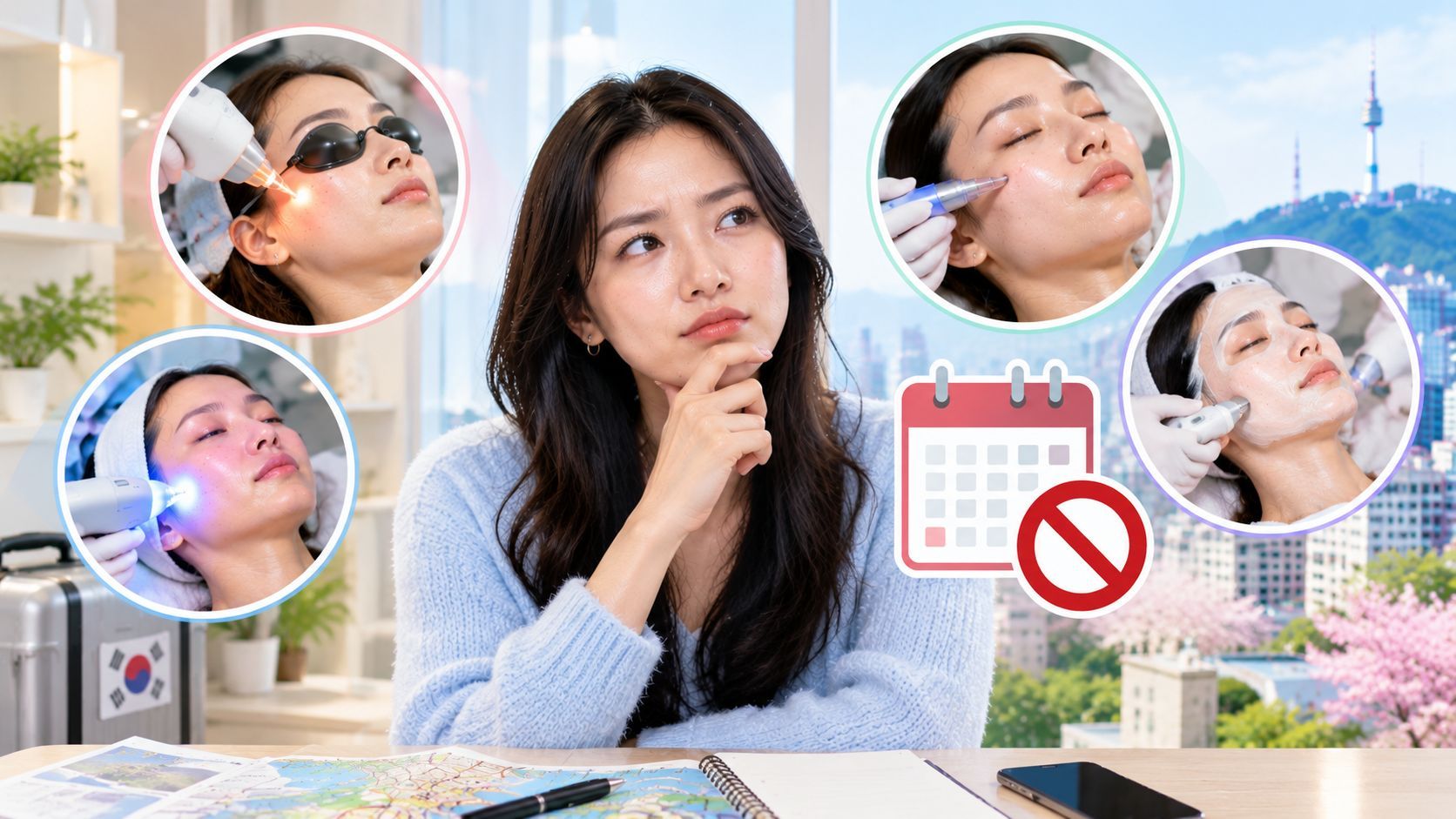
UV exposure and significant heat can aggravate recently treated skin. This is particularly relevant for people visiting Seoul for laser treatment who may spend substantial time outdoors, walk extensively, or combine treatment with sightseeing.
Sun exposure can also complicate recovery in people prone to pigmentation problems.
Your Skin May Be Prone to Prolonged Redness
Individual differences matter. Some people naturally flush easily or develop prolonged post-inflammatory redness after skin injury.
Existing inflammatory skin conditions can also influence how the skin responds to a procedure. This is one reason why a consultation should consider the patient's underlying skin condition rather than focusing only on the laser itself.
When Is Redness After Laser Treatment More Concerning?
Persistent redness is not necessarily dangerous, but certain changes should prompt medical assessment.
Contact the treating provider if redness is:
- Getting progressively worse instead of gradually improving
- Associated with significant pain or increasing tenderness
- Accompanied by substantial swelling or warmth
- Producing blisters, open areas, or unusual discharge
- Associated with fever or feeling unwell
- Spreading beyond the treated area
- Accompanied by significant changes in skin color or texture
These symptoms do not establish a diagnosis by themselves. They simply indicate that the skin may need professional evaluation.
How Long Should Laser Redness Last?
There Is No Single Recovery Timeline
The duration of redness depends on the procedure and treatment intensity. A superficial pigmentation or toning treatment may have a very different recovery pattern from fractional CO2 resurfacing.
Other factors include:
- Skin type and sensitivity
- Treatment area
- Laser settings
- Number of passes
- Previous procedures
- Existing skin inflammation
- Sun and heat exposure
- Post-treatment skincare
- Individual healing response
Therefore, statements such as "laser redness should disappear within exactly X days" can be misleading.
Improvement Matters More Than a Fixed Number
If redness is gradually fading, that generally provides different information from redness that remains unchanged or becomes more intense.
Take photographs under similar lighting every few days rather than repeatedly examining the skin under different lighting conditions. This can make gradual changes easier to recognize and can also give your provider useful information during follow-up.
What Should You Do If You Are Still Red Weeks Later?
Follow the Treating Provider's Aftercare Instructions
The provider who performed the treatment knows the specific laser, settings, treatment area, and intended recovery process. Their instructions should take priority over generic advice found online.
Avoid adding aggressive skincare treatments simply because the skin is taking longer to recover.
Keep Your Routine Gentle
Unless your provider has advised otherwise, recently treated skin generally benefits from avoiding unnecessary irritation. A simple routine may be more appropriate during recovery than introducing multiple active ingredients.
Sun protection is also particularly important because recently treated skin can be more vulnerable to environmental irritation and pigmentation changes.
Ask Whether the Redness Matches the Expected Recovery
If you were treated in Seoul or elsewhere in Korea as a medical tourist, arrange follow-up before returning home when possible. Ask the provider what degree of redness they would expect at your particular stage of recovery.
Useful questions include:
- What laser and settings were used?
- How long is redness normally expected to last with this treatment?
- Is my redness improving as expected?
- Could irritation or another complication be contributing?
- Should I temporarily stop any skincare products?
- When should I seek an in-person examination?
Could Persistent Redness Mean the Laser Was Too Strong?
Not necessarily. A stronger treatment can produce more inflammation and a longer recovery period, but prolonged redness alone cannot establish that the settings were inappropriate.
The patient's baseline skin condition, treatment purpose, skin sensitivity, aftercare, and individual healing response all matter.
If you are considering another laser session because you are unhappy with your recovery, it is generally more useful to have the skin assessed first rather than automatically repeating or escalating treatment.
Does Persistent Redness Increase the Risk of Pigmentation?
Inflammation can contribute to post-inflammatory pigmentation in susceptible individuals, particularly after skin injury. This is especially relevant for patients who already tend to develop dark marks after acne, irritation, or procedures.
However, persistent redness does not mean pigmentation will definitely develop.
Patients concerned about pigmentation should discuss their skin type, previous reactions, and planned treatment intensity with a qualified provider before undergoing additional laser treatment.
What If the Redness Is Still Present Before My Next Seoul Laser Session?
This is an important situation for international patients.
If the skin has not returned to its expected baseline, tell the clinic before undergoing another procedure. A second treatment may need to be postponed or modified depending on the clinical assessment.
This is particularly important when planning a short trip to Seoul. Scheduling several procedures close together may leave insufficient time to determine how your skin responds to the first treatment.
Conclusion
Being red several weeks after laser treatment does not automatically mean something has gone wrong. Some procedures, particularly more intensive resurfacing treatments, can produce prolonged redness during normal recovery.
What matters is the pattern of recovery. Gradually fading redness may be consistent with healing, while worsening redness, significant pain, swelling, warmth, blistering, discharge, or other unusual symptoms warrant medical assessment.
If you are considering another laser treatment, wait until your skin has been appropriately assessed and your provider is satisfied that it has recovered sufficiently. For international patients receiving laser treatment in Korea, allowing realistic recovery time is especially important when planning flights, sightseeing, and additional procedures.
FAQs About Redness After Laser Treatment
Is it normal to still be red two weeks after laser treatment?
It can be, depending on the laser and treatment intensity. More intensive resurfacing procedures can produce redness for considerably longer than low-downtime treatments. The direction of recovery and accompanying symptoms are important.
Why is my skin still pink after laser treatment but not painful?
Pinkness without significant pain can occur during the healing process. However, the expected duration varies by treatment, so persistent redness should be discussed with the treating provider if it is not gradually improving.
Can I use skincare products while my skin is still red after laser?
Some products can irritate recently treated skin. Follow the specific aftercare instructions from your provider rather than automatically returning to your full skincare routine.
Should I get another laser treatment if my skin is still red?
Do not assume another treatment is appropriate simply because redness has persisted. Have the skin assessed first, particularly if the redness is worsening or the cause is uncertain.
Can laser redness cause dark pigmentation?
Inflammation can contribute to post-inflammatory pigmentation in susceptible skin, but persistent redness does not mean pigmentation will definitely occur. Sun protection and appropriate post-treatment care are important considerations.
When should I contact my laser provider about persistent redness?
Contact the provider if redness is worsening, unusually painful, increasingly warm or swollen, associated with blistering or discharge, or otherwise looks different from the expected recovery pattern.