Potenza vs Pico Laser for Skin Texture: Which Treatment Makes More Sense?
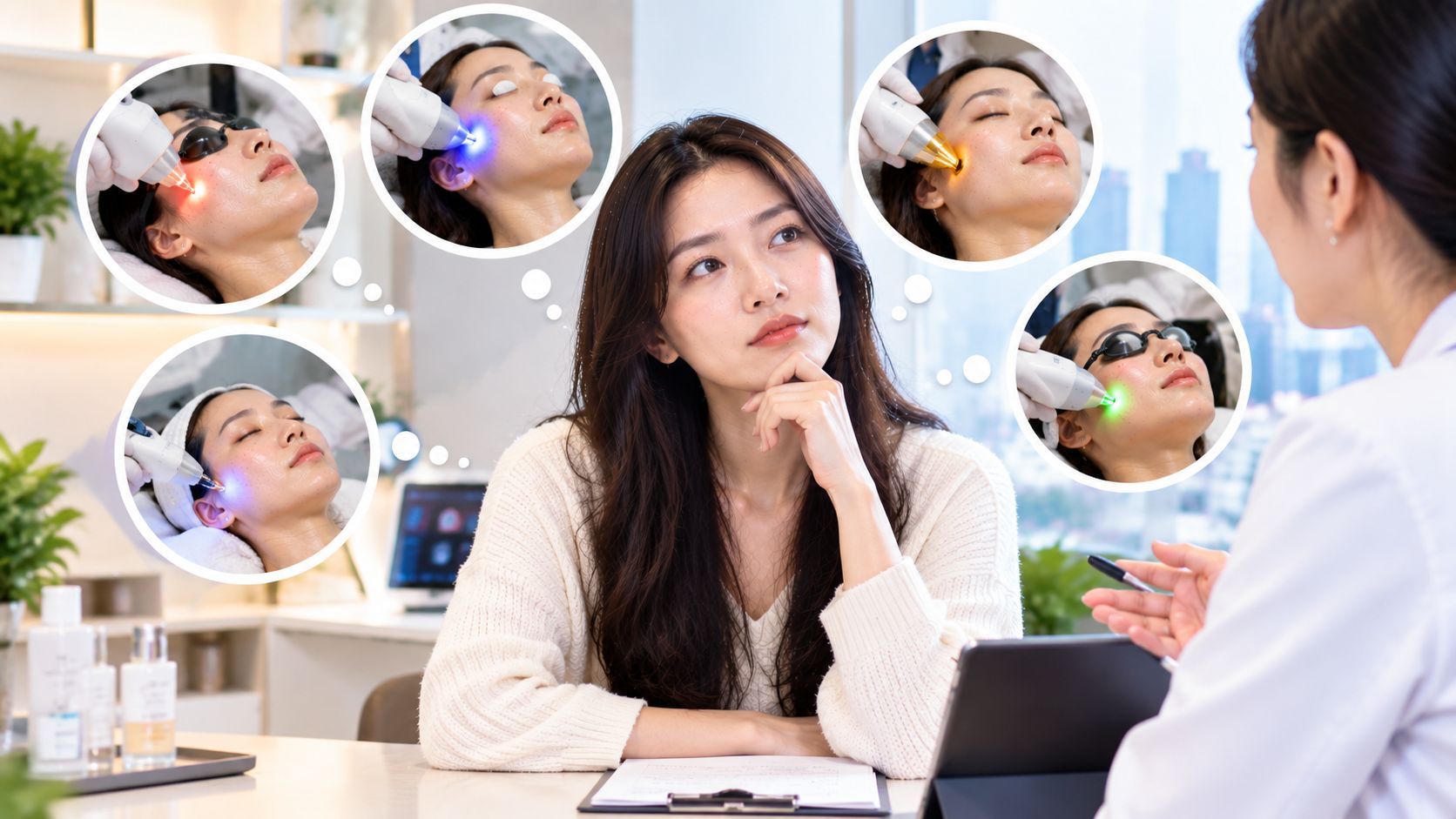
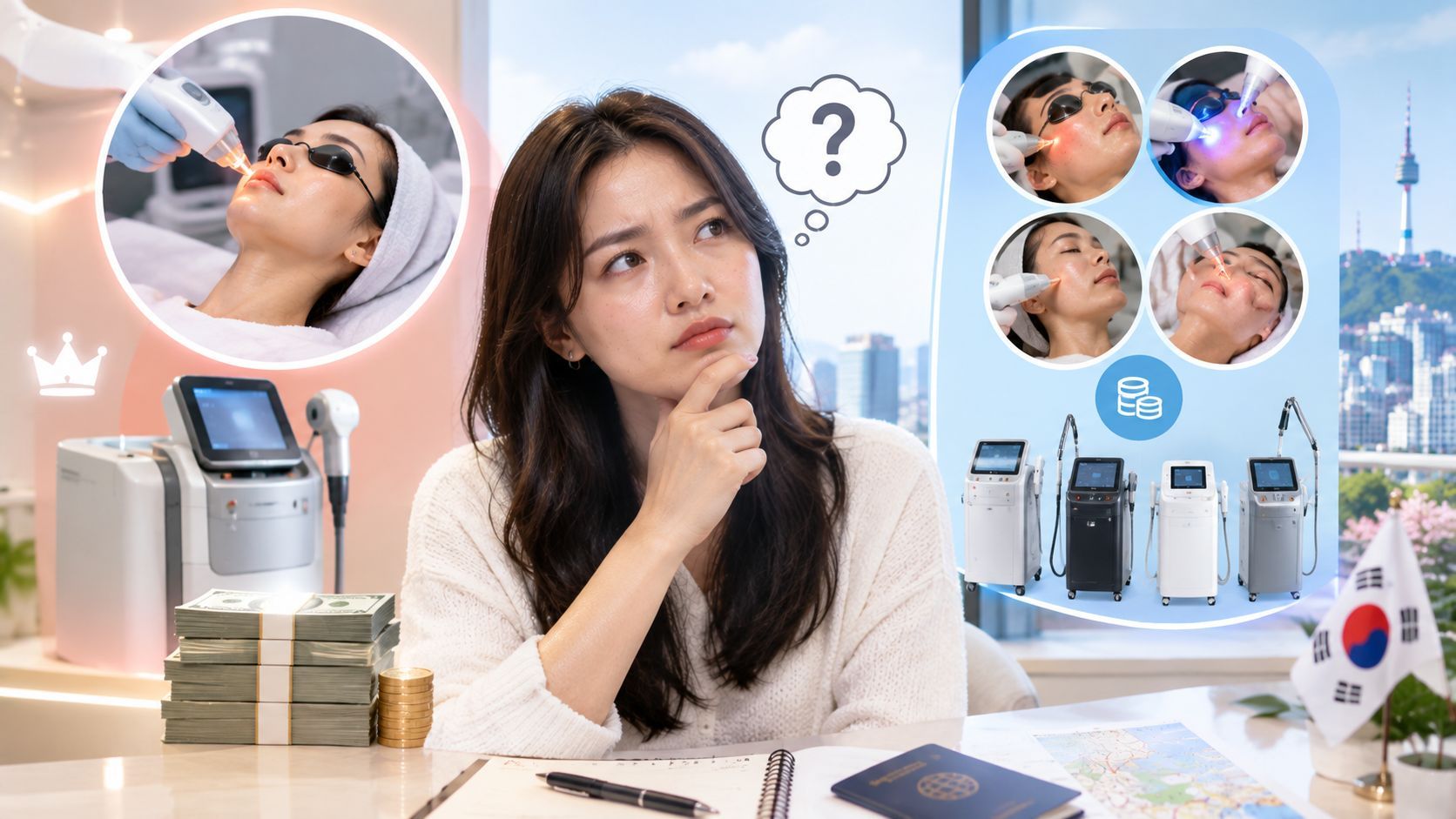
If your skin looks rough, uneven, or less smooth than you would like, both Potenza and Pico laser may come up when researching skin treatments in Seoul. However, they work in very different ways and are designed to address different aspects of skin quality.
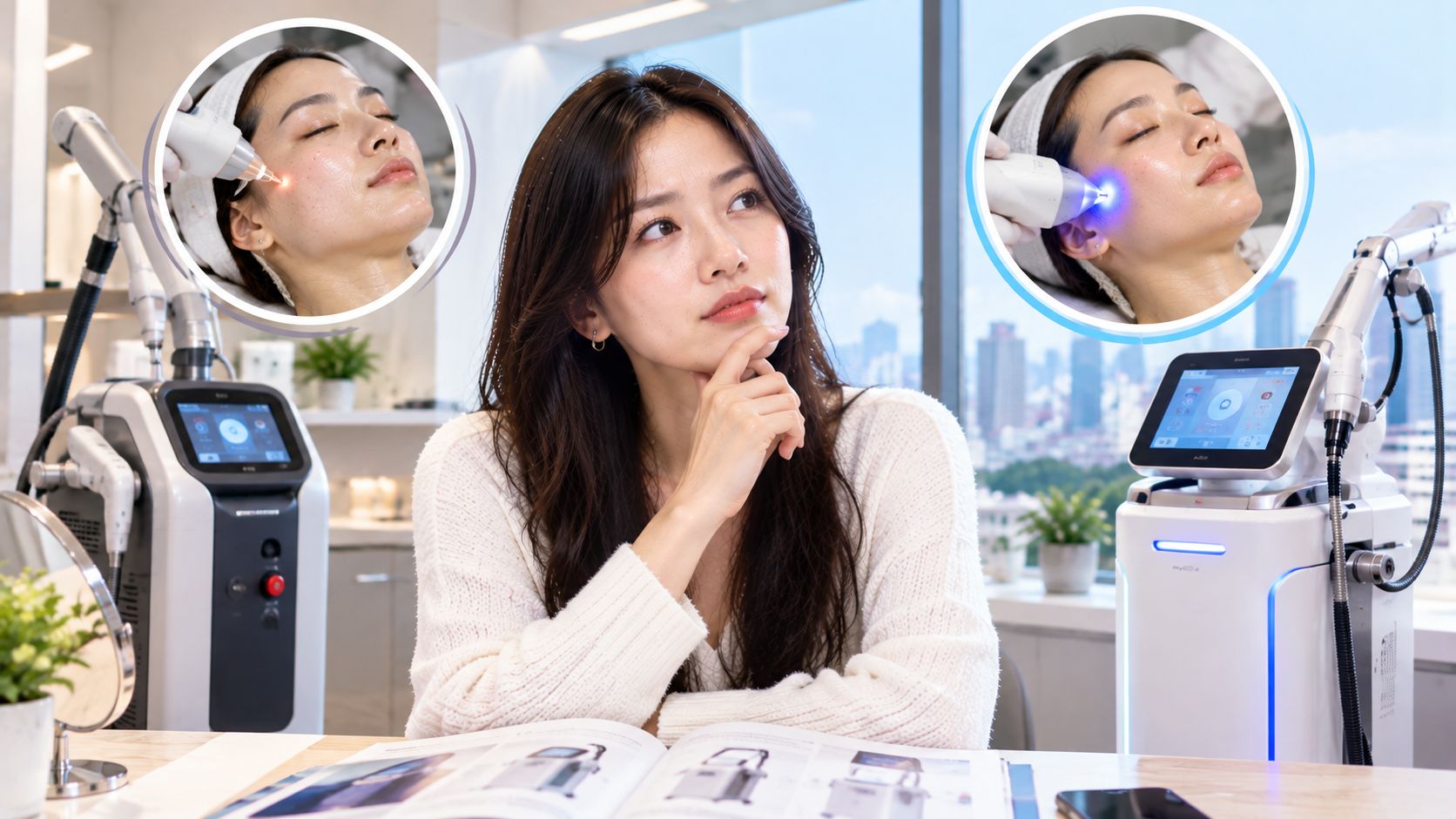
Potenza is an RF microneedling treatment, while Pico laser uses extremely short laser pulses. The right choice depends on what you mean by “skin texture,” whether the problem is related to pores, acne scars, pigmentation, fine lines, or mild laxity, and how much recovery you are comfortable with.
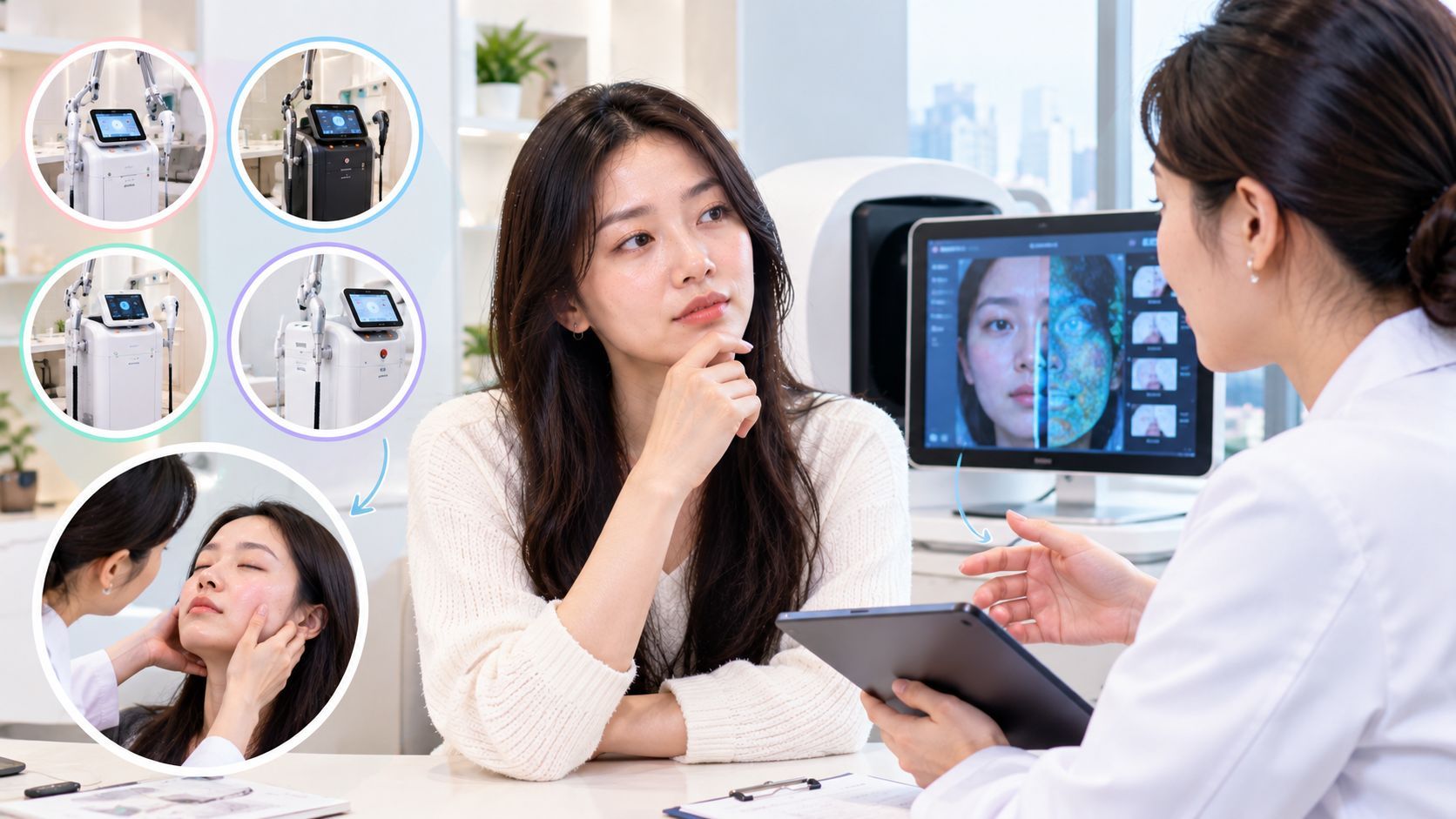
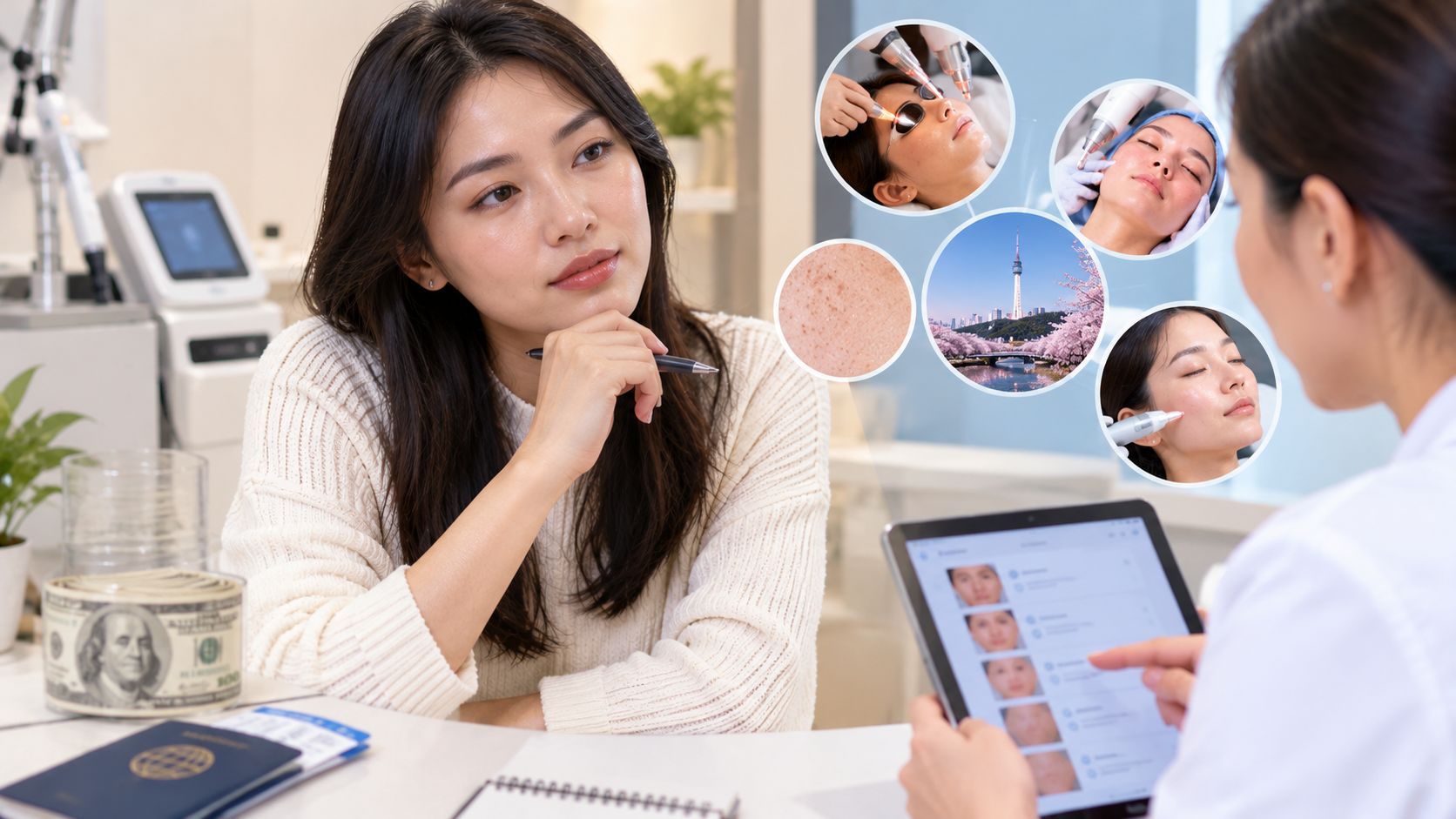
Neither treatment is automatically better for everyone. A consultation can help determine what is actually causing the uneven texture before choosing a device.
What Does “Uneven Skin Texture” Actually Mean?
“Skin texture” is a broad term. People may use it to describe several different concerns, including:
- Enlarged-looking pores
- Shallow acne scars
- Rough or uneven skin surface
- Fine lines
- Mild loss of firmness
- Uneven skin tone that makes texture appear more noticeable
- Irregularities caused by previous acne
- Dull-looking skin
This distinction matters because Potenza and Pico laser do not target all of these concerns in the same way.
For example, skin that appears uneven because of shallow depressed acne scars may require a different approach from skin that looks uneven mainly because of pigmentation or sun damage.
How Does Potenza Work?
Potenza combines microneedling with radiofrequency energy.
Very small needles enter the skin to controlled depths, while radiofrequency energy creates controlled thermal effects within the treatment area. This can stimulate a wound-healing response and collagen remodeling.
Potenza may be considered when texture problems are associated with:
- Shallow acne scars
- Enlarged-looking pores
- Uneven surface texture
- Mild skin laxity
- Some fine lines
The treatment can be adjusted according to the treatment area and clinical objective.
However, deeper acne scars are not necessarily solved simply by increasing the intensity. For example, tethered rolling scars may require subcision, while some ice-pick scars may require a more targeted treatment such as TCA CROSS or another procedure.
How Does Pico Laser Work?
Pico laser uses extremely short laser pulses. Depending on the specific device, wavelength, settings, and treatment protocol, it can be used for several different dermatologic concerns.
Pico treatments are particularly associated with pigmentation and uneven skin tone, but certain Pico protocols may also be used for selected texture-related concerns.
A Pico treatment may be considered when the “texture” problem is partly caused by:
- Pigmentation
- Sun-related skin changes
- Acne marks
- Uneven tone
- Certain superficial textural irregularities
It is important to remember that “Pico laser” is not one single standardized treatment. Different Pico platforms and wavelengths can have different applications.
Potenza vs Pico Laser for Skin Texture
The biggest difference is the mechanism.
FeaturePotenzaPico LaserTechnologyRF microneedlingShort-pulse laserUses needles?YesNoUses radiofrequency?YesNoUses laser energy?NoYesCommon texture-related usesPores, shallow scars, texture, mild laxitySelected superficial texture, pigmentation and toneAcne-scar applicationsSelected scarsSelected casesPigmentationNot its primary roleMore commonly associated with pigment treatmentSurface resurfacingLimited compared with ablative lasersDepends on device and settingsDowntimeUsually temporary redness, swelling and sensitivityVaries considerably by wavelength and settings
The important point is that Potenza and Pico are not interchangeable versions of the same treatment.
When Might Potenza Make More Sense?
Potenza may be worth discussing if your main concern is structural or textural rather than primarily pigment-related.
For example, someone with enlarged-looking pores and shallow acne scars may be evaluated for RF microneedling because the treatment can address the deeper skin remodeling component.
Potenza may also be considered when mild loss of firmness contributes to an uneven appearance.
However, the exact cause should be assessed first. Pores, scars, laxity, and volume changes can sometimes make the skin appear less smooth even though they require different treatments.
When Might Pico Laser Make More Sense?
Pico laser may make more sense when uneven tone or pigmentation contributes significantly to the appearance of poor skin quality.
For example, someone may describe their skin as “textured” when the actual issue is a combination of:
- Brown acne marks
- Sun spots
- Uneven pigmentation
- Dullness
- Mild superficial irregularity
In such situations, treating pigment may make the skin look more even without needing an aggressive resurfacing treatment.
This is why identifying the underlying problem is more useful than choosing a treatment based only on the word “texture.”
What If You Have Acne Scars and Enlarged Pores?
This is where Potenza may become particularly relevant.
Acne scars can create shadows and depressions that make pores appear larger and the skin surface look irregular. RF microneedling may be considered for selected shallow scars and texture changes.
But acne scars are not all the same.
Rolling Scars
Rolling scars can involve fibrous tethering beneath the skin. If tethering is significant, a device treatment alone may not address the underlying problem.
Boxcar Scars
Shallow boxcar scars may sometimes respond to resurfacing or RF microneedling. Deeper scars may require a more targeted or combination approach.
Ice-Pick Scars
Deep, narrow ice-pick scars often require more specific treatment. Simply increasing Potenza intensity or switching to a laser does not necessarily solve them.
A dermatologist may therefore recommend different treatments for different scar types within the same face.
What If Your Main Concern Is Pigmentation?
If brown marks or uneven pigmentation are the main reason your skin looks uneven, Pico laser may be more relevant than Potenza.
However, pigmentation should be identified before treatment. Melasma, post-inflammatory hyperpigmentation, freckles, solar lentigines, and other pigmentation problems can behave differently.
This is particularly important because aggressive treatment of some pigmentation conditions can worsen discoloration.
People with darker or more melanin-rich skin should also discuss their individual risk of post-inflammatory hyperpigmentation before either treatment.
Can You Combine Potenza and Pico Laser?
In some treatment plans, different technologies may be combined because they target different concerns.
For example, a dermatologist might consider one treatment for structural texture and another for pigmentation.
But combining treatments does not automatically produce a better result.
Doing several procedures close together can increase inflammation, sensitivity, downtime, and the complexity of aftercare. The sequence and timing should therefore be based on the patient's skin condition, treatment settings, and overall goals.
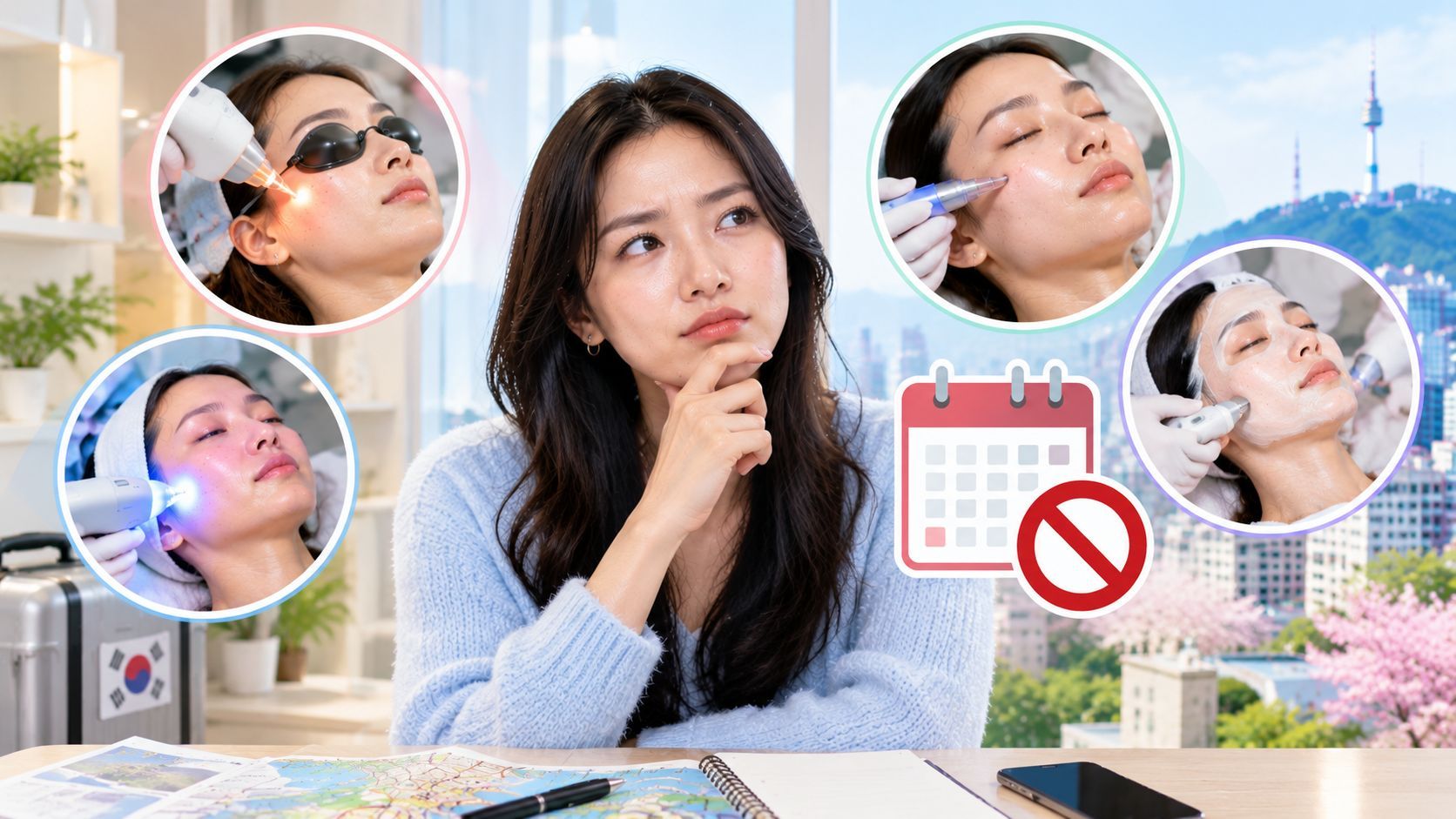
For an international patient visiting Seoul for only a few days, this becomes especially important. A packed treatment schedule may leave too little time to observe how the skin responds.
Which One Should You Choose in Seoul?
Instead of asking a clinic only, “Potenza or Pico?”, explain exactly what you want to improve.
You can ask:
- Is my main problem pores, acne scars, pigmentation, or laxity?
- What type of acne scars do I have?
- Is my skin texture caused by surface changes or deeper irregularities?
- Which Potenza settings or treatment approach would be used?
- Which Pico wavelength and protocol would be used?
- What downtime should I expect?
- What is the risk of post-inflammatory hyperpigmentation for my skin?
- Would another treatment be more appropriate?
- Do I actually need a combination treatment?
These questions can help you understand whether the proposed treatment is addressing the cause rather than simply treating the general appearance of “rough skin.”
What About a Short Trip to Seoul?
If you are visiting Korea specifically for skin treatment, avoid assuming that one treatment session will completely transform your texture.
A practical schedule should allow time for:
- Consultation and skin assessment
- Treatment
- Initial recovery
- Follow-up if recommended
- Flight and travel planning
The immediate appearance after Potenza or laser treatment can include redness or other temporary changes, so judging the final result immediately after treatment can be misleading.
Conclusion
Potenza and Pico laser can both have a role in improving the appearance of uneven skin, but they address different problems.
Potenza may be more relevant when texture is associated with shallow acne scars, pores, or mild firmness changes. Pico laser may be more relevant when pigmentation and uneven tone contribute significantly to the appearance of the skin.
If your concern is described simply as “bad texture,” the most useful first step is to identify what is actually creating that texture. In some cases, the appropriate plan may involve Potenza, Pico, another treatment, or a combination of approaches.
For international patients considering treatment in Seoul, understanding the specific skin problem, treatment mechanism, expected downtime, and alternatives is more useful than choosing a device based on popularity or marketing.
Frequently Asked Questions
Is Potenza better than Pico laser for skin texture?
Neither is universally better. Potenza and Pico use different technologies and may be selected for different causes of uneven skin. The appropriate choice depends on whether your main concern is scars, pores, pigmentation, laxity, or another problem.
Can Pico laser improve acne-scar texture?
Certain Pico protocols may have a role in selected textural concerns, but Pico is not a universal treatment for depressed acne scars. Scar type and depth are important when deciding which procedure is appropriate.
Does Potenza help enlarged pores?
Potenza may improve the appearance of enlarged pores in selected patients, particularly when pores are associated with uneven texture or reduced skin firmness. It does not permanently remove normal pores.
Which treatment has less downtime, Potenza or Pico?
There is no single downtime period for either treatment. Recovery depends on the Potenza settings or the specific Pico device, wavelength, treatment intensity, treatment area, and individual skin response.
Can I get Potenza and Pico laser during the same trip to Seoul?
It may be possible in selected treatment plans, but they should not automatically be combined. Your dermatologist should consider your skin condition, treatment goals, treatment sequence, inflammation, and available recovery time.
Is Potenza a laser treatment?
No. Potenza is an RF microneedling treatment. It uses needles and radiofrequency energy rather than laser light.