How Korean dermatologists combine lasers for synergistic results
How Korean dermatologists combine lasers for synergistic results
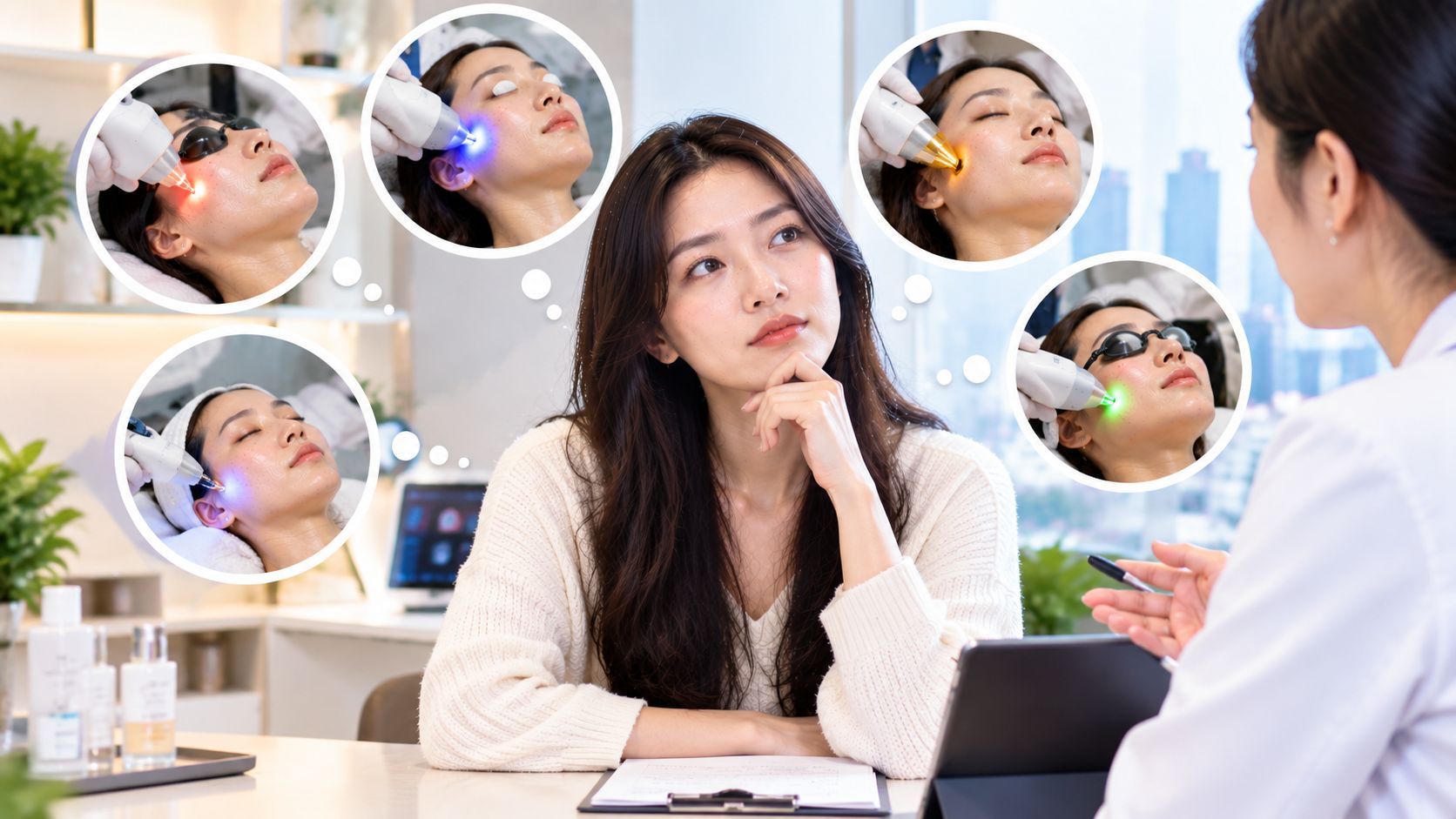
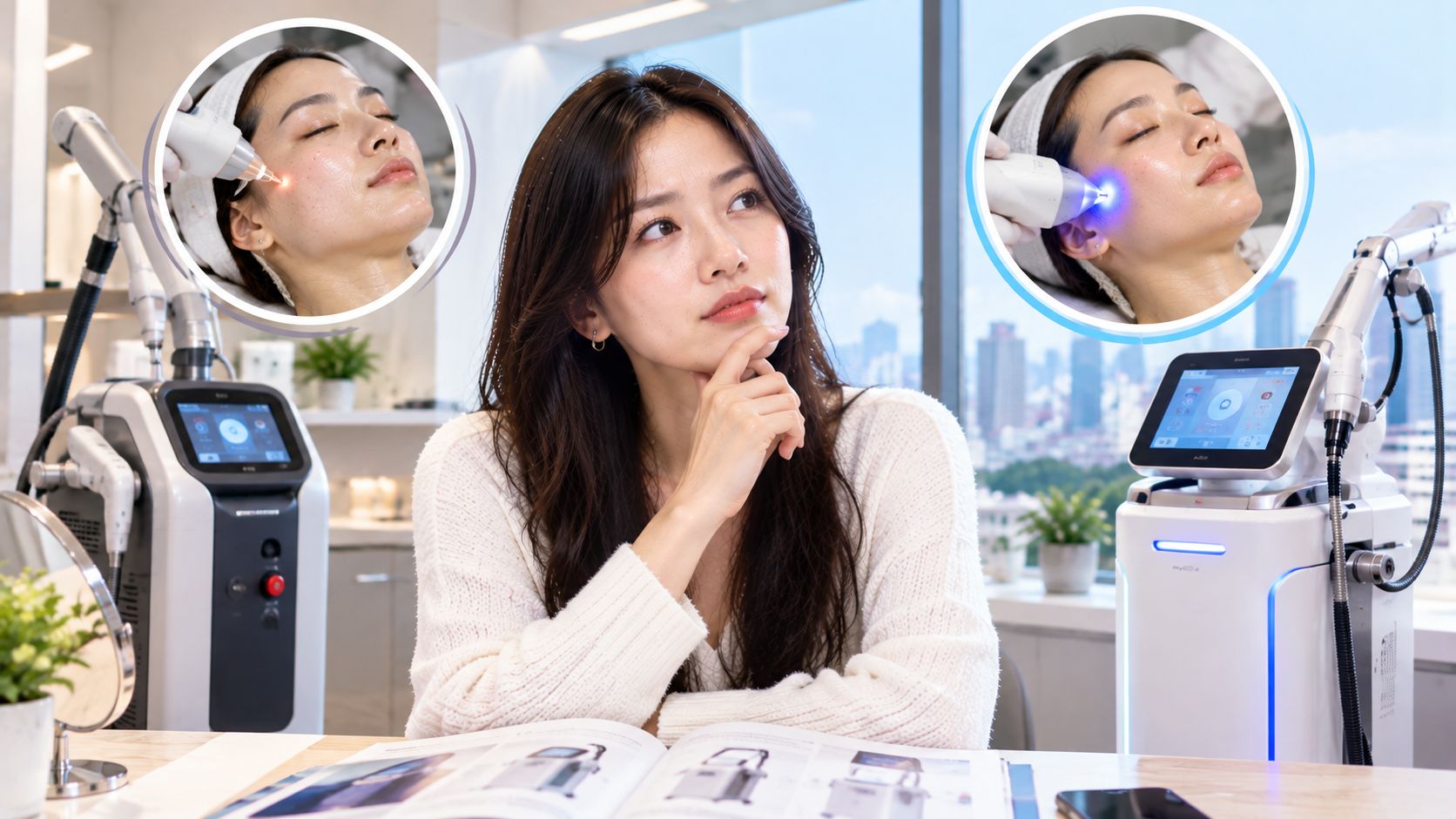
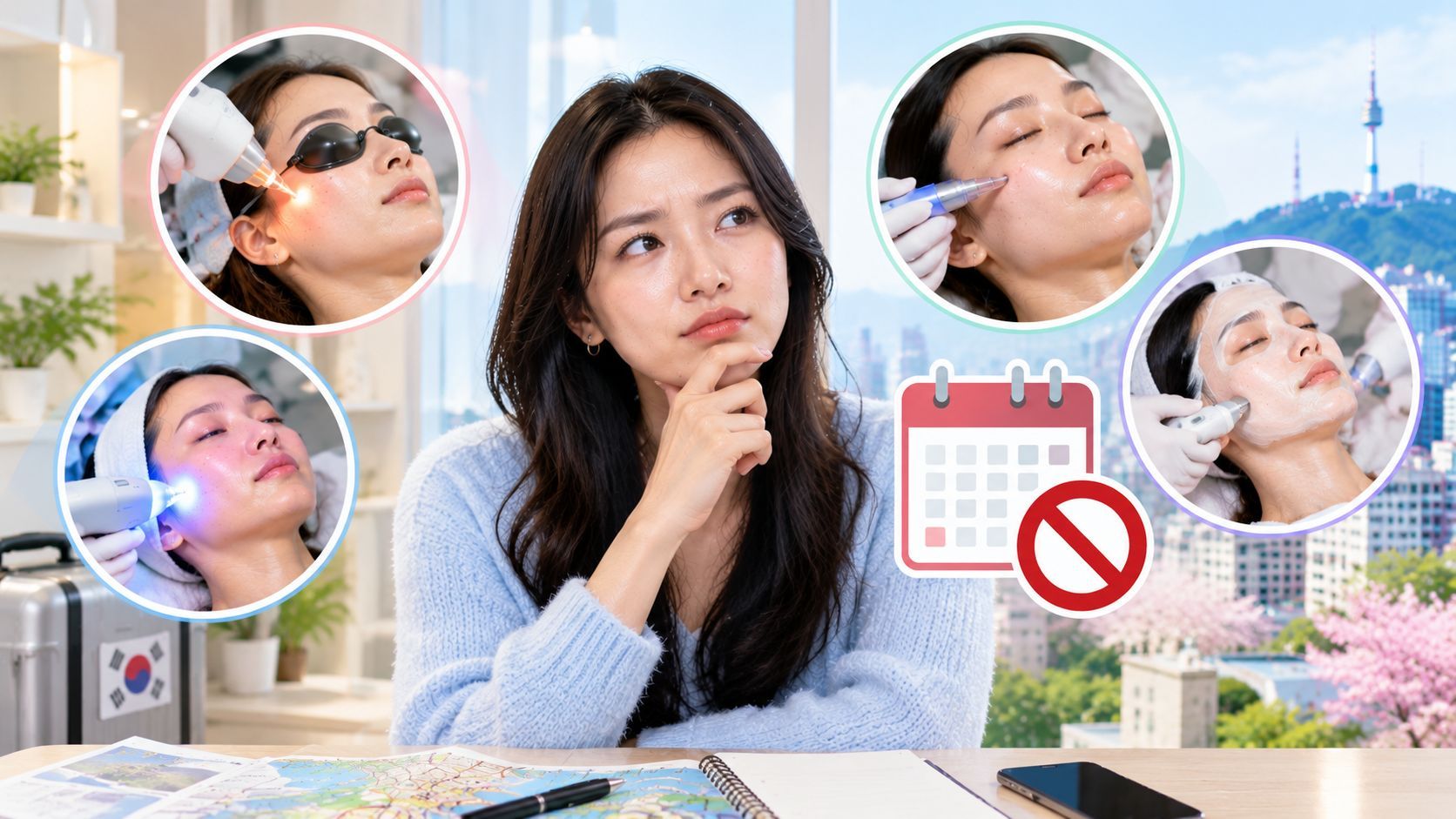
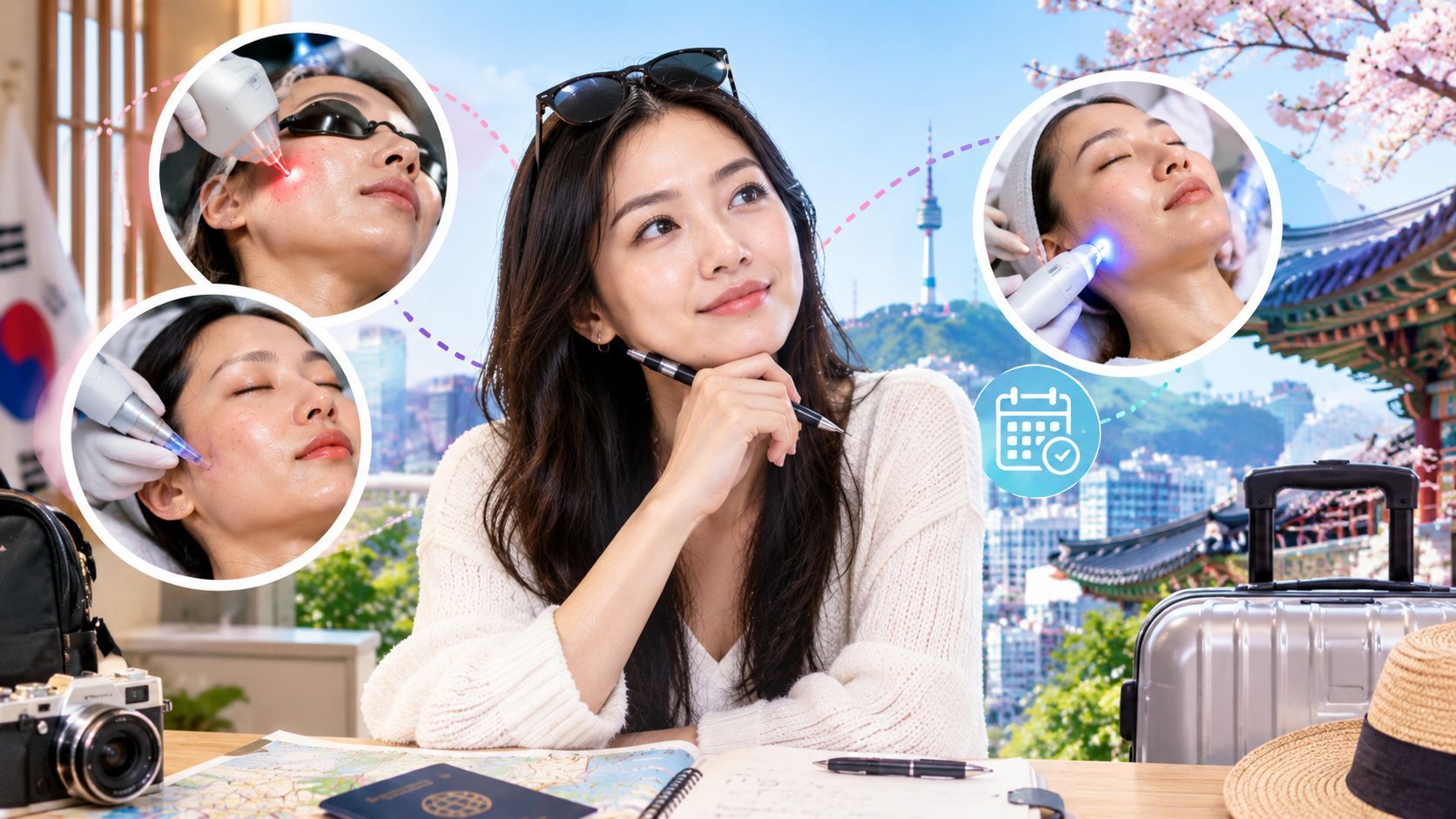
In 2026, the secret to the flawless "Seoul Glow" isn't found in a single miracle machine, but in Laser Stacking. Korean dermatologists have mastered the art of "Multi-Modal" therapy—combining different wavelengths and energy types in a single session to treat multiple skin layers simultaneously. This synergistic approach ensures that while one laser targets surface pigment, another works on deep lifting, and a third calms the skin to eliminate downtime.
Who Is Laser Stacking Best For?
Combining lasers is the gold standard for those who want comprehensive results in fewer visits:
- Complex skin concerns like having both redness (rosacea) and dark spots (pigment)
- Aging skin that needs both surface smoothing and deep structural lifting
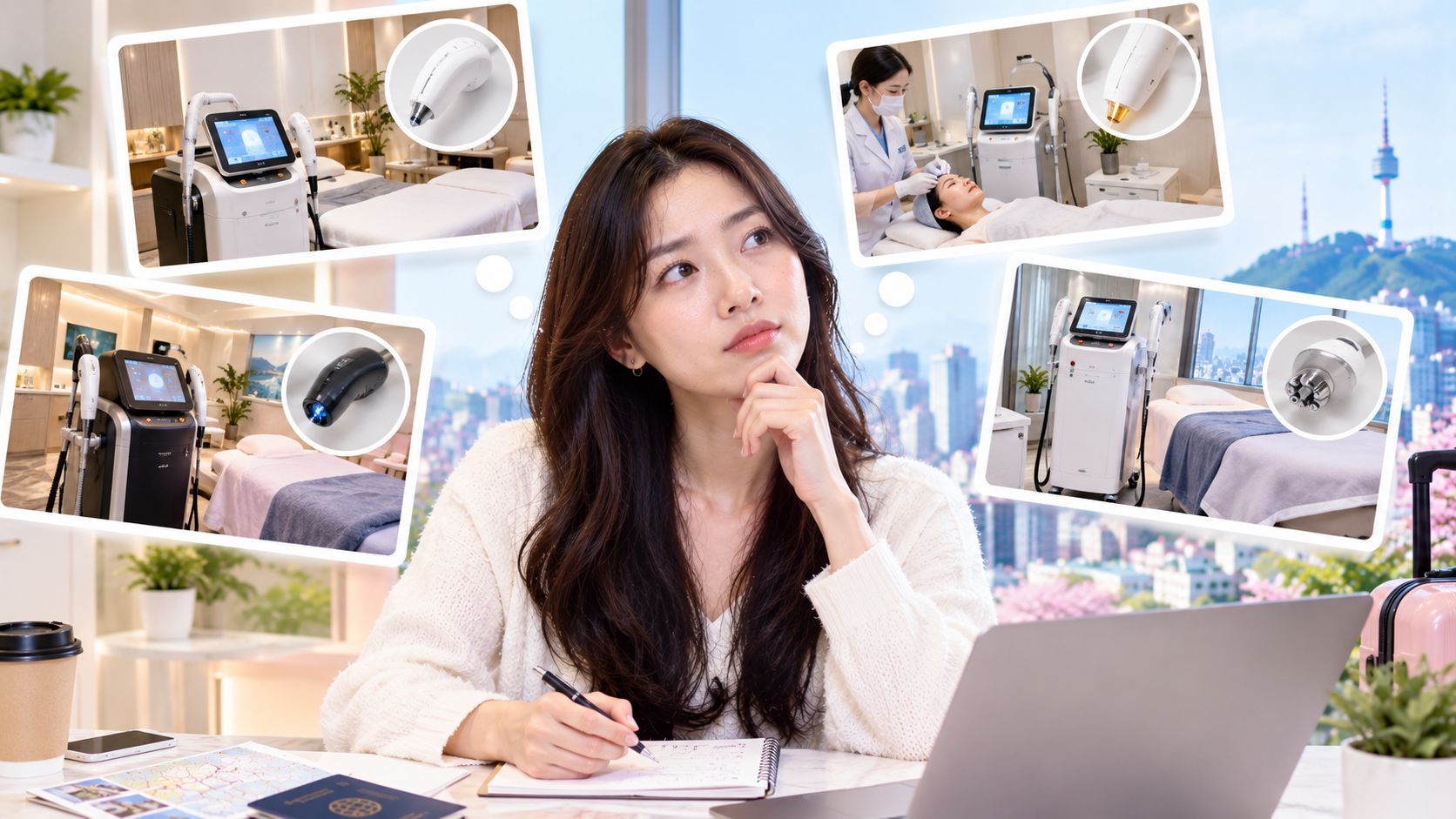
- International travelers who have limited time in Korea and want maximum impact
- Acne-prone skin with both active breakouts and deep scarring
- Stubborn melasma that requires a multi-angled approach to prevent recurrence
👉 Especially popular among medical tourists who want to address 3 or 4 skin issues in a single 90-minute clinic visit.
Key Benefits
- 360-Degree Improvement: Targets the epidermis, dermis, and SMAS layers all at once.
- Reduced Total Visits: Achieve in one "stacked" session what would normally take 3 separate appointments.
- Minimized Side Effects: Using lower energy across multiple devices is often safer than high energy on one.
- Enhanced Healing: Pairing "wounding" lasers with "healing" ultrasound (LDM) reduces recovery time.
- Onset: Immediate brightness with structural improvements peaking over 1–3 months.
👉 Summary: Best for multi-tasking skin repair and efficiency
The Top Synergistic "Combos" of 2026
In Gangnam's leading clinics, these specific pairings are the most requested for their proven synergy:
The "Red & Brown" Duo: Pico Toning + Excel V
- Goal: A crystal-clear complexion.
- Synergy: Pico Toning shatters brown pigment (melanin), while Excel V targets red vascularity (veins and flushing). Together, they "erase" the two main causes of uneven skin tone.
The "Double Lift": Ultherapy + Shurink Universe
- Goal: Maximum non-surgical face lifting.
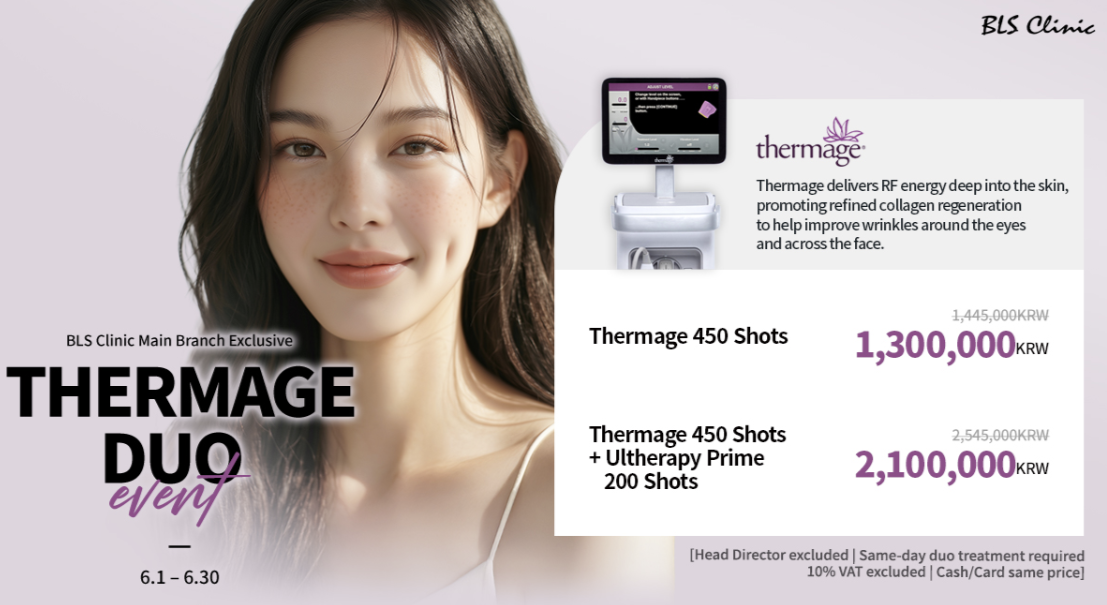
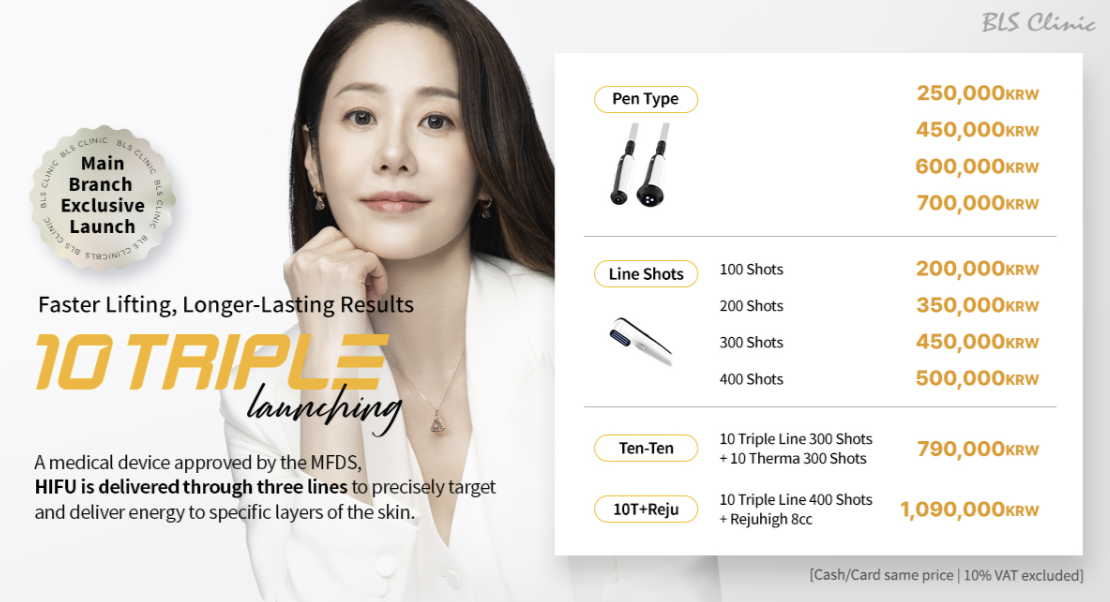
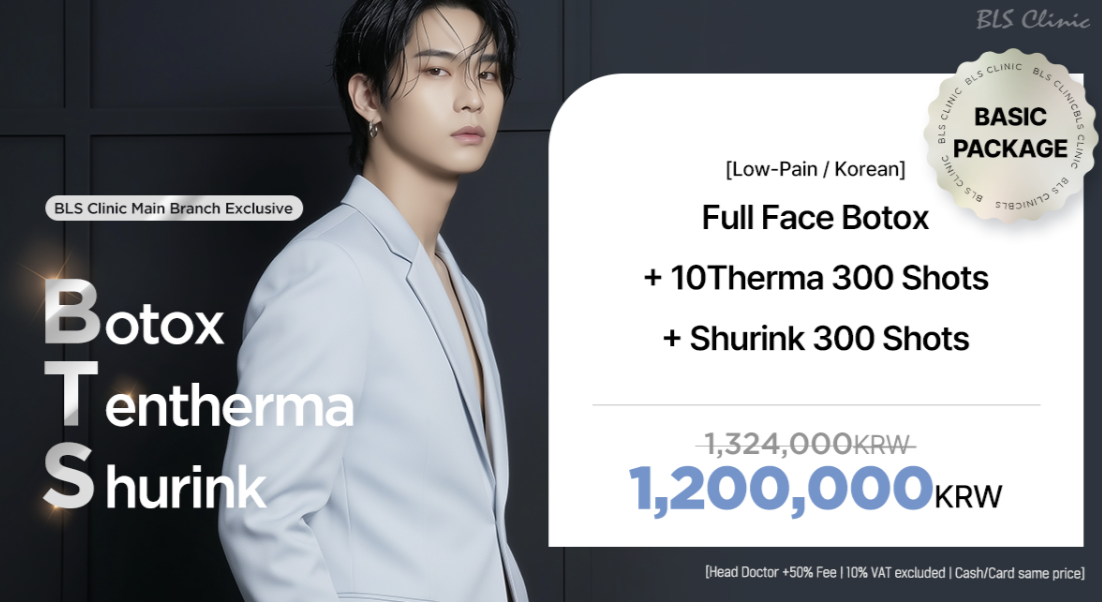
- Synergy: Ultherapy provides the deep, foundational lift (SMAS layer), while the faster Shurink Universe "tightens" the mid-dermal layers and contours fat pads like the double chin.
The "Scar Eraser": Pico Fraxel + LDM
- Goal: Smoothing acne scars without the "raw" downtime.
- Synergy: Pico Fraxel creates micro-channels to remodel scar tissue. LDM (ultrasound) is immediately used to "push" inflammation out and accelerate cell regeneration, cutting redness in half.
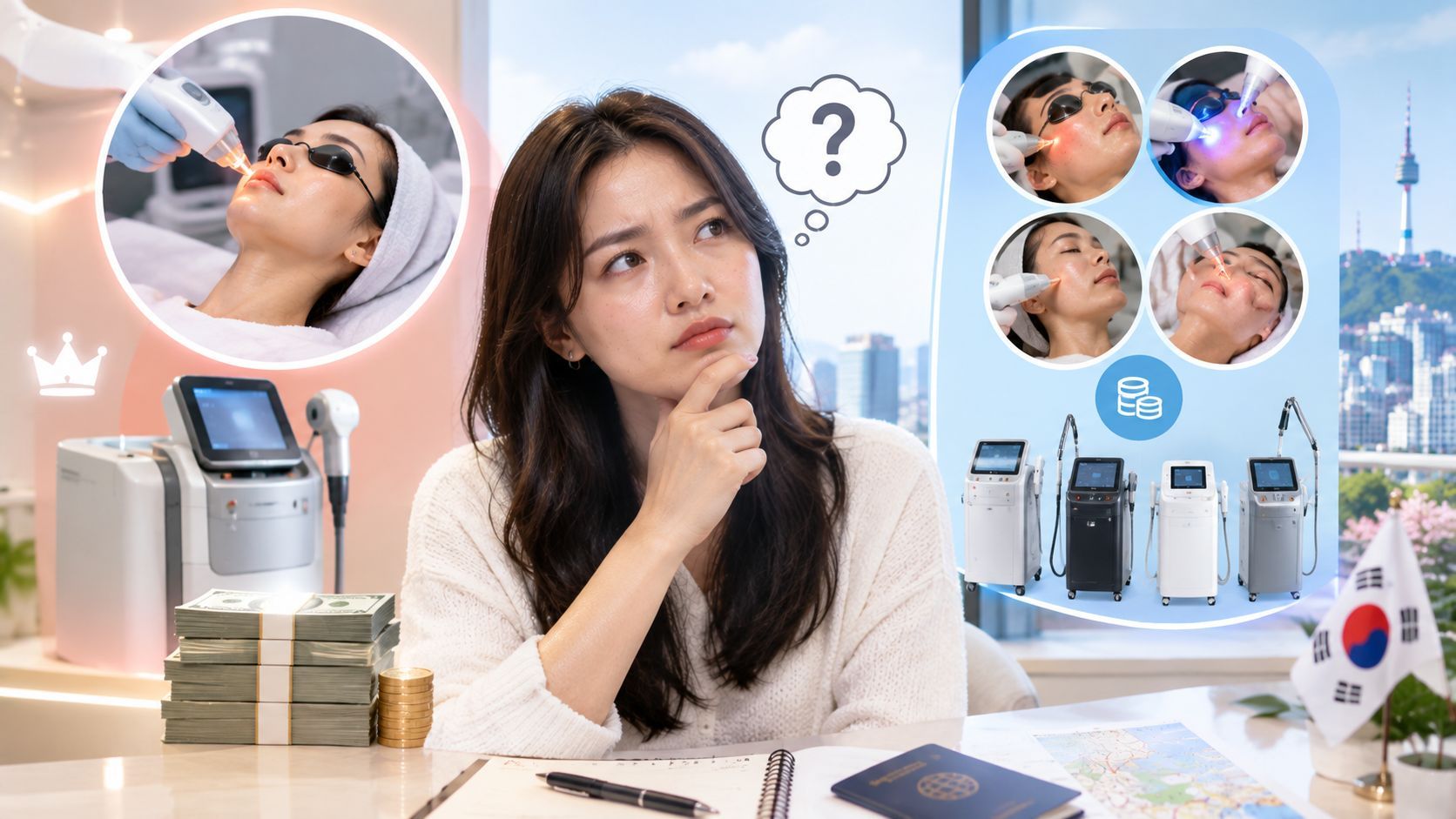
Main Effects & Comparison
Single Laser Protocol
- Core Goal: Focused treatment of one specific issue (e.g., just pigment).
- Best For: Younger skin or those with only one minor concern.
- Key Result: Effective but may leave other underlying issues unaddressed.
Combined Stacking Protocol
- Core Goal: Global skin rejuvenation and structural harmony.
- Best For: Mature skin or those seeking a "complete reset."
- Key Result: A more balanced, youthful look where texture, tone, and tightness all improve together.
The Procedure Step-by-Step
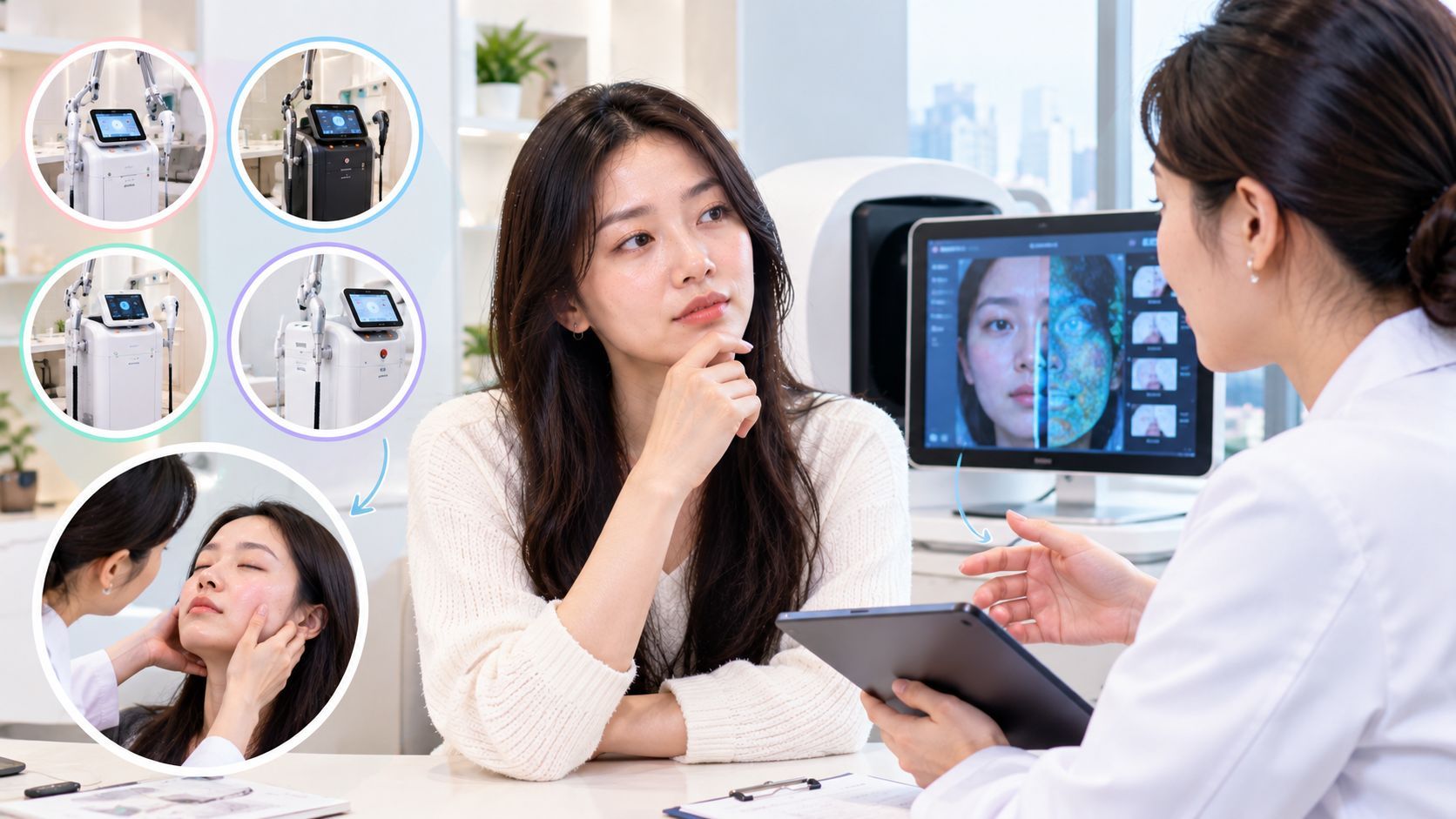
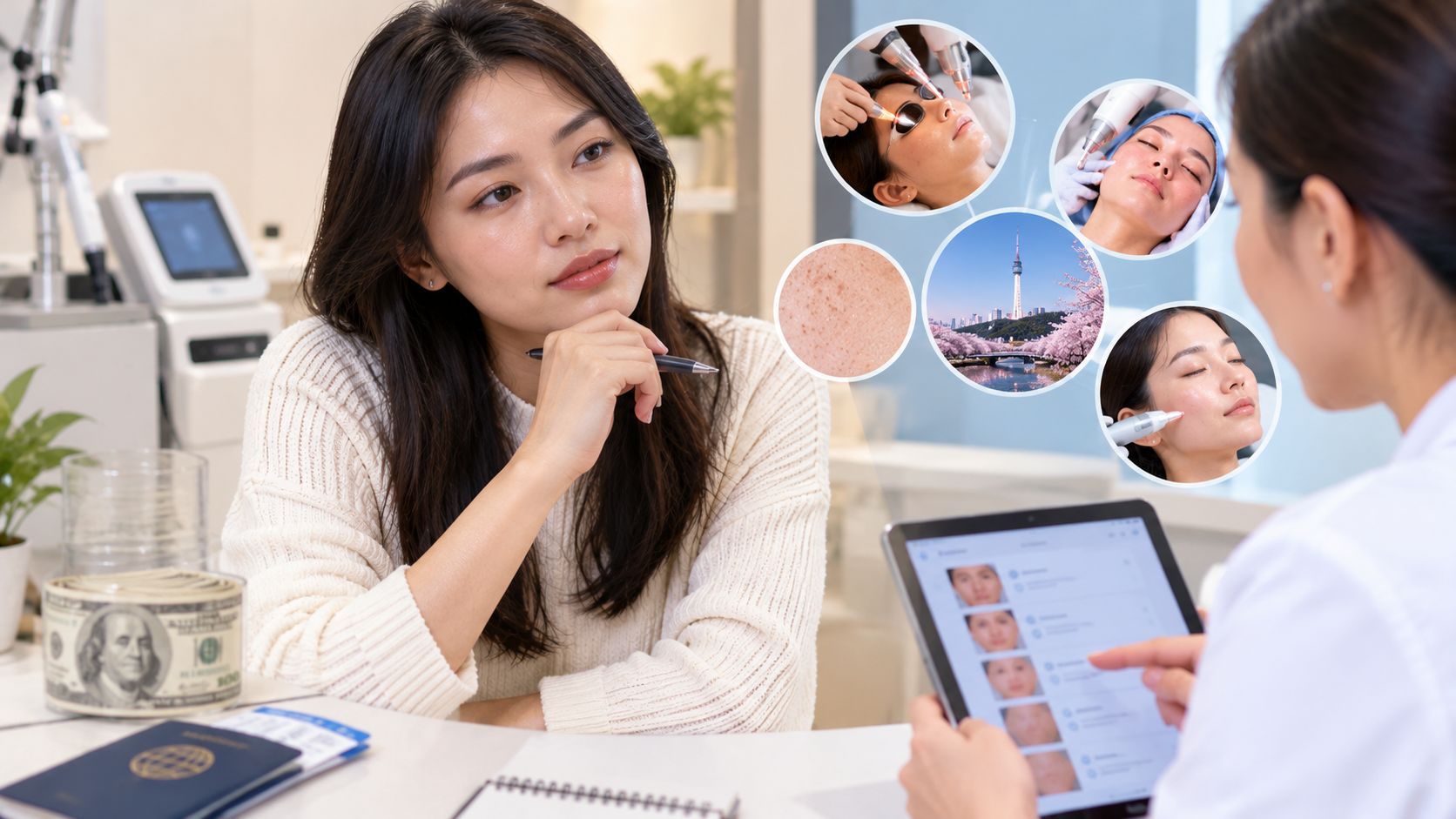
- AI Skin Mapping: A digital analysis (like VISIA) identifies exactly where pigment, redness, and sagging are most concentrated.
- Layered Numbing: A high-potency numbing cream is applied for 40 minutes to ensure all 2–3 laser steps are comfortable.
- The Stacking Sequence: The doctor moves from the deepest-reaching device (like HIFU) to surface-level lasers (like Toning), and finally to a calming recovery device.
- Post-Laser "Lock": A cooling mask or cryo-electroporation is used to "lock in" the results and soothe the skin.
- Total Duration: Approximately 90–120 minutes.
Precautions & Aftercare
- Sun Protection: Since multiple layers are treated, your skin is extra UV-sensitive. SPF 50+ is mandatory.
- Hydration: Stacking can be drying; use a medical-grade ceramide cream for at least 7 days post-treatment.
- Avoid Actives: Skip Retinol, Vitamin C, and exfoliating acids for 1 week to avoid over-stimulating the treated skin.
- Temporary Redness: Expect a "sunburned" look for 24–48 hours, depending on the intensity of the stack.
Estimated Pricing (In Korea)
- Basic Stacking (Toning + Excel V): Approx. ₩300,000 – ₩500,000 per session.
- Premium Lifting Stack (Ultherapy + Shurink): Approx. ₩1,200,000 – ₩2,500,000.
- Tip: Most Seoul clinics offer "All-in-One" day passes that include 3–4 lasers at a 30% discount compared to individual pricing.
Why Get Combined Treatments in Korea?
- Unrivaled Experience: Korean dermatologists perform these "cocktail" treatments more than anyone else, knowing exactly which lasers can be safely layered.
- Latest Device Access: You can access the newest 2026 iterations of both Western and Korean lasers (like the latest Sylfirm X or Potenza) in one building.
- Advanced Recovery Tech: Korea leads the world in "Post-Laser Care," ensuring that even after a heavy stacking session, you can still enjoy dinner in Seoul that same evening.
Final Thoughts
In 2026, the choice isn't "which laser" you need, but "which combination" will unlock your skin's potential. By stacking technologies that complement each other, Korean dermatologists can solve years of skin damage in a single afternoon. If you’re visiting Seoul, don't settle for one-dimensional care—ask your specialist for a customized laser stack designed for your unique skin blueprint!