Chanel Injections (Filorga NCTF 135): The 53-ingredient cocktail

April 7, 2026

Chanel Injections (Filorga NCTF 135): The 53-ingredient cocktail

In 2026, the Chanel Injection—formally known as Filorga NCTF 135 HA—remains the most iconic "all-in-one" skin booster in Seoul. While newer biostimulators focus on a single heavy-hitting ingredient, the Chanel Injection is famous for its "poly-revitalizing" approach. It isn't a filler or a simple hydrator; it is a pharmaceutical-grade nutrient drip for your face. By delivering a precise cocktail of 53 active ingredients (plus Hyaluronic Acid) directly into the dermis, it restores the skin's metabolic environment, making it a favorite for those seeking the "Celebrity Glow" without changing their facial structure.


The Anatomy of the 53-Ingredient Cocktail

The magic of the Chanel Injection lies in its complexity. The formula is designed to mimic the natural nutrients found in young, healthy skin.

  • 12 Vitamins: Including A, B, C, and E. These stimulate vital cell functions and act as a powerful defense against oxidative stress.
  • 23 Amino Acids: The essential building blocks for protein. These give your fibroblasts the raw materials they need to synthesize new collagen and elastin.
  • 6 Coenzymes: These act as biological catalysts, speeding up the metabolic reactions that allow your skin cells to repair themselves.
  • 5 Nucleic Acids: These help regulate protein synthesis and cellular renewal.
  • 6 Minerals: Essential for ionic balance and enzymatic reactions within the skin layers.
  • 1 Antioxidant: Specifically Glutathione, which is the gold standard for brightening dull skin and neutralizing free radicals.


Mechanism: The "Fibroblast Recharge"

In 2026, we understand that skin aging is essentially a "metabolic slowdown."

  • Waking Up the Factory: As we age, our fibroblasts (the cells that make collagen) become sluggish. The Chanel Injection provides an "optimal microenvironment" that effectively wakes these cells up.
  • The Hyaluronic Acid Base: Unlike the cross-linked HA in fillers, the HA in NCTF 135 is non-cross-linked. It doesn't add volume; it provides immediate, deep-tissue hydration and acts as the delivery vehicle for the other 53 ingredients.
  • Synergy: The ingredients work together to increase collagen production by up to 256% and reduce the depth of fine lines by roughly 40% over a full treatment course.


Chanel Injection vs. Rejuran: The Comparison

Travelers often ask which "Healer" to choose. In 2026, the distinction is clear:

  • Rejuran Healer (PN): Best for Repair. Choose this if you have damaged skin, acne scars, or extreme sensitivity. It is a "medicine" for your skin.
  • Chanel Injection (NCTF): Best for Radiance and Texture. Choose this if your skin looks "tired," "gray," or "dull." It is a "vitamin supplement" that creates a luminous, polished finish.
  • The 2026 Trend: Many Gangnam clinics now offer a "Double Glow" protocol, mixing Rejuran for repair and Chanel for radiance in a single session.


Application: Mesotherapy vs. MTS

How the cocktail enters your skin determines the "downtime" and the results.

  • Manual Mesotherapy (Nappage): The doctor uses a fine needle to perform hundreds of tiny, shallow injections. This is the most effective way to ensure 100% of the 53 ingredients reach the dermis.
  • MTS (Microneedling): The solution is applied topically while a microneedling pen creates channels. This is excellent for pore refinement and has less bruising.
  • Injection Gun: High-tech devices like the Hycoox deliver precise doses at a consistent depth, making the treatment faster and significantly less painful than manual injections.


What to Expect: The "Celebrity" Glow Timeline

One of the reasons this treatment is nicknamed "Chanel" is because the results are considered "classy" and subtle.

  • Immediate (Day 1–3): You will notice a significant boost in hydration. Your skin feels less "tight" after washing.
  • The "Glow" (Day 5–7): This is when the "Chanel effect" kicks in. Your skin tone appears brighter and more even, and makeup sits much smoother on the surface.
  • Cumulative Results: For 2026 protocols, clinics recommend 3 to 5 sessions spaced 2 weeks apart. By the third session, the skin density improves, and fine lines around the eyes and mouth begin to soften.


Post-Care: Maintaining the Nutrients

Because the Chanel Injection is so nutrient-dense, your post-care should focus on "locking in" those ingredients.

  • Hydration First: Drink plenty of water and use a ceramide-rich cream for 3 days post-treatment.
  • Skip the Heat: Avoid saunas and heavy exercise for 48 hours to prevent the non-cross-linked HA from breaking down too quickly.
  • Sun Protection: Your skin is in an active state of renewal; high-SPF protection is mandatory to prevent UV rays from damaging the new collagen your cells are building.


Final Thoughts

The Chanel Injection isn't about changing how you look; it’s about changing how your skin functions. In 2026, it remains the ultimate "refresh" button for urban skin stressed by pollution, blue light, and fatigue. If you want skin that looks like you’ve slept 10 hours and drink nothing but green juice, this 53-ingredient cocktail is the clinical secret you've been looking for in Seoul.
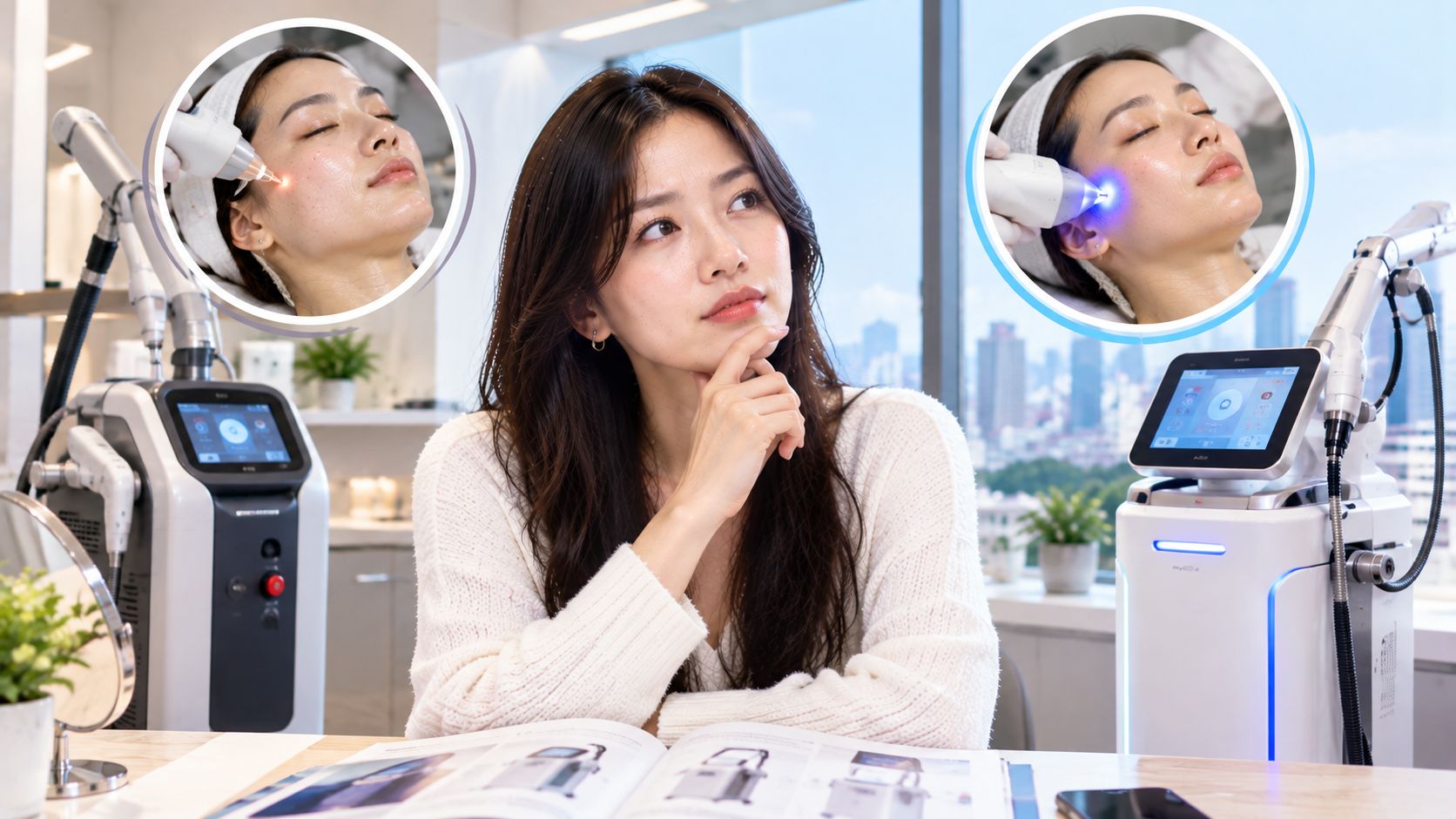
April 7, 2026
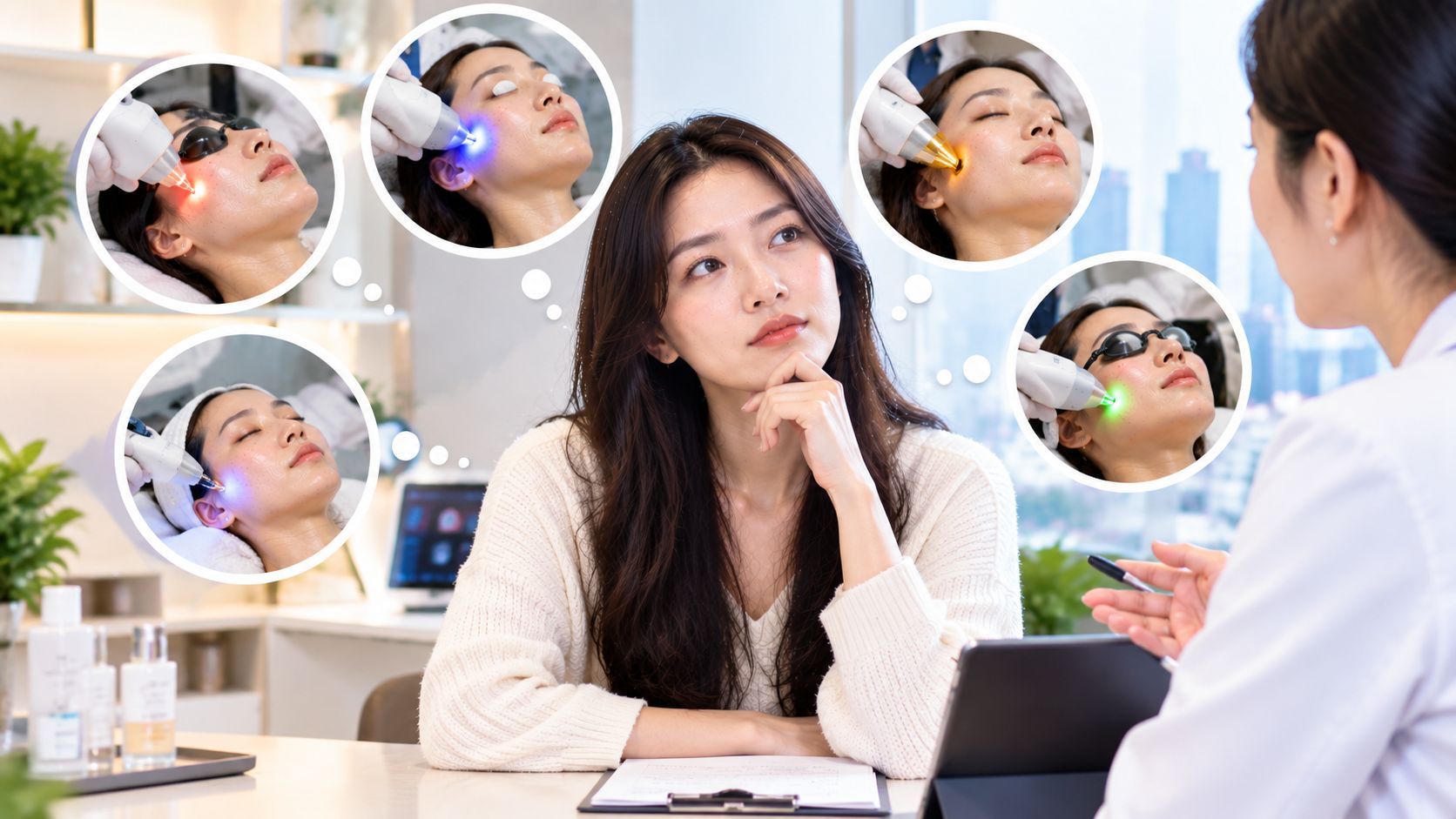
Painless Microneedling: How Korean clinics reduce discomfort In 2026, the phrase "no pain, no gain" is officially outdated in Seoul's dermatology scene. While traditional microneedling was once a test of endurance, Korean clinics have pioneered "Comfort-First" protocols. By combining ultra-fine needle technology, advanced cooling systems, and even "sleeping" sedation options, clinics in Gangnam and Myeongdong now offer high-intensity skin remodeling with a fraction of the discomfort. The Secret to the "Painless" Experience The reduction in pain isn't just about one trick; it’s a multi-layered approach used by top-tier Seoul dermatologists: Medical-Grade Topical Numbing: Unlike over-the-counter creams, Korean clinics use proprietary mixtures of lidocaine and tetracaine, often occluded with plastic wrap for 30–40 minutes to ensure total surface desensitization. Pulsed-Wave Technology: Modern devices like Sylfirm X or Potenza use "Pulsed Mode" instead of a continuous heat blast. This delivers energy in tiny bursts, allowing the skin to "rest" for milliseconds, which drastically reduces the stinging sensation. Continuous Water Cooling: New 2026 devices feature integrated cooling tips that stay in contact with the skin, "tricking" the nerves with cold so they don't register the needle heat. Nitrous Oxide (Laughing Gas): For those with a low pain threshold, many clinics now offer "Simple Sedation" using inhaled gas, which provides a floaty, relaxed sensation without the need for full anesthesia. Advanced Devices: Sylfirm X vs. Potenza In 2026, these two RF (Radiofrequency) microneedling devices are the gold standards for comfortable treatment: Sylfirm X (The Gentle Specialist) Mechanism: Uses ultra-short "Pulsed" waves. Comfort Level: Extremely high; many patients describe it as a light tingling. Best For: Treating redness, melasma, and vascular issues without triggering a massive inflammatory response. Potenza (The Deep Remodeler) Mechanism: Offers a variety of tips, including the "Tiger Tip" which targets multiple depths at once. Comfort Level: Moderate (requires good numbing), but the 2026 "Pump Tip" is designed to glide smoother than older versions. Best For: Intense pore reduction, acne scars, and skin tightening. The "Sleeping" Option: Sedation Microneedling A major trend for 2026 is Sedation (Sleep) Dermatology . For international patients who want to "stack" multiple intense procedures in one day, clinics offer: IV Sedation: Administered by an on-site anesthesiologist, you simply wake up when the treatment is finished. Benefits: This allows the doctor to use higher energy settings—which deliver better results—without the patient feeling a thing. Availability: Commonly found in larger Gangnam medical centers. Post-Care: The "Half-Day" Redness Rule In 2026, the "red face for three days" rule is gone. Korean clinics use "Recovery Boosters" to eliminate the post-treatment burn: Exosome/PDRN Misting: Immediately after the needles are removed, a cold mist of exosomes or salmon DNA (PDRN) is applied. These messengers speed up healing so effectively that redness often disappears within 6–12 hours. LDM Ultrasound: Many "Painless Packages" include 10 minutes of LDM therapy at the end to move lymphatic fluid and "settle" the skin instantly. Cryo-Cell Soothing: A specialized device that uses sub-zero temperatures to "freeze" the heat out of the skin, providing immediate relief. Quick Tips for a Pain-Free Session Ask for "Double Numbing": Request a second layer of numbing cream after the first 20 minutes for maximum effect. Time Your Cycle: For female patients, avoid scheduling microneedling the week before your period, as skin sensitivity is naturally higher then. Hydrate Beforehand: Well-hydrated skin cells conduct energy more efficiently and heal faster with less irritation. Estimated Pricing (In Korea) Standard Microneedling: Approx. ₩100,000 – ₩200,000 Premium RF (Potenza/Sylfirm X): Approx. ₩300,000 – ₩600,000 Sedation Add-on: Approx. ₩100,000 – ₩200,000 Final Thoughts The goal of Korean dermatology in 2026 is to make professional skin care as stress-free as a spa visit. By choosing the right device and utilizing the "Sleep" or "Cooling" options available in Seoul, you can achieve significant structural skin changes without the trauma. If you’ve been avoiding microneedling due to a fear of needles, the advanced painless protocols in Gangnam are designed specifically for you.
April 7, 2026
Pink Aging Peel vs. Black Peel: Next-gen Korean chemical peels South Korea has redefined the traditional chemical peel, moving away from aggressive stripping toward Bio-Peeling . These next-generation treatments focus on "exfoliating while infusing," using high-tech nutrients to repair the skin barrier during the shedding process. The Pink Aging Peel and Black Peel are currently the two most popular choices in Seoul for achieving a clinical glow with minimal downtime. Who Is the Pink Aging Peel Best For? The Pink Aging Peel (often called the "Estrogen Peel") is a revitalizing treatment designed for skin that needs a cellular "boost": Aging or thinning skin that has lost its natural bounce Dull, gray complexion caused by slow cell turnover Fine lines and wrinkles that need plumping from within Hormonal skin changes that lead to dryness or lack of elasticity Individuals seeking a "Red Carpet Glow" before a major event 👉 Especially popular among patients in their late 30s to 50s or anyone showing early signs of structural aging. Key Benefits Phytoestrogen Infusion: Uses Kudzu Root extract to mimic skin-firming signals. 56-Component Cocktail: Delivers 14 vitamins, 24 amino acids, and 8 minerals deep into the dermis. Fibroblast Activation: Triggers the "collagen factory" to thicken the skin. Instant Radiance: The Vitamin B12 complex leaves the skin with a healthy, rosy tint. Onset: Immediate brightening with structural firming visible after 1 week . 👉 Summary: Best for lifting, brightening, and anti-aging Who Is the Black Peel Best For? The Black Peel is a natural, acetic acid-based treatment focused on deep purification and skin health restoration: Oily or acne-prone skin struggling with clogged pores Inflammatory acne or recurring breakouts Sensitive skin that finds traditional AHA/BHA peels too harsh Uneven skin tone and post-acne pigmentation (PIH) Congested skin needing a "detox" from pollution and makeup 👉 Particularly suitable for teens to 30s or anyone dealing with active skin "troubles" and sensitivity. Key Benefits Fermented Black Vinegar: Uses organic acetic acid for deep exfoliation with zero irritation. Antibacterial Action: Naturally neutralizes acne-causing bacteria and balances pH. Nutrient-Dense: Packed with essential amino acids and minerals from black rice. Pore Refining: Effectively dissolves sebum and tightens the pore "walls." Onset: Clearer, smoother skin texture visible within 3–5 days . 👉 Summary: Best for acne, oil control, and skin detoxing Quick Comparison Pink Aging Peel Core Goal: Regeneration & Firming Key Ingredient: Phytoestrogens + 56 Nutrients Best For: Thin, aging, or dull skin Primary Result: Improved elasticity and "rosy" glow Downtime: Virtually zero (Lunchtime peel) Black Peel Core Goal: Purification & Acne Care Key Ingredient: Fermented Black Vinegar Best For: Oily, acne-prone, or sensitive skin Primary Result: Clearer pores and reduced inflammation Downtime: Minimal (Mild flaking may occur) The Procedure Step-by-Step Deep Cleanse: The skin is prepped with medical-grade cleansers to remove all surface oils. Peel Application: The solution is applied and timed precisely based on your skin's sensitivity. Neutralization: A specialized foam or solution is used to stop the chemical reaction instantly. Cryo/LED Therapy: Many Seoul clinics follow the peel with a cooling device or LED light to seal in nutrients and calm redness. Total Duration: Approximately 45–60 minutes . Precautions & Aftercare Hydration: Use a ceramide-based moisturizer; these peels open "channels" that absorb moisture rapidly. Sun Protection: New skin is highly UV-sensitive; SPF 50+ is mandatory for at least 7 days. No Scrubbing: Do not use physical exfoliants or washcloths for 1 week post-treatment. Active Ingredients: Pause the use of Retinol or Vitamin C serums for 3–5 days after the peel. Estimated Pricing (In Korea) Pink Aging Peel: Approx. ₩150,000 – ₩250,000 per session. Black Peel: Approx. ₩120,000 – ₩200,000 per session. Note: Prices vary depending on whether the peel is part of a larger "scaling" or laser package. Why Get These Peels in Korea? Bio-Tech Formulations: Korean peels are formulated to be "self-neutralizing" or highly buffered, making them much safer than western "home kits." Combined Therapy: Seoul clinics often combine these peels with LDM (ultrasound) or Oxygen therapy for a 10x better result. Micro-Customization: Doctors in districts like Gangnam adjust the peel concentration for different zones of your face (e.g., Black Peel on the nose, Pink Peel on the cheeks). Final Thoughts Choosing between the Pink and Black peel is a choice between "Feeding" and "Cleaning" your skin. If your goal is to look younger and more vibrant, the Pink Aging Peel is the ultimate booster. If you want to end a cycle of breakouts and oiliness, the Black Peel is the gold standard. For many visitors, starting with a Black Peel to "clear the canvas" followed by a Pink Peel a few weeks later is the secret to the ultimate Korean skin transformation.
April 7, 2026
LDM (Local Dynamic Micro-massage): The secret to zero-downtime glow In 2026, while high-intensity lasers often dominate the headlines, the real "unsung hero" of the Seoul aesthetic world is LDM (Local Dynamic Micro-massage) . Known in Gangnam clinics as the "Water Drop Lifting," LDM is the gold standard for travelers who want immediate radiance without the redness, peeling, or recovery time of traditional procedures. It is a specialized dual-frequency ultrasound treatment that doesn't "damage to repair" but instead "heals to strengthen," making it the ultimate choice for sensitive skin or as a perfect finishing touch before a big event. The Dual-Frequency Magic: How It Works Standard ultrasound devices usually operate at a single, deep frequency. LDM’s breakthrough is its ability to rapidly alternate between two or three different frequencies (typically 1MHz, 3MHz, 10MHz, and the advanced 19MHz). The "Micro-massage" Effect: This rapid switching creates a dynamic pressure gradient in the tissue, essentially "massaging" individual skin cells and the extracellular matrix. Cellular Activation: This process inhibits enzymes that break down collagen and activates heat shock proteins (HSPs) that trigger natural repair and moisture retention. 19MHz Innovation: The latest LDM Triple machines use a 19MHz frequency that specifically targets the very surface layers of the dermis, where the "glow" actually lives. The Ultimate "Downtime Killer" One of LDM’s most popular uses is as a post-laser recovery tool. Instant Calming: If you’ve just had an aggressive session of Fraxel or Potenza, LDM is often added to the end of the treatment to immediately "quench" the inflammation and heat. Lymphatic Drainage: It effectively reduces the swelling and "puffiness" associated with skin booster injections like Rejuran, helping those tiny bumps (embossing) flatten significantly faster. No-Downtime Guarantee: Standalone LDM sessions leave no marks. You can walk out of the clinic and go straight to a photoshoot or a dinner date with skin that looks calm, plumped, and hydrated. The "Water Drop" Effect: Hydration from Within LDM is nicknamed "Water Drop Lifting" because of its unique ability to redistribute moisture within the skin. HA Migration: The ultrasound waves encourage the body’s natural Hyaluronic Acid (HA) to migrate from the deeper layers up toward the dermis. Barrier Strengthening: For those with reactive skin, LDM works to repair the skin barrier, making it more resilient against pollution and dryness. The Bloom Glow: In 2026, the trend has shifted from "Glass Skin" to "Bloom Skin"—a look that is healthy, even-toned, and naturally luminous. LDM is the primary technology used to achieve this balanced look. Who Should Choose LDM? While almost anyone can benefit from LDM, it is specifically recommended for: The Sensitive Traveler: If your skin reacts poorly to heat or needles, LDM provides a clinical-grade glow with zero irritation. The Bridal/Event Prep: It is the go-to treatment for "D-Day" preparations because it improves makeup adherence and provides an instant "lifted" appearance. The Acne-Prone: It helps calm active, inflamed acne by reducing redness and supporting the skin’s healing environment without the use of harsh chemicals. LDM Protocols in 2026 Clinics In Seoul’s top medical districts, you will typically find LDM used in three ways: LDM Water Toning: A standalone 20-minute session focused on maximum hydration and brightening. The "Laser-Lock" Duo: Paired with Pico Toning or Shurink Universe to enhance results and eliminate side effects. LDM Acne Therapy: A specialized setting that targets the bacterial environment and reduces the inflammatory response in acne-prone skin. Final Thoughts LDM represents the "Gentle Revolution" of 2026 K-beauty. It proves that you don't always need to endure pain or peeling to see a visible transformation. If you are looking for a way to maintain your skin's health during a hectic Seoul trip, or if you simply want a "boost" that leaves you looking refreshed rather than "treated," the secret lies in the micro-massaging waves of LDM.
April 7, 2026
What is Liquid PCL (Polycaprolactone) for collagen stimulation? In 2026, the Seoul aesthetic scene has moved beyond "filling" the face toward "regenerating" it. At the forefront of this shift is Liquid PCL (Polycaprolactone) , a high-tech biostimulator that has redefined the "liquid facelift." Unlike traditional fillers that use Hyaluronic Acid (HA) to create instant but temporary volume, Liquid PCL—most famously known by the brand GOURI —works by forcing your skin to build its own structural collagen. It is the world’s first fully solubilized PCL, meaning it provides a natural, full-face lifting effect without the use of microparticles or surgery. The Science: From Threads to Liquid Polycaprolactone (PCL) is not a new material; it has been used safely for decades in medical sutures and "thread lifts." The Evolution: Traditionally, PCL came in solid forms. The breakthrough in 2026 is the CESABP technology (Collagenesis-Enabled Solubilized Active and Biodegradable Polymer), which allows PCL to exist in a completely liquid, water-like state. The Spread: Because it is a liquid without particles, it doesn't just sit where it is injected. It spreads naturally across the entire facial layer, creating a "3D Matrix" that stimulates collagen production globally rather than just in one spot. Biocompatibility: PCL is fully biodegradable, eventually breaking down into water and carbon dioxide, leaving nothing behind but your own new collagen. Mechanism: How It Stimulates Collagen Liquid PCL acts as a biological "reset button" for your skin’s fibroblasts. The Scaffold: Once injected, the liquid PCL forms a microscopic mesh-like scaffold under the skin. The Neocollagenesis: This scaffold triggers a sustained wound-healing response (without the actual wound). Your body identifies the PCL as a framework and begins to wrap new Type 1 collagen fibers around it. The Volume Shift: Unlike the "pillowy" look sometimes caused by HA fillers, PCL volume is organic. It feels like your own natural tissue because it is your own natural tissue. Liquid PCL vs. Juvelook: Which is Better? As of 2026, these are the two giants of the Korean biostimulator market, but they serve different goals: Liquid PCL (GOURI): Focuses on Global Lifting and Tightening . It is best for those with general skin laxity who want a subtle "lifted" appearance across the whole face. It typically requires only 10 injection points. Juvelook (PDLLA): Focuses on Texture and Pores . While also a biostimulator, Juvelook is often used more superficially to "polish" the skin or fill specific hollows like tear troughs. The Verdict: If your goal is "Skin Density and Lifting," Liquid PCL is the 2026 favorite. If your goal is "Pore Refinement and Scarring," Juvelook is the go-to. The Injection Protocol: The 10-Point Lift One of the reasons Liquid PCL is so popular among travelers in Seoul is the efficiency of the procedure. Bio-Stimulatory Points: Instead of hundreds of micro-injections, Liquid PCL is typically administered using a 5-point technique on each side of the face (10 points total). The Spread Factor: From these 10 points, the liquid naturally disperses throughout the dermis. Minimal Pain: Because there are fewer injection sites and no microparticles to cause friction, patients report significantly less discomfort compared to traditional skin boosters. The "No-Bumps" Advantage A major concern with older biostimulators (like Sculptra or older PCL versions) was the risk of nodules or lumps. Solubility is Key: Because the 2026 Liquid PCL is fully solubilized and contains no microparticles , the risk of developing granulomas or hard lumps is virtually non-existent. No Embossing: Unlike Rejuran, which leaves "mosquito bite" bumps for 24–48 hours, Liquid PCL integrates into the skin almost immediately. Most patients can go straight to dinner in Gangnam right after their appointment. Timeline of Results PCL is a "slow-burn" treatment. It is for the patient who wants a transformation that looks like they’ve simply been on a very long, healthy vacation. 1–2 Weeks: Initial hydration boost as the liquid settles. 4 Weeks: The first signs of "tightening" begin as the initial collagen fibers form. 3–6 Months: This is the "Peak Glow." The skin appears noticeably thicker, firmer, and more lifted. Longevity: The results of a standard 3-session protocol typically last 6 to 12 months , depending on individual metabolism. Final Thoughts In 2026, Liquid PCL has effectively bridged the gap between skincare and surgery. It offers the structural benefits of a thread lift with the ease of a simple injection. If you are looking for a way to "recharge" your skin's collagen production without changing your facial features, Liquid PCL is the most advanced biological tool available in Seoul’s top clinics today.
April 7, 2026
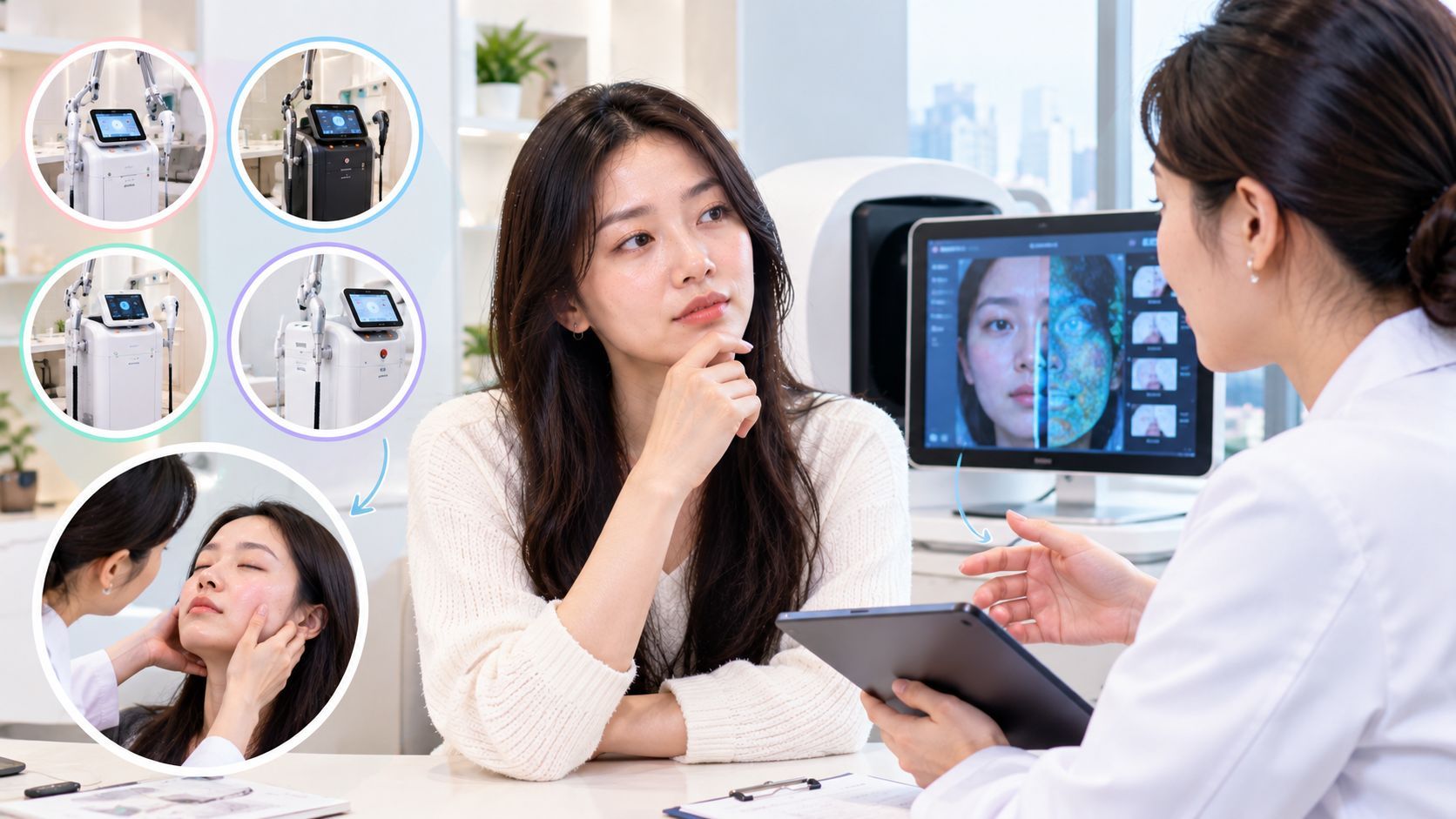
AI Skin Analysis in Seoul: How clinics map your pores and sebum In 2026, the first step of any reputable Seoul "Care-cation" is no longer a human eye exam, but a deep-dive into the AI Skin Chamber . Clinics in Gangnam and Hongdae have moved beyond basic photography to multi-spectral 3D mapping. Using devices like the Mark-Vu or Janus Pro , AI algorithms now analyze your face across 5 to 8 different light spectrums to reveal what is happening beneath the surface.This data-driven approach removes the guesswork, allowing doctors to prescribe the exact laser wavelength or skin booster density your specific "skin architecture" requires. The 3D Mapping Chamber: Beyond the Surface When you enter a dermatology clinic, you'll be asked to place your face into a dark "Chamber" or "Dark Room." Multi-Angle Imaging: High-resolution DSLR cameras take photos from the front and both profiles simultaneously. The 3D Structure: Unlike free retail scans, clinical AI creates a 3D structural map of your face. It assesses contours, symmetry, and depth—critical data for planning "lifting" treatments like Ultherapy or determining exactly where to place filler for a natural look. The "Gloss" Factor: Specialized light sources measure the "Gloss" or "Luster" of your skin, providing a baseline score for your current hydration levels versus the 2026 "Glass Skin" standard. Mapping the "Pore Profile" AI doesn't just see "pores"; it categorizes them into three distinct types to determine the treatment: Y-Shaped Pores: These are caused by aging and loss of elasticity. If the AI maps a high density of these, the doctor will likely suggest Juvelook or firming lasers. O-Shaped Pores: These are typically caused by excess oil. The AI tracks the diameter of these pores across your T-zone. U-Shaped Pores: Usually a sign of dehydration. 👉 The Data: You will receive a numerical score (e.g., "Pores: Top 15%") that compares your pore size to a database of over 500,000 global cases. Sebum and Porphyrin Detection One of the most fascinating features of 2026 AI analysis is the UV Fluorescence mode used to map oil and bacteria. Sebum Mapping: The AI highlights active sebum in orange or red. This allows the doctor to see exactly where your sebaceous glands are overactive, even if you’ve just washed your face. Porphyrin Tracking: Porphyrins are metabolic byproducts of acne-causing bacteria. The AI maps these as glowing spots, predicting where a breakout is likely to occur before it actually reaches the surface. The Treatment Link: If the AI shows high porphyrin levels, your "overhaul" will likely start with an Aqua Peel or Gold PTT to clear the bacteria before moving to more intensive lasers. The "Hidden Pigment" Reveal This is often the most shocking part of the analysis for international travelers. The UV Layer: Using polarized and UV light, the AI reveals melanin deep in the dermis that hasn't surfaced yet. Future Prevention: These are "hidden spots" caused by past sun damage. By mapping these, the AI helps the doctor choose a preventive laser setting (like Pico Toning) to shatter the pigment before it ever becomes a visible dark spot. Redness & Sensitivity: The AI also maps your vascular system, identifying "hot zones" of inflammation or broken capillaries that aren't visible to the naked eye. Clinic Analysis vs. Free "Retail" Scans In 2026, you might see free AI "Skin Scans" at stores like Olive Young . Here is how the clinic version differs: Retail Scans: Use 2–3 light sources and focus on product recommendations (Surface-level). Clinical AI: Uses 5–8 light sources (including specific wavelengths for gloss and deep pigment) and focus on medical treatment decisions (Structural-level). Physician Integration: At a clinic, the AI report is just the "lab results." A trained physician then interprets that data to adjust the joules (energy) of your laser or the depth of your injections. How to Prepare for Your AI Scan To get the most accurate mapping in 2026: The "Clean Slate": You must remove all makeup and sunscreen. Most Seoul clinics have a dedicated cleansing station with medical-grade products. The "Rest Period": After washing, you should wait 5 to 10 minutes before the scan to allow your skin’s natural oil and moisture levels to stabilize. Ask for the Report: Most 2026 clinics can send the PDF report directly to your email or WhatsApp. Save this as your "Skin Blueprint" to compare results when you visit again in 6 months. Final Thoughts AI Skin Analysis has turned Korean dermatology into a "High-Precision Sport." In 2026, you don't have to wonder if a treatment worked—the AI will show you the exact percentage decrease in your pore volume and the reduction in hidden melanin. It is the ultimate tool for transparency, ensuring that your "Care-cation" investment is backed by cold, hard data!
April 7, 2026
The 2026 Exosome trend: Plant vs. human-derived stem cells In 2026, the K-beauty world has moved beyond simple serums into the era of Cellular Signaling . At the heart of this revolution are Exosomes —tiny, nano-sized messengers that tell your skin cells how to repair themselves. However, the biggest debate in Gangnam clinics this year isn't whether to use exosomes, but which source to choose. As biotechnology matures, travelers are now choosing between Human-Derived (Stem Cell) exosomes for maximum regenerative power and Plant-Derived (Phyto-exosomes) for targeted, vegan-friendly skin barrier restoration. The Science of the Messenger Exosomes are not cells themselves, but "envelopes" sent out by cells. In 2026, they are the preferred way to deliver growth factors and proteins because they are small enough to penetrate deep into the dermis. The Delivery: While they can be applied topically, they are most effective when "driven" into the skin via Potenza (microneedling RF) or immediately after a laser treatment when the skin's micro-channels are open. The Goal: To reduce "downtime" by up to 50% while significantly boosting the production of collagen and elastin. Human-Derived Exosomes: The Regenerative Powerhouse These are typically derived from human adipose (fat) or umbilical cord mesenchymal stem cells. The "Same-Language" Advantage: Because they come from human cells, these exosomes speak the exact "biological language" of your skin. They are highly effective at signaling old fibroblasts to behave like young ones. Best For: Intense anti-aging, deep wrinkle repair, and post-surgical healing. In 2026, these are the "Gold Standard" for those seeking a total skin reset. Clinical Trust: Seoul clinics use strictly regulated, medical-grade human exosomes that have been purified to remove all cellular debris, leaving only the "pure signal." Plant-Derived Exosomes (Phyto-exosomes): The Targeted Specialist In 2026, Phyto-exosomes—extracted from resilient plants like Cica (Centella Asiatica), Ginseng, or even Rose—have surged in popularity. The Anti-Inflammatory Edge: Plant exosomes are naturally packed with antioxidants and phytochemicals that human cells don't produce. They are exceptionally good at calming "inflamm-aging" and reducing redness. The "Vegan" Factor: For the growing market of ethical travelers, phyto-exosomes offer a high-tech, animal-free alternative that delivers clinical results. Stability: Plant-derived messengers are often more stable at room temperature, making them a favorite for the "m-beauty" (medical beauty) take-home kits sold in Cheongdam. The 2026 Comparison: Which One to Choose? Selecting the right exosome depends on your primary skin concern and your treatment "stack." Choose Human-Derived if: You are over 35 and your goal is structural lifting, skin thickening, or recovery from an aggressive laser like Fraxel. Choose Plant-Derived if: You have sensitive skin, rosacea, or active acne. They are the superior choice for soothing the skin and rebuilding a damaged moisture barrier. The Hybrid Trend: Many 2026 "Care-cation" protocols involve a Human Exosome treatment in the clinic, followed by a Plant Exosome home-care regimen to maintain the results. Why Exosomes are the "Downtime Killer" In the busy 2026 Seoul itinerary, travelers don't have days to hide in their hotels. Rapid Healing: Applying exosomes immediately after a treatment like Pico Gold Toning can reduce the "red face" look from 48 hours down to just a few hours. The "Air" Method: Some clinics now use a pressurized "Air-Gun" to mist exosomes onto the skin without needles, providing a painless, no-downtime glow-up that is perfect for a Myeongdong shopping day. What to Look for in a 2026 Clinic When booking your exosome treatment, ask these three technical questions: "What is the exosome count?" (High-quality 2026 treatments usually contain 5 billion to 10 billion pure exosomes per vial). "Is it lyophilized (freeze-dried)?" (The most potent exosomes in Korea are freeze-dried into a powder and mixed fresh right before your treatment). "What is the source?" (Verify if it is Adipose-derived or Phyto-derived to match your goals). Final Thoughts Whether you choose the bio-identical power of human stem cells or the calming precision of phyto-biotech, exosomes represent the "Software Update" your skin needs. In 2026, we are no longer just moisturizing the surface; we are sending a direct message to the heart of our cells. If you are visiting Seoul for a skincare overhaul, an exosome "boost" is the essential final step to turn a standard treatment into a world-class transformation.
April 7, 2026
What is Polynucleotide (PN)? The science behind Rejuran Healer In 2026, Rejuran Healer remains the gold standard of Korean "Skin Boosters," but the conversation has shifted from its famous nickname ("The Salmon Injection") to the specific science of Polynucleotides (PN) . While traditional fillers add volume and skin boosters like Hyaluronic Acid add temporary moisture, PN is a biostimulator . It doesn't just sit in the skin; it communicates with your cells to repair damage from the inside out. Understanding the molecular difference between PN and its predecessor, PDRN, is key to knowing why Rejuran is the foundation of the modern Korean "Glass Skin" routine. The Molecular Blueprint: What is PN? Polynucleotides are long-chain DNA fragments extracted from salmon germ cells, which share a 95% DNA similarity with humans. The "Healer" Molecule: Unlike PDRN (Polydeoxyribonucleotide), which consists of shorter DNA fragments, PN is a higher-molecular-weight biopolymer with longer chains. The Scaffold Effect: Because the chains are longer, PN acts as a physical "scaffold" in your dermis. It stays in the skin longer than PDRN, providing sustained structural support while your cells work on repairs. Biocompatibility: In 2026, PN is recognized as one of the most biocompatible materials in aesthetic medicine, meaning the risk of an immune "rejection" or allergic reaction is near zero. The Biological Mechanism: How It Works Rejuran Healer doesn't "fill" a wrinkle; it "heals" the environment where the wrinkle formed. It operates through four primary pathways: Fibroblast Activation: PN binds to receptors in the skin, which "wakes up" your fibroblasts—the worker cells responsible for collagen and elastin production. Extracellular Matrix (ECM) Repair: It remodels the "scaffolding" of your skin, increasing dermal thickness and elasticity. Anti-Inflammatory Modulation: PN reduces pro-inflammatory signals. This is why Rejuran is highly effective for those with rosacea, acne redness, or skin thinned by over-exfoliation. Angiogenesis: It promotes the formation of new micro-vessels, improving blood flow and nutrient delivery to the skin surface. PN vs. PDRN: Why the Difference Matters In 2026, many "Salmon DNA" products are available, but they are not all equal. PDRN (Salmon Injection): Shorter chains, faster degradation. It is excellent for immediate wound healing and is often used in topical cosmetics or "quick fix" anti-inflammatory shots. PN (Rejuran Healer): Longer chains, slower degradation. It is a Medical Device (KFDA Class 4) designed for deep dermal injection. It provides the long-term "skin thickening" effect that PDRN cannot achieve alone. 👉 The Verdict: If you want a quick glow before an event, PDRN is fine. If you want to fundamentally change the density and health of your skin, PN is the requirement. The "Embossing" Phenomenon Because PN is a high-viscosity, long-chain molecule, it does not spread instantly like water. The Bumps: After a Rejuran session, you will see tiny "embossing" bumps at every injection site. The 2026 Perspective: These bumps are now seen as a mark of authenticity . They prove that the high-molecular-weight PN was injected into the correct layer of the dermis. Duration: In the dry Seoul climate, these bumps typically disappear within 24 to 48 hours as the PN begins to integrate and attract moisture into the skin matrix. Who is the Ideal Candidate for PN? In 2026, Rejuran is no longer just for "anti-aging." It is used as a "Skin Primer" for: Thin, Sensitive Skin: For those whose skin feels "paper-thin" or easily irritated by the environment. Acne Scarring: By regenerating the dermal layer, it helps "plump" indented scars from the bottom up. Dark Circles: Rejuran I (Eye) is a specialized, lower-viscosity PN designed for the thin skin under the eyes where traditional fillers often look puffy. Post-Laser Recovery: It is frequently "stacked" with lasers to speed up healing and prevent post-inflammatory hyperpigmentation (PIH). The 2026 "Hybrid" Protocol Clinics in Gangnam now rarely use Rejuran in isolation. The most popular 2026 protocols include: Rejuran + Botox (Skin Tox): Diluted Botox is mixed with PN to tighten pores and reduce oil production while the PN heals the skin. Rejuran + Juvelook: Combining the collagen-stimulating power of PDLLA with the regenerative healing of PN for a "Full-Face Reset." Rejuran HB (Hydro Booster): A version of Rejuran that includes Hyaluronic Acid and Lidocaine , reducing the injection pain while providing an instant hydration boost. Final Thoughts The science of Polynucleotides represents a shift from "Decorative" to "Restorative" aesthetics. Rejuran Healer is the most famous application of this science because it treats the skin as a living organ that can be repaired, not just a surface to be smoothed. In 2026, if you want your skin to act younger—not just look younger—PN is the biological "reset button" you've been looking for.
April 7, 2026
Focus on the advanced cellular regeneration tech that Korea is famous for In 2026, South Korea has officially moved beyond "anti-aging" into the era of Slow Aging and Biotech Regeneration . The focus is no longer on simply filling wrinkles, but on "bio-hacking" the skin to behave like its younger self. Using cellular messengers, salmon DNA, and hybrid biostimulators, Korean clinics are now able to reprogram the skin’s healing mechanisms. If you are visiting Seoul this year, these are the "Med-Beauty" (m-beauty) technologies that are currently defining the global gold standard for skin health. 1. Exosome Therapy: The "Signal" of Youth If snail mucin defined the 2010s, Exosomes define 2026. These are nano-sized vesicles derived from stem cells that act as "cellular messengers." How it works: Exosomes carry growth factors and signaling molecules directly to damaged cells, instructing them to repair and regenerate. The Treatment: Usually applied topically after micro-channelling (Potenza) or laser sessions to accelerate healing by up to 50%. The 2026 Update: Clinics now offer Plant-based (Phyto-exosomes) and lab-developed formulas that are more stable and potent than previous generations, specifically targeted at barrier repair and "inflamm-aging." 2. PDRN & Polynucleotides (PN): The "Salmon DNA" Reset Commonly known by the brand Rejuran Healer , PDRN (Polydeoxyribonucleotide) remains a staple, but with more advanced delivery methods in 2026. How it works: Extracted from salmon DNA (which is highly compatible with human DNA), these nucleic acids support tissue repair and have intense anti-inflammatory effects. The Result: It physically "thickens" the dermis, making thin, crepey skin more resilient. The 2026 Trend: PDRN is now being integrated into PDRN Gel Cleansers and home-use serums, allowing patients to maintain the "Rejuran Glow" between clinical sessions. 3. Juvelook: The Hybrid Biostimulator In 2026, Juvelook has become the most requested "next-gen" injectable in Gangnam because it solves the "filler vs. booster" dilemma. The Technology: It is a hybrid of PDLLA (Poly-D,L-Lactic Acid) and Hyaluronic Acid (HA) . The Dual Action: The HA provides an immediate plumping effect, while the PDLLA micro-particles stimulate your own fibroblasts to produce fresh collagen over 1–2 months. Two Versions: * Juvelook Skin: Used for pores and fine lines (the "skin filter" effect). Juvelook Volume: Used for sunken temples and cheeks for a natural, non-pillowy lift. 4. NAD+ and Biotech "Energy" Essences One of the newest breakthroughs in 2026 is the use of NAD+ (Nicotinamide Adenine Dinucleotide) in skincare. The Science: NAD+ is a coenzyme found in all living cells that is crucial for energy metabolism and DNA repair. Levels drop as we age. The Treatment: Products like NAD Bio Lifting-sil use NAD+ complexes to "recharge" the skin’s cellular battery, providing a noticeable lift and elasticity boost that mimics the results of a professional microcurrent session. 5. AI-Powered Precision Mapping Before any cellular tech is applied, 2026 clinics use advanced Multi-Spectral Imaging (like the latest Janus or Mark-Vu systems). Deep Analysis: These scanners don't just see wrinkles; they map vascular patterns , inflammatory markers , and microbiome health . Personalized Science: The AI then creates a "Modular Serum" or selects the exact wavelength of LED therapy required for your specific cellular profile. This ensures you aren't just getting "a treatment," but "your treatment." 6. "Barrier-First" Philosophy In 2026, the trend has shifted entirely away from harsh exfoliation toward Microbiome Care . Postbiotics & Peptides: Every regenerative treatment is now followed by a "Ceramide Complex" or "Postbiotic" ritual to seal the barrier. K-Beauty m-beauty: Clinical-grade acne formulas and growth-factor-inspired peptides are now standard in post-care, ensuring that the "overhaul" doesn't strip the skin but instead builds it back stronger. Summary of the "2026 Glow" Ingredients Exosomes: Best for repair, cell signaling, and post-laser recovery. PDRN / PN: Best for tissue repair, thickening the skin, and reducing redness. PDLLA (Juvelook): Best for long-term collagen stimulation and natural volume. NAD+: Best for cellular energy, lifting, and anti-aging at the source. Final Thoughts The "Korean Secret" in 2026 is no longer a mystery—it is Biotech . By combining these cellular-level ingredients with precision AI diagnostics, Seoul’s clinics can offer results that are both naturally beautiful and scientifically verified. When you visit a clinic this year, ask your doctor about "biostimulators" and "regenerative nanovesicles"—these are the keys to a glow that isn't just on the surface, but built into your very cells!
April 6, 2026
Planning a Winter Skincare Trip to Seoul: Dealing with Dry Clinic Skin In 2026, the "Winter Glow Trip" has become a strategic favorite for travelers who want to avoid the summer sun, but it comes with a unique challenge: the Double-Dry Effect . Between Seoul’s sub-zero outdoor humidity and the intense indoor heating (Ondol) used in clinics and hotels, your skin barrier is under constant attack. If you are receiving treatments like lasers or peeling, your skin’s ability to retain moisture is temporarily compromised, making it feel tight, "chapped," or flaky. Success in the winter depends on moving from simple hydration to "Active Barrier Sealing." 1. The "Golden Hour" of Post-Clinic Hydration The first 60 minutes after you leave a clinic in winter are the most critical. The Transition Shock: Stepping from a warm, humid clinic into the biting, dry Seoul wind can cause immediate "transepidermal water loss" (TEWL). The Shield: Before leaving the clinic building, apply a thick layer of a barrier-repair cream. In 2026, the gold standard is Aestura Atobarrier 365 or Rejuran Moisture Cream , which use specialized capsules to mimic your skin's natural lipids. Physical Protection: Wear a silk or soft cotton mask. It’s not just for health; it creates a micro-climate of warm, humid breath that protects your treated cheeks from the freezing wind. 2. Pharmacy Essentials: The "K-Med" Reset Before you head to your hotel, stop at a local pharmacy (Yak-guk). In 2026, several medical-grade ointments have gone viral for winter recovery: Rejuvenex PDRN Cream: Known as the "Panda Cream," this is a salmon-DNA derived ointment that physically seals the skin while accelerating cell regeneration. Hanmi Pro-Calm Red X: If the winter wind makes your post-laser face feel flushed or purple, this Vitamin K-based cream helps strengthen blood vessels and reduce bruising. Noscarna Gel: Essential if you had acne treatments; it prevents the dry winter air from turning healing spots into permanent scars. 3. Managing the "Ondol" (Floor Heating) Air Korean hotels and Airbnbs use floor heating that makes the air incredibly dry. The Humidifier Hack: Most 2026 "Care-cation" friendly hotels (like Andaz or L7 ) provide humidifiers upon request. If they are out, soak two large towels in water and hang them near your bed before sleeping. Lower the Temp: It’s tempting to crank the heat to 26°C, but keeping your room at a steady 20–22°C will significantly reduce skin dehydration. The "Sleeping Pack": Apply an occlusive "slugging" layer—like Centellian 24 Madeca Cream —over your moisturizer at night to lock everything in. 4. Best Winter-Friendly Treatments Since the air is so dry, 2026 dermatologists suggest "Hydration-First" stacking: LDM Triple Water Toning: This should be your "Anchor" treatment. It uses ultrasonic waves to pull moisture into the deep layers of the dermis, making your skin more resilient against the cold. Juvelook or Exosomes: These "Skin Boosters" are better in winter than harsh resurfacing lasers because they heal the skin from the inside out, rather than stripping the surface. Avoid: Deep chemical peels or aggressive Fraxel unless you plan to stay strictly indoors with a humidifier for at least 4 days. 5. The "Winter Glow" Shopping List When you hit Olive Young in Myeongdong or Gangnam, look for these 2026 winter heroes: Panthenol & Ceramides: These are the only two ingredients that matter when your skin is peeling from the cold. Oil-Based Cleansers: Switch from foam to a "Cleansing Balm" to avoid stripping your natural oils during the nightly wash. Lip Barrier Balms: Your lips will peel faster than your face in Seoul. Look for Torriden or Laneige intensive overnight masks. 6. Diet & Internal Hydration Skip the 4th Coffee: Caffeine is a diuretic that can worsen skin dryness. Swap your afternoon Americano for Omija tea (magnolia berry) or Ginseng tea , which are traditional Korean remedies for boosting circulation and skin vitality. The "Soup" Strategy: Enjoying hot Samgyetang (Ginseng Chicken Soup) provides a natural dose of collagen and hydration that supports your clinic results from the inside. Final Thoughts A winter skincare trip to Seoul is the ultimate "Internal Glow" mission. While the weather is harsh, the lack of intense UV rays makes it the safest time for pigment removal and deep lifting. As long as you treat your moisturizer as a shield and your mask as a micro-climate , you’ll return home with the coveted "Chok-Chok" dewy look that thrives even in the coldest climates!
April 6, 2026
Is it Safe to Get Skincare Treatments in Seoul During Summer Heat? In 2026, the short answer is yes , but it requires a significantly different post-care strategy than a winter visit. Seoul’s summers are notoriously humid and hot, with intense UV indexes that can pose a risk to freshly treated skin. While the heat itself isn't a barrier to the procedure, the sweat, humidity, and sun exposure during recovery can increase the risk of Post-Inflammatory Hyperpigmentation (PIH). To stay safe, the 2026 "Summer Protocol" focuses on heat management and physical UV blocking. The "Heat vs. Healing" Factor Many advanced lasers (like Thermage or Fraxel) work by creating controlled thermal damage to stimulate collagen. The Risk: In the peak of a Seoul summer (July–August), your body is already struggling to cool down. Adding laser heat to an already overheated system can lead to prolonged swelling or "heat rash" around the treatment area. The Solution: Clinics in 2026 have upgraded their "Cooling Stages." Expect longer sessions with Cryo-cartridges or ICING machines immediately after your laser to bring the skin's surface temperature back to normal before you step outside. UV Protection: Beyond Sunscreen In 2026, relying solely on chemical sunscreen after a summer laser treatment is considered insufficient. The "Physical" Mandate: Post-laser skin is hypersensitive. Chemical filters can sometimes sting or irritate open micro-channels (like those from Potenza or Microneedling). What to Wear: Use a Zinc Oxide-based physical sunblock which reflects light like a mirror. The Accessory Rule: You must use a UV-shielding umbrella (Yang-san) or a wide-brimmed "recovery hat." In Gangnam, it is 100% normal to see people walking with umbrellas on a sunny day—it’s the ultimate sign of a skincare pro. Managing Humidity and Sweat Seoul's summer humidity can reach over 80%, which creates a breeding ground for bacteria. The Infection Risk: Sweat dripping into micro-incisions or injection sites (like Rejuran) can lead to minor breakouts or irritation. The Protocol: For the first 48 hours, avoid heavy outdoor walking. Stick to the "Indoor Mall-Crawl" strategy at The Hyundai Seoul or COEX , where the air is filtered and chilled. Cleansing: Switch to a pH-balanced, medical-grade foam cleanser provided by the clinic to ensure sweat and sebum are removed without stripping the skin’s weakened barrier. Best Summer-Friendly Treatments If you are visiting during the peak heat, some treatments are "safer" than others: High Safety: Botox, Fillers, and Skin Boosters (Injectables). These don't rely on heat and have no risk of sun-induced pigment changes. Medium Safety: Ultherapy or Shurink (HIFU). Since these target the deep muscle layers and leave the surface skin intact, the UV risk is lower. High Caution: CO2 Lasers or Deep Peels. Anything that "ablates" or removes the top layer of skin should be managed with extreme care. If you get these, you should plan to stay indoors for at least 3 days. The 2026 "Cooling" Kit If you are doing a summer "Care-cation," your bag should include: Portable Handheld Fan: To keep the face cool while waiting for a taxi. Soothing Mist: A nitrogen-based thermal water spray to calm "flushing" throughout the day. Cooling Patches: Many Seoul pharmacies sell hydrogel patches that you can wear on your neck to help lower your overall body temperature. PDRN Sheet Masks: Keep these in your hotel mini-fridge and apply one every night to repair the barrier damaged by both the laser and the sun. Timing Your Visit Late Afternoon Appointments: Schedule your clinic visit for 4:00 PM or later. By the time you finish, the sun will be setting, allowing you to walk to your hotel or dinner without peak UV exposure. Avoid "Active" Tanning: If you have a visible, active sunburn or a fresh tan from a beach trip, most board-certified dermatologists in 2026 will refuse to perform laser treatments, as the risk of burning the skin is too high. Final Thoughts Summer is actually a great time for a "Glow-up" because the humidity keeps the skin naturally hydrated, which can aid recovery for certain boosters. As long as you respect the "Shadow Rule" and prioritize cooling, you can safely achieve your skin goals in the middle of a Seoul heatwave. Just remember: in the summer, your hat and your umbrella are just as important as your doctor’s expertise!