Can Potenza Improve Mild Skin Laxity?
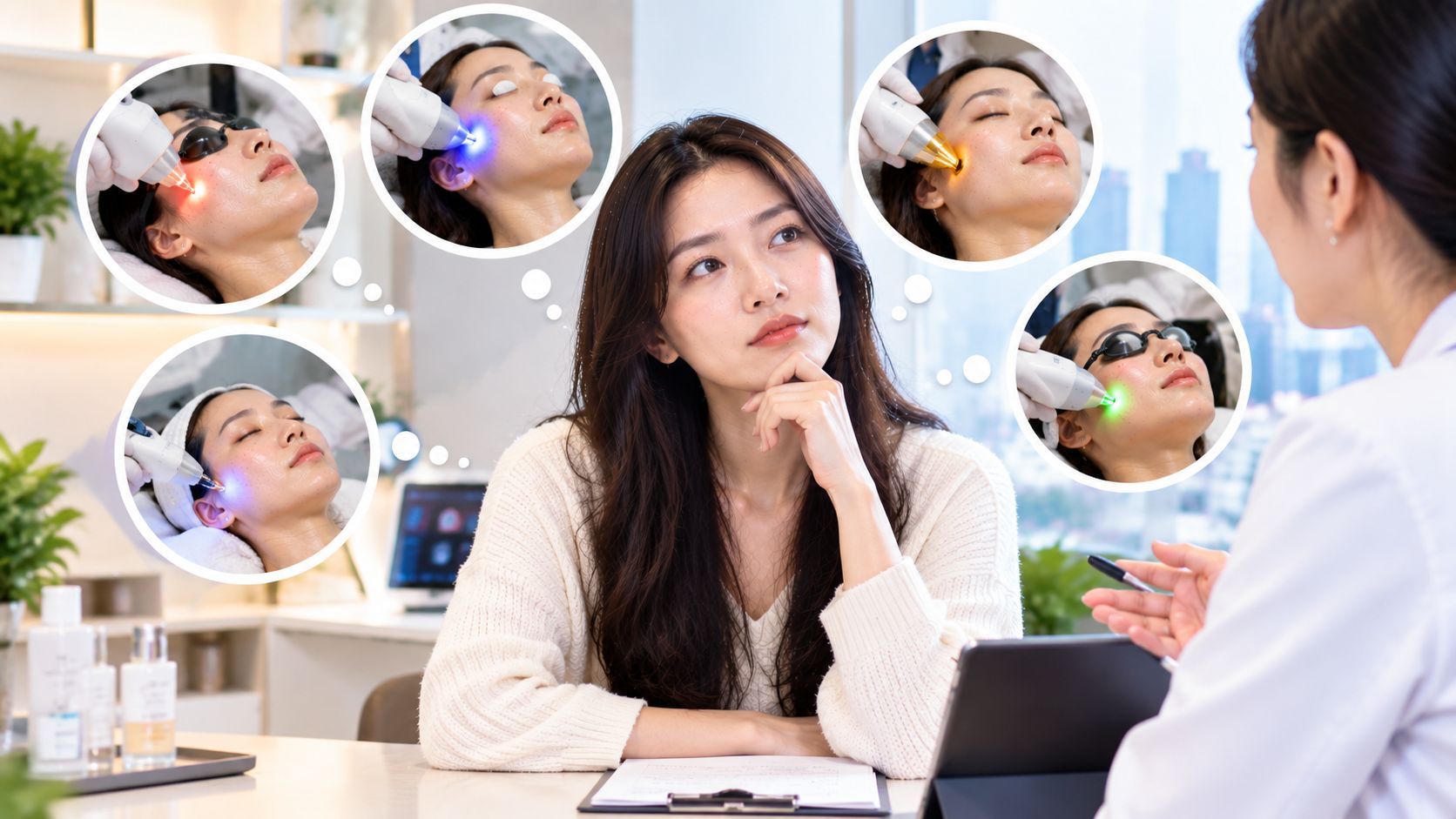
If your skin has started to feel slightly less firm or looks a little looser than it used to, you may wonder whether Potenza can improve mild skin laxity. Potenza may be considered for selected cases of mild laxity because it combines microneedling with radiofrequency (RF) energy.
However, Potenza is not a facelift and is not designed to remove significant excess skin. It is generally more relevant when the concern is mild loss of firmness, subtle texture changes, or early laxity, rather than pronounced sagging.
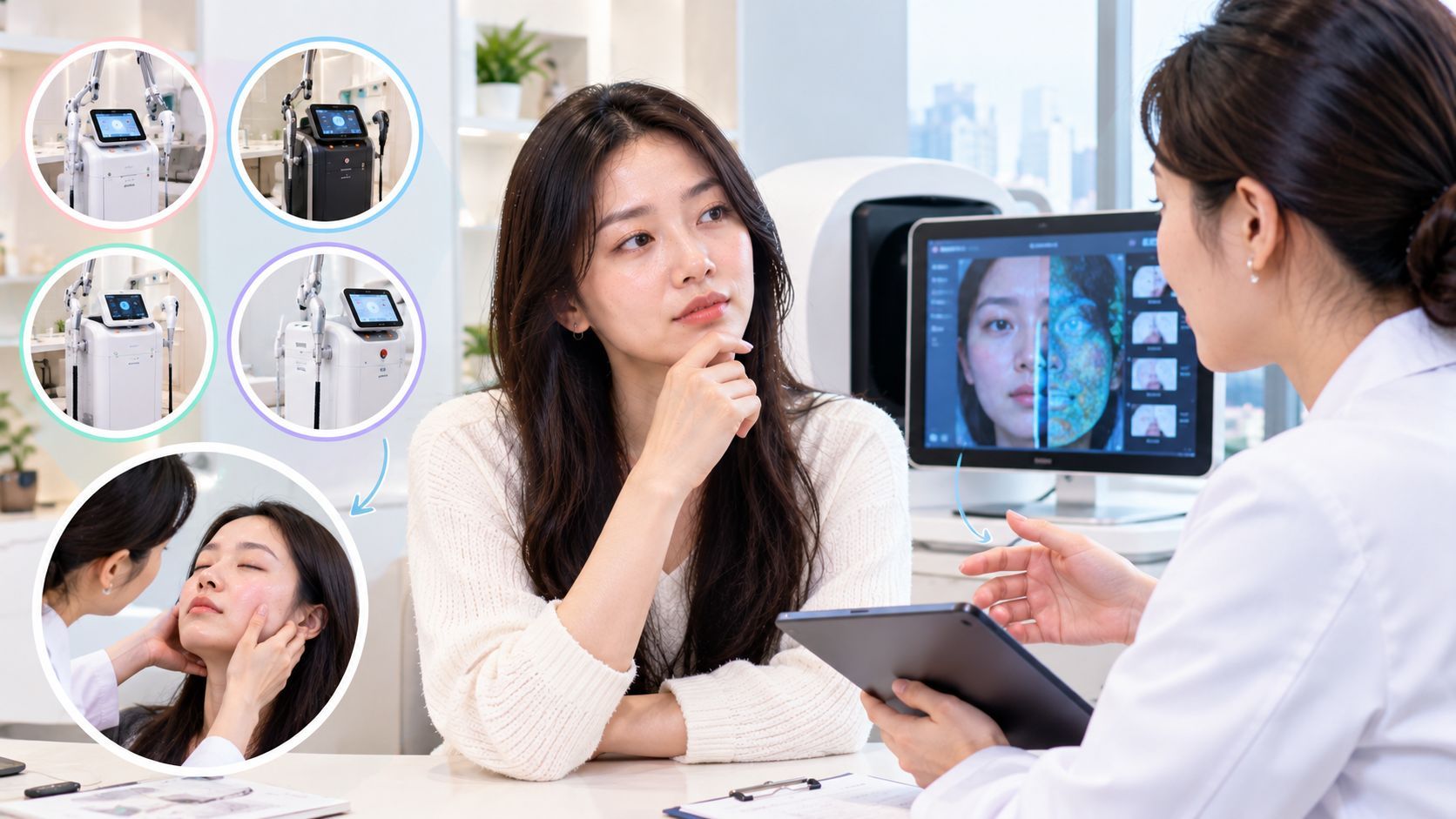
For patients considering Potenza in Seoul, the most important step is distinguishing skin laxity from other causes of facial aging, such as volume loss, fat displacement, muscle changes, or structural changes.
How Can Potenza Affect Skin Firmness?
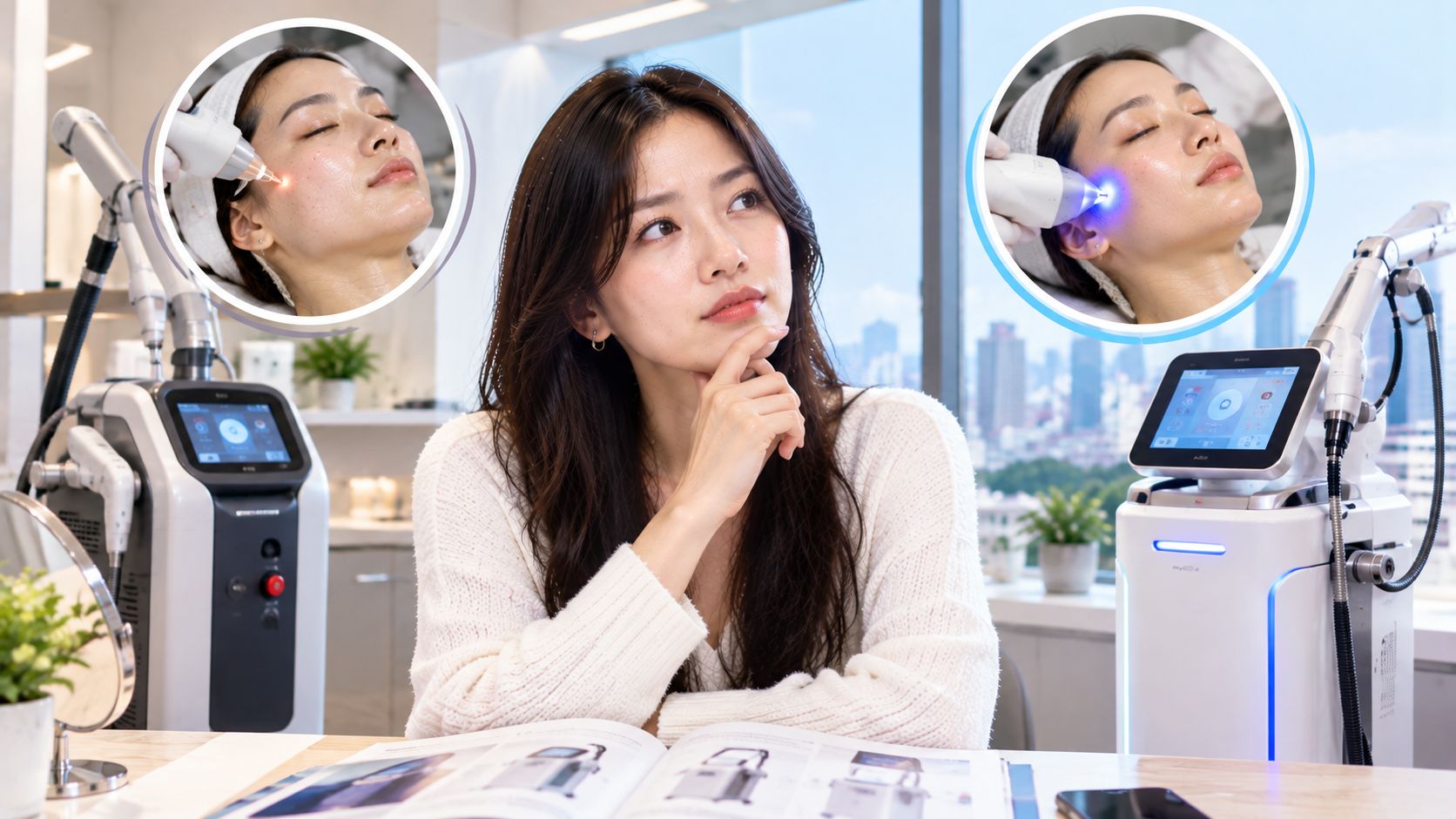
Potenza is an RF microneedling treatment.
During the procedure, fine needles enter the skin to a controlled depth and deliver radiofrequency energy. This creates controlled mechanical and thermal stimulation.
The intended effects can include:
- Controlled tissue heating
- Microneedling-induced wound healing
- Collagen remodeling
- Improvement in certain textural irregularities
- Potential improvement in mild firmness changes
The response develops gradually as the skin heals and remodels.
This is different from a surgical facelift, where excess skin is physically repositioned or removed.
What Does Mild Skin Laxity Look Like?
Mild laxity can be subtle.
You might notice:
- Skin feels less firm than before
- Slight softening around the jawline
- Early looseness around the lower face
- Mild creasing when the skin is relaxed
- Slight loss of definition
- Skin that appears less taut after weight changes
Early laxity can also be difficult to distinguish from facial volume loss.
For example, if your cheeks have lost volume, the skin may appear looser even though the main issue is actually reduced support beneath the skin.
This distinction matters because tightening the skin does not necessarily replace lost volume.
Can Potenza Tighten the Jawline?
Potenza may provide some improvement in mild jawline laxity, but the result depends on why the jawline has become less defined.
Possible contributors include:
- Mild skin laxity
- Fat accumulation
- Fat displacement
- Volume loss
- Aging-related structural changes
- Muscle anatomy
- Combination of several factors
If the issue is primarily mild skin looseness, RF microneedling may be considered.
If the main issue is excess fat beneath the chin, Potenza may not address the primary cause.
If the jawline looks less defined because of volume loss, a tightening procedure alone may also produce limited improvement.
Can Potenza Improve Neck Laxity?
Potenza may be considered for selected cases of mild neck skin laxity and texture irregularity.
However, the neck is a sensitive treatment area, and treatment settings need to be appropriate for the anatomy.
If someone has significant loose skin, prominent platysmal bands, or substantial structural aging, RF microneedling may not provide the degree of change they are expecting.
A dermatologist should determine whether the concern is primarily:
- Skin laxity
- Neck lines
- Platysmal bands
- Submental fat
- Skin texture
- Combination aging
Different concerns may require different treatment approaches.
Is Potenza a Deep Skin-Tightening Treatment?
Potenza can deliver RF energy at controlled depths, but that does not mean deeper treatment is always better.
The treatment parameters can influence:
- Depth of energy delivery
- Thermal exposure
- Treatment intensity
- Recovery
- Potential results
- Risk of complications
Increasing energy or treating more aggressively can also increase inflammation and the risk of thermal injury.
The goal should be an appropriate treatment level for the patient's skin and concern rather than simply using the strongest available settings.
How Does Potenza Compare With Other Tightening Treatments?
Potenza is only one category of non-surgical skin-tightening treatment.
Other technologies include:
- Thermage
- Ultherapy
- Sofwave
- Oligio
- Other RF devices
- Other ultrasound-based treatments
These technologies do not all work at the same depth or use the same energy.
Potenza has the additional component of microneedling, while some other technologies deliver energy without needles.
This distinction can matter if your main concern is firmness versus texture.
For example, someone with mild laxity and acne-scar texture may have different treatment priorities from someone whose only concern is early jawline looseness.
Potenza vs Ultherapy for Mild Laxity
Potenza and Ultherapy are not identical tightening treatments.
Potenza uses microneedles and RF energy.
Ultherapy uses focused ultrasound energy delivered without needles.
The appropriate option depends on the treatment area, degree of laxity, skin characteristics, and treatment goals.
If your main concern is surface texture plus mild laxity, RF microneedling may be discussed.
If your concern is primarily lifting or deeper tissue support, a dermatologist may consider an ultrasound-based treatment or another approach.
The treatment plan should be based on your anatomy rather than the popularity of a particular device.
Potenza vs Thermage for Skin Firmness
Thermage is a non-invasive RF treatment that delivers radiofrequency energy without microneedles.
Potenza combines RF with microneedling.
This means Potenza may be considered when firmness and textural concerns coexist, while Thermage may be considered when the treatment goal is broader non-invasive RF-based remodeling.
Neither should be assumed to provide the same type or degree of tightening.
The exact device, treatment parameters, treatment area, and individual response all matter.
Can Potenza Make a Noticeable Difference After One Treatment?
Some people may notice an improvement after one session, but results vary.
A single treatment should not be expected to produce the same degree of change as a surgical procedure.
Collagen remodeling takes time, and the final appearance does not occur immediately after treatment.
Potential improvement can depend on:
- Baseline skin laxity
- Age-related changes
- Treatment settings
- Number of sessions
- Skin response
- Treatment area
- Other underlying factors
If you are visiting Seoul for only a few days, understand that the immediate post-treatment appearance may not represent the eventual result.
Can Potenza Cause the Face to Look Thinner?
This is an important concern for people with already thin or volume-depleted faces.
Potenza is not a facial-volume replacement treatment.
RF produces controlled heating, and treatment should be planned according to the patient's anatomy and goals. Excessive or inappropriate thermal treatment can cause unwanted tissue effects.
If your face has become thinner after significant weight loss or age-related volume loss, simply pursuing more tightening may not address the underlying problem.
A consultation should distinguish between:
Laxity: skin has become less firm.
Volume loss: underlying fat or soft-tissue volume has decreased.
Fat displacement: existing fat has changed position.
These are different problems.
Can Potenza Improve Jowls?
Potenza may be considered for early or mild jowl formation associated with skin laxity, but it is not guaranteed to eliminate jowls.
Jowls can develop from several factors, including:
- Skin laxity
- Fat compartment changes
- Ligament and soft-tissue changes
- Volume loss
- Bone remodeling
- Individual facial anatomy
If the jowl is primarily caused by significant tissue descent, RF microneedling may have limited ability to reposition that tissue.
This is why an assessment of the lower face is more useful than selecting Potenza solely because the word “lifting” appears in a treatment menu.
What Downtime Should You Expect?
Potenza typically causes some temporary skin reaction.
You may experience:
- Redness
- Mild swelling
- Warmth
- Tenderness
- Pinpoint marks
- Temporary roughness
- Sensitivity
Recovery depends on treatment intensity and your individual response.
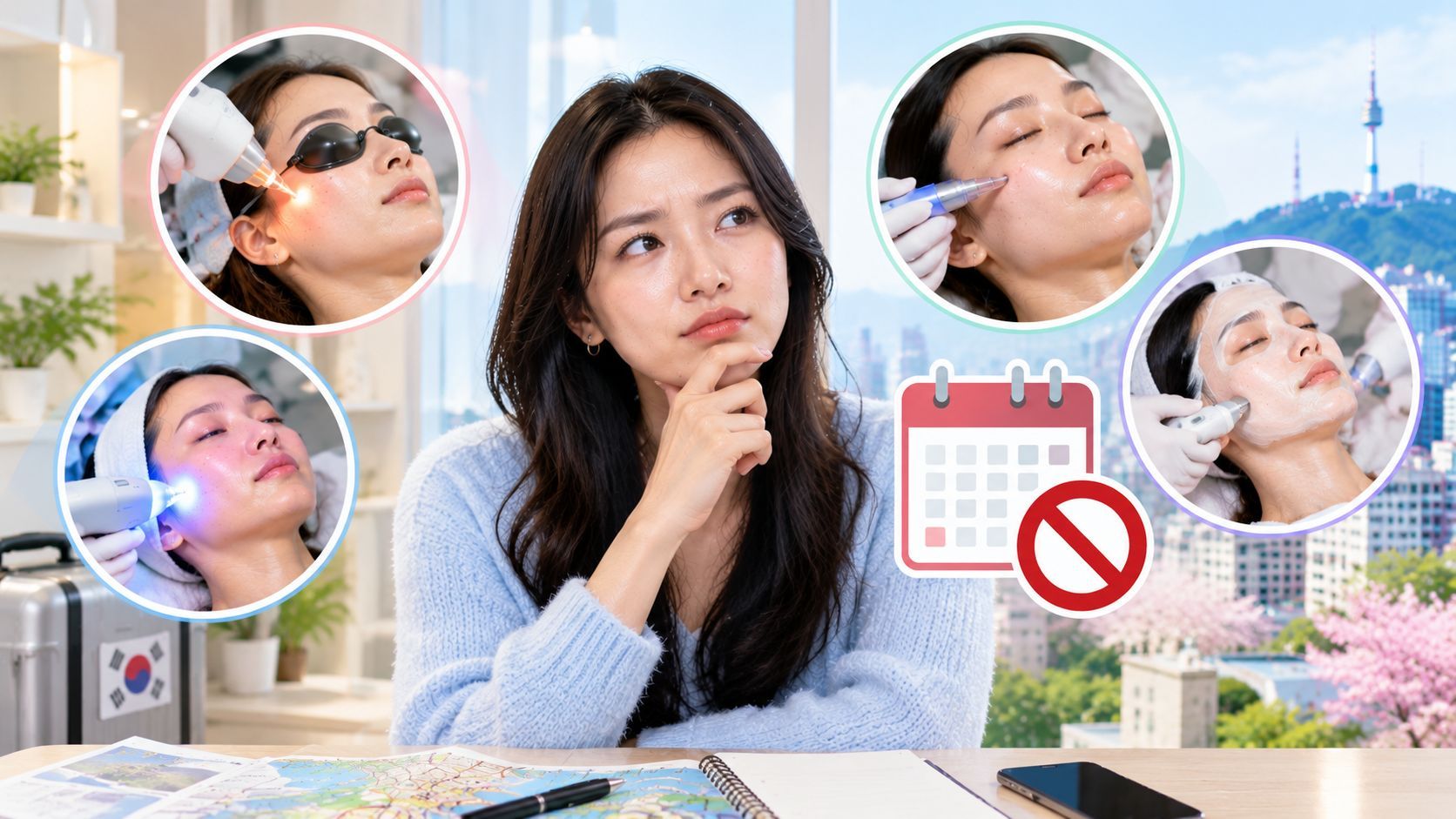
If you are traveling in Seoul, consider your schedule carefully. Avoid planning an intensive procedure immediately before a major event, extensive outdoor activity, or an important photo session.
Your dermatologist should give you individualized aftercare instructions.
What Are the Risks?
Potential complications include prolonged inflammation, infection, post-inflammatory hyperpigmentation, hypopigmentation, burns or thermal injury, and, uncommonly, scarring.
Risk can increase when treatment settings are inappropriate for the patient's skin or when the skin is already irritated.
People with a history of pigmentation changes should discuss this before treatment.
If you develop unusually severe pain, blistering, significant swelling, signs of infection, or persistent skin changes after treatment, seek medical evaluation.
Who May Not Get Much Benefit From Potenza for Laxity?
Potenza may have limited value when the primary problem is:
- Significant excess skin
- Severe facial sagging
- Major volume loss
- Substantial fat accumulation
- Prominent structural changes
- Advanced jowling
In such cases, a dermatologist or qualified aesthetic physician may discuss other approaches.
This does not mean Potenza has no role. It means the treatment needs to match the severity and cause of the problem.
Questions to Ask Before Potenza for Skin Laxity in Seoul
Before booking treatment, ask:
- Is my main problem skin laxity or volume loss?
- What degree of improvement could Potenza realistically provide?
- Which areas will be treated?
- What needle depth and RF settings are planned?
- Why are those settings appropriate for me?
- Could another tightening technology be more appropriate?
- How many sessions might be considered?
- What downtime should I expect?
- What are the risks for my skin type?
- Will I need follow-up after returning home?
For international patients, it is also useful to ask how long you should stay in Korea before flying home.
Frequently Asked Questions
Can Potenza tighten loose skin?
Potenza may improve the appearance of mild skin laxity in selected patients by combining RF energy with microneedling. It is not designed to remove substantial excess skin.
Can Potenza get rid of jowls?
It may provide some improvement when early jowling is primarily related to mild skin laxity. However, jowls can have several causes, and significant tissue descent may require another approach.
Is Potenza good for a loose neck?
It may be considered for mild neck laxity and texture changes. Significant loose skin, prominent neck bands, or substantial submental fat may require a different treatment strategy.
Is Potenza better than Ultherapy for skin tightening?
Neither is universally better. Potenza uses RF microneedling, while Ultherapy uses focused ultrasound. The appropriate choice depends on the treatment area, anatomy, laxity, and goals.
Can Potenza replace a facelift?
No. Potenza is a non-surgical treatment and cannot reproduce the tissue repositioning and excess-skin removal possible with facelift surgery.
How many Potenza treatments are needed for mild laxity?
There is no universal number. The treatment plan depends on the degree of laxity, treatment intensity, skin response, and whether other concerns are being addressed.
Conclusion
Potenza can potentially improve mild skin laxity, particularly when reduced firmness occurs together with uneven texture or enlarged-looking pores. Its RF energy and microneedling components can stimulate controlled tissue remodeling, but the degree of improvement varies.
The key is determining whether your problem is actually mild skin laxity. Volume loss, fat displacement, excess fat, jowling, and structural facial changes can create a similar appearance but may require different approaches.
If you are considering Potenza in Seoul, ask for an assessment of the cause and severity of your laxity before choosing a treatment. This can help you understand whether RF microneedling is appropriate on its own or whether another treatment category would better match your goals.